







stage lighting News
Explore the latest stage lighting technology news, industry trends and lighting solutions from VANRAY Lighting.
Learn more about in-depth analysis of stage lighting innovations, product applications and project cases through our blog.
COB Stage Lights: Why High-Output COB Fixtures Are Replacing Multi-Chip Arrays in Professional Production
This guide covers what COB technology actually delivers differently from multi-chip arrays; the two primary COB fixture categories in professional stage use—COB par lights and COB audience blinders; and what to evaluate when sourcing either in bulk.
Gobo Projector Lights for Stage: What They Do and How to Choose the Right Model for Your Application
A gobo projector light is one of the most technically specific fixtures in professional stage lighting—and one of the most frequently misspecified. The word "gobo" comes from "goes before optics"—a thin metal or glass disc placed in the gate of a profile spot fixture, where it is imaged by the optical system and projected as a sharp pattern onto a surface. The gobo projector is the fixture designed specifically to do this well: project a crisp, defined pattern at a specified throw distance with controllable edge sharpness, sizing, and rotation.
For rental companies, event production suppliers, theater operators, and venue installers sourcing gobo projector lights in volume, the procurement decision requires understanding the optical specifications that actually determine projection quality—not just the lumen output or LED wattage that dominate most product listings. A poorly specified gobo projector with high wattage will produce a blurry, low-contrast projection. A well-specified fixture with appropriate optics will produce a sharp, defined image that enhances the visual design of the space or production.
This guide covers how gobo projectors work, the specifications that matter for image quality, the applications that drive different procurement requirements, and what to verify when evaluating suppliers for bulk orders.
LED Strobe Lights for Stage: What Wholesale Buyers Need to Know Before Placing a Bulk Order
Strobe lighting occupies a unique position in professional stage lighting. Unlike wash fixtures, moving heads, or follow spots—which are evaluated primarily on color quality, beam precision, and control flexibility—strobe lights are evaluated on a combination of raw output intensity, flash frequency accuracy, pixel control capability, and the physical and electrical demands they place on the production infrastructure around them.
For rental companies, touring production suppliers, and venue operators sourcing LED strobe lights for stages in volume, the procurement decision involves more nuance than the specification sheet typically reveals. A fixture that produces adequate flash output at full power may behave differently at the mid-range flash rates where most programmed strobe effects actually run. A fixture with impressive pixel specifications may place DMX universe demands that complicate rig planning. A fixture rated for 10 years of LED life may not deliver that lifespan at the thermal load imposed by continuous high-frequency strobe operation.
This guide covers the technical specifications that predict real-world strobe performance, the applications that drive different strobe procurement requirements, and the supplier evaluation criteria that protect bulk buyers placing large orders.
Follow Spot Lights for Live Events: What Bulk Buyers Need to Evaluate Before Sourcing
A follow spotlight is one of the few fixtures in professional stage lighting that cannot be automated away. Moving head fixtures handle color wash, aerial beams, and programmed effects with precision. A follow spot does something different: it puts a human operator in real-time control of a beam that tracks a performer across a stage, responding to improvised movement, paused moments, and unrehearsed blocking changes that no preprogrammed cue can anticipate.
For rental companies, theater operators, touring production suppliers, and event production companies sourcing follow spot lights in volume, this fundamental characteristic shapes the entire evaluation framework. The fixture needs to perform reliably in the hands of a human operator under live performance pressure—consistent throw across a variable focus range, fast aperture adjustment, color selection without hesitation, and dimming that responds smoothly and immediately without artifacts.
This guide covers what follow spotlight specifications actually mean for real-world performance, the applications that drive procurement decisions, and what to verify when evaluating a follow spotlight supplier for bulk orders.
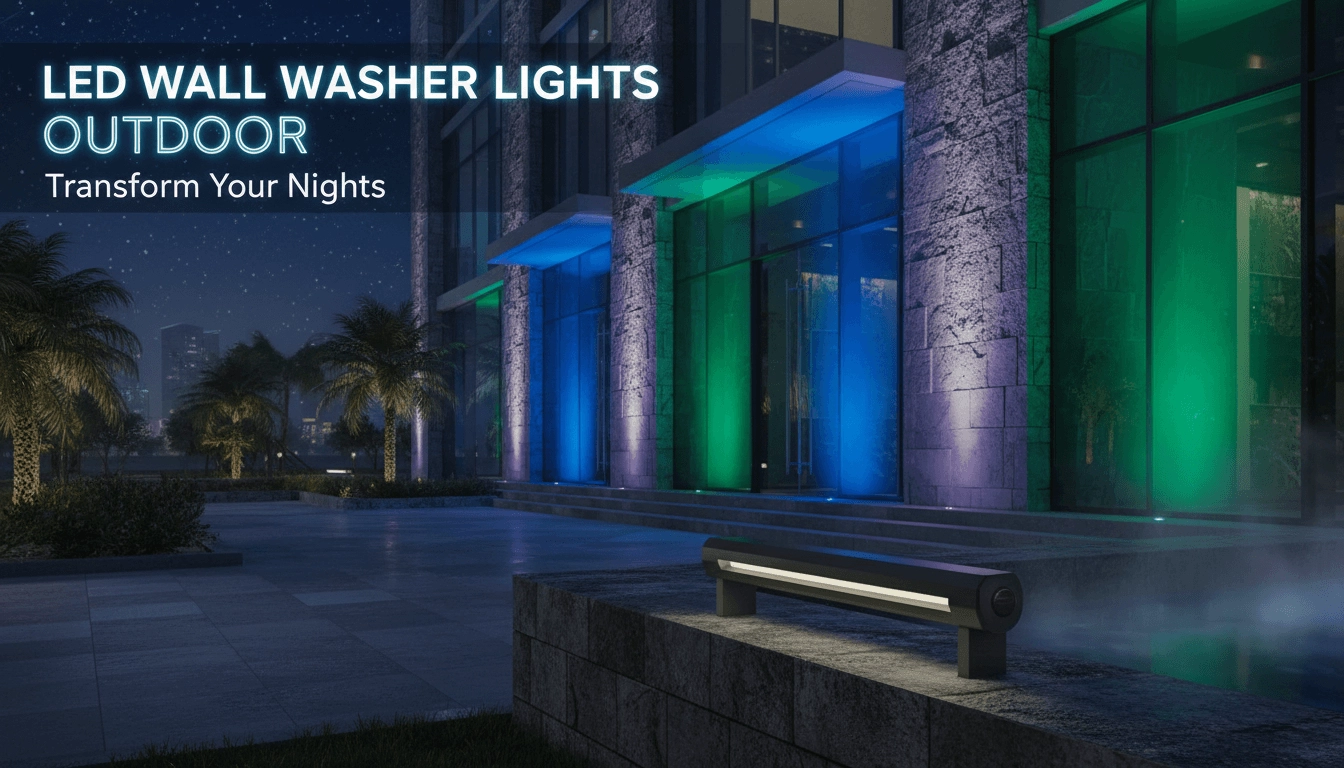
LED Wall Washer Lights: What Bulk Buyers Need to Evaluate Before Placing a Large Order
LED wall washers are among the most widely deployed fixture types in professional lighting — yet they are also among the most frequently underspecified. Because the fixture's job appears straightforward (illuminate a surface evenly), buyers often focus on price and basic output figures, overlooking the specifications that determine whether a wall washer actually performs correctly in the field: beam uniformity, color consistency across operating temperature, IP protection integrity, and long-term lumen maintenance.
For rental companies, architectural lighting contractors, venue operators, and project integrators sourcing LED wall washers in volume, these specifications are the difference between an installation that looks professional for five years and one that develops visible hotspots, color inconsistencies, or seal failures within eighteen months. This guide covers the technical requirements for professional LED wall washer procurement, the applications where specific configurations outperform others, and the verification steps that protect buyers placing bulk orders.
LED Fresnel Lights for Theater and Broadcast: What Bulk Buyers Need to Know Before Sourcing
The Fresnel lens has been a fixture in professional stage and broadcast lighting for over a century. The stepped concentric-ring lens design—patented by Augustin-Jean Fresnel in the early 19th century for lighthouse optics—produces a soft-edged, even beam that flatters subjects on camera and on stage in ways that hard-source fixtures cannot replicate. What has changed dramatically in the past decade is the light source behind that lens: the shift from tungsten and halogen to LED has transformed the Fresnel from a high-maintenance, heat-intensive workhorse into one of the most practical fixtures in a professional lighting inventory.
For rental companies, theater operators, broadcast facilities, and project contractors sourcing LED Fresnel lights in volume, the procurement decision involves more than selecting a wattage and placing an order. The specifications that determine whether a Fresnel fixture performs correctly in a broadcast studio or a demanding theatrical environment are specific, measurable, and frequently misrepresented in commodity-level product listings. This guide covers what those specifications are, why they matter, and what to verify before committing to a bulk order.
LED Par Lights Wholesale: Why Similar Specs Can Mean Very Different Products
Search "LED par lights wholesale" and the first page of results looks roughly the same regardless of which supplier you're looking at. RGBW, DMX512, IP65, CE certified, competitive pricing. The spec sheets are similar. The product photos look similar. But the prices vary by a factor of two or three, and the performance gap in real-world deployment can be even wider.
For rental companies, event production suppliers, venue operators, and distributors placing bulk orders, this creates a genuine evaluation problem. How do you distinguish between fixtures that will still be performing reliably after 500 rental cycles and fixtures that will start failing after 50? How do you identify the spec sheet entries that actually predict real-world performance from the ones that are technically accurate but practically meaningless?
This guide answers those questions directly. It covers the LED par light subcategories that buyers frequently conflate, the five factors that explain most of the price and performance variation in the market, and the procurement practices that protect buyers placing large orders.
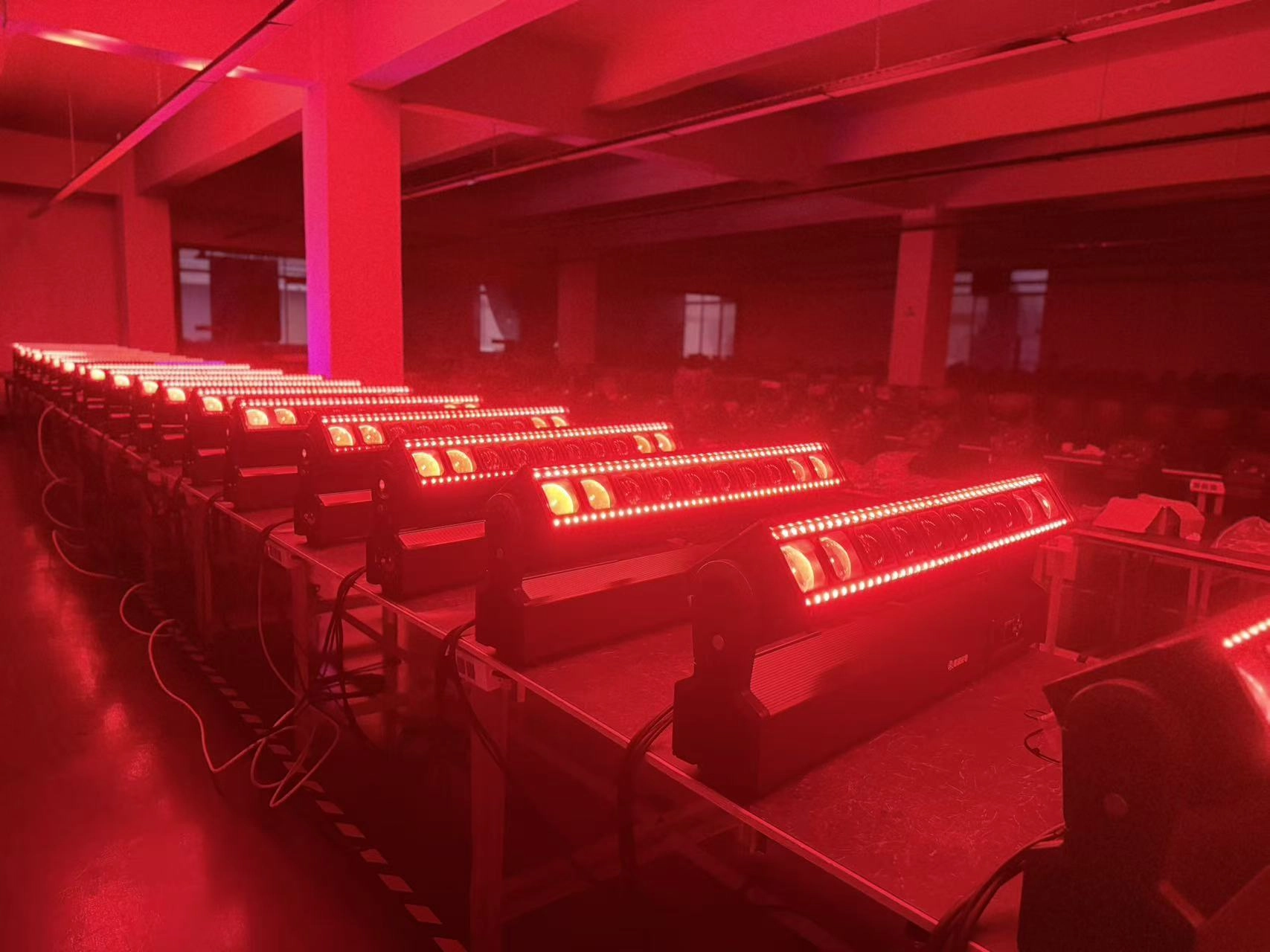
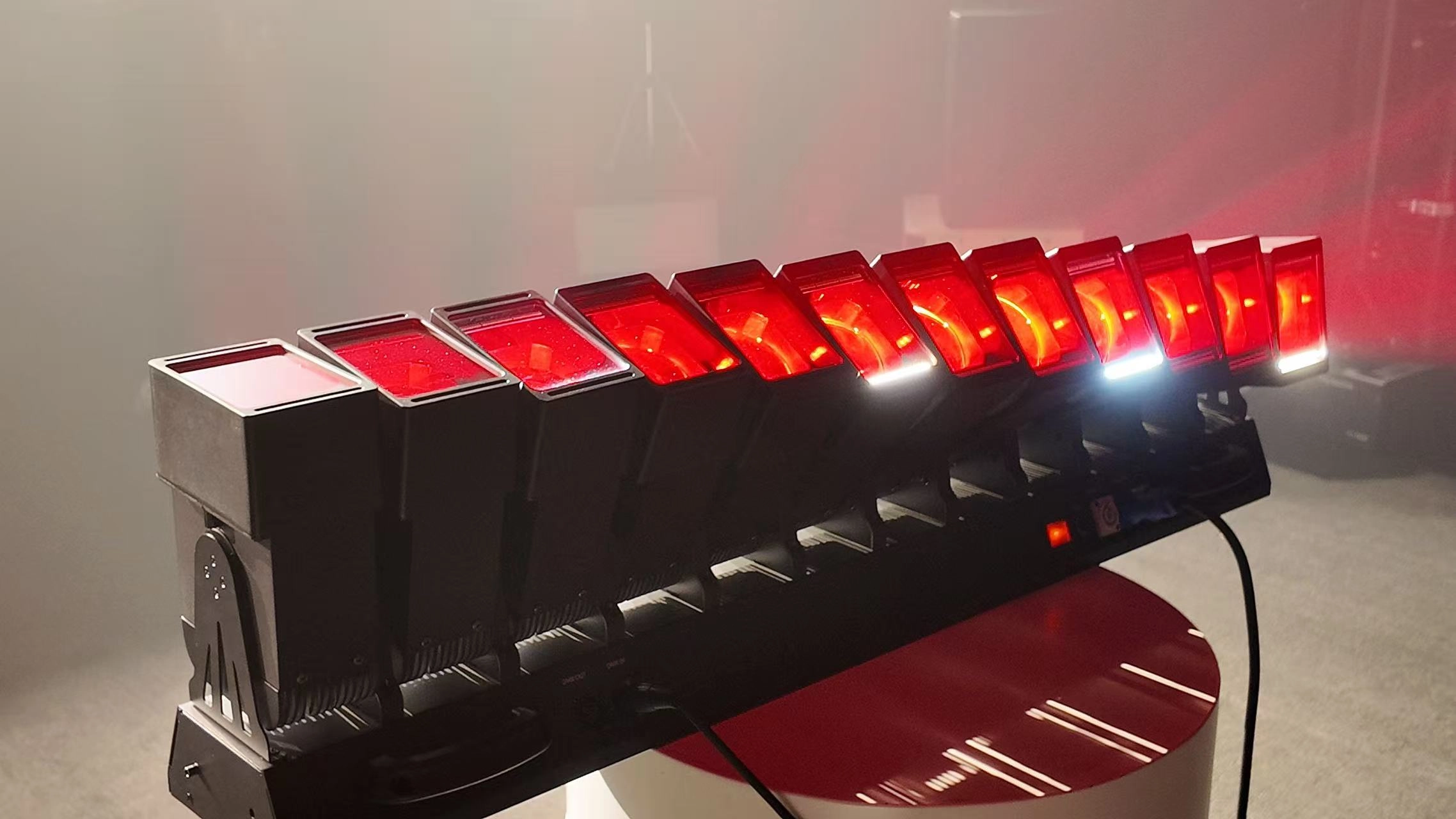
Moving Bar Lights for Stage: Why Bulk Buyers Need Them Alongside Moving Heads
Most rental companies and production suppliers build their moving light inventory around moving heads first. Beam fixtures, wash fixtures, hybrid spots — these are the workhorses of professional stage lighting and the natural starting point for any serious inventory investment. Moving bar lights tend to come later, often as an afterthought or in response to a specific client request.
That sequencing makes sense up to a point. But it leads many buyers to think of moving bars as a secondary or supplementary category—a cheaper alternative to moving heads for clients with limited budgets or a novelty effect fixture for specific show types.
That framing is wrong, and it causes buyers to underinvest in a fixture category that solves problems moving heads simply cannot. This guide explains what moving bars actually do that moving heads don't, where they deliver the most value in professional production, and what specifications matter most when purchasing them in volume.
Bee Eye Moving Head Lights: What Bulk Buyers Need to Know Before Sourcing
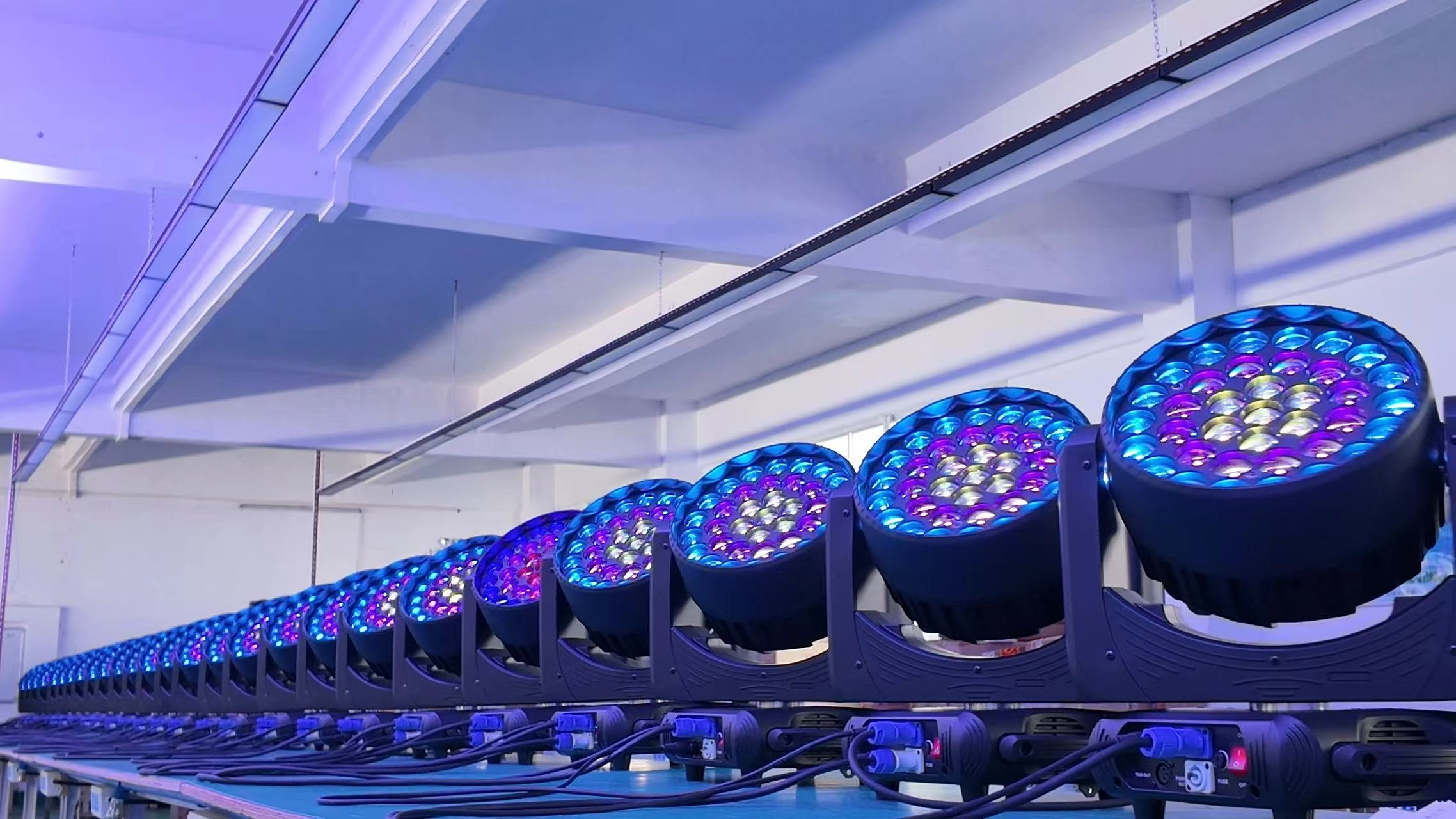
BEI moving head lights have become one of the most recognizable fixture types in professional stage lighting over the past several years. The distinctive multi-lens array — typically arranged in a honeycomb or matrix pattern — produces a combination of individual pixel-controlled beams and wide wash output that no single-source fixture can replicate. For rental companies, touring production suppliers, nightclub operators, and event production companies sourcing fixtures in volume, BEI moving heads represent a significant procurement decision that warrants careful evaluation before committing to a supplier.
This guide covers what BEI moving heads actually do, where they work best, the specifications that matter for bulk purchasing decisions, and what to look for when evaluating suppliers for a volume order.
TV Studio Lighting Setup: A Practical Guide to Lighting News Anchors and Broadcast Presenters
Lighting a television news studio is one of the most technically demanding applications in professional broadcast production. Unlike event or theatrical lighting, where the primary audience is in the room, studio lighting exists entirely to serve the camera—and cameras are unforgiving of imprecision in ways that the human eye is not.
A presenter who looks perfectly well-lit to a floor manager standing three meters away can appear flat, shadowed, or unnaturally colored on a high-definition broadcast feed. The difference between a professional broadcast image and an amateur one is almost entirely determined by the quality and placement of the lighting rig.
This guide covers the fundamental lighting positions used in professional news studio setups — key light, fill light, backlight, background light, and eye light — including the technical rationale behind each position and practical guidance on how to set each one correctly.
How to Choose a Moving Head Lights Wholesale Supplier: A Practical Guide for Bulk Buyers
Finding a moving head lights wholesale supplier is not the hard part. There are hundreds of factories and trading companies across China, Southeast Asia, and Eastern Europe all offering competitive prices and promising reliable quality. The hard part is telling them apart before you place a large order — and figuring out which ones will still be answering your messages six months after the shipment arrives.
This guide is written for rental companies, project contractors, venue operators, and distributors who are sourcing moving head fixtures in volume and need a framework for evaluating suppliers properly.
RGBW vs. CMY Color Mixing: Which System Is Right for Your Stage Performance?
Switching from Traditional PAR Cans to LED Stage Lights: How Much Can You Save on Energy and Maintenance?
Green Stage Trends 2026: How Low-Power Stage Lighting Supports Carbon-Neutral Performances
Discover how Vanray’s sustainable lighting solutions are shaping Green Stage Trends 2026. Explore low-power stage lighting innovations that drive carbon-neutral performances, reducing environmental impact while enhancing show quality. Embrace eco-friendly technology for a greener entertainment future.
Silent Cooling Technology: Why LED Profile Spot Lights Are the First Choice for Modern Theaters
Why are Vanray LED Profile Spot Lights the first choice for modern theaters? Explore their silent cooling technology. This essential type of theater light* delivers powerful, quiet illumination, optimizing any stage production. Discover more.
How to Choose IP65-Rated Fixtures for Large Outdoor Music Festivals
Top 10 Stage Lighting Manufacturers in the World (2026 Rankings)
Discover the top 10 stage lighting manufacturers in the world (2026) with Vanray. Explore leading brands known for innovation, quality, and performance in stage lighting manufacturing. Stay ahead in the industry with our expert insights and trusted recommendations.
Outdoor Stage Lighting Solutions: The Complete Professional Guide (2026)
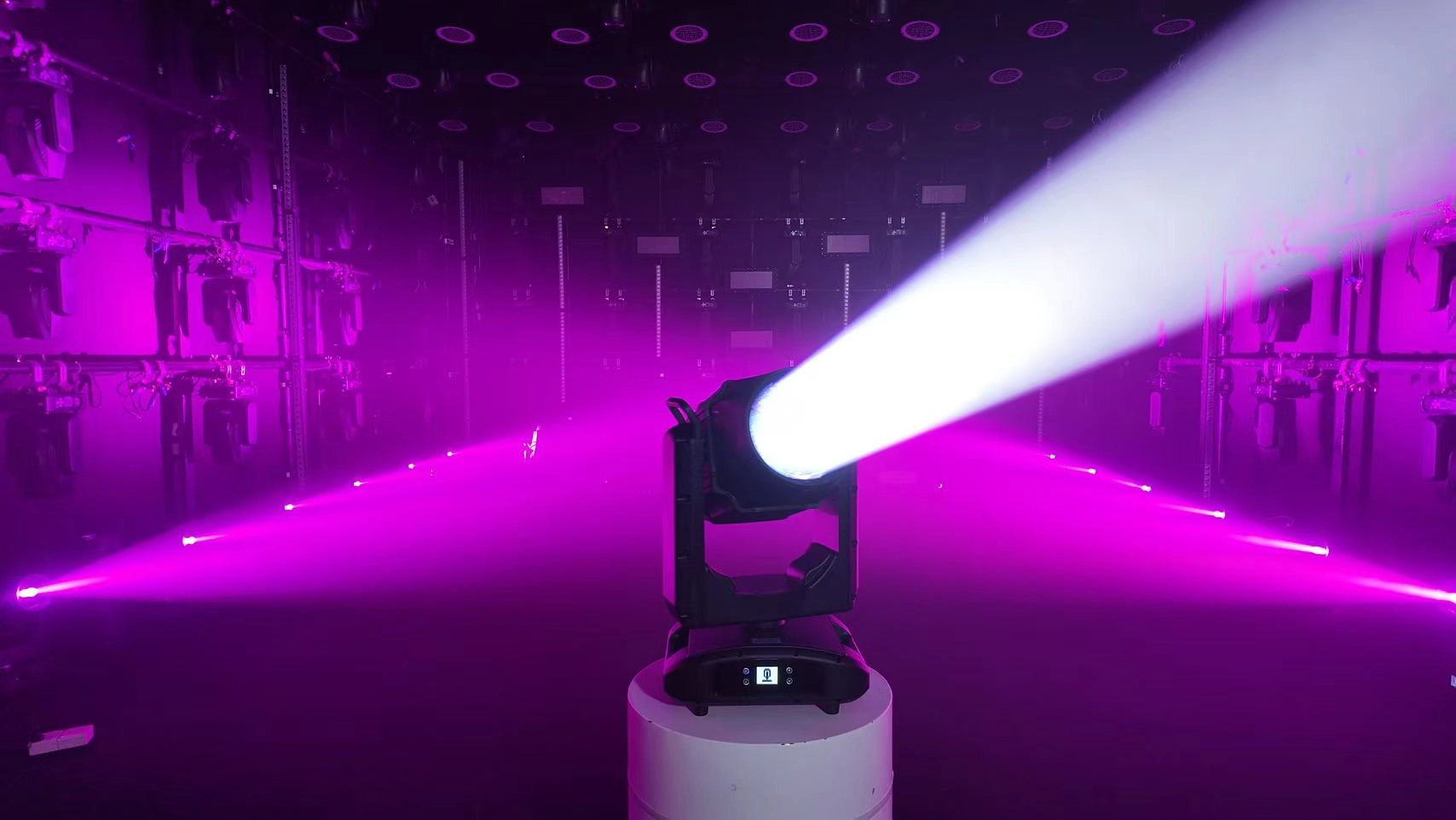
Moving Head Light Buying Guide: Everything You Need to Know Before You Buy (2026)
Waterproof Moving Head Wash Lights for Outdoor Events: What IP65 Actually Means for Your Production
Outdoor events have a way of testing your equipment in ways that indoor shows never do. Rain starts an hour before doors open. Dust rolls across a festival site mid-set. Temperatures swing 20 degrees between soundcheck and the headliner act. In these conditions, the difference between a standard moving head and a properly IP65-rated waterproof fixture isn't a minor spec detail — it's the difference between a show that runs and one that doesn't.
This guide covers what to actually look for in a waterproof moving head wash light, what the IP ratings mean in practice, and how the 7×60W configuration has become the go-to spec for mid-to-large outdoor productions.
Moving Head Wash Lights for Rental and Touring: What Actually Matters When the Fixture Has to Work Every Weekend
Buying a moving head wash light for a fixed installation is one decision. Buying one for a rental inventory or a touring rig is a different calculation entirely.
A fixture that works beautifully in a controlled venue environment may fall apart after six months of being loaded into cases, driven across country, set up in a field, rained on, packed down at 2am, and done again the following Friday. The specs that matter for rental and touring aren't always the ones that get the most space on a product page — output and color quality matter, but so does how the fixture holds up when it's being handled by a crew who have forty other things to think about.
This article covers what rental companies and touring production teams should actually be evaluating when sourcing moving head wash lights in volume—and why the 760 waterproof wash series has become a practical standard for high-frequency multi-venue use.
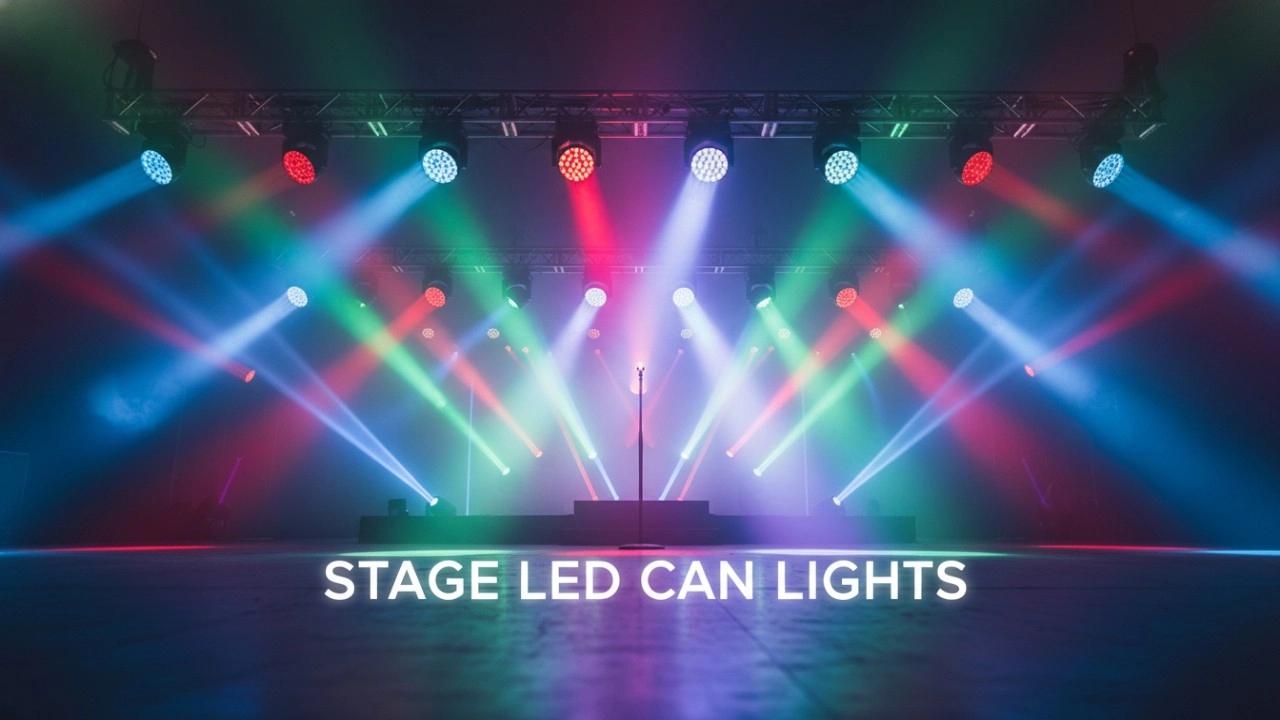
The 2026 Standard: Transitioning from Conventional PARs to Stage LED Can Lights
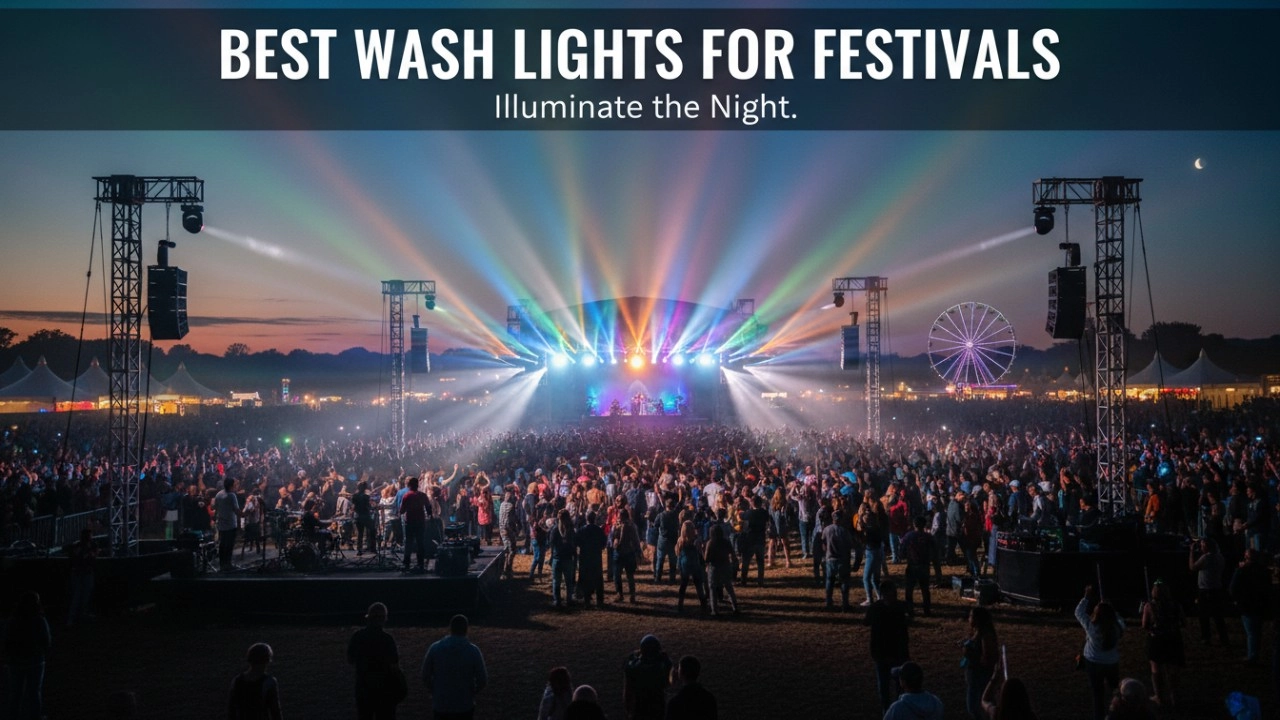
The Ultimate Guide to Lights for Festivals: 2026 Innovation and Design Trends
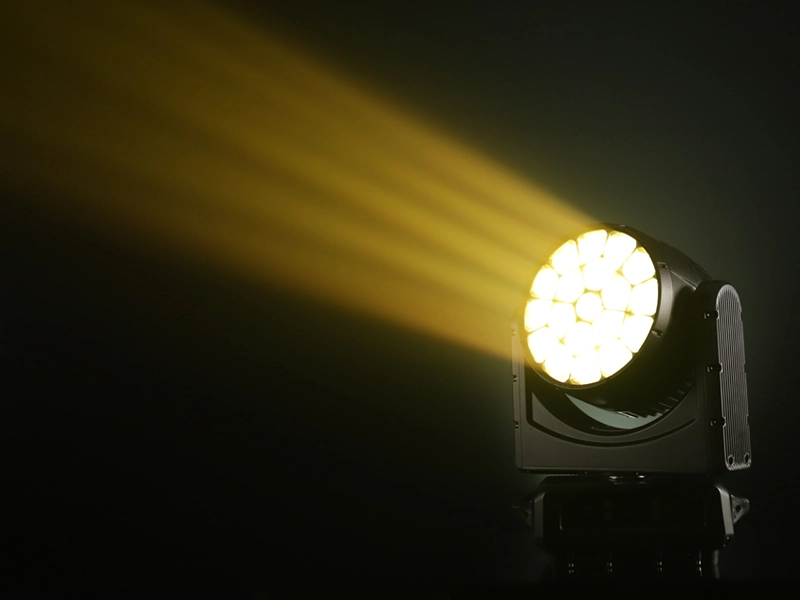
Permanent Outdoor Architectural Lighting: What to Look for When Specifying LED Wash Moving Heads
Specifying lighting for a permanent outdoor architectural installation is a fundamentally different exercise from kitting out a touring rig or a one-off festival stage. The fixture goes up, and it stays there—through winter rain, summer heat, coastal salt air, and the full range of whatever the local climate throws at it—without the option of bringing it in for servicing every few weeks.
The decisions you make at the specification stage determine whether that installation looks as good in three years as it did on opening night or whether you're back on site within twelve months dealing with failed units, degraded color output, and gasket replacements. This guide covers the factors that matter most when selecting LED wash moving heads for facades, bridges, monuments, landscape features, and other permanent or semi-permanent outdoor installations.
Get in Touch With VANRAY
Transform your stage with our exceptional stage lighting solutions!
Contact us today by filling out the form below or giving us a call to begin your stage lighting journey!
Copyright © 2026 VANRAY. All Rights Reserved.
Instagram
YouTube
Facebook