










Laser Stage Lighting Safety and Compliance: A Practical Guide for Event Operators and Venue Managers
Laser lighting creates effects that no other fixture can replicate—razor-sharp aerial beams, long-throw skylines, and synchronized graphic projections that cut through haze at distances of hundreds of meters. It's also the only category of stage lighting that carries genuine physical risk to audiences and operators if deployed incorrectly and the only category subject to specific regulatory requirements in most jurisdictions.
This guide is written for event operators, venue managers, production managers, and safety officers who are responsible for laser lighting at live events. It covers the classification system that determines how lasers are regulated, the practical safety measures required for audience-facing deployment, operator responsibilities, and what to verify when sourcing laser fixtures from a manufacturer or rental supplier.
- Why laser lighting requires a different safety framework
- The IEC 60825 laser classification system
- Regulatory requirements by region
- Audience scanning vs. audience exclusion zone
- Practical safety controls for live event laser deployment
- What to verify when sourcing laser fixtures
- VANRAY laser fixtures and compliance support
- FAQ
Why laser lighting requires a different safety framework
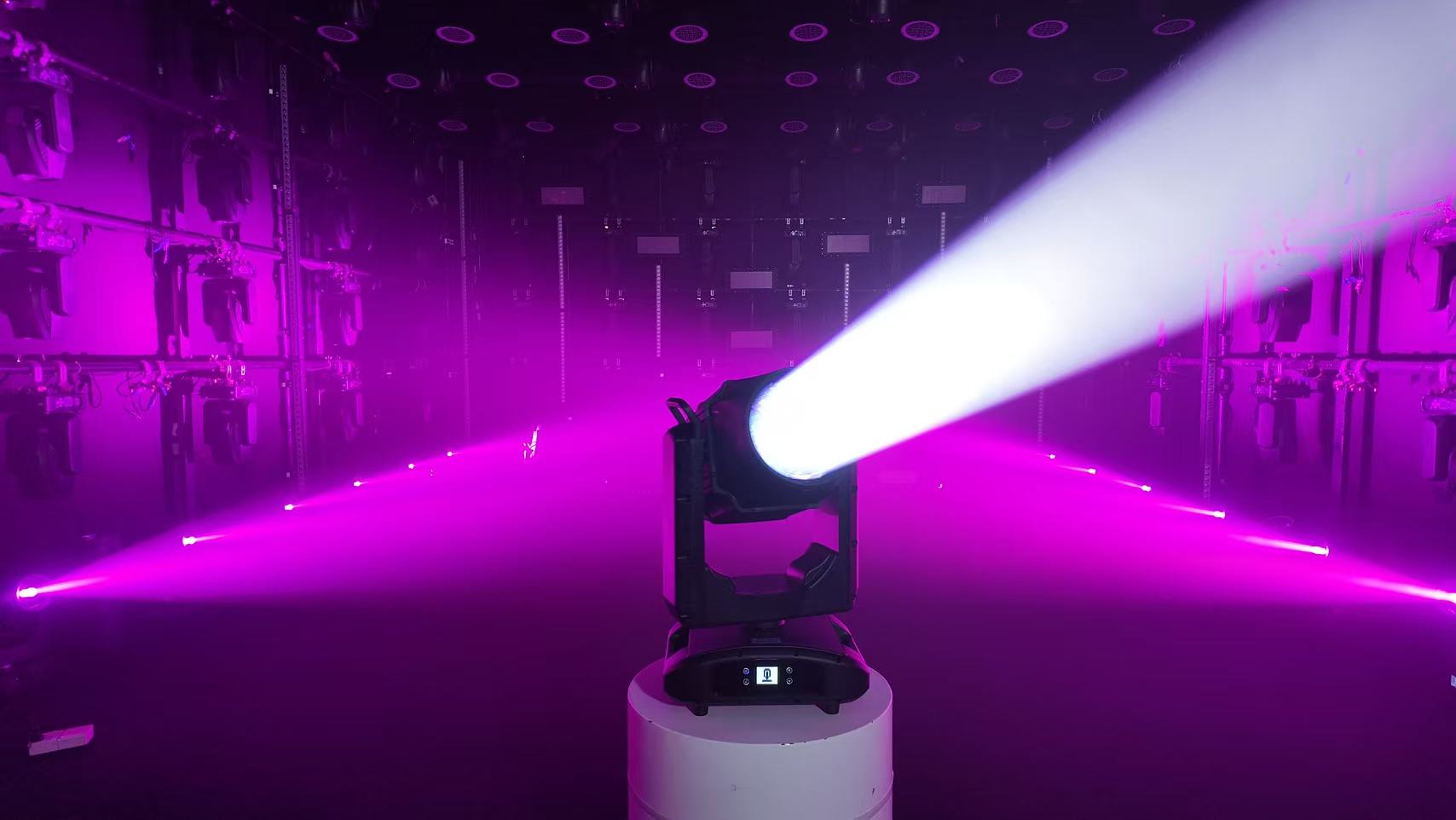
Every stage lighting fixture produces light that can cause discomfort or injury at close range. Lasers are categorically different because their output is coherent — the light travels in a tight, parallel beam that does not diverge the way conventional light sources do. A 1W LED wash light spreads its output across a wide area; a 1W laser concentrates that output into a beam a few millimeters in diameter that maintains its intensity across hundreds of meters.
The result is that even relatively low-power laser fixtures can deliver energy levels to the human eye that cause permanent retinal damage in fractions of a second. This is not a theoretical risk. Laser eye injuries at live events have been documented in multiple countries, and regulatory frameworks in most markets exist specifically because of these incidents.
Understanding this is the starting point for any safety discussion about laser stage lighting. The controls required are not bureaucratic formality—they reflect a real physical hazard that demands systematic management.
The IEC 60825 laser classification system
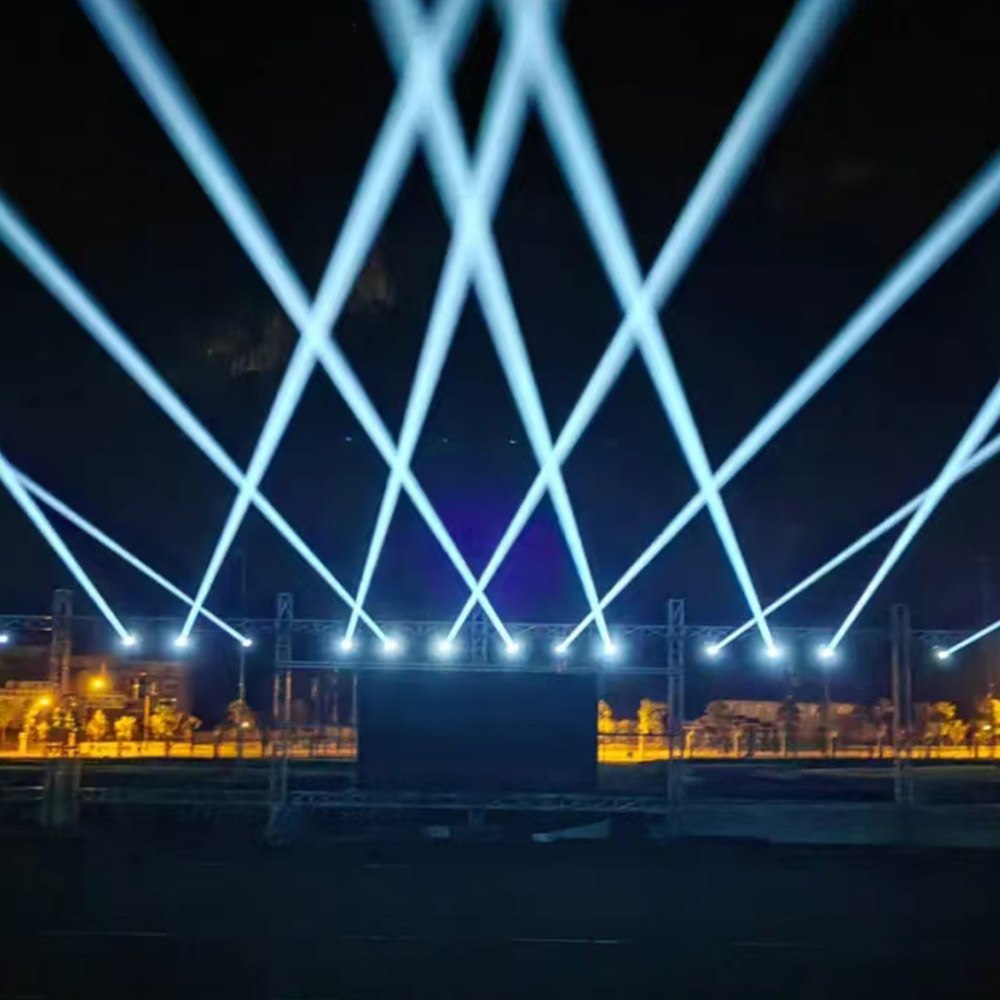
The international standard IEC 60825-1 defines a classification system for laser products based on their output power and the level of hazard they present. Most countries use this system directly or have national standards based on it. Understanding the classes is essential for anyone specifying or operating laser fixtures.
Class 1 lasers are safe under all normal conditions of use. The output is too low to cause injury even with prolonged direct eye exposure. Most laser pointers used in presentations fall into this category.
Class 2 covers visible lasers with output up to 1 mW. The natural blink reflex provides adequate protection against accidental brief exposure. Not considered hazardous for incidental viewing.
Class 3R covers lasers up to 5 mW. Direct beam viewing is potentially hazardous, particularly for extended exposure. The blink reflex may not provide adequate protection.
Class 3B covers lasers from 5mW to 500mW. Direct beam viewing is hazardous. Diffuse reflections are generally safe. This class requires formal safety controls for any public-facing application.
Class 4 covers lasers above 500 mW. Direct beam viewing is hazardous, diffuse reflections can be hazardous at close range, and the beam can cause skin burns and fire risks. Most high-output professional stage laser fixtures fall into Class 4. This class requires the most stringent safety controls.
The vast majority of professional laser moving head fixtures used in concerts, festivals, and large events are Class 3B or Class 4. This means formal safety management is not optional — it is a legal requirement in most markets.
Regulatory requirements by region
Laser safety regulation is not globally uniform. Requirements vary significantly between jurisdictions, and operators working across multiple markets need to understand the framework applicable to each deployment location.
European Union and UK The EU follows IEC 60825 and EN 60825. Public laser shows using Class 3B or Class 4 lasers typically require notification to or approval from the relevant national authority before the event. In Germany, this falls under DGUV regulations. In the UK, the Health and Safety at Work Act and associated guidance from the British Standards Institution apply. Many venues require a laser safety file to be submitted before permitting laser use on site.
United States The FDA Center for Devices and Radiological Health (CDRH) regulates laser products under 21 CFR Part 1040. Variance applications are required for audience-scanning laser shows — meaning any show where the laser beam enters the audience area. Variance applications must be submitted and approved before the event, and the approved variance must be available on site. State-level requirements apply in addition to federal rules in some states, notably New York and Florida.
Australia Laser safety in Australia is governed by AS/NZS IEC 60825-1 and state-level radiation safety legislation. Most states require notification or license for Class 3B and Class 4 laser use at public events. The relevant authority varies by state.
Middle East and Asia Requirements vary significantly. Some jurisdictions have detailed laser safety regulations; others have limited specific guidance but apply general health and safety law. For any deployment in an unfamiliar market, confirm local requirements with the venue, local authority, or a specialist laser safety consultant before committing to the design.
The consistent principle across all regulated markets is that high-power laser fixtures at public events require advance planning, documentation, and in most cases formal notification or approval. Last-minute laser additions to an event program are a compliance risk.
Audience scanning vs. audience exclusion zone
One of the most important distinctions in laser safety for live events is the difference between audience scanning and audience exclusion zone approaches.
Audience exclusion zone is the traditional approach. The laser system is configured and aimed so that the beam never enters the audience area. A defined exclusion zone — calculated based on the fixture's output power, beam divergence, and the Maximum Permissible Exposure (MPE) level — is established around the stage and truss positions. No audience members enter this zone, and the laser beams are directed above or away from audience areas.
This approach is technically simpler and carries lower regulatory burden in most jurisdictions. For many concert and festival applications, it is the standard approach — the dramatic aerial beam effects that make laser lighting visually powerful do not require the beam to enter the audience area.
Audience scanning means the laser beam intentionally sweeps across the audience area. This creates highly immersive effects but requires that the irradiance level in the audience area remains below the Maximum Permissible Exposure for the eye. Achieving this while maintaining visible dramatic effect requires careful calculation of beam power, divergence, scanning speed, and distance.
In the United States, audience scanning requires a CDRH variance as noted above. In most EU countries, it requires specific risk assessment and approval. The calculations involved require specialist competence — this is not something that should be attempted based on general guidance alone.
For most event operators, audience exclusion zone is the appropriate default. If audience scanning effects are required, engage a qualified laser safety officer to carry out the MPE calculations and manage the regulatory requirements.
Practical safety controls for live event laser deployment
Regardless of jurisdiction, the following safety controls represent the baseline for responsible laser deployment at live events.
Key switch and emergency stop All Class 3B and Class 4 laser fixtures should be operated with a key switch that prevents unauthorized activation and an accessible emergency stop that cuts beam output immediately. The emergency stop should be positioned where the operator can reach it without leaving their operating position.
Beam termination Every beam path should terminate on a non-reflective surface rather than open air or a reflective background. Beam dumps — matte black non-reflective targets — should be positioned at beam termination points for any beam that does not naturally terminate on a suitable surface.
Mounting and aim verification Laser fixtures must be securely mounted with no possibility of unintended movement that could redirect beams toward audience or operator areas. Pan and tilt limits should be set in the fixture's control system to prevent the beam from entering exclusion zones, and these limits should be verified physically before the show.
Haze and atmospheric considerations Laser beams become dramatically more visible in haze or fog — this is part of their visual appeal. It also means that haze concentration affects the apparent brightness and therefore the safety calculations for any positions near the audience exclusion zone boundary. If haze output changes significantly during the show, the safety calculations that defined the exclusion zone may no longer apply.
Operator positioning and training The laser operator should have a clear sightline to the beam paths and the audience area throughout the show. They should be briefed on emergency stop procedures and have authority to cut beam output immediately if unexpected conditions arise — including unexpected audience encroachment toward the exclusion zone, unexpected reflective surfaces entering the beam path, or technical faults causing uncontrolled beam movement.
What to verify when sourcing laser fixtures
For event operators and production managers sourcing laser moving head fixtures from a manufacturer or rental supplier, the following points should be confirmed before deployment.
Classification documentation Request the laser safety data sheet confirming the fixture's classification under IEC 60825 and the output power at each wavelength. This documentation is required for risk assessments and in many jurisdictions for regulatory submissions.
CE marking and regional compliance CE marking confirms compliance with EU requirements including the Low Voltage Directive and EMC Directive. For laser products specifically, confirm that the CE marking covers the laser safety requirements of EN 60825, not just electrical safety.
Safety interlock functionality Verify that key switch, emergency stop, and beam shutter functions operate correctly before any live deployment. These should be tested as part of the pre-show check, not assumed to be functional.
DMX and control system integration Confirm that the fixture's DMX channel map includes beam shutter control on a dedicated channel. This allows the lighting console operator to cut all laser output instantly from the console in addition to the hardware emergency stop.
Manufacturer support for compliance documentation Reputable laser fixture manufacturers maintain documentation to support regulatory submissions — output power measurement data, classification reports, and technical specifications in the format required by relevant authorities. If a supplier cannot provide this documentation, sourcing from them for a regulated public event is a significant compliance risk.
VANRAY laser fixtures and compliance support
VANRAY's laser beam moving head range carries CE and RoHS certification, with classification documentation and output power data available for all models. Our technical team can provide the fixture specifications and safety data required to support CDRH variance applications, EU notification submissions, and venue safety file requirements.
For production companies and rental operators sourcing laser fixtures for regulated markets, we provide full technical documentation packages on request. Contact our team at vanraylighting.com with your project details and target deployment market.
FAQ
Do I need a laser safety officer for a live event using laser moving heads?
In most jurisdictions using Class 3B or Class 4 fixtures at a public event, a competent person with laser safety training must be responsible for the risk assessment and safety management. Whether this requires a formally certified Laser Safety Officer depends on the specific jurisdiction. In the US, a LSO is required for variance applications. In the EU, a competent person conducting a formal risk assessment is the standard requirement. For any regulated deployment, confirm local requirements before the event.
Can laser moving heads be used outdoors without additional safety measures?
Outdoor deployment introduces additional considerations. Beam paths extend further before termination, increasing the potential for unintended irradiation at distance. Aircraft exclusion zones may apply — in many countries, laser beams that could reach navigable airspace require notification to aviation authorities. Check local aviation regulations before any outdoor laser deployment.
What is the Maximum Permissible Exposure and how is it calculated?
MPE is the maximum level of laser radiation to which a person may be exposed without hazardous effect. It is defined in IEC 60825 as a function of wavelength, exposure duration, and beam area. MPE calculations for audience scanning applications require the fixture's specific output parameters and are typically carried out using dedicated laser safety calculation software by a qualified person.
What documentation should I keep on site during a laser show?
At minimum: the fixture classification documents, the risk assessment, any regulatory approvals or variance documentation, the operator's training records, and the emergency contact for the fixture manufacturer or rental supplier. In the event of an incident, this documentation will be the first thing requested by investigators or regulators.
Does VANRAY provide output power measurement data for its laser fixtures?
Yes. Classification documentation and output power data at each wavelength are available for all laser moving head models. Contact our technical team at vanraylighting.com to request documentation for a specific model.
VANRAY Lighting supplies laser beam moving heads with full CE and RoHS certification and compliance documentation support for regulated markets. Visit vanraylighting.com for specifications and technical documentation requests.
LED Wall Washer Lights: What Bulk Buyers Need to Evaluate Before Placing a Large Order
LED Fresnel Lights for Theater and Broadcast: What Bulk Buyers Need to Know Before Sourcing
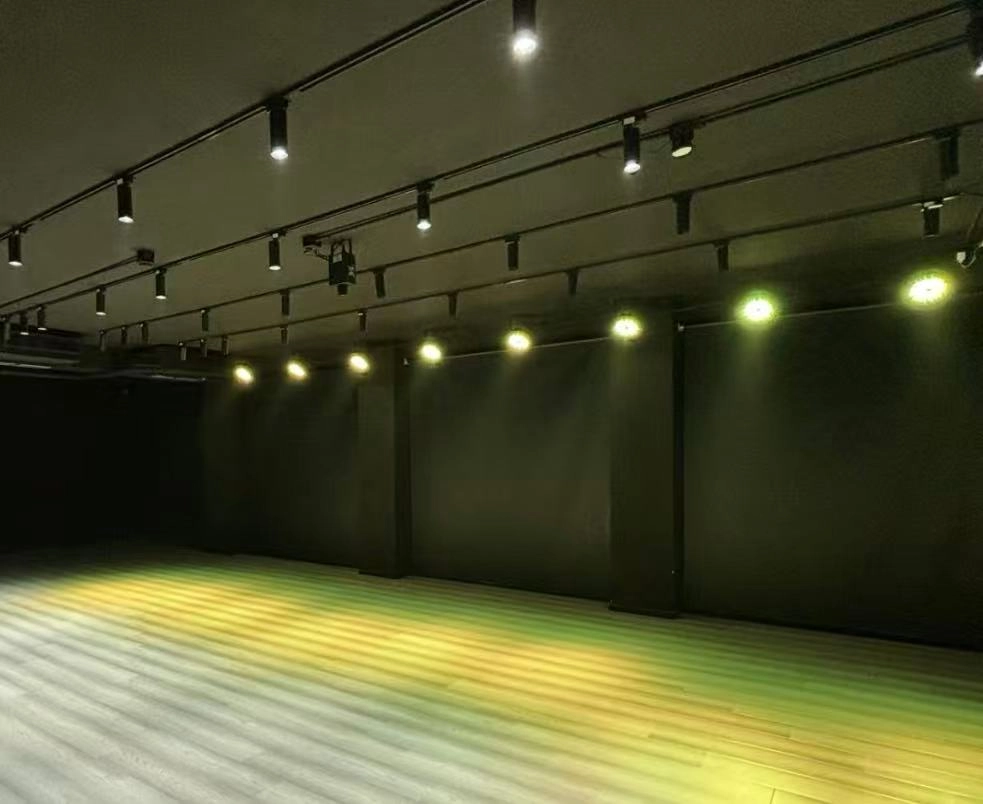
LED Par Lights Wholesale: Why Similar Specs Can Mean Very Different Products
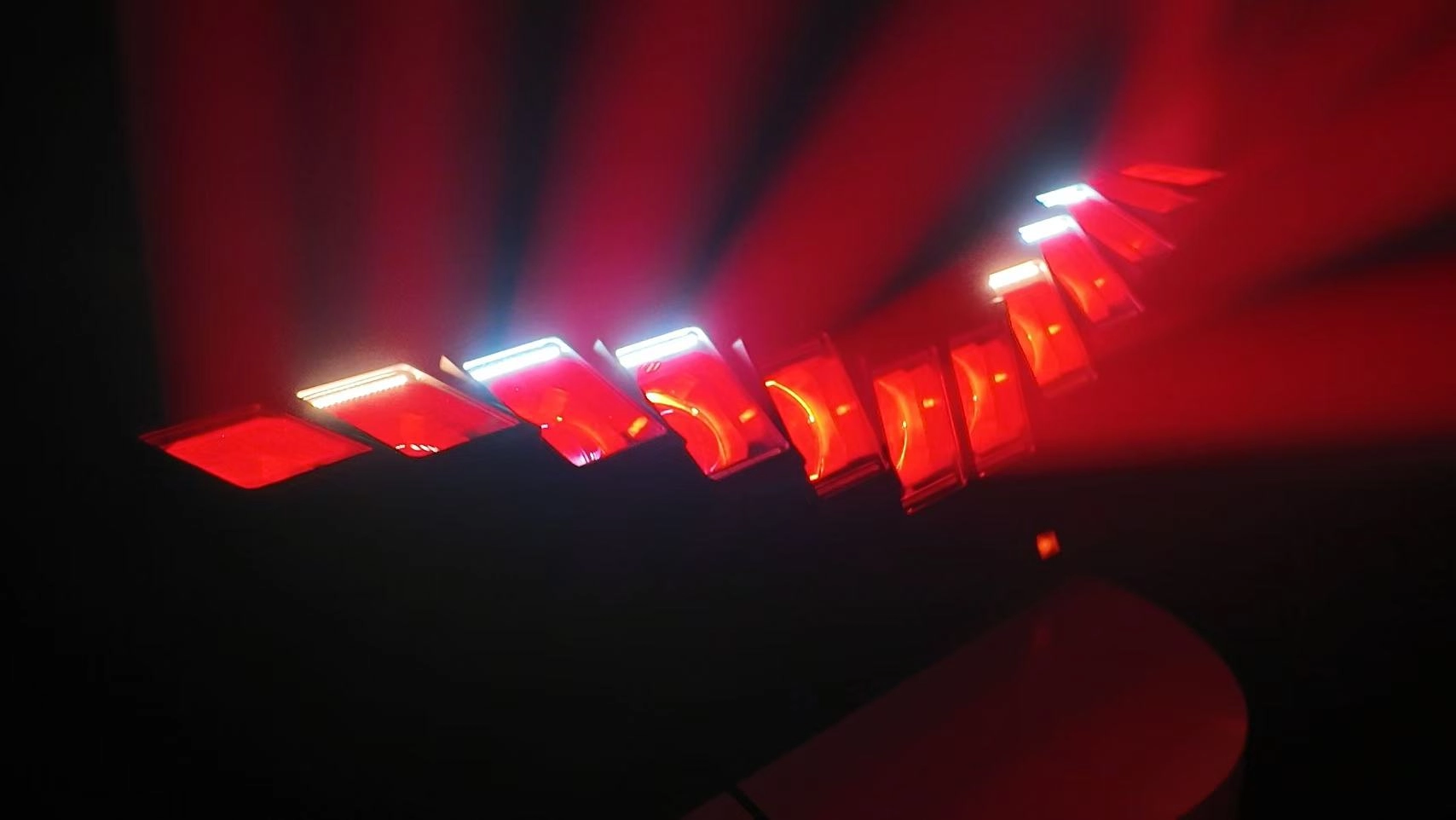
Moving Bar Lights for Stage: Why Bulk Buyers Need Them Alongside Moving Heads

Bee Eye Moving Head Lights: What Bulk Buyers Need to Know Before Sourcing
About Customized Services
Can you provide OEM / ODM services ?
Yes, we can support OEM/ODM services for the details, which can be negotiated with our sales team.
How long does customized service take?
The time for customized services depends on your specific needs and order volume. Generally speaking, normally 2-3 days, we will provide you with customized solutions as soon as possible.
About After Sales
What is the product quality guarantee time ?
Our stage lighting product guarantee time is 1 year; all products can support after-sale service during this period; if lights are broken, we can provide spare parts for free.
About Product
Can you accept the sample order?
Yes, we can. The sample order for trial is acceptable.
About Company
What is the main product of your company ?
Our main products covers moving head light , led profile spot light , led fresnel , led panel , led wall washer , gobo projector , led strobe light, etc.

VANRAY Waterproof 7*60W LED Zoom Moving Head VF-760 RGBW 4 in 1 zoom moving wash light
VANRAY Waterproof 7*60W LED Zoom Moving Head VF-760 RGBW 4 in 1 zoom moving wash light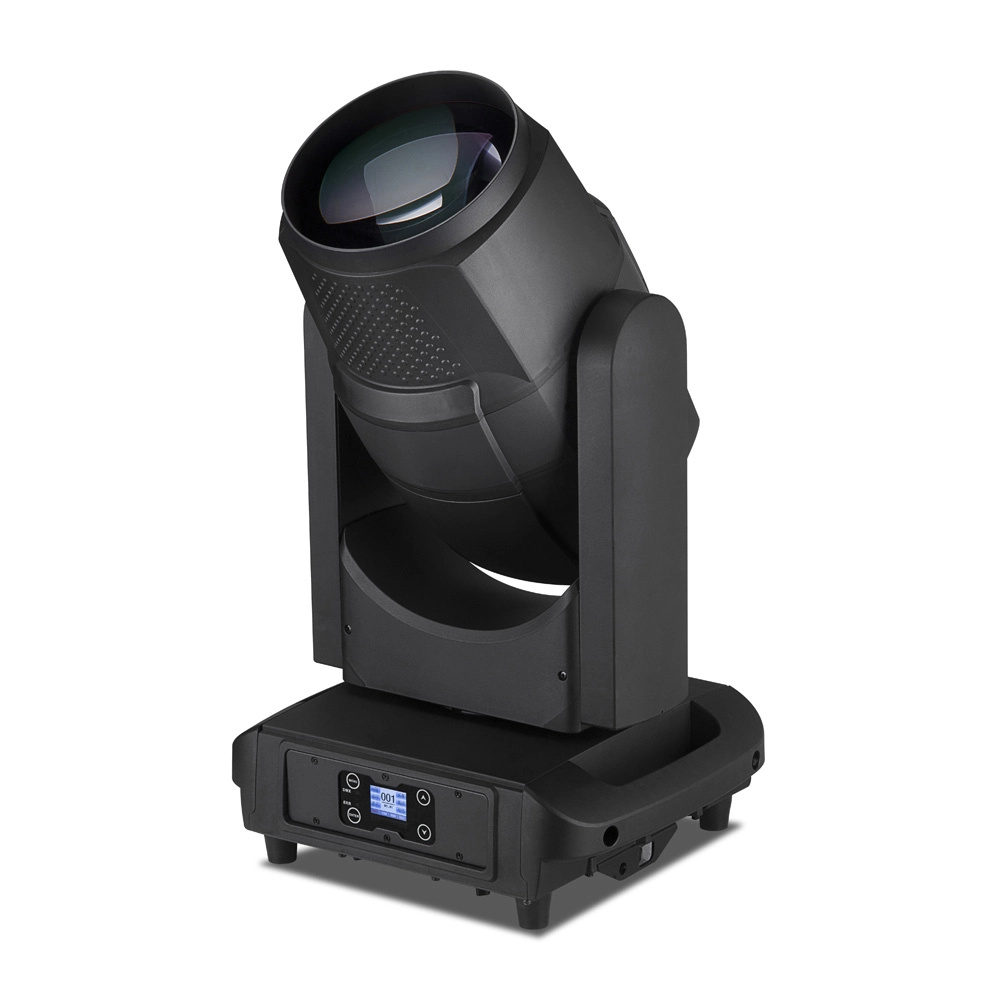
VANRAY Outdoor Waterproof Beam Moving Head Light VF-420 IP66 Beam Moving Head with Osram Bulb
VANRAY Outdoor Waterproof Beam Moving Head Light VF-420 IP66 Beam Moving Head with Osram Bulb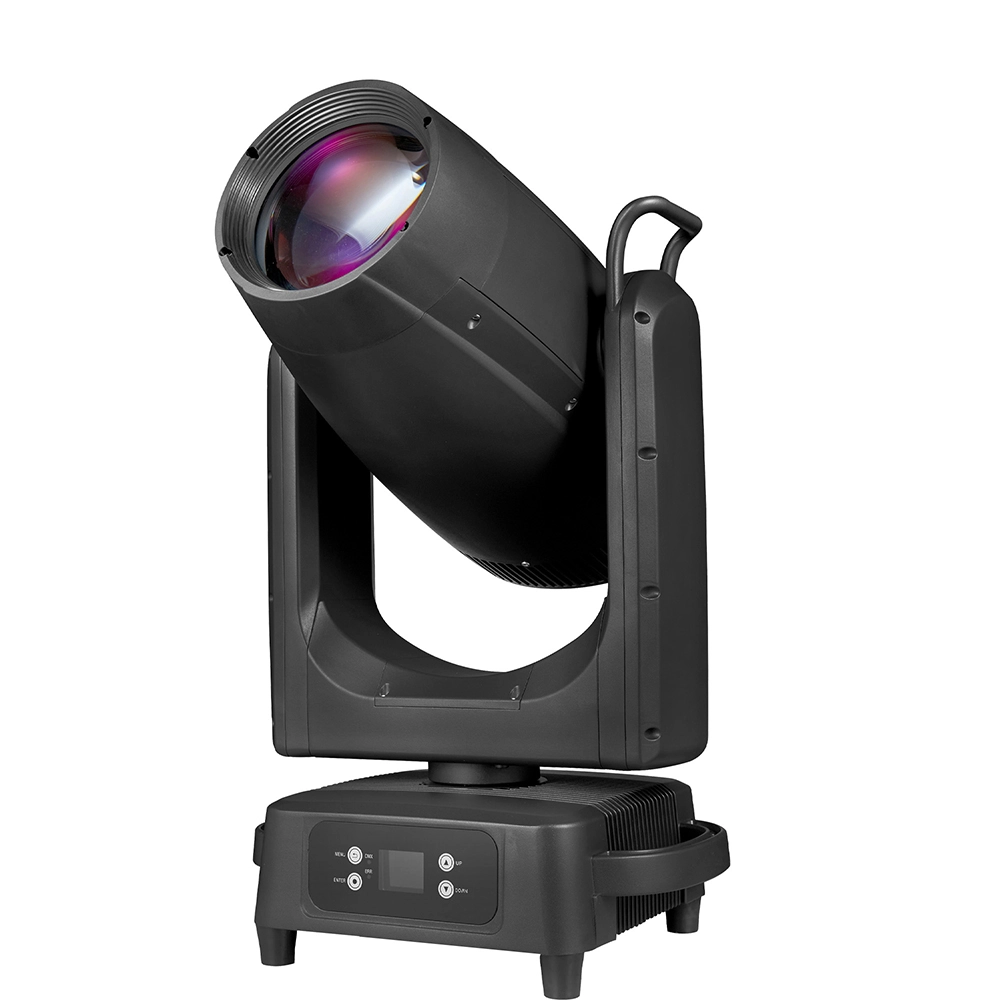
VANRAY Moving Head LED Light VF-600 Waterproof 600W LED 3 in 1 Moving Head
VANRAY Moving Head LED Light VF-600 Waterproof 600W LED 3 in 1 Moving Head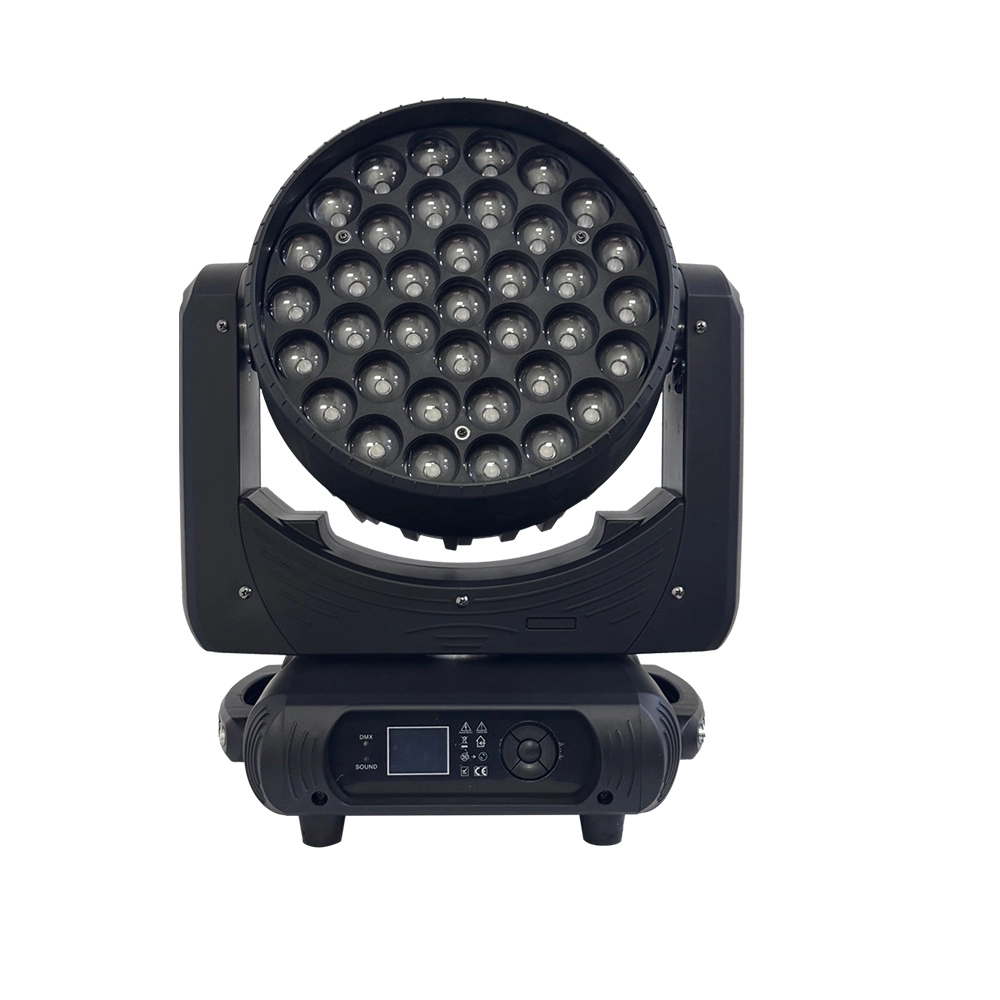
Get in Touch With VANRAY
Create unforgettable stage moments with our advanced lighting solutions!
Contact us now by filling out the form below or calling us directly to begin your lighting journey!
VANRAY Lighting is a China-based LED stage lighting supplier trusted by productions in 60+ countries, VANRAY Lighting delivers a comprehensive suite of services including innovative R&D, precision production, and professional integration.
Built on decades of technical expertise, we are defined by our commitment to quality and service perfection. From theaters to grand-scale events, VANRAY is the trusted choice for reliable lighting solutions across the global entertainment and architectural sectors.
Copyright © 2025 VANRAY. All Rights Reserved.
Instagram
YouTube
Facebook