










LED vs Discharge Moving Head Lights: What the Numbers Actually Look Like When You're Replacing a Rig
The conversation around LED versus discharge moving heads has been running for over a decade. In the early years, the argument was straightforward: discharge fixtures—HMI, MSR, and similar lamp-based sources—produced more raw output, and LED couldn't match them for punch on large stages. Buy LEDs for smaller venues and installations; keep discharge for anything serious.
That picture has changed substantially. High-output LED moving heads now compete directly with discharge fixtures across most professional applications, and the total cost of ownership calculation has shifted decisively. But "LED is better now" is not a useful answer for a production company or venue operator who needs to decide whether to replace 40 discharge moving heads, when to do it, and what to actually specify.
This article works through the comparison with real numbers rather than marketing language—output, color, energy, maintenance, and total cost—so you can make the decision with accurate information.
- Output: where discharge still leads, and where LED has caught up
- Color quality: the area where LED has genuinely surpassed discharge
- Energy consumption: the numbers that drive the financial case
- Lamp and consumable costs: the maintenance calculation most buyers underestimate
- Total cost of ownership: putting the numbers together
- Where discharge fixtures still make sense
- What to specify when making the switch
- FAQ
Output: where discharge still leads, and where LED has caught up
Raw lumen output remains the area where high-end discharge fixtures maintain an advantage at the top of the market. A 1200W HMI discharge spot produces somewhere in the range of 90,000–120,000 lumens. The best current LED moving head spots in the 500–700W range produce 30,000–55,000 lumens. For very large arenas, outdoor stadium shows, and applications where throw distance exceeds 40–50 meters, this gap is real and relevant.
Below that threshold — which covers the majority of professional applications including theaters, mid-size concert venues, television studios, corporate events, and festival secondary stages — the gap has effectively closed for most practical purposes. A 350–500W LED moving head produces sufficient output for these environments, and the beam quality from modern LED optics is comparable to discharge sources in most wash and mid-range spot applications.
The nuance that matters for buyers: raw lumen output is not the same as useful light on stage. Discharge fixtures lose significant output through color filters, gobos, and beam-shaping optics. LED fixtures with built-in color mixing lose less output in the color mixing process because the mixing happens at the source rather than through subtraction. A discharge fixture producing 80,000 lumens through a saturated color filter may deliver less useful colored light than a 40,000-lumen LED fixture with efficient RGBW mixing.
For most buyers replacing a mid-range discharge rig — 700W to 1200W fixtures — a high-quality LED moving head in the 350–600W range will match or exceed practical on-stage output in the majority of applications.
Color quality: the area where LED has genuinely surpassed discharge
This is where the comparison has shifted most dramatically in LED's favor over the past five years.
Discharge sources produce a broad-spectrum white light that, when filtered through gels or CMY color systems, renders color in a way that has been the industry reference standard for decades. The color quality is excellent — but it comes with limitations. Color temperature shifts as lamps age. Batch variation between lamps affects color consistency across a rig. CMY mixing produces rich saturates but struggles with clean pastels and accurate skin tones at some color positions.
Modern high-quality LED moving heads with multi-chip arrays — RGBW, RGBWA, or higher-channel-count configurations — produce color with measurably better consistency. LED chips are manufactured to tight binning tolerances, so color matching across a batch of fixtures is more reliable than matching discharge lamps. Color does not drift over the fixture's operating life the way lamp color shifts with hours.
For broadcast and film applications, the relevant metrics are CRI (Color Rendering Index) and TLCI (Television Lighting Consistency Index). High-quality LED moving heads now routinely achieve CRI 90+ and TLCI 85+. Premium models reach CRI 95+ and TLCI 90+. These figures match or exceed what discharge sources deliver through color correction filters.
The practical implication: for any application where color accuracy matters — television, film, theater with demanding skin tone requirements, corporate presentations — modern LED fixtures are the more reliable choice, not a compromise.
Energy consumption: the numbers that drive the financial case
This is where the total cost of ownership calculation becomes concrete. The energy difference between discharge and LED is large enough that it drives payback periods on LED investment, and it affects operational decisions around generator sizing for touring and outdoor events.
A typical discharge moving head spot in a mid-range professional rig draws 700W to 1200W per fixture. A LED fixture delivering comparable output for most applications draws 300W to 500W. For a rig of 40 fixtures, the difference looks like this:
A 40-fixture discharge rig at 1000W average draw runs at 40kW total. The same rig in LED at 400W average draw runs at 16kW. At $0.15 per kWh, running both rigs for 200 show days per year at 6 hours per show:
- Discharge rig: 40kW × 1,200 hours = 48,000 kWh per year = $7,200 in electricity
- LED rig: 16kW × 1,200 hours = 19,200 kWh per year = $2,880 in electricity
- Annual saving: $4,320 on energy alone
For touring productions, the generator sizing implication is significant. A 40kW discharge rig requires a generator rated above 40kW with headroom for other technical systems. A 16kW LED rig may allow a meaningful step down in generator size — a difference that affects fuel consumption, generator hire cost, and truck weight on international tours.
For venues with permanent installed rigs, the energy saving compounds across years and is straightforwardly recoverable in the total cost of ownership calculation.
Lamp and consumable costs: the maintenance calculation most buyers underestimate
Discharge lamp replacement is a significant ongoing cost that is frequently underestimated when comparing purchase prices between discharge and LED fixtures.
A professional HMI or MSR lamp for a mid-range discharge moving head costs between $80 and $300 depending on the lamp type and wattage. Rated lamp life is typically 750 to 1,500 hours. In active rental or touring use, a fixture running 1,000 hours per year will need at least one lamp replacement annually, and often more given that lamps are typically replaced before end of life to avoid failure during a show.
For a 40-fixture rig at one lamp per fixture per year at $150 average lamp cost, that is $6,000 per year in lamp consumables alone, before labor.
Re-lamping labor adds to this. Replacing 40 lamps takes several hours of technician time. For touring productions where re-lamping happens on the road, this is crew time that has a real cost.
LED fixtures have no lamp consumable. The LED modules are rated at 50,000 hours or more and are not a scheduled replacement item in normal operation. The maintenance cost difference over a five-year period is substantial:
- Discharge rig lamp cost over 5 years: $30,000 in lamps, plus labor
- LED rig lamp cost over 5 years: $0
Total cost of ownership: putting the numbers together
The purchase price of professional LED moving heads is typically higher than equivalent discharge fixtures, which is the primary reason some buyers defer the switch. Working through the full five-year cost changes the picture significantly.
Using a 40-fixture rig as the basis, with LED fixtures priced at $1,500 per unit versus discharge at $900 per unit:
| Cost category | Discharge (5 years) | LED (5 years) |
|---|---|---|
| Purchase price (40 units) | $36,000 | $60,000 |
| Energy cost | $36,000 | $14,400 |
| Lamp consumables | $30,000 | $0 |
| Re-lamping labor (est.) | $8,000 | $0 |
| Total | $110,000 | $74,400 |
The LED rig costs $24,000 more to purchase and $35,600 less to operate over five years — a net saving of approximately $35,600. Payback on the higher purchase price occurs at roughly 18–24 months depending on utilization rate and energy costs.
These figures use conservative estimates. Higher utilization rates, higher energy costs, and premium lamp pricing all shorten the payback period further.
Where discharge fixtures still make sense
A balanced comparison requires acknowledging where discharge fixtures remain the rational choice.
For very large arena and stadium productions where maximum throw distance and raw output are the primary requirement, top-tier discharge spots still hold an advantage. The highest-output LED moving heads are closing this gap, but at the absolute top of the market, discharge sources still produce more light.
For operators with a large existing discharge rig that is in good condition and well within its service life, the financial case for immediate replacement is less compelling than for a rig approaching end of life. The total cost of ownership advantage of LED is real, but it does not necessarily justify replacing functional equipment ahead of schedule.
For productions where the specific character of discharge source light — the particular rendering of a given lamp type — is a deliberate artistic choice by the lighting designer, that aesthetic preference is a legitimate factor in the decision.
Outside these scenarios, the financial and operational case for LED has become strong enough that discharge moving heads are increasingly difficult to justify for new purchases in most professional applications.
What to specify when making the switch
For buyers transitioning from discharge to LED, the specification decisions that matter most are:
Output class: Match the LED fixture's output to your actual throw distances and venue size, not to the wattage of the discharge fixture being replaced. A 500W LED fixture is not equivalent to a 500W discharge fixture — the lumen output and efficiency characteristics are different. Request photometric data and compare lux at throw distance rather than comparing wattage.
Color specification: For broadcast and film applications, specify CRI and TLCI minimums rather than accepting whatever the fixture delivers. CRI 90+ and TLCI 85+ should be the floor for any broadcast-adjacent application.
Dimming performance: Verify flicker-free operation at all dimming levels. This matters for broadcast and is increasingly relevant for any event where phone cameras in the audience are a consideration. Request test data or a demonstration at low dimming levels before specifying for broadcast use.
Control compatibility: Confirm DMX footprint and channel modes work with your existing console. Most professional LED moving heads support standard protocols, but verify channel counts and mode options match your console's fixture library or that a profile is available.
FAQ
Can LED moving heads fully replace discharge fixtures for large outdoor festivals?
For main stages at large outdoor festivals with throw distances above 40–50 meters, the highest-output discharge spots still hold a raw output advantage. For most other positions on a festival rig — side wash, back light, audience lighting, secondary stages — current high-output LED moving heads are a direct replacement in terms of practical performance.
Do LED moving heads require any special power infrastructure compared to discharge fixtures?
LED fixtures draw significantly less power, which generally simplifies power distribution rather than complicating it. The lower total draw may allow downsizing of distro, dimmer racks, and generator capacity. Verify that your existing dimmer infrastructure supports LED loads — some older dimmer systems designed for resistive lamp loads do not perform correctly with LED drivers.
How do LED moving heads perform in cold outdoor temperatures?
LED output and color consistency can be affected by very low temperatures, particularly at startup. Most professional fixtures are rated to -10°C or -20°C operating temperature. Verify the operating temperature range against your deployment conditions, and allow fixtures to reach operating temperature before critical cues in cold environments.
What is the realistic LED module lifespan in heavy touring use?
Manufacturer ratings of 50,000 hours are based on controlled test conditions. In heavy touring use with high ambient temperatures and continuous high-output operation, real-world lifespan will be shorter. A realistic estimate for heavy professional use is 20,000–35,000 hours before noticeable lumen depreciation, which still represents several years of touring use before maintenance is required.
Does VANRAY offer both LED and discharge moving head fixtures?
VANRAY's current range focuses on LED moving head technology across spot, wash, and beam categories. For buyers transitioning from discharge rigs, our team can provide output comparison data and application-specific recommendations to match fixture selection to your existing rig's performance requirements. Contact us at vanraylighting.com.
VANRAY Lighting supplies professional LED moving head lights for touring productions, rental companies, venues, and broadcast studios. Factory-direct pricing, full certification documentation, and pre-purchase technical consultation. Visit vanraylighting.com.
LED Wall Washer Lights: What Bulk Buyers Need to Evaluate Before Placing a Large Order
LED Fresnel Lights for Theater and Broadcast: What Bulk Buyers Need to Know Before Sourcing
LED Par Lights Wholesale: Why Similar Specs Can Mean Very Different Products
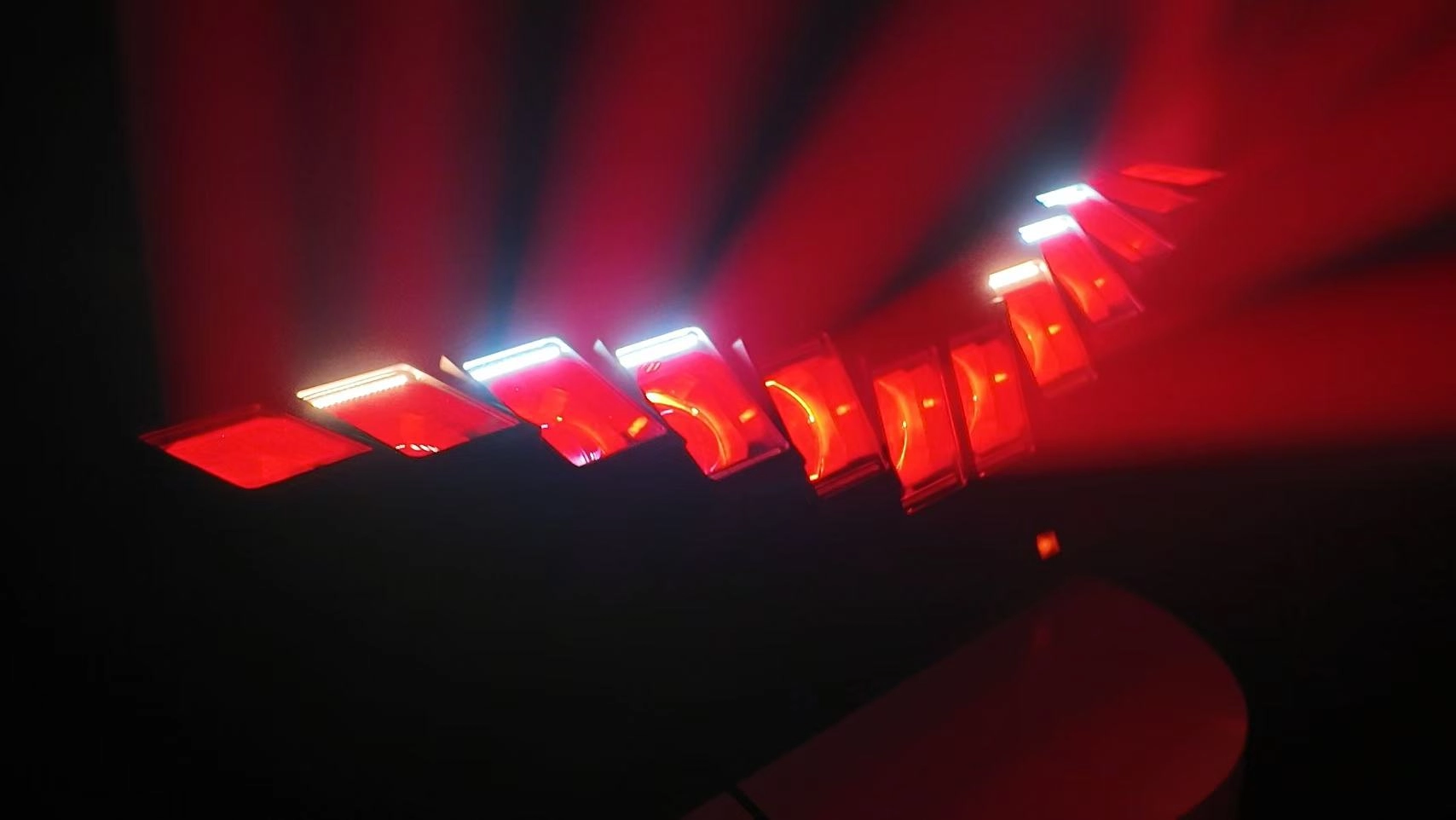
Moving Bar Lights for Stage: Why Bulk Buyers Need Them Alongside Moving Heads

Bee Eye Moving Head Lights: What Bulk Buyers Need to Know Before Sourcing
About Customized Services
Can you provide OEM / ODM services ?
Yes, we can support OEM/ODM services for the details, which can be negotiated with our sales team.
About Company
Can I Visit your company?
Of course, our company is located in No. 7, Sijiaowei Industrial Zone, Tanbu Town, Huadu District, Guangzhou, China. Warmly welcome to visit our factory.
About After Sales
What should I do if there are problems when using the product?
If you encounter any problems when using the stage lighting products, please contact our customer service team in time, and we will wholeheartedly provide you with technical support and solutions.
About Product
What is the delivery time of orders ?
Its based on the workshop schedule; if products are in stock, we will ship the goods within 1-2 days; if products are out of stock, we need to make production; normally 100-200 pieces can be finished in 7-10 days.
About Cooperation Process
What information do I need to provide to start the cooperation process?
You need to provide your company information, product needs, customization requirements, cooperation intentions and other relevant information.
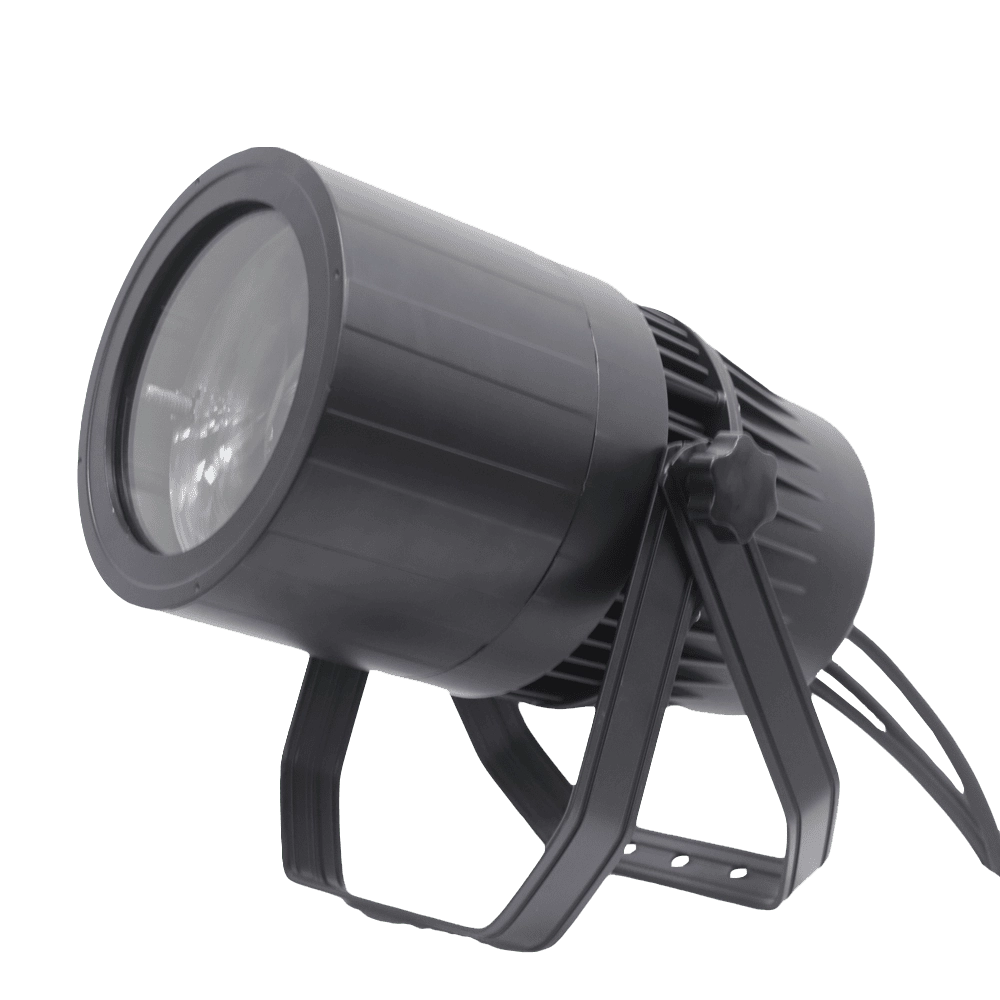
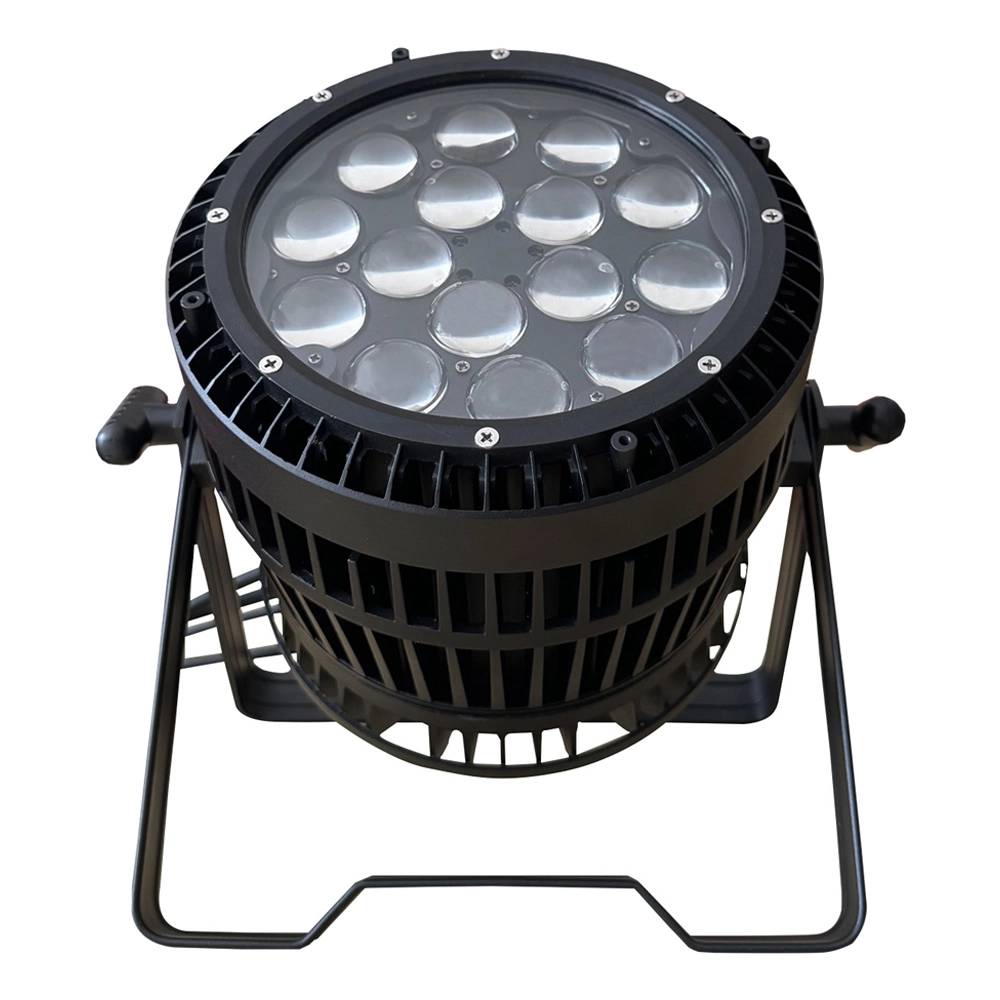
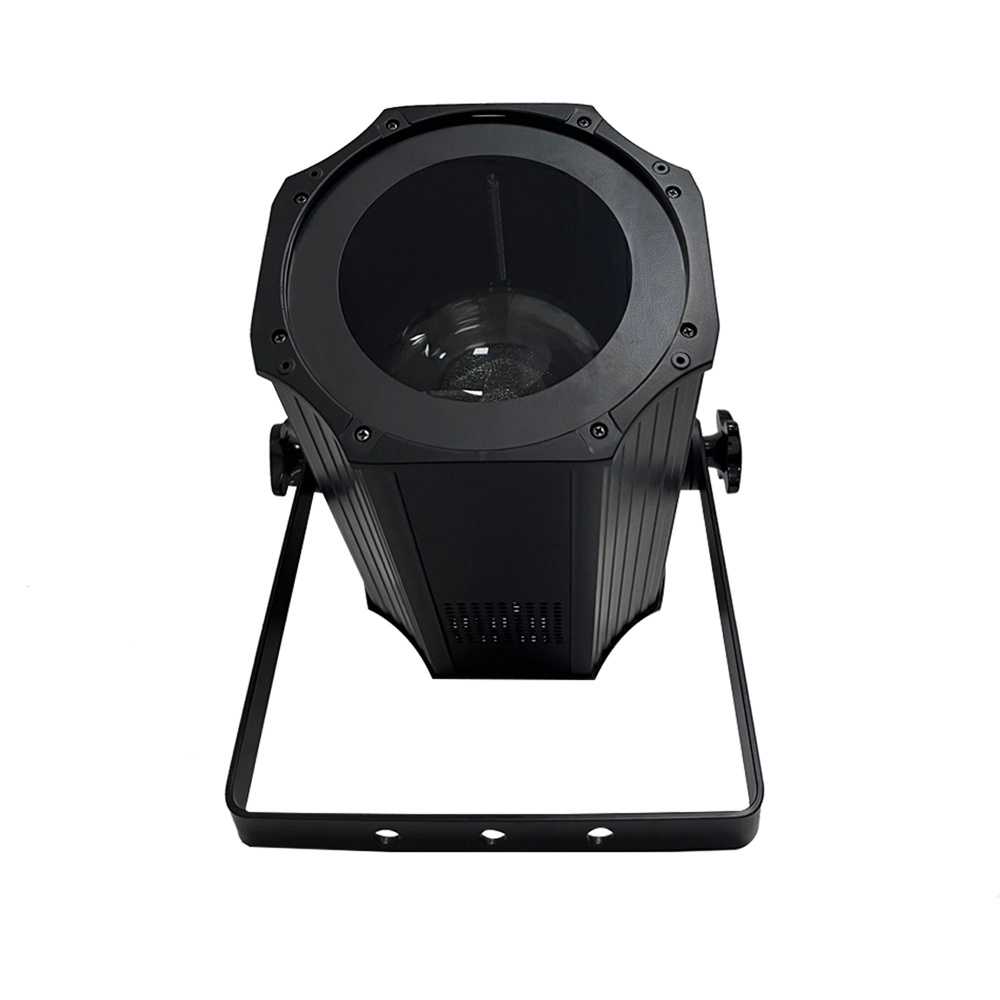
LP-1515Z — 200W IP65 Waterproof Zoom LED Par Light
LP-1515Z — 200W IP65 Waterproof Zoom LED Par Light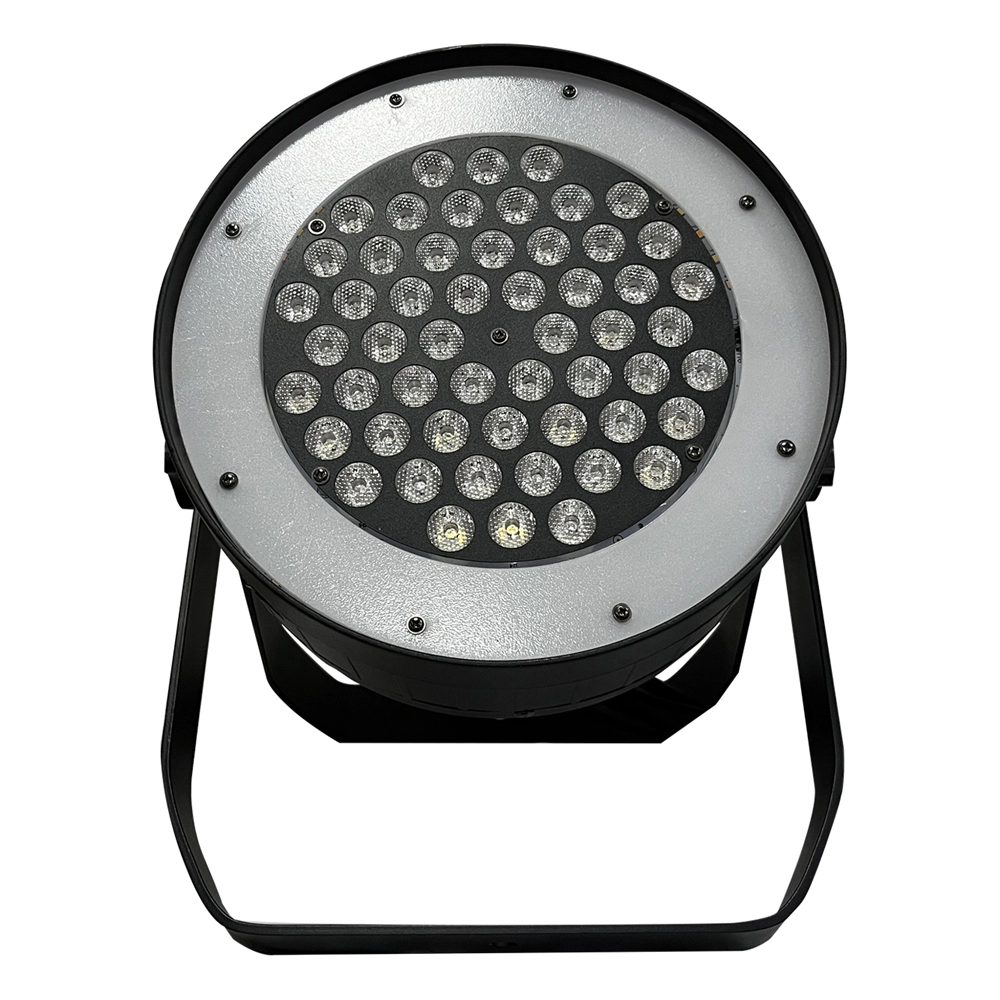
Get in Touch With VANRAY
Create unforgettable stage moments with our advanced lighting solutions!
Contact us now by filling out the form below or calling us directly to begin your lighting journey!
VANRAY Lighting is a China-based LED stage lighting supplier trusted by productions in 60+ countries, VANRAY Lighting delivers a comprehensive suite of services including innovative R&D, precision production, and professional integration.
Built on decades of technical expertise, we are defined by our commitment to quality and service perfection. From theaters to grand-scale events, VANRAY is the trusted choice for reliable lighting solutions across the global entertainment and architectural sectors.
Copyright © 2025 VANRAY. All Rights Reserved.

Instagram
YouTube
Facebook