










LED Fresnel Lights for Theater and Broadcast: What Bulk Buyers Need to Know Before Sourcing
The Fresnel lens has been a fixture in professional stage and broadcast lighting for over a century. The stepped concentric-ring lens design—patented by Augustin-Jean Fresnel in the early 19th century for lighthouse optics—produces a soft-edged, even beam that flatters subjects on camera and on stage in ways that hard-source fixtures cannot replicate. What has changed dramatically in the past decade is the light source behind that lens: the shift from tungsten and halogen to LED has transformed the Fresnel from a high-maintenance, heat-intensive workhorse into one of the most practical fixtures in a professional lighting inventory.
For rental companies, theater operators, broadcast facilities, and project contractors sourcing LED Fresnel lights in volume, the procurement decision involves more than selecting a wattage and placing an order. The specifications that determine whether a Fresnel fixture performs correctly in a broadcast studio or a demanding theatrical environment are specific, measurable, and frequently misrepresented in commodity-level product listings. This guide covers what those specifications are, why they matter, and what to verify before committing to a bulk order.
- 🎭 What makes a Fresnel fixture different from other stage lights
- 📐 Key specifications for theatrical and broadcast LED Fresnel lights
- Color Rendering Index (CRI) and TLCI
- Color temperature range and stability
- Dimming performance and flicker
- Silent operation
- Beam quality and lens grade
- 🏛️ Applications where LED Fresnel lights are the correct specification
- Theater and performing arts
- Broadcast and television studios
- Film and video production
- Corporate events and conferences
- 🔧 What to verify before placing a bulk Fresnel order
- 📊 LED Fresnel specification comparison: theatrical vs broadcast
- FAQ
🎭 What makes a Fresnel fixture different from other stage lights
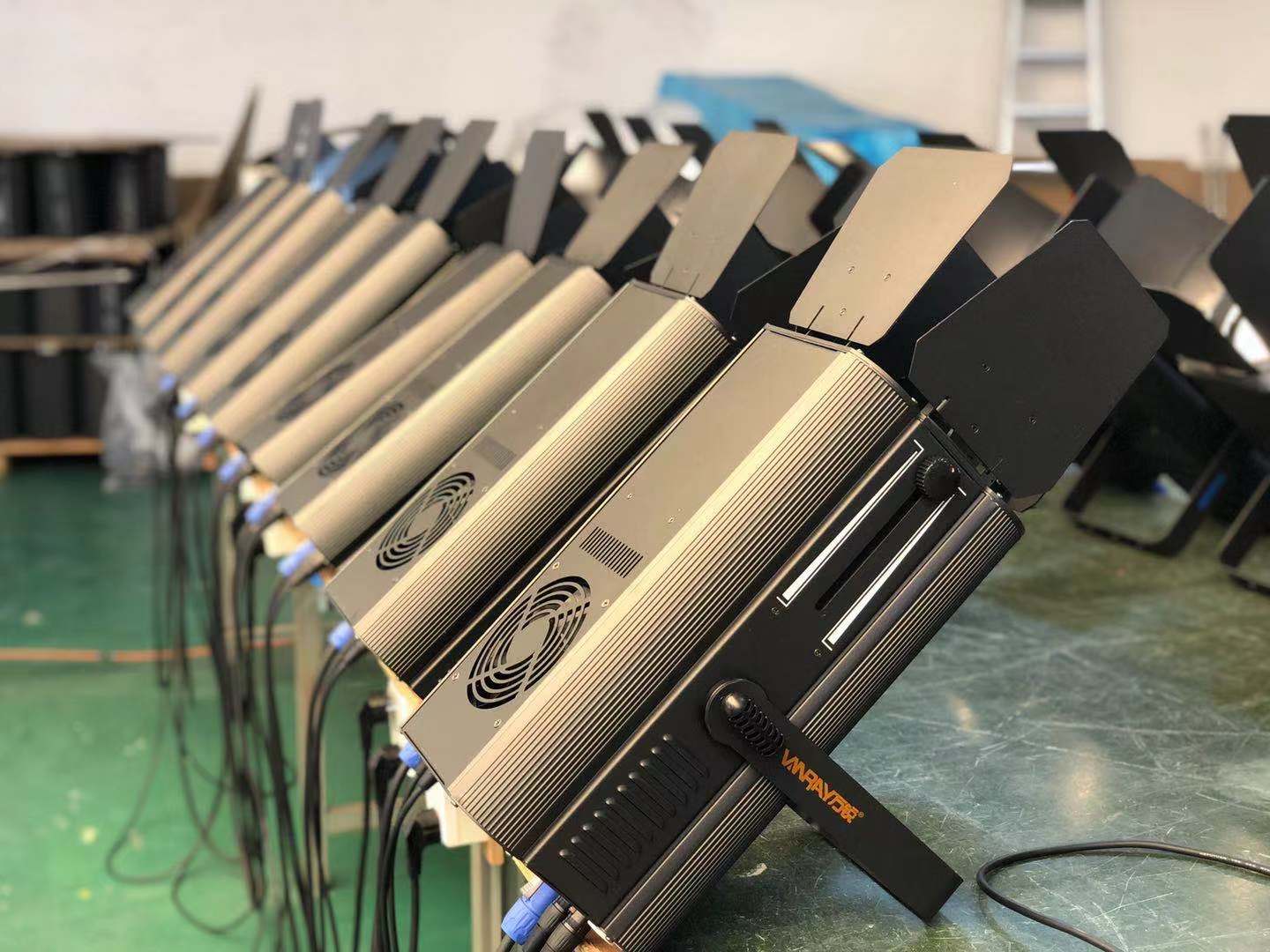
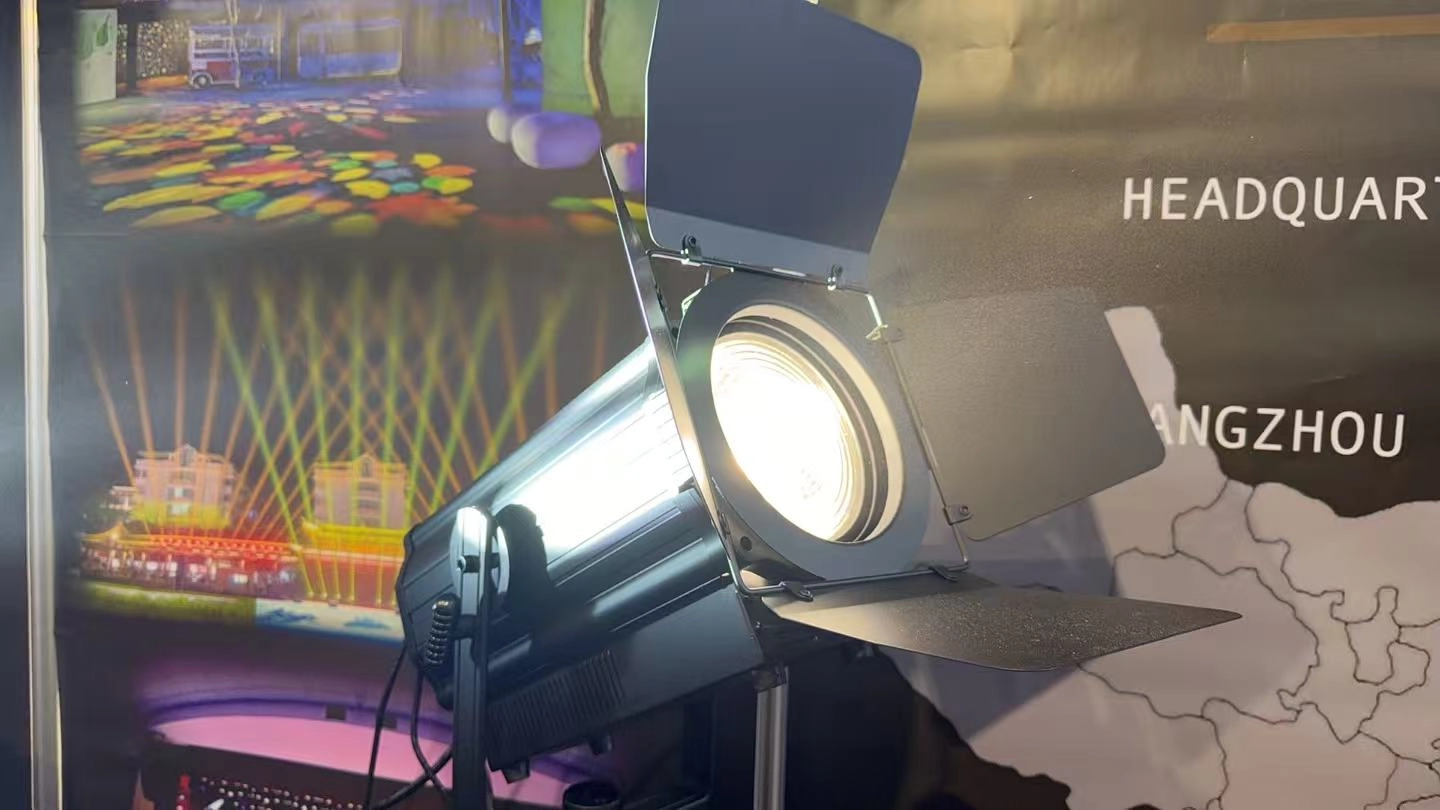
The defining characteristic of a Fresnel fixture is its optical system. The stepped lens produces a beam with a soft, graduated edge — a penumbra — rather than the hard cutoff of a profile spot or the tight parallel beam of a dedicated beam fixture. This soft edge is not a limitation; it is the design intent. Soft-edged beams blend naturally with adjacent fixtures on stage, wrap around performers without creating hard shadow lines, and render on broadcast cameras with a naturalness that hard-source lighting cannot achieve.
The beam angle of a Fresnel fixture is mechanically adjustable by moving the LED engine or lamp assembly relative to the lens — closer to the lens produces a wide flood, further away produces a narrower spot. This continuous, stepless adjustment — typically from around 8° to 55° depending on the fixture — gives lighting designers precise control over coverage without changing fixtures or adding diffusion.
Barn doors, fitted to the front of the housing, allow basic beam shaping on four sides. While a Fresnel cannot produce the precision edge control of a profile spot with shutters, barn doors provide sufficient control to prevent spill onto adjacent surfaces in most theatrical and studio applications.
This combination — soft beam quality, adjustable spread, and basic shaping capability — makes the Fresnel the standard fixture for key lighting, fill lighting, and subject wash in both theatrical and broadcast environments. It is the fixture that lights people, not the one that creates dramatic aerial effects or projects patterns.
📐 Key specifications for theatrical and broadcast LED Fresnel lights
Color Rendering Index (CRI) and TLCI
CRI and TLCI are the two most important specifications for any LED Fresnel intended for theatrical or broadcast use, and they are frequently overstated in commodity product listings.
CRI (Color Rendering Index, defined under CIE 13.3) measures how accurately a light source renders colors compared to a reference illuminant, on a scale of 0 to 100. For theatrical applications where skin tone accuracy and costume color fidelity matter, CRI 90 is the accepted professional minimum. For broadcast and film, CRI 95 or above is the standard for demanding productions.
TLCI (Television Lighting Consistency Index, defined under EBU R 137) measures color rendering specifically as assessed by a camera sensor rather than a human observer. A TLCI of 85 is the broadcast minimum. Productions shooting at 4K or above for high-definition broadcast typically specify TLCI 90 or above.
The critical point for procurement is that these ratings must be verified by third-party measurement, not self-declared by the manufacturer. Request IES photometric files and spectral power distribution data alongside any CRI or TLCI claims. A manufacturer who cannot provide spectral data has not had their fixtures independently verified.
VANRAY's LED Fresnel range achieves CRI 95+ and TLCI 90+ across its broadcast-grade models, with full spectral measurement data available on request for compliance documentation.
Color temperature range and stability
Professional LED Fresnel fixtures offer variable color temperature — typically from 2,700K to 6,500K — allowing matching to tungsten-balanced, daylight-balanced, or mixed-source environments without physical filters. This range should cover the full span from warm tungsten (3,200K) to daylight (5,600K) as a minimum for broadcast applications.
Color temperature stability across the dimming range is a separate and equally important specification. Many LED fixtures shift color temperature as they dim — typically warming as output decreases — which creates continuity problems in broadcast and film when intensity is adjusted between shots. Broadcast-grade fixtures maintain color temperature within ±150K across the full dimming range, measured under IEC 62717 standard conditions.
For theaters and venues running mixed LED and tungsten rigs during a transition period, color temperature matching between LED Fresnels and existing tungsten sources is a practical procurement requirement. Request color temperature accuracy data — not just the nominal range — before specifying for mixed-source environments.
Dimming performance and flicker
Smooth, flicker-free dimming from 100% to near-zero is a non-negotiable requirement for theatrical and broadcast Fresnel applications. Two distinct aspects of dimming performance require evaluation.
Dimming resolution determines how smoothly the fixture transitions through its intensity range. Professional fixtures use 16-bit DMX dimming (65,535 steps) which produces imperceptibly smooth fades at all intensity levels. Fixtures using 8-bit dimming (255 steps) produce visible stepping — a staircase effect in slow fades — that is unacceptable in theatrical production and catastrophic in broadcast.
Flicker performance is evaluated by driver frequency. LED drivers operating at the mains frequency (50Hz or 60Hz) produce light output variation at 100Hz or 120Hz respectively. This is invisible to human observers but produces visible banding in high-frame-rate camera footage. Broadcast-grade LED Fresnel drivers operate at frequencies above 10kHz, producing no measurable flicker at any camera frame rate used in professional production. Verify the driver frequency specification before purchasing for any broadcast application — "flicker-free" is not a sufficient specification without a frequency value.
Silent operation
Fresnel fixtures are used in acoustically controlled environments — theatrical stages during performances, broadcast studios during recording, interview sets with active microphones. Any mechanical noise from cooling systems contaminates audio recordings and disrupts live performances.
Professional LED Fresnel fixtures use passive thermal management through heat sink structures rather than active fan cooling. The absence of mechanical cooling means zero operational noise — a requirement, not a preference, for theatrical and broadcast applications.
Confirm passive cooling as a specific requirement, not just "quiet operation." Some fixtures use variable-speed fans that operate quietly at low output levels but become audible at full output — unacceptable for theatrical and broadcast use.
Beam quality and lens grade
The optical quality of the Fresnel lens determines the evenness of the beam and the quality of the soft edge. Lower-quality lenses produce visible striations in the beam — concentric ring artifacts from the stepped lens structure — that are visible on cycloramas and plain backgrounds. High-quality lenses and optical homogenizers behind the LED source produce smooth, ring-free beams that blend naturally with adjacent fixtures.
Request beam photos or photometric plots taken on a plain white surface at a standard throw distance before purchasing. Visible lens striations in sample images indicate optical quality that is insufficient for professional theatrical or broadcast use.
🏛️ Applications where LED Fresnel lights are the correct specification
Theater and performing arts
The Fresnel is the primary workhorse fixture for theatrical stage lighting. Key light positions — front-of-house angle lights, top lights, and side lights — are the standard deployment for Fresnel fixtures in theatrical rigs. The soft edge blends naturally with fill light from adjacent fixtures, and the adjustable beam angle allows a single fixture type to serve multiple positions at different throw distances.
For theatrical applications, specify CRI 90 or above, 16-bit dimming, passive cooling, and a beam angle range covering at least 10° to 50° for versatility across different throw distances. Variable color temperature is useful for theaters running mixed production types with different color temperature requirements.
Broadcast and television studios
In broadcast studios, Fresnel fixtures are used as key lights, fill lights, and back lights for presenter and interview positions. The smooth, even output and high TLCI ratings of broadcast-grade LED Fresnels produce the skin tone accuracy and color fidelity that high-definition cameras require.
For broadcast applications, specify TLCI 90 or above, CRI 95 or above, flicker-free drivers with confirmed frequency above 10kHz, color temperature stability across dimming, and passive cooling. These specifications are not negotiable for any application where footage will be broadcast or distributed commercially.
Film and video production
Location film production uses LED Fresnel fixtures as portable, flexible key and fill sources. The combination of variable color temperature, silent operation, and soft beam quality makes LED Fresnels well suited to interview setups, documentary lighting, and narrative film where natural-looking light quality is a priority.
For film applications, the same broadcast-grade specifications apply. Additionally, battery-powered or low-voltage DC input options are useful for location work where mains power is not available — confirm power input options if location use is a requirement.
Corporate events and conferences
For corporate event production where presenter lighting quality matters — product launches, leadership conferences, award ceremonies — LED Fresnel fixtures provide soft, flattering key light that photographs and videos well. The ease of beam angle adjustment allows quick adaptation to different staging configurations without changing fixtures.
For event production applications, CRI 90, 16-bit dimming, and passive cooling are the relevant specifications. TLCI becomes important if any portion of the event is live-streamed or professionally recorded.
🔧 What to verify before placing a bulk Fresnel order
Request third-party photometric data
IES files and spectral power distribution data from an accredited laboratory confirm the fixture's actual optical performance. Manufacturer-declared CRI and TLCI values without supporting measurement data should not be accepted for professional procurement.
Test beam quality on a plain surface
Order a sample unit and photograph the beam projected onto a plain white surface at your typical throw distance. Check for lens striations, color separation across the beam, and evenness from center to edge. This test cannot be performed from a spec sheet and is the most direct quality indicator available before bulk purchase.
Verify dimming behavior at low levels
Test the fixture at 10%, 5%, and 2% output levels. Check for visible color shift, stepping, or sudden extinction before zero. These behaviors are most problematic at low dimming levels and are not visible at full output during a demonstration.
Confirm driver frequency for broadcast applications
Request the specific driver operating frequency in Hz — not a general "flicker-free" claim. For broadcast use, confirm the frequency is above 10kHz. For high-frame-rate cinematography at 120fps or above, higher driver frequencies provide additional margin.
Check batch color consistency
For orders of 10 or more fixtures that will be used simultaneously in the same rig, request that the order be fulfilled from a single LED binning batch. Color inconsistency across a batch is immediately visible when multiple Fresnels illuminate the same surface or subject from different positions.
Confirm spare parts availability
LED modules, driver boards, and lens assemblies should be available as replacement parts with confirmed lead times. For theater and broadcast facilities with ongoing production schedules, the ability to repair rather than replace a failed fixture is an operational requirement.
📊 LED Fresnel specification comparison: theatrical vs broadcast
| Specification | Theatrical minimum | Broadcast minimum | High-end broadcast |
|---|---|---|---|
| CRI | 90 | 95 | 97+ |
| TLCI | 80 | 90 | 95+ |
| Dimming resolution | 16-bit | 16-bit | 16-bit |
| Driver frequency | Any flicker-free | >10kHz | >20kHz |
| Color temp range | 3,200K–5,600K | 2,700K–6,500K | 2,700K–6,500K |
| Color temp stability | ±200K across dim range | ±150K across dim range | ±100K across dim range |
| Cooling | Passive | Passive | Passive |
| Beam angle range | 10°–50° min | 10°–55° min | 8°–60° min |

FAQ
What is the difference between a Fresnel light and a profile spot light?
A Fresnel fixture produces a soft-edged beam with a graduated penumbra, adjustable from spot to flood by moving the light source relative to the lens. A profile spot produces a hard-edged beam with shutter control for precise edge shaping. Fresnels are used for key lighting, fill, and wash where soft, natural-looking light is required. Profile spots are used where precise, hard-edged beam control is needed — highlighting specific stage areas, projecting gobos, or framing a subject with defined shadow edges. Most professional theatrical and broadcast rigs use both fixture types in different positions.
What beam angle range should I specify for a theater installation?
For most theatrical applications, a beam angle range of 10° to 50° covers the majority of deployment scenarios — close-range positions in small theaters at the wider end, long front-of-house throws at the narrower end. For studios with high ceilings or long throw distances above 8 meters, specify fixtures with a narrower minimum angle (8° or below) to maintain adequate output at distance.
Can LED Fresnel lights replace tungsten Fresnel fixtures in an existing rig?
Yes, for most theatrical and broadcast applications. The key matching requirements are color temperature accuracy (LED fixtures should hit 3,200K and 5,600K accurately, not approximately), beam quality (comparable softness and evenness to the tungsten source), and dimming behavior (smooth fade curves that match existing tungsten dimmer behavior). For rigs where existing tungsten fixtures will remain alongside new LED units, test color temperature matching between the two source types at your planned working color temperature before committing to bulk replacement.
How many DMX channels does a professional LED Fresnel use?
A basic LED Fresnel with intensity and color temperature control typically uses 3 to 6 DMX channels — intensity, color temperature, and green/magenta correction as a minimum. Full-featured fixtures with RGBW color mixing, tilt control, and extended parameter sets may use 8 to 16 channels. Confirm the channel count and DMX mode options before calculating universe requirements for large installations.
What is the typical lifespan of an LED Fresnel fixture?
LED modules in professional Fresnel fixtures are rated to L70 at 50,000 hours under IEC 62717 test conditions — the point at which output has decreased to 70% of initial lumens. At 8 hours of operation per day, this represents approximately 17 years before the LED modules require replacement. In practice, driver components and mechanical elements (barn door hinges, tilt locks) typically require attention before the LED modules reach end of life. A well-maintained professional LED Fresnel from a quality manufacturer has an operational life of 10 years or more.
Does VANRAY offer CRI and TLCI documentation for broadcast procurement?
Yes. Spectral power distribution data, CRI measurement reports, and TLCI measurement data are available for all broadcast-grade LED Fresnel models. This documentation is provided in formats compatible with broadcast facility technical procurement requirements. Contact our technical team at vanraylighting.com to request documentation for specific models.
What is the minimum order quantity for LED Fresnel lights from VANRAY?
Standard catalog LED Fresnel fixtures are available from 1 unit. Volume pricing tiers apply from 10 units upward, with additional pricing improvements at 50 and 100 units. For theater and broadcast facility projects, our team provides project-specific quotations including fixture scheduling, photometric simulation files, and full certification documentation. Contact us at vanraylighting.com.
Are VANRAY LED Fresnel lights suitable for permanent installation in a theater or broadcast studio?
Yes. Our LED Fresnel range is designed for both touring/rental use and permanent installation. For permanent installation applications, we provide full photometric data for DIALux simulation, mounting and rigging specifications, and technical documentation for building services coordination. Passive cooling and 50,000-hour LED lifespan make our fixtures well suited to the continuous operation demands of permanent theatrical and broadcast installations.
For project quotes, bulk pricing, or technical documentation, contact the VANRAY team at vanraylighting.com. Factory-direct pricing. Global shipping. CE, RoHS, and UKCA certified.
LED Par Lights Wholesale: Why Similar Specs Can Mean Very Different Products
Moving Bar Lights for Stage: Why Bulk Buyers Need Them Alongside Moving Heads

Bee Eye Moving Head Lights: What Bulk Buyers Need to Know Before Sourcing
TV Studio Lighting Setup: A Practical Guide to Lighting News Anchors and Broadcast Presenters
How to Choose a Moving Head Lights Wholesale Supplier: A Practical Guide for Bulk Buyers
About After Sales
What should I do if there are problems when using the product?
If you encounter any problems when using the stage lighting products, please contact our customer service team in time, and we will wholeheartedly provide you with technical support and solutions.
About Customized Services
What kind of customization services can you provide ?
Yes, we can provide personalized, customized services according to your needs and requirements, including the product's color temperature, customized gobos for moving headlights, packaging and private labeling for products, etc. for other requirements, which can be negotiated with our sales team.
How long does customized service take?
The time for customized services depends on your specific needs and order volume. Generally speaking, normally 2-3 days, we will provide you with customized solutions as soon as possible.
About Cooperation Process
How to start working with your company?
You can contact us through our official website or contact information, and our sales team will be happy to assist you.
About Company
Can I Visit your company?
Of course, our company is located in No. 7, Sijiaowei Industrial Zone, Tanbu Town, Huadu District, Guangzhou, China. Warmly welcome to visit our factory.
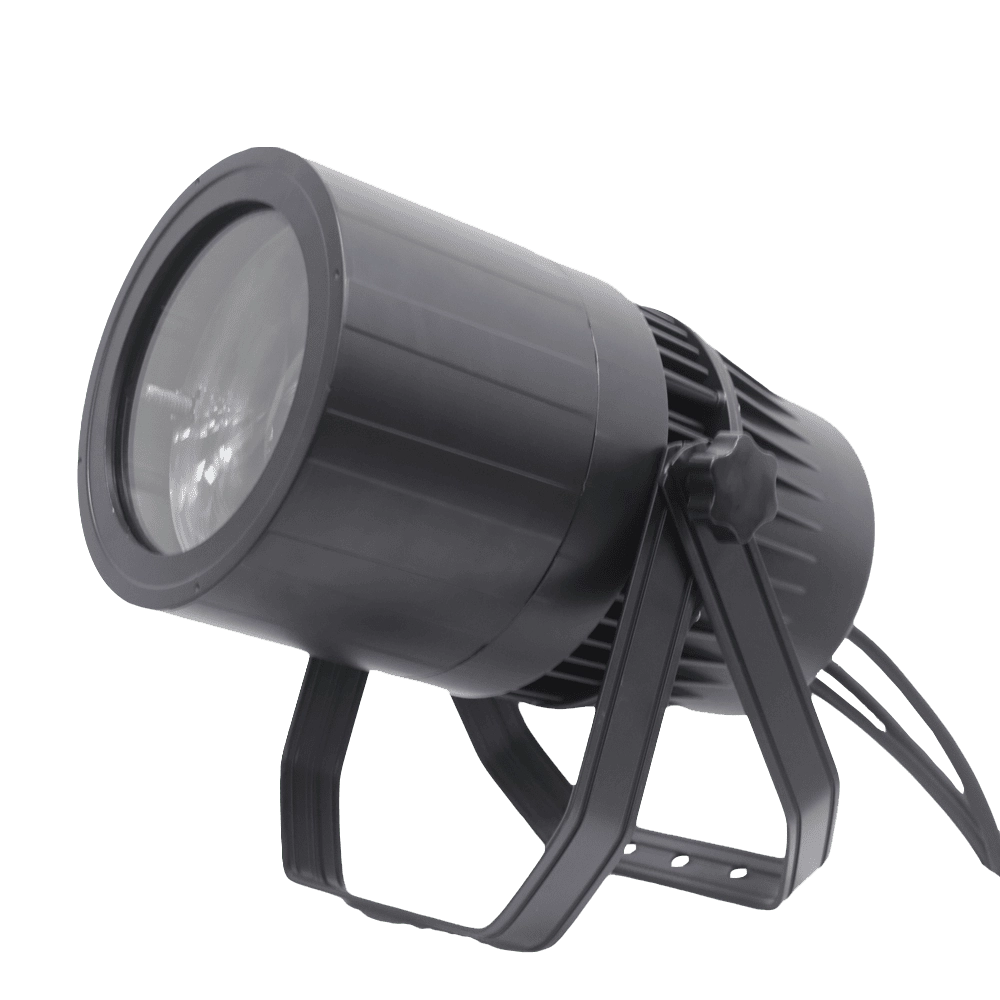
IP65 Waterproof LED Zoom Par Light: 200W High-Output Wash (LP-200Z)
IP65 Waterproof LED Zoom Par Light: 200W High-Output Wash (LP-200Z)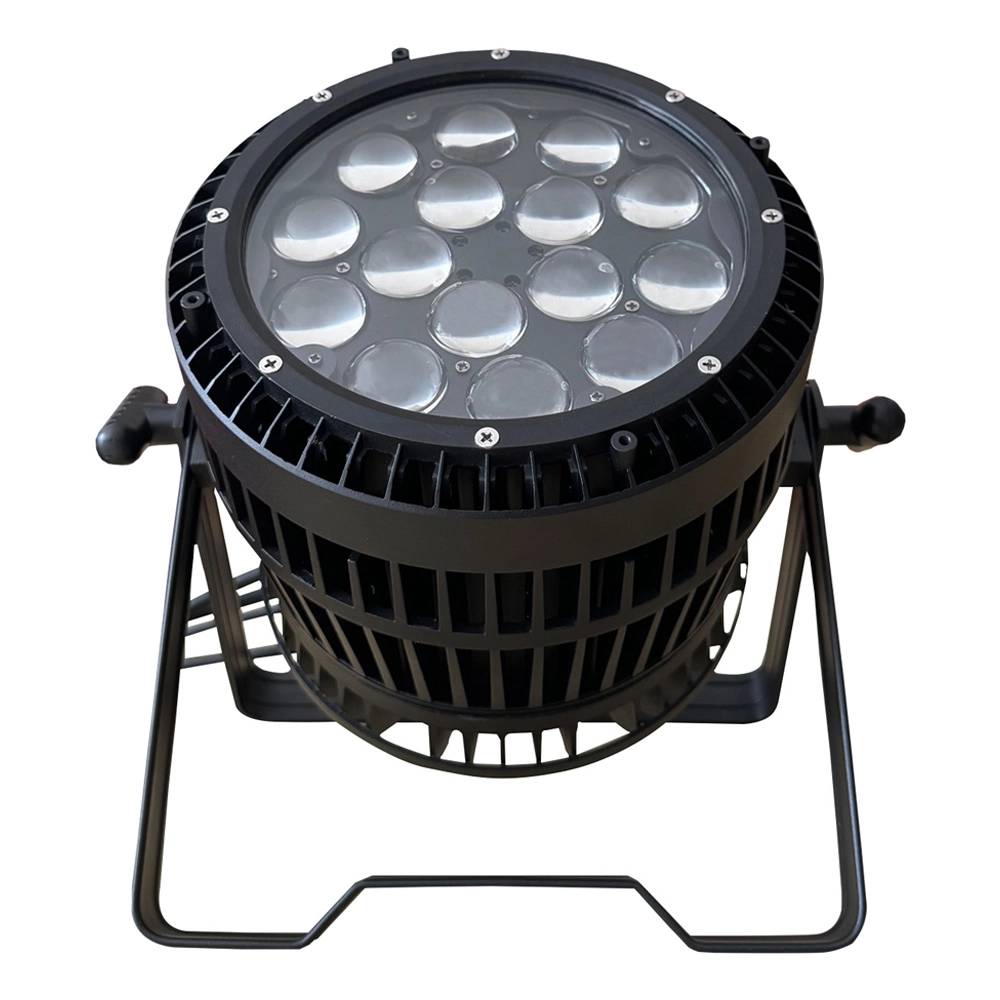
VANRAY LED Par Zoom Wash LP-1515Z 15pcs 15W RGBW Waterproof LED Par Light
VANRAY LED Par Zoom Wash LP-1515Z 15pcs 15W RGBW Waterproof LED Par Light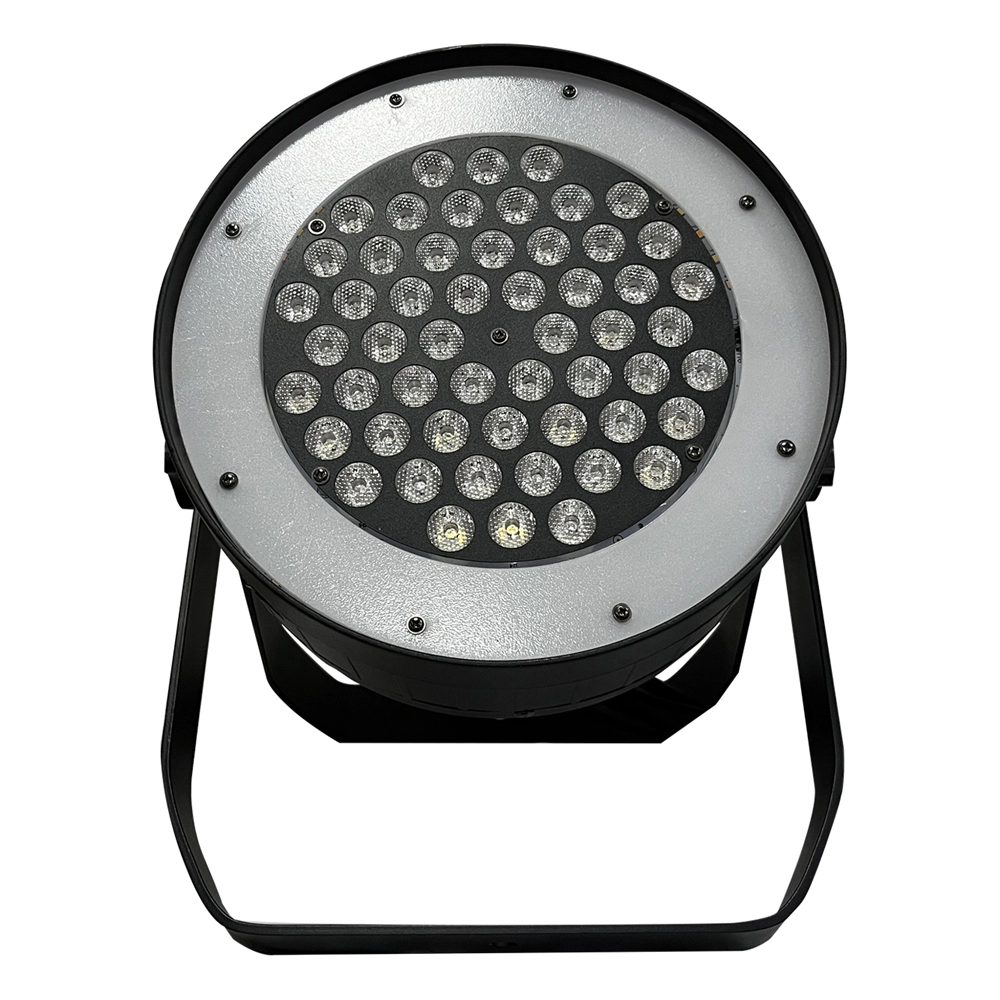
350W Professional Theater LED Par Can Light | LP-350SJL
350W Professional Theater LED Par Can Light | LP-350SJL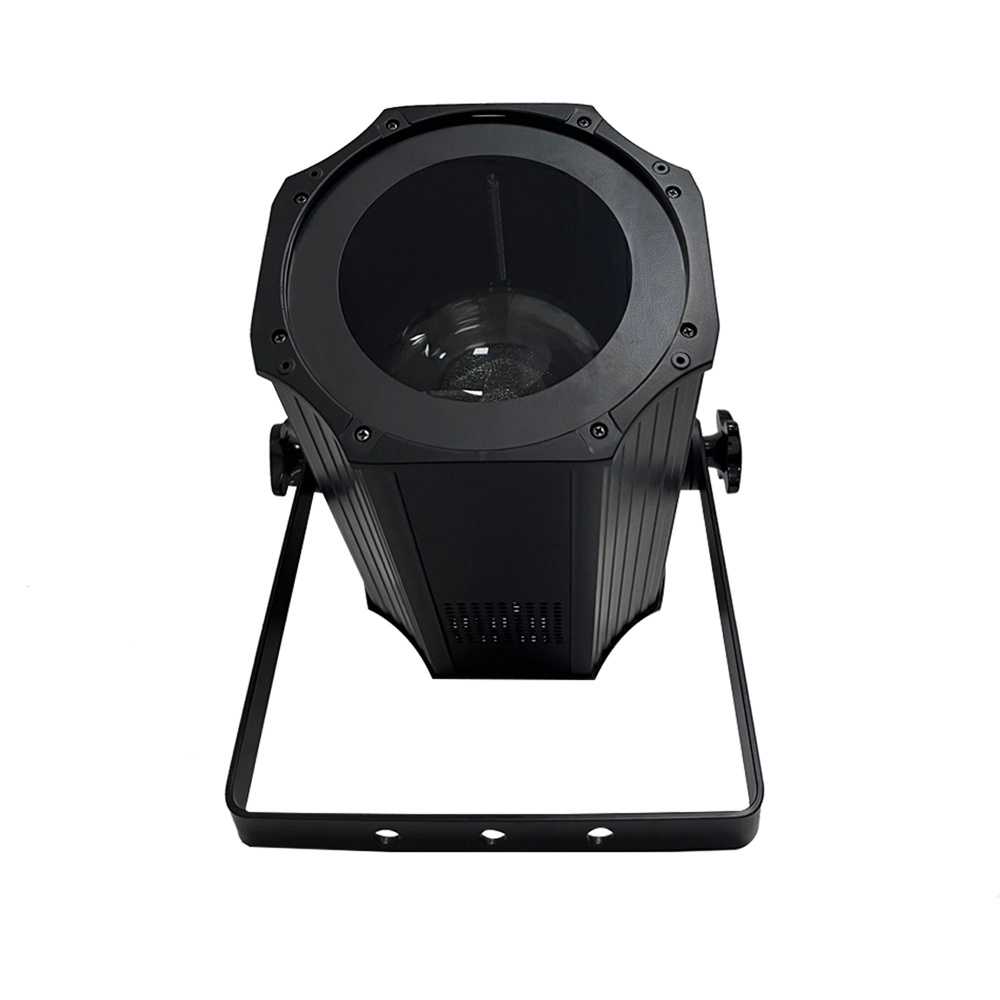
VANRAY LED Par Light Stage LP-200ZC RGBW LED Par Light Suppliers
VANRAY LED Par Light Stage LP-200ZC RGBW LED Par Light SuppliersGet in Touch With VANRAY
Create unforgettable stage moments with our advanced lighting solutions!
Contact us now by filling out the form below or calling us directly to begin your lighting journey!
VANRAY Lighting is a China-based LED stage lighting supplier trusted by productions in 60+ countries, VANRAY Lighting delivers a comprehensive suite of services including innovative R&D, precision production, and professional integration.
Built on decades of technical expertise, we are defined by our commitment to quality and service perfection. From theaters to grand-scale events, VANRAY is the trusted choice for reliable lighting solutions across the global entertainment and architectural sectors.
Copyright © 2025 VANRAY. All Rights Reserved.

Instagram
YouTube
Facebook