










Moving Bar Lights for Stage: Why Bulk Buyers Need Them Alongside Moving Heads
Most rental companies and production suppliers build their moving light inventory around moving heads first. Beam fixtures, wash fixtures, hybrid spots — these are the workhorses of professional stage lighting and the natural starting point for any serious inventory investment. Moving bar lights tend to come later, often as an afterthought or in response to a specific client request.
That sequencing makes sense up to a point. But it leads many buyers to think of moving bars as a secondary or supplementary category—a cheaper alternative to moving heads for clients with limited budgets or a novelty effect fixture for specific show types.
That framing is wrong, and it causes buyers to underinvest in a fixture category that solves problems moving heads simply cannot. This guide explains what moving bars actually do that moving heads don't, where they deliver the most value in professional production, and what specifications matter most when purchasing them in volume.
What moving bar lights do that moving heads can't
A moving head fixture produces light from a single point source. Its optical design concentrates output into a beam or wash that originates from one position and projects outward. This is exactly what you need for key lighting, aerial beam effects, gobo projection, and most of what stage lighting is asked to do.
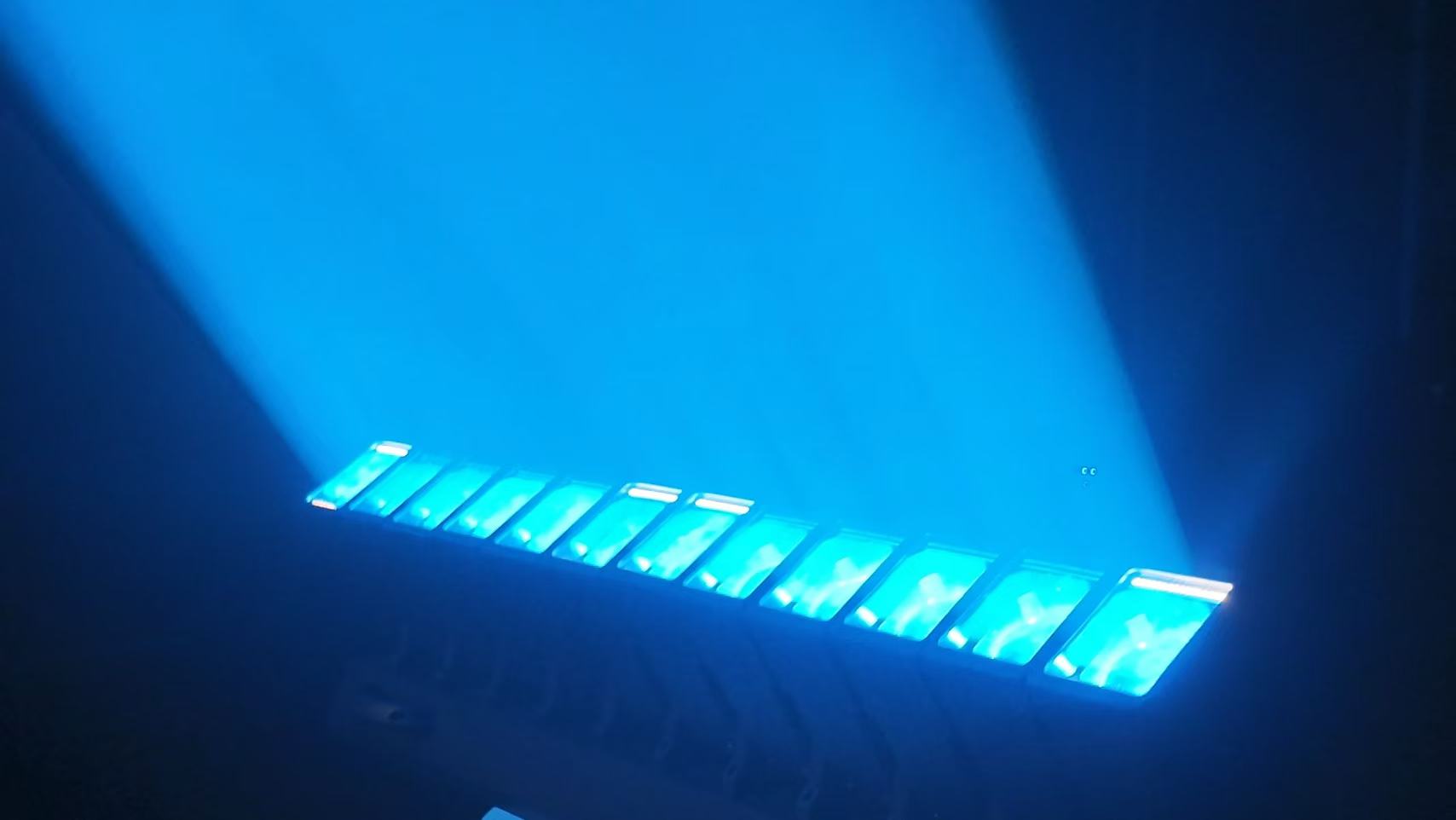
A moving bar fixture produces light from a linear array of individually controlled LED sources spread across a bar structure that itself moves — typically swinging on a Y-axis to change the angle of the entire bar. The combination of linear light distribution and pixel-level individual source control creates effects that are physically impossible with a point-source fixture.
The most important of these effects is the linear pixel chase. When a row of individually controlled LED sources runs a sequential chase pattern — color or intensity moving across the bar from one end to the other — the result reads as a line of light traveling across the stage. On a large stage with multiple bars deployed in a matrix or row configuration, this effect creates sweeping lines of light across the performance space that have become a defining visual language of contemporary concert production.
The second distinct capability is linear wash coverage. A moving bar deployed horizontally above a stage produces even, consistent wash coverage across the full width of its deployment — without the overlap and hot-spot management challenges that come from positioning multiple point-source wash fixtures to cover the same area. For wide stage coverage with minimal fixture count, a bar is more efficient than an array of wash heads.
The third capability is ground-level and low-position deployment. Moving bars are frequently positioned at stage level — on the stage floor, along the front edge, or at low truss positions — to produce upward-sweeping beam effects and foot-level light that moving heads rigged overhead cannot replicate. This low-position aesthetic has become a standard element of concert stage design.
None of these capabilities are available from a moving head fixture regardless of its quality or price. Moving bars and moving heads serve different visual functions, and a production inventory that contains only moving heads has a genuine capability gap.

Where moving bar lights deliver the most value
Concert touring and large-scale live events
Moving bars are a standard fixture in the touring rider of most professional concert productions at mid-scale and above. The linear pixel chase effect across a row of bars deployed along the stage deck or on low truss positions is one of the most immediately recognizable visual signatures of contemporary concert lighting. Productions without this capability look visually incomplete by current audience expectations for the format.
For touring suppliers, stocking moving bars is not optional if you want to service professional concert touring clients. The question is not whether to stock them but how many and which specifications.
Television and broadcast production
Broadcast background walls and set pieces increasingly use moving bar arrays for dynamic pixel effects that read clearly on camera. The linear pixel chase across a background wall, the sweeping color transitions across a set piece, and the dynamic texture created by multiple bars moving in coordinated sequences all translate well to camera in ways that are difficult to achieve with other fixture types.
For rental companies serving broadcast clients, moving bars with reliable pixel control and broadcast-compatible flicker-free drivers are a distinct category from event production bars. Confirm fixture specifications against broadcast requirements before purchasing for this application.
Nightclubs and permanent entertainment venues
Ceiling-mounted moving bar arrays are a popular permanent installation in nightclubs and entertainment venues. A matrix of bars deployed across a ceiling provides dynamic overhead effects — chases, sweeps, color floods — that create the visual energy associated with high-production nightlife environments. The permanent installation context means durability and long-term reliability are more important than for event rental use.
Outdoor festival and event production
IP-rated moving bars are increasingly specified for outdoor festival stage decks and front-of-stage truss positions. The combination of weather resistance and linear pixel effects makes them effective for festival main stages where the production value of the low-position lighting is visible across large distances.
Rental inventory building
For rental companies, moving bars generate bookings across a wide range of production types — from corporate events wanting dynamic background effects to concert productions requiring full linear pixel rigs. A well-chosen bar fixture that performs credibly across these different applications generates better utilization than a specialist fixture suited to only one production type.
Key specifications for bulk purchasing decisions
LED count and pixel spacing
The number of individual LEDs in the bar and the physical spacing between them determines the resolution of the pixel effect. A bar with more LEDs spaced more closely produces finer, smoother chase effects that read as continuous movement. A bar with fewer, more widely spaced LEDs produces a coarser effect that can look disconnected at close viewing distances.
For most professional rental and production applications, pixel spacing of 25mm to 50mm is the standard range. Tighter spacing produces better results at close camera distances and intimate venue sizes. Wider spacing is acceptable for large stages and long viewing distances where fine pixel resolution is less important than overall brightness and coverage.
Swing angle and movement range
The Y-axis swing of the bar — the angle through which it tilts — determines how much the bar can redirect its output. A bar with a wide swing range can transition from pointing straight down to nearly horizontal, covering a much larger range of beam directions than a bar with limited movement.
For stage floor positions where the bar needs to sweep from a low upward angle to nearly vertical, a wide swing range is essential. For overhead positions where the bar primarily needs to angle slightly forward or backward from vertical, a more limited swing range may be sufficient. Confirm the swing range against your typical deployment scenarios before purchasing.
Individual pixel control vs group control
Not all moving bar fixtures offer genuine individual pixel control. Some lower-specification bars offer group control — where the bar is divided into sections that can be controlled independently but individual LEDs within each section are linked. For simple color mixing and basic chase effects, group control is sufficient. For sophisticated pixel mapping and complex chase sequences, individual pixel control is required.
For rental companies serving professional production clients, individual pixel control is the appropriate specification. For companies primarily serving corporate and smaller event markets, group control may be adequate and will reduce both fixture cost and DMX universe requirements.
Strobe performance
Strobe effects from moving bar fixtures are a distinct application that deserves specific attention in the specification process. Bar fixtures deployed at stage level are often used as primary strobe sources — the linear array of LED sources produces a strobe effect with a different visual character from a dedicated strobe fixture, and the combination of strobe and color effects from a single fixture is a standard element of contemporary concert lighting.
Strobe frequency range, strobe burst capability, and the behavior of strobe effects across the full dimming range should be verified before purchasing for productions where strobe is a primary design element. Not all LED bar fixtures produce strobe effects that meet professional production standards.
Waterproof rating for outdoor applications
For bars intended for outdoor festival and event use, IP65 is the minimum acceptable rating. Verify that the IP rating applies to the full fixture including connectors and any moving joint points — not just the main housing. Waterproof-rated power and DMX connectors are essential for outdoor deployment.
Weight and flight case dimensions
Moving bars are frequently deployed in large quantities — a single production may use 20 or more bars across multiple stage positions. The weight per unit and the packing density in flight cases directly affects trucking costs for touring applications and storage requirements for rental companies. Heavier bars with less efficient case packing increase logistics costs at scale in ways that are not obvious from the per-unit purchase price.
Request flight case specifications and per-unit weight before committing to a bulk order for any touring or high-frequency rental application.
Supplier evaluation for bulk moving bar orders
Pixel consistency across batches
When multiple moving bars are deployed in a line or matrix, any color inconsistency between units is immediately visible. The LED chip binning tolerance and color point consistency across production batches is more important for bar fixtures than for almost any other fixture type, because the side-by-side deployment makes inconsistency impossible to hide.
Request LED binning specification data and, where possible, test samples from different production batches before committing to a large order. A supplier who cannot provide binning tolerance data is not a reliable source for professional production bar fixtures.
Pixel control protocol documentation
Before purchasing bars for clients using specific consoles or media servers, confirm that the fixture's pixel control implementation is documented and that fixture profiles are available for your console platform. Undocumented or non-standard pixel control implementations create significant programming problems in the field and add commissioning time and cost to every production.
Replacement parts and field serviceability
Moving bars with high LED counts have more components than simpler fixtures, and the linear distribution of LEDs means that a partial failure — a section of the bar going dark — is visible in a way that a partial failure in a wash head may not be. Confirm that individual LED modules or sections are field-replaceable and that replacement parts are stocked by the supplier with reasonable lead times.
Consistent supply for inventory scaling
Rental companies building moving bar inventory typically do so over time — an initial order followed by additions as booking demand justifies further investment. Confirm that the supplier can fulfill repeat orders at consistent specifications, LED binning, and pricing over a 12 to 24 month period. Specification changes between production batches create matching problems for side-by-side deployment.
Moving bars and moving heads: how to think about the ratio
For buyers building or expanding a mixed inventory, the question of how many bars to stock relative to moving heads has a practical answer based on typical production requirements.
In concert touring production at mid-scale — the core market for most professional rental companies — a standard stage lighting package typically includes moving bars at stage floor level, on low front truss positions, and sometimes on mid-stage truss, alongside moving head washes and beams on overhead truss. A ratio of roughly one bar for every two to three moving heads is a reasonable starting point for a general rental inventory, with adjustment based on the specific production types your client base demands.
For rental companies primarily serving corporate events and smaller productions, the ratio can be lower — bars are used less frequently in corporate production than in concert production, and a smaller bar inventory relative to moving heads reflects realistic booking patterns.
For companies specifically targeting concert touring clients, the ratio should be higher. Concert touring riders routinely specify more bars than the general rental inventory ratio would suggest, and being able to fulfill large bar quantities without cross-hiring from competitors is a competitive advantage.
The most reliable way to calibrate the ratio for your specific business is to review your last 12 months of bookings and identify how many times you cross-hired or turned down bar quantities. That data tells you more accurately than any general guideline where your inventory gap actually is.

FAQ
What is the minimum order quantity for moving bar lights from VANRAY?
Standard catalog moving bar fixtures are available from 1 unit. Bulk pricing tiers apply from 10 units upward. Contact our sales team at vanraylighting.com for current pricing tiers and lead times.
Are VANRAY moving bar lights compatible with GrandMA and other major consoles?
Yes. Our moving bar fixtures use standard DMX-512 protocol and are compatible with all major professional consoles. Fixture profiles are available for GrandMA, Avolites, ETC, and Chamsys platforms. Contact our technical team to confirm profile availability for your specific console version.
Do you offer IP-rated outdoor moving bar fixtures?
Yes. IP65-rated moving bar fixtures are available for outdoor festival and event applications. Contact our sales team for specifications and availability.
Can VANRAY supply matched batches for large orders placed over time?
Yes. For rental companies building inventory over multiple orders, we maintain production batch records and can supply fixtures with matched LED binning for subsequent orders. Discuss your inventory scaling requirements with our sales team before placing the initial order.
What flight case options are available for moving bar fixtures?
Flight cases for individual fixtures and multi-unit touring cases are available. Contact our sales team at vanraylighting.com for case specifications and pricing.
Does VANRAY provide OEM or custom branding for moving bar lights?
Yes. Custom housing color, logo, packaging, and labeling are available. Minimum order quantities apply for OEM configurations. Contact our sales team to discuss your requirements.
What warranty is provided on moving bar lights?
One year from date of shipment, covering manufacturing defects. Replacement components are supplied for confirmed warranty claims. Contact our after-sales team at vanraylighting.com for warranty claim procedures.
VANRAY Lighting supplies professional moving bar lights for rental companies, touring production suppliers, and permanent venue installations worldwide. Factory-direct pricing, matched batch supply, and full technical documentation. Visit vanraylighting.com for specifications and bulk pricing.
LED Par Lights Wholesale: Why Similar Specs Can Mean Very Different Products

Bee Eye Moving Head Lights: What Bulk Buyers Need to Know Before Sourcing
TV Studio Lighting Setup: A Practical Guide to Lighting News Anchors and Broadcast Presenters
How to Choose a Moving Head Lights Wholesale Supplier: A Practical Guide for Bulk Buyers
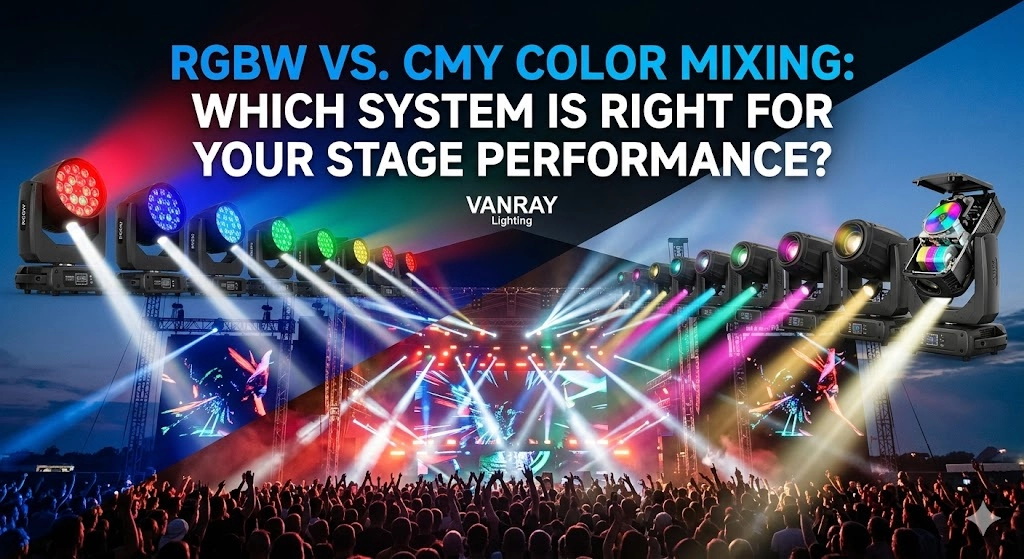
RGBW vs. CMY Color Mixing: Which System Is Right for Your Stage Performance?
About Customized Services
Are there any additional charges for customized services?
Customized services may be subject to appropriate customization fees based on your specific requirements.
Can you provide OEM / ODM services ?
Yes, we can support OEM/ODM services for the details, which can be negotiated with our sales team.
What is minimum order quantity requirement for customization services?
No MOQ
About Company
What is the main product of your company ?
Our main products covers moving head light , led profile spot light , led fresnel , led panel , led wall washer , gobo projector , led strobe light, etc.
About Logistics
How long does logistics delivery take?
Shipping times depend on your location and the shipping method you choose
1. 5-7 days by express
2. 20–25 days by sea shipping.
3. 15 days by air shipping.
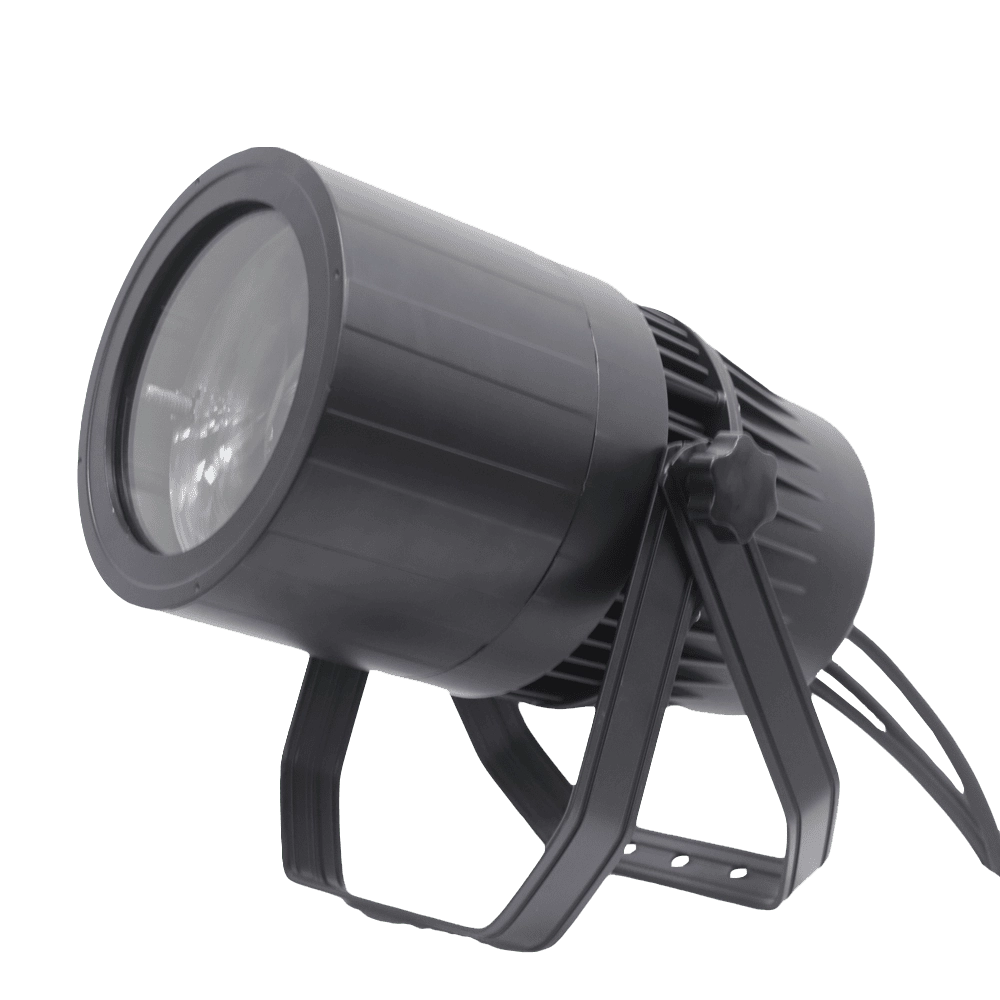
IP65 Waterproof LED Zoom Par Light: 200W High-Output Wash (LP-200Z)
IP65 Waterproof LED Zoom Par Light: 200W High-Output Wash (LP-200Z)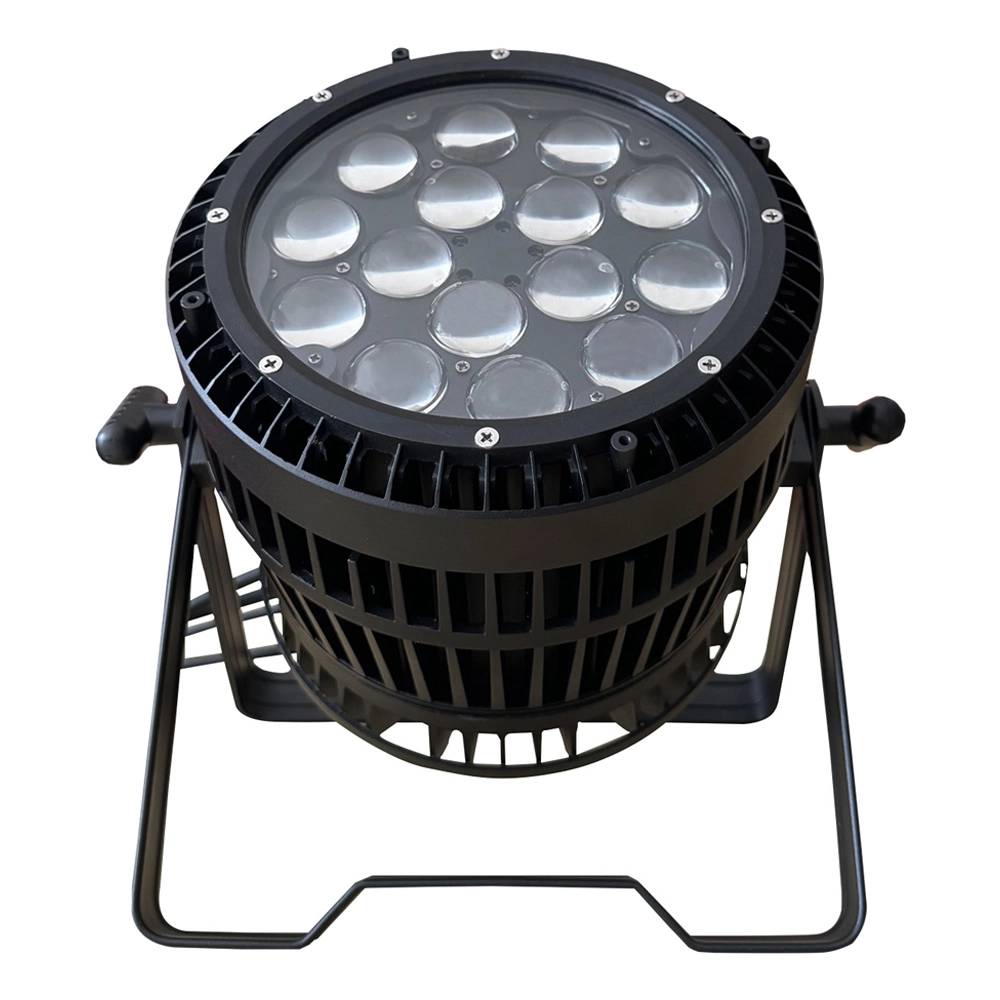
VANRAY LED Par Zoom Wash LP-1515Z 15pcs 15W RGBW Waterproof LED Par Light
VANRAY LED Par Zoom Wash LP-1515Z 15pcs 15W RGBW Waterproof LED Par Light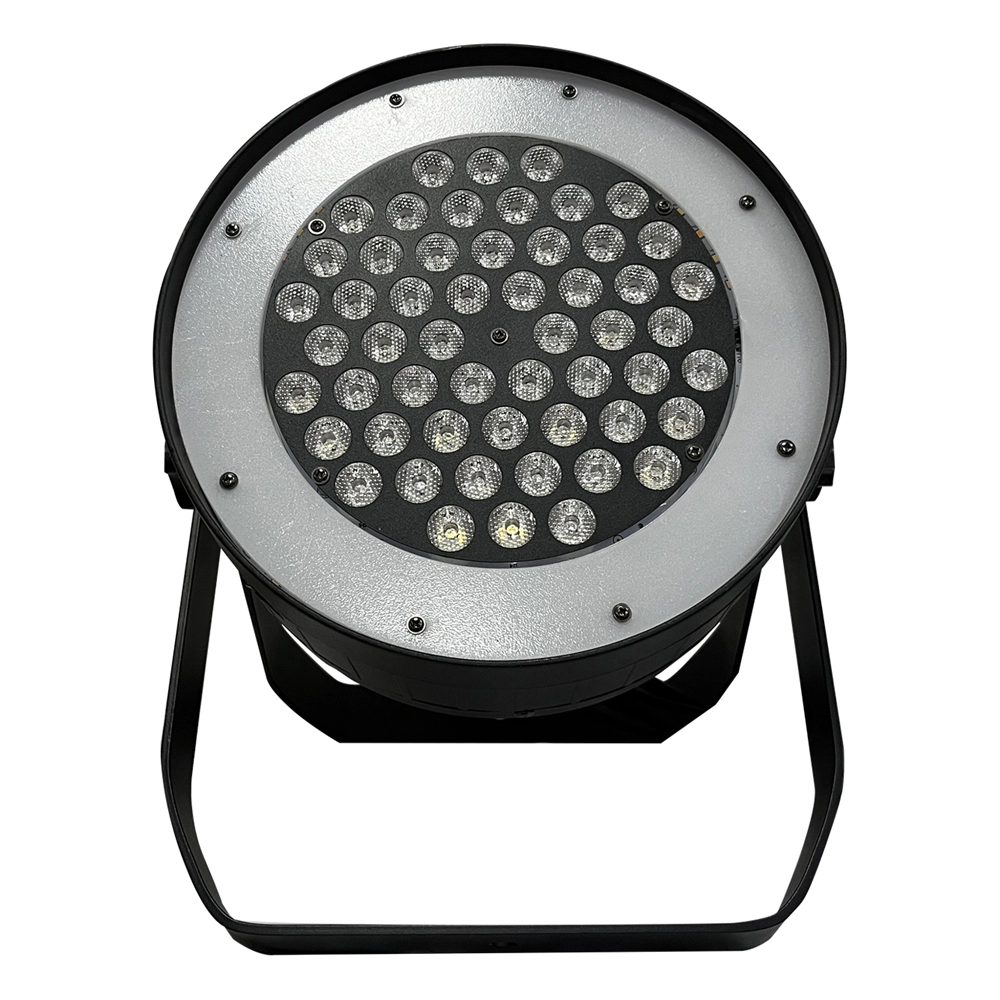
350W Professional Theater LED Par Can Light | LP-350SJL
350W Professional Theater LED Par Can Light | LP-350SJL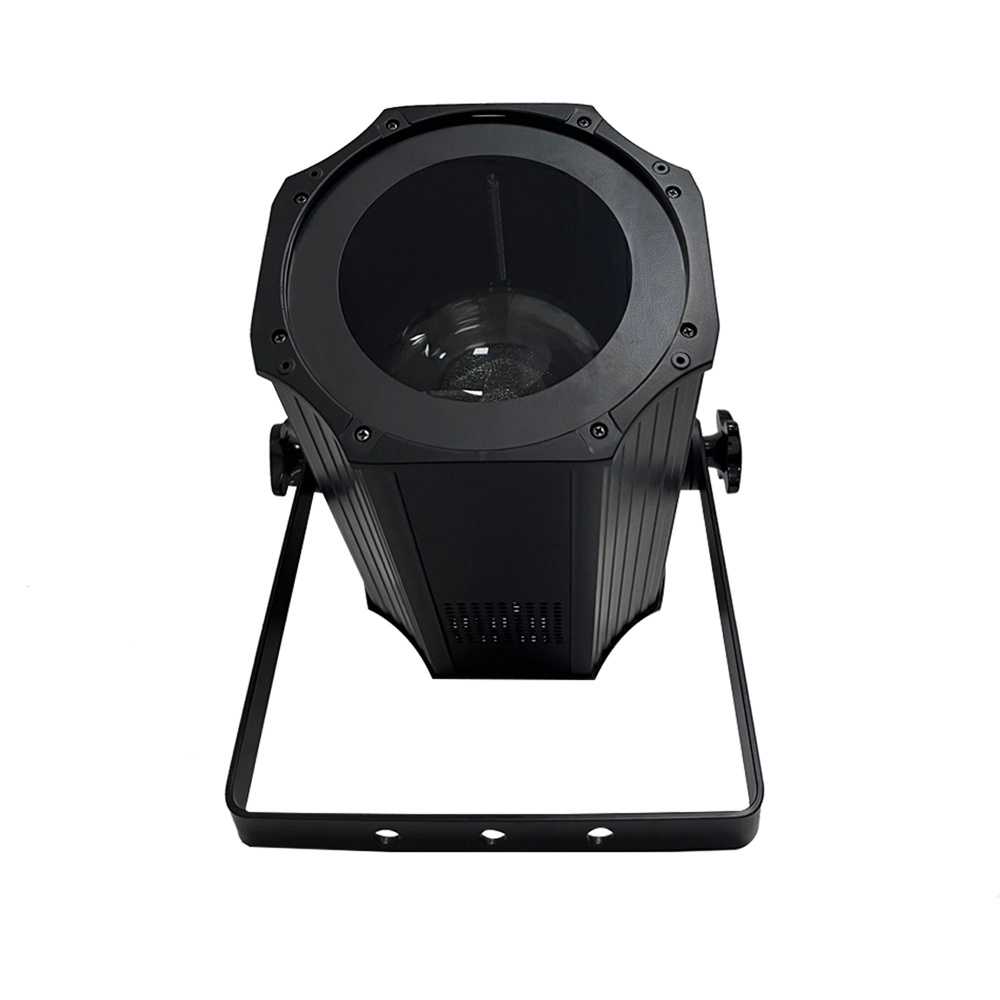
VANRAY LED Par Light Stage LP-200ZC RGBW LED Par Light Suppliers
VANRAY LED Par Light Stage LP-200ZC RGBW LED Par Light SuppliersGet in Touch With VANRAY
Create unforgettable stage moments with our advanced lighting solutions!
Contact us now by filling out the form below or calling us directly to begin your lighting journey!
VANRAY Lighting is a China-based LED stage lighting supplier trusted by productions in 60+ countries, VANRAY Lighting delivers a comprehensive suite of services including innovative R&D, precision production, and professional integration.
Built on decades of technical expertise, we are defined by our commitment to quality and service perfection. From theaters to grand-scale events, VANRAY is the trusted choice for reliable lighting solutions across the global entertainment and architectural sectors.
Copyright © 2025 VANRAY. All Rights Reserved.

Instagram
YouTube
Facebook