










TV Studio Lighting Setup: A Practical Guide to Lighting News Anchors and Broadcast Presenters
Lighting a television news studio is one of the most technically demanding applications in professional broadcast production. Unlike event or theatrical lighting, where the primary audience is in the room, studio lighting exists entirely to serve the camera—and cameras are unforgiving of imprecision in ways that the human eye is not.
A presenter who looks perfectly well-lit to a floor manager standing three meters away can appear flat, shadowed, or unnaturally colored on a high-definition broadcast feed. The difference between a professional broadcast image and an amateur one is almost entirely determined by the quality and placement of the lighting rig.
This guide covers the fundamental lighting positions used in professional news studio setups — key light, fill light, backlight, background light, and eye light — including the technical rationale behind each position and practical guidance on how to set each one correctly.
- Why broadcast studio lighting requires a dedicated approach
- Key light: the primary light source
- Fill light: controlling shadow depth and contrast
- Backlight: separation and three-dimensionality
- Background light: environment and depth
- Eye light: the finishing detail
- Fixture selection for broadcast studio lighting
- FAQ
Why broadcast studio lighting requires a dedicated approach
News and interview programs rely heavily on close-up and medium close-up framing, typically showing the presenter from the waist or chest upward. At this framing distance, every lighting decision is immediately visible: the quality of the light on the face, the depth of shadows under the chin and eyes, the separation between the presenter and the background, and the overall three-dimensionality of the image.
Broadcast cameras — particularly high-definition and 4K cameras operating at high frame rates — capture detail that makes lighting quality impossible to conceal in post-production. Color temperature inconsistencies, uneven light distribution, visible flicker from incorrect fixtures, and poorly balanced light ratios all appear on camera in ways that undermine the professional quality of the broadcast.
Getting the lighting right at the source, with properly specified fixtures in correctly calculated positions, is always more effective and cost-efficient than attempting to correct lighting problems in post-production.
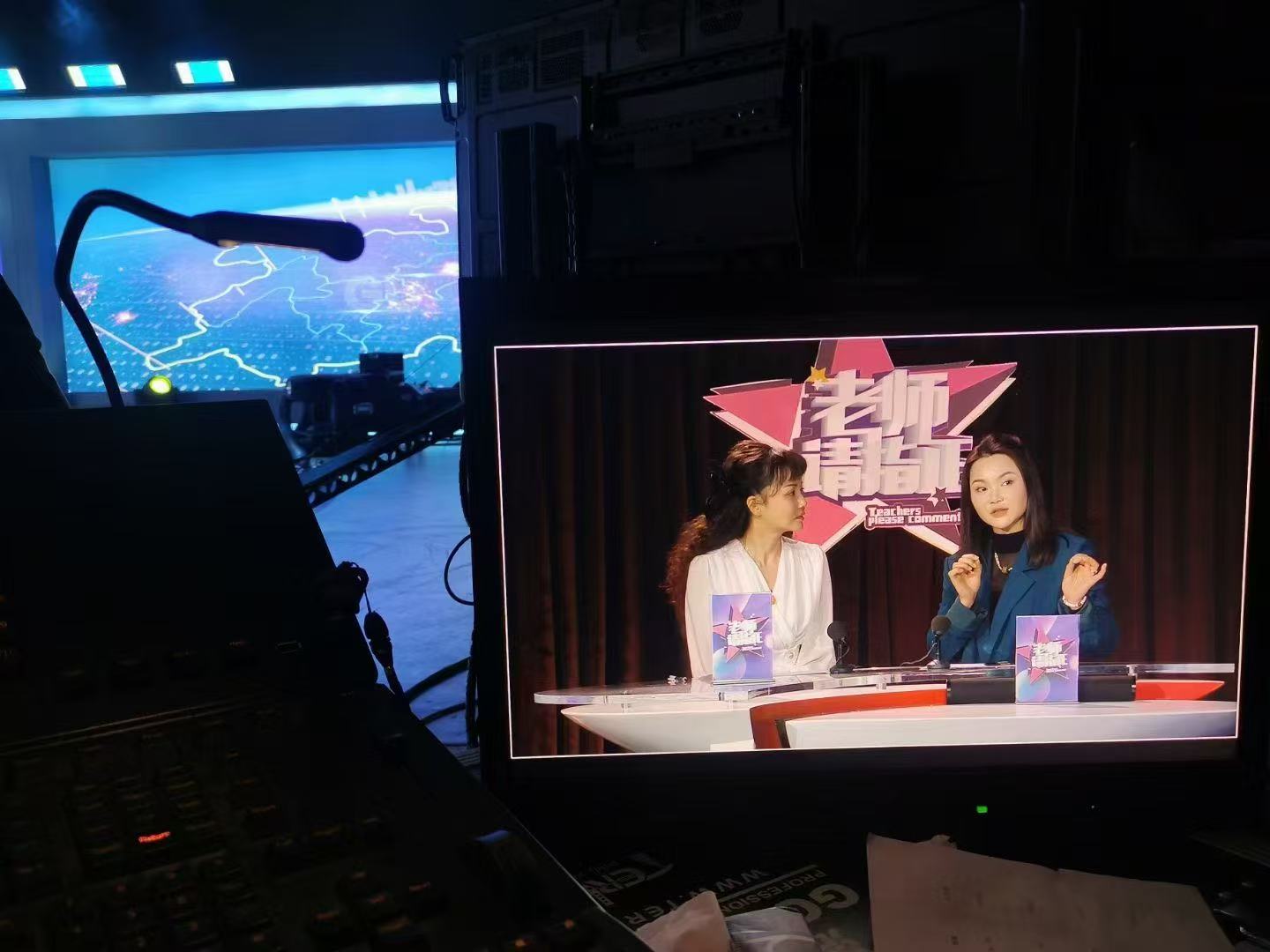
Key light: the primary light source
The key light is the dominant light source in the studio setup. It establishes the primary direction of light falling on the presenter's face, determines the depth and position of facial shadows, and sets the overall exposure level that other lights are balanced against.
Positioning the key light correctly requires considering three factors simultaneously: the presenter's facial structure, the desired lighting atmosphere, and the camera angle. For a standard news setup with a single camera or multiple cameras covering a narrow arc, the key light is typically positioned at 30 to 45 degrees off the camera axis and elevated to around 45 degrees above the presenter's eye line. This angle produces natural-looking facial modeling without creating deep shadows under the eyes or nose.
When setting up the key light, work with all other lights switched off. Establish the position and angle of the key light first, observe the shadow behavior on the presenter's face, and adjust position before committing to the mounting point. Once the key light position is confirmed, set its intensity relative to the camera's exposure requirements — this becomes the reference level against which all other lights in the setup are balanced.
For broadcast applications, the key light should be a high-CRI LED fixture with accurate, stable color temperature output. The key light is the light source most directly responsible for how skin tones render on camera, making CRI 90 or above a non-negotiable specification.
Fill light: controlling shadow depth and contrast
The fill light's role is to reduce the contrast created by the key light by adding light to the shadow side of the presenter's face. Without fill light, the shadow areas created by the key light can be too deep for broadcast — faces appear dramatically shadowed rather than naturally lit, and detail is lost in the shadow regions.
The fill light is positioned on the opposite side of the camera axis from the key light, typically at a lower intensity than the key light to maintain some degree of facial modeling while keeping shadow depth within acceptable broadcast limits. The ratio between key light and fill light — the lighting ratio — determines how contrasty the final image appears.
For news broadcasting, where a natural, authoritative appearance is typically the goal, a lighting ratio of 2:1 to 3:1 between key and fill is standard. This means the fill light produces roughly half to one-third the intensity of the key light on the presenter's face. Ratios beyond 4:1 begin to produce a dramatically shadowed look more suited to cinematic production than news presentation.
In small and medium-sized television studios typically using one to three cameras, two to four LED panel fixtures positioned symmetrically around the presenter's position are commonly used as fill lights. LED panels with soft, even output and accurate color temperature matching to the key light are the appropriate fixture type for fill light positions — hard sources create secondary shadows that complicate the lighting rather than simplifying it.
Backlight: separation and three-dimensionality
Backlight is positioned behind and above the presenter, aimed downward toward the top and back of the head and shoulders. Its function is to create a rim of light around the presenter's outline that visually separates them from the background — without this separation, presenters can appear to merge into the background, reducing the three-dimensionality and depth of the image.
The quality of three-dimensional depth in a broadcast image is largely determined by how well the backlight is balanced. A backlight that is too bright creates an unnaturally bright halo effect and can cause overexposure on light-colored hair. A backlight that is too dim fails to achieve separation and the image remains flat.
The standard reference for backlight intensity is its ratio to the key light. For most news studio applications, a backlight-to-key ratio of between 1.5:1 and 2:1 is appropriate — the backlight is brighter than the key light as measured at the fixture output, but because it is aimed at the back of the subject rather than the face, it reads correctly on camera within this range.
The vertical angle of the backlight matters significantly. The light should not be aimed so steeply that it spills onto the presenter's face, nor so shallowly that it fails to create the separation effect on the shoulders and hair. An angle of approximately 45 degrees above horizontal, aimed at the back of the head, is the standard starting point.
LED profile spot fixtures with precise beam control are the appropriate choice for backlight positions. The ability to shape the beam precisely prevents backlight spill onto the background or the presenter's face, and the hard edge control of a profile spot gives the lighting designer accurate control over exactly where the backlight effect falls.
Background light: environment and depth
Background light illuminates the set or backdrop behind the presenter. Its function is to establish the visual environment of the studio — the backdrop that contextualizes the presenter within the broadcast aesthetic — and to create additional depth separation between the presenter and the background.
Background light is intentionally set at a lower intensity than the presenter lighting. This differential — the presenter being brighter than the background — is one of the key visual cues that draws the viewer's attention to the presenter and creates the perception of depth in the frame. When background and presenter are lit at equal intensity, the image appears flat and the presenter lacks visual prominence.
The technical requirement for background light is uniformity. An unevenly lit background — brighter in the center, falling off at the edges, or showing visible hotspots — is immediately noticeable on camera and signals an amateur setup. The goal is smooth, even illumination across the full background area with no visible shadows or texture unless the design specifically calls for it.
In a small news studio, two to three LED panel fixtures positioned to provide even coverage across the background area is the standard approach. The fixtures should be positioned to avoid any spill light reaching the presenter, which would interfere with the carefully established presenter lighting ratios.
A useful approach for complex background setups is layered lighting — establishing even overall illumination first, then adding accent or color elements as a second layer. This prevents the accent elements from disrupting the base uniformity of the background light.
Eye light: the finishing detail
Eye light — sometimes called a catch light — is a small, low-intensity light source positioned close to the camera axis and aimed at the presenter's face. Its sole purpose is to create a small specular highlight visible in the presenter's eyes on camera.
The presence of eye light in the pupils creates a sense of life and engagement that is disproportionate to the technical simplicity of the effect. Presenters without eye light can appear flat and disengaged on camera, even when the overall lighting is technically correct. With a well-positioned eye light, the eyes appear bright and engaged, which significantly enhances the presenter's on-camera presence.
Eye light intensity should be minimal — just enough to create the catchlight in the eye without adding visible fill light to the face or creating a second shadow. A small LED panel or ring light close to the camera position is typically used for this purpose.
Fixture selection for broadcast studio lighting
The lighting positions described above each have specific fixture requirements that should be reflected in the procurement specification.
Key light and fill light positions require LED fixtures with CRI 90 or above, TLCI 85 or above, flicker-free constant-current drivers, and accurate color temperature output across the full dimming range. Color temperature stability at dimmed levels is particularly important for key and fill positions where intensity adjustments are common during production.
Backlight positions require fixtures with precise beam control — LED profile spots or Fresnel fixtures with barn doors or additional beam shaping accessories. Hard edge control prevents backlight spill and allows precise positioning of the separation effect.
Background light positions require LED panels or wash fixtures with even, soft output and consistent color temperature matching to the presenter lighting. Fixtures with individual intensity control allow adjustment of different background zones independently.
All studio fixtures must operate silently. Active fan cooling is incompatible with broadcast audio recording requirements. Specify passive cooling or sealed silent active cooling systems for every position in the studio rig.
VANRAY's LED studio light range addresses each of these requirements across key, fill, and background positions. Our broadcast-grade panel fixtures deliver CRI 90+ and TLCI ratings suitable for professional broadcast applications, with flicker-free drivers, silent passive cooling, and precise color temperature control across the full dimming range. Full technical specifications and photometric data are available for all models.
For studio lighting projects, our technical team provides fixture recommendations and layout consultation based on your studio dimensions, camera positions, and production requirements. Contact us at vanraylighting.com.
FAQ
How many fixtures are typically needed for a small news studio?
A basic small news studio setup for a single presenter typically requires a minimum of six to eight fixtures: one or two key lights, two to three fill lights, one to two backlights, and two to three background lights. Eye light can be added as a seventh or eighth position. Larger studios with multiple presenter positions or complex backgrounds require proportionally more fixtures.
What color temperature should broadcast studio lights be set to?
Most broadcast studio lighting uses either 3200K tungsten-balanced or 5600K daylight-balanced color temperature as the standard. The choice depends on the camera's white balance setting and whether the studio uses any daylight sources. Consistency across all fixtures in the studio is more important than the specific color temperature chosen — mixing uncorrected 3200K and 5600K sources creates color casts that are difficult to correct on camera.
Can the same fixtures be used for all lighting positions in the studio?
For key, fill, and background positions, LED panel fixtures with consistent color temperature output can serve all three roles with intensity adjustment. Backlight positions benefit from fixtures with harder, more controllable beam output — profile spots or Fresnels rather than soft panels. Eye light typically uses a smaller, lower-output fixture close to the camera position.
How often should studio lighting positions be recalibrated?
A full lighting check and recalibration should be performed whenever the studio layout changes, new fixtures are added to the rig, or camera positions are adjusted. Routine intensity checks before each recording session catch any drift in fixture output that could affect lighting ratios. LED fixtures maintain output more consistently than lamp-based sources, but periodic verification is still good practice.
Does VANRAY provide technical support for studio lighting installation?
Yes. Our team provides fixture layout recommendations, photometric simulation files, and technical consultation for studio lighting projects. Contact our team at vanraylighting.com with your studio dimensions and production requirements.
VANRAY Lighting supplies professional LED studio lights for broadcast facilities, television studios, and film production environments. Factory-direct pricing, full CRI and TLCI documentation, and project specification support. Visit vanraylighting.com.
LED Par Lights Wholesale: Why Similar Specs Can Mean Very Different Products
Moving Bar Lights for Stage: Why Bulk Buyers Need Them Alongside Moving Heads

Bee Eye Moving Head Lights: What Bulk Buyers Need to Know Before Sourcing
How to Choose a Moving Head Lights Wholesale Supplier: A Practical Guide for Bulk Buyers
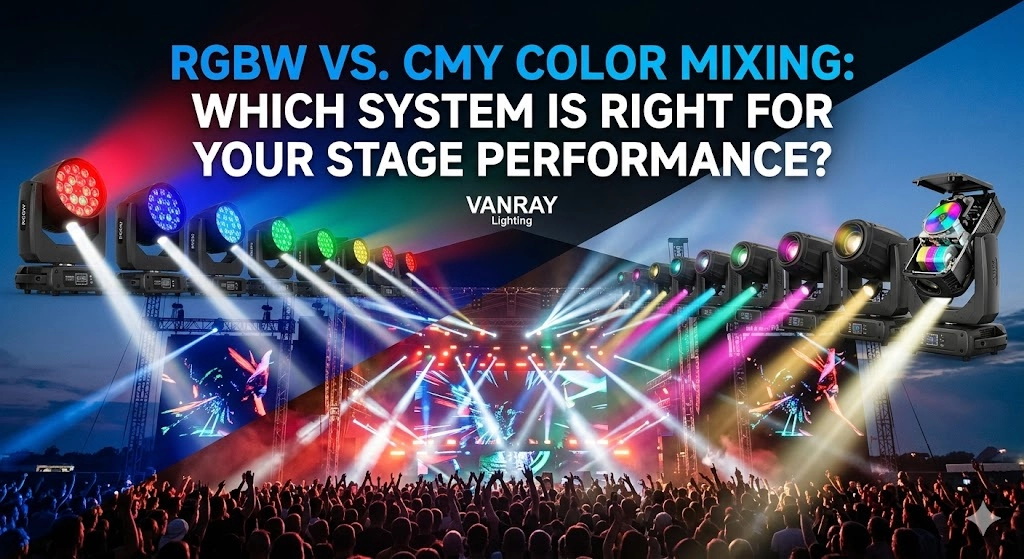
RGBW vs. CMY Color Mixing: Which System Is Right for Your Stage Performance?
About Cooperation Process
How to start working with your company?
You can contact us through our official website or contact information, and our sales team will be happy to assist you.
About Product
What is the delivery time of orders ?
Its based on the workshop schedule; if products are in stock, we will ship the goods within 1-2 days; if products are out of stock, we need to make production; normally 100-200 pieces can be finished in 7-10 days.
What certifications and inspections have your products passed?
Our products have passed relevant quality certifications and inspections, including CE, RoHS, etc., to ensure product safety and reliability.
About Company
How long has your company been established?
Our company has been established since 2013.
What is the main product of your company ?
Our main products covers moving head light , led profile spot light , led fresnel , led panel , led wall washer , gobo projector , led strobe light, etc.
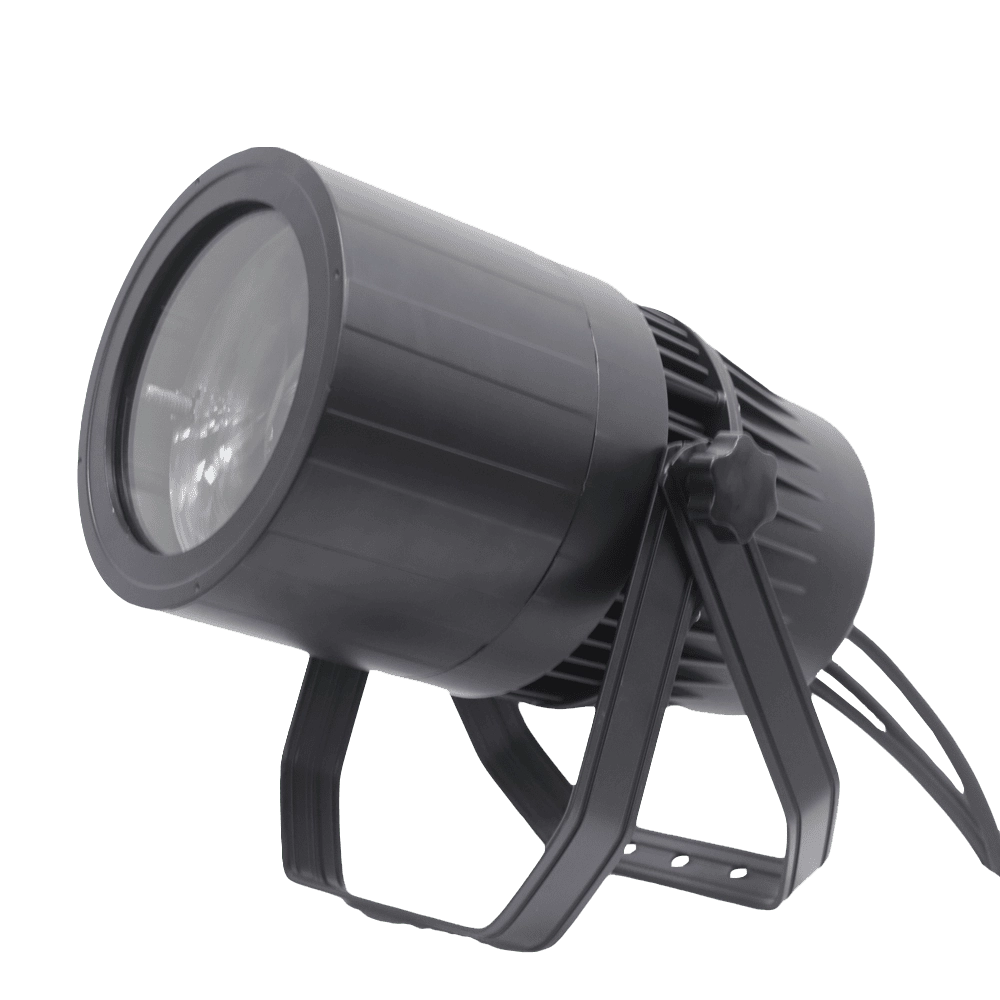
IP65 Waterproof LED Zoom Par Light: 200W High-Output Wash (LP-200Z)
IP65 Waterproof LED Zoom Par Light: 200W High-Output Wash (LP-200Z)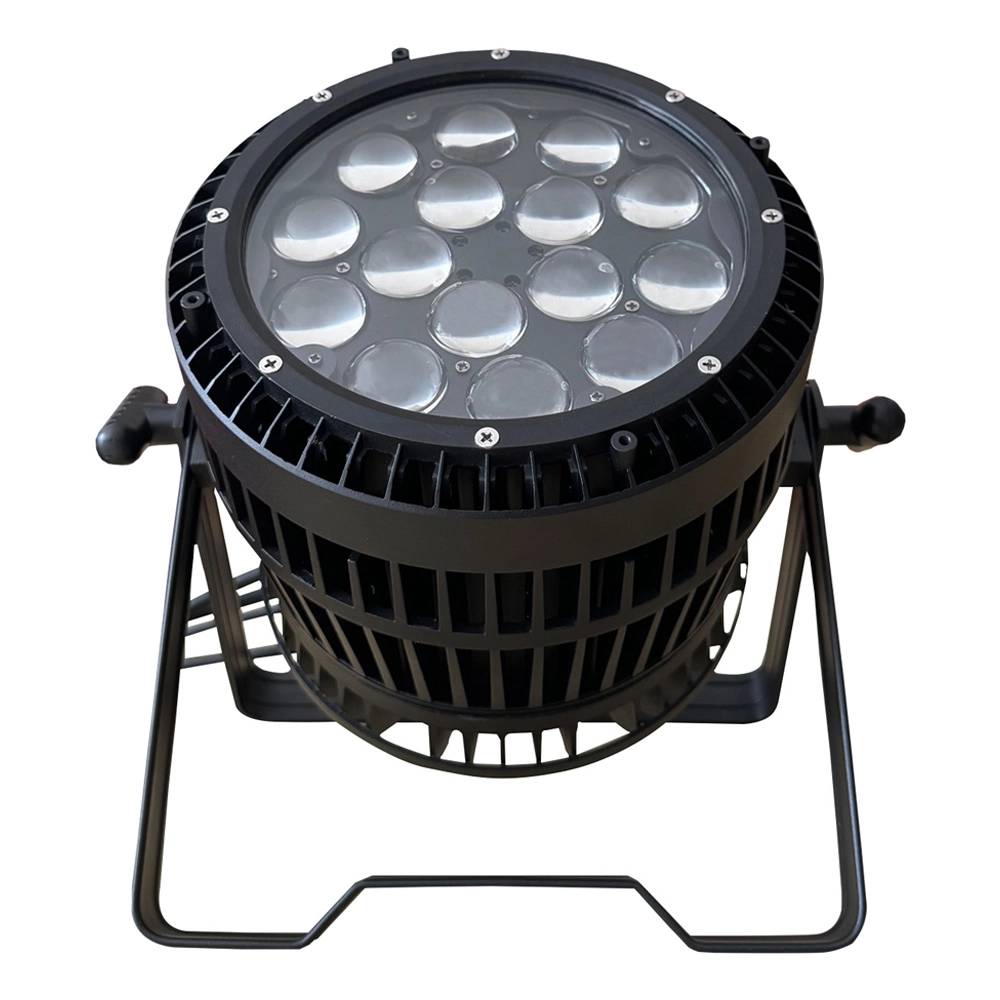
VANRAY LED Par Zoom Wash LP-1515Z 15pcs 15W RGBW Waterproof LED Par Light
VANRAY LED Par Zoom Wash LP-1515Z 15pcs 15W RGBW Waterproof LED Par Light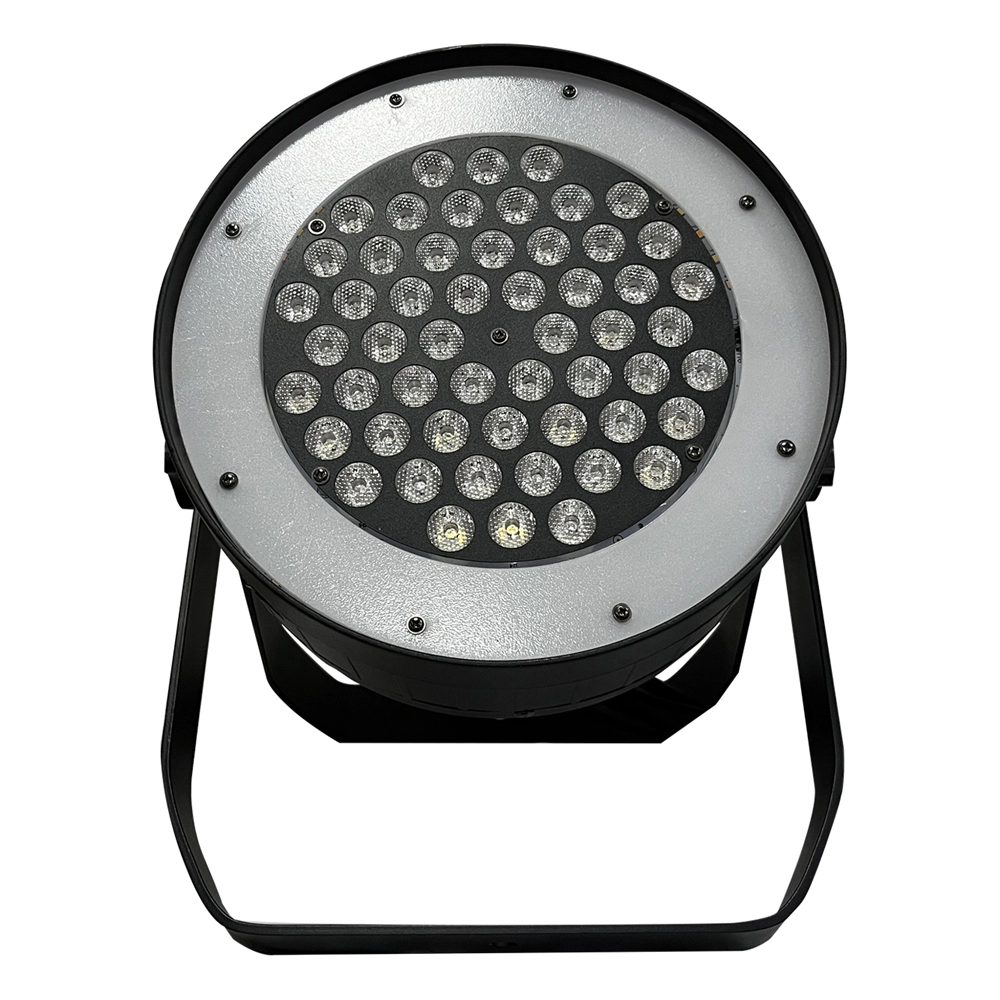
350W Professional Theater LED Par Can Light | LP-350SJL
350W Professional Theater LED Par Can Light | LP-350SJL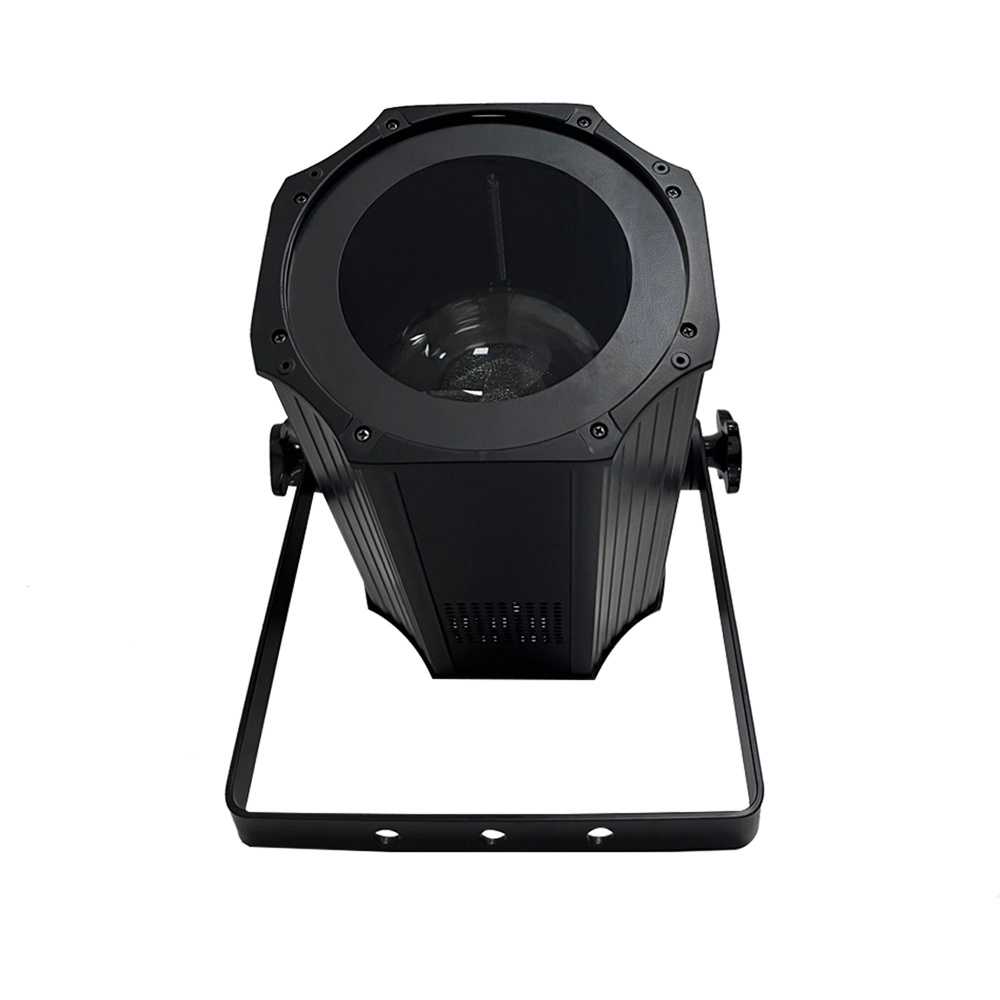
VANRAY LED Par Light Stage LP-200ZC RGBW LED Par Light Suppliers
VANRAY LED Par Light Stage LP-200ZC RGBW LED Par Light SuppliersGet in Touch With VANRAY
Create unforgettable stage moments with our advanced lighting solutions!
Contact us now by filling out the form below or calling us directly to begin your lighting journey!
VANRAY Lighting is a China-based LED stage lighting supplier trusted by productions in 60+ countries, VANRAY Lighting delivers a comprehensive suite of services including innovative R&D, precision production, and professional integration.
Built on decades of technical expertise, we are defined by our commitment to quality and service perfection. From theaters to grand-scale events, VANRAY is the trusted choice for reliable lighting solutions across the global entertainment and architectural sectors.
Copyright © 2025 VANRAY. All Rights Reserved.

Instagram
YouTube
Facebook