










Bee Eye Moving Head Lights: What Bulk Buyers Need to Know Before Sourcing
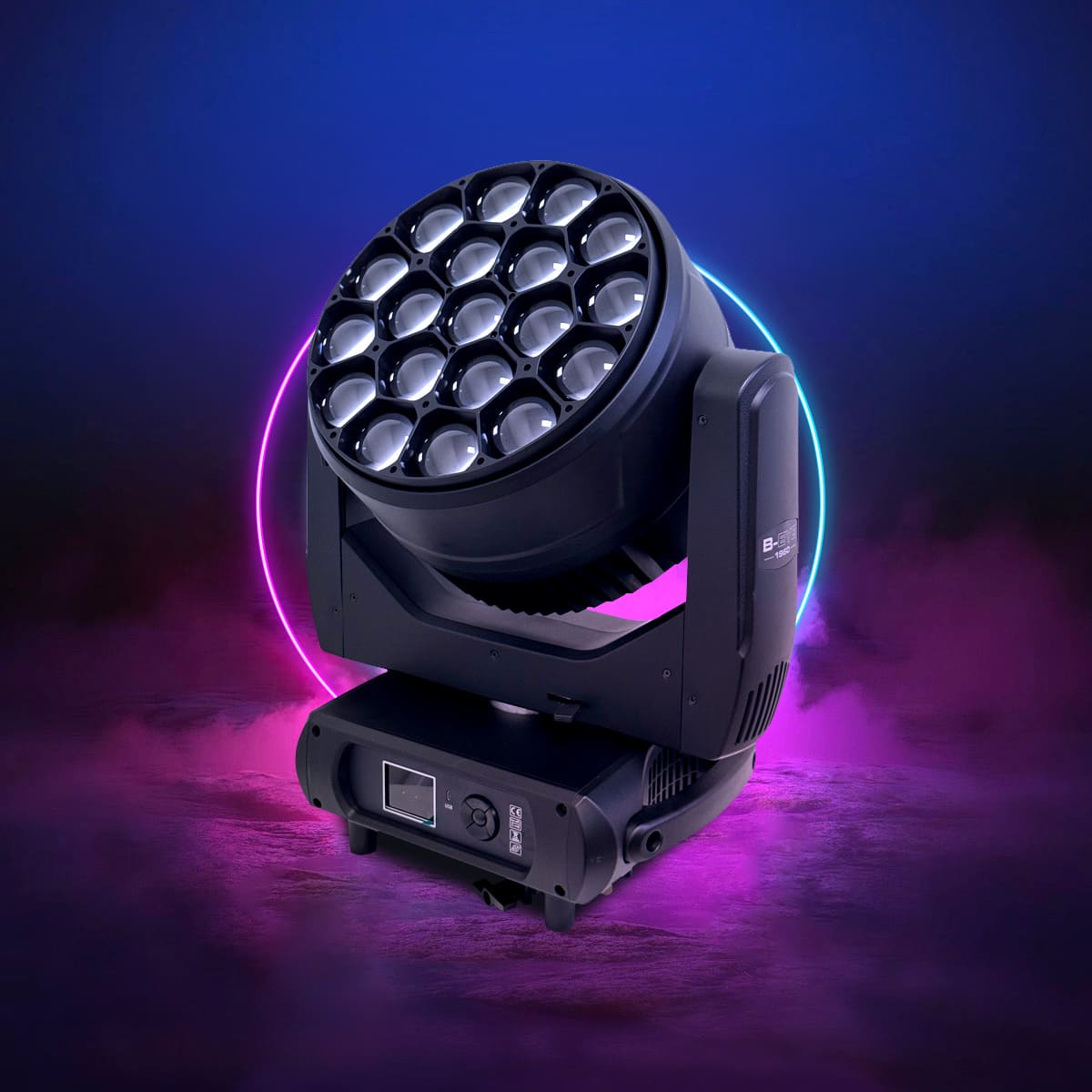
BEI moving head lights have become one of the most recognizable fixture types in professional stage lighting over the past several years. The distinctive multi-lens array — typically arranged in a honeycomb or matrix pattern — produces a combination of individual pixel-controlled beams and wide wash output that no single-source fixture can replicate. For rental companies, touring production suppliers, nightclub operators, and event production companies sourcing fixtures in volume, BEI moving heads represent a significant procurement decision that warrants careful evaluation before committing to a supplier.
This guide covers what BEI moving heads actually do, where they work best, the specifications that matter for bulk purchasing decisions, and what to look for when evaluating suppliers for a volume order.
What makes a bee eye moving head different
The defining characteristic of a bee eye moving head is its multi-source optical array. Where a conventional moving head wash or spot uses a single LED engine or lamp, a bee eye fixture uses multiple individual LED chips — typically arranged in a circular or honeycomb pattern — each with its own lens. This configuration produces two distinct optical effects that can be used independently or simultaneously.
The first effect is the beam array — when the zoom is tight, each individual LED produces a separate narrow beam, creating a fan of parallel beams that can be spread across a stage or venue. The visual impact of multiple parallel beams moving in unison is significantly more complex and dramatic than anything a single-source fixture produces.
The second effect is the wash — when the zoom opens wide, the individual beams merge into a single broad, even wash that covers large areas with smooth, consistent color. The transition between tight beam array and wide wash is continuous and can be programmed as a dynamic effect in itself.
The pixel control capability adds a third dimension. Each individual LED in the array can be controlled independently for intensity and in some configurations color, allowing the fixture to produce pixel-mapped effects, chase sequences across the array, and dynamic patterns within the fixture face itself. This is the capability that makes bee eye fixtures particularly effective for broadcast and large-scale concert production where close camera work on the fixtures themselves is part of the visual design.
Where bee eye moving heads deliver the most value
Understanding the applications where bee eye fixtures genuinely outperform alternatives helps buyers make better sourcing decisions — both in terms of how many to stock and what specifications to prioritize.
Concert touring and large-scale live events are the primary market for bee eye moving heads. The combination of beam array effects and wide wash coverage from a single fixture type simplifies rig design while delivering visual complexity that audiences associate with high-production-value shows. On large stages where fixtures are visible to the audience as visual elements in themselves — not just light sources — the illuminated multi-lens face of a bee eye fixture contributes to the visual spectacle even when not actively projecting beams.
Broadcast and television production represents a growing application. The pixel-controlled face of a bee eye fixture creates distinctive visual texture in wide shots and provides dynamic background effects for music performance programs, award shows, and live broadcast events. High CRI output from quality bee eye fixtures also makes them useful as practical light sources in broadcast environments where camera-facing fixtures need to render color accurately.
Nightclubs and entertainment venues with permanent or semi-permanent rigs value bee eye fixtures for their versatility across different programming requirements. A venue running everything from club nights to private events to corporate bookings can use the same bee eye fixtures differently for each application — tight beam arrays for high-energy club programming, wide wash for corporate and private event use.
Festival and outdoor event production benefits from the output efficiency of multi-source bee eye designs. A fixture array with multiple high-output LEDs produces significant total lumen output that competes with much larger single-source fixtures, while the individual beam capability creates aerial effects that read well over long throw distances on large outdoor stages.
Rental inventory is where bee eye fixtures present both their strongest value proposition and their most important procurement consideration. A single bee eye fixture that can function as a beam array, a wash, and a pixel effect source covers multiple positions in a rig that would otherwise require different fixture types. For rental companies, this versatility increases booking revenue per fixture and simplifies logistics by reducing the number of different fixture types in the inventory.
Key specifications for bulk buyers
When evaluating bee eye moving head fixtures for a volume purchase, these are the specifications that determine real-world performance and total cost of ownership.
LED count and individual chip wattage
The number of LEDs in the array and the wattage of each chip determine the fixture's total output capability and the density of the beam array effect. Common configurations range from 7 chips to 37 chips or more, with individual chip wattages typically between 15W and 60W. Higher chip counts produce denser beam arrays and more detailed pixel effects. Higher individual chip wattage produces brighter individual beams and greater total wash output.
For rental companies and touring suppliers, the chip configuration also affects maintenance considerations — more chips means more potential failure points, but also means that a single chip failure has less impact on overall output than in a single-source fixture.
Zoom range
The zoom range determines how completely the fixture can transition between tight beam array and wide wash modes. A wider zoom range gives lighting designers more flexibility and makes the fixture useful across more programming scenarios. For rental inventory in particular, a wide zoom range increases the fixture's applicability across different venue sizes and production types.
Color mixing system
RGBW 4-in-1 chips are the standard for professional bee eye fixtures. The white channel is critical — without a dedicated white emitter, achieving clean white output requires full RGB drive which produces reduced brightness and often slightly colored white. RGBWA and higher-channel configurations are available in premium fixtures and provide expanded color range and improved pastel rendering for broadcast and theatrical applications.
Pan and tilt range and speed
Standard professional bee eye fixtures offer 540° pan and 270° tilt. Pan and tilt speed matters particularly for bee eye fixtures because the beam array effect is most visually impactful when multiple fixtures move in synchronized fast sweeps. Verify motor speed specifications and confirm that the speed is consistent across the full rotation range, not just at peak.
DMX channel modes
Bee eye fixtures typically offer multiple DMX channel modes ranging from basic to full pixel control. For rental companies serving both simple and complex productions, confirm that the fixture offers a basic channel mode suitable for operators without advanced console skills alongside the full pixel control mode for sophisticated programming. The channel count in full pixel mode can be substantial — confirm compatibility with your console's universe capacity for large rigs.
Build quality and touring durability
For any fixture going into a rental inventory or touring rig, housing material, yoke construction, and connector quality are as important as optical specifications. Die-cast aluminum housing, sealed connector panels, and reinforced yoke joints are the markers of a fixture built for high-frequency use. Ask suppliers specifically about the fixture's history in touring applications and whether replacement parts — yoke components, LED modules, driver boards — are available and stocked.
Evaluating suppliers for bulk bee eye moving head orders
The supplier evaluation criteria for a bulk bee eye purchase go beyond the fixture specifications. These are the questions that separate reliable factory partners from suppliers who perform well on the first order and create problems on the second.
Batch consistency
For bee eye fixtures, batch consistency is particularly critical. Color matching between fixtures in the same rig is immediately visible when multiple fixtures wash the same surface or produce adjacent beam arrays. Tightly binned LED chips that maintain consistent color point across a production batch are essential. Ask suppliers for their LED binning tolerance specification and request samples from different production batches before committing to a large order.
Pixel control compatibility
If pixel control capability is a requirement for your clients, verify that the fixture's pixel control implementation is compatible with the media servers and consoles in your inventory. Bee eye pixel control implementations vary between manufacturers, and incompatibility creates significant programming problems in the field.
Firmware support and updates
Bee eye fixtures are among the more complex fixtures in terms of onboard control systems. Suppliers who provide firmware updates and have a documented process for addressing control system bugs provide significantly better long-term value than those who treat firmware as a fixed-at-delivery specification.
Spare parts availability and lead time
For rental inventory, the critical question is not whether spare parts are available but how quickly they can be sourced when a fixture fails during a busy booking period. Confirm parts lead times specifically — not just that parts exist — before placing a large order.
MOQ and pricing tiers
Professional bee eye moving heads represent a higher per-unit investment than standard wash or beam fixtures. Confirm pricing tiers at your expected order quantities and verify that the supplier can fulfill repeat orders at consistent pricing. For rental companies building inventory over time, the ability to add units at consistent specifications and pricing over 12 to 24 months is a practical requirement.
Total cost of ownership considerations for rental inventory
The purchase price of a bee eye moving head is the starting point of the cost calculation, not the end point. For rental companies evaluating a bulk purchase, the total cost of ownership over a three to five year rental lifecycle determines the real return on the investment.
The versatility premium of a bee eye fixture — its ability to serve as beam array, wash, and pixel effect source — means that a single bee eye unit generates revenue across more booking types than a single-function fixture. A rental company that previously needed separate beam and wash fixtures to service certain production specifications may find that bee eye fixtures consolidate those requirements into a single fixture type, reducing total inventory size while maintaining or expanding booking capability.
Maintenance cost is the other side of the calculation. Bee eye fixtures with higher LED chip counts have more components to maintain but also greater redundancy — a single chip failure does not take the fixture off-hire the way a total lamp failure would in a single-source fixture. The quality of the fixture's construction and the availability of field-replaceable modules determines how much of the maintenance work can be done in-house versus requiring factory service.
FAQ
What is the typical MOQ for bee eye moving heads from a professional manufacturer?
Most professional lighting manufacturers set MOQ for bee eye moving heads at 10 to 20 units for standard catalog configurations. OEM orders with custom specifications typically carry higher MOQ requirements. Contact VANRAY at vanraylighting.com for current MOQ and bulk pricing tiers.
Are bee eye moving heads suitable for outdoor use?
Standard bee eye moving heads are designed for indoor use. IP-rated weatherproof bee eye variants are available for outdoor applications — confirm the IP rating and verify that the waterproofing covers the full fixture including connectors and yoke joints, not just the main housing.
How many DMX universes does a full bee eye rig require?
In full pixel control mode, bee eye fixtures can require 50 or more DMX channels per fixture. A rig of 20 fixtures in full pixel mode requires 1,000 or more channels — multiple DMX universes. Plan console and network infrastructure accordingly when specifying large bee eye rigs.
What console types are compatible with bee eye pixel control?
Bee eye pixel control is supported by all major professional consoles including GrandMA, Avolites, ETC, and Chamsys, as well as media servers with fixture library support. Confirm that a fixture profile is available for your specific console before purchasing — custom profile building adds commissioning time and cost.
Can bee eye fixtures replace both wash and beam fixtures in a rental inventory?
For most mid-range production requirements, yes. A well-specified bee eye fixture covers the wash and beam array functions that previously required separate fixture types. For very long throw beam applications or productions requiring the tightest possible beam diameter, dedicated beam fixtures may still be preferable alongside bee eye units.
What warranty and after-sales support does VANRAY provide for bulk bee eye orders?
VANRAY provides a standard one-year warranty on all bee eye moving head fixtures, with replacement components supplied for confirmed manufacturing defects. Technical support and spare parts are available directly from our team. Contact us at vanraylighting.com for full warranty terms and bulk order support.
VANRAY Lighting supplies professional bee eye moving head lights for rental companies, touring production suppliers, nightclub operators, and event production companies worldwide. Factory-direct pricing, batch consistency guarantees, and full technical documentation. Visit vanraylighting.com for specifications and bulk pricing.
LED Par Lights Wholesale: Why Similar Specs Can Mean Very Different Products
Moving Bar Lights for Stage: Why Bulk Buyers Need Them Alongside Moving Heads
TV Studio Lighting Setup: A Practical Guide to Lighting News Anchors and Broadcast Presenters
How to Choose a Moving Head Lights Wholesale Supplier: A Practical Guide for Bulk Buyers
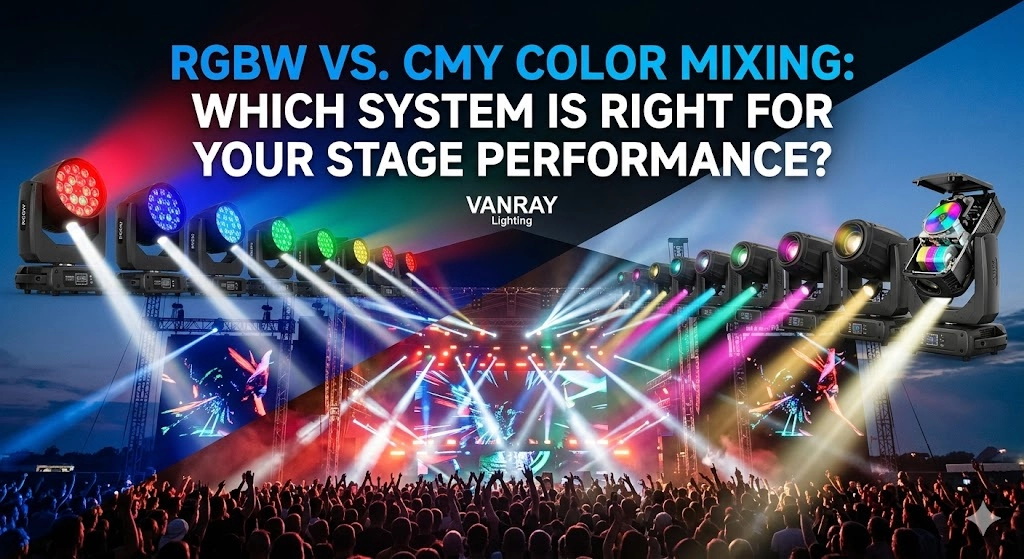
RGBW vs. CMY Color Mixing: Which System Is Right for Your Stage Performance?
About After Sales
What should I do if there are problems when using the product?
If you encounter any problems when using the stage lighting products, please contact our customer service team in time, and we will wholeheartedly provide you with technical support and solutions.
What is the product quality guarantee time ?
Our stage lighting product guarantee time is 1 year; all products can support after-sale service during this period; if lights are broken, we can provide spare parts for free.
About Customized Services
How long does customized service take?
The time for customized services depends on your specific needs and order volume. Generally speaking, normally 2-3 days, we will provide you with customized solutions as soon as possible.
About Cooperation Process
What information do I need to provide to start the cooperation process?
You need to provide your company information, product needs, customization requirements, cooperation intentions and other relevant information.
About Product
What certifications and inspections have your products passed?
Our products have passed relevant quality certifications and inspections, including CE, RoHS, etc., to ensure product safety and reliability.
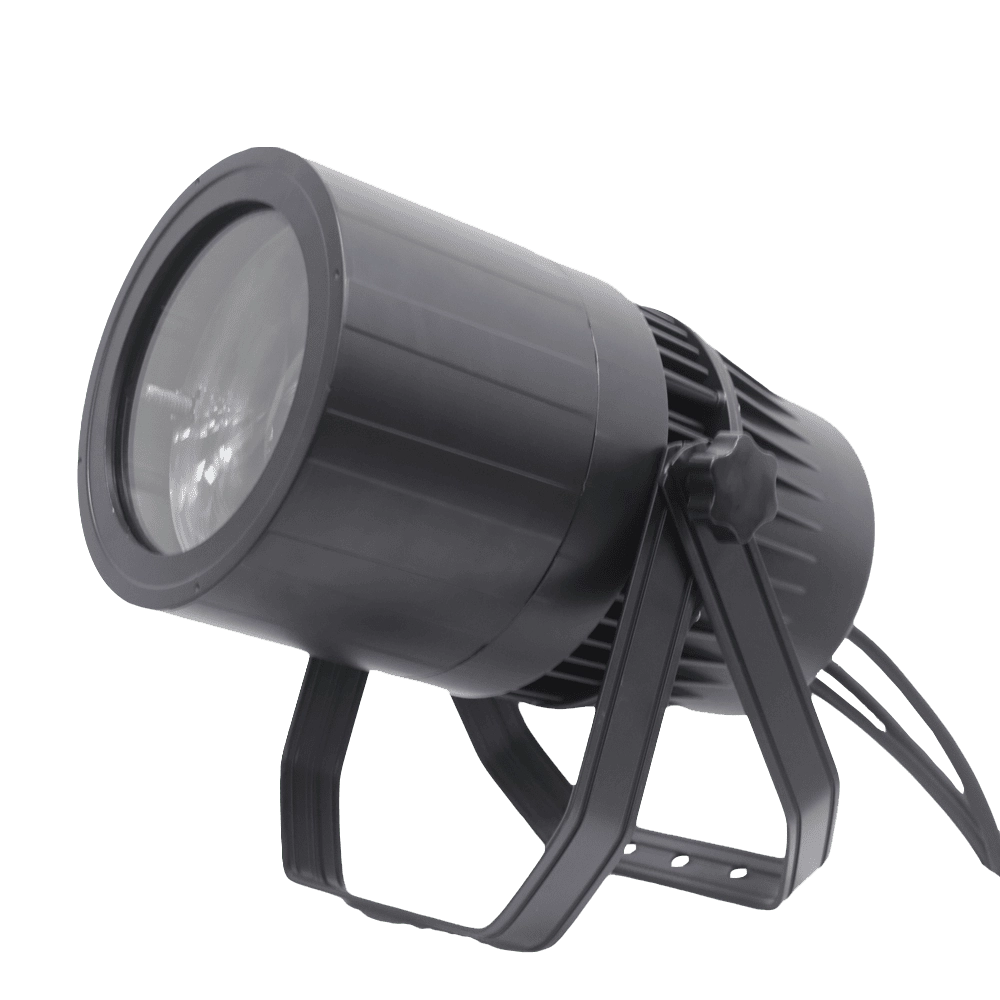
IP65 Waterproof LED Zoom Par Light: 200W High-Output Wash (LP-200Z)
IP65 Waterproof LED Zoom Par Light: 200W High-Output Wash (LP-200Z)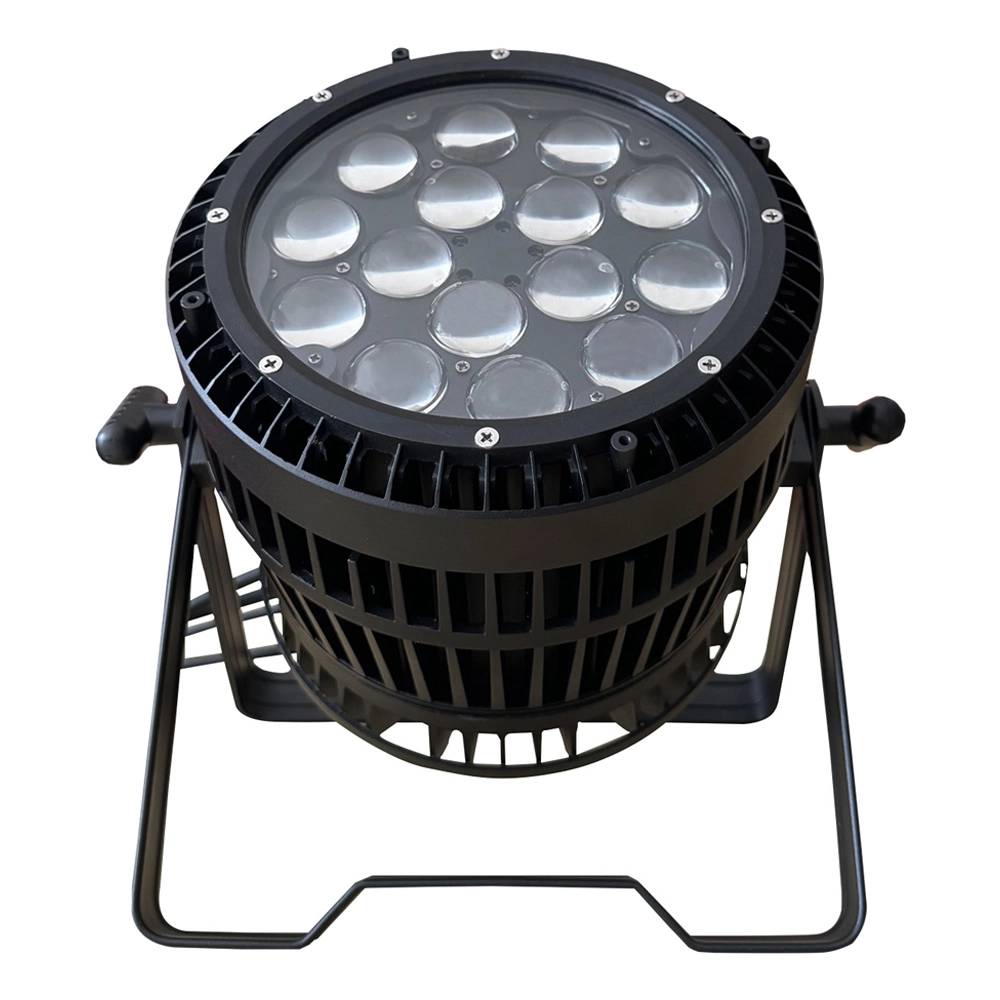
VANRAY LED Par Zoom Wash LP-1515Z 15pcs 15W RGBW Waterproof LED Par Light
VANRAY LED Par Zoom Wash LP-1515Z 15pcs 15W RGBW Waterproof LED Par Light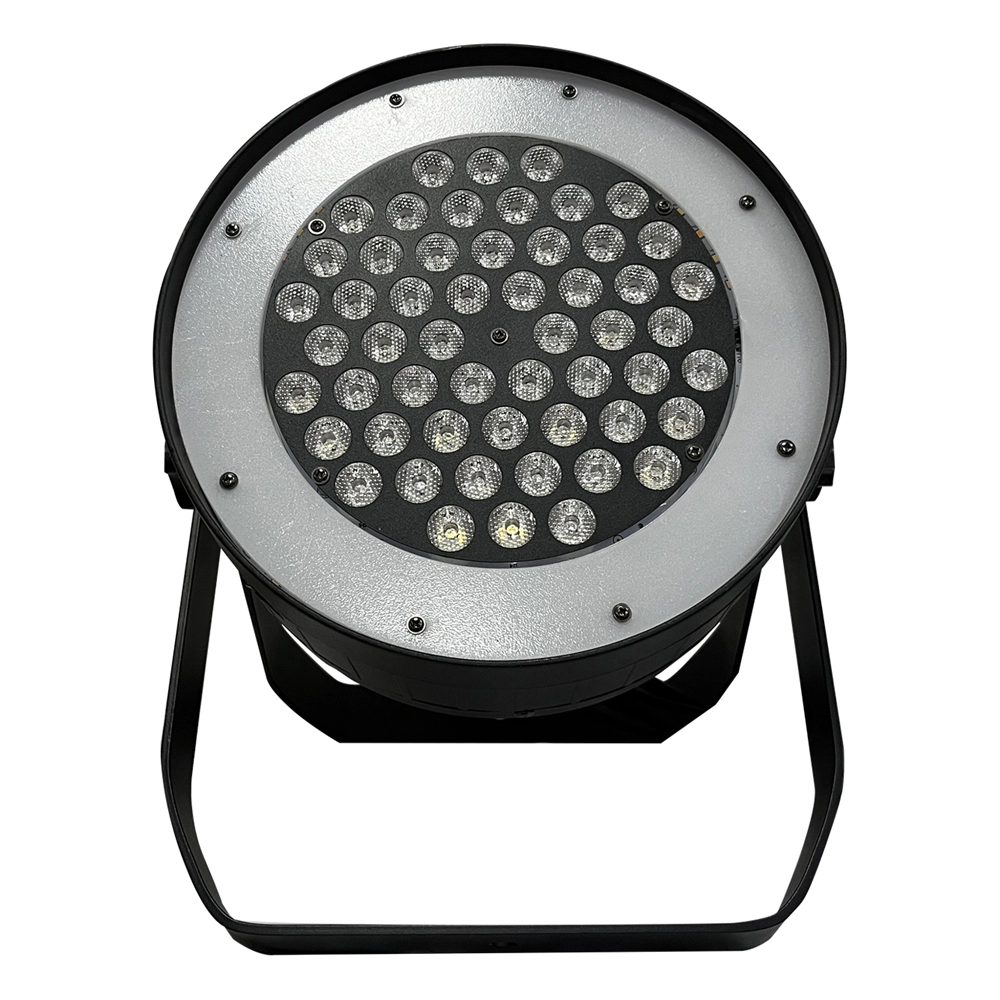
350W Professional Theater LED Par Can Light | LP-350SJL
350W Professional Theater LED Par Can Light | LP-350SJL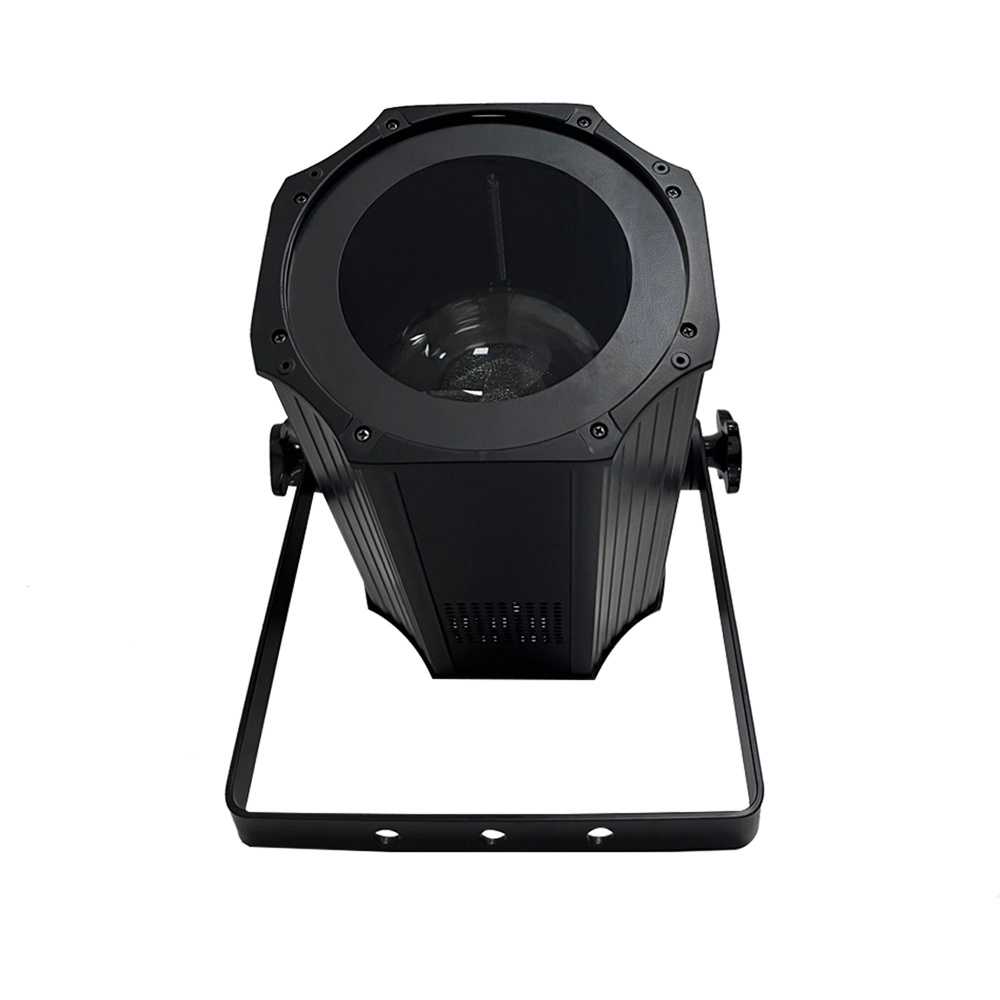
VANRAY LED Par Light Stage LP-200ZC RGBW LED Par Light Suppliers
VANRAY LED Par Light Stage LP-200ZC RGBW LED Par Light SuppliersGet in Touch With VANRAY
Create unforgettable stage moments with our advanced lighting solutions!
Contact us now by filling out the form below or calling us directly to begin your lighting journey!
VANRAY Lighting is a China-based LED stage lighting supplier trusted by productions in 60+ countries, VANRAY Lighting delivers a comprehensive suite of services including innovative R&D, precision production, and professional integration.
Built on decades of technical expertise, we are defined by our commitment to quality and service perfection. From theaters to grand-scale events, VANRAY is the trusted choice for reliable lighting solutions across the global entertainment and architectural sectors.
Copyright © 2025 VANRAY. All Rights Reserved.

Instagram
YouTube
Facebook