










How to Choose LED Moving Head Lights in 2026: Performance, Control, and Reliability Explained
A comprehensive professional guide on selecting, operating, and maintaining LED moving head lights for 2026. This article covers essential technologies like CMY color mixing, IP65 weatherproofing, and wireless DMX512 control, backed by industry data and Vanray Lighting's 10 years of manufacturing expertise.
- Key Takeaways: Selecting the Right Fixture for 2026
- What Is an LED Moving Head Light?
- Core Technologies: Beam, Spot, Wash, and Hybrid Explained
- 1. Beam Lights
- 2. Spot Lights
- 3. Wash Lights
- 4. Hybrid Fixtures
- Technical Specifications: What Professionals Look For
- Color Mixing: CMY vs. RGBW
- CMY Color Mixing System
- RGBW (Red, Green, Blue, White)
- Movement & Control
- 16-Bit Resolution
- DMX512 & RDM
- Manufacturing Excellence: The Vanray Lighting Advantage
- Expert Tips: Avoiding Common Mistakes in 2026
- Final Thought
- FAQs
- What is the difference between LED and discharge moving heads?
- How often is professional fixture maintenance required?
- What does the CMY color mixing system do?
- Are all moving head lights waterproof?
- Can I control these lights wirelessly?
- References
Key Takeaways: Selecting the Right Fixture for 2026
To maximize return on investment (ROI) in 2026, professional buyers must move beyond basic lumen comparisons and instead prioritize fixtures that integrate high-efficiency LED engines, advanced connectivity, and long-term operational reliability. Modern stage environments—whether touring concerts, broadcast studios, theaters, or permanent installations—demand lighting systems that deliver not only visual impact, but also precision control, consistency, and durability under continuous use.
The most successful lighting rigs in 2026 are those designed with future-proofing in mind: adaptable to evolving control protocols, resistant to environmental stress, and supported by certified manufacturing standards. When evaluating LED moving head lights, professionals should focus on the following critical criteria:
-
High-Fidelity Output:
Look for LED engines with a CRI greater than 90, especially for broadcast, theatrical, and corporate applications. High CRI ensures accurate color reproduction, natural skin tones, and minimal color correction in post-production. -
Wireless Control Capability:
Support for modern wireless protocols such as CRMX, in addition to standard DMX512 automated lighting, is now a practical requirement rather than a luxury. Wireless control simplifies complex rigging, reduces cable management issues, and increases setup efficiency for touring productions. -
All-Weather Versatility:
Choosing IP65 rated moving head fixtures significantly reduces maintenance costs and downtime. Even in indoor venues, sealed optical systems protect against dust, haze fluid residue, and humidity, extending fixture lifespan and preserving optical clarity. -
Certified Manufacturing:
Partnering with manufacturers that hold ISO quality systems, CE conformity, and RoHS compliance ensures product safety, regulatory approval, and consistency across large deployments—particularly critical for international touring and fixed installations.
What Is an LED Moving Head Light?
An LED moving head light is an intelligent, motorized lighting fixture designed to produce dynamic, programmable light effects through a wide range of motion—typically up to 540° pan and 270° tilt. Powered by solid-state LED light sources, these fixtures can adjust position, color, beam shape, and intensity in real time through digital control systems.
Unlike static luminaires, moving head lights are capable of executing complex cues synchronized with music, video, or stage action. They can generate aerial beams, textured projections, wide-area washes, or focused highlights—all from a single fixture—making them a cornerstone of modern professional lighting design.
At Vanray Lighting, we have spent more than a decade refining this technology. From our 8,000+ square meter manufacturing facility in Guangzhou, we engineer professional-grade fixtures that replace traditional discharge lamps with advanced LED engines. This transition delivers several measurable benefits:
-
Up to 40% lower power consumption, reducing electrical infrastructure requirements
-
Operational lifespans exceeding 50,000 hours, minimizing lamp replacement costs
-
Consistent color temperature and output throughout the product’s life cycle
For professional lighting designers and rental companies, these advantages translate into predictable performance, reduced maintenance labor, and lower total cost of ownership across tours, seasons, and long-term installations.
Core Technologies: Beam, Spot, Wash, and Hybrid Explained
Selecting the correct fixture type is the foundation of effective stage lighting design in 2026. Each category of moving head light serves a distinct optical and functional purpose within a lighting rig. Understanding these differences allows designers to build balanced systems that deliver both visual impact and operational efficiency.
1. Beam Lights
Function:
Beam moving head lights are engineered to produce ultra-narrow, parallel shafts of light, typically with beam angles ranging from 0° to 3°. Their optical systems prioritize intensity and collimation over beam softness.
Use Case:
Beam fixtures are primarily used to create dramatic aerial effects—visible light paths through haze or fog—that form geometric “light structures” above audiences. They are a staple in large-scale concerts, EDM festivals, and arena shows.
2026 Trend:
Emerging laser-phosphor and hybrid LED-laser engines are pushing beam brightness and throw distances even further. These innovations enable sharper beams over longer distances while maintaining improved energy efficiency compared to legacy discharge-based systems.
2. Spot Lights
Function:
Spot moving head lights feature precision optics with sharp edge definition, enabling the projection of gobos, logos, patterns, and tightly focused shapes. They often include rotating gobo wheels, prisms, iris control, and framing shutters.
Use Case:
Spot fixtures are ideal for highlighting performers, scenic elements, and architectural details. In theatrical productions, they add texture to stage floors and backdrops; in corporate events, they project branding elements with clarity.
3. Wash Lights
Function:
Wash moving head lights deliver wide beam angles with soft, even edges, designed to cover large areas in uniform color. Their optical systems prioritize smooth color blending and field consistency.
Use Case:
Wash fixtures form the foundation layer of most lighting designs. They establish mood, atmosphere, and emotional tone by bathing stages, sets, and performers in consistent color fields. In broadcast environments, they are essential for maintaining balanced exposure.
4. Hybrid Fixtures
Function:
Hybrid moving head lights combine Beam, Spot, and Wash capabilities within a single fixture. Advanced zoom optics and multi-function optical paths allow users to switch between modes as needed.
Use Case:
Hybrid fixtures are ideal for venues with limited rigging space or constrained budgets. They provide maximum versatility for touring productions, rental houses, and multipurpose venues where flexibility is critical.
Technical Specifications: What Professionals Look For
Professional-grade moving head lights are defined not by marketing claims, but by their ability to maintain color integrity, mechanical precision, and operational stability under demanding conditions. When evaluating specification sheets, professionals should focus on the following key parameters.
Color Mixing: CMY vs. RGBW
CMY Color Mixing System
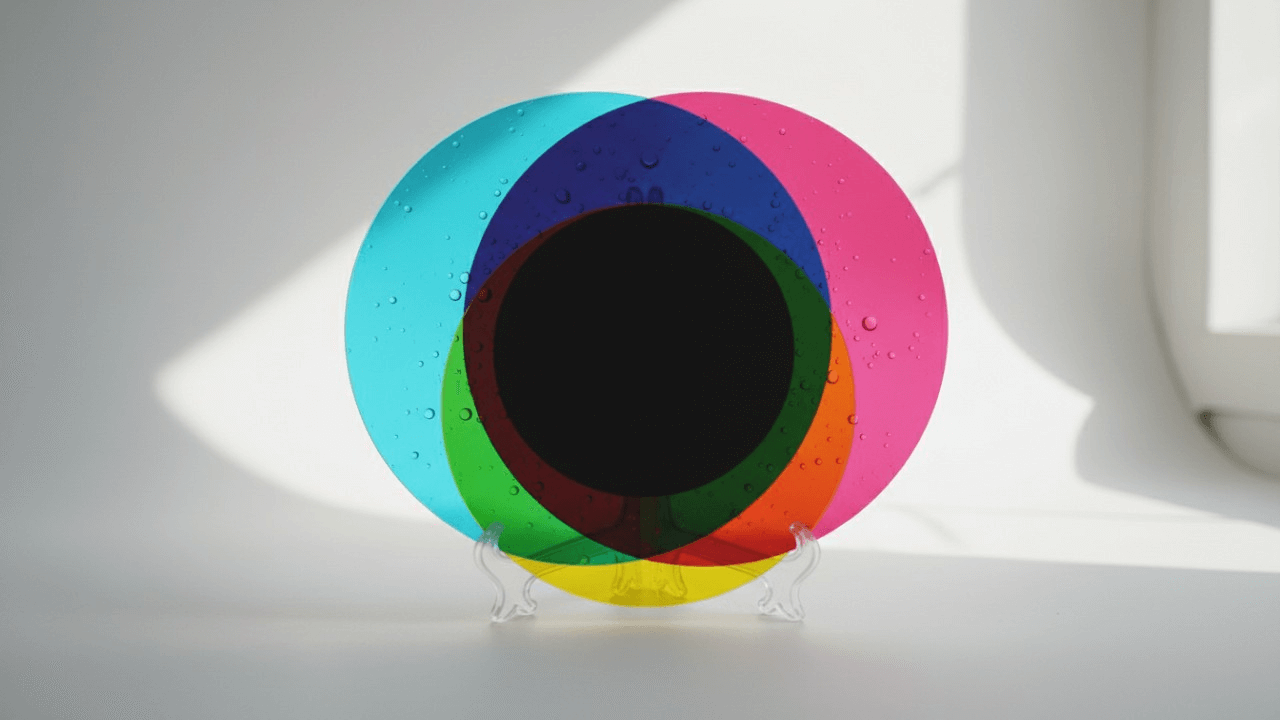
The CMY color mixing system uses a subtractive method based on Cyan, Magenta, and Yellow flags placed in the optical path of a white light source. This approach is widely regarded as the gold standard for high-end theatrical and broadcast lighting.
Key advantages include:
-
Smooth, continuous color transitions
-
Precise control over saturation levels
-
Superior pastel tones and subtle color gradients
CMY systems excel in environments where color accuracy and nuance are critical, such as drama, opera, and television studios.
RGBW (Red, Green, Blue, White)
RGBW is an additive color mixing system commonly used in wash lights. By blending colored LEDs directly, RGBW fixtures can produce highly saturated, vibrant colors with excellent intensity.
However, compared to CMY systems, RGBW may struggle to achieve consistent, high-quality whites and delicate pastel tones—especially in demanding camera environments.
Movement & Control
16-Bit Resolution
High-end fixtures should offer 16-bit pan and tilt resolution, providing thousands of incremental movement steps. This ensures:
-
Smooth, fluid motion at slow speeds
-
Precise positioning for focus and framing
-
No visible stepping or jitter during fades
This level of control is essential for theatrical cues, televised events, and any application where motion quality is visible to the audience.
DMX512 & RDM
While DMX512 remains the backbone of automated lighting control, modern professional fixtures increasingly support RDM (Remote Device Management). RDM enables bidirectional communication, allowing technicians to:
-
Address fixtures remotely
-
Monitor temperature, fan speed, and status
-
Diagnose issues without physical access
This capability significantly reduces setup time and maintenance effort, especially in large or permanently installed systems.
Manufacturing Excellence: The Vanray Lighting Advantage
Reliability in professional lighting begins at the manufacturing level. Fixtures used in touring, broadcast, and permanent installations must withstand vibration, thermal stress, and continuous operation without performance degradation.
Vanray Lighting distinguishes itself through rigorous quality control and a decade of focused R&D serving the film, stage, and landscape lighting sectors. Our production processes adhere to internationally recognized standards:
-
Certifications:
All fixtures are CE and RoHS compliant, meeting strict safety and environmental requirements for European and North American markets. -
Testing:
Advanced photometric testing and thermal analysis ensure consistent output and silent operation—critical for theaters, studios, and opera houses. -
Production Capacity:
With a robust R&D team and scalable manufacturing, we deliver customized OEM/ODM solutions for cultural projects, touring productions, and outdoor events worldwide, ensuring uniform performance across every unit.
Expert Tips: Avoiding Common Mistakes in 2026
Future-proofing a lighting rig requires attention to fundamentals that are often overlooked. Ignoring these basics can lead to costly failures during live events.
-
Don’t Ignore IP Ratings:
IP65 is not only about rain protection. Sealed fixtures are resistant to dust, haze fluid residue, and humidity—factors that dramatically impact long-term reliability and maintenance intervals. -
Calculate Total Power Draw:
Although LEDs are efficient, high-output fixtures can still place significant demands on power distribution. Balanced phase loading prevents breaker trips during full-intensity cues. -
Use DMX Terminators:
Signal integrity remains critical. Proper DMX termination prevents signal reflections that cause flickering, erratic behavior, and intermittent control issues.
Final Thought
In 2026, LED moving head lights are no longer simple lighting tools—they are precision instruments that define the visual language of live performance. By focusing on verified specifications, certified manufacturing, and application-driven design, professionals can build lighting systems that deliver both creative freedom and long-term value.
FAQs
What is the difference between LED and discharge moving heads?
LEDs offer superior longevity and consistent color temperature. While discharge lamps degrade and shift color over time, LED engines maintain their output quality for 50,000+ hours and allow for instant on/off without cool-down periods.
How often is professional fixture maintenance required?
Active maintenance should occur every 500 to 1,000 operational hours. This involves cleaning fans and lenses to prevent overheating. However, IP65 rated moving head fixtures require less frequent internal cleaning as their optical chambers are sealed from dust and smoke fluid.
What does the CMY color mixing system do?
The CMY color mixing system uses mechanical flags to subtract color from white light. By sliding Cyan, Magenta, and Yellow filters into the beam path, it can create nearly any color in the spectrum, offering much finer control over saturation than basic RGB LEDs.
Are all moving head lights waterproof?
No, standard fixtures are usually IP20 rated (indoor only). You must specifically look for "IP65" or higher ratings if you intend to use the fixtures outdoors or in environments with heavy particulate matter.
Can I control these lights wirelessly?
Yes, many modern fixtures support wireless DMX protocols. Technologies like LumenRadio's CRMX are becoming industry standards in 2026, allowing for reliable wireless control that eliminates the need for long cable runs.
References
LED Moving Head Light Market Size & Forecast
TLCI Explained: CRI vs. Television Lighting Consistency Index - Sigostreetlight
LED Par Lights Wholesale: Why Similar Specs Can Mean Very Different Products
Moving Bar Lights for Stage: Why Bulk Buyers Need Them Alongside Moving Heads

Bee Eye Moving Head Lights: What Bulk Buyers Need to Know Before Sourcing
TV Studio Lighting Setup: A Practical Guide to Lighting News Anchors and Broadcast Presenters
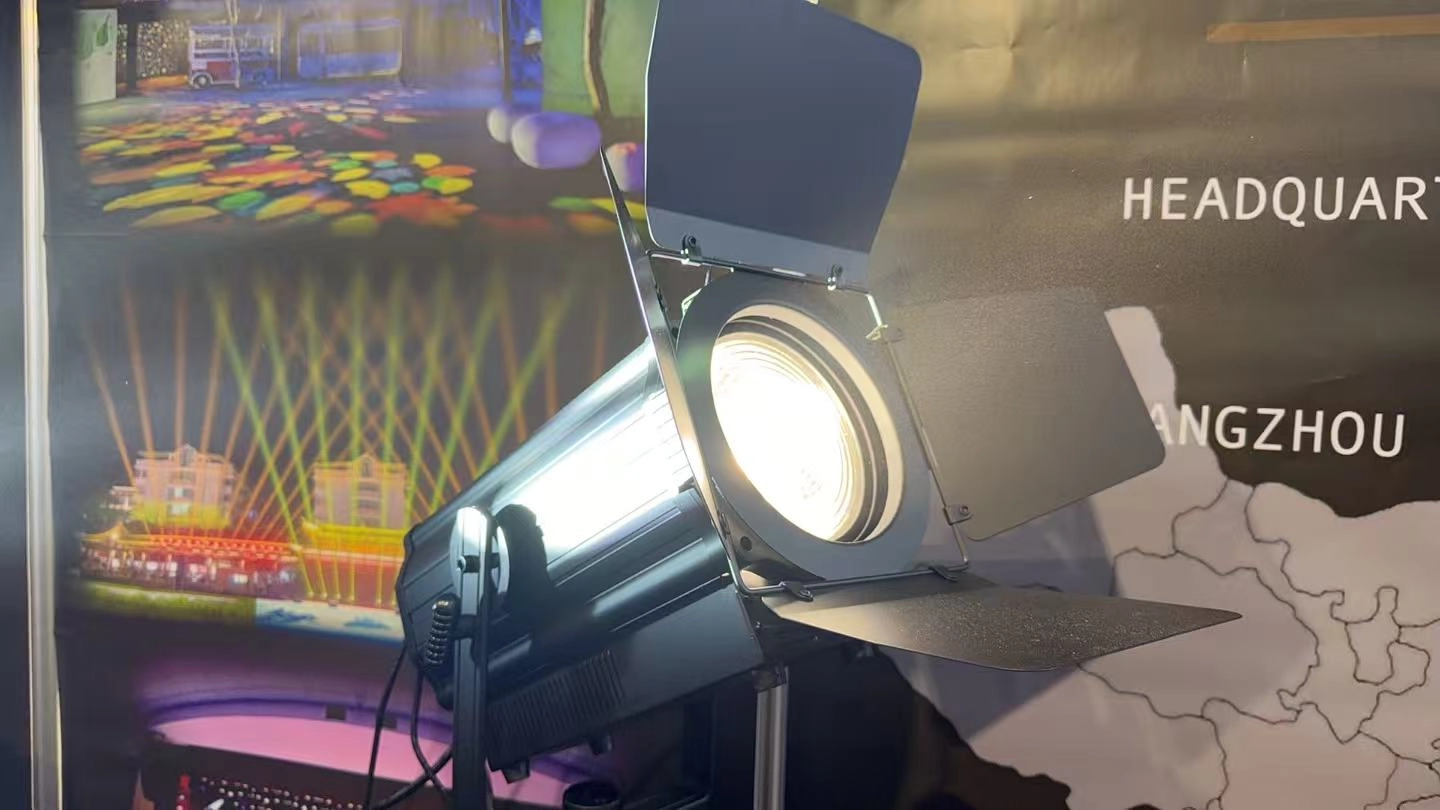
How to Choose a Moving Head Lights Wholesale Supplier: A Practical Guide for Bulk Buyers
About Logistics
Does your product support global logistics and distribution?
Yes, our products support global logistics and distribution services, and you can receive our products anytime and anywhere.
About Product
What is the delivery time of orders ?
Its based on the workshop schedule; if products are in stock, we will ship the goods within 1-2 days; if products are out of stock, we need to make production; normally 100-200 pieces can be finished in 7-10 days.
About Company
Can I Visit your company?
Of course, our company is located in No. 7, Sijiaowei Industrial Zone, Tanbu Town, Huadu District, Guangzhou, China. Warmly welcome to visit our factory.
About After Sales
What is the product quality guarantee time ?
Our stage lighting product guarantee time is 1 year; all products can support after-sale service during this period; if lights are broken, we can provide spare parts for free.
About Customized Services
What is minimum order quantity requirement for customization services?
No MOQ
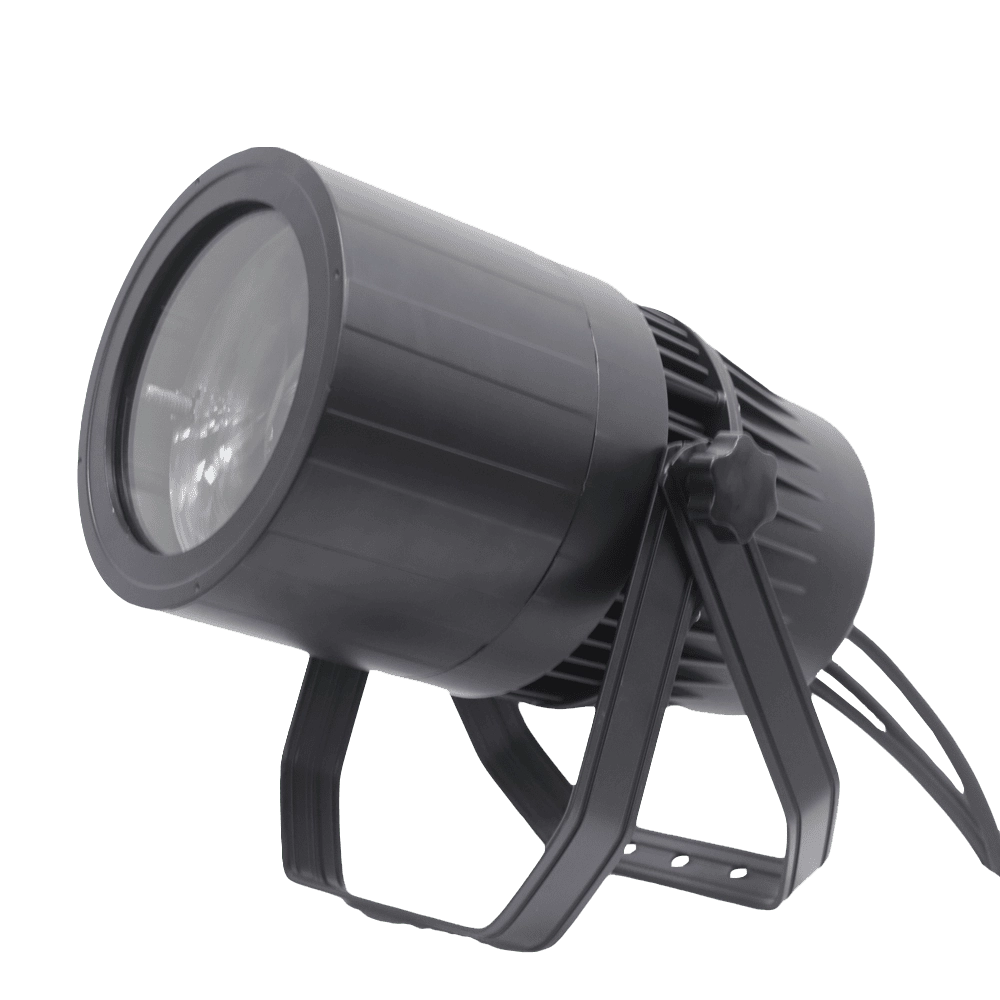
IP65 Waterproof LED Zoom Par Light: 200W High-Output Wash (LP-200Z)
IP65 Waterproof LED Zoom Par Light: 200W High-Output Wash (LP-200Z)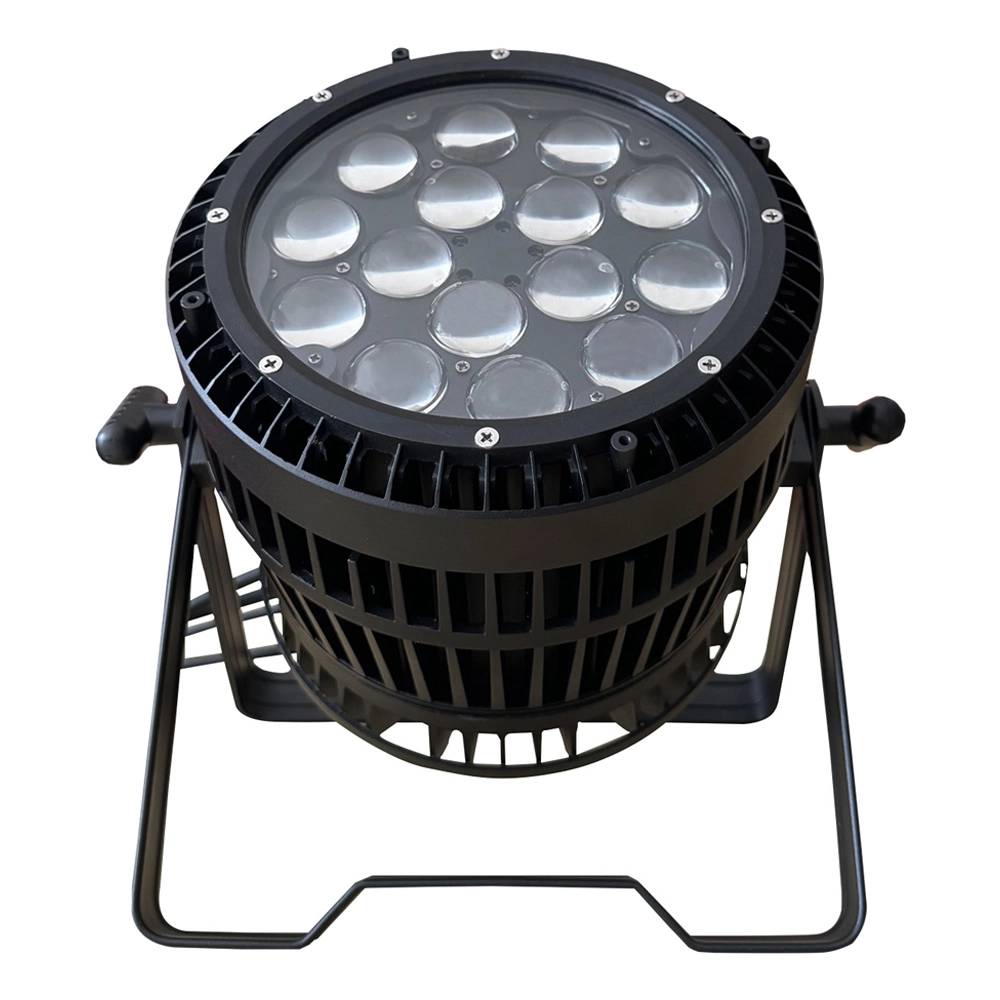
VANRAY LED Par Zoom Wash LP-1515Z 15pcs 15W RGBW Waterproof LED Par Light
VANRAY LED Par Zoom Wash LP-1515Z 15pcs 15W RGBW Waterproof LED Par Light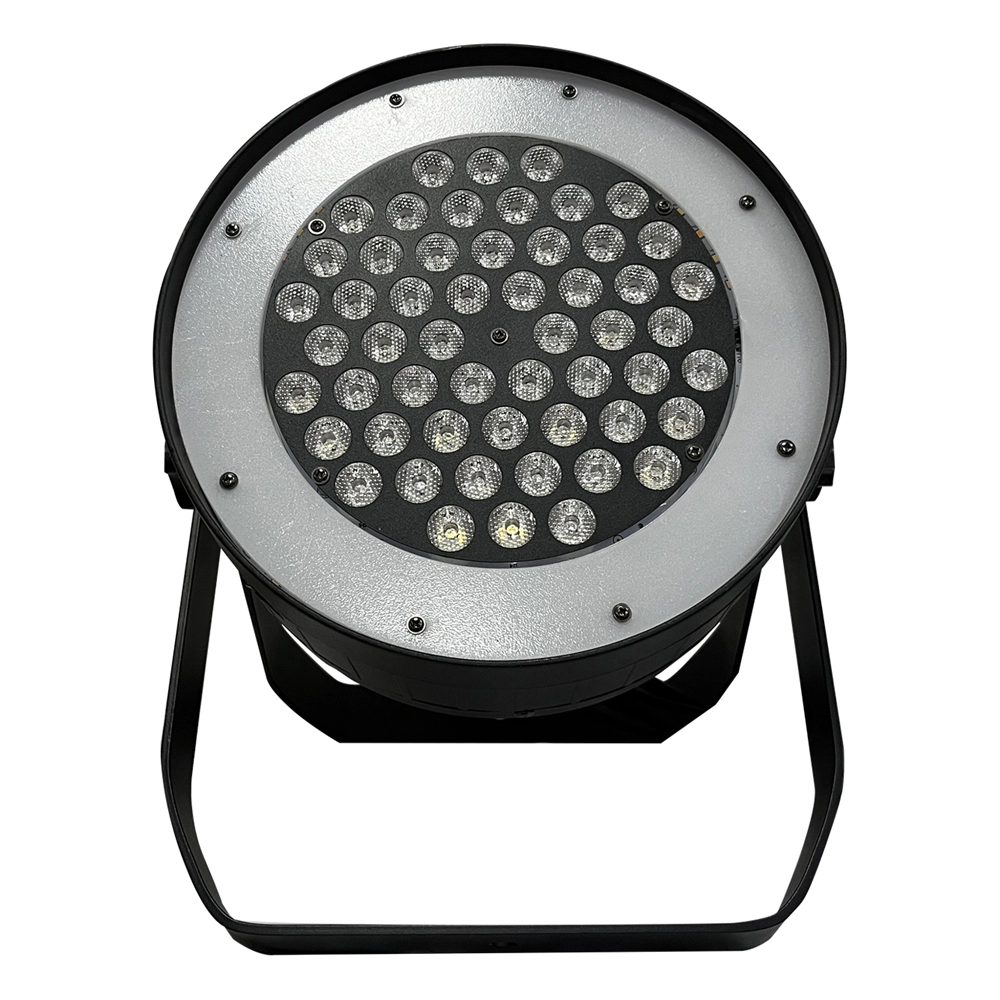
350W Professional Theater LED Par Can Light | LP-350SJL
350W Professional Theater LED Par Can Light | LP-350SJL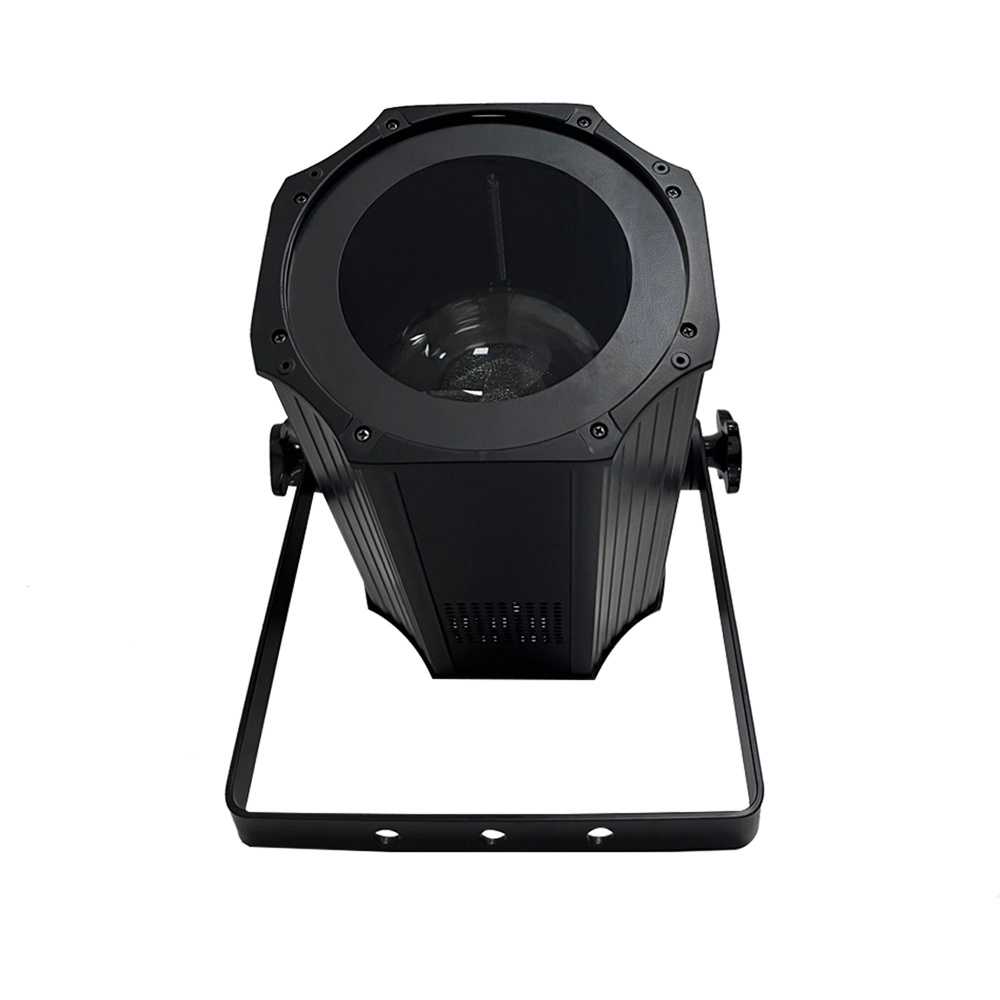
VANRAY LED Par Light Stage LP-200ZC RGBW LED Par Light Suppliers
VANRAY LED Par Light Stage LP-200ZC RGBW LED Par Light SuppliersGet in Touch With VANRAY
Create unforgettable stage moments with our advanced lighting solutions!
Contact us now by filling out the form below or calling us directly to begin your lighting journey!
VANRAY Lighting is a China-based LED stage lighting supplier trusted by productions in 60+ countries, VANRAY Lighting delivers a comprehensive suite of services including innovative R&D, precision production, and professional integration.
Built on decades of technical expertise, we are defined by our commitment to quality and service perfection. From theaters to grand-scale events, VANRAY is the trusted choice for reliable lighting solutions across the global entertainment and architectural sectors.
Copyright © 2025 VANRAY. All Rights Reserved.

Instagram
YouTube
Facebook