










Permanent Outdoor Architectural Lighting: What to Look for When Specifying LED Wash Moving Heads
Specifying lighting for a permanent outdoor architectural installation is a fundamentally different exercise from kitting out a touring rig or a one-off festival stage. The fixture goes up, and it stays there—through winter rain, summer heat, coastal salt air, and the full range of whatever the local climate throws at it—without the option of bringing it in for servicing every few weeks.
The decisions you make at the specification stage determine whether that installation looks as good in three years as it did on opening night or whether you're back on site within twelve months dealing with failed units, degraded color output, and gasket replacements. This guide covers the factors that matter most when selecting LED wash moving heads for facades, bridges, monuments, landscape features, and other permanent or semi-permanent outdoor installations.
- Why architectural installations demand a different evaluation framework
- IP rating: what the numbers mean for long-term outdoor deployment
- Corrosion resistance: the factor most specifications overlook
- Thermal management in sealed enclosures
- Zoom range and beam control for architectural applications
- Control infrastructure for permanent installations
- Serviceability: planning for the maintenance reality
- What to ask VANRAY when specifying for architectural projects
- FAQ

Why architectural installations demand a different evaluation framework
Event production and architectural lighting share some equipment, but the performance requirements diverge significantly once you factor in deployment duration.
A rental fixture used for outdoor events gets inspected, maintained, and rested between jobs. A permanently installed fixture runs continuously or on a programmed schedule, often in locations that are awkward to access, for months or years between planned service intervals. Failure in a rental context means a disappointed client and a fixture on the bench for a week. Failure in a permanent architectural installation means a dark section of a landmark facade, a crane hire to reach the fixture, and a client relationship under strain.
This shifts the evaluation criteria. Output and color quality still matter — the installation needs to look right. But longevity, thermal stability, corrosion resistance, and serviceability move up the priority list considerably. The cheapest fixture per unit that achieves the visual result is rarely the cheapest option over a five-year installation lifecycle.
IP rating: what the numbers mean for long-term outdoor deployment
IP65 and IP66 are the ratings most commonly specified for outdoor architectural lighting. Both provide complete dust sealing. The difference is water resistance: IP65 covers low-pressure water jets from any direction; IP66 covers powerful water jets and heavy seas.
For most architectural applications — building facades, park features, monument uplighting — IP65 is sufficient. Rainfall, irrigation spray, and pressure washing at a safe distance all fall within IP65 protection. IP66 becomes relevant for waterfront installations, fountain surrounds, and any position where the fixture is likely to receive direct high-pressure water exposure.
What the IP rating does not tell you is how well that protection holds up over time. IP ratings are tested on new fixtures under laboratory conditions. In the field, protection degrades as gaskets age, UV exposure hardens seals, and thermal cycling repeatedly stresses the housing joints. A fixture with excellent IP integrity at installation may be significantly less protected after two years of outdoor exposure if the sealing materials are not specified for long-term UV and temperature resistance.
When evaluating fixtures for permanent outdoor installation, ask manufacturers specifically about gasket material — silicone performs significantly better than rubber under UV exposure and temperature cycling — and whether the IP rating has been tested after thermal cycling rather than only on a new unit.
Corrosion resistance: the factor most specifications overlook
Corrosion is the most common cause of premature fixture failure in permanent outdoor installations, and it's the factor that gets the least attention in standard product specifications.
Die-cast aluminum housing is the baseline for professional outdoor fixtures. Aluminum itself is corrosion-resistant, but the fasteners, mounting brackets, internal components, and surface coatings are not always treated to the same standard. Stainless steel fasteners throughout the fixture and yoke assembly matter significantly for coastal and high-humidity environments. Standard steel fasteners will show visible corrosion within a year in marine environments and will eventually seize, making servicing difficult.
Surface coating quality varies considerably between manufacturers. Anodized or powder-coated finishes that are UV-stable and chemically resistant will maintain appearance and protection over multi-year installations. Cheaper painted finishes chalk and peel under UV exposure, eventually leaving the housing exposed.
For any installation within a few kilometers of the coast, or in high-humidity tropical environments, ask specifically about corrosion protection beyond the standard housing material. Marine-grade specifications — stainless fasteners, UV-stable coating, sealed electrical compartments with moisture-absorbing desiccant — represent a meaningful difference in expected service life.

Thermal management in sealed enclosures
LEDs are sensitive to heat. Sustained high operating temperatures accelerate lumen depreciation and shorten LED lifespan — the L70 rating, which describes the point at which output has dropped to 70% of initial lumens, is heavily influenced by junction temperature during operation.
In a sealed IP-rated enclosure, managing heat is more challenging than in an open-frame indoor fixture. Heat has to be moved from the LED junction to the outside of the housing purely through conduction and convection, without the airflow assistance that fan cooling provides.
Die-cast aluminum housings with large external fin structures are the standard approach for passive thermal management in outdoor wash fixtures. The mass and surface area of the fins determine how effectively heat is dissipated. Fixtures with larger, deeper fin arrays generally run cooler at equivalent power levels, which translates directly to longer LED life.
For permanent installations in hot climates — Middle East, Southeast Asia, southern Mediterranean — thermal management deserves particular attention. A fixture specified for a central European climate may run at acceptable temperatures in that environment but reach thermal limits during a summer in Abu Dhabi or Singapore. Check manufacturer data for ambient operating temperature range and, where possible, ask for lumen maintenance data at the upper end of that range.

Zoom range and beam control for architectural applications
Architectural lighting rarely needs the full zoom range that event production fixtures are designed around. A fixture with a 3° to 60° zoom is versatile, but for a facade wash installation where the throw distance and coverage angle are fixed at design stage, a mid-range zoom that delivers optimal optical efficiency at the specified angle is more valuable than maximum range.
The more important optical parameter for architectural wash applications is beam edge quality and uniformity. Even wash across the lit surface, without hot spots or color fringing at the edges, is what makes a facade installation look professional over time. This is determined by the quality of the optical homogenizer and the consistency of the LED array — parameters that are harder to evaluate from a spec sheet than zoom range, but matter more in practice.
Where possible, request a photometric report for the specific zoom position you intend to use in the installation. A good manufacturer will have DIALux-compatible photometric data files that allow accurate pre-installation simulation of light distribution, uniformity, and spill control.
Control infrastructure for permanent installations
Permanent architectural installations typically use networked control rather than direct DMX wiring, particularly for large-scale multi-fixture projects. Art-Net and sACN over ethernet allow a single network infrastructure to address hundreds of fixtures across a large site, with easier reconfiguration and remote diagnostics than a conventional DMX daisy-chain.
RDM support is particularly valuable in permanent installations where fixtures are at height or in difficult-to-access positions. Remote device management allows addressing, configuration checking, and fault diagnostics from the control desk without physical access to each fixture — saving significant time and cost during commissioning and routine maintenance.
For installations with complex programming requirements — facade mapping, synchronized multi-zone effects, dynamic color sequences — pixel-level control within the fixture array adds creative flexibility. Confirm whether the fixtures support individual LED zone addressing and whether the control system being specified can utilize this capability.
Wireless DMX is worth considering for installations where cabling infrastructure is difficult or expensive to route. Battery-powered wireless receivers have improved significantly in reliability, but for permanent installations, the power supply infrastructure is already in place and wired data is generally more reliable for long-term operation.
Serviceability: planning for the maintenance reality
Every permanent installation will require maintenance. The question is how much, how often, and how difficult it is to carry out.
Fixture position affects maintenance cost significantly. A wash head mounted on a ground-level plinth is accessible with basic tools. The same fixture at 20 meters on a building facade requires a lift, a crew, and a road closure. For high-access installations, choosing fixtures with a documented track record of reliability and a manufacturer that stocks replacement components is not a minor consideration — it's a core part of the total cost of ownership calculation.
Modular design — where LED modules, driver boards, and motor components can be replaced in the field without returning the whole fixture — reduces maintenance cost and downtime considerably. Ask manufacturers whether field-replaceable modules are available and what the lead time is for spare parts. A fixture where the only repair option is factory return is a significant liability in a permanent installation.
What to ask VANRAY when specifying for architectural projects
VANRAY's team works with architects, lighting designers, and project contractors at the specification stage, not just at the point of purchase. For permanent outdoor architectural projects, we provide:
- DIALux photometric files for accurate pre-installation simulation
- Project-specific fixture configuration recommendations based on throw distance, coverage requirements, and ambient conditions
- Corrosion protection guidance for coastal and high-humidity environments
- Spare parts availability confirmation and lead time data for the fixtures being specified
- CE, RoHS, and IP certification documentation for planning and compliance submissions
For large-scale projects, factory visits and pre-production samples are available to allow full evaluation before committing to a production order.
Contact our project specification team at vanraylighting.com with your project brief and we'll provide a detailed fixture recommendation and photometric simulation at no charge.
FAQ
What IP rating should I specify for a coastal architectural installation?
IP66 is worth specifying for any installation within 500 meters of the sea or in positions exposed to wave spray. For general coastal environments further from the water, IP65 with marine-grade fasteners and UV-stable coating is typically sufficient. Discuss the specific site conditions with your supplier before finalizing the specification.
How often do gaskets need replacing in a permanent outdoor installation?
In temperate climates, gasket inspection every 12 months and replacement every 2–3 years is a reasonable baseline. In high-UV environments or where the fixture experiences large daily temperature swings, annual replacement may be appropriate. Silicone gaskets last significantly longer than rubber under UV exposure.
Can LED wash moving heads be used for permanent facade installations without a dedicated lighting console?
Yes. Standalone and scheduled operation modes allow fixtures to run pre-programmed color sequences on a timer without a connected console. For complex multi-zone installations, a dedicated architectural lighting controller or DMX playback device is typically used rather than a full console.
What photometric data should I request before specifying a fixture for an architectural project?
Request the IES or LDT photometric file for the zoom position you intend to use. This allows accurate simulation in DIALux or similar software. Also request lumen output at the operating temperature range for your climate, not just at the standard 25°C test condition.
Does VANRAY offer project-specific technical support for architectural lighting specifications?
Yes. Our team provides fixture recommendations, photometric files, and pre-installation simulation support for qualifying projects. Contact us at vanraylighting.com with your project details.
VANRAY Lighting supplies LED wash moving heads for permanent outdoor architectural installations, cultural tourism projects, and large-scale landscape lighting. Factory-direct pricing, full certification documentation, and project specification support. Visit vanraylighting.com.
Follow Spot Lights for Live Events: What Bulk Buyers Need to Evaluate Before Sourcing
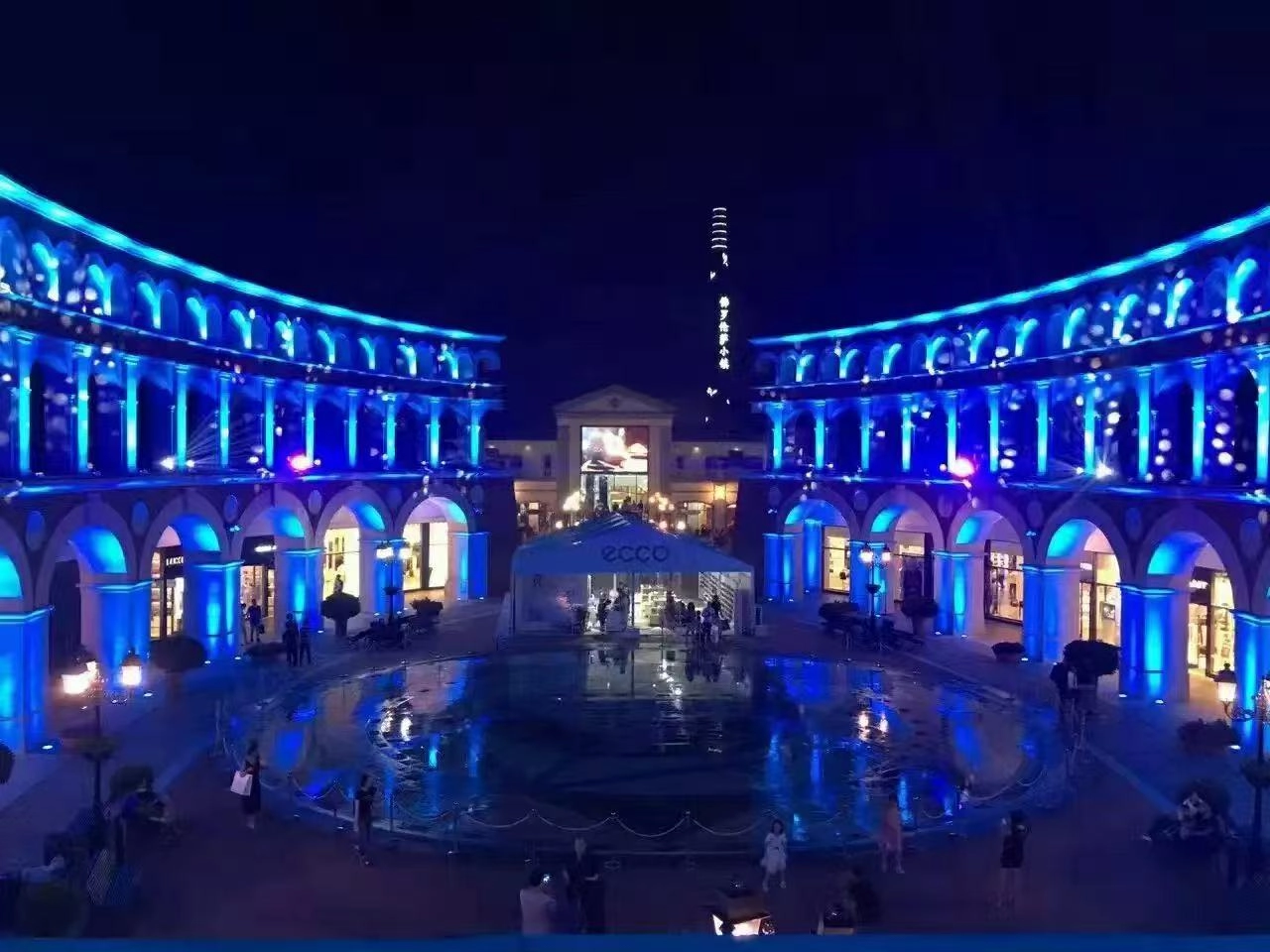
LED Wall Washer Lights: What Bulk Buyers Need to Evaluate Before Placing a Large Order
LED Fresnel Lights for Theater and Broadcast: What Bulk Buyers Need to Know Before Sourcing
LED Par Lights Wholesale: Why Similar Specs Can Mean Very Different Products
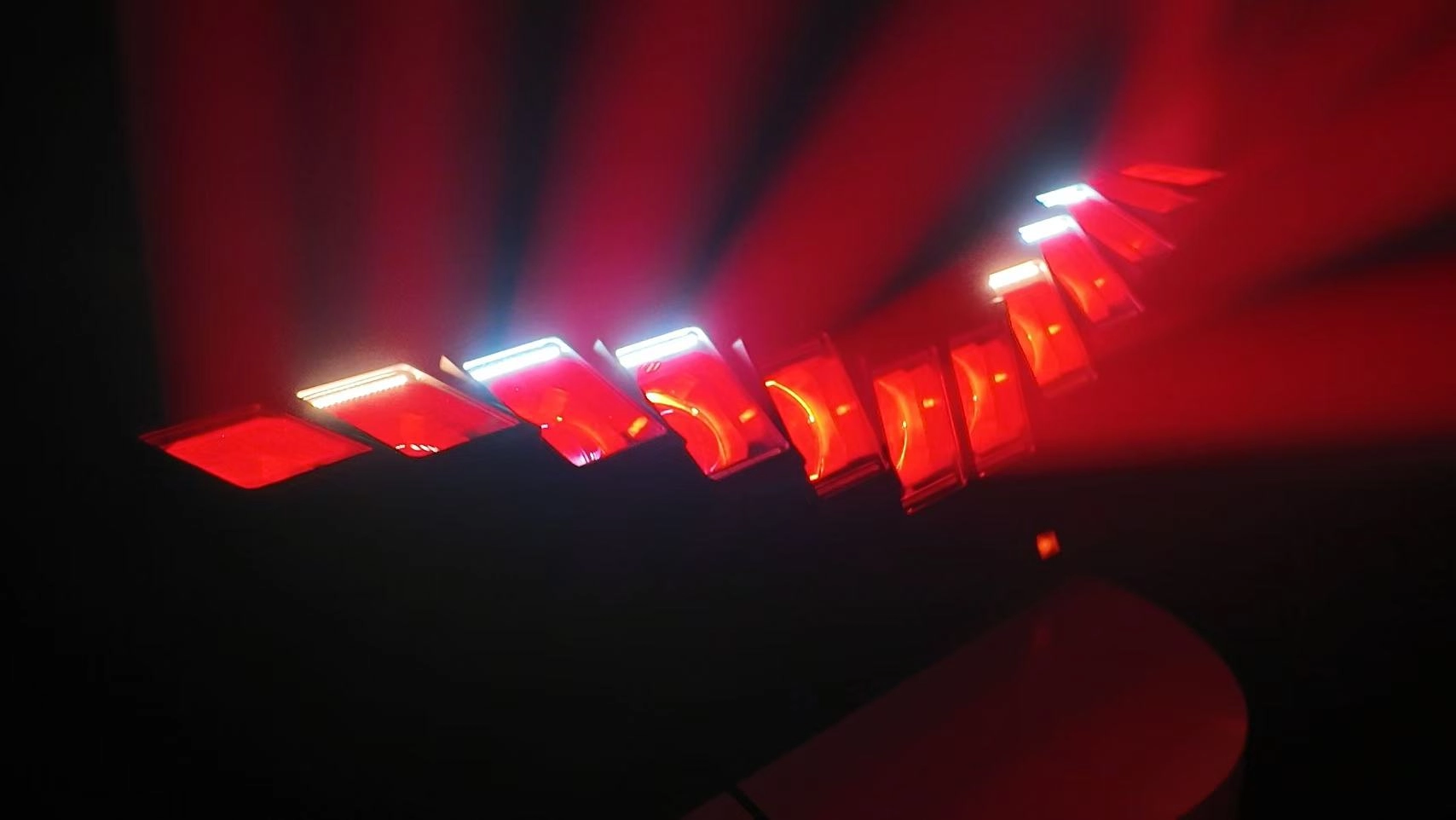
Moving Bar Lights for Stage: Why Bulk Buyers Need Them Alongside Moving Heads
About Logistics
How long does logistics delivery take?
Shipping times depend on your location and the shipping method you choose
1. 5-7 days by express
2. 20–25 days by sea shipping.
3. 15 days by air shipping.
About Cooperation Process
What information do I need to provide to start the cooperation process?
You need to provide your company information, product needs, customization requirements, cooperation intentions and other relevant information.
About Customized Services
Can you provide OEM / ODM services ?
Yes, we can support OEM/ODM services for the details, which can be negotiated with our sales team.
About Company
Can I Visit your company?
Of course, our company is located in No. 7, Sijiaowei Industrial Zone, Tanbu Town, Huadu District, Guangzhou, China. Warmly welcome to visit our factory.
About Product
What is the delivery time of orders ?
Its based on the workshop schedule; if products are in stock, we will ship the goods within 1-2 days; if products are out of stock, we need to make production; normally 100-200 pieces can be finished in 7-10 days.
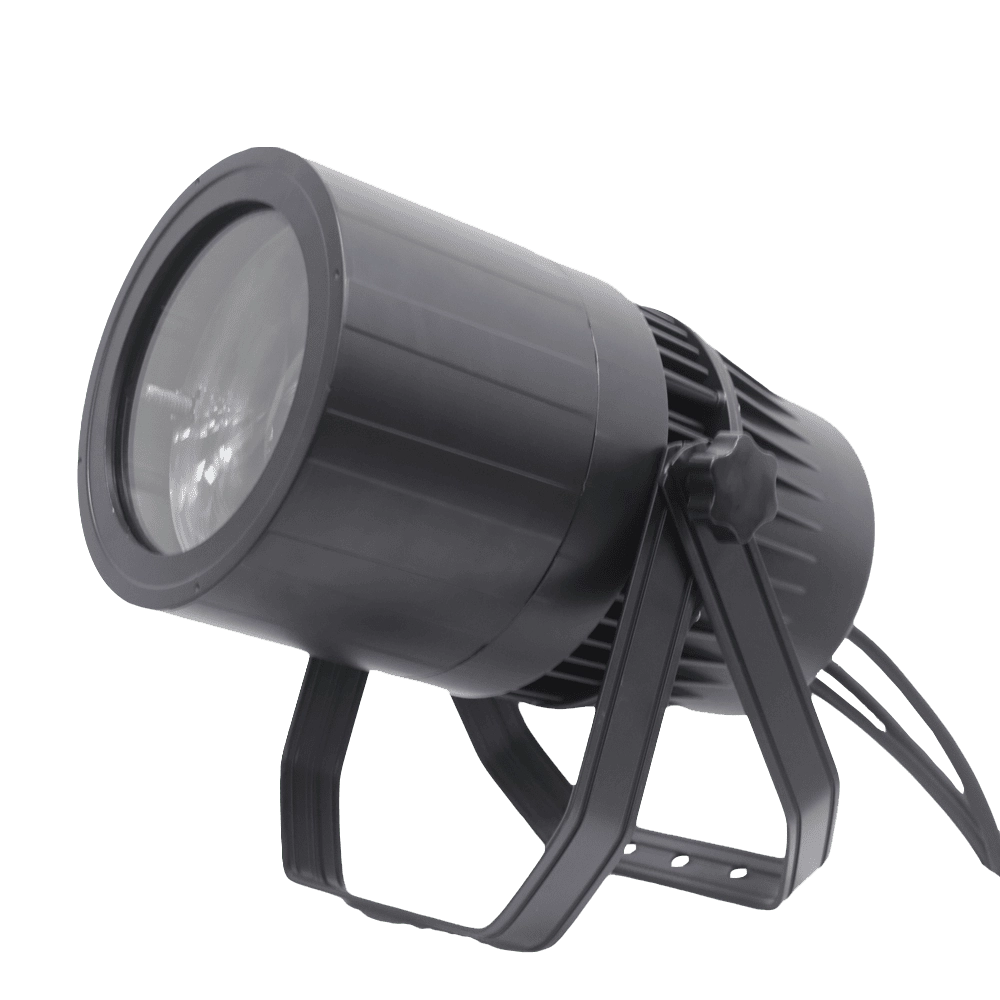
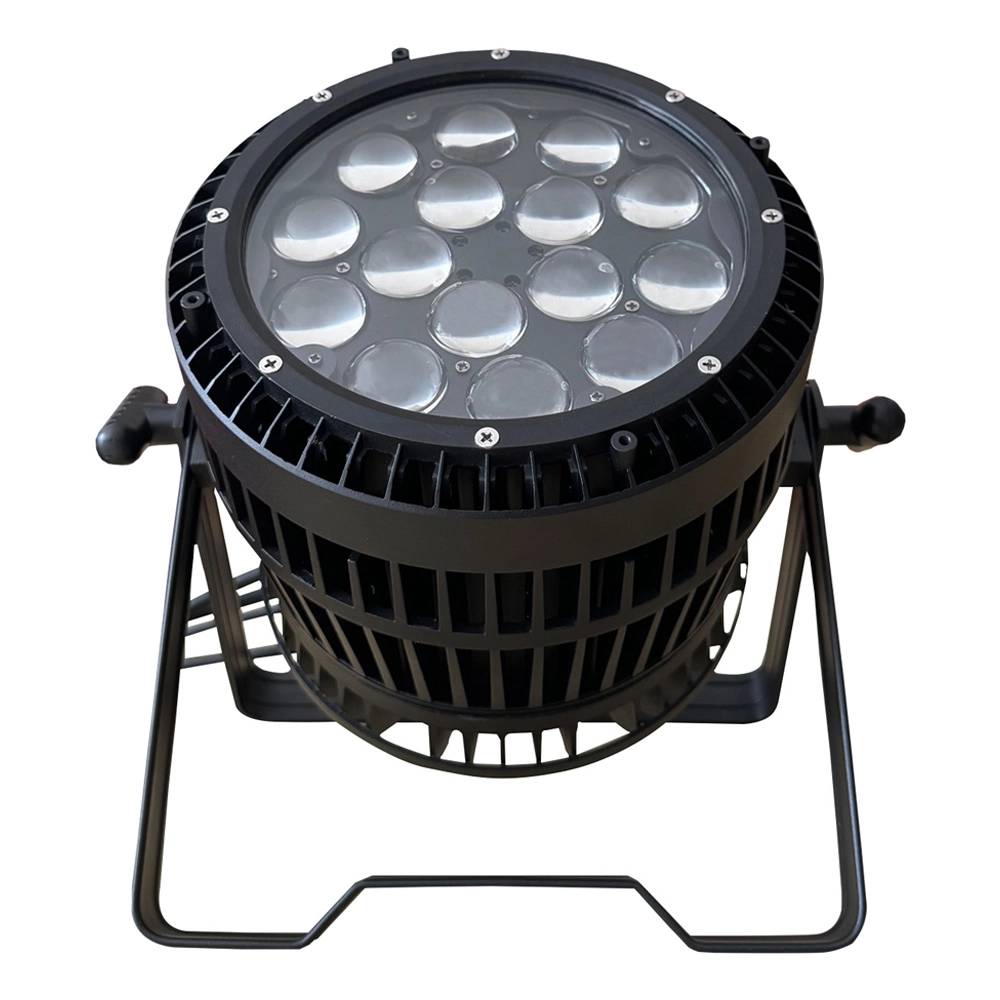
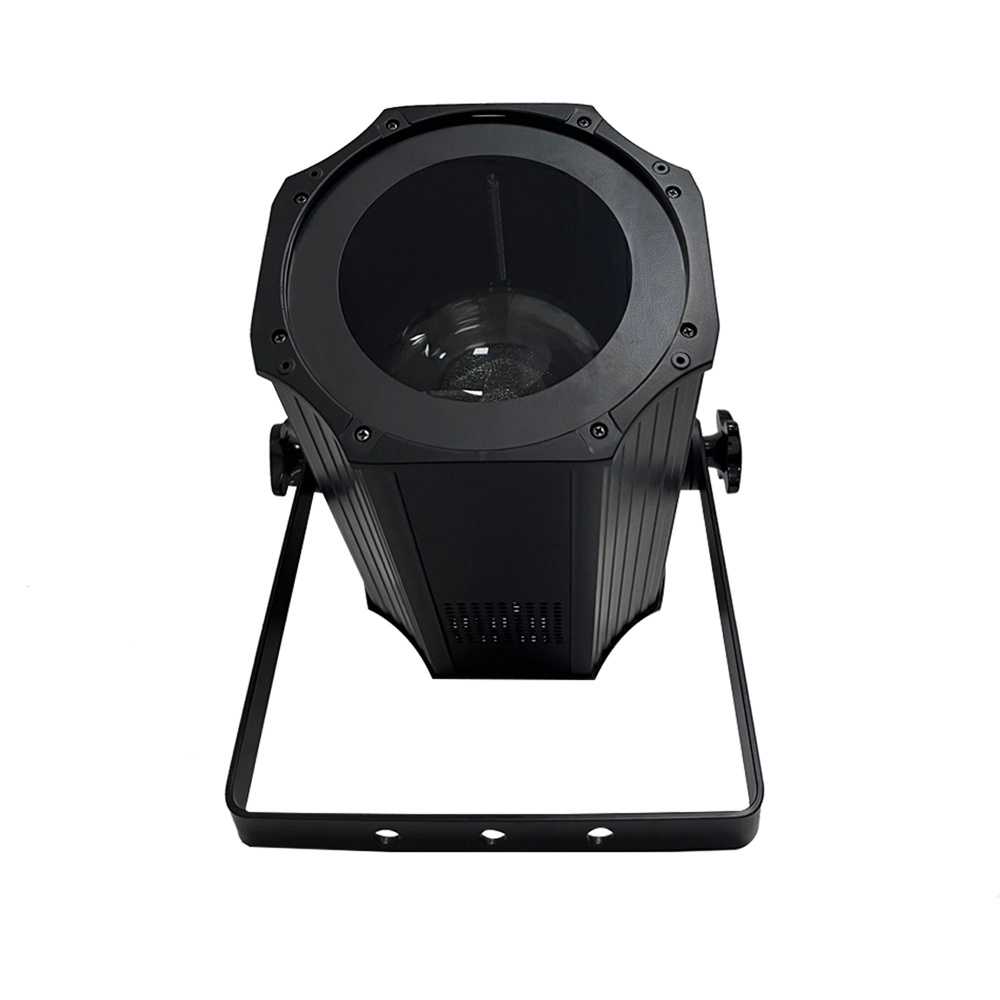
LP-1515Z — 200W IP65 Waterproof Zoom LED Par Light
LP-1515Z — 200W IP65 Waterproof Zoom LED Par Light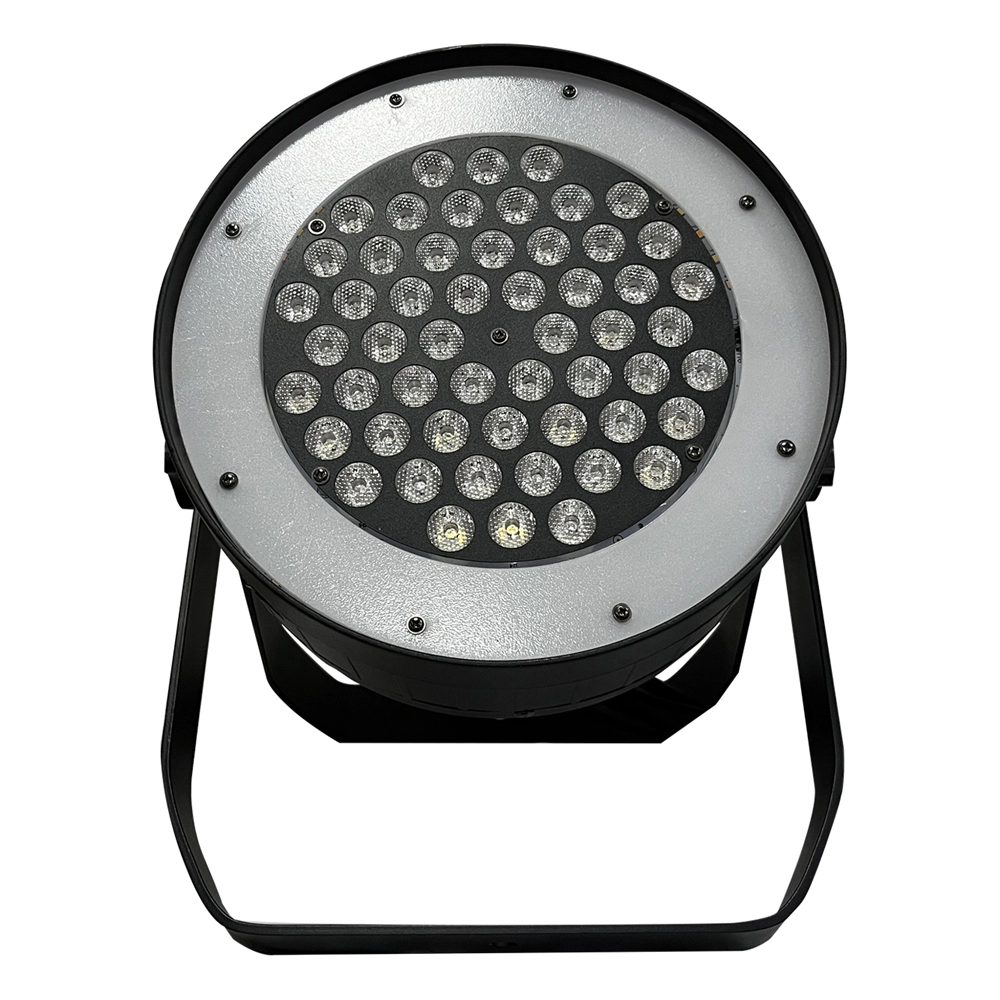
Get in Touch With VANRAY
Create unforgettable stage moments with our advanced lighting solutions!
Contact us now by filling out the form below or calling us directly to begin your lighting journey!
VANRAY Lighting is a China-based LED stage lighting supplier trusted by productions in 60+ countries, VANRAY Lighting delivers a comprehensive suite of services including innovative R&D, precision production, and professional integration.
Built on decades of technical expertise, we are defined by our commitment to quality and service perfection. From theaters to grand-scale events, VANRAY is the trusted choice for reliable lighting solutions across the global entertainment and architectural sectors.
Copyright © 2025 VANRAY. All Rights Reserved.
Instagram
YouTube
Facebook