










The 2026 Standard: Transitioning from Conventional PARs to Stage LED Can Lights
- Quick Summary: The Shift to Solid-State Illumination
- Conventional PARs vs. Stage LED Can Lights: The Core Differences
- The Power Equation: Wattage, Amps, and Infrastructure
- The Truth About Longevity: Filament Burnout vs. Lumen Depreciation
- Heat Management and HVAC: The Hidden Cost Factor
- Creative Control: Dimming Curves and Color Mixing
- Gap Analysis: Future-Proofing for 2026 and Beyond
- Industry Solutions: Integrating Professional LED Fixtures
- Expert Tips for Transitioning Your Rig
- Conclusion
- FAQ
The transition from tungsten to solid-state lighting is no longer just a trend; it is the financial and operational standard for modern venues. As we move through 2026, the debate between stage LED can lights and conventional PARs has shifted from "quality of light" to undeniable metrics of efficiency and durability. While traditional halogen fixtures have served the industry for decades, the math regarding power consumption and maintenance cycles now overwhelmingly favors LED technology.
Quick Summary: The Shift to Solid-State Illumination
Stage LED can lights are solid-state lighting fixtures that utilize light-emitting diodes to produce color-controllable output with significantly higher efficiency than tungsten equivalents. They are rapidly replacing traditional fixtures due to superior energy ROI.
The shift is driven by quantifiable operational benefits:
- Energy Efficiency: LEDs offer up to 90% energy savings compared to conventional halogen PARs.
- Lifespan: Longevity increases from roughly 1,000 hours (halogen) to over 50,000 hours (LED).
- Waste Reduction: Modern LEDs eliminate the need for physical color gels, reducing consumable waste.
- Thermal Load: Switching reduces HVAC load significantly due to lower heat emission.
Conventional PARs vs. Stage LED Can Lights: The Core Differences
Conventional PAR 64s and LED fixtures differ primarily in their light source engine. One relies on a burning tungsten filament requiring external heavy dimmers, while the other uses electronic diodes with internal data control.
| Feature | Conventional PAR 64 | Stage LED Can Light |
| Light Source | Sealed beam tungsten-halogen lamp | Array of RGB, Amber, or White diodes |
| Power Control | Requires external heavy dimmer racks | Plugs into constant "hard power" |
| Color Generation | Requires physical plastic gel sheets | Internal electronic color mixing |
| Data Protocol | None (Dimmer is controlled via DMX) | DMX data wired directly to the fixture |
| Heat Emission | Extremely high (burn hazard) | Very low (cool to the touch) |
The Power Equation: Wattage, Amps, and Infrastructure
A stage lighting power consumption comparison reveals that LEDs allow venues to run significantly more fixtures on existing electrical infrastructure.
When calculating the electrical load, the difference is stark:
- The Math: A standard PAR64 lamp draws 1000 Watts. A high-output professional LED PAR typically draws between 100 Watts and 150 Watts to produce comparable visibility.
- Circuit Capacity: On a standard 20-Amp circuit (approx. 2400 Watts), you can safely run only 2 conventional PARs. Conversely, you can daisy-chain 15 to 20 LED fixtures on that same circuit.
- Infrastructure: This eliminates the need for heavy-gauge Socapex dimmer cables and massive dimmer rack installations, reducing the copper weight of a touring rig by hundreds of pounds.
The Truth About Longevity: Filament Burnout vs. Lumen Depreciation
LED PAR longevity L70 is the industry metric used to measure lifespan, defined as the point where the fixture's output diminishes to 70% of its original brightness, rather than a catastrophic failure.
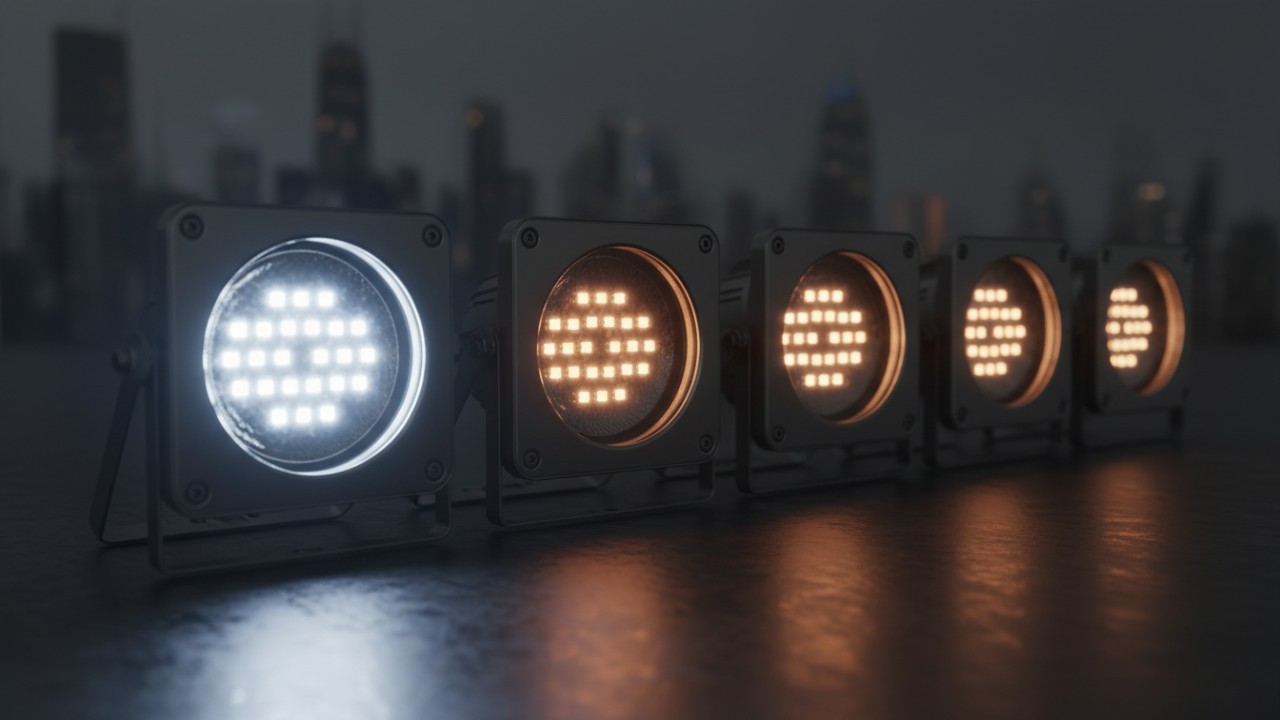
Unlike a tungsten filament, which burns out instantly when it fails, LEDs degrade gradually. According to the Department of Energy, this L70 rating ensures that a fixture rated for 50,000 hours is still usable well beyond that timeframe, whereas a halogen lamp rated for 1,000 hours is dark the moment it fails.
- Conventional Failure: Filaments are fragile, especially when hot. Vibrations from touring trucks often break filaments before they reach their rated hours.
- Solid-State Durability: LEDs have no moving parts or glass bulbs to shatter, making them incredibly robust for road use.
- Maintenance Costs: The labor cost of having technicians climb trusses to replace burned-out PAR lamps frequently exceeds the cost of the lamps themselves.
Heat Management and HVAC: The Hidden Cost Factor
Thermal management is the silent budget killer in stage lighting; conventional fixtures act as massive heaters that force venue air conditioning systems to work overtime.
A 1000W PAR converts roughly 90% of its energy into heat (infrared radiation) and only 10% into visible light. In contrast, stage LED can lights convert a far higher percentage of energy into light. For indoor venues like theaters and houses of worship, switching to LED can reduce the facility's total cooling bill by 20-30%.
- BTU Reduction: Less heat means less strain on AC units.
- Performer Comfort: Lower stage temperatures improve artist performance and reduce sweat-related makeup issues.
- Safety: Eliminates burn risks for stagehands focusing lights.
Creative Control: Dimming Curves and Color Mixing
DMX stage lighting efficiency extends beyond power saving; it refers to the efficiency of workflow and creative execution.
Modern LED fixtures offer capabilities that conventional lights simply cannot match without expensive accessories:
- Infinite Color Palette: Instant access to millions of colors via DMX, eliminating the time and cost of cutting and loading gel sheets.
- 16-Bit Dimming: High-end LED drivers now offer smooth dimming curves that rival the natural decay of tungsten, debunking old myths about "stepped" LED fading.
- Strobing: LEDs can strobe electronically at high speeds, removing the need for mechanical shutters.
Gap Analysis: Future-Proofing for 2026 and Beyond
As we look toward 2026, regulatory bodies are increasingly scrutinizing the energy efficiency of entertainment lighting.
Organizations like Pearle* - Live Performance Europe monitor regulations such as the EU Ecodesign requirements, which continue to tighten exemptions for low-efficiency light sources. While stage lighting has historically enjoyed exemptions due to artistic necessity, the gap is closing. Investing in high-efficiency LED rigs now is a hedge against future bans on tungsten halogen manufacturing.
- Regulatory Compliance: New builds are increasingly required to meet strict watts-per-square-foot energy codes.
- Sustainability Reporting: Venues are now tracking carbon footprints; an all-LED rig is a major asset for green certification.
- Camera Readiness: The move toward high-CRI (Color Rendering Index) LED engines ensures compatibility with 4K broadcast cameras, which is critical as live streaming becomes standard.
Industry Solutions: Integrating Professional LED Fixtures
Transitioning to LED requires selecting fixtures that offer reliability and support. Guangzhou Vanray Lighting Equipment Co., Ltd. brings over ten years of industry experience to this transition, offering products that bridge the gap between performance and efficiency.
When upgrading, consider these factors:
- Throw Distance: Select beam angles that match your venue. Vanray's R&D team designs LED PARs with specific lens optics to replace long-throw PAR64s.
- Broadcast Stability: Ensure fixtures use high-frequency Pulse Width Modulation (PWM) to avoid flicker on camera, a standard feature in Vanray's professional line.
- Certification: Verify CE, RoHS, and ISO standards to ensure safety compliance in public venues.
Expert Tips for Transitioning Your Rig
Moving to stage LED can lights does not always require a complete system overhaul overnight.
- Hybrid Rigs: Many designers keep conventional fixtures for "front light" (face illumination) while swapping all colored "back light" and "wash light" to LEDs to save power and gels.
- Power Distribution: Be aware that LEDs require "constant power" (non-dimmed). You cannot plug an LED into a standard dimmer circuit unless that circuit is set to "switched" or "relay" mode.
- Data Flow: Plan your DMX universe topology carefully. Unlike conventional lights, LEDs need data daisy-chained to every fixture.
Conclusion
The transition from conventional PARs to Stage LED Can Lights is an investment in longevity, lower operational costs, and creative flexibility. While the initial cost is higher, the ROI from energy and maintenance savings usually breaks even within 1-2 years. With strict manufacturing standards and a decade of R&D expertise, Vanray Lighting is ready to help you modernize your production capabilities.
Contact Guangzhou Vanray Lighting Equipment Co., Ltd. today to discuss your specific needs.
FAQ
Do LED stage lights really use less power than conventional PARs? Yes, LED stage lights typically use 80-90% less electricity. A standard 1000W PAR can be replaced by an LED fixture drawing only 100W to 150W.
How long do Stage LED Can Lights last compared to halogen bulbs? LEDs are rated for 20,000 to 50,000 hours of use. Conventional halogen bulbs typically last between 500 and 1,000 hours before burning out.
Can I use standard dimmer racks with LED stage lights? No, most LED fixtures require "hard power" (constant voltage) and use DMX data for dimming. Connecting LEDs to a standard dimmer curve can damage the fixture's power supply.
Are LED stage lights bright enough to replace 1000W PAR cans? Yes, modern high-output LED PARs can match or exceed the output of 1000W conventional lamps. You must look at the lumens and lux data, not just the wattage, to ensure comparable brightness.
What is the ROI on switching to LED stage lighting? ROI usually occurs within 12 to 24 months for frequent users. Savings come from reduced electricity bills, lower HVAC costs, and zero expenditure on replacement bulbs and gels.
Best Weatherproof Stage Fixtures 2026: IP65 Wash Lights
Countdown to the 2026 ISE Exhibition in Spain!
The Ultimate Guide to Lights for Festivals: 2026 Innovation and Design Trends
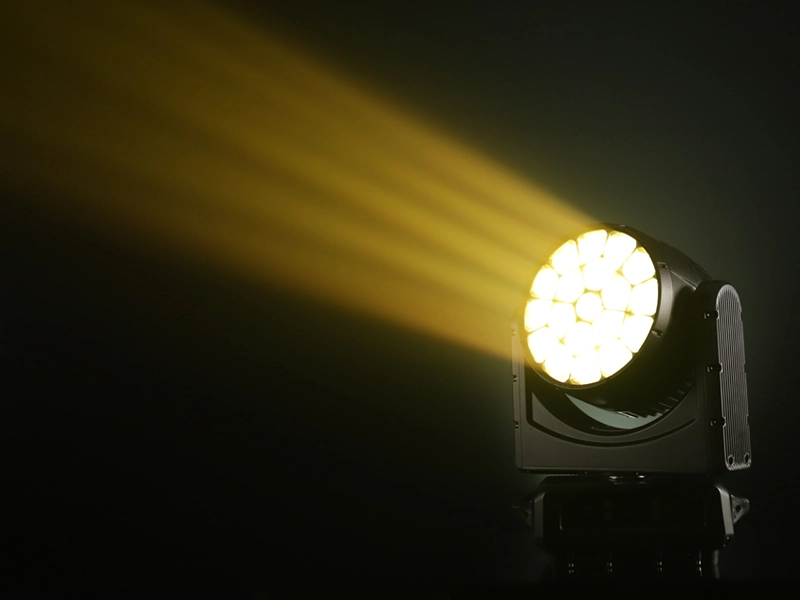
Waterproof 1940 LED Zoom Wash Moving Head: Advantages, Uses, and Buying Guide
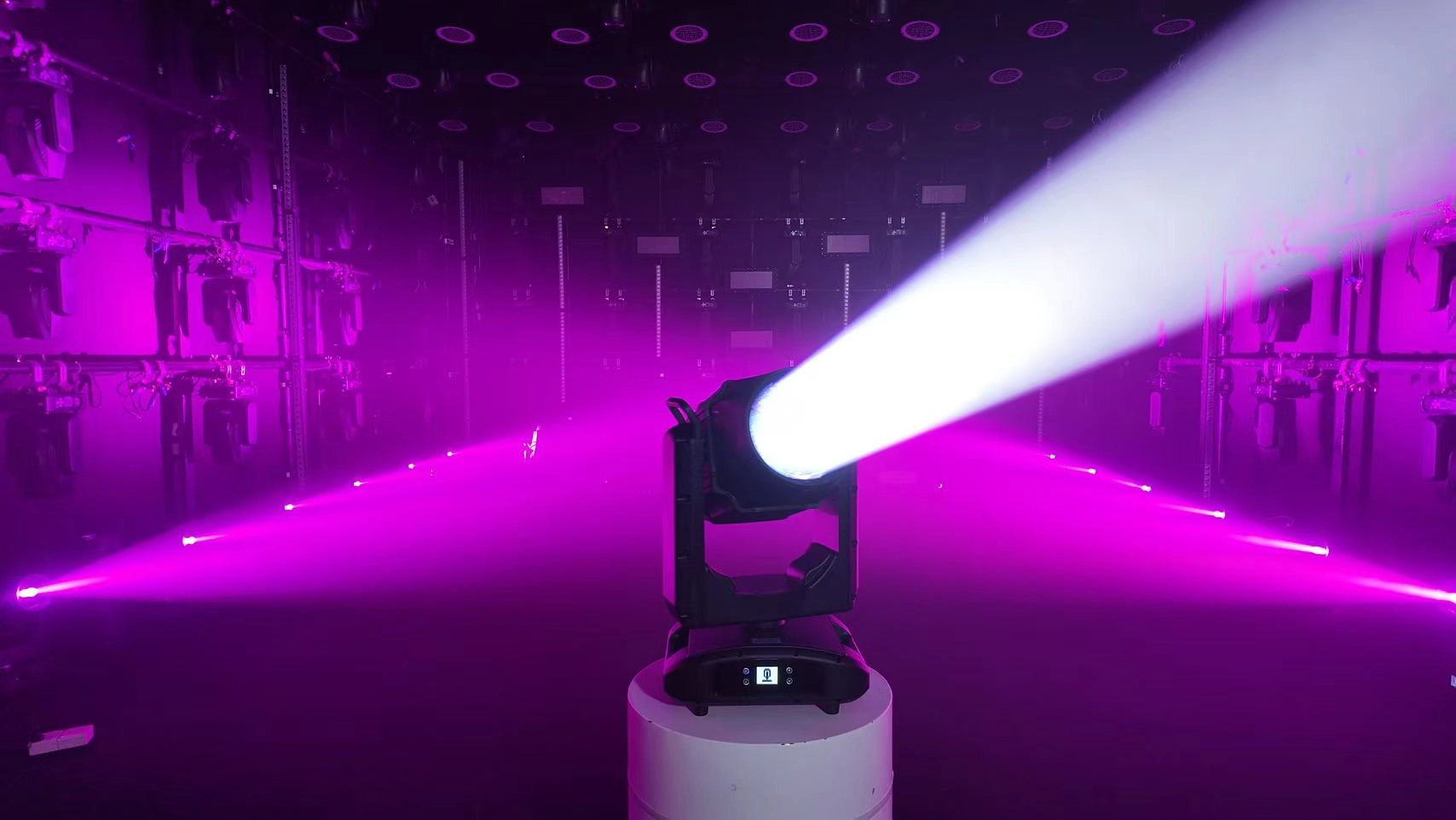
What Is a Laser Beam Moving Head — Complete Guide
About Product
Can you accept the sample order?
Yes, we can. The sample order for trial is acceptable.
What is the delivery time of orders ?
Its based on the workshop schedule; if products are in stock, we will ship the goods within 1-2 days; if products are out of stock, we need to make production; normally 100-200 pieces can be finished in 7-10 days.
About Customized Services
How long does customized service take?
The time for customized services depends on your specific needs and order volume. Generally speaking, normally 2-3 days, we will provide you with customized solutions as soon as possible.
About Cooperation Process
What information do I need to provide to start the cooperation process?
You need to provide your company information, product needs, customization requirements, cooperation intentions and other relevant information.
About Company
What is the main product of your company ?
Our main products covers moving head light , led profile spot light , led fresnel , led panel , led wall washer , gobo projector , led strobe light, etc.
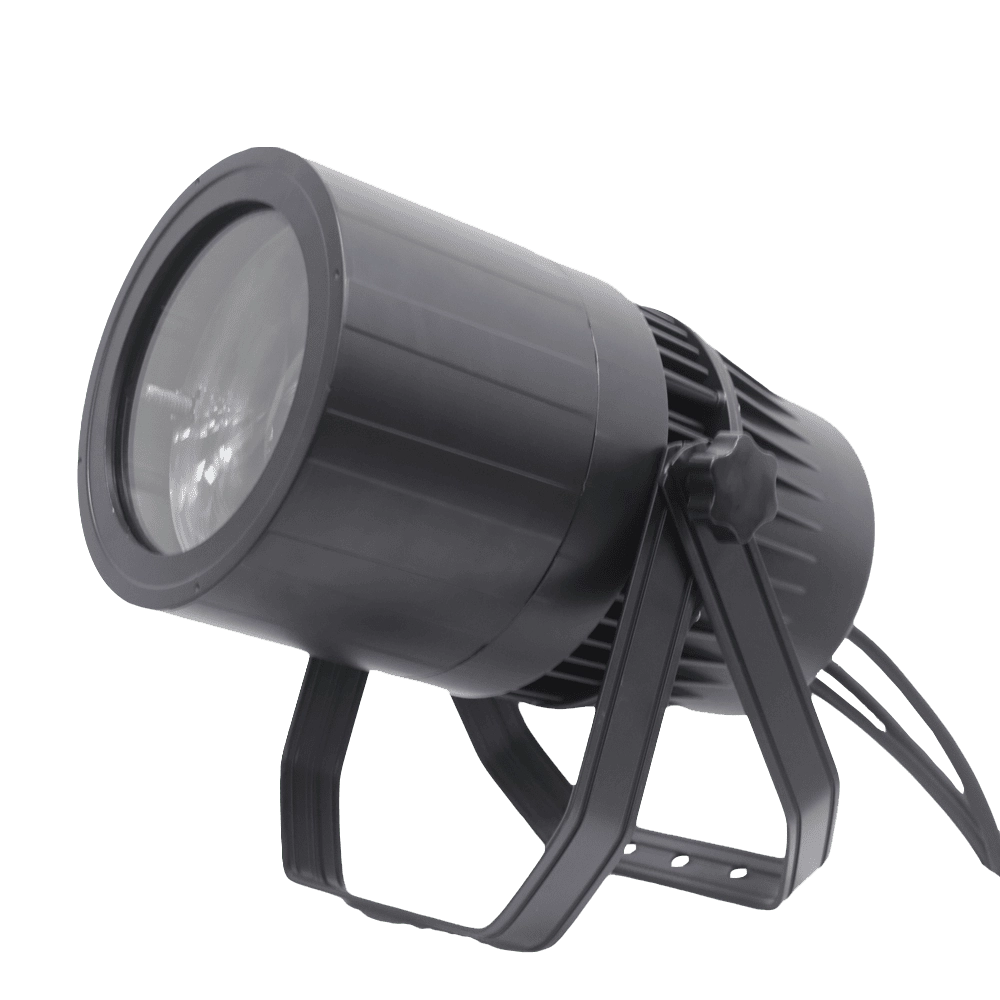
VANRAY Waterproof LED Par Light LP-200Z 200W Zoom Par Light
VANRAY Waterproof LED Par Light LP-200Z 200W Zoom Par Light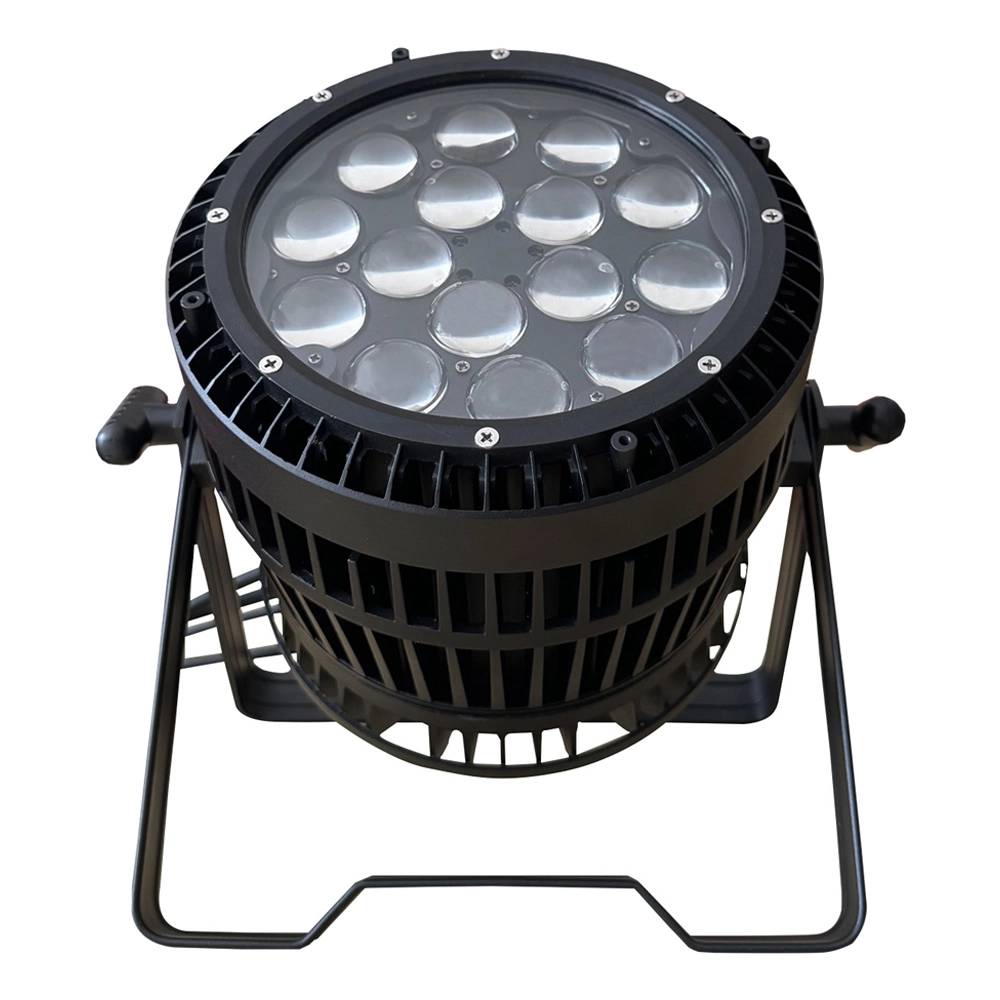
VANRAY LED Par Zoom Wash LP-1515Z 15pcs 15W RGBW Waterproof LED Par Light
VANRAY LED Par Zoom Wash LP-1515Z 15pcs 15W RGBW Waterproof LED Par Light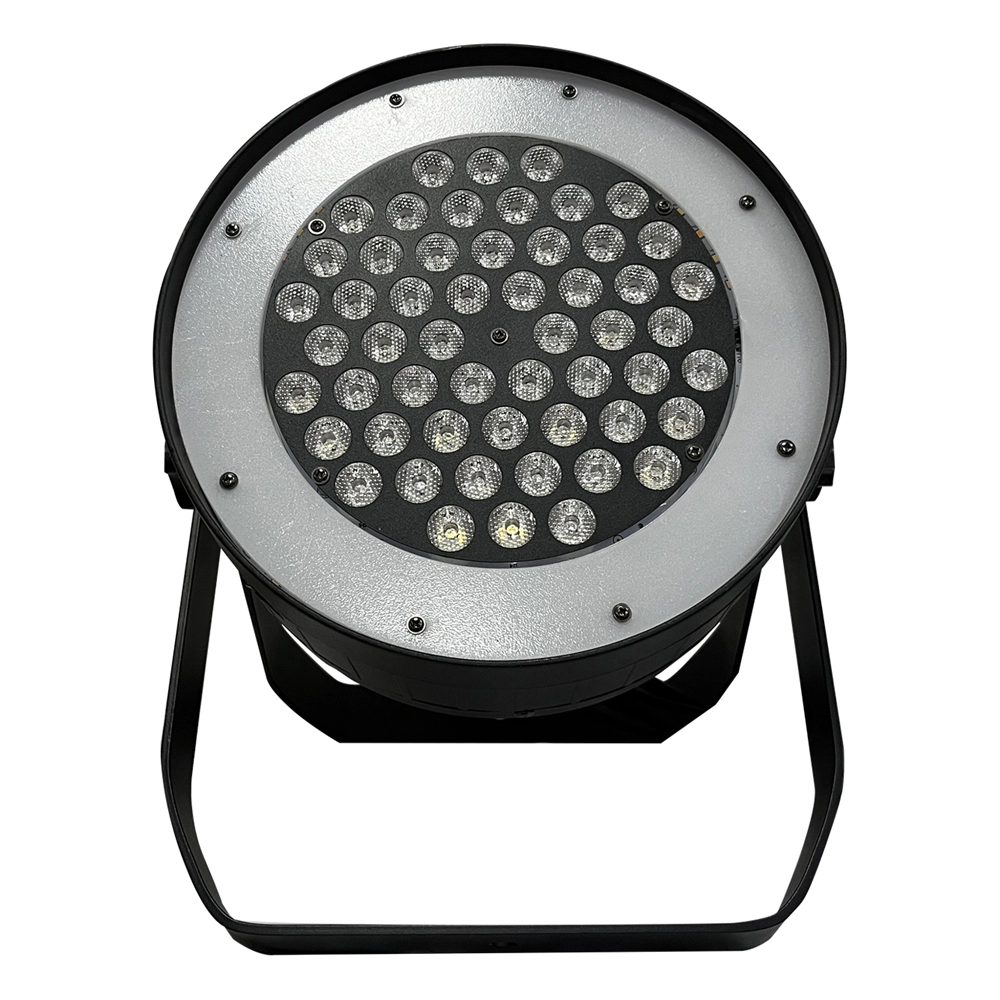
VANRAY Theater LED Par Can Lights LP-350SJL 350W White LED Par Can Lights
VANRAY Theater LED Par Can Lights LP-350SJL 350W White LED Par Can Lights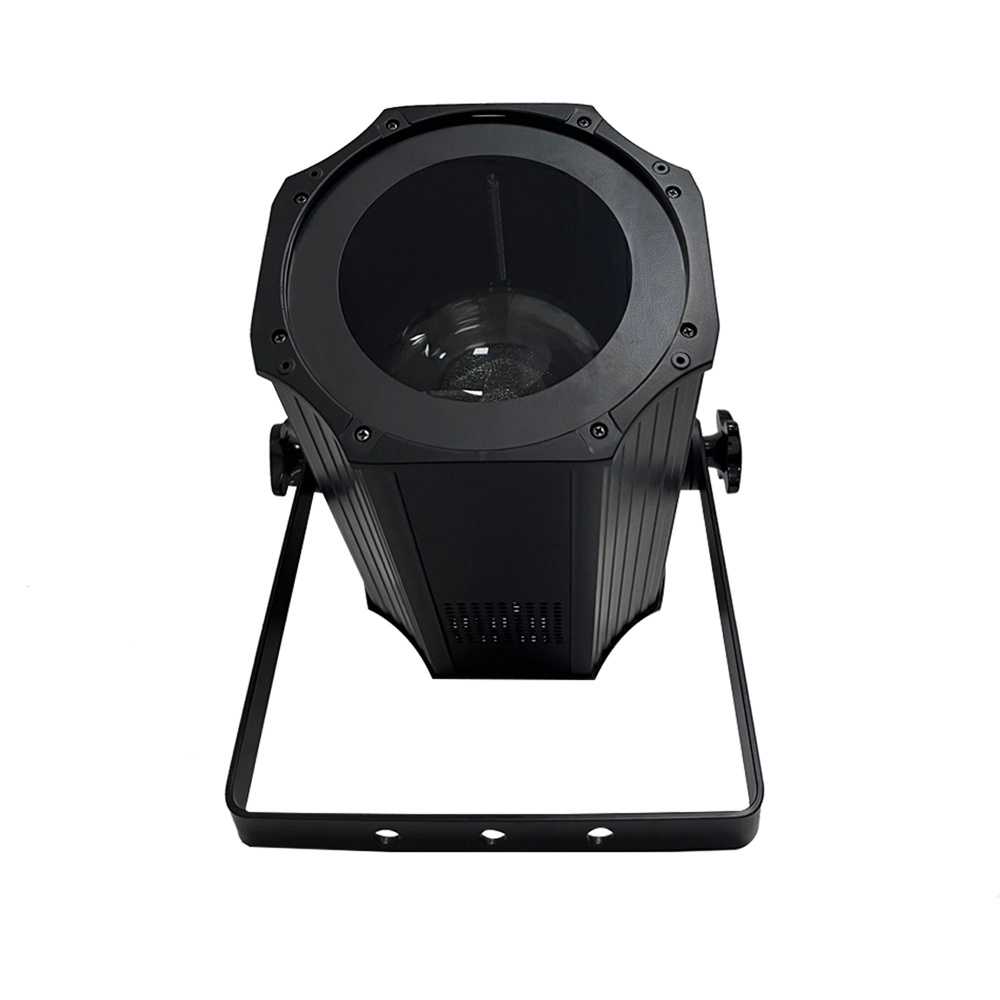
VANRAY LED Par Light Stage LP-200ZC RGBW LED Par Light Suppliers
VANRAY LED Par Light Stage LP-200ZC RGBW LED Par Light SuppliersGet in Touch With VANRAY
Create unforgettable stage moments with our advanced lighting solutions!
Contact us now by filling out the form below or calling us directly to begin your lighting journey!
As a leading Stage Lighting Manufacturer from China, VANRAY Lighting delivers a comprehensive suite of services including innovative R&D, precision production, and professional integration.
Built on decades of technical expertise, we are defined by our commitment to quality and service perfection. From theaters to grand-scale events, VANRAY is the trusted choice for reliable lighting solutions across the global entertainment and architectural sectors.
Copyright © 2025 VANRAY. All Rights Reserved.

Instagram
YouTube
Facebook