










LED Strobe Lights for Stage: What Wholesale Buyers Need to Know Before Placing a Bulk Order
Strobe lighting occupies a unique position in professional stage lighting. Unlike wash fixtures, moving heads, or follow spots—which are evaluated primarily on color quality, beam precision, and control flexibility—strobe lights are evaluated on a combination of raw output intensity, flash frequency accuracy, pixel control capability, and the physical and electrical demands they place on the production infrastructure around them.
For rental companies, touring production suppliers, and venue operators sourcing LED strobe lights for stages in volume, the procurement decision involves more nuance than the specification sheet typically reveals. A fixture that produces adequate flash output at full power may behave differently at the mid-range flash rates where most programmed strobe effects actually run. A fixture with impressive pixel specifications may place DMX universe demands that complicate rig planning. A fixture rated for 10 years of LED life may not deliver that lifespan at the thermal load imposed by continuous high-frequency strobe operation.
This guide covers the technical specifications that predict real-world strobe performance, the applications that drive different strobe procurement requirements, and the supplier evaluation criteria that protect bulk buyers placing large orders.
- ⚡ How LED stage strobe lights work — and why frequency accuracy matters
- 📐 Critical specifications for LED strobe light procurement
- Peak output and the difference between lumen ratings and effective stage output
- Flash frequency range and DMX resolution
- Pixel control and multi-zone addressing
- Heat management in continuous strobe operation
- Power consumption and electrical infrastructure planning
- 🎪 Application scenarios
- 🔍 Supplier evaluation for bulk LED strobe light orders
- 📊 LED strobe light specification comparison by application
- FAQ
⚡ How LED stage strobe lights work — and why frequency accuracy matters
A stage strobe light produces controlled flashes of high-intensity light at a programmable rate. The basic mechanism is straightforward: a high-current LED driver delivers short, intense pulses of power to a high-output LED array, producing brief bursts of light at a rate set by the DMX control signal.
The technical complexity lies in what happens between the rated specification and the live performance result. Flash frequency in professional stage strobes is specified in flashes per second (fps) or Hertz (Hz). The range typically spans from 1 fps for slow dramatic single flashes through to 25 fps or above for the rapid-fire strobe effects associated with high-energy concert production.
Frequency accuracy — whether the fixture actually delivers 10 fps when the DMX value commands 10 fps, consistently across the full operational temperature range — is the specification that separates professional-grade strobe lights from commodity alternatives. Frequency drift at elevated operating temperatures is common in lower-grade fixtures: a unit delivering accurate 10 fps at ambient temperature may drift to 8 fps or 12 fps after 30 minutes of continuous high-frequency operation as the driver electronics heat up. In a synchronized strobe array where 20 units are programmed to flash together, frequency drift across units produces a visible desynchronization that reads as a failure to the audience.
Professional LED strobe lights achieve frequency accuracy through precision constant-current driver design with thermal compensation — the driver adjusts its timing reference to maintain consistent output frequency as operating temperature changes. This is a driver engineering requirement, not a LED chip characteristic, and it is not disclosed on most specification sheets. The practical test is requesting third-party frequency stability data across a temperature range of 25°C to 45°C operating ambient, or testing a sample unit in continuous high-frequency operation for 60 minutes before accepting bulk delivery.
📐 Critical specifications for LED strobe light procurement
Peak output and the difference between lumen ratings and effective stage output
LED strobe lights are frequently marketed with lumen figures derived from continuous output measurements. Strobe lights do not operate continuously — they produce short, intense pulses. The relevant output metric for a strobe light is peak lux at a given throw distance during the flash pulse, not continuous lumen output.
A fixture with a continuous output rating of 5,000 lumens may produce peak pulse output of 20,000 lumens or higher during a brief flash — because the driver delivers current at higher than continuous rated levels for the duration of the pulse, before the thermal system catches up. This pulse-peak output is what the audience perceives as the strobe's brightness, and it is significantly higher than the continuous-equivalent figure.
When comparing strobe light output between suppliers, request peak lux-at-distance figures measured during a flash pulse, not continuous lumen ratings. Without this data, direct output comparison between competing fixtures is not possible from specification sheets alone.
Flash frequency range and DMX resolution
The usable frequency range of a strobe light determines its versatility across production types. For professional stage use, the minimum useful range spans 1 fps (single dramatic flashes synchronized with musical accents) to 25 fps (rapid continuous strobe for high-energy effects). Some professional fixtures extend to 30 fps or above.
DMX resolution within the frequency range determines how precisely the operator can set a specific flash rate. An 8-bit frequency channel provides 256 steps across the full range — at a 1–25 fps range, this produces steps of approximately 0.1 fps per DMX step, which is adequate for most production requirements. Higher resolution (16-bit) frequency control provides 65,535 steps — useful for productions requiring very precise frequency programming for musical synchronization.
Random strobe mode, variable-speed strobe (slow to fast ramp), and sequential pulse modes are standard in professional LED strobe lights and should be confirmed as DMX-addressable parameters, not just standalone automatic effects.
Pixel control and multi-zone addressing
LED strobe lights range from single-zone fixtures (all LEDs in the unit flash simultaneously as one source) to full pixel-mapped arrays where individual LED sections or rows can be addressed independently. The appropriate specification depends entirely on the production application.
For basic strobe effect use — synchronized full-intensity flashes across a stage — single-zone or simple zoned strobe lights are appropriate and represent the most common rental inventory specification. For broadcast productions, concert touring rigs with complex pixel-mapped effect sequences, and high-production-value event design, multi-zone or full-pixel strobe lights are specified.
The DMX channel count scales significantly with pixel capability. A single-zone 8-channel strobe requires minimal universe planning. A full-pixel strobe array with individual zone control may require 30–50 channels per fixture. For large rigs of pixel strobes, Art-Net or sACN networking is typically required to manage the channel count efficiently.
Heat management in continuous strobe operation
Stage strobe lights operate in a thermally demanding regime. Unlike a wash fixture that runs at steady-state output, a strobe light delivers rapid bursts of high current to the LED array — a cyclic thermal stress pattern that accelerates LED junction degradation if the thermal management system is not engineered for it.
The L70 lifespan rating (defined under IEC 62717) of an LED — the operating hours at which output has decreased to 70% of initial — is measured at steady-state 25°C junction temperature. In a strobe light running at 20 fps with 50% duty cycle, the junction temperature cycling is more aggressive than steady-state operation. Professional strobe light manufacturers design their thermal systems specifically for the cyclic high-current strobe regime; commodity LED strip or wash fixtures repurposed into strobe roles will fail to achieve their rated lifespan under strobe operating conditions.
When evaluating strobe light suppliers for bulk orders, ask specifically whether the fixture's L70 lifespan rating is measured at strobe operating conditions or steady-state continuous output. The difference can be significant — a fixture rated 50,000 hours at steady-state continuous output may deliver 20,000–30,000 hours in active high-frequency strobe use.
Power consumption and electrical infrastructure planning
Stage strobe lights are among the highest instantaneous power draw fixtures in a production rig. The peak current during a flash pulse can be 3–5 times the average operating current. This instantaneous draw creates two infrastructure planning requirements that affect bulk procurement decisions.
First, circuit capacity planning must account for peak pulse current rather than average operating current. A strobe light rated at 500W average may draw 1,500W peak during flash pulses. Dimmer systems, distribution boards, and circuit breakers that are sized for average operating current will trip under peak strobe load — a failure mode that occurs live on stage and is difficult to diagnose in the moment.
Second, for large strobe arrays where multiple fixtures flash simultaneously, the synchronized peak current draw across all units can significantly exceed the supply capacity if not managed. Professional production electricians address this through staggered phase loading, dedicated circuit allocation for strobe fixtures, and in some cases, staggering the strobe timing across the rig to spread the peak current demand.
When specifying strobe lights for bulk orders, confirm both average operating power and peak pulse power consumption with the supplier. These figures are needed for accurate electrical infrastructure planning.
🎪 Application scenarios
Concert touring and festival production
High-energy concert production is the primary market driver for professional LED stage strobe lights. The visual effect of a synchronized strobe array — typically positioned across the front truss, upstage truss, and side trusses — creates the high-contrast flash that audiences associate with peak performance moments. For touring production suppliers, strobe lights are a standard rig component required on most professional touring riders.
Touring rental inventory requirements favor strobe lights that are physically compact for efficient flight case packing, draw predictable power for generator load planning across different venues, and are mechanically robust enough to handle repeated casing, transportation, and rigging under tour conditions.
Broadcast television and awards shows
Broadcast productions use LED strobe effects for high-energy musical performances, countdown sequences, and transition effects. For broadcast use, strobe lights must be flicker-free at camera frame rates outside the strobe flash itself — the fixture's own control electronics must not introduce any sub-threshold flicker that appears on camera. Confirm that the fixture's LED driver operates at a frequency above 10kHz for any non-strobe states to ensure broadcast-compatible operation.
Photosensitive epilepsy risk protocols apply to broadcast productions and must be factored into any strobe effect programming. Most major broadcasters operate under guidelines limiting flash rate to 3 fps maximum in audience-facing content — confirm that the fixture's DMX frequency resolution allows precise setting of sub-3 fps rates.
Nightclubs and entertainment venues
Permanent venue installation of LED strobe lights in nightclubs requires fixtures rated for the highest operational intensity in the range — 6–8 hours of continuous operation per night, 5–7 nights per week. The thermal management and LED lifespan considerations discussed above are most critical in this application. Passive cooling or hybrid cooling systems that minimize fan noise are preferred for nightclub installations where the audio environment is a priority.
For club installations, physically integrated mounting — recessed ceiling positions, truss mounting, or wall bracket positions — requires confirming fixture dimensions, weight, and mounting interface compatibility with the planned installation position before procurement.
Theater and performing arts
Theatrical strobe use is more controlled than concert production — specific moments in productions requiring lightning, camera flash, or disorientation effects, typically at lower frequency and shorter duration than concert strobe programming. For theatrical applications, the critical specifications are precise low-frequency control (1–3 fps), output consistency at low flash rates, and silent operation when the strobe is in standby between cues.
The photosensitive epilepsy disclosure requirement applies to theatrical productions in most markets — venue operators are required to post warnings when strobe effects are used in production. Some theatrical productions limit strobe use or eliminate it entirely based on the known audience profile.
🔍 Supplier evaluation for bulk LED strobe light orders
Frequency stability data across operating temperature
As discussed above, frequency drift at elevated operating temperature is the most common performance failure in commodity strobe lights deployed in professional use. Request third-party frequency stability data, or test a sample unit in continuous high-frequency operation (20 fps for 60 minutes) before accepting a bulk order. Measure flash frequency at the start, at 30 minutes, and at 60 minutes. Any drift exceeding ±0.5 fps at a set frequency of 10 fps indicates inadequate thermal compensation in the driver design.
Peak pulse power specification
Confirm peak pulse power consumption in addition to average operating power. This figure is required for accurate circuit capacity planning on production rigs. A supplier who cannot provide peak pulse power data has not characterized their fixture adequately for professional production use.
LED lifespan at strobe operating conditions
Request clarification on whether the L70 lifespan rating is measured at continuous steady-state or strobe operating conditions. For rental inventory where fixtures will operate primarily in strobe mode, lifespan at strobe conditions is the operationally relevant figure.
Photosensitive epilepsy compliance documentation
In the EU, products intended for use in public entertainment venues that produce stroboscopic effects may be subject to requirements under EN 61000-3-2 (harmonic emissions) and relevant safety standards. Some markets additionally require that strobe light products include frequency limitation capability and documentation confirming the maximum accessible flash rate. Confirm compliance documentation with the supplier before procurement for EU or UK market deployment.
Batch consistency for synchronized arrays
For rental companies and production companies operating large synchronized strobe arrays, flash timing consistency between units from the same batch is critical. Any timing offset between units in a synchronized array — even 10–20 milliseconds — produces a visible "ripple" effect rather than a clean synchronized flash. Request that bulk orders be fulfilled from a single production batch and confirm flash timing consistency specification.
📊 LED strobe light specification comparison by application
| Application | Minimum frequency range | Key spec priority | Pixel control | Typical power class |
|---|---|---|---|---|
| Concert touring | 1–25 fps | Peak output, frequency stability | Optional | 500W–1500W |
| Broadcast TV | 1–10 fps | Flicker-free standby, frequency precision | Often required | 300W–800W |
| Nightclub permanent | 1–25 fps | Thermal lifespan, silent cooling | Optional | 300W–600W |
| Theater | 1–5 fps | Low-rate precision, silent standby | Rarely required | 200W–500W |
| Festival outdoor | 1–25 fps | Peak output, IP rating if exposed | Optional | 800W–2000W |
FAQ
What flash frequency range is required for professional stage strobe use?
Professional stage strobe lights should cover a minimum range of 1–25 fps (flashes per second) to serve the full range of production applications — from single dramatic flashes at 1 fps through to continuous rapid strobe at 25 fps. Some professional fixtures extend to 30 fps or above. Below 1 fps, individual flash timing is typically handled by manual triggering or discrete DMX cues rather than frequency setting. Above 25 fps, the visual effect transitions from distinct flashes to a flickering wash that has limited production application.
What is the difference between a single-zone strobe and a pixel strobe?
A single-zone strobe flashes all LEDs in the fixture simultaneously as one unit — the entire fixture produces a single synchronized flash. A pixel strobe allows individual sections or rows of LEDs to be addressed independently, enabling effects such as chases across the fixture face, sequential row flashing, and pixel-mapped patterns synchronized with other fixture types in the rig. Single-zone strobes cover the majority of concert and event strobe applications. Pixel strobes are specified for high-production-value productions where the strobe fixture itself is a visual design element with dynamic capability.
Why does peak pulse power matter for circuit planning, and how is it calculated?
Peak pulse power is the instantaneous power draw of the strobe driver during a flash pulse. LED strobe drivers operate by charging a capacitor bank between flashes, then discharging it rapidly through the LED array during the flash. Peak discharge current is typically 3–5 times the average operating current, producing a peak power draw 3–5 times the average wattage. For a 500W average-rated strobe, peak pulse power may be 1,500–2,500W. Circuit breakers and dimmer systems sized to the average rating will trip under peak load on large synchronized arrays. Always confirm peak pulse power with the supplier and size electrical infrastructure accordingly.
What does "flicker-free" mean for a strobe light in broadcast use?
In broadcast use, "flicker-free" for a strobe light refers to the fixture's behavior when it is not actively strobing — during standby, at low flash rates, and in any continuous output states. The fixture's LED driver must operate above 10kHz in all non-strobe states so that the camera does not capture sub-threshold light variation between flashes. This is separate from the strobe effect itself, which is intentional and programmed. A strobe light that is flicker-free in broadcast terms produces no camera-visible artifact except the intentional flash events.
Are there regulatory requirements for strobe lights in public venues?
In the EU, the Health and Safety (Display Screen Equipment) Regulations and relevant local entertainment venue safety frameworks establish limits on photosensitive stimulus. The Harding FPA flash analysis standard (referenced in UK broadcasting guidelines) limits audience-facing flash to 3 fps maximum in general public entertainment. The EU's EN 60598 (luminaire safety standard) and EN 61000-3-2 (harmonic emissions) apply to stage lighting products including strobe fixtures. Venue operators are required in most EU and UK markets to post warnings when strobe effects are used. Confirm regulatory compliance documentation — CE marking at minimum — before procurement for European market deployment.
What thermal lifespan can I expect from an LED strobe light in heavy rental use?
This depends significantly on the operating regime and the fixture's thermal design. A professional LED strobe rated L70 at 50,000 hours under IEC 62717 steady-state test conditions may deliver 25,000–35,000 effective hours in active rental strobe use — operating primarily at high frequencies for 4–8 hours per event, multiple events per week. This represents approximately 8–15 years of typical rental operation before LED output degradation reaches the 70% threshold. Fixtures with inadequate thermal management for strobe cyclic loading may degrade significantly faster. Confirm with the supplier whether lifespan ratings are based on steady-state or strobe operating conditions.
What is the minimum order quantity for LED strobe lights from VANRAY, and what certifications are available? VANRAY's LED strobe light range is available from 1 unit, with bulk pricing tiers from 10 units upward. CE and RoHS certification documentation is available on request for procurement and compliance purposes. OEM services — custom housing, logo, and packaging — are available for qualifying volume orders. Contact the VANRAY team at vanraylighting.com for current product specifications, pricing, and availability.
Follow Spot Lights for Live Events: What Bulk Buyers Need to Evaluate Before Sourcing
LED Wall Washer Lights: What Bulk Buyers Need to Evaluate Before Placing a Large Order
LED Fresnel Lights for Theater and Broadcast: What Bulk Buyers Need to Know Before Sourcing
LED Par Lights Wholesale: Why Similar Specs Can Mean Very Different Products
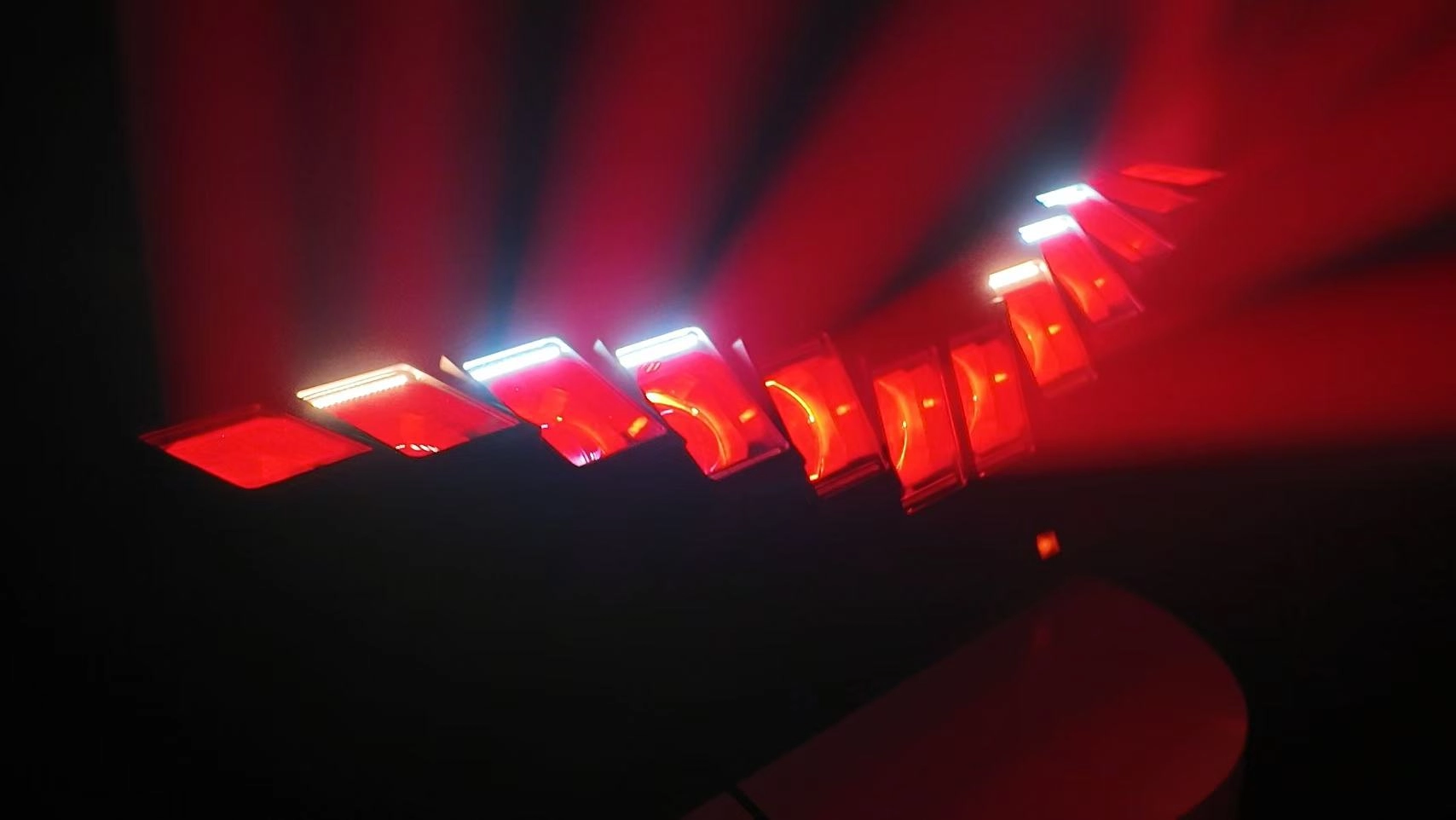
Moving Bar Lights for Stage: Why Bulk Buyers Need Them Alongside Moving Heads
About Customized Services
What kind of customization services can you provide ?
Yes, we can provide personalized, customized services according to your needs and requirements, including the product's color temperature, customized gobos for moving headlights, packaging and private labeling for products, etc. for other requirements, which can be negotiated with our sales team.
Can you provide OEM / ODM services ?
Yes, we can support OEM/ODM services for the details, which can be negotiated with our sales team.
About Logistics
How long does logistics delivery take?
Shipping times depend on your location and the shipping method you choose
1. 5-7 days by express
2. 20–25 days by sea shipping.
3. 15 days by air shipping.
About After Sales
What should I do if there are problems when using the product?
If you encounter any problems when using the stage lighting products, please contact our customer service team in time, and we will wholeheartedly provide you with technical support and solutions.
About Product
What certifications and inspections have your products passed?
Our products have passed relevant quality certifications and inspections, including CE, RoHS, etc., to ensure product safety and reliability.
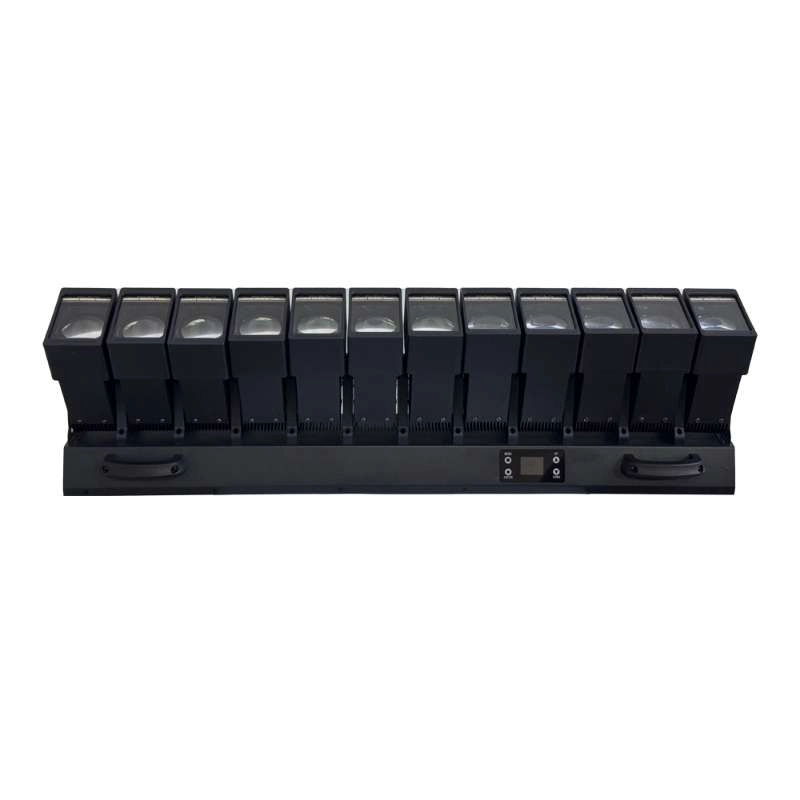
VANRAY 12pcs 60W RGBW 4 in1 Moving Bar Light Zoom with Strobe LT-1260Y Moving Bar Zoom Effect Light
VANRAY 12pcs 60W RGBW 4 in1 Moving Bar Light Zoom with Strobe LT-1260Y Moving Bar Zoom Effect Light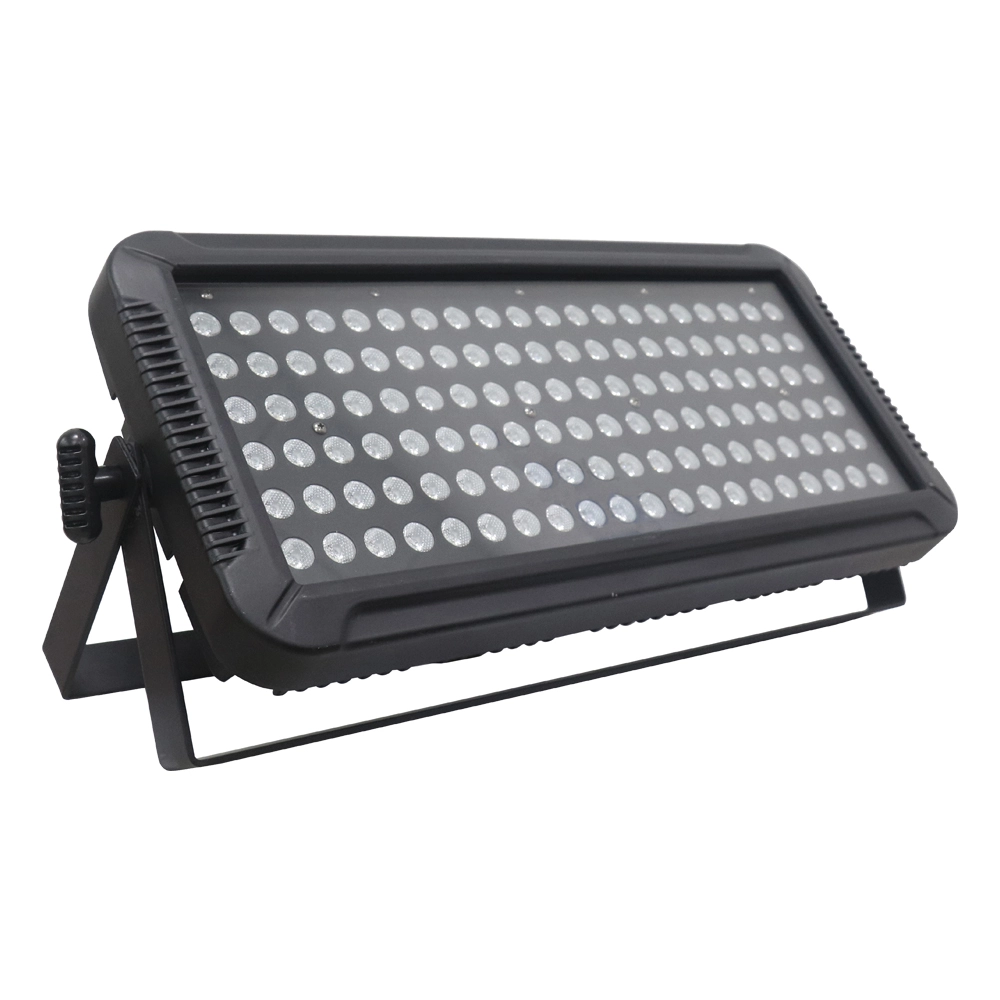
VANRAY Strobe Light LED LT-1205 120pcs 3W LED Flood Light IP55 Strobe bar light
VANRAY Strobe Light LED LT-1205 120pcs 3W LED Flood Light IP55 Strobe bar light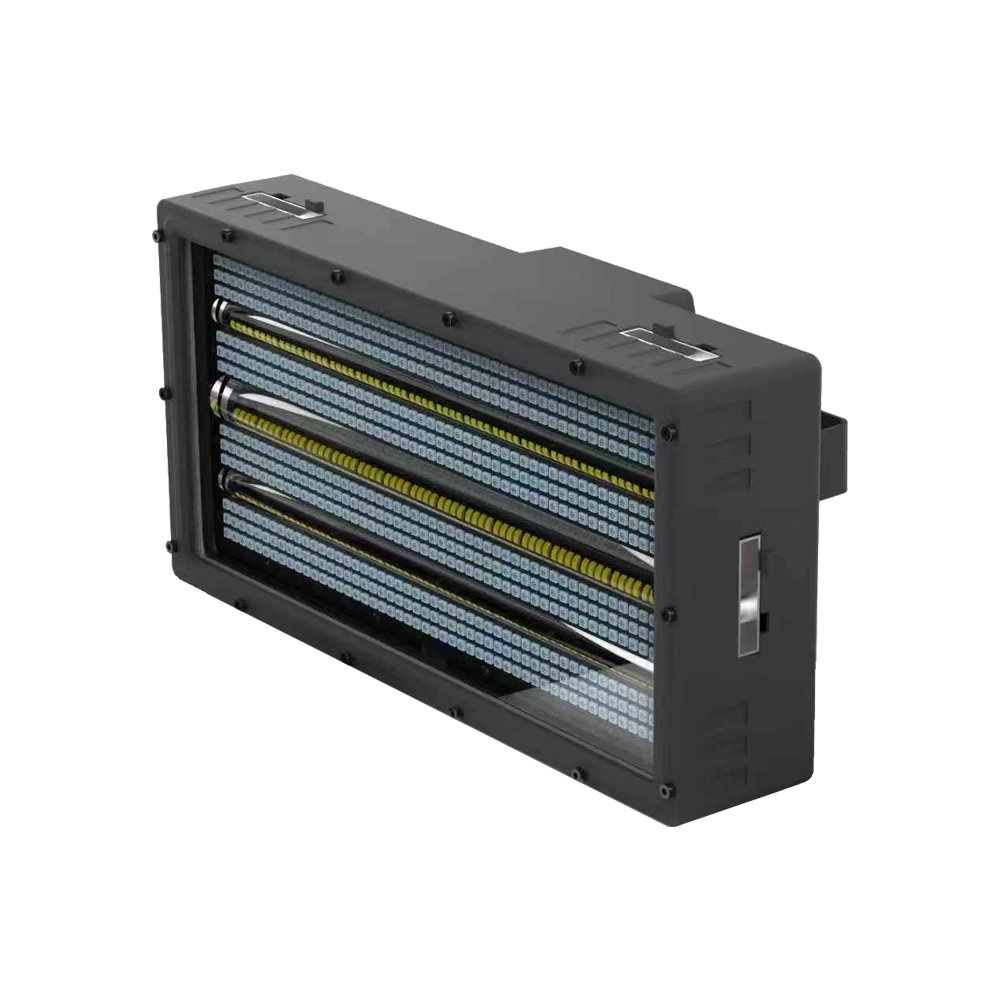
VANRAY LED Strong Flasher Strobe Light LT-500 Strobe Effect Light High Brightness
VANRAY LED Strong Flasher Strobe Light LT-500 Strobe Effect Light High Brightness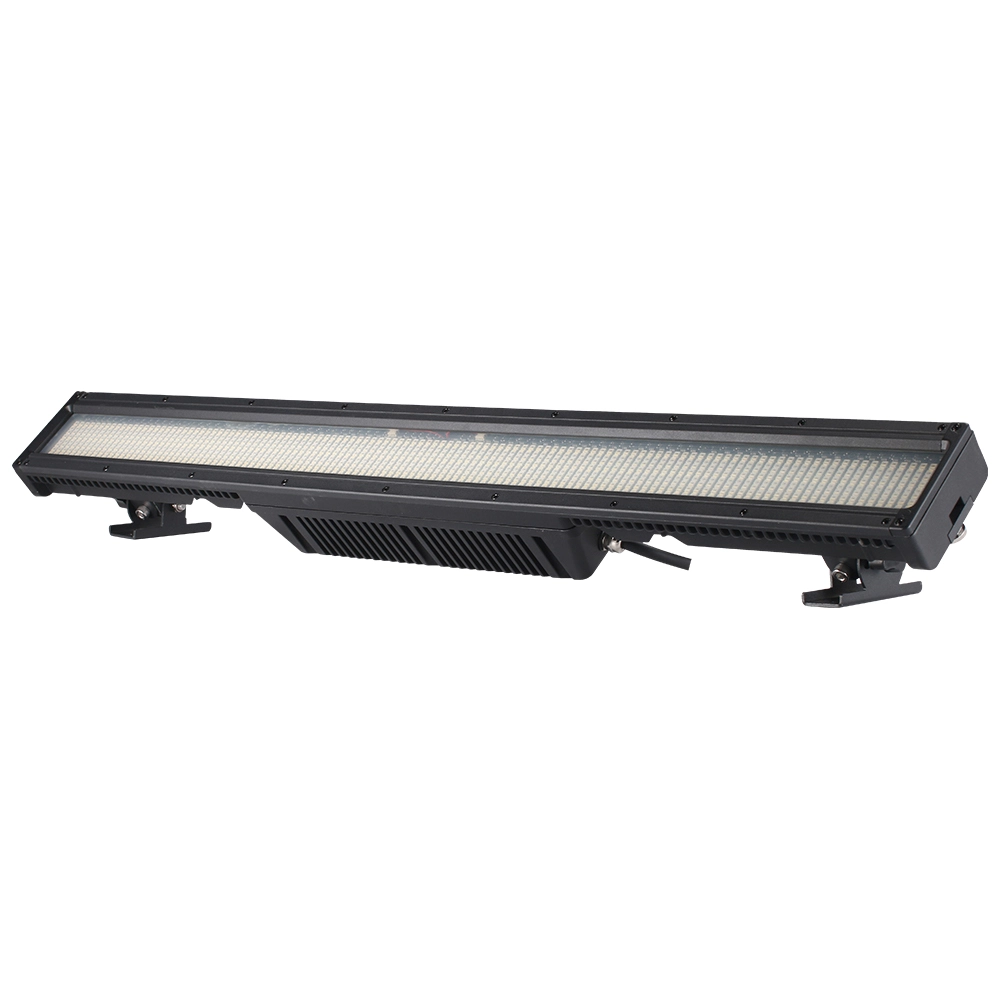
VANRAY LED Strobe Light Bar LT-1080 Waterproof Strobe Bar Light
VANRAY LED Strobe Light Bar LT-1080 Waterproof Strobe Bar LightGet in Touch With VANRAY
Create unforgettable stage moments with our advanced lighting solutions!
Contact us now by filling out the form below or calling us directly to begin your lighting journey!
VANRAY Lighting is a China-based LED stage lighting supplier trusted by productions in 60+ countries, VANRAY Lighting delivers a comprehensive suite of services including innovative R&D, precision production, and professional integration.
Built on decades of technical expertise, we are defined by our commitment to quality and service perfection. From theaters to grand-scale events, VANRAY is the trusted choice for reliable lighting solutions across the global entertainment and architectural sectors.
Copyright © 2025 VANRAY. All Rights Reserved.

Instagram
YouTube
Facebook