










How to Set Up DMX Control for LED Par Lights
- Understanding DMX Control for Stage Lighting
- Why Use DMX with LED Par Lights
- Key : LED Par Lights for rental, stage and theatre
- Hardware Needed to Set Up DMX Control for LED Par Lights
- : choosing a DMX controller and LED Par lights
- DMX Addressing and Channel Mapping for LED Par Lights
- Example channel maps for common LED Par lights
- Wiring, Cables and Connectors: Best Practices for Reliable DMX
- Setting Up a Basic DMX Chain: Step‑by‑Step (Practical Guide)
- Practical tip
- Using DMX Controllers: Hardware vs Software for LED Par Lights
- Troubleshooting Common DMX Problems with LED Par Lights
- Common symptom matrix
- Advanced Topics: RDM, Art‑Net and Multiple DMX Universes
- When to add a DMX splitter or gateway
- Safety, Power and Signal Integrity for LED Par Lights
- Why Choose VANRAY for LED Par Lights and Moving Head Lights
- VANRAY competitive advantages for buyers of LED Par Lights
- How to Buy and Contact VANRAY for LED Par Lights and Stage Lighting Solutions
- FAQ — Common Questions about DMX Control for LED Par Lights
- Q1: What cable should I use for DMX to LED Par lights?
- Q2: How many DMX channels does a LED Par light use?
- Q3: Do I need a terminator for DMX lines?
- Q4: Can I run DMX over long distances?
- Q5: What is the difference between 3‑pin and 5‑pin XLR for DMX?
- Q6: How do I assign addresses quickly on many LED Par lights?
- Q7: Why are my LED Par lights flickering when controlled via DMX?
- References and Further Reading
- Contact / Request a Quote
Understanding DMX Control for Stage Lighting
DMX512 (commonly called DMX) is the industry standard protocol for controlling lighting fixtures, including LED Par lights, moving heads and profile spotlights. As a lighting technician or production buyer, understanding how DMX carries control signals, how to map fixture channels and how physical wiring affects reliability will let you build robust rigs for concerts, theaters and events. This article gives a step‑by‑step, practitioner‑focused workflow to set up DMX control for LED Par lights and avoid common failure modes.
Why Use DMX with LED Par Lights
LED Par lights are compact, energy‑efficient fixtures that deliver color mixing, dimming and effects via multiple DMX channels. Using DMX control with LED Par lights provides centralized scene recall, precise color control, synchronized chases/strobes and integration with larger lighting systems—critical for concerts, corporate events and theatrical productions. For rental companies and venues, DMX control allows quicker setup and reproducible programming, increasing operational efficiency and production quality.
Key : LED Par Lights for rental, stage and theatre
If you are evaluating LED Par lights to purchase or rent, ensure fixtures support the DMX channel modes your controller and lighting designer expect (e.g., 3‑channel RGB vs 6‑channel RGBAW + dimmer/strobe). Vendor documentation should include channel charts and power specs to help you plan hookups and patches.
Hardware Needed to Set Up DMX Control for LED Par Lights
Before wiring and addressing, gather the right hardware. Using proper components reduces debugging time and protects gear.
- DMX Controller (hardware console or computer + USB/ENTTEC/DMX interface)
- LED Par lights with DMX input/output (3‑pin or 5‑pin XLR)
- DMX cable (100 Ω, twisted pair, XLR terminated) — not microphone cable
- DMX terminator (120 Ω resistor in an XLR plug)
- DMX splitter or opto‑isolated repeater for long runs or multiple branches
- Power distribution (distro, IEC leads), fuses/breakers and power‑safe connectors
- Labels, gaffer tape and cable ties for professional rigging
: choosing a DMX controller and LED Par lights
When procuring LED Par lights, prioritize fixtures with clear channel documentation, consistent build quality and certifications (CE, RoHS, ISO). These factors correlate with long‑term reliability and easier integration into rental inventories or installed systems.
DMX Addressing and Channel Mapping for LED Par Lights
Each DMX universe contains 512 channels. LED Par lights expose internal parameters (e.g., red, green, blue, white intensity, master dimmer, strobe) as sequential DMX channels. Correct addressing lets the controller affect the intended fixture parameters.
Example channel maps for common LED Par lights
Below are representative DMX channel mappings. Always confirm with the specific fixture manual—manufacturers vary channel order and add modes.
| Mode | Channels | Typical Channel Function |
|---|---|---|
| 3‑Channel | 3 | 1=Red, 2=Green, 3=Blue (simple RGB mix) |
| 4‑Channel | 4 | 1=Dimmer, 2=Red, 3=Green, 4=Blue |
| 6‑Channel | 6 | 1=Dimmer, 2=Red, 3=Green, 4=Blue, 5=White/Aux, 6=Strobe/Special |
| 8‑Channel (RGBAW+) | 8+ | Extended color control, macros, and speed controls |
Addressing example: If a fixture uses 6 channels and you want five fixtures on one universe, addresses would be 1, 7, 13, 19, 25. If a mode uses variable channel counts, map the patch in your console before programming.
Wiring, Cables and Connectors: Best Practices for Reliable DMX
Good cabling practice is often the difference between a stable show and intermittent dropouts. Use DMX‑rated cables, keep runs tidy, and terminate the end of the chain with a 120 Ω terminator.
| Item | Recommendation | Why it matters |
|---|---|---|
| DMX cable | 100 Ω twisted pair, DMX‑rated (XLR 3‑pin or 5‑pin) | Maintains impedance, minimizes reflections and noise |
| Connector | Use 5‑pin XLR when available; 3‑pin is common but unofficial | 5‑pin retains reserved pins for future expansion and RDM compatibility |
| Termination | 120 Ω terminator at last fixture | Prevents signal reflections and data corruption |
| Splitters | Use passive splitters only for short runs; use powered, opto‑isolated splitters for performance rigs | Protects controller and ensures signal integrity over branches |
Typical practical advice: avoid running DMX cable parallel to mains power for long distances; cross at right angles if necessary. Keep cable lengths reasonable—if your system grows beyond a few hundred meters or many fixtures, place splitters and amplify signals to preserve integrity.
Setting Up a Basic DMX Chain: Step‑by‑Step (Practical Guide)
Follow these practical steps when rigging LED Par lights on a DMX chain to minimize mistakes and shorten setup time:
- Plan your patch: count fixtures, identify each fixture's DMX mode and channel count.
- Physically chain fixtures: controller -> fixture 1 -> fixture 2 -> ... -> last fixture.
- Use DMX cable (not microphone cable) and confirm secure XLR connections.
- Assign addresses: set the DIP switches or digital display on each fixture according to your planned patch.
- Install a 120 Ω terminator at the output of the last fixture (male XLR plug with resistor).
- Power up: switch on fixtures after the controller (helps some consoles detect fixtures correctly).
- Patch in the console or software to match the physical addresses and modes.
- Test red/green/blue channels, full intensity and blackout for each fixture.
Practical tip
Label both ends of each DMX run with the universe and start address. This reduces confusion when repatching or troubleshooting during load‑in and strike.
Using DMX Controllers: Hardware vs Software for LED Par Lights
Controllers range from simple hardware units with faders and scene recall to laptop‑based software that offers complex cueing and timeline control. Your choice should balance usability, portability and integration needs.
| Controller Type | Pros | Cons | Good for |
|---|---|---|---|
| Compact hardware console | Reliable, tactile faders, quick access | Limited memory/complexity | Small venues, corporate events, quick shows |
| PC/Mac software + interface | Powerful sequencing, visualizers, network integration (Art‑Net/sACN) | Requires laptop management and backups | Theatrical programming, touring productions |
| Mobile apps | Portable, easy setup for small installs | Limited universes and features | Bars, cafés, small clubs |
For multi‑universe rigs or long tours, investing in a reliable hardware console plus a software backup (or vice versa) improves redundancy and speed of recovery if a controller fails.
Troubleshooting Common DMX Problems with LED Par Lights
When lights don't respond or act erratically, use a structured troubleshooting process to isolate the issue quickly.
- Check physical connections: ensure XLR cables are fully seated and not using microphone cable.
- Verify addressing and mode: confirm fixture display or DIP switches match the console patch.
- Confirm termination: if flicker or intermittent response occurs, ensure a 120 Ω terminator is present at the end of the chain.
- Swap cables: replace suspect cable to rule out broken conductors or shorted shields.
- Test with a known good fixture: replace the fixture in the chain with a known working unit to isolate fixture vs. signal issues.
- Check ground loops and noise: for noisy environments, use opto‑isolated splitters or DMX over Ethernet (Art‑Net) with appropriate isolation.
Common symptom matrix
| Symptom | Likely cause | Action |
|---|---|---|
| All fixtures dark | Controller output off, loose cable, power issue | Check controller output, power chain, and cables |
| Single fixture not responding | Addressing error or defective fixture/cable | Verify address, swap fixture and cable |
| Flicker/strobing | Signal reflections, missing terminator, noise | Add terminator, replace cable, use DMX splitter |
Advanced Topics: RDM, Art‑Net and Multiple DMX Universes
Modern rigs often use advanced protocols to simplify management and expand capability.
- RDM (Remote Device Management): bidirectional protocol that sits on top of DMX512 to read fixture status, set addresses remotely and monitor errors. Useful for large installations and touring fixtures that support RDM.
- Art‑Net / sACN: DMX over Ethernet protocols that allow many universes to be transported over standard network infrastructure. Ideal for distributed systems and very large shows.
- DMX universes: one DMX512 universe contains 512 channels. Plan fixture channel consumption to know how many universes you require.
When to add a DMX splitter or gateway
If your run exceeds reliable cable lengths, you need branching or several termination points, or you want electrical isolation between stage and FOH, use an opto‑isolated DMX splitter. For many universes or long distances, move to Art‑Net or sACN with nodes at strategic locations.
Safety, Power and Signal Integrity for LED Par Lights
Power management is as important as signal wiring. Overloading circuits, daisy‑chaining too many fixtures on one feed, or ignoring inrush current can cause tripped breakers or damaged gear.
- Calculate power: check each LED Par's wattage, add a safety margin (20–30%) for inrush.
- Use proper distro: distribute fixtures across multiple circuits to avoid single‑point overloads.
- Secure rigging: clamps, safety cables and rated hardware must be used when suspending fixtures.
- Certifications: fixtures with CE, RoHS and ISO certifications give assurance of compliance with safety and materials standards.
Why Choose VANRAY for LED Par Lights and Moving Head Lights
VANRAY Lighting is dedicated to becoming a leading global lighting solutions provider. With over ten years of industry experience, we offer efficient and customized lighting products for various fields such as stage, film, television, and landscape. Our products include LED PAR lights, moving head lights, LED profile spotlights, fresnel spotlights, floodlights, and more, supporting OEM and ODM services. We boast a robust R&D team, advanced manufacturing facilities covering 8000+ sqm, and a reputation for product reliability. VANRAY products have received international certifications such as CE, RoHS, and ISO. Our offerings cater to concert stages, theaters, cultural projects, and outdoor events, ensuring excellent performance and high‑quality standards. As we expand, VANRAY continues to provide innovative lighting solutions worldwide. Our mission is to deliver visually stunning lighting experiences to global audiences.
VANRAY competitive advantages for buyers of LED Par Lights
When evaluating suppliers, VANRAY emphasizes:
- Product breadth: LED Par lights, moving head lights, LED profile spotlights and floodlights—suitable for rental houses, theatres and fixed installs.
- Manufacturing scale and R&D: 8000+ sqm facilities and an experienced R&D team that supports OEM/ODM customization.
- Certifications and reliability: CE, RoHS and ISO certified products for international projects.
- Service and support: documentation, channel maps and production advice to integrate fixtures into DMX systems efficiently.
How to Buy and Contact VANRAY for LED Par Lights and Stage Lighting Solutions
If you need fixtures, OEM/ODM development, or consultation on DMX system design, contact VANRAY for quotes, detailed datasheets and sample testing. VANRAY can provide product recommendations (e.g., LED PAR lights with multiple DMX modes), wiring diagrams and preconfigured channel maps to speed deployment. For projects that need reliability on tour or in installations, ask about test reports, certifications, and lead times to plan procurement.
Contact CTA: For product specifications, pricing, and technical consultation on LED Par lights and DMX setups, contact VANRAY Lighting via their sales team or request a quote through their website. Our technical consultants can help map DMX universes, advise on splitters and distribution, and recommend fixtures that match your program needs.
FAQ — Common Questions about DMX Control for LED Par Lights
Q1: What cable should I use for DMX to LED Par lights?
A: Use DMX‑rated cable: 100 Ω twisted pair with XLR 3‑pin or 5‑pin connectors. Avoid microphone cable because it does not maintain the correct impedance and will increase errors over distance.
Q2: How many DMX channels does a LED Par light use?
A: It depends on the fixture mode. Simple RGB Par cans may use 3 channels; common professional fixtures use 4–8+ channels for dimmer, RGB(A)W, strobe and macros. Always consult the fixture manual for the exact channel map.
Q3: Do I need a terminator for DMX lines?
A: Yes. Place a 120 Ω terminator at the final fixture’s DMX output to prevent signal reflections and erratic behavior.
Q4: Can I run DMX over long distances?
A: DMX is robust but has practical limits. For runs longer than a few hundred meters or complex branching, use DMX splitters, opto‑isolated repeaters, or move to Art‑Net/sACN over Ethernet with nodes to maintain signal integrity.
Q5: What is the difference between 3‑pin and 5‑pin XLR for DMX?
A: The DMX512 standard specifies 5‑pin XLR. 3‑pin is widely used and works for basic setups, but 5‑pin preserves unused pins for future features and is preferred for RDM and full compliance.
Q6: How do I assign addresses quickly on many LED Par lights?
A: Preplan your patch and set addresses in sequence during rigging. Use fixtures with digital displays or RDM capability for remote addressing. Label fixtures and cable ends to reduce human error.
Q7: Why are my LED Par lights flickering when controlled via DMX?
A: Flicker often indicates missing termination, noisy cable runs (parallel to mains), bad cable or insufficient signal strength. Add a terminator, replace suspect cables, or use a DMX splitter.
References and Further Reading
- DMX512 (Wikipedia) — https://en.wikipedia.org/wiki/DMX512 (Accessed: 2025-12-08)
- ESTA Technical Standards Program — DMX512 Official Documents — https://tsp.esta.org/tsp/documents/published_docs.php (Accessed: 2025-12-08)
- Manufacturer and industry whitepapers on DMX wiring, termination and best practices (consult fixture manuals and reputable vendors for model‑specific guidance).
Contact / Request a Quote
If you’re ready to specify LED Par lights or need a DMX system design for your venue or tour, contact VANRAY Lighting for tailored advice, datasheets, and pricing. Our technical team can help you select LED Par lights, moving head lights, LED profile spotlights and floodlights optimized for your DMX control requirements.
Vanray Best professional concert lighting lights manufacturers and supplier brands
Gobos and Effects: Creative Uses with Moving Head Lights
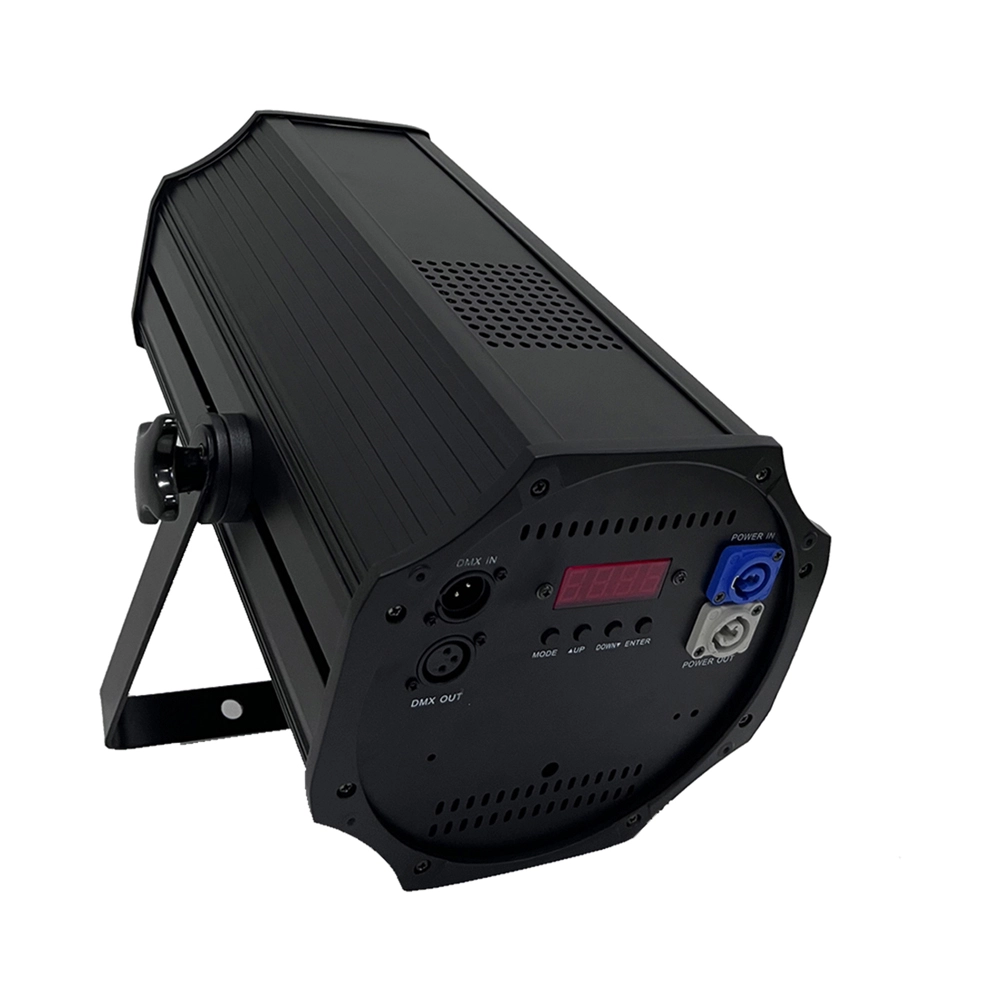
Where to Buy VANRAY LP-200ZC: Supplier & Pricing Guide
Top par light outdoor led Manufacturers and Suppliers
About Company
How long has your company been established?
Our company has been established since 2013.
About Customized Services
What kind of customization services can you provide ?
Yes, we can provide personalized, customized services according to your needs and requirements, including the product's color temperature, customized gobos for moving headlights, packaging and private labeling for products, etc. for other requirements, which can be negotiated with our sales team.
Are there any additional charges for customized services?
Customized services may be subject to appropriate customization fees based on your specific requirements.
About Product
Can you accept the sample order?
Yes, we can. The sample order for trial is acceptable.
About Cooperation Process
What information do I need to provide to start the cooperation process?
You need to provide your company information, product needs, customization requirements, cooperation intentions and other relevant information.
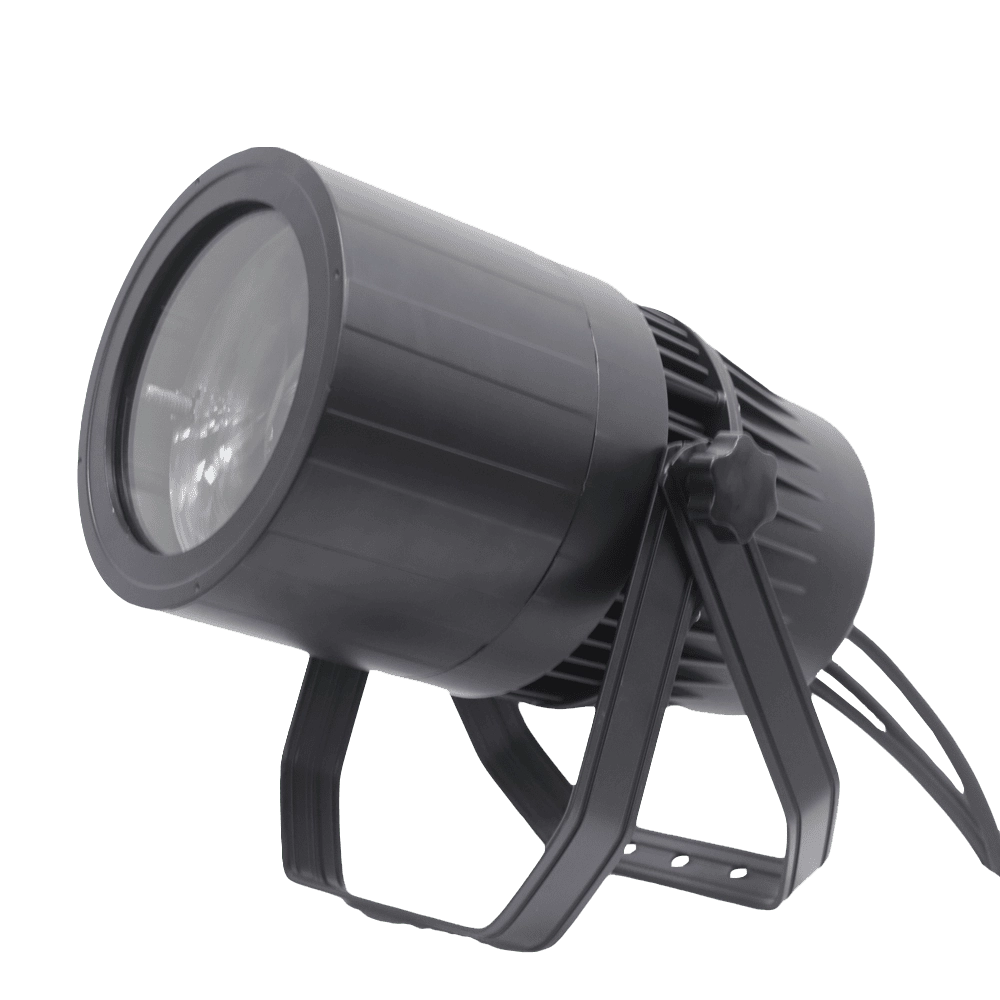
VANRAY Waterproof LED Par Light LP-200Z 200W Zoom Par Light
Introducing the VANRAY Waterproof LED Par Light LP-200Z, a 200W Zoom Par Light engineered for professional performance. Designed by Vanray, this advanced LED PAR light ensures waterproof durability, making it ideal for diverse environments. Elevate your lighting setup with optimum brightness and versatile zoom capabilities. A perfect choice for professional LED PAR light applications.
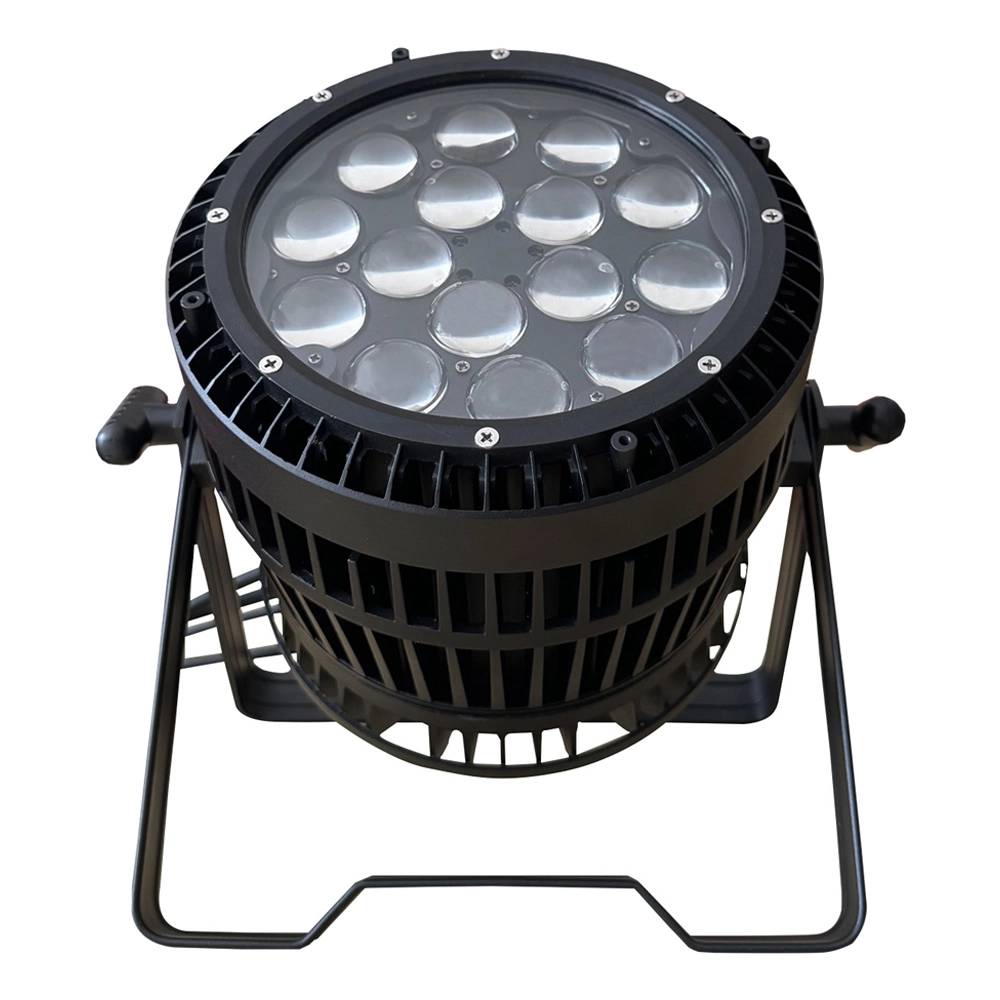
VANRAY LED Par Zoom Wash LP-1515Z 15pcs 15W RGBW Waterproof LED Par Light
Introducing the VANRAY LED Par Zoom Wash LP-1515Z, featuring 15pcs of 15W RGBW waterproof LEDs. This versatile LED wash light par is perfect for vibrant lighting effects, both indoors and outdoors. The precision of our led par zoom wash ensures an exceptional performance, enhancing any event with vivid color dynamics.
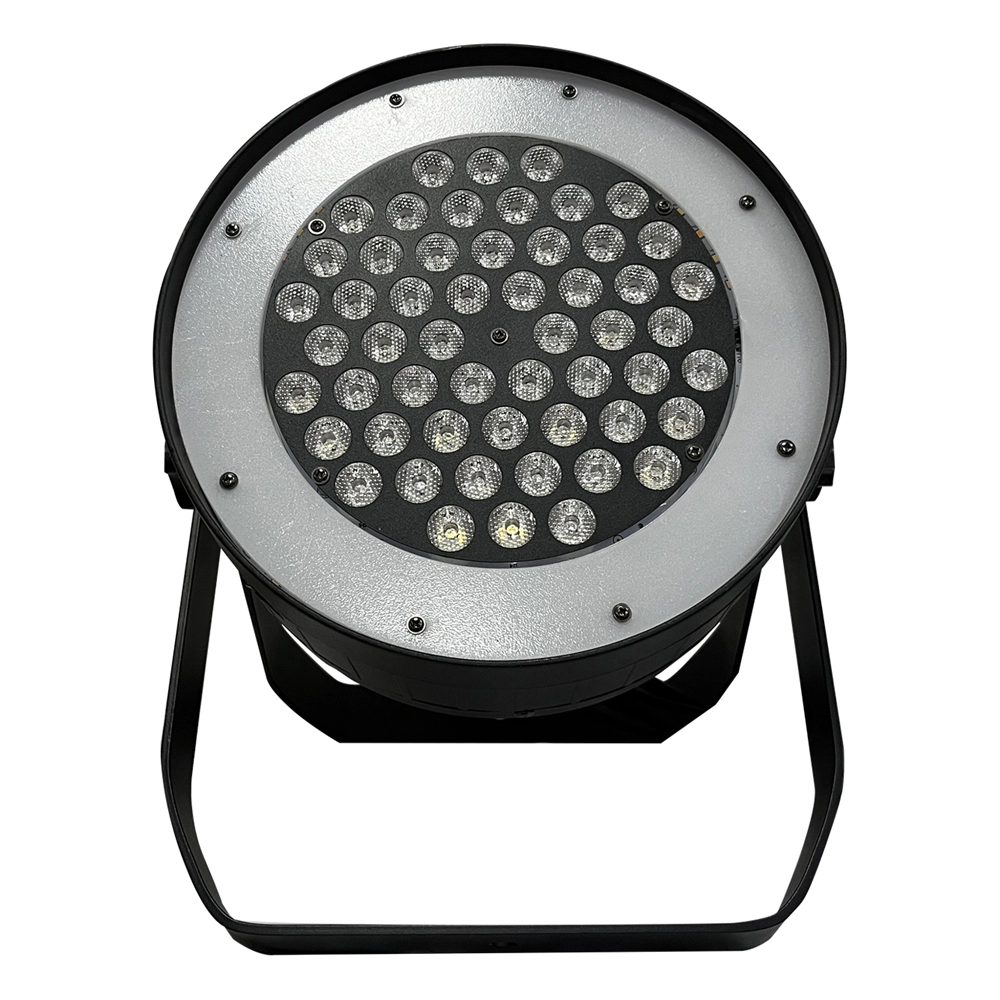
VANRAY Theater LED Par Can Lights LP-350SJL 350W White LED Par Can Lights
Introducing the VANRAY Theater LED Par Can Lights LP-350SJL, featuring an impressive 350W white LED. Ideal for stage lighting, these LED Par Can Lights deliver superior brightness and versatility. Enhance your theater productions with our cutting-edge lighting solutions. Trust Vanray for exceptional performance in LED stage lights.
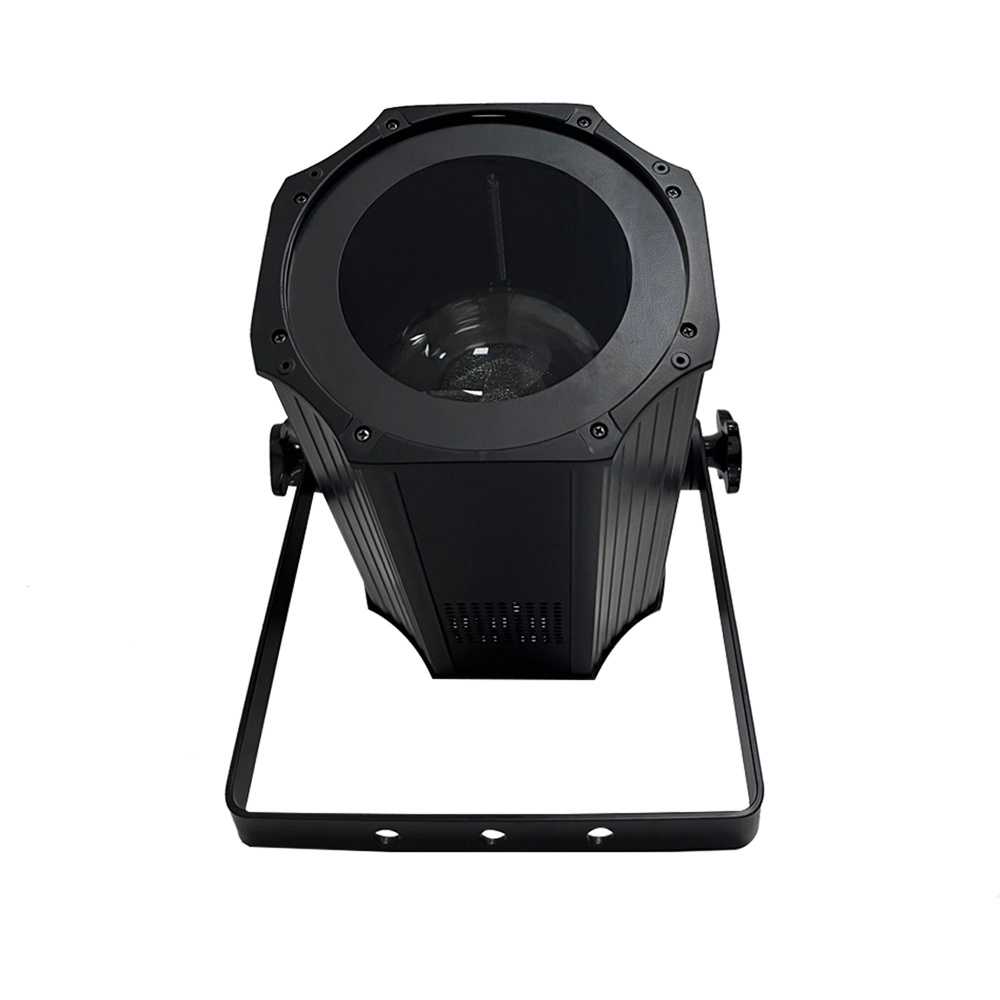
VANRAY LED Par Light Stage LP-200ZC RGBW LED Par Light Suppliers
Introducing the VANRAY LC-200ZC RGBW LED Par Light, a premium solution for vibrant stage lighting. This versatile par LED light ensures dynamic color effects, perfect for events and performances. As leading LED flat-par light suppliers, Vanray guarantees exceptional quality and performance. Illuminate your stage today with Vanray's innovative lighting technology.
As a leading Stage Lighting Manufacturer from China, VANRAY Lighting delivers a comprehensive suite of services including innovative R&D, precision production, and professional integration.
Built on decades of technical expertise, we are defined by our commitment to quality and service perfection. From theaters to grand-scale events, VANRAY is the trusted choice for reliable lighting solutions across the global entertainment and architectural sectors.
Copyright © 2025 VANRAY. All Rights Reserved.

Instagram
YouTube
Facebook