










Gobos and Effects: Creative Uses with Moving Head Lights
- Why Gobos Matter for Any Stage Moving Head Light Design
- Fundamentals: What a Gobo Does inside a Stage Moving Head Light
- How the Optical Chain Affects Gobo Sharpness in a Stage Moving Head Light
- Gobo Types and When to Use Them with Moving Head Lights
- Creative Techniques: Layering Gobos and Effects with a Stage Moving Head Light
- Practical Example: Creating Depth on a Concert Stage with Moving Heads
- Programming, Control and Media-Server Integration for Stage Moving Head Light
- Choosing the Right Stage Moving Head Light for Gobo Work
- Operational Best Practices and Troubleshooting for Gobos on Moving Heads
- Case Studies: Real-World Uses of Gobos and Effects in Moving Head Rigs
- VANRAY Lighting: Solutions for Gobos and Moving Head Applications
- Why VANRAY Matters for Your Moving Head and Gobo Needs
- Buying vs Renting: Spec Checklist for Gobo-Centric Moving Head Lighting
- FAQ — Common Questions About Gobos and Stage Moving Head Light
- Q1: What’s the difference between metal and glass gobos when used in moving heads?
- Q2: Can any moving head use custom gobos?
- Q3: How do I maintain crisp gobo images at long throw distances?
- Q4: How do prisms affect gobos?
- Q5: Are LED moving heads safe for glass gobos?
- Q6: How do I program moving head gobos to sync with music?
- Contact, Consultation and Product Inquiry
- References
Why Gobos Matter for Any Stage Moving Head Light Design
Gobos are one of the most effective tools to convert a bright beam into textured, brandable, and atmospheric imagery. In the context of a stage moving head light, gobos let you sculpt light, brand a show, or create motion without extra projection equipment. This article explains practical methods—both artistic and technical—for maximizing gobos and other effects in modern moving-head rigs, and helps you choose, program, and operate fixtures to achieve consistent results in live production.
Fundamentals: What a Gobo Does inside a Stage Moving Head Light
Gobos (from goes before optics) are templates placed in an intermediate image plane to shape the silhouette of light. In moving head fixtures designed for live events, gobos typically sit in a gobo wheel inside the optical path, often combined with a rotating mechanism, color wheel, prisms, and zoom. Understanding this optical chain is essential for creative design and troubleshooting when using a stage moving head light. Key components to be familiar with:
- Gobo wheel(s): rotating or indexable carriers for multiple templates
- Prism: splits and multiplies beams for kaleidoscopic effects
- Animation wheel: moving texture in or through the beam
- Zoom and focus: change gobo scale and sharpness
- Frost or wash: softens edges and blends gobos into washes
How the Optical Chain Affects Gobo Sharpness in a Stage Moving Head Light
Gobo image quality depends on focal length, gobo placement, zoom extent, and fixture focus. In profile/spot-style moving heads, a long optical throw and good focusing produce crisp gobo images over distance. Conversely, wide-angle wash fixtures send light through diffusers and frosts that intentionally soften gobo edges. When specifying a stage moving head light, match the fixture type to the intended gobo look—sharp projections need spot/profile optics; textured ambience benefits from wash fixtures.
Gobo Types and When to Use Them with Moving Head Lights
Not all gobos are created equal. For live events, common choices are metal (stamped), glass (printed/laser-etched), and rotatable glass for high-resolution graphics. Each has tradeoffs for contrast, durability, and heat tolerance—important when using high-output stage moving head light fixtures.
| Gobo Type | Characteristics | Best Use with Moving Head Lights |
|---|---|---|
| Metal (stamped) | Durable, high-contrast silhouette, limited fine detail | Sharp patterning, aerial beams, silhouette effects |
| Glass (printed/etched) | High detail, grayscale shading possible, more fragile | Logos, textures, photographic elements, high-resolution projections |
| Rotating/Indexable glass | High-resolution, continuous rotation for morphing effects | Animated logos, morphing textures, precise branded imagery |
References for gobo basics and nomenclature can be checked in technical lighting resources and manufacturer documentation (see references).
Creative Techniques: Layering Gobos and Effects with a Stage Moving Head Light
Layering is where moving head fixtures shine. Combining gobos with prisms, color, and motion can create unique textures and kinetic surfaces. Here are reliable creative approaches used by designers:
- Gobo + Prism: Put a gobo in the beam and engage a prism to duplicate and separate the pattern. Use color to tint each image differently for a multi-hued effect.
- Animation Wheel through a Gobo: Place an animation/rotary wheel after a gobo to make the texture flow across the pattern—excellent for ocean, smoke, or fabric looks.
- Focus Ramping: Slightly defocus a gobo to give it a soft painterly look; then ramp focus for a snap-back to crispness for cues requiring attention.
- Gobo Stacking (if supported): Some fixtures support stacked gobos or two gobo wheels. Combine a textured gobo with a logo gobo to add interest without losing brand legibility.
- Use Frost as a Blend Tool: A small amount of frost softens gobo edges for background washes while preserving enough contrast to read the texture upstage.
Practical Example: Creating Depth on a Concert Stage with Moving Heads
Start with a row of profile moving heads behind the band, each fitted with a narrow-beam metal gobo. Add a second ring of wash-moving heads in front with larger glass gobos slightly defocused and colored. Pan/tilt the profiles slowly to create traveling shafts, and animate the front washes with the animation wheel. The juxtaposition of hard-edged back gobos and soft, colored front gobos makes performers stand out while maintaining scenic depth.
Programming, Control and Media-Server Integration for Stage Moving Head Light
Control is where the creative plan becomes repeatable. A reliable workflow reduces setup time and improves consistency when using gobos and effects on a stage moving head light rig.
- DMX and Addressing: Know how gobos and wheels are mapped in the fixture’s channel profile. Modern fixtures may offer 16–40+ channel modes; pick a mode that balances feature access and channel economy.
- RDM and Fixture Remote Tools: Use RDM (Remote Device Management) where available for quicker addressing and status checks during rig-in.
- Timecode and Media Servers: For shows requiring tight sync (e.g., theater or broadcast), control moving heads via cues from a lighting console or media server that sends OSC/MIDI/Art-Net/sACN or SMPTE-based commands.
- Pre-program Templates: Create gobo macros and effect chases in the console for quick recall and consistency across techs and runs.
Technical resources like the DMX512 protocol and manufacturer manuals explain addressing in detail (see references).
Choosing the Right Stage Moving Head Light for Gobo Work
When specifying fixtures for gobo-intensive shows, consider optical design, gobo formats, engine output, and mechanical reliability. Useful selection criteria:
- Gobo size and format compatibility (e.g., 30mm, 38mm, 50mm—match your library)
- Glass vs. metal compatibility and heat tolerance (important for high-output lamp sources)
- Zoom range and throw ratio for projection distance needs
- Prism and animation wheel availability for advanced effects
- Serviceability and spare part availability for gobos, motors, and wheels
| Moving Head Type | Typical Beam/Gobo Behavior | Recommended Use Cases |
|---|---|---|
| Spot/Profile | Sharp gobo imagery, framing shutters, wide zoom range | Logo projection, scenic texture, theatrical specials |
| Beam | Narrow, intense beams—gobos show as silhouettes | High-energy concerts, aerial effects, visual accents |
| Wash | Soft edges, gobo detail reduced; better for textured ambience | Background washes, atmosphere, color blending |
Operational Best Practices and Troubleshooting for Gobos on Moving Heads
Field reliability matters. These best practices reduce failures and improve visual consistency when using gobos with a stage moving head light rig:
- Inventory and label gobos—especially glass gobos—and store in protective cases to avoid scratches.
- Run lens and gobo cleaning as part of preventive maintenance; dust and haze can dramatically reduce contrast.
- Test all wheel indexing and motor response during hang and focus period to avoid surprises during show.
- Use calibrated focus charts at hang to document positions for common distances and cues.
Case Studies: Real-World Uses of Gobos and Effects in Moving Head Rigs
Below are representative approaches from common production scenarios:
- Corporate: Use high-resolution glass gobos for logos in key recall cues. Combine with tight focus and a color that complements the brand palette.
- Concert touring: Use rotatable metal gobos and prisms to create moving riffs of light; combine with fast pan/tilt for kinetic rhythm matching.
- Theater and dance: Use profile moving heads and framing shutters to crop gobos precisely to set pieces or cyclorama and keep imagery off performers.
VANRAY Lighting: Solutions for Gobos and Moving Head Applications
VANRAY Lighting is dedicated to becoming a leading global lighting solutions provider. With over ten years of industry experience, VANRAY offers efficient and customized lighting products for stage, film, television, and landscape work. Their portfolio includes LED PAR lights, moving head lights, LED profile spotlights, fresnel spotlights, floodlights, and more; they support OEM and ODM services and emphasize product reliability from a robust R&D team and advanced manufacturing facilities over 8000+ sqm.
Why VANRAY Matters for Your Moving Head and Gobo Needs
Key advantages VANRAY brings to projects involving gobos and effects:
- Technical breadth: product lines for spot/profile, wash, and beam moving head lights suitable for gobo work.
- Certifications and reliability: VANRAY products have CE, RoHS, and ISO certifications, supporting use in regulated markets.
- Customization and support: OEM/ODM services for bespoke gobos and fixture configurations, useful when brand imagery or unique effects are required.
- Manufacturing scale: large facilities and an R&D team mean quicker iteration and better supply consistency for touring and rental fleets.
VANRAY’s main product advantages—particularly for gobo-intensive work—include strong optical options, serviceability, and a focus on high-quality LED engines that reduce heat concerns for gobos. Their product ranges (moving head lights, LED PAR lights, LED profile spotlights, floodlights) are suitable for concert, theater, and event applications where consistent gobo reproduction and long-term reliability matter.
Buying vs Renting: Spec Checklist for Gobo-Centric Moving Head Lighting
When deciding whether to buy or rent fixtures for gobo work, use this practical checklist focused on the needs of designers and production managers handling stage moving head light assets:
- Confirm gobo size/formats and spare wheel capacity.
- Verify power and weight constraints for touring rigs.
- Ask for photometric files (IES) and manufacturer beam diagrams to model projections.
- Check manufacturer service network and parts availability (motors, gobos, wheels).
- Demand documentation for DMX mapping and recommended console profiles.
FAQ — Common Questions About Gobos and Stage Moving Head Light
Below are frequently asked questions that lighting designers, production techs, and buyers commonly search for.
Q1: What’s the difference between metal and glass gobos when used in moving heads?
A1: Metal gobos are cut silhouettes—durable and suitable for high contrast but limited in fine detail. Glass gobos can include printed or etched greyscale and photographic detail, offering higher resolution at the cost of greater fragility and usually higher price. Use metal for stark patterns and glass for logos or textured imagery. Ensure the fixture supports glass if heat is a concern.
Q2: Can any moving head use custom gobos?
A2: Not necessarily. Check the fixture’s gobo holder size, indexing mechanism, and whether it supports custom glass or only stamped metal gobos. Some moving heads have multiple gobo wheels or accept rotating glass gobos for animated logos—verify specs before ordering custom gobos.
Q3: How do I maintain crisp gobo images at long throw distances?
A3: Use spot/profile moving heads with long throw optics, ensure precise focus, avoid excessive frost, and select the appropriate zoom setting. Also, control atmospheric conditions—too much haze or fog can soften contrast.
Q4: How do prisms affect gobos?
A4: A prism splits the beam into multiple images of the gobo. This multiplication can be used to create kaleidoscopic effects or widen a pattern across a stage. When using prisms, consider focus and color separation—prisms can accentuate chromatic aberration in some fixtures.
Q5: Are LED moving heads safe for glass gobos?
A5: Generally yes—LED engines typically run cooler than discharge lamps, reducing the heat stress on glass gobos. However, consult the fixture manufacturer: some optics still focus significant energy and manufacturers may specify limits or preferred gobo types.
Q6: How do I program moving head gobos to sync with music?
A6: Use timecode, MIDI, or automated console macros to trigger gobo changes and effects chases. Many lighting consoles allow beat-based chase timing or can import SMPTE-based cues from a timeline on a media server for precise synchronization.
Contact, Consultation and Product Inquiry
If you need help specifying moving head fixtures, selecting gobos, or configuring console profiles for a live or touring project, contact VANRAY Lighting for consultation and product information. Explore their moving head lights, LED PAR lights, LED profile spotlights, and floodlights for solutions that match touring, theater, and outdoor event requirements. For quotes, OEM/ODM services, and technical support, reach out through VANRAY’s official sales channels.
References
- Gobo — Wikipedia. https://en.wikipedia.org/wiki/Gobo (Accessed 2025-12-07)
- Stage lighting — Wikipedia. https://en.wikipedia.org/wiki/Stage_lighting (Accessed 2025-12-07)
- DMX512 — Wikipedia. https://en.wikipedia.org/wiki/DMX512 (Accessed 2025-12-07)
- ETC Lighting Fixtures — Moving Lights category. https://www.etcconnect.com/Products/Lighting-Fixtures/Moving-Lights/ (Accessed 2025-12-07)
- Manufacturer product pages and user manuals from leading moving-head producers (for fixture-specific specifications, consult your intended vendor’s datasheets; many vendors publish detailed channel profiles and photometrics online). (Accessed 2025-12-07)
For consultation, product samples, or quoting VANRAY lighting solutions tailored for gobos and moving head applications, please contact VANRAY Lighting through their official channels.
Wholesale wall washer led rgb manufacturer and supplier
What are the application scenarios of led follow spot light supplier?
The B2B Buyer’s Guide to LED Flood Lights
Top 5 led stage spotlights Company List and Products Compared
About Cooperation Process
How to start working with your company?
You can contact us through our official website or contact information, and our sales team will be happy to assist you.
About Customized Services
Are there any additional charges for customized services?
Customized services may be subject to appropriate customization fees based on your specific requirements.
What kind of customization services can you provide ?
Yes, we can provide personalized, customized services according to your needs and requirements, including the product's color temperature, customized gobos for moving headlights, packaging and private labeling for products, etc. for other requirements, which can be negotiated with our sales team.
How long does customized service take?
The time for customized services depends on your specific needs and order volume. Generally speaking, normally 2-3 days, we will provide you with customized solutions as soon as possible.
Can you provide OEM / ODM services ?
Yes, we can support OEM/ODM services for the details, which can be negotiated with our sales team.
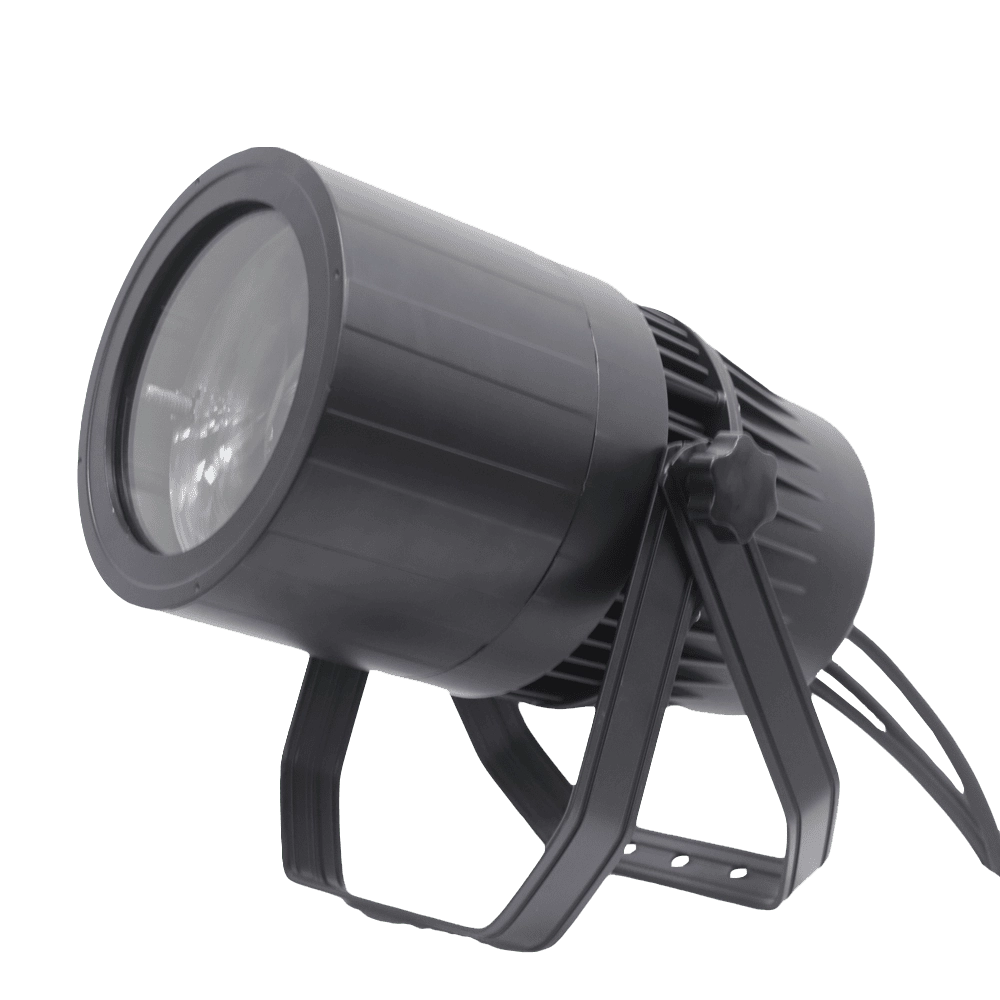
VANRAY Waterproof LED Par Light LP-200Z 200W Zoom Par Light
Introducing the VANRAY Waterproof LED Par Light LP-200Z, a 200W Zoom Par Light engineered for professional performance. Designed by Vanray, this advanced LED PAR light ensures waterproof durability, making it ideal for diverse environments. Elevate your lighting setup with optimum brightness and versatile zoom capabilities. A perfect choice for professional LED PAR light applications.
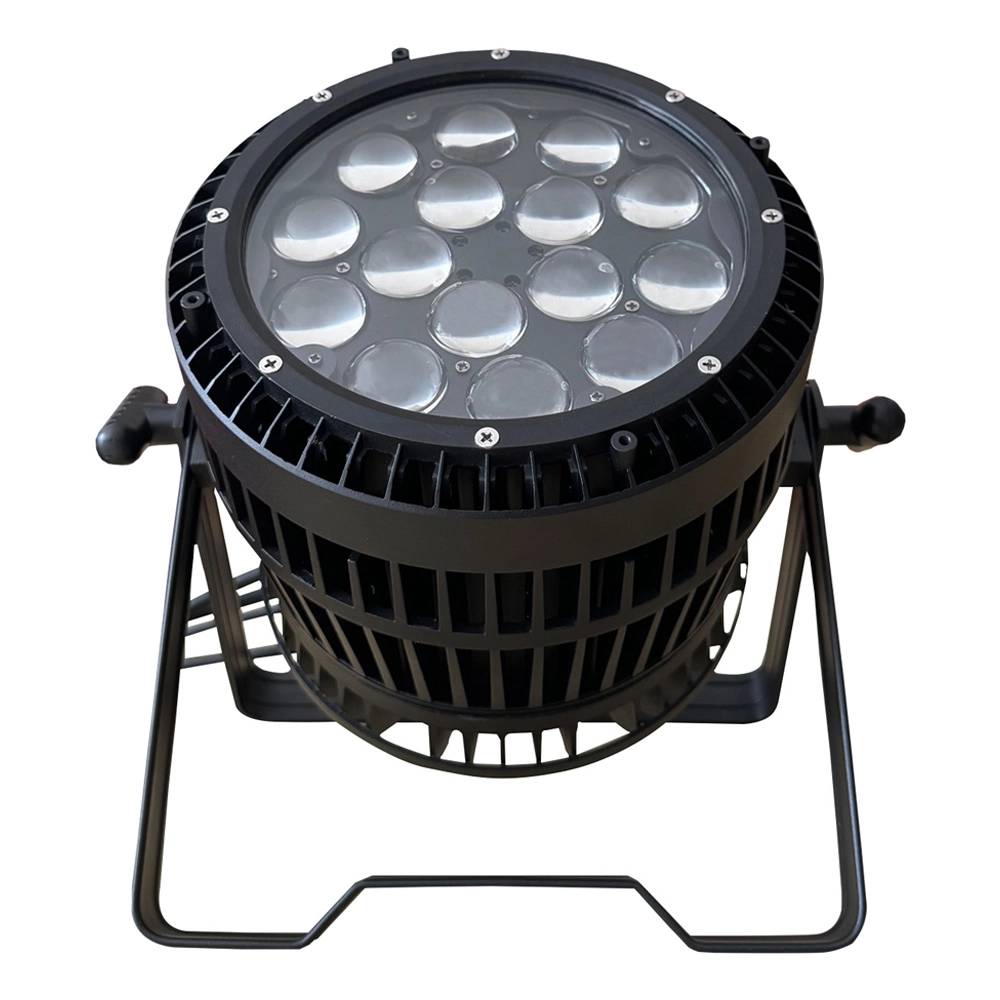
VANRAY LED Par Zoom Wash LP-1515Z 15pcs 15W RGBW Waterproof LED Par Light
Introducing the VANRAY LED Par Zoom Wash LP-1515Z, featuring 15pcs of 15W RGBW waterproof LEDs. This versatile LED wash light par is perfect for vibrant lighting effects, both indoors and outdoors. The precision of our led par zoom wash ensures an exceptional performance, enhancing any event with vivid color dynamics.
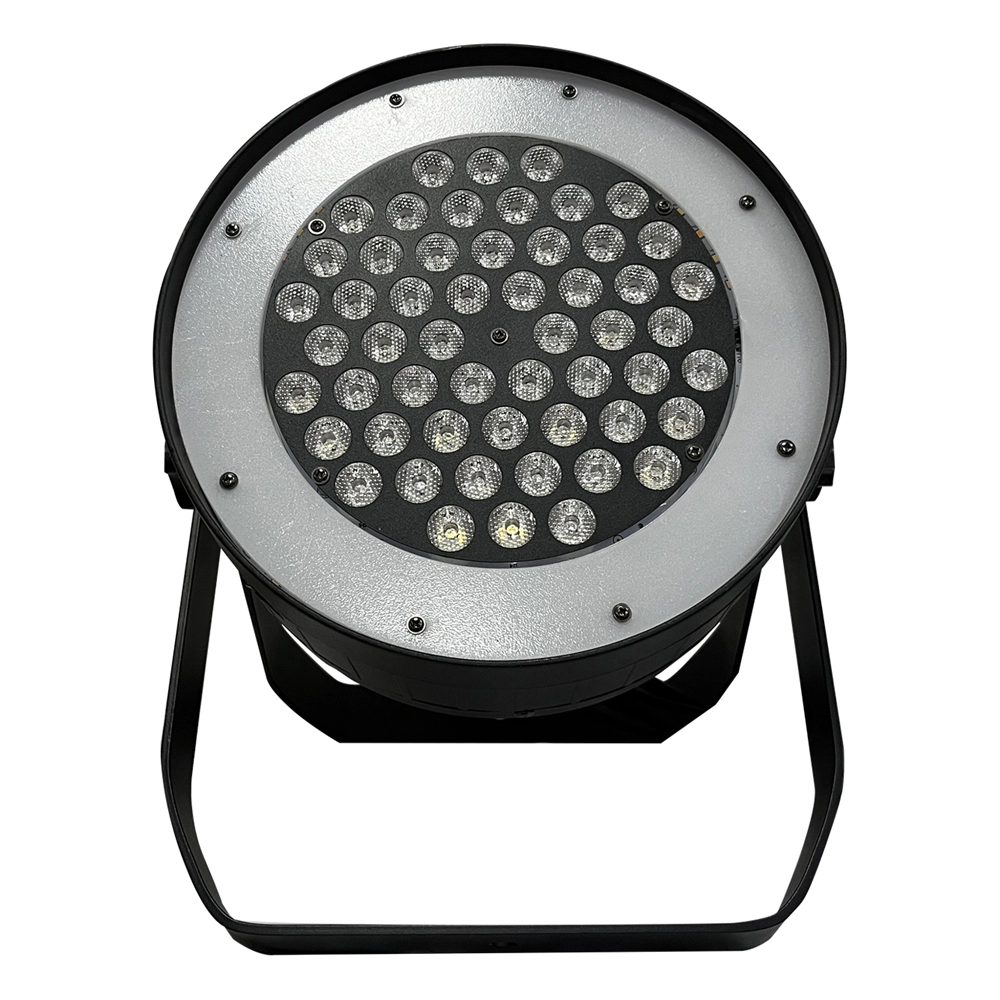
VANRAY Theater LED Par Can Lights LP-350SJL 350W White LED Par Can Lights
Introducing the VANRAY Theater LED Par Can Lights LP-350SJL, featuring an impressive 350W white LED. Ideal for stage lighting, these LED Par Can Lights deliver superior brightness and versatility. Enhance your theater productions with our cutting-edge lighting solutions. Trust Vanray for exceptional performance in LED stage lights.
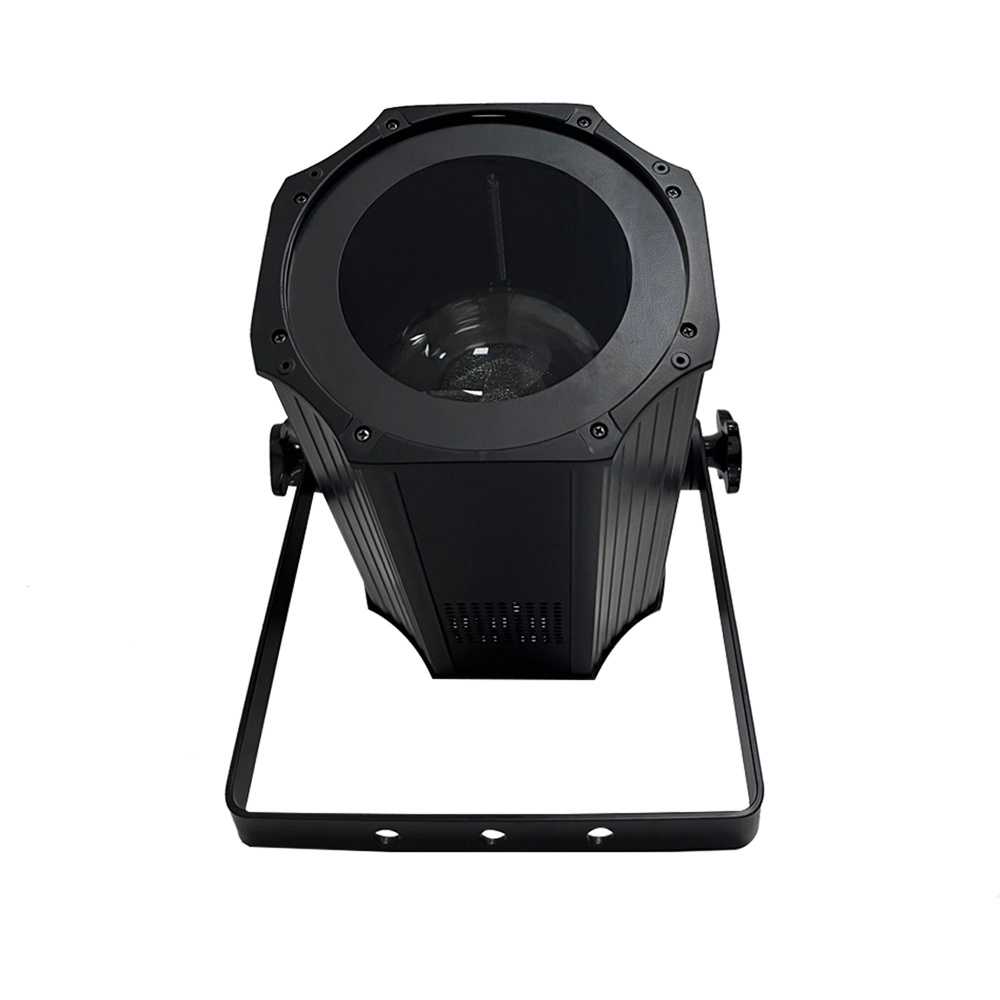
VANRAY LED Par Light Stage LP-200ZC RGBW LED Par Light Suppliers
Introducing the VANRAY LC-200ZC RGBW LED Par Light, a premium solution for vibrant stage lighting. This versatile par LED light ensures dynamic color effects, perfect for events and performances. As leading LED flat-par light suppliers, Vanray guarantees exceptional quality and performance. Illuminate your stage today with Vanray's innovative lighting technology.
As a leading Stage Lighting Manufacturer from China, VANRAY Lighting delivers a comprehensive suite of services including innovative R&D, precision production, and professional integration.
Built on decades of technical expertise, we are defined by our commitment to quality and service perfection. From theaters to grand-scale events, VANRAY is the trusted choice for reliable lighting solutions across the global entertainment and architectural sectors.
Copyright © 2025 VANRAY. All Rights Reserved.

Instagram
YouTube
Facebook