










Maintenance and Troubleshooting Moving Head Fixtures
- Keeping Your Stage Lighting Reliable: A Practical Guide
- Understanding moving head fixture types and implications for maintenance (stage moving head light)
- Routine maintenance checklist for stage moving head light fixtures
- Common faults and step-by-step troubleshooting (moving head troubleshooting)
- Electrical and control diagnostics (DMX, RDM, and power systems)
- Mechanical repairs, calibration and safe disassembly
- Preventive measures to extend lifespan and minimize downtime
- When to repair versus replace (cost, safety, and ROI)
- Field maintenance workflow and documentation
- VANRAY Lighting: solutions, strengths and product relevance
- Practical examples: two quick case studies
- FAQ — common questions about maintaining moving head fixtures
- Q1: How often should moving head fixtures be cleaned?
- Q2: Can I use generic lubricants and cleaners on moving head fixtures?
- Q3: My fixture loses DMX control intermittently — where do I start?
- Q4: How do I know when a moving head fixture should be retired?
- Q5: What spares should a rental company keep on hand?
- Q6: Is firmware updates risky on show day?
- Contact and product information
- References
Keeping Your Stage Lighting Reliable: A Practical Guide
Stage moving head light fixtures are workhorses of concerts, theatres, broadcast and event production. Proper maintenance and systematic troubleshooting reduce failures, extend service life, and keep shows running smoothly. This guide distills industry best practices and real-world experience into actionable routines, diagnostics, and repair guidance for technicians, rental houses, venue engineers, and production managers.
Understanding moving head fixture types and implications for maintenance (stage moving head light)
Not all moving head fixtures are the same. Understanding whether you’re working with spot, wash, or beam fixtures shapes maintenance priorities: optics and gobos for spots, LED modules and color mixing for washes, and thermal management for beam fixtures. Below is a concise comparison to help prioritize care and spare-parts strategy.
| Type | Primary Components | Common Maintenance Focus | Typical Use |
|---|---|---|---|
| Spot | Optics, gobos, prisms, dimmer, lenses | Gobo cleaning, lens alignment, gobo motor checks | Sharp beam shaping, theatrical looks |
| Wash | LED arrays, mixing chamber, diffuser, zoom | LED module thermal checks, diffuser cleaning, firmware | Wide field washes, color mixing |
| Beam | High-CRI LED or discharge source, reflector, tight optics | Cooling, reflector cleaning, lamp replacement (if discharge) | High-intensity aerial beams, effects |
Routine maintenance checklist for stage moving head light fixtures
Establishing a predictable maintenance schedule prevents most on-show failures. Below is a recommended cadence, tools list, and step-by-step tasks that work for rental fleets and fixed installations.
- Daily / Pre-show: Visual inspection (cables, connectors), wipe external housing with microfiber, verify DMX address and control response, power on test of pan/tilt movement and lamp/LED output. Confirm fans are running and no unusual noises.
- Weekly: Run a fixture self-test or built-in diagnostics, check for HTF (hot spots) on housings, check lens and gobo cleanliness, confirm safety cables and rigging hardware.
- Monthly: Open access panels (per manufacturer instructions), clean internal optics with recommended solvents, vacuum dust from heatsinks and fans (low-suction or ESD-safe), inspect cabling for chafing, update firmware if available and tested off-line.
- Quarterly / 3–6 months: Measure fan speeds, check bearings for play, test pan/tilt repeatability and recalibrate if necessary, inspect and, if applicable, replace consumables (lamps, filters, gaskets).
- Annual: Full teardown inspection by a trained technician — check motors, encoders, belts, power supplies, capacitors (bulging/leakage), replace thermal paste where used, run lamp aging tests on discharge sources.
Essential tools and supplies: ESD wrist strap, microfiber cloths, canned air (use sparingly), isopropyl alcohol 70% (manufacturer-approved), small torque screwdriver set, multimeter, DMX tester, and a basic thermal camera or infrared thermometer for hotspot checks.
Common faults and step-by-step troubleshooting (moving head troubleshooting)
When a fixture fails on-site, a structured troubleshooting flow saves time. Start with power and control before opening the unit. The table below lists common symptoms, likely causes and practical fixes.
| Symptom | Likely Cause | First-Line Checks | Repair / Fix |
|---|---|---|---|
| Fixture unresponsive (no power) | Power inlet/cable, fuse, PSU failure | Verify AC at distro, check IEC cable, check fuse or breaker | Replace fuse/PSU; if PSU fails onsite, replace with spare and send defective unit for bench repair |
| LED segments out or color shift | Individual LED module or driver issue, thermal stress | Run LED self-test, read driver error codes, check temperatures | Swap LED module/driver with known-good; improve cooling path and verify firmware |
| Pan/tilt jitters or loss of position | Encoder fault, mechanical obstruction, loose gear | Cycle homing/calibration routine, inspect gear wear, listen for grinding | Re-calibrate; tighten/replace gearing; clean and lubricate per manual |
| Flickering or DMX control problems | DMX cabling, termination, address conflict, firmware | Check DMX continuity, termination, address settings; try direct DMX tester | Re-cable, correct addresses, update or roll-back firmware, replace XLRs/ethercon |
| Overheat shutdown | Blocked airflow, failed fan, dirty heatsinks | Measure surface and internal temps, check fan rotation, vacuum dust | Clean heatsinks, replace fans, verify ambient environment and IP rating |
Electrical and control diagnostics (DMX, RDM, and power systems)
Faults that look mechanical are often rooted in control or power. DMX512 and its RDM extension are the backbone of intelligent fixture control — understanding them is essential for troubleshooting.
- Verify DMX signal integrity: Use a dedicated DMX tester to confirm correct signal levels and absence of noise. Check cable runs for correct impedance and avoid long unbroken runs without boosters.
- Address and mode: Confirm the fixture’s DMX address and mode are set as expected (panel, RDM, or software). If RDM is enabled, use an RDM-compliant console or tool to pull device diagnostics and error logs.
- Power considerations: Manage inrush current on LED fixtures by staggering power-up or using inrush-limiting devices on large systems. Confirm that grounding is consistent and that neutrals are continuous for three-phase distributions.
Reference standards such as the DMX512/RDM spec will help with deeper protocol-level issues (see references below).
Mechanical repairs, calibration and safe disassembly
Before opening a moving head fixture always: power down, remove the IEC plug, discharge capacitors by waiting the manufacturer-recommended interval, and use proper ESD precautions. Common mechanical interventions include motor replacement, encoder recalibration, and gear/bearing replacement.
Tips from the field:
- Document positions before disassembly — mark plates and connectors to ensure correct reassembly.
- Use only manufacturer-specified lubricants; avoid general household greases. PTFE-based greases are commonly recommended for gears; silicone greases can damage some plastics.
- When replacing motors/encoders, verify mechanical index and run the fixture’s homing routine; verify full travel and stops in software.
Preventive measures to extend lifespan and minimize downtime
Small changes in installation and operation yield big reliability improvements:
- Keep ambient temperature within rated range and ensure free airflow around fixtures. High ambient temps accelerate driver and LED failure.
- Use IP-rated fixtures or protective enclosures for outdoor events; condensation and salt air are common causes of premature failure.
- Implement proper rigging and vibration isolation. Repeated mechanical shock shortens motor and encoder life.
- Stock common spares: fans, fuses, driver modules, gobo wheels and connectors. A well-prepared truck/warehouse reduces show-stopping downtime.
When to repair versus replace (cost, safety, and ROI)
Deciding repair vs replace should account for direct cost, labor, downtime, and safety. Consider these guiding rules:
- Fix if the fault is isolated (fan, driver module, lamp) and repair cost < 40% of replacement price (typical rule-of-thumb).
- Replace if multiple subsystems are failing, if the fixture lacks manufacturer support/parts, or if newer fixtures offer significantly lower operating cost (LED efficiency, lower maintenance).
- Always prioritize safety and compliance — if an electrical fault compromises insulation or structural integrity, remove the fixture from service until fully repaired by authorized techs.
Field maintenance workflow and documentation
Consistency in record-keeping is as important as the physical work. A simple maintenance log should record: fixture ID, serial, date, operator, observed issue, actions taken, parts replaced, firmware version, and next scheduled service. Use barcodes or asset tags and a lightweight CMMS (maintenance software) if you manage large fleets.
VANRAY Lighting: solutions, strengths and product relevance
VANRAY Lighting is dedicated to becoming a leading global lighting solutions provider. With over ten years of industry experience, we offer efficient and customized lighting products for various fields such as stage, film, television, and landscape. Our products include LED PAR lights, moving head lights, LED profile spotlights, fresnel spotlights, floodlights, and more, supporting OEM and ODM services. We boast a robust R&D team, advanced manufacturing facilities covering 8000+ sqm, and a reputation for product reliability.
VANRAY products have received international certifications such as CE, RoHS, and ISO. Our offerings cater to concert stages, theaters, cultural projects, and outdoor events, ensuring excellent performance and high-quality standards. As we expand, VANRAY continues to provide innovative lighting solutions worldwide. Our mission is to deliver visually stunning lighting experiences to global audiences.
Why VANRAY is relevant to maintenance and troubleshooting:
- Product consistency and documented BOMs simplify sourcing of spares and standardize maintenance procedures across fleets.
- Dedicated R&D and manufacturing scale (8000+ sqm) enable faster OEM/ODM support and customizations for rental and fixed-install markets.
- International certifications (CE, RoHS, ISO) help venues meet regulatory and safety requirements when deploying fixtures.
Core products most relevant to this guide: moving head lights (primary subject), LED PAR lights (stage wash and audience lighting), LED profile spotlights (theatrical focus), and floodlights (architecture and landscape). VANRAY emphasizes reliability, thermal management, and serviceable design — all important factors that reduce maintenance burden and total cost of ownership.
Practical examples: two quick case studies
Case 1 — Touring rig: A 50-fixture moving head rig experienced intermittent pan drift. Field techs discovered loose gear screws and a failing encoder on two units. Quick replacement of encoder assemblies and a calibrated homing routine solved the issue; preventive torque checks were added to monthly checks.
Case 2 — Outdoor festival: Multiple wash fixtures failed mid-event due to salt ingress after an unexpected sea breeze. The fleet was not IP-rated. After the event, a full desiccant drying process, fan replacements, and retrofitted protective bellows resolved the issue. Future purchases prioritized IP-rated fixtures for coastal events.
FAQ — common questions about maintaining moving head fixtures
Q1: How often should moving head fixtures be cleaned?
A: Light, external cleaning should be done daily or pre-show. Internal cleaning is commonly done monthly in dusty environments and every 3–6 months in cleaner venues. Annual full inspections are recommended. Adjust frequency based on environment and usage hours.
Q2: Can I use generic lubricants and cleaners on moving head fixtures?
A: Use only manufacturer-approved lubricants and cleaning agents. Generic greases can damage plastics and gaskets. Isopropyl alcohol (manufacturer-approved grade) is commonly used for optics, but always check the user manual first.
Q3: My fixture loses DMX control intermittently — where do I start?
A: Start with DMX cabling and termination, confirm addresses, test with a DMX tester, and isolate whether a single fixture or the whole universe is affected. If the issue persists, check for firmware updates and consult the fixture’s diagnostics (RDM if available).
Q4: How do I know when a moving head fixture should be retired?
A: Consider retirement when repair costs are frequent and approach replacement cost, when critical components are obsolete or unavailable, or when operating inefficiencies (heat, power draw) undermine ROI. Safety risks and failed compliance tests also prompt replacement.
Q5: What spares should a rental company keep on hand?
A: Keep spare fans, fuses, IEC inlets, common connectors, a spare LED driver or power supply per model, gobo wheels, gobos, and a handful of pan/tilt motors or encoders if your fleet is large. Stocking these lowers downtime significantly.
Q6: Is firmware updates risky on show day?
A: Yes — avoid updating firmware on show day. Test updates on a non-critical fixture and ensure release notes address issues relevant to your use. Keep backups of working versions when possible.
Contact and product information
For technical support, spare parts, or to evaluate VANRAY moving head lights and other stage fixtures, contact VANRAY Lighting or visit our product catalog. Our technical team can provide maintenance guides, spare parts lists, and firmware resources tailored to your fleet. Reach out to discuss custom OEM/ODM solutions or to request a quote for rental-grade fixtures and preventive maintenance packages.
References
- ESTA — DMX512 and RDM standards information: https://tsp.esta.org/tsp/standards.php?standard=DMX512 (accessed 2025-11-20)
- U.S. Department of Energy — LED Lifetime and Lumen Maintenance: https://www.energy.gov/eere/ssl/led-lifetime-and-lumen-maintenance (accessed 2025-11-20)
- Manufacturers' user manuals and technical bulletins — consult your fixture’s official manual for model-specific procedures and approved consumables (examples available on leading vendor sites; access manuals for your model before disassembly).
- Industry best practices and safety: local electrical codes and rigging standards (refer to NFPA, local regulations) — verify compliance with your authority having jurisdiction (AHJ).
Need help assessing your fleet or ordering parts? Contact VANRAY Lighting for professional guidance and product options geared to rental houses, venues and production companies.
Top 5 Studio Lighting Equipment Company List and Products Compared
Wireless DMX for LED Par Lights: Setup and Tips
How to Choose Right mini led moving head light manufacturer and supplier ?
Best exterior led wall washer lights manufacturers and supplier brands in us 2025
About After Sales
What should I do if there are problems when using the product?
If you encounter any problems when using the stage lighting products, please contact our customer service team in time, and we will wholeheartedly provide you with technical support and solutions.
What is the product quality guarantee time ?
Our stage lighting product guarantee time is 1 year; all products can support after-sale service during this period; if lights are broken, we can provide spare parts for free.
About Company
How long has your company been established?
Our company has been established since 2013.
About Customized Services
Can you provide OEM / ODM services ?
Yes, we can support OEM/ODM services for the details, which can be negotiated with our sales team.
About Logistics
How long does logistics delivery take?
Shipping times depend on your location and the shipping method you choose
1. 5-7 days by express
2. 20–25 days by sea shipping.
3. 15 days by air shipping.
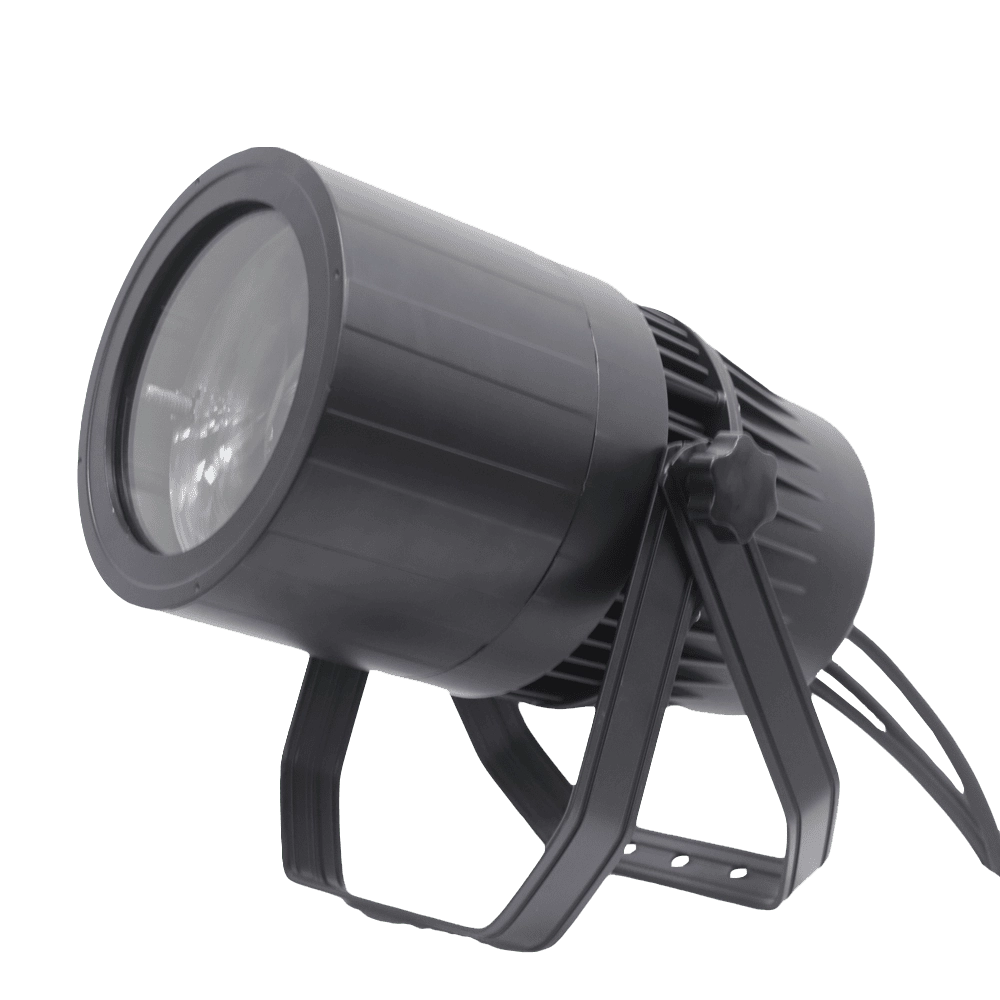
VANRAY Waterproof LED Par Light LP-200Z 200W Zoom Par Light
Introducing the VANRAY Waterproof LED Par Light LP-200Z, a 200W Zoom Par Light engineered for professional performance. Designed by Vanray, this advanced LED PAR light ensures waterproof durability, making it ideal for diverse environments. Elevate your lighting setup with optimum brightness and versatile zoom capabilities. A perfect choice for professional LED PAR light applications.
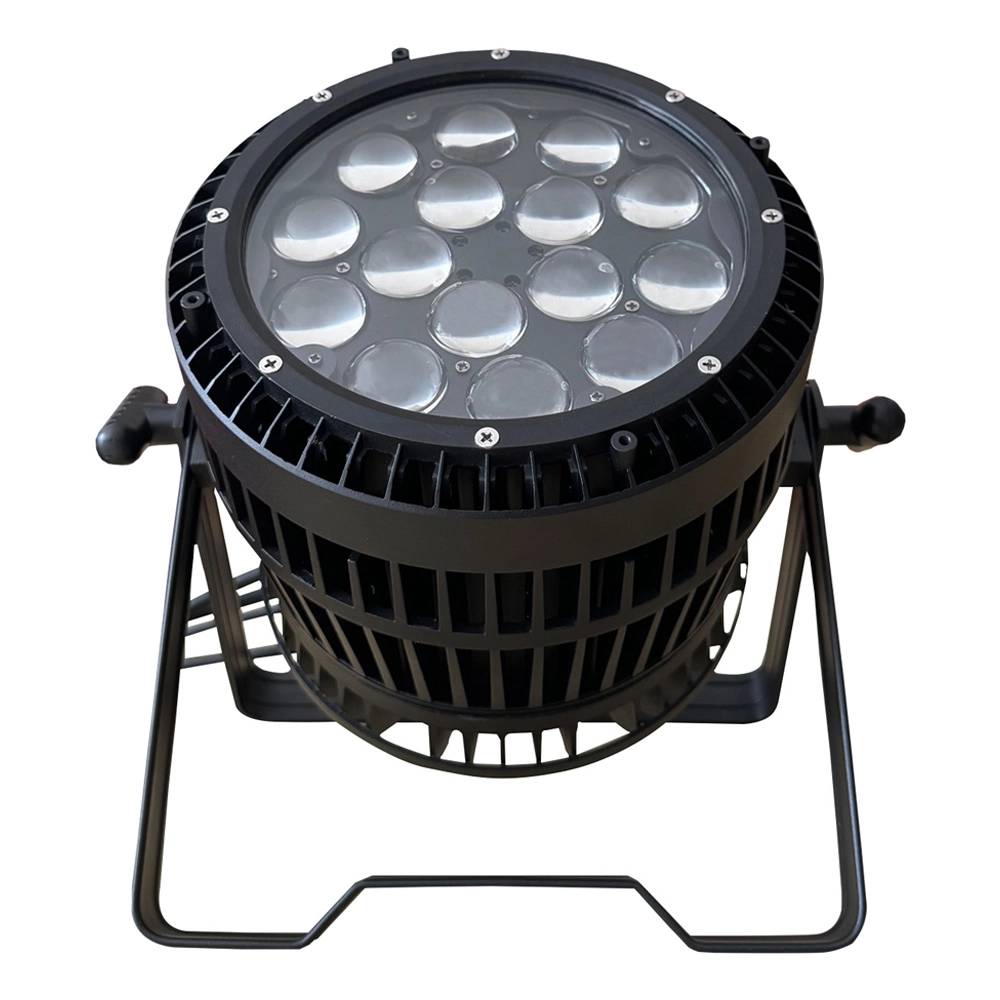
VANRAY LED Par Zoom Wash LP-1515Z 15pcs 15W RGBW Waterproof LED Par Light
Introducing the VANRAY LED Par Zoom Wash LP-1515Z, featuring 15pcs of 15W RGBW waterproof LEDs. This versatile LED wash light par is perfect for vibrant lighting effects, both indoors and outdoors. The precision of our led par zoom wash ensures an exceptional performance, enhancing any event with vivid color dynamics.
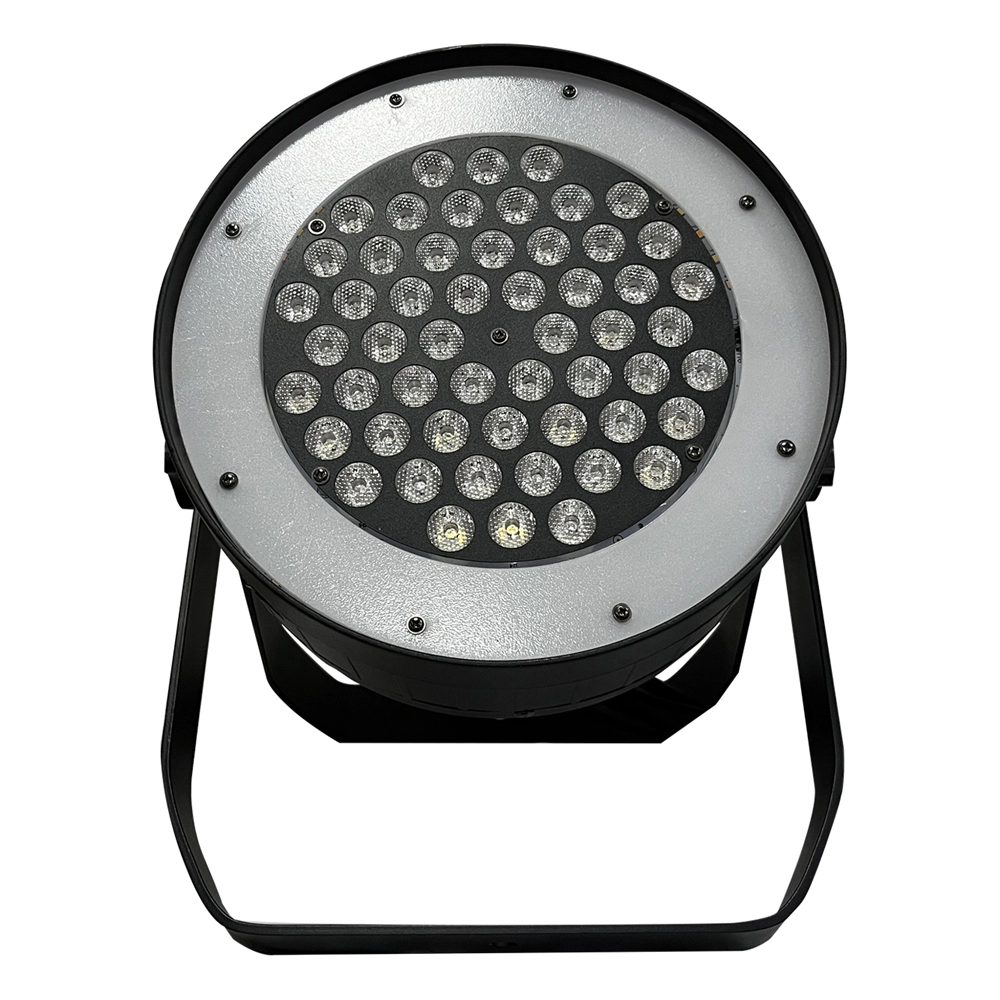
VANRAY Theater LED Par Can Lights LP-350SJL 350W White LED Par Can Lights
Introducing the VANRAY Theater LED Par Can Lights LP-350SJL, featuring an impressive 350W white LED. Ideal for stage lighting, these LED Par Can Lights deliver superior brightness and versatility. Enhance your theater productions with our cutting-edge lighting solutions. Trust Vanray for exceptional performance in LED stage lights.
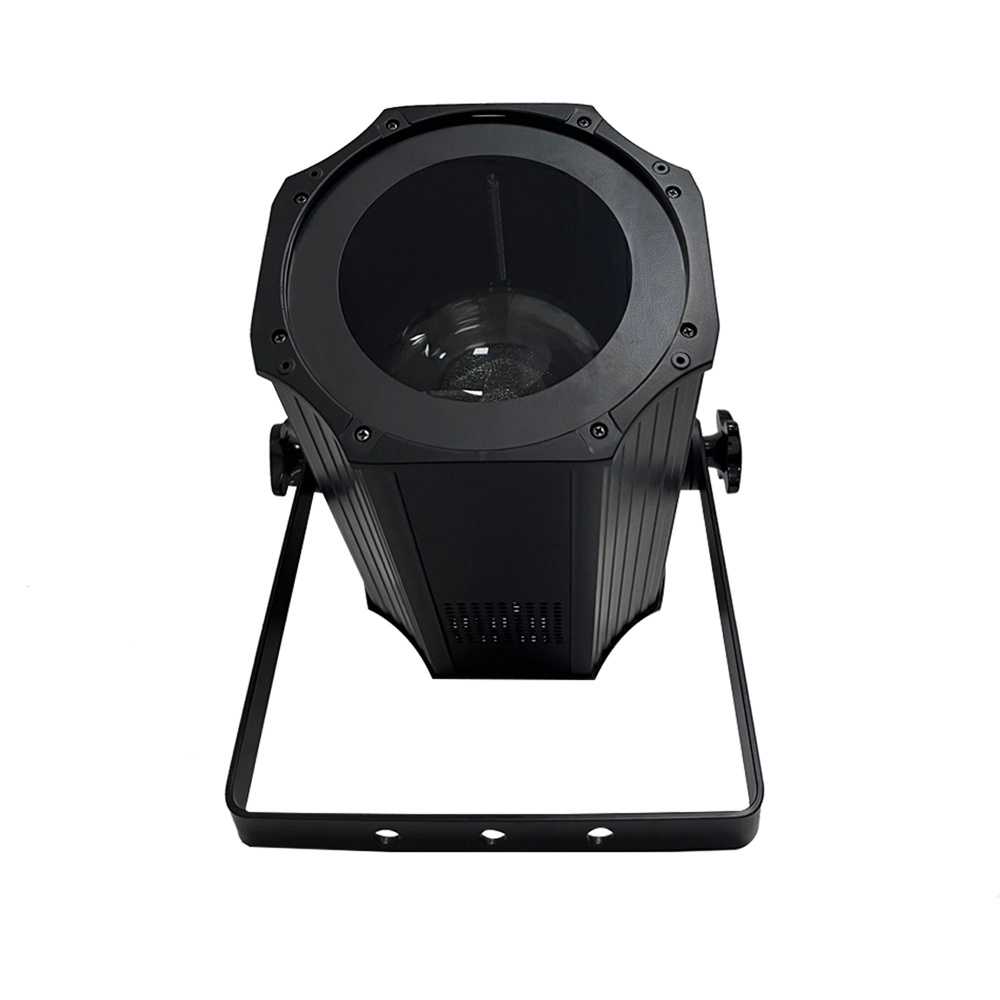
VANRAY LED Par Light Stage LP-200ZC RGBW LED Par Light Suppliers
Introducing the VANRAY LC-200ZC RGBW LED Par Light, a premium solution for vibrant stage lighting. This versatile par LED light ensures dynamic color effects, perfect for events and performances. As leading LED flat-par light suppliers, Vanray guarantees exceptional quality and performance. Illuminate your stage today with Vanray's innovative lighting technology.
As a leading Stage Lighting Manufacturer from China, VANRAY Lighting delivers a comprehensive suite of services including innovative R&D, precision production, and professional integration.
Built on decades of technical expertise, we are defined by our commitment to quality and service perfection. From theaters to grand-scale events, VANRAY is the trusted choice for reliable lighting solutions across the global entertainment and architectural sectors.
Copyright © 2025 VANRAY. All Rights Reserved.

Instagram
YouTube
Facebook