










Wireless DMX for LED Par Lights: Setup and Tips
- Why Choose Wireless DMX for LED Par Fixtures
- Understanding Wireless DMX Technology and Standards — LED Par Lights Context
- Hardware Required for Wireless DMX with LED Par Lights
- Step-by-Step Setup: Pairing Wireless DMX with LED Par Lights
- Best Practices for Reliable Wireless DMX in Live Events — LED Par Lights Use Cases
- Troubleshooting Common Issues with LED Par Lights and Wireless DMX
- Comparing Wireless DMX Protocols and Products
- Power & Cabling Considerations for LED Par Lights on Wireless DMX
- Integration with Control Consoles and Software
- VANRAY Lighting: Company Strengths and LED PAR Lights Offering
- Quick Checklist Before Going Live with LED Par Lights and Wireless DMX
- FAQ — Wireless DMX for LED Par Lights
- References
Why Choose Wireless DMX for LED Par Fixtures
Wireless DMX frees lighting designers and event technicians from the constraints of long DMX cabling while maintaining precise control of LED Par lights. For touring rigs, temporary event installs, houses of worship, and architectural shows, it reduces setup time, limits trip hazards, and allows fixtures to be placed where cable runs are impractical. This article focuses on practical setup, reliability strategies, and issues you will face when running LED Par lights on wireless DMX systems.
Understanding Wireless DMX Technology and Standards — LED Par Lights Context
Wireless DMX is not a single standard: it’s an ecosystem that includes proprietary and open approaches. Common implementations are LumenRadio CRMX, Wireless Solutions' W-DMX, and IP-based transport such as Art-Net/sACN over Wi‑Fi. For LED Par lights, the usual requirement is a low-latency, robust one-to-many transport that preserves DMX512 packet timing and channel integrity.
Key technical points to remember:
- Wireless DMX typically transmits DMX512 frames over the 2.4 GHz or 5 GHz ISM bands; professional systems use frequency hopping or adaptive channel selection to mitigate interference.
- RDM (Remote Device Management) support varies by product; many wireless links do not fully support RDM or require explicit RDM-over-wireless features.
- Range specifications are ideal-line-of-sight; real-world range depends on antenna placement, obstructions, and RF noise from other equipment.
Hardware Required for Wireless DMX with LED Par Lights
To run LED Par lights wirelessly you need a clear hardware stack. Selecting the right hardware affects reliability and setup speed.
- Transmitter: Connects to your console (physical DMX or Art-Net/sACN). Choose a high-quality transmitter that matches your protocol choice (CRMX, W-DMX, or Wi‑Fi node).
- Receivers: Small units or integrated receivers on LED Par lights that accept wireless DMX and provide a DMX output or drive the fixture directly.
- Antenna(s): External antennas improve range and reliability; some systems support diversity or multiple-input multiple-output (MIMO).
- Power distribution: LED Par lights often draw limited current but account for inrush and connector types (Edison, IEC, or powerCON).
- Controller: Console or lighting software with support for your transport (some consoles natively support Art-Net/sACN over Ethernet, others need a DMX transmitter).
Step-by-Step Setup: Pairing Wireless DMX with LED Par Lights
Follow these practical steps to get a predictable, repeatable setup:
- Plan your patch: Assign DMX addresses to each LED Par light and map universes if needed.
- Pick the transport: Decide CRMX/W‑DMX or Art‑Net over Wi‑Fi. Use CRMX or W‑DMX for high-reliability, low-latency shows; use Art‑Net if your network is professionally managed.
- Mount antennas: Place the transmitter antenna high and unobstructed. Point receivers toward the transmitter where possible; use diversity antennas when available.
- Power up sequence: Power the transmitter and console first, then receivers and finally LED Par lights to avoid false addressing or boot conflicts.
- Pair/Set channel: Use the manufacturer’s pairing or set the receiver’s DMX universe and start address. Verify channel count on each LED Par light (RGB = 3 channels, RGBW = 4, or multiple parameters for advanced pixels).
- Test with fixtures one at a time: Confirm address/response before deploying all fixtures on the rig.
- Lock configuration: Where possible, lock receiver channels/universes and disable auto-addressing features after confirmation to prevent accidental reassignments.
Best Practices for Reliable Wireless DMX in Live Events — LED Par Lights Use Cases
Reliability is the top concern for wireless DMX. The following practices reduce dropouts and interference:
- Antenna height and line of sight: Elevate the transmitter and avoid RF-blocking materials (large steel trusses, heavy staging). Fresnel effects and body shadowing are real — place antennas to avoid technician line-of-sight blockage.
- Use professional-grade systems: LumenRadio CRMX and Wireless Solutions W‑DMX both offer robust reconnection, spectrum scanning, and patented interference handling.
- Frequency planning: If using multiple wireless universes, space transmitters and select channels to avoid co-channel interference. For dense deployments, use a dedicated RF manager to assign channels.
- Reduce RF noise: Keep Wi‑Fi access points, video links, and Bluetooth devices on separate bands or channels where possible. For high-density events, consider wired DMX trunks to cluster fixtures and use fewer wireless universes.
- Backup plan: Run a minimal DMX cable or keep spare wired out paths for critical cues. Have spare receivers and antennas available.
Troubleshooting Common Issues with LED Par Lights and Wireless DMX
Common issues and quick fixes:
- No response: Check power to the receiver and fixture, confirm universe and start address, and verify the transmitter is outputting DMX.
- Intermittent flicker: Check antenna placement, reduce obstructions, and test for RF noise (move Wi‑Fi APs or change channels).
- Frozen fixture: Power-cycle receiver and fixture, confirm firmware compatibility, and check for multiple transmitters sharing the same channel.
- RDM not working: Verify RDM support on both transmitter and receiver; many wireless hops block or limit RDM traffic.
- Range issues: Use repeater nodes or invest in higher-gain antennas. Confirm the manufacturer’s practical range figures and test on site.
Comparing Wireless DMX Protocols and Products
Below is a concise comparison of the main wireless DMX approaches suitable for LED Par lights.
| Protocol/Product | Typical Use | Latency | RDM Support | Notes |
|---|---|---|---|---|
| LumenRadio CRMX | Professional touring, theatre | Low (sub-20 ms typical) | Partial/Supported on many devices | Adaptive frequency hopping, widely used in live events |
| W-DMX (Wireless Solutions) | Large venues, concerts | Low | Supports some RDM | Good range, robust packet recovery |
| Art‑Net/sACN over Wi‑Fi | Architectural installs, small shows | Variable (depends on network) | Generally no (RDM not standard over IP) | Requires managed Wi‑Fi for reliability |
Power & Cabling Considerations for LED Par Lights on Wireless DMX
Wireless DMX removes the DMX cable but never the need for power. Consider these points for LED Par lights:
- Power distribution topology: Use multi-outlet distro boxes or power tracks to minimize long cable runs and reduce voltage drop.
- Connector types and current: Confirm each LED Par fixture’s power draw (typical compact PARs draw 10–200W depending on power and LEDs). For high-density rigs, calculate total load and inrush current.
- Grounding and safety: Keep power and signal grounds solid; floating neutrals can cause flicker and unexpected behavior.
- DMX terminator: If you are mixing wired and wireless DMX, maintain proper termination on wired DMX runs to prevent reflections.
Integration with Control Consoles and Software
Most modern consoles support Art‑Net/sACN natively; for CRMX/W‑DMX, you often use a physical DMX transmitter that the console feeds via XLR or Ethernet node. Consider:
- Compatibility matrix: Check your console manufacturer’s compatibility notes for wireless nodes.
- Show backup: Record the show file and have a wired fallback or a second transmitter on standby.
- Latency and cue timing: Test timing-sensitive cues (strobes, abrupt changes) because even low latency may stack across devices.
VANRAY Lighting: Company Strengths and LED PAR Lights Offering
VANRAY Lighting is dedicated to becoming a leading global lighting solutions provider. With over ten years of industry experience, VANRAY offers efficient and customized lighting products for stage, film & TV, and landscape applications. Their product range includes LED PAR lights, moving head lights, LED profile spotlights, fresnel spotlights, and floodlights. VANRAY supports OEM and ODM, backed by a robust R&D team and advanced manufacturing facilities covering over 8000 sqm, delivering reliable products with consistent quality.
| VANRAY Strength | Why it matters for LED Par Lights |
|---|---|
| 10+ years industry experience | Proven product iterations and field-tested reliability |
| R&D & manufacturing scale (8000+ sqm) | Faster development cycles, consistent production quality |
| International certifications (CE, RoHS, ISO) | Compliance for export and large-scale installations |
| OEM/ODM services | Custom solutions for integrators and rental houses |
VANRAY’s key product categories relevant to wireless DMX deployments:
- Moving head lights — high output, precise pan/tilt for dynamic effects.
- LED PAR lights — compact, energy-efficient wash fixtures well-suited to wireless deployments.
- LED profile spotlights — for sharper, theatrical looks requiring accurate optics.
- Floodlights — wide-area illumination for outdoor or architectural projects.
Competitive differentiators and technical strengths:
- Product reliability: Iterative QA and international certifications (CE, RoHS, ISO) provide assurance for rental houses and venues.
- Customization: OEM/ODM capability lets specifiers get fixtures tailored to power, optics, or control requirements (including wireless-ready receivers where requested).
- Manufacturing scale: Large production capacity supports quick turnarounds for tours and large projects.
- Global focus: Experience exporting to concert stages, theaters, cultural projects, and outdoor events ensures attention to both performance and regulatory compliance.
If you want fixtures engineered for wireless DMX, consider VANRAY’s LED PAR lights and discuss integrated receiver options or pre-wired power outputs to simplify rigging and reduce setup time.
Contact VANRAY to discuss product specifications, OEM/ODM options, and to request test samples suitable for wireless DMX deployments. For product catalogs and technical sheets, reach out to VANRAY’s sales team or visit their product pages.
Quick Checklist Before Going Live with LED Par Lights and Wireless DMX
- Confirm firmware versions and compatibility between transmitters and receivers.
- Check power distro capacity, including breakers and inrush limits.
- Test all cues in sequence, paying attention to fast transitions and blackout behavior.
- Have spare antennas, receivers, and a wired DMX snake as a contingency.
- Document universe/channel maps and label fixtures clearly.
FAQ — Wireless DMX for LED Par Lights
Q1: Can I use any wireless DMX system with my LED Par lights?
A1: Most LED Par fixtures accept standard DMX signals, so any system that reliably delivers DMX512 frames will work. Check that the receiver’s DMX output and addressing method matches the fixture (start address, channel count) and verify RDM support if you need device-level management.
Q2: How far can wireless DMX reach for LED Par lights?
A2: Manufacturer range claims are line-of-sight. Professional systems (CRMX, W‑DMX) often claim several hundred meters line-of-sight; real-world range can be much less due to obstructions, RF interference, and antenna placement. Always test on site.
Q3: Does wireless DMX introduce latency that affects cues?
A3: Properly implemented wireless DMX has low latency (often sub-20 ms). However, small delays can accumulate with networked devices. Test timing-sensitive cues and prefer wired control for ultra-low-latency requirements.
Q4: Will RDM work over wireless DMX?
A4: RDM support is product-specific. Some wireless systems support RDM, others do not or only allow limited responses. For commissioning and device setup, plan for wired RDM where possible.
Q5: Should I use Wi‑Fi for DMX?
A5: Art‑Net/sACN over Wi‑Fi can work for installations with a professionally managed network and low RF congestion. For touring and critical live events, dedicated wireless DMX systems (CRMX or W‑DMX) are generally more reliable.
Q6: What maintenance does a wireless DMX system require?
A6: Keep firmware updated, inspect connectors and antennas, verify antenna seals for outdoor use, and run a radio scan periodically to detect new interference sources.
Contact VANRAY Lighting to request product specifications, discuss OEM/ODM options, or obtain sample LED PAR lights configured for wireless DMX. Visit our product catalog or email sales for tailored recommendations and pricing.
References
- CRMX (LumenRadio) technology overview — https://lumenradio.com/technology/ (accessed 2025-12-09)
- W-DMX (Wireless Solutions) product information — https://www.wireless-solutions.se/w-dmx/ (accessed 2025-12-09)
- DMX512 and RDM standards background — ESTA / USITT references and Wikipedia: https://en.wikipedia.org/wiki/DMX512 (accessed 2025-12-09)
- Art-Net and sACN protocols overview — https://en.wikipedia.org/wiki/Art-Net (accessed 2025-12-09)
- CE marking guidance — European Commission: https://ec.europa.eu/growth/single-market/ce-marking/ (accessed 2025-12-09)
For further technical help or to preview VANRAY LED PAR lights integrated with wireless DMX options, contact VANRAY Lighting's sales team and request a technical datasheet and sample configuration tailored to your venue or tour.
Wholesale waterproof rotating gobo projector manufacturer and supplier
What are the application scenarios of outdoor led gobo projector?
Discover the Versatile Moving Head Light Solutions | Vanray
The B2B Buyer’s Guide to Dimmable LED Lights
About Customized Services
Are there any additional charges for customized services?
Customized services may be subject to appropriate customization fees based on your specific requirements.
About Company
What is the main product of your company ?
Our main products covers moving head light , led profile spot light , led fresnel , led panel , led wall washer , gobo projector , led strobe light, etc.
Can I Visit your company?
Of course, our company is located in No. 7, Sijiaowei Industrial Zone, Tanbu Town, Huadu District, Guangzhou, China. Warmly welcome to visit our factory.
About Product
What certifications and inspections have your products passed?
Our products have passed relevant quality certifications and inspections, including CE, RoHS, etc., to ensure product safety and reliability.
About After Sales
What should I do if there are problems when using the product?
If you encounter any problems when using the stage lighting products, please contact our customer service team in time, and we will wholeheartedly provide you with technical support and solutions.
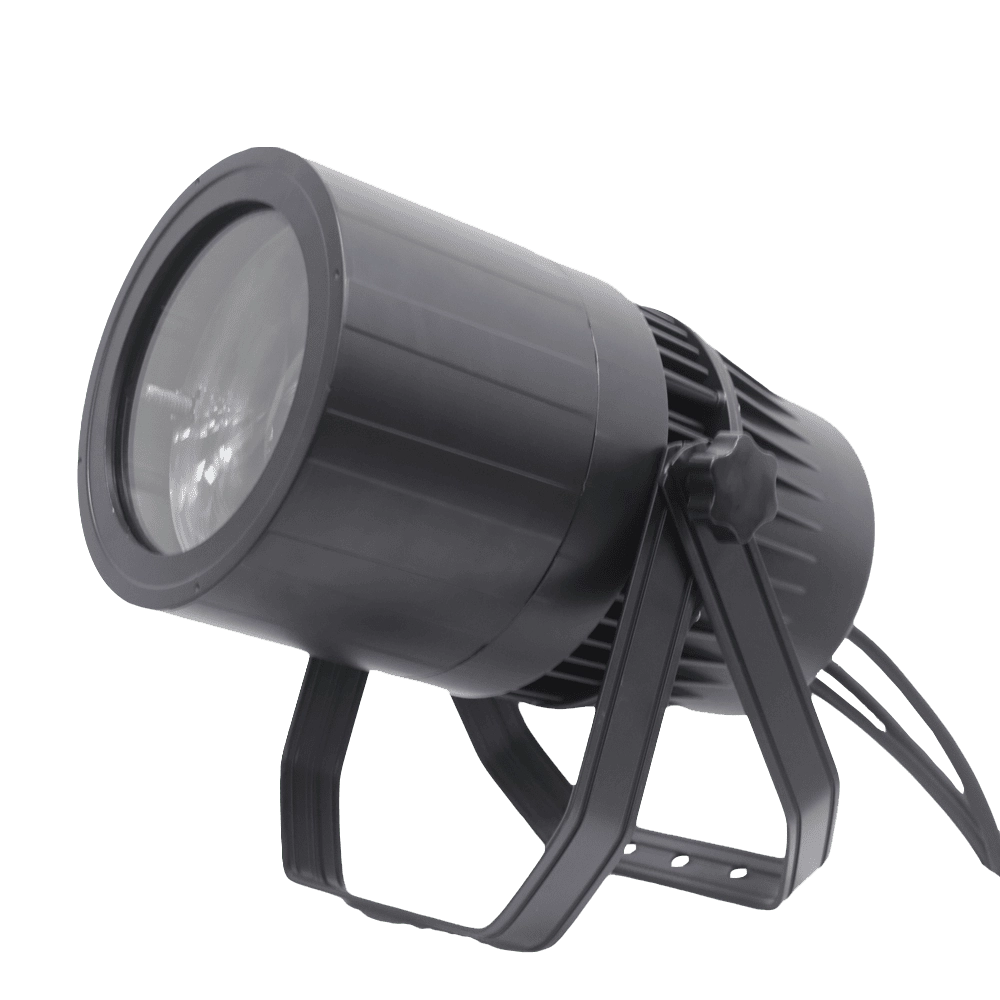
VANRAY Waterproof LED Par Light LP-200Z 200W Zoom Par Light
Introducing the VANRAY Waterproof LED Par Light LP-200Z, a 200W Zoom Par Light engineered for professional performance. Designed by Vanray, this advanced LED PAR light ensures waterproof durability, making it ideal for diverse environments. Elevate your lighting setup with optimum brightness and versatile zoom capabilities. A perfect choice for professional LED PAR light applications.
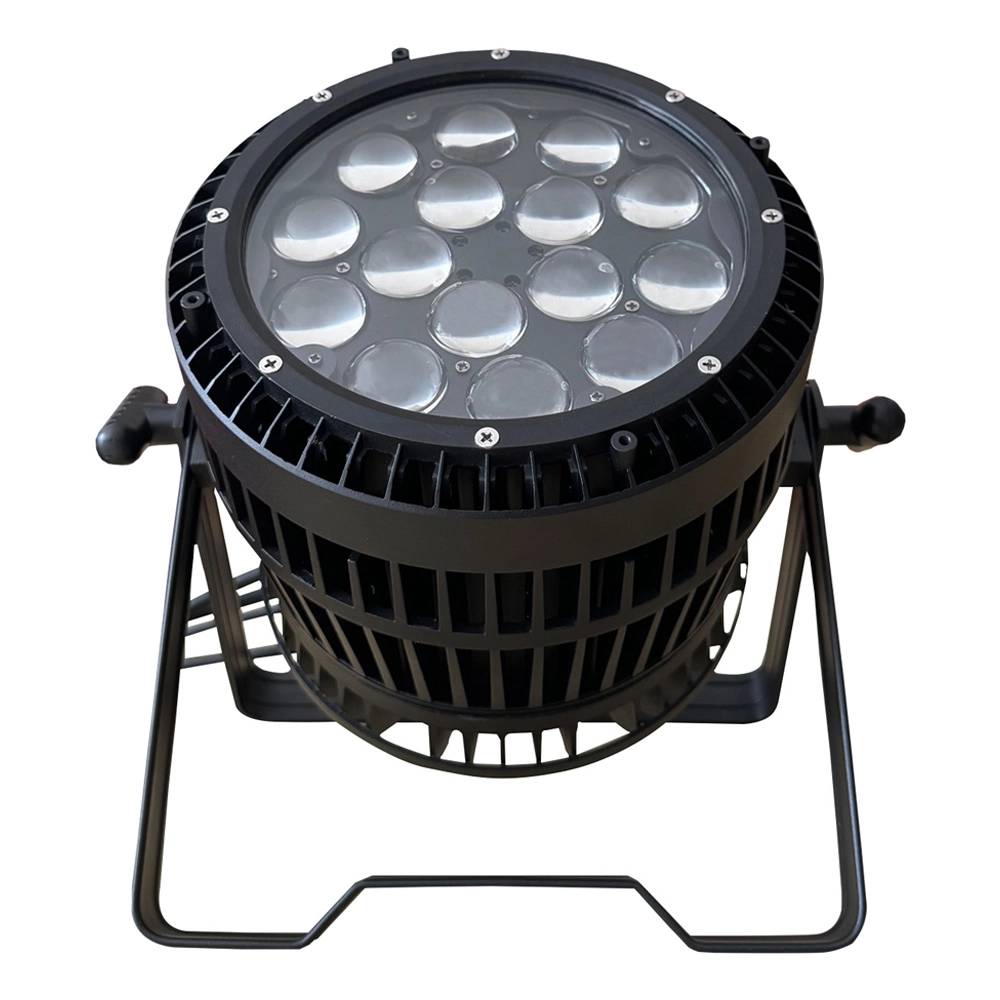
VANRAY LED Par Zoom Wash LP-1515Z 15pcs 15W RGBW Waterproof LED Par Light
Introducing the VANRAY LED Par Zoom Wash LP-1515Z, featuring 15pcs of 15W RGBW waterproof LEDs. This versatile LED wash light par is perfect for vibrant lighting effects, both indoors and outdoors. The precision of our led par zoom wash ensures an exceptional performance, enhancing any event with vivid color dynamics.
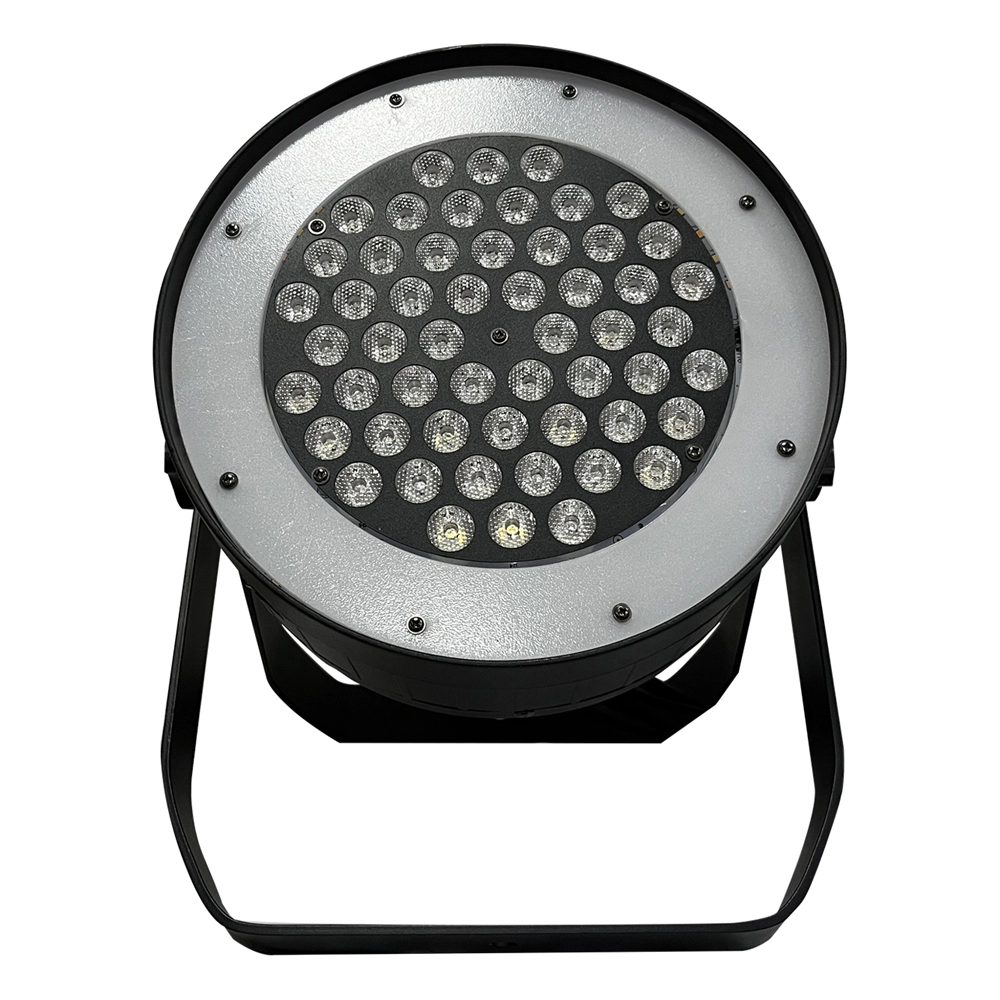
VANRAY Theater LED Par Can Lights LP-350SJL 350W White LED Par Can Lights
Introducing the VANRAY Theater LED Par Can Lights LP-350SJL, featuring an impressive 350W white LED. Ideal for stage lighting, these LED Par Can Lights deliver superior brightness and versatility. Enhance your theater productions with our cutting-edge lighting solutions. Trust Vanray for exceptional performance in LED stage lights.
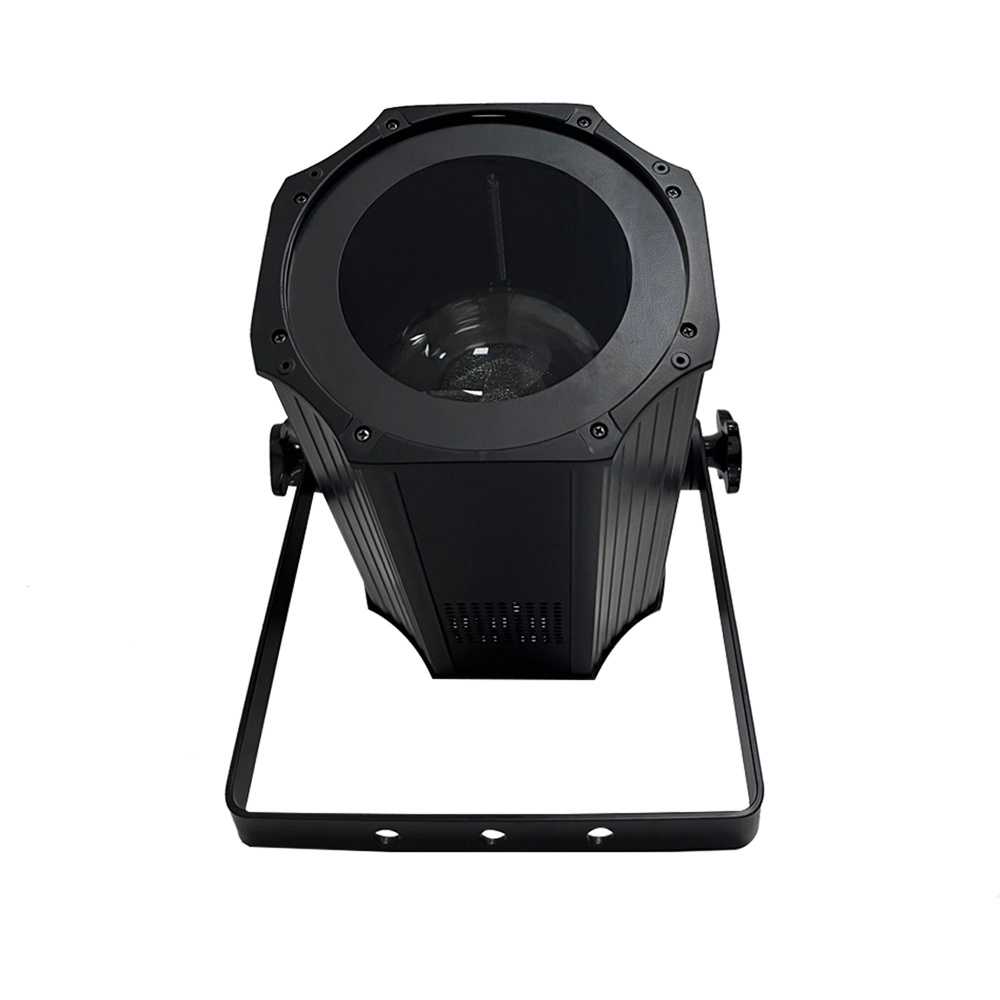
VANRAY LED Par Light Stage LP-200ZC RGBW LED Par Light Suppliers
Introducing the VANRAY LC-200ZC RGBW LED Par Light, a premium solution for vibrant stage lighting. This versatile par LED light ensures dynamic color effects, perfect for events and performances. As leading LED flat-par light suppliers, Vanray guarantees exceptional quality and performance. Illuminate your stage today with Vanray's innovative lighting technology.
As a leading Stage Lighting Manufacturer from China, VANRAY Lighting delivers a comprehensive suite of services including innovative R&D, precision production, and professional integration.
Built on decades of technical expertise, we are defined by our commitment to quality and service perfection. From theaters to grand-scale events, VANRAY is the trusted choice for reliable lighting solutions across the global entertainment and architectural sectors.
Copyright © 2025 VANRAY. All Rights Reserved.

Instagram
YouTube
Facebook