










How to Mount and Rig LED Par Lights Safely
- Professional Guide to Rigging LED Par Lights Safely
- Why safe mounting of LED Par Lights matters for events and venues
- Planning the rig: load, position and purpose for LED Par lights
- Basic load calculation (example) — include LED Par Lights in your totals
- Choosing the right rigging hardware for LED Par Lights
- Clamp types and recommended uses for LED Par Lights
- Safety cables, redundancy and the rule of two
- Choosing safety cables and connectors
- Power, DMX and data routing for LED Par Lights
- Power distribution best practices
- Control signal integrity (DMX, RDM, Art-Net)
- Environmental and thermal considerations for LED Par Lights
- Inspection, documentation and maintenance routines for LED Par Lights
- Inspection checklist (quick)
- Common mistakes when mounting LED Par Lights and how to avoid them
- VANRAY Lighting: specialized LED Par Lights and rigging support
- Example: step-by-step procedure to mount an LED Par Light to a truss
- Regulations, standards and further learning for LED Par Lights rigging
- FAQ — Frequently Asked Questions about mounting and rigging LED Par Lights
- 1. What safety factor should I use when rigging LED Par lights?
- 2. Do LED Par lights need a safety cable if the clamp is tightened?
- 3. How should I manage DMX cabling for long runs of LED Par lights?
- 4. Can I fly LED Par lights over an audience?
- 5. How often should rigging hardware and LED Par lights be inspected?
- 6. What IP rating do I need for outdoor LED Par lighting?
- Contact and product consultation
- References and authoritative resources
Professional Guide to Rigging LED Par Lights Safely
Why safe mounting of LED Par Lights matters for events and venues
LED Par lights are ubiquitous in concerts, theatres, corporate events and architectural lighting because they are compact, energy-efficient and versatile. However, an improperly mounted or rigged fixture creates safety hazards for performers, crew and audience, as well as risks to equipment and show continuity. This guide focuses on practical, verifiable procedures and principles to mount and rig LED Par lights safely—covering mechanical attachments, electrical distribution, DMX control, environmental protection and inspection best practices—so production managers and technicians can make correct decisions on the job.
Planning the rig: load, position and purpose for LED Par lights
Start by defining the lighting objectives (wash, backlight, uplight, color effects) and determine the number and location of LED Par lights required. Translate that into a rigging plan that lists each fixture, its weight, mounting point, power needs and control addresses.
Key steps:
- List fixture weights and accessories (mounting brackets, safety cables, color frames). Use manufacturer data sheets for exact weights.
- Map truss points or grid locations and calculate cumulative point loads. Avoid clustering more weight than a truss node or motor can safely bear.
- Decide on aiming and spacing to avoid excessive overlap or coverage gaps—LED Par spacing typically depends on lens angle and throw distance (consult manufacturer photometrics).
Basic load calculation (example) — include LED Par Lights in your totals
Example: 12 LED Par fixtures, each 3.5 kg, mounted on a single truss span with two half couplers per fixture and a safety cable. Total static load = 12 × 3.5 kg = 42 kg. Add hardware weight (estimate 1.5 kg per fixture) → 12 × 1.5 = 18 kg. Total = 60 kg. Compare to truss node allowable load and hoist WLL (working load limit). Always use the equipment manufacturer's WLL and apply the recommended safety factor.
Note: This is an illustrative calculation—always verify weights on the actual fixture and hardware datasheets and follow the venue/truss documentation.
Choosing the right rigging hardware for LED Par Lights
Hardware choice determines mechanical safety. Typical components used for mounting LED Par lights include half couplers, omega brackets, safety cables, clamp bolts, truss spinning locks and load-rated carabiners or shackles.
Clamp types and recommended uses for LED Par Lights
Below is a comparison of common clamp types encountered in stage rigging:
| Clamp Type | Typical Rated WLL (manufacturer dependent) | Best Use | Notes |
|---|---|---|---|
| Half coupler (C-clamp) | Check manufacturer; often 500–2000 kg range | Secure fixture to truss; most common | Torque to specified value; use safety bolt where required |
| O-clamp / Omega bracket | Varies; often similar to half couplers | When fixture has a dedicated bracket or yoke | Use correct bolt size and grade |
| Hook clamp / J-hook | Lower securement; often used for quick hangs | Temporary or lightweight fixtures | Always pair with a safety cable; not recommended as sole attachment |
| Shackle / Carabiner (load-rated) | Designed WLL stamped on hardware | Connecting safety cables or link points | Use only certified, load-rated ones (avoid climbing carabiners if not rated for rigging) |
Important: values in the table vary by manufacturer; always read the stamped load ratings and technical sheets of the specific product. Never assume a generic capacity—verify.
Safety cables, redundancy and the rule of two
Best practice in entertainment rigging is to provide redundancy for any suspended load. For LED Par lights this means at minimum:
- A primary load-bearing clamp or bolted yoke attachment.
- An independent secondary safety cable (rated for the device load) secured to the truss or structure.
Safety cables should be rated for the fixture weight and attached in such a way that if the primary mount fails, the fall distance is minimized. When fixtures are clustered or flown above audience areas, consider higher redundancy or distributed rigging points and follow venue / local regulations.
Choosing safety cables and connectors
Select safety cables that are purpose-built (steel sling cable assemblies with rated shackles) and inspect them before use. Avoid improvised tethering materials. Use positive-locking connectors (e.g., M10/M12 shackles with safety pins). Always match connector WLL to or above the load.
Power, DMX and data routing for LED Par Lights
Electrical and control reliability is as important as mechanical safety. When planning electrical distribution for LED Par lights, consider power availability, cable runs, dimmer racks or LED drivers, and DMX/Art-Net address management.
Power distribution best practices
- Verify fixture voltage range (typically 100–240VAC for touring LEDs) and power draw per fixture from the data sheet.
- Balance loads across phases to avoid overloading a single supply.
- Use stage-rated power cables and connectors—IP-rated or weatherproof connectors where needed for outdoor use.
- Protect circuits with appropriate breakers and label runs clearly at distro panels.
Control signal integrity (DMX, RDM, Art-Net)
Use proper DMX termination and cable topology (daisy-chain with terminator at the last fixture) to avoid data errors. For large rigs consider Art-Net over Ethernet with proper network segmentation. Keep DMX and power cables separate where possible to reduce electrical interference.
Environmental and thermal considerations for LED Par Lights
While LEDs generate less heat than legacy lamps, they still produce heat that must be managed. Heat accumulation in an enclosed fixture or inadequate ventilation under hot lights can shorten LED life or cause thermal cutouts.
- Allow ventilation space around the fixture; avoid bundling fixtures tightly without manufacturer guidance.
- For outdoor use, check IP ratings (IP65 etc.) and ensure connectors and fixtures meet the expected environmental exposure.
- During prolonged shows, monitor fixtures for overheating and follow duty cycle recommendations.
Inspection, documentation and maintenance routines for LED Par Lights
Regular inspection and maintenance are essential. Implement a documented routine:
- Pre-rig check: inspect clamps, bolts, safety cables, connectors and fixture housings for damage.
- Post-installation test: physically check each fixture by gently loading and ensuring clamp bolts are torqued; verify DMX and power functionality.
- Periodic inspection: log inspections with dates and the inspector’s name; replace worn parts immediately.
Inspection checklist (quick)
- Fixture ID and weight verified against datasheet
- Primary clamp installed and torque-checked
- Secondary safety cable attached and certified
- Power and DMX cables secure, strain-relieved and labeled
- Visual check for corrosion, cracks or deformation on hardware
Common mistakes when mounting LED Par Lights and how to avoid them
Learn from typical failures:
- Using non-rated clamps or connectors: Always use rated rigging hardware.
- Insufficient safety cable use: A safety cable should never be optional when rigging overhead.
- Overloading truss points: Do the math—don’t rely on guesswork.
- Poor cable management: Strain on power or DMX connectors can disconnect runs mid-show.
- Lack of documentation and inspection records: Without records you can’t prove compliance or track wear.
VANRAY Lighting: specialized LED Par Lights and rigging support
VANRAY Lighting is dedicated to becoming a leading global lighting solutions provider. With over ten years of industry experience, we offer efficient and customized lighting products for stage, film, television, and landscape. Our product portfolio includes LED PAR lights, moving head lights, LED profile spotlights, fresnel spotlights and floodlights, and we support OEM and ODM services.
Key VANRAY advantages relevant to mounting and rigging LED Par lights:
- Robust R&D team and manufacturing facilities across 8000+ sqm, ensuring consistent product quality and availability.
- Products designed with reliable mounting interfaces and clear datasheets for weight and power—making rigging calculations simpler and safer.
- International certifications including CE, RoHS and ISO, reflecting compliance with recognized quality and safety standards.
- References in concert stages, theatres, cultural projects and outdoor events where performance and durability matter.
VANRAY’s product strengths—moving head lights, LED PAR lights, LED profile spotlights and floodlights—combine technical performance with practical mounting features that support safer rigging and easier integration into professional systems.
Example: step-by-step procedure to mount an LED Par Light to a truss
- Read the fixture datasheet and verify weight and mounting points.
- Select a half coupler rated above the fixture WLL and the correct bolt size.
- Attach the clamp to the truss and torque to manufacturer spec. If using a safety bolt, insert and tighten as specified.
- Secure the fixture yoke to the clamp; ensure the yoke bolt is threaded fully and locked with a locking nut or safety pin.
- Attach a rated safety cable to the fixture’s dedicated safety point and to the truss; ensure no sharp bends or chafing points.
- Connect power with a stage-rated cable and verify circuit labeling; connect DMX and set the address; secure cables with ties or Velcro for strain relief.
- Visually check alignment and tighten aim knobs; perform a functional test (power on, color scroll, DMX response).
- Log the installation in the rigging sheet with inspector initials and date.
Regulations, standards and further learning for LED Par Lights rigging
Rigging practices may be governed by local building and safety codes as well as industry best practice documents. Useful standards and guidance include:
- Manufacturer equipment datasheets and installation manuals (primary source for weights and mounting instructions).
- National or regional safety authorities (e.g., OSHA guidance on rigging and lifting).
- International standards for enclosure protection (IP codes) and product safety certifications (CE, IEC references).
FAQ — Frequently Asked Questions about mounting and rigging LED Par Lights
1. What safety factor should I use when rigging LED Par lights?
Use the working load limit (WLL) stamped on your hardware as primary guidance and follow the clamp/shackle manufacturer’s recommended safety factor. In practice, event rigging often uses safety factors of 5:1 or higher for temporary rigs—confirm with your venue, equipment manuals and local regulations.
2. Do LED Par lights need a safety cable if the clamp is tightened?
Yes. A safety cable is a mandatory secondary attachment in professional rigging practice. It provides redundancy in the unlikely event of primary clamp failure or slippage.
3. How should I manage DMX cabling for long runs of LED Par lights?
Use quality DMX cable rated for stage use, keep runs daisy-chained, use a terminator at the final fixture, and consider balanced DMX converters or Art-Net for complex networks. Separate power and data where possible to reduce interference.
4. Can I fly LED Par lights over an audience?
Flying fixtures over audience areas increases risk and usually requires additional engineering, higher safety margins and adherence to venue-specific or local regulations. Consult a certified rigging engineer and obtain approvals before flying loads over the audience.
5. How often should rigging hardware and LED Par lights be inspected?
Perform visual inspections before every rig, with more thorough inspections at regular intervals depending on usage (monthly, quarterly). Keep a written log of inspections and replace hardware showing wear or corrosion immediately.
6. What IP rating do I need for outdoor LED Par lighting?
For outdoor use, fixtures and connectors typically should be at least IP65 for weather resistance (dust tight and protected from water jets) depending on exposure. Check the manufacturer’s IP rating for suitability.
Contact and product consultation
If you need assistance selecting LED Par lights or planning a rig for your venue or event, contact VANRAY Lighting for product details, datasheets and OEM/ODM support. Our technical team can provide photometric data, rigging specifications and certification information to help you plan safe, reliable installations. Visit our product pages or request a technical consultation today.
References and authoritative resources
- PAR light — Wikipedia. https://en.wikipedia.org/wiki/PAR_light (Accessed 2025-12-09)
- Occupational Safety and Health Administration (OSHA) — Rigging and material handling guidance. https://www.osha.gov/rigging (Accessed 2025-12-09)
- International Electrotechnical Commission — IP Code and related standards. https://www.iec.ch (Accessed 2025-12-09)
- PLASA (Professional Lighting and Sound Association) — industry resources and guidance. https://www.plasa.org (Accessed 2025-12-09)
- TÜV (Product testing and certification) — information on CE and product safety testing. https://www.tuv.com (Accessed 2025-12-09)
Data and safety practices referenced in this article should be verified against the latest manufacturer documentation and local regulations. When in doubt, consult a certified rigging professional or structural engineer.
Top 5 follow spot light Company List and Products Compared
Vanray Best professional led fresnel manufacturers and supplier brands in China
Color Mixing Techniques with LED Par Lights
What is led par light
About Company
What is the main product of your company ?
Our main products covers moving head light , led profile spot light , led fresnel , led panel , led wall washer , gobo projector , led strobe light, etc.
How long has your company been established?
Our company has been established since 2013.
About Customized Services
What is minimum order quantity requirement for customization services?
No MOQ
About Product
What certifications and inspections have your products passed?
Our products have passed relevant quality certifications and inspections, including CE, RoHS, etc., to ensure product safety and reliability.
About Logistics
How long does logistics delivery take?
Shipping times depend on your location and the shipping method you choose
1. 5-7 days by express
2. 20–25 days by sea shipping.
3. 15 days by air shipping.
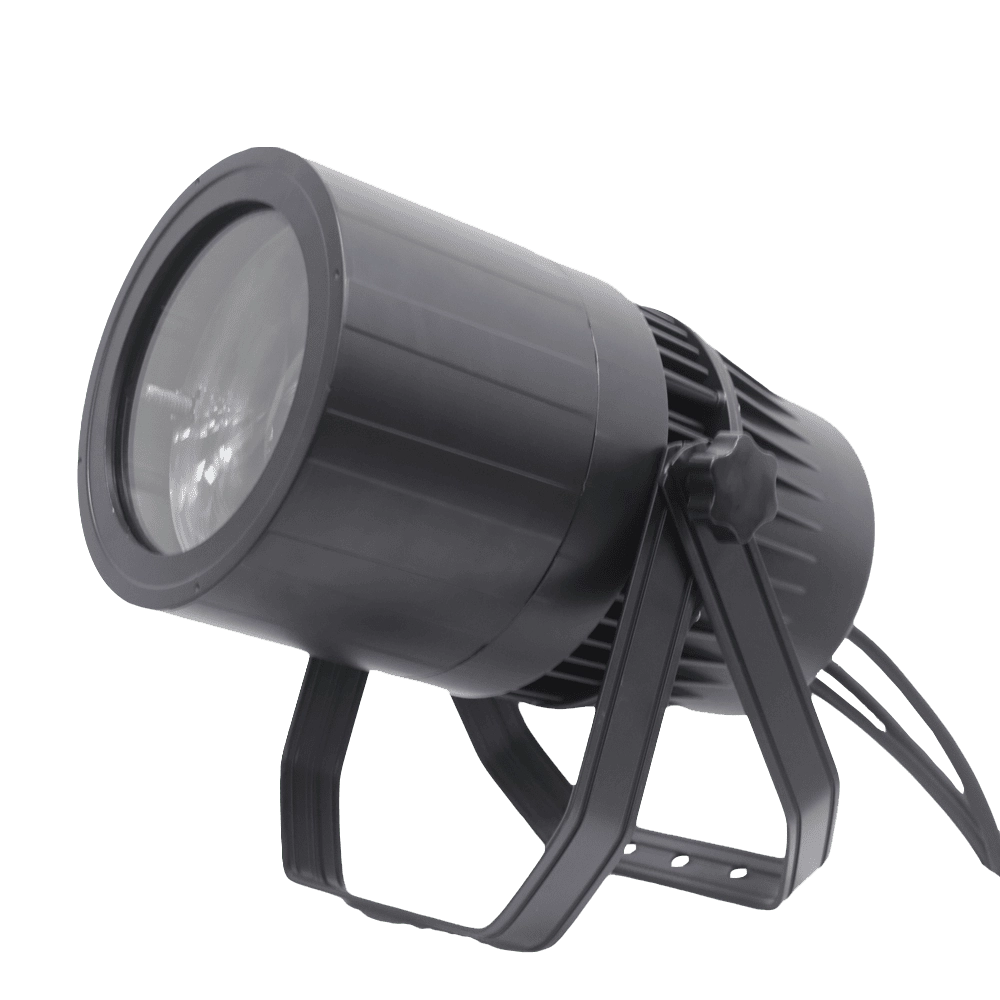
VANRAY Waterproof LED Par Light LP-200Z 200W Zoom Par Light
Introducing the VANRAY Waterproof LED Par Light LP-200Z, a 200W Zoom Par Light engineered for professional performance. Designed by Vanray, this advanced LED PAR light ensures waterproof durability, making it ideal for diverse environments. Elevate your lighting setup with optimum brightness and versatile zoom capabilities. A perfect choice for professional LED PAR light applications.
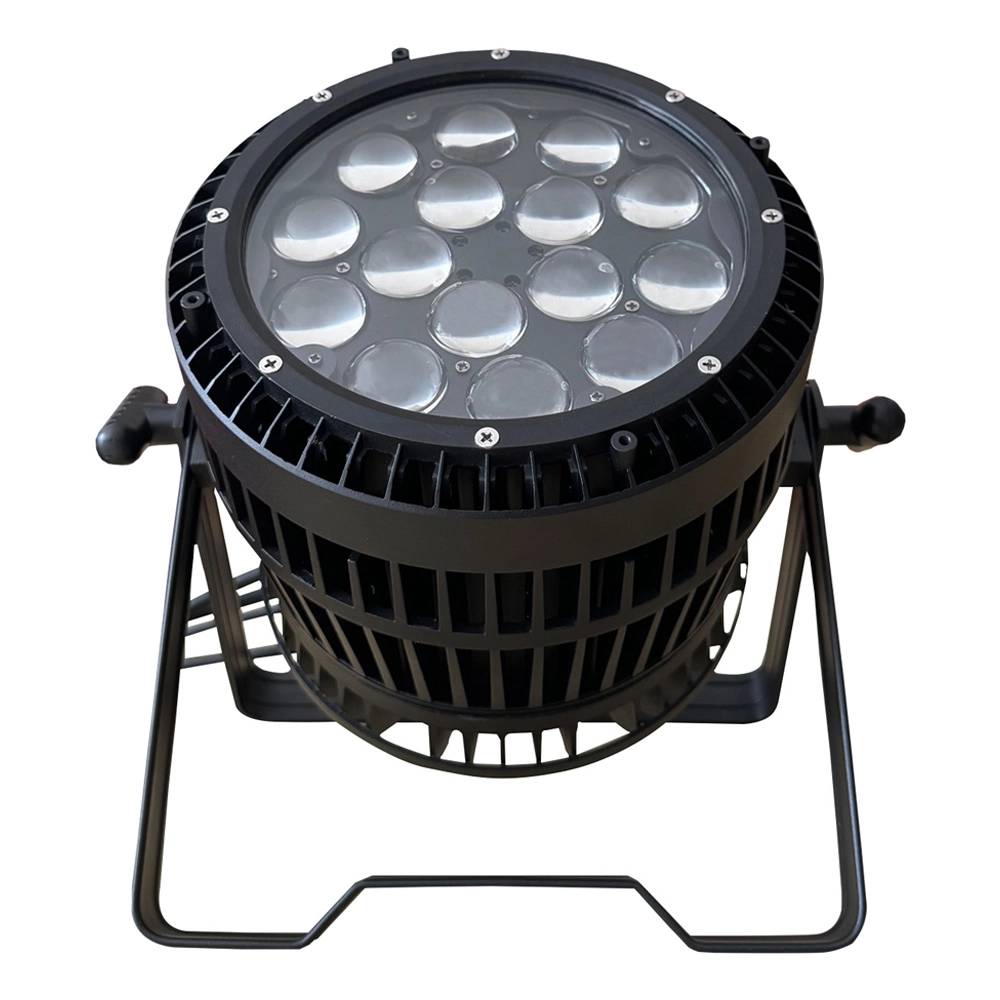
VANRAY LED Par Zoom Wash LP-1515Z 15pcs 15W RGBW Waterproof LED Par Light
Introducing the VANRAY LED Par Zoom Wash LP-1515Z, featuring 15pcs of 15W RGBW waterproof LEDs. This versatile LED wash light par is perfect for vibrant lighting effects, both indoors and outdoors. The precision of our led par zoom wash ensures an exceptional performance, enhancing any event with vivid color dynamics.
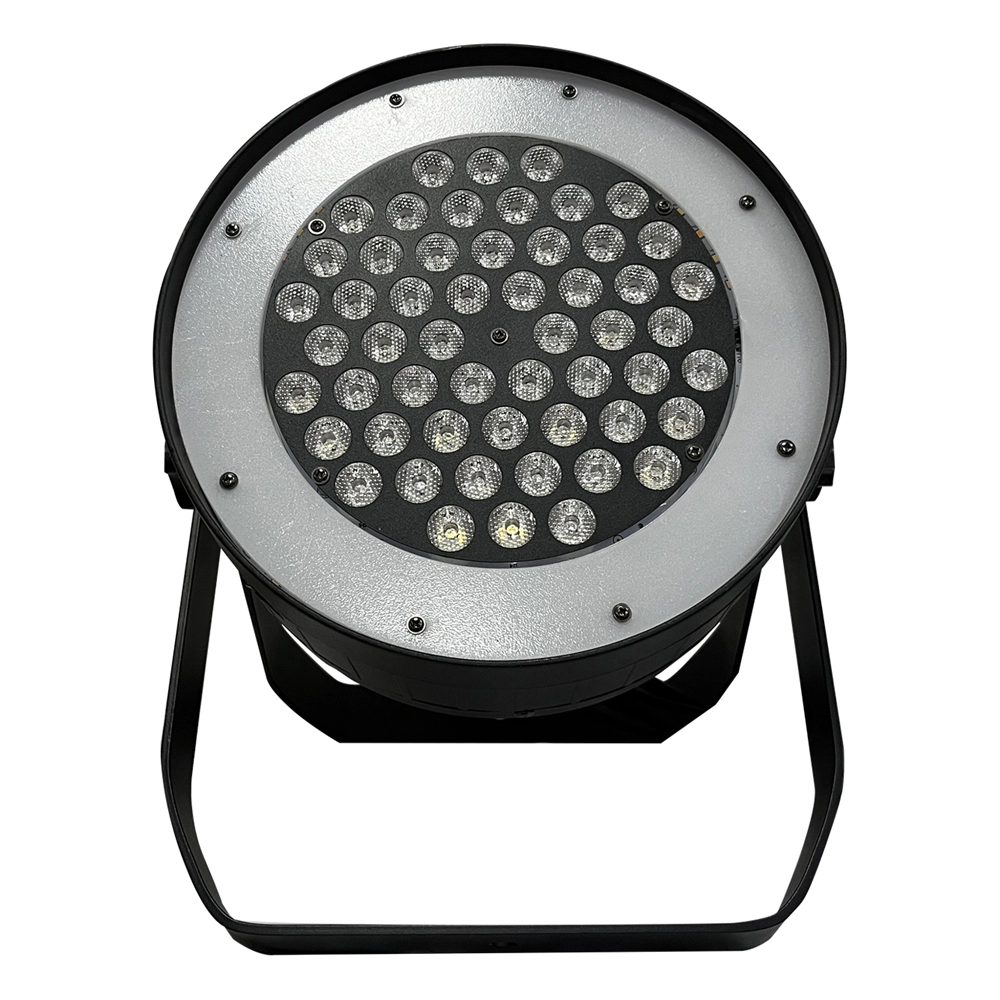
VANRAY Theater LED Par Can Lights LP-350SJL 350W White LED Par Can Lights
Introducing the VANRAY Theater LED Par Can Lights LP-350SJL, featuring an impressive 350W white LED. Ideal for stage lighting, these LED Par Can Lights deliver superior brightness and versatility. Enhance your theater productions with our cutting-edge lighting solutions. Trust Vanray for exceptional performance in LED stage lights.
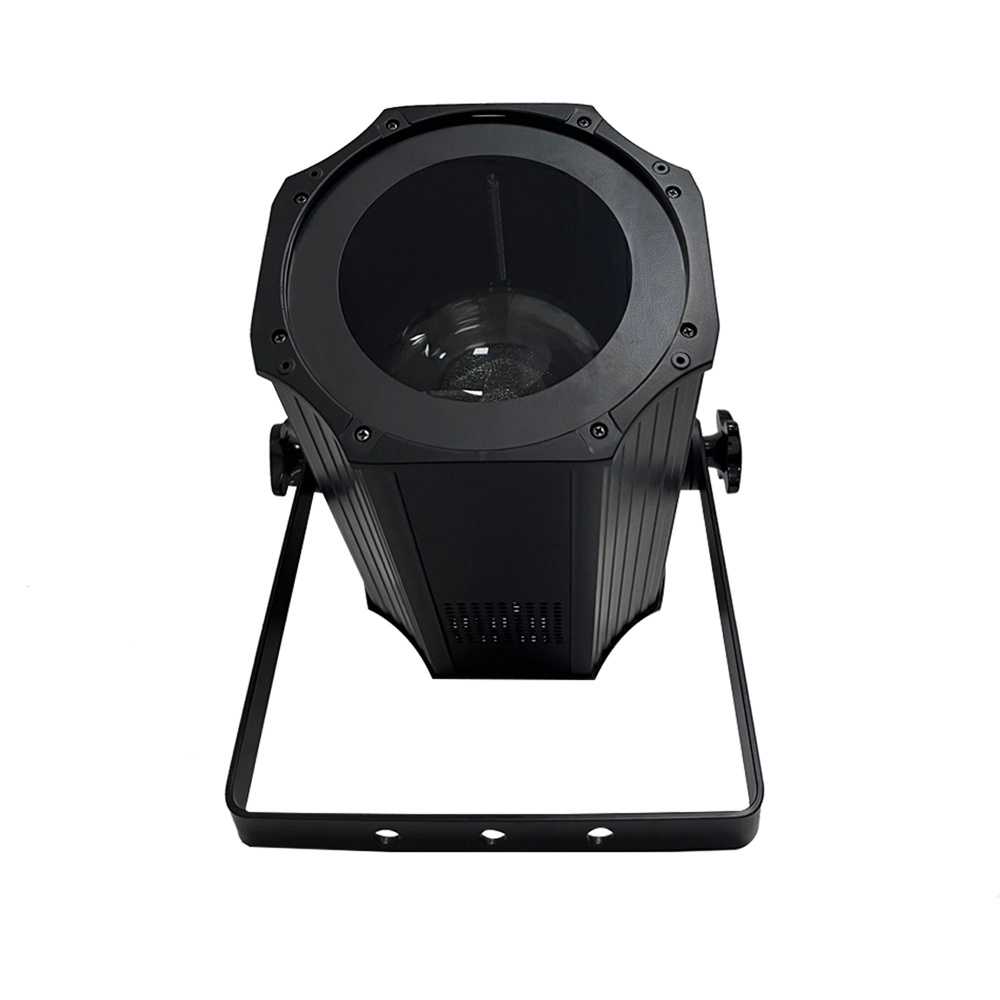
VANRAY LED Par Light Stage LP-200ZC RGBW LED Par Light Suppliers
Introducing the VANRAY LC-200ZC RGBW LED Par Light, a premium solution for vibrant stage lighting. This versatile par LED light ensures dynamic color effects, perfect for events and performances. As leading LED flat-par light suppliers, Vanray guarantees exceptional quality and performance. Illuminate your stage today with Vanray's innovative lighting technology.
As a leading Stage Lighting Manufacturer from China, VANRAY Lighting delivers a comprehensive suite of services including innovative R&D, precision production, and professional integration.
Built on decades of technical expertise, we are defined by our commitment to quality and service perfection. From theaters to grand-scale events, VANRAY is the trusted choice for reliable lighting solutions across the global entertainment and architectural sectors.
Copyright © 2025 VANRAY. All Rights Reserved.

Instagram
YouTube
Facebook