










Color Mixing Techniques with LED Par Lights
- Understanding Color Mixing Principles
- Why additive mixing matters for LED Par Lights
- Comparing LED Par Lights: RGB, RGBW, RGBA and Beyond
- How LED binning and spectrum affect mixing
- Control Strategies for Precise Color with LED Par Lights
- DMX channels and color mixing granularity
- Console workflows: macros, color picker, and CIE coordinates
- White Balance, Color Temperature and Color Rendering for LED Par Lights
- Color temperature (CCT) control modes
- Color rendering metrics: CRI, TLCI, and TM-30
- Practical Setup and Calibration of LED Par Lights
- Step-by-step calibration workflow
- Camera and Flicker Considerations with LED Par Lights
- Best practices to avoid flicker and banding
- Comparing Performance Metrics for Common LED Par Lights
- Advanced Techniques: Color Crossfading and Layered Mixing
- VANRAY Lighting: Solutions and Competitive Advantages
- Why choose VANRAY LED Par Lights for color mixing
- VANRAY product highlights and technical strengths
- Practical Recommendations and Quick Checks Before a Show
- FAQ (Frequently Asked Questions)
- 1. What is the best LED Par Lights type for film and TV?
- 2. How do I prevent color mismatches across multiple LED Par Lights?
- 3. Is RGB enough for theatrical skin tones and soft whites?
- 4. What dimming curve should I use for smooth color fades?
- 5. How can I test for flicker before a shoot?
- 6. Can I match an LED Par to an existing conventional fixture (e.g., tungsten)?
- Contact and Product Inquiry
- References
Understanding Color Mixing Principles
LED Par Lights are indispensable tools for modern stage, film, and event lighting. To get predictable, repeatable results you must understand the physics and practical implementation of color mixing. This section explains additive color mixing, color space, and why LED selection and control strategy directly affect the quality and flexibility of color output.
Why additive mixing matters for LED Par Lights
LED Par fixtures mix color by combining light from discrete emitters—typically red, green, blue, and sometimes additional chips such as white (W) or amber (A). Unlike subtractive mixing in paints, LEDs use additive color mixing: different spectral outputs sum in the viewer's eye to produce perceived hues. For lighting designers and technicians, this means:
- Color depends on relative channel intensities, not pigment ratios.
- Fixture spectral quality (spectrum shape) affects perceived color and color rendering on objects and skin.
- Different LED binning and driver strategies produce different mixing behaviors across fixtures, so calibration matters.
Comparing LED Par Lights: RGB, RGBW, RGBA and Beyond
When buying or specifying LED Par lights, the emitter configuration strongly influences color gamut, white quality, and fixture versatility. The table below summarizes typical options and practical implications.
| Emitter Type | Strengths | Limitations | Recommended Uses |
|---|---|---|---|
| RGB | Simple, cost-effective; wide range of saturated colors | Poor white quality; limited pastel/neutral tones | Concerts, washes where pure saturated colors dominate |
| RGBW | Better whites and pastel tones; improved color rendering | Smaller saturated gamut compared to RGB-only in some designs | Theatre, houses of worship, broadcast-friendly washes |
| RGBA / RGB+Amber | Warmer oranges/skin tones; expands gamut toward warm hues | Adds complexity in calibration and control | Concerts and events needing rich ambers and natural skin tones |
| RGB+Tint (green/amber/white variants) | Best color fidelity and white tuning; flexible for mixed media | Higher cost; larger control footprint | Film, TV, and high-end theatrical applications |
Sources: vendor technical notes and industry best practice guides (see references).
How LED binning and spectrum affect mixing
LED manufacturers sort (bin) diodes by forward voltage and spectral peak. Fixtures using different bins can show visible color shifts at the same RGB values. For consistent color across a rig, choose fixtures from the same production batch or use color calibration tools to create fixture-specific profiles within your console.
Control Strategies for Precise Color with LED Par Lights
Control is where theory becomes practical. This section covers DMX addressing, color macros, and modern techniques like sACN and RDM that help manage large fleets of LED Par lights efficiently.
DMX channels and color mixing granularity
Traditional DMX512 offers 256 steps per channel (8-bit). For smoother fades and more accurate color mixes, many fixtures offer 16-bit control for intensity or color mixing subchannels. When configuring fixtures:
- Use 16-bit or high-resolution modes for camera work or slow color transitions to avoid banding.
- Map white or tint channels separately (RGBW/RGBA) to keep color mixing and white balance independent.
Console workflows: macros, color picker, and CIE coordinates
Modern lighting consoles include color pickers, CIE xy color control, and virtual gels. For repeatable results across cues and shows:
- Create and save fixture palettes (color presets) based on measured output or visual match.
- When precise matching is required (e.g., multi-fixture scenic lighting), measure fixture output with a colorimeter and save CIE coordinates in your console library.
- Use macros and submasters for complex color transitions that must be reused across scenes.
White Balance, Color Temperature and Color Rendering for LED Par Lights
White balance and color rendering directly affect how performers and sets look. RGB-only Par lights approximate whites by mixing channels, but the result often differs from dedicated white LEDs.
Color temperature (CCT) control modes
Fixtures with dedicated white emitters (RGBW, RGBWW) can tune correlated color temperature (CCT) more naturally from warm (e.g., 2700K) to cool (6500K). For film and broadcast, aim for stable, camera-friendly CCTs and match key/fill/backlight temperatures to avoid corrective filters or post-production color grading.
Color rendering metrics: CRI, TLCI, and TM-30
CRI (Color Rendering Index) remains a common spec, but for LEDs used on camera, TLCI (Television Lighting Consistency Index) and IES TM-30 provide better insight into how colors render on film and in critical environments. When specifying LED Par lights for media production, prefer fixtures with published TLCI or TM-30 scores when available.
Practical Setup and Calibration of LED Par Lights
Real-world setups reveal issues not obvious on spec sheets: channel nonlinearities, binning shifts, and dimmer curves. This section gives an actionable calibration workflow.
Step-by-step calibration workflow
- Group fixtures by model and batch. Label rigs physically and in your console patch.
- Set fixtures to full white (if RGBW/RGBWW, use white channel) and measure CCT and lux on axis for each unit.
- Create intensity and color palettes for matched luminance and CCT; use console offsets to balance units.
- Test common color mixes at multiple intensities to detect hue shifts at low dim levels; compensate with lookup tables or console macros.
- Verify on-camera by recording test footage at target frame rates and adjusting PWM/driver modes if visible flicker appears.
Camera and Flicker Considerations with LED Par Lights
When LED Par lights are used for video or photography, driver design and PWM frequency matter. Poor driver implementations can cause flicker, banding, or color inconsistencies under camera exposure settings.
Best practices to avoid flicker and banding
- Use fixtures with high-frequency PWM or constant-current drivers marketed as flicker-free for film/TV work.
- Test at target frame rates (24, 25, 30, 50, 60, 120 fps) and shutter angles or speeds to ensure no temporal artifacts.
- Prefer linear dimming curves or selectable dimming modes to match camera sensitivity and human perception.
Comparing Performance Metrics for Common LED Par Lights
Below is a concise comparison table showing general performance expectations across typical Par configurations. Figures are representative ranges; always consult specific fixture datasheets for exact values.
| Metric | RGB Par | RGBW Par | RGBWW / RGBA Par |
|---|---|---|---|
| Typical CRI | 65–80 | 70–90 | 75–95 |
| White tunability | Poor | Good | Excellent |
| Color gamut | Wide saturated gamut | Balanced gamut + pastels | Extended warm gamut |
| Cost | Lowest | Mid | Higher |
Reference: combined vendor datasheets and industry whitepapers (see references).
Advanced Techniques: Color Crossfading and Layered Mixing
Advanced designers use layered color mixing to preserve saturated backdrops while adding skin-tone friendly key light or analog-style amber highlights. Techniques include:
- Layered cues: keep base wash on a submaster and add keys/accents on top to preserve color integrity.
- Color crossfade curves: instead of linear RGB interpolation, employ eased curves to maintain perceived saturation during transitions.
- Dynamic tinting: for live camera, use a separate white channel (or white presets) to correct for color temperature shifts without altering saturated accents.
VANRAY Lighting: Solutions and Competitive Advantages
VANRAY Lighting is dedicated to becoming a leading global lighting solutions provider. With over ten years of industry experience, VANRAY offers efficient and customized lighting products for stage, film, television, and landscape. Their range includes LED PAR lights, moving head lights, LED profile spotlights, fresnel spotlights, and floodlights, with support for OEM and ODM services.
Why choose VANRAY LED Par Lights for color mixing
Key VANRAY advantages relevant to color mixing projects:
- Robust R&D: advanced driver design and color calibration processes that reduce binning inconsistencies across fixtures.
- Manufacturing scale: production facilities exceeding 8000+ sqm enable consistent batches and faster lead times.
- Reliability and certification: VANRAY products have achieved CE, RoHS, and ISO certifications, supporting international project requirements.
- Product breadth: from concert-grade moving head lights to broadcast-capable LED PAR lights and precision LED profile spotlights, VANRAY supports end-to-end rig specifications.
VANRAY product highlights and technical strengths
VANRAY emphasizes:
- Moving head lights with accurate color mixing, smooth zoom and variable frost options for complex stage looks.
- LED PAR lights with RGBW/RGBA options and flicker-free drivers tuned for camera workflows.
- LED profile spotlights designed for sharp gobo projection and consistent color rendering.
- Floodlights engineered for outdoor and architectural applications with robust IP ratings and stable white tuning.
These capabilities make VANRAY a competitive partner for concert stages, theaters, cultural projects, and outdoor events — providing visually stunning lighting experiences with a reputation for quality and innovation.
Practical Recommendations and Quick Checks Before a Show
Checklist to ensure predictable color mixing from LED Par lights:
- Patch fixtures and verify firmware/drivers are consistent across units.
- Run white and primary color tests in full and low dim positions; note and correct any shifts.
- Use a colorimeter or camera tests for critical film/TV shoots to confirm TLCI/TM-30 expectations.
- Document and save palettes, macros, and DMX profiles for future reuse and replication.
FAQ (Frequently Asked Questions)
1. What is the best LED Par Lights type for film and TV?
Choose RGBW or RGBWW/RGBA fixtures with high TLCI/TM-30 scores and explicit flicker-free driver specifications. These offer superior white quality and color fidelity required for broadcast and film.
2. How do I prevent color mismatches across multiple LED Par Lights?
Group by batch, calibrate using measurement tools, and use console palettes with per-fixture offsets. If possible, procure fixtures from the same production run to reduce binning variation.
3. Is RGB enough for theatrical skin tones and soft whites?
No. RGB can produce whites but often with hue shifts or low fidelity. RGBW or RGBWW fixtures give better white rendering and more natural skin tones.
4. What dimming curve should I use for smooth color fades?
Use a curve designed for human perception (e.g., exponential or designer selectable curves). For camera work, select linear perceptual modes recommended by the fixture manufacturer to avoid banding on slow fades.
5. How can I test for flicker before a shoot?
Record the fixtures with target cameras at the intended frame rate and shutter angle. Also verify driver specs for PWM frequency and use high-frequency or constant-current drivers for critical applications.
6. Can I match an LED Par to an existing conventional fixture (e.g., tungsten)?
Yes, but matching may require a combination of white channel tuning, gel-like color presets, and intensity adjustments. For critical matches, perform on-site tests and use colorimeters or camera references.
Contact and Product Inquiry
If you need help specifying LED Par lights for a particular venue, broadcast requirement, or touring rig, contact our technical sales team to discuss VANRAY solutions and receive tailored recommendations. Explore VANRAY products and request quotes for LED PAR lights, moving head lights, LED profile spotlights, and floodlights tailored to your project.
References
- ESTA, DMX512-A Standard for Digital Control of Lighting Equipment – Technical Standards Program, https://tsp.esta.org/tsp/documents/docs/DMX512-A.pdf (accessed 2025-11-29).
- IES, TM-30-15: IES Method for Evaluating Light Source Color Rendition – Illuminating Engineering Society, https://www.ies.org/ (reference summary, accessed 2025-11-29).
- Wikipedia, Additive color – overview of additive color mixing principles, https://en.wikipedia.org/wiki/Additive_color (accessed 2025-11-29).
- Manufacturer knowledge bases and technical notes on LED color mixing (examples: Chauvet Professional, ETC) – vendor resources for best practices (accessed 2025-11-29).
Wholesale wall washer led rgb manufacturer and supplier
Best strobe light led manufacturers and supplier brands
Moving Head Light Maintenance: Cleaning and Bulb Tips
The latest trends for led wall washer light
About Cooperation Process
What information do I need to provide to start the cooperation process?
You need to provide your company information, product needs, customization requirements, cooperation intentions and other relevant information.
About Logistics
Does your product support global logistics and distribution?
Yes, our products support global logistics and distribution services, and you can receive our products anytime and anywhere.
How long does logistics delivery take?
Shipping times depend on your location and the shipping method you choose
1. 5-7 days by express
2. 20–25 days by sea shipping.
3. 15 days by air shipping.
About Product
What certifications and inspections have your products passed?
Our products have passed relevant quality certifications and inspections, including CE, RoHS, etc., to ensure product safety and reliability.
About Company
How long has your company been established?
Our company has been established since 2013.
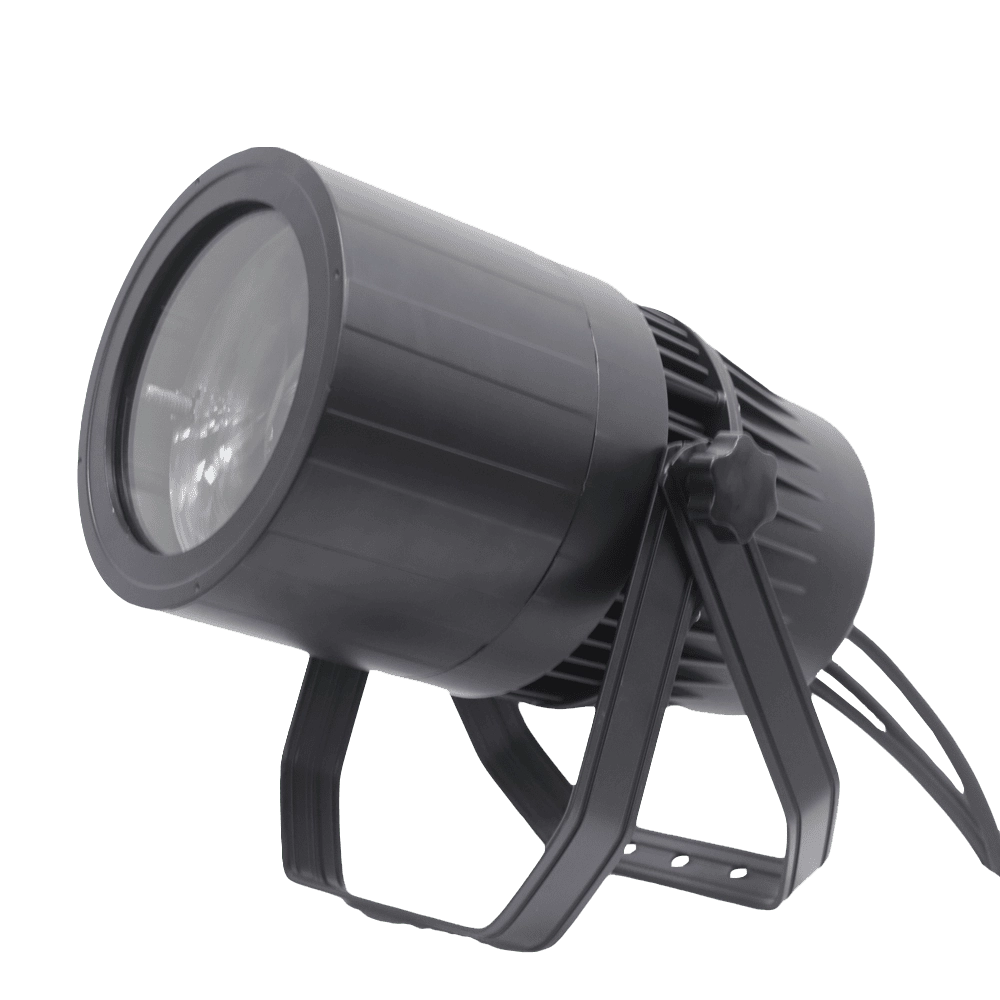
VANRAY Waterproof LED Par Light LP-200Z 200W Zoom Par Light
Introducing the VANRAY Waterproof LED Par Light LP-200Z, a 200W Zoom Par Light engineered for professional performance. Designed by Vanray, this advanced LED PAR light ensures waterproof durability, making it ideal for diverse environments. Elevate your lighting setup with optimum brightness and versatile zoom capabilities. A perfect choice for professional LED PAR light applications.
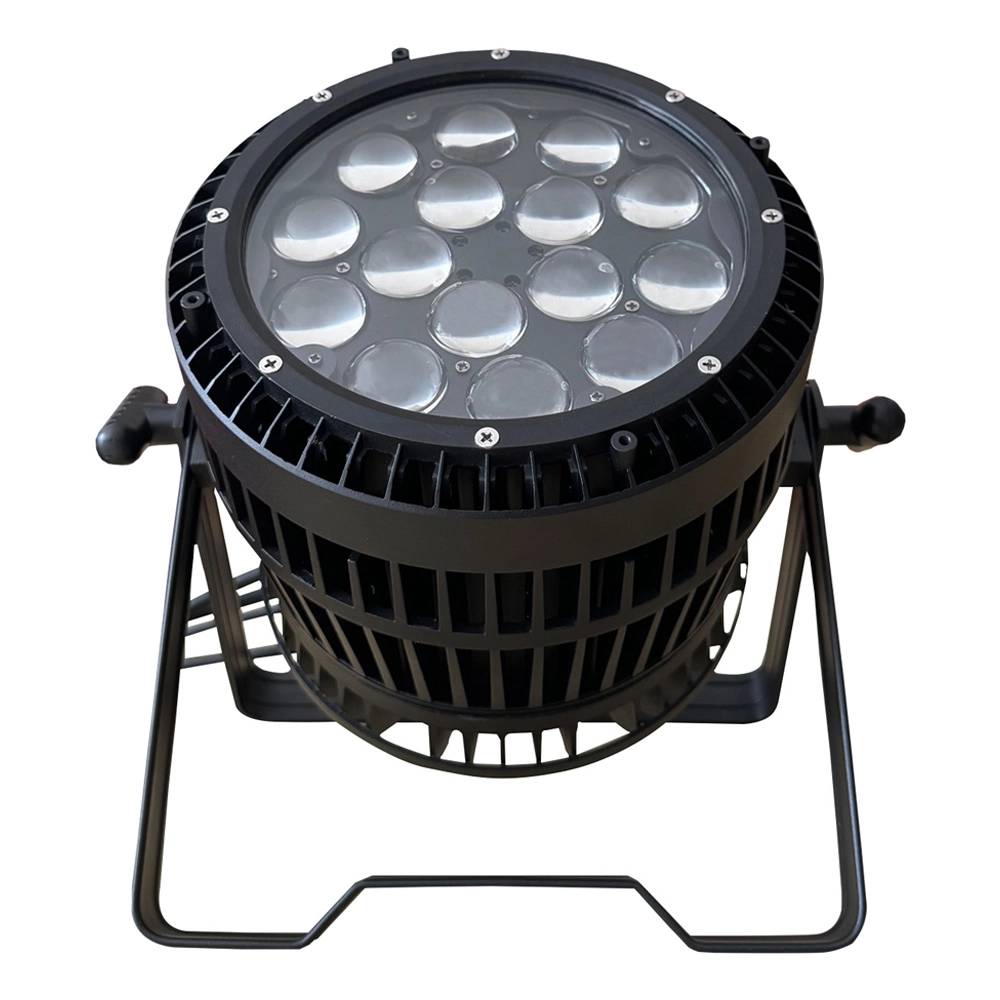
VANRAY LED Par Zoom Wash LP-1515Z 15pcs 15W RGBW Waterproof LED Par Light
Introducing the VANRAY LED Par Zoom Wash LP-1515Z, featuring 15pcs of 15W RGBW waterproof LEDs. This versatile LED wash light par is perfect for vibrant lighting effects, both indoors and outdoors. The precision of our led par zoom wash ensures an exceptional performance, enhancing any event with vivid color dynamics.
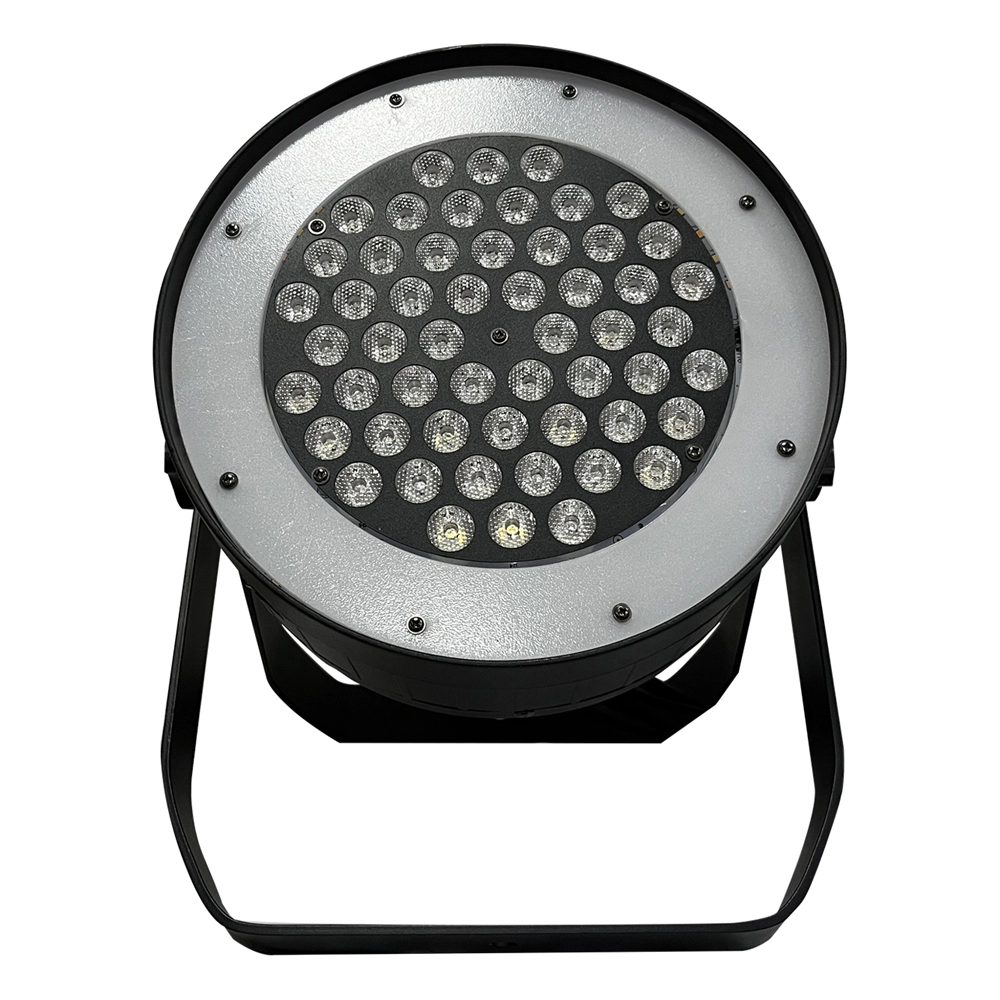
VANRAY Theater LED Par Can Lights LP-350SJL 350W White LED Par Can Lights
Introducing the VANRAY Theater LED Par Can Lights LP-350SJL, featuring an impressive 350W white LED. Ideal for stage lighting, these LED Par Can Lights deliver superior brightness and versatility. Enhance your theater productions with our cutting-edge lighting solutions. Trust Vanray for exceptional performance in LED stage lights.
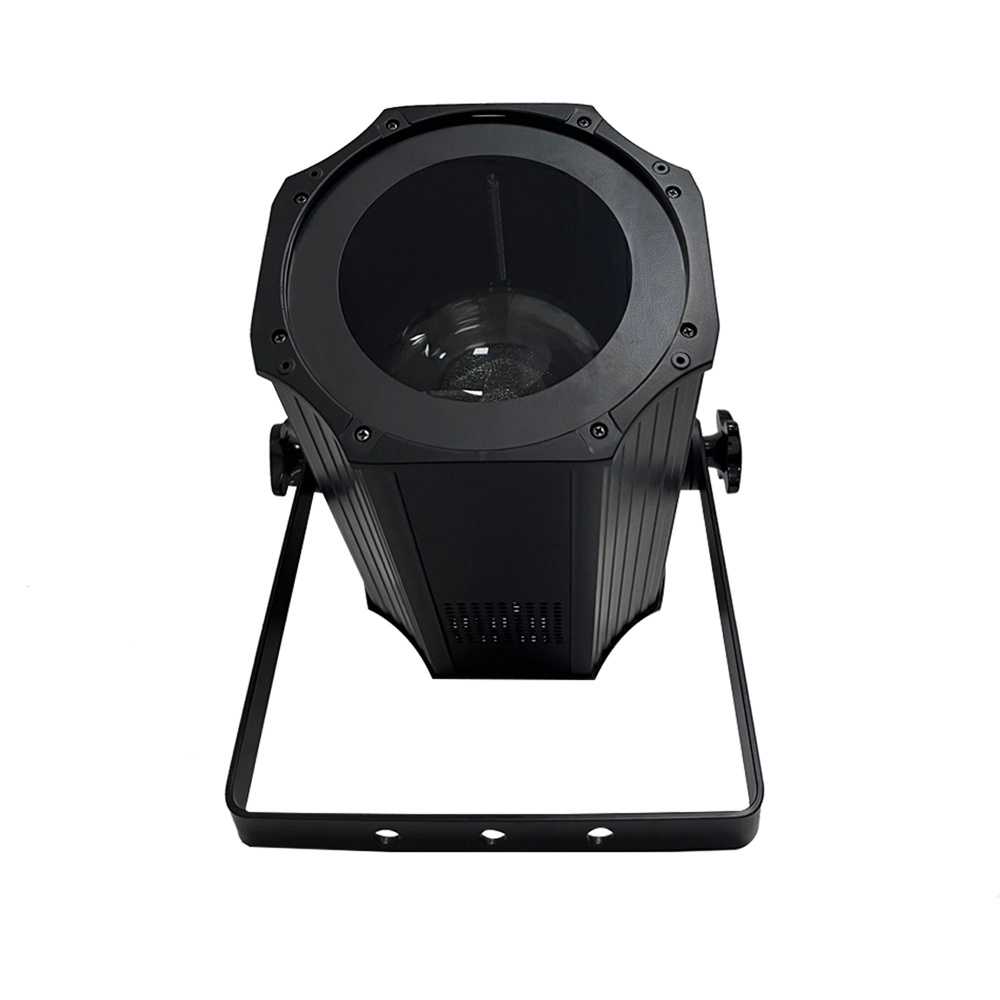
VANRAY LED Par Light Stage LP-200ZC RGBW LED Par Light Suppliers
Introducing the VANRAY LC-200ZC RGBW LED Par Light, a premium solution for vibrant stage lighting. This versatile par LED light ensures dynamic color effects, perfect for events and performances. As leading LED flat-par light suppliers, Vanray guarantees exceptional quality and performance. Illuminate your stage today with Vanray's innovative lighting technology.
As a leading Stage Lighting Manufacturer from China, VANRAY Lighting delivers a comprehensive suite of services including innovative R&D, precision production, and professional integration.
Built on decades of technical expertise, we are defined by our commitment to quality and service perfection. From theaters to grand-scale events, VANRAY is the trusted choice for reliable lighting solutions across the global entertainment and architectural sectors.
Copyright © 2025 VANRAY. All Rights Reserved.

Instagram
YouTube
Facebook