










Cost of Ownership: LED Par Lights vs Conventional Lights
- Understanding long-term lighting economics
- What this guide covers and why LED Par Lights matter
- What are LED Par Lights and conventional lights?
- Key ownership factors: the variables that drive TCO for LED Par Lights
- Energy consumption: LED Par Lights vs Conventional Lights
- Typical power and efficacy figures
- 5-year Total Cost of Ownership example: LED Par Lights vs Conventional Par64
- Assumptions for the model (read before interpreting numbers)
- 5-year cost comparison table
- Notes on the model
- Operational advantages beyond basic costs: reliability, heat and creative control
- Reliability and maintenance: why LED Par Lights reduce downtime
- Heat, venue comfort and HVAC savings
- Color rendering, optics and creative flexibility with LED Par Lights
- When conventional lights still make sense
- Use cases suited to conventional fixtures
- However, factor the hidden costs
- Buying tips: how to evaluate LED Par Lights for TCO and performance
- Checklist before purchase
- Financial and operational negotiation points
- VANRAY: capabilities, credentials and fit for professional LED Par Lights
- Why VANRAY is relevant to buyers comparing LED Par Lights
- Suggested VANRAY product focus areas for buyers
- Practical next steps to determine your facility’s true cost savings
- How to run your own TCO calculation
- Frequently Asked Questions (FAQ)
- 1. How much energy can I expect to save by switching to LED Par Lights?
- 2. Do LED Par Lights provide the same color quality as conventional lamps?
- 3. How long before LED Par Lights pay for themselves?
- 4. Are LED Par Lights repairable or disposable?
- 5. Do LEDs reduce heat on stage or affect performer comfort?
- 6. What certifications should I look for when buying LED Par Lights?
- 7. Can I retrofit my existing dimmer racks with LED Par Lights?
- Contact and product inquiry
- References
Understanding long-term lighting economics
What this guide covers and why LED Par Lights matter
When buying stage lighting, production houses, rental companies and venue managers must look beyond sticker price. The true cost of a lighting fixture is its total cost of ownership (TCO): purchase price plus energy consumption, lamp and component replacements, maintenance labor, HVAC impact, and end-of-life disposal. This article compares LED Par lights with conventional Par and theatrical fixtures across those categories, using verifiable data and a practical 5-year case study so you can make an informed procurement decision.
What are LED Par Lights and conventional lights?
LED Par lights are stage PAR-style luminaires that use arrays of light-emitting diodes (LEDs) to produce the beam and colors typically used in theaters, concerts and events. Conventional Par lights on stage historically refer to incandescent/parabolic aluminized reflector (PAR) lamps (often tungsten or halogen) and, in some contexts, discharge lamps (e.g., metal-halide) used in professional fixtures. Each technology has different electrical, optical and maintenance characteristics that drive ownership costs.
Key ownership factors: the variables that drive TCO for LED Par Lights
To compare LED Par lights and conventional lights fairly, consider these variables:
- Initial capital cost (fixture or lamp purchase)
- Operating power draw (watts) and energy cost (kWh)
- Lamp/LED lifetime and replacement frequency
- Maintenance labor and spare parts costs
- Cooling/air-conditioning load due to heat dissipation
- Performance parameters that affect show design (color rendering, dimming)
- Disposal, regulatory compliance and recycling costs
Energy consumption: LED Par Lights vs Conventional Lights
Energy is usually the largest ongoing cost. LEDs are substantially more efficient: U.S. Department of Energy and ENERGY STAR note that LEDs use significantly less power for the same light output compared with incandescent/halogen sources and can deliver sizable savings in real applications.
Typical power and efficacy figures
Representative figures used in later calculations (sources cited in References):
- Conventional PAR (e.g., PAR64 tungsten): ~1000 W lamp output (fixture draw ≈ 1000 W)
- LED Par (stage): typical modern fixture draws 60–200 W depending on LEDs and optics; we use 120 W as a mid-range example
- LED rated life: commonly 30,000–50,000 hours (we use 50,000 for conservative LED lifetime)
- Incandescent/halogen lamp life: commonly 1,000–2,000 hours (we use 2,000 hours for a robust halogen lamp estimate)
- Electricity cost (example): U.S. average commercial rate ≈ $0.14/kWh (use your local rate for exact numbers)
5-year Total Cost of Ownership example: LED Par Lights vs Conventional Par64
Assumptions for the model (read before interpreting numbers)
- Fleet size: 10 fixtures
- Operating schedule: 4 hours per event × 150 events per year = 600 hours/year
- Time horizon: 5 years (3,000 hours total)
- Electricity price: $0.14/kWh (U.S. average reference — adjust locally)
- LED fixture unit price (purchase): $350 per LED Par (mid-range professional unit)
- Conventional Par fixture + lamp price: $120 per fixture + $20 lamp replacement unit (initial lamp included in price)
- Maintenance labor: assume $30 per lamp replacement event per fixture (re-lamping and cleaning), only for conventional lamps
- LED lifetime: 50,000 hours (no LED replacement within 5-year horizon)
- Halogen lamp lifetime: 2,000 hours (requires replacement after ~2,000 hours)
5-year cost comparison table
| Item | LED Par Lights (10 units) | Conventional Par64 (10 units) |
|---|---|---|
| Initial fixture cost | $3,500 (10 × $350) | $1,200 (10 × $120) |
| Energy draw per fixture (W) | 120 W | 1,000 W |
| Energy consumption over 5 years (kWh total for fleet) | 120 W × 10 × 3,000 h = 3,600 kWh | 1,000 W × 10 × 3,000 h = 30,000 kWh |
| Energy cost over 5 years | $504 (3,600 kWh × $0.14) | $4,200 (30,000 kWh × $0.14) |
| Lamp replacements + parts | $0 (LED lifetime > 5 years in this use case) | ~$300 (each lamp ~$20 × replacements per fixture: 3,000/2,000 ≈ 1.5 → round up estimate total across fleet) |
| Maintenance labor (re-lamping) | $0 (no scheduled lamp changes) | $450 (estimate: 15 lamp changes across fleet × $30 labor) |
| Cooling / HVAC incremental cost (qualitative) | Lower: less waste heat, reduces HVAC load (saves on building energy) | Higher: significant waste heat from tungsten/halogen increases HVAC energy |
| Total 5-year cost (purchase + energy + maintenance) | $3,504 | $6,150 |
Interpretation: under these realistic assumptions, the LED Par fleet produces lower 5-year TCO primarily because of much lower energy consumption and negligible re-lamping costs. Even though LED fixtures have higher upfront prices, energy and maintenance savings can pay back the difference in 1–3 years in many cases.
Notes on the model
This is an illustrative scenario. Your actual TCO will vary with local electricity rates, hours of operation, chosen warranty and fixture class. For heavy-duty touring rigs with hundreds of fixtures and longer runtimes, savings grow proportionally with hours used.
Operational advantages beyond basic costs: reliability, heat and creative control
Reliability and maintenance: why LED Par Lights reduce downtime
LED fixtures typically require less frequent servicing: LED sources maintain usable output for tens of thousands of hours and there is no fragile filament to fail after thermal cycles. Reduced re-lamping lowers both parts cost and labor hours — critical for rental houses and venues where labor and downtime are expensive.
Heat, venue comfort and HVAC savings
Conventional tungsten and halogen sources convert a large portion of electrical energy into heat. That heat increases air-conditioning load, especially in indoor venues, driving additional energy costs. LEDs have far lower radiant heat into the stage/space, sometimes allowing HVAC setpoints to be optimized and saving cooling energy. For large installations the HVAC savings can be material and should be included in a comprehensive TCO analysis.
Color rendering, optics and creative flexibility with LED Par Lights
Modern LED Par lights commonly include RGB(AW), RGBAW+UV, or full-color-mixing chips with controllable color, and built-in dimming curves and effects. This reduces the need for physical gels and swapping fixtures for color. High-quality professional LEDs now reach good color rendering numbers (CRI, TLCI) suitable for broadcast and theatrical use. However, evaluate the specific product’s photometric data to ensure it meets your show requirements.
When conventional lights still make sense
Use cases suited to conventional fixtures
There are scenarios where conventional lamps remain attractive:
- Very low initial budget where capital is extremely constrained and operating hours are minimal.
- Specific aesthetic preferences for the spectral quality and bloom of incandescent sources that designers intentionally choose.
- Existing inventory and infrastructure (dimmers, mounts) where replacing entire systems is not feasible immediately.
However, factor the hidden costs
Even with low initial capital outlay, frequent lamp replacements, higher energy bills and HVAC penalties often make conventional fixtures more expensive over multi-year horizons for most production and venue scenarios.
Buying tips: how to evaluate LED Par Lights for TCO and performance
Checklist before purchase
- Examine the fixture’s power draw at full output (watts) and compare delivered lumens and beam angles.
- Ask for photometric files (IES) and color metrics (CRI, TLCI, CQS) for your intended application.
- Verify rated LED lifetime (L70 or L90) and warranty terms that cover LEDs and drivers.
- Confirm cooling design, ingress protection (IP rating) if used outdoors, and serviceability (replaceable parts).
- Request references or case studies for similar applications (concert, theater or rental lifecycle).
Financial and operational negotiation points
Negotiate total package terms: extended warranties, warranty replacement turn-around times, spare parts availability, and training for in-house technicians. Consider financing or utility rebate programs for LED upgrades — many regions offer incentives that materially improve payback.
VANRAY: capabilities, credentials and fit for professional LED Par Lights
VANRAY Lighting is dedicated to becoming a leading global lighting solutions provider. With over ten years of industry experience, we offer efficient and customized lighting products for various fields such as stage, film, television, and landscape. Our products include LED PAR lights, moving head lights, LED profile spotlights, fresnel spotlights, floodlights, and more, supporting OEM and ODM services. We boast a robust R&D team, advanced manufacturing facilities covering 8000+ sqm, and a reputation for product reliability. VANRAY products have received international certifications such as CE, RoHS, and ISO. Our offerings cater to concert stages, theaters, cultural projects, and outdoor events, ensuring excellent performance and high-quality standards. As we expand, VANRAY continues to provide innovative lighting solutions worldwide. Our mission is to deliver visually stunning lighting experiences to global audiences.
Why VANRAY is relevant to buyers comparing LED Par Lights
VANRAY’s strengths align with key buyer priorities in TCO decisions:
- Product range: LED PAR lights available across wattages and beam angles to match different venue sizes and energy targets.
- Manufacturing scale and certifications (CE, RoHS, ISO): indicates consistent production quality and regulatory compliance.
- OEM/ODM and R&D: ability to tailor photometric performance and ruggedness (IP ratings, cooling) for specific rental, touring or fixed installation needs.
- Service and support: extended warranties, spare part pipelines and technical support shorten downtime and preserve asset value.
Suggested VANRAY product focus areas for buyers
If you’re evaluating LED Par Lights for replacement or fleet expansion, consider VANRAY options alongside these criteria: power consumption vs luminous output, beam quality, dimming and color-mixing precision, reliability record and local warranty/support network.
Practical next steps to determine your facility’s true cost savings
How to run your own TCO calculation
- Inventory existing fixtures: record wattage, lamp types, purchase cost, typical failures and maintenance events.
- Estimate operating hours per year accurately (include rehearsals and load-ins).
- Use local electricity rates and conservative lamp lifetime figures to model energy and replacement costs for a 3–7 year horizon.
- Include HVAC impact if fixtures operate in enclosed spaces with mechanical cooling.
- Compare models for break-even and payback period between LED upgrade scenarios and status quo.
Contact a manufacturer or supplier for photometric files and a sample fixture to run side-by-side tests — real-world output, color, and beam control in your venue are the best validation.
Frequently Asked Questions (FAQ)
1. How much energy can I expect to save by switching to LED Par Lights?
Energy savings vary by fixture and application, but LED replacements typically reduce energy use by 60–90% compared with incandescent/halogen equivalents. Exact savings depend on wattage and hours of use; use measured watt draw for accurate calculations (see DOE and ENERGY STAR references).
2. Do LED Par Lights provide the same color quality as conventional lamps?
Modern LED Par fixtures can achieve high CRI and TLCI ratings suitable for theater and broadcast. Always review photometric specifications and, if possible, test the fixture on your stage to confirm skin tones and color rendering meet creative needs.
3. How long before LED Par Lights pay for themselves?
Payback periods depend on upfront cost, operating hours and electricity prices. In many professional scenarios the payback is 1–3 years; in low-use cases it may extend. A detailed TCO model with your actual hours and rates provides the most accurate answer.
4. Are LED Par Lights repairable or disposable?
Quality LED fixtures are designed for serviceability: replaceable drivers, fans, and LEDs on modular boards. Choose manufacturers with documented spare parts and support services to maximize lifespan and reduce end-of-life waste.
5. Do LEDs reduce heat on stage or affect performer comfort?
Yes. LEDs emit much less radiant heat than tungsten/halogen sources, improving performer comfort and reducing venue air-conditioning load. For enclosed venues this can be a significant operational benefit.
6. What certifications should I look for when buying LED Par Lights?
Look for CE, RoHS, ISO 9001 (manufacturing quality), and safety marks relevant to your market. For broadcast applications, check TLCI and photometric documentation.
7. Can I retrofit my existing dimmer racks with LED Par Lights?
Not directly. Many LED fixtures are electronic and expect a constant power feed and DMX or other digital control, rather than having mains dimming via resistive/triac dimmers. Consult your lighting technician and the fixture manual; moving to LED often involves changes in control infrastructure.
Contact and product inquiry
If you want a tailored TCO assessment or product recommendations, contact VANRAY Lighting for samples, photometric files and OEM/ODM options. Our team can help size fixtures, estimate payback periods for your venue and propose warranty and spares plans that reduce lifecycle costs. Explore VANRAY’s LED PAR lights, moving head lights, LED profile spotlights and floodlights for professional installations.
References
- U.S. Department of Energy — LED Lighting Energy Saver. https://www.energy.gov/energysaver/save-electricity-and-fuel/lighting-choices-save-you-money/led-lighting — accessed 2025-11-30.
- ENERGY STAR — Benefits of LEDs. https://www.energystar.gov/products/lighting_fans/benefits_of_leds — accessed 2025-11-30.
- U.S. Energy Information Administration (EIA) — Electricity Data and Prices. https://www.eia.gov/electricity/data.php — accessed 2025-11-30.
- Lighting Research Center (Rensselaer Polytechnic Institute) — Solid-State Lighting resources. https://www.lrc.rpi.edu/programs/solidstate/ — accessed 2025-11-30.
- Typical lamp life references and manufacturer catalogs — example halogen PAR lamp lifetime ranges commonly cited by professional lighting manufacturers and distributors; please consult specific lamp datasheets for exact rated life.
How to manufacturing Surface Mounted LED Lights
Best led wall washer exterior manufacturers and supplier brands in us 2025
What are the application scenarios of led follow spot light?
What are the application scenarios of follow trough spot light?
About Product
What is the delivery time of orders ?
Its based on the workshop schedule; if products are in stock, we will ship the goods within 1-2 days; if products are out of stock, we need to make production; normally 100-200 pieces can be finished in 7-10 days.
Can you accept the sample order?
Yes, we can. The sample order for trial is acceptable.
About Cooperation Process
What information do I need to provide to start the cooperation process?
You need to provide your company information, product needs, customization requirements, cooperation intentions and other relevant information.
How to start working with your company?
You can contact us through our official website or contact information, and our sales team will be happy to assist you.
About Customized Services
How long does customized service take?
The time for customized services depends on your specific needs and order volume. Generally speaking, normally 2-3 days, we will provide you with customized solutions as soon as possible.
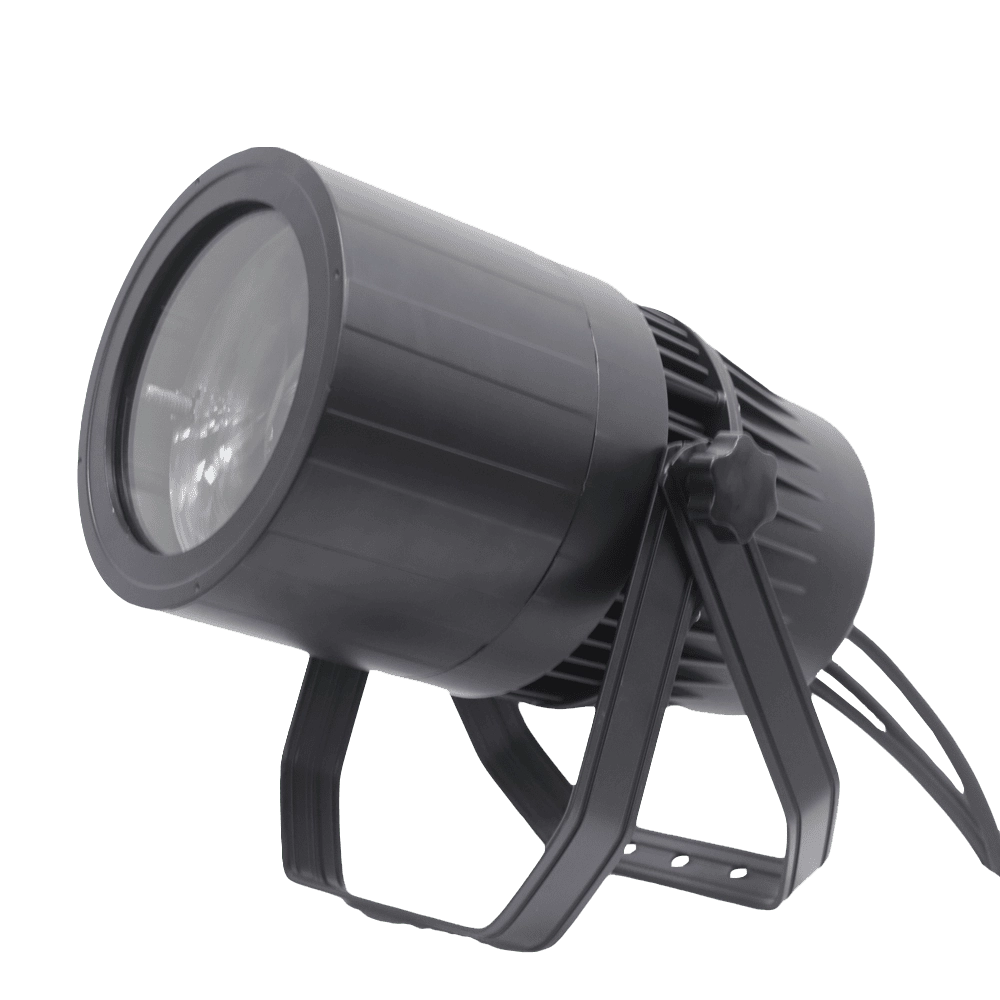
VANRAY Waterproof LED Par Light LP-200Z 200W Zoom Par Light
Introducing the VANRAY Waterproof LED Par Light LP-200Z, a 200W Zoom Par Light engineered for professional performance. Designed by Vanray, this advanced LED PAR light ensures waterproof durability, making it ideal for diverse environments. Elevate your lighting setup with optimum brightness and versatile zoom capabilities. A perfect choice for professional LED PAR light applications.
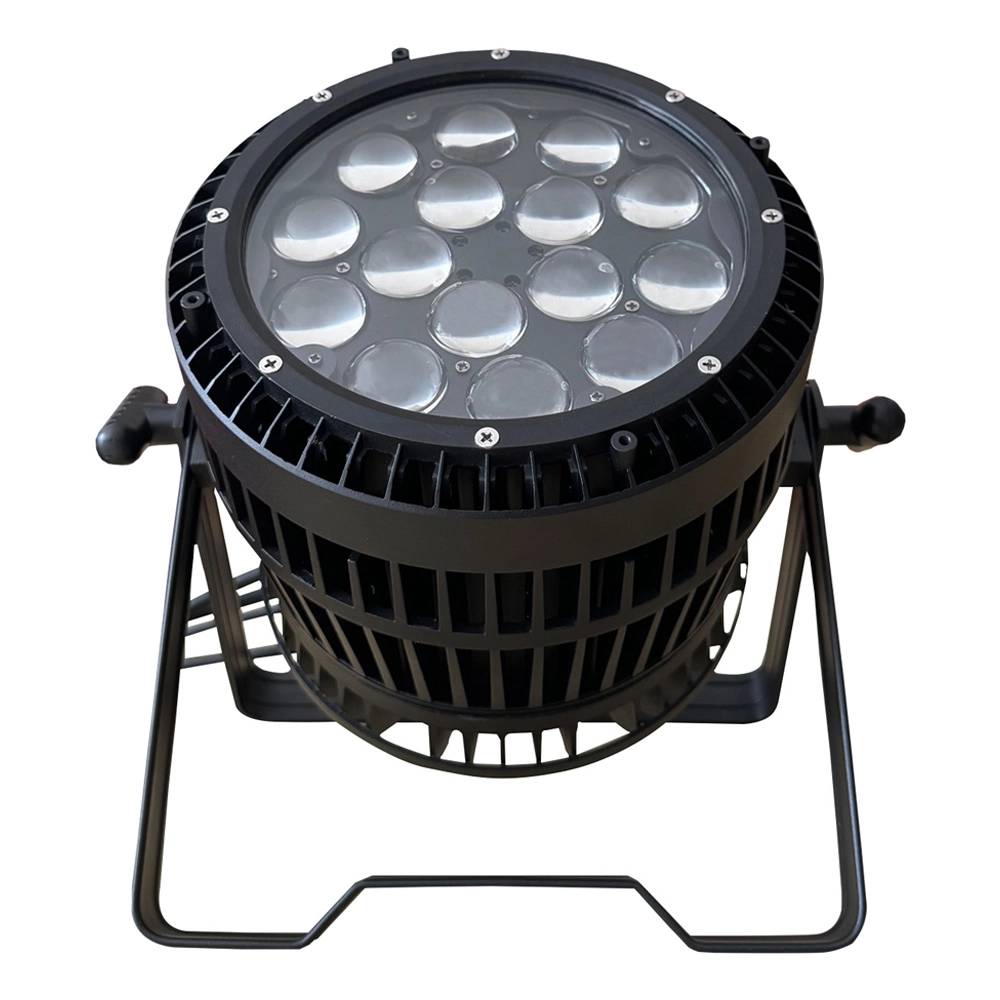
VANRAY LED Par Zoom Wash LP-1515Z 15pcs 15W RGBW Waterproof LED Par Light
Introducing the VANRAY LED Par Zoom Wash LP-1515Z, featuring 15pcs of 15W RGBW waterproof LEDs. This versatile LED wash light par is perfect for vibrant lighting effects, both indoors and outdoors. The precision of our led par zoom wash ensures an exceptional performance, enhancing any event with vivid color dynamics.
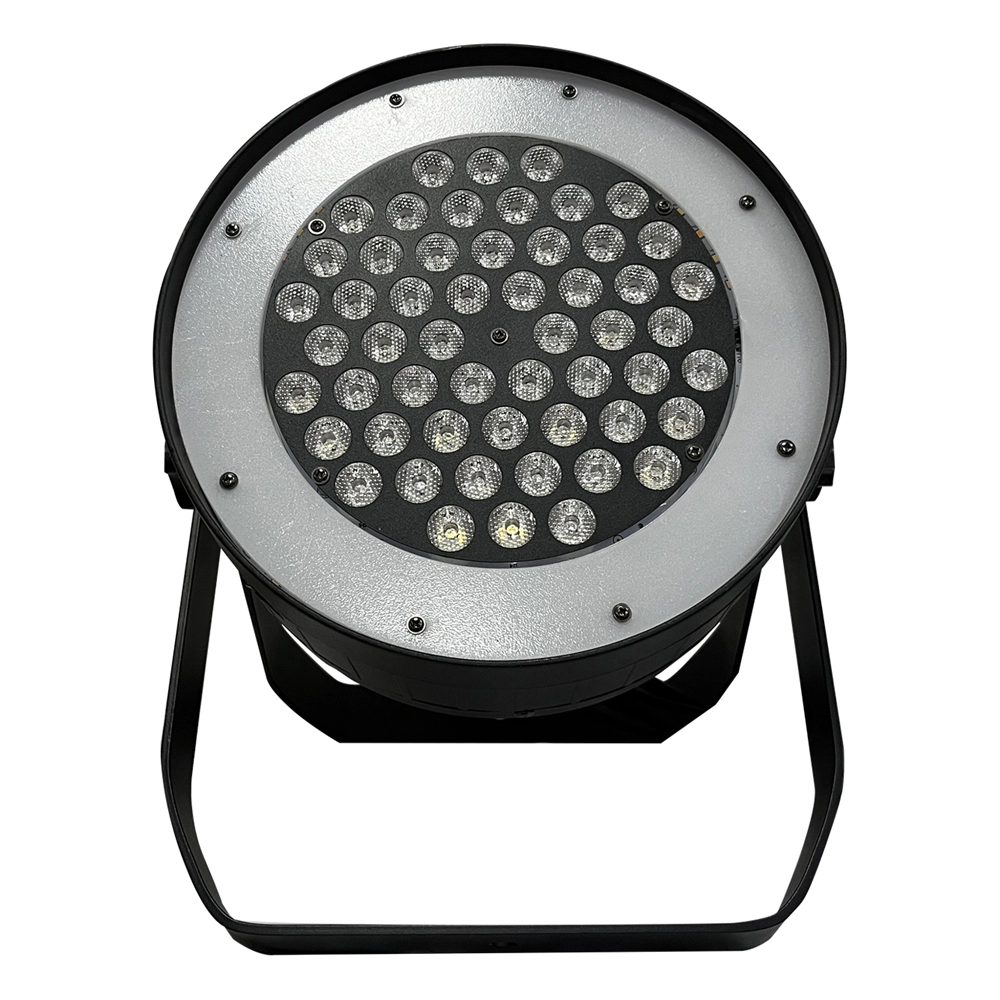
VANRAY Theater LED Par Can Lights LP-350SJL 350W White LED Par Can Lights
Introducing the VANRAY Theater LED Par Can Lights LP-350SJL, featuring an impressive 350W white LED. Ideal for stage lighting, these LED Par Can Lights deliver superior brightness and versatility. Enhance your theater productions with our cutting-edge lighting solutions. Trust Vanray for exceptional performance in LED stage lights.
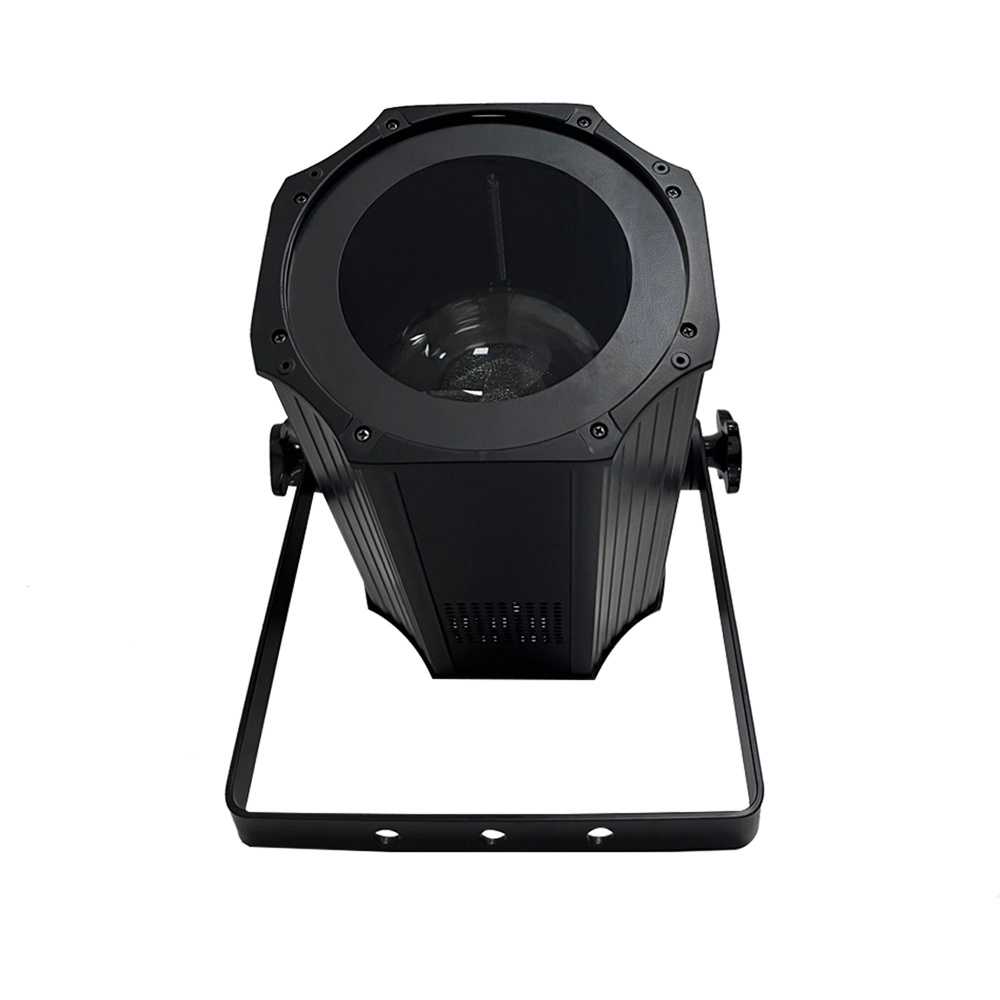
VANRAY LED Par Light Stage LP-200ZC RGBW LED Par Light Suppliers
Introducing the VANRAY LC-200ZC RGBW LED Par Light, a premium solution for vibrant stage lighting. This versatile par LED light ensures dynamic color effects, perfect for events and performances. As leading LED flat-par light suppliers, Vanray guarantees exceptional quality and performance. Illuminate your stage today with Vanray's innovative lighting technology.
As a leading Stage Lighting Manufacturer from China, VANRAY Lighting delivers a comprehensive suite of services including innovative R&D, precision production, and professional integration.
Built on decades of technical expertise, we are defined by our commitment to quality and service perfection. From theaters to grand-scale events, VANRAY is the trusted choice for reliable lighting solutions across the global entertainment and architectural sectors.
Copyright © 2025 VANRAY. All Rights Reserved.

Instagram
YouTube
Facebook