










What is the difference between stage light and studio light? | Vanray Expert Guide
- Understanding the Differences Between Stage Lighting and Studio Lighting: A Comprehensive Guide
- 1. What Are the Primary Differences Between Stage Lighting and Studio Lighting?
- 2. What Types of Equipment Are Commonly Used in Stage and Studio Lighting?
- 3. How Do Stage Lighting and Studio Lighting Differ in Terms of Control and Automation?
- 4. What Are the Considerations for Purchasing Stage and Studio Lighting Equipment?
- 5. How Can Vanray Enhance Your Stage and Studio Lighting Setups?
Understanding the Differences Between Stage Lighting and Studio Lighting: A Comprehensive Guide
Lighting plays a pivotal role in both stage and studio settings, yet the requirements and equipment differ significantly. This guide delves into the key distinctions between stage lighting and studio lighting, providing insights to assist in informed purchasing decisions.
1. What Are the Primary Differences Between Stage Lighting and Studio Lighting?
Stage Lighting
Stage lighting is designed to enhance live performances, such as theater productions, concerts, and events. It focuses on:
- Dynamic Effects: Creating mood and atmosphere through color changes, intensity variations, and movement.
- Coverage: Illuminating large areas to ensure visibility for both performers and the audience.
- Durability: Withstanding the rigors of transport and frequent setup changes.
Studio Lighting
Studio lighting is tailored for controlled environments like photography and film studios. Its key aspects include:
- Precision: Providing consistent and adjustable lighting to achieve desired effects.
- Softness: Utilizing diffusers and softboxes to produce soft, even lighting.
- Color Accuracy: Ensuring true-to-life color representation for high-quality images.
2. What Types of Equipment Are Commonly Used in Stage and Studio Lighting?
Stage Lighting Equipment
- PAR Cans: Parabolic aluminized reflector lamps used for general lighting.
- Moving Head Lights: Fixtures that can pan and tilt, offering dynamic lighting effects.
- LED Fixtures: Energy-efficient lights providing versatile color options and longer lifespans.
Studio Lighting Equipment
- Softboxes: Enclosures that diffuse light, creating soft shadows.
- Umbrellas: Reflective or translucent umbrellas used to soften and spread light.
- Ring Lights: Circular lights that provide even illumination, often used for close-up shots.
3. How Do Stage Lighting and Studio Lighting Differ in Terms of Control and Automation?
Stage Lighting Control
- Complex Systems: Utilization of advanced control systems like DMX512 for managing multiple fixtures.
- Real-Time Adjustments: Ability to modify lighting during live performances to adapt to changing conditions.
Studio Lighting Control
- Manual Adjustments: Primarily involves manual control to achieve the desired lighting setup.
- Limited Automation: Less emphasis on automation, focusing instead on precise manual control.
4. What Are the Considerations for Purchasing Stage and Studio Lighting Equipment?
For Stage Lighting
- Portability: Equipment should be easy to transport and set up.
- Durability: Must withstand frequent handling and varying environmental conditions.
- Brightness and Coverage: Adequate illumination for large venues and diverse performance types.
For Studio Lighting
- Color Accuracy: Essential for producing high-quality images with true-to-life colors.
- Adjustability: Ability to modify light intensity and direction to suit different shooting scenarios.
- Softness of Light: Use of diffusers and softboxes to achieve soft, flattering lighting.
5. How Can Vanray Enhance Your Stage and Studio Lighting Setups?
Vanray offers innovative lighting solutions designed to meet the unique demands of both stage and studio environments. Their products are known for:
- Energy Efficiency: Utilizing LED technology to reduce power consumption.
- Versatility: Providing a range of fixtures suitable for various applications.
- Durability: Built to withstand the rigors of live performances and studio settings.
By choosing Vanray, you can ensure high-quality lighting that enhances the visual experience of your audience or clients.
In conclusion, understanding the distinctions between stage and studio lighting is crucial for making informed purchasing decisions. By considering the specific requirements of your environment and leveraging Vanray's advanced solutions, you can achieve optimal lighting setups that elevate your productions.
{"seo_title": "Stage vs. Studio Lighting: Key Differences Explained", "seo_description": "Discover the distinctions between stage and studio lighting, including equipment, control systems, and purchasing considerations. Learn how Vanray's solutions can enhance your setups.", "keywords": "stage lighting, studio lighting, lighting equipment, Vanray, lighting control systems, LED lighting, photography lighting, performance lighting"}
Silent Cooling Technology: Why LED Profile Spot Lights Are the First Choice for Modern Theaters
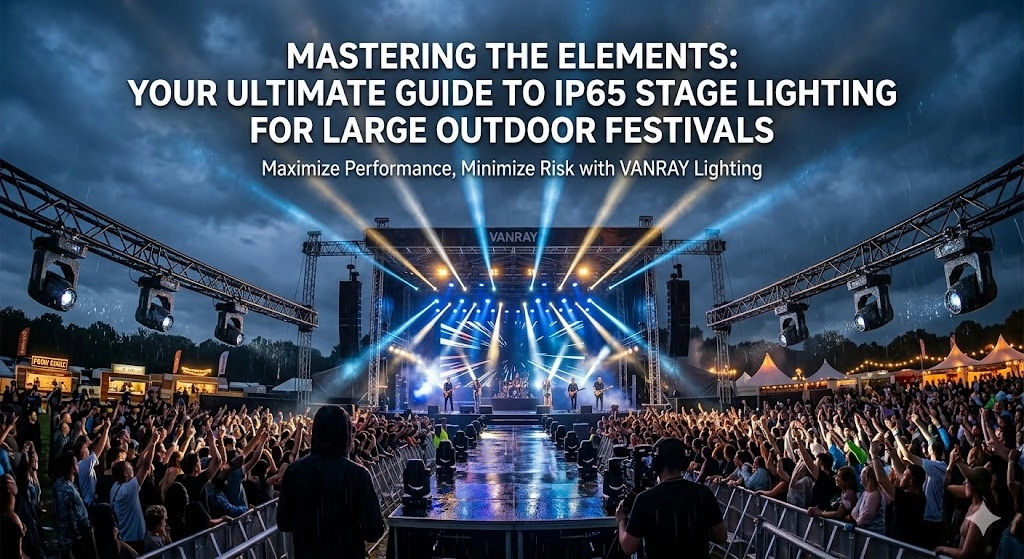
How to Choose IP65-Rated Fixtures for Large Outdoor Music Festivals
Top 10 Stage Lighting Manufacturers in the World (2026 Rankings)
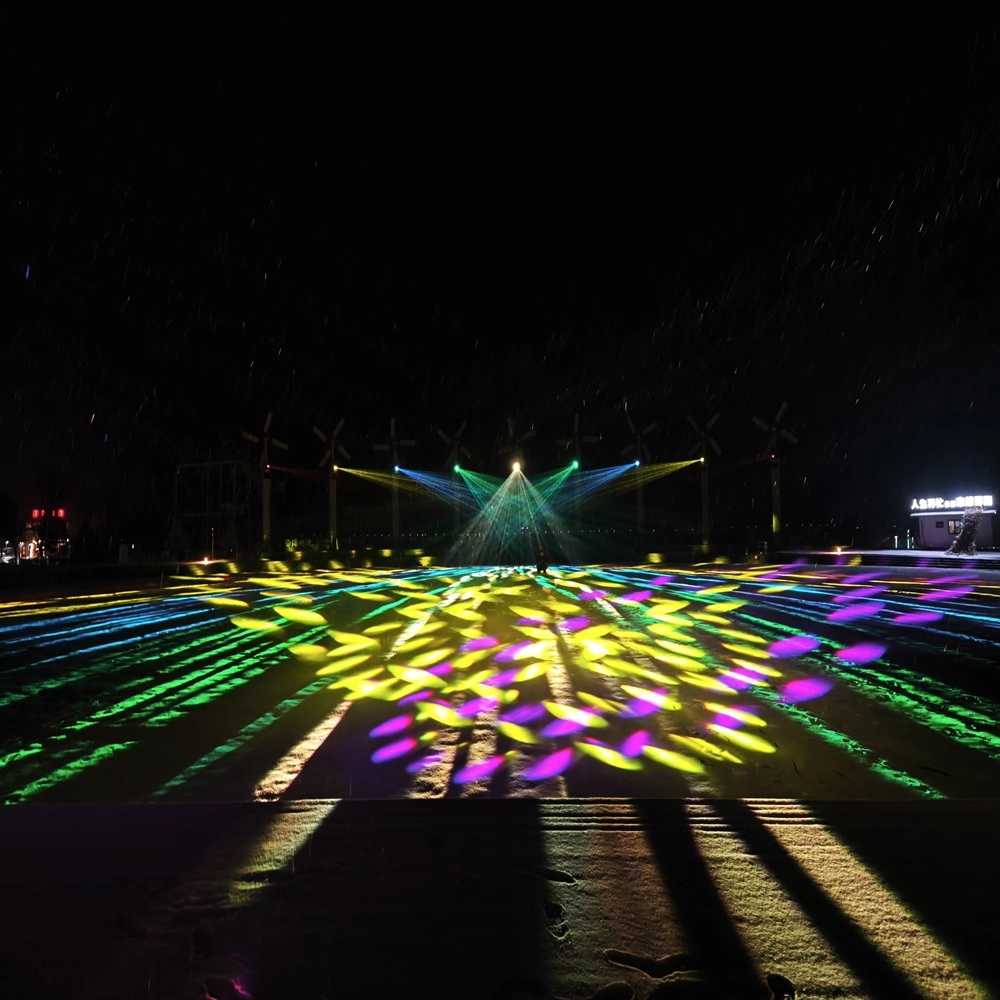
Outdoor Stage Lighting Solutions: The Complete Professional Guide (2026)
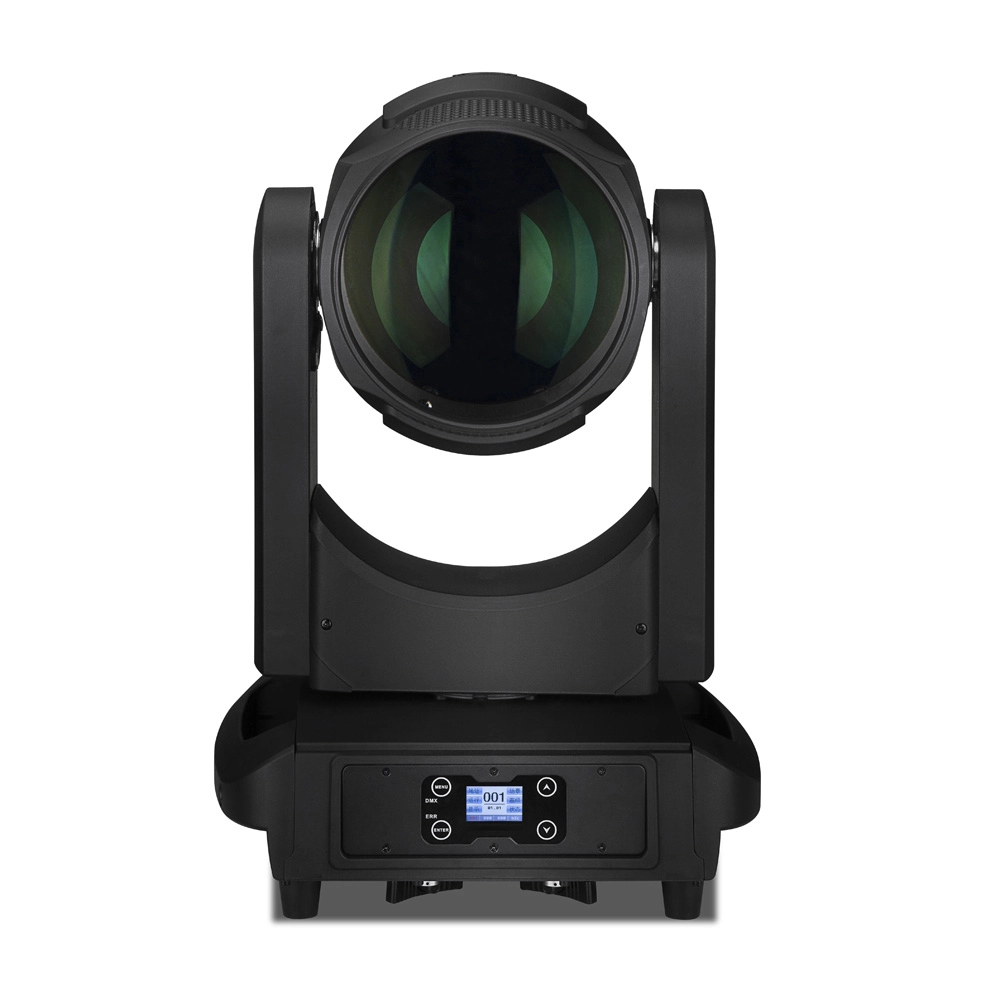
Moving Head Light Buying Guide: Everything You Need to Know Before You Buy (2026)
About Product
Can you accept the sample order?
Yes, we can. The sample order for trial is acceptable.
What certifications and inspections have your products passed?
Our products have passed relevant quality certifications and inspections, including CE, RoHS, etc., to ensure product safety and reliability.
About Customized Services
Can you provide OEM / ODM services ?
Yes, we can support OEM/ODM services for the details, which can be negotiated with our sales team.
About Cooperation Process
How to start working with your company?
You can contact us through our official website or contact information, and our sales team will be happy to assist you.
About Company
How long has your company been established?
Our company has been established since 2013.
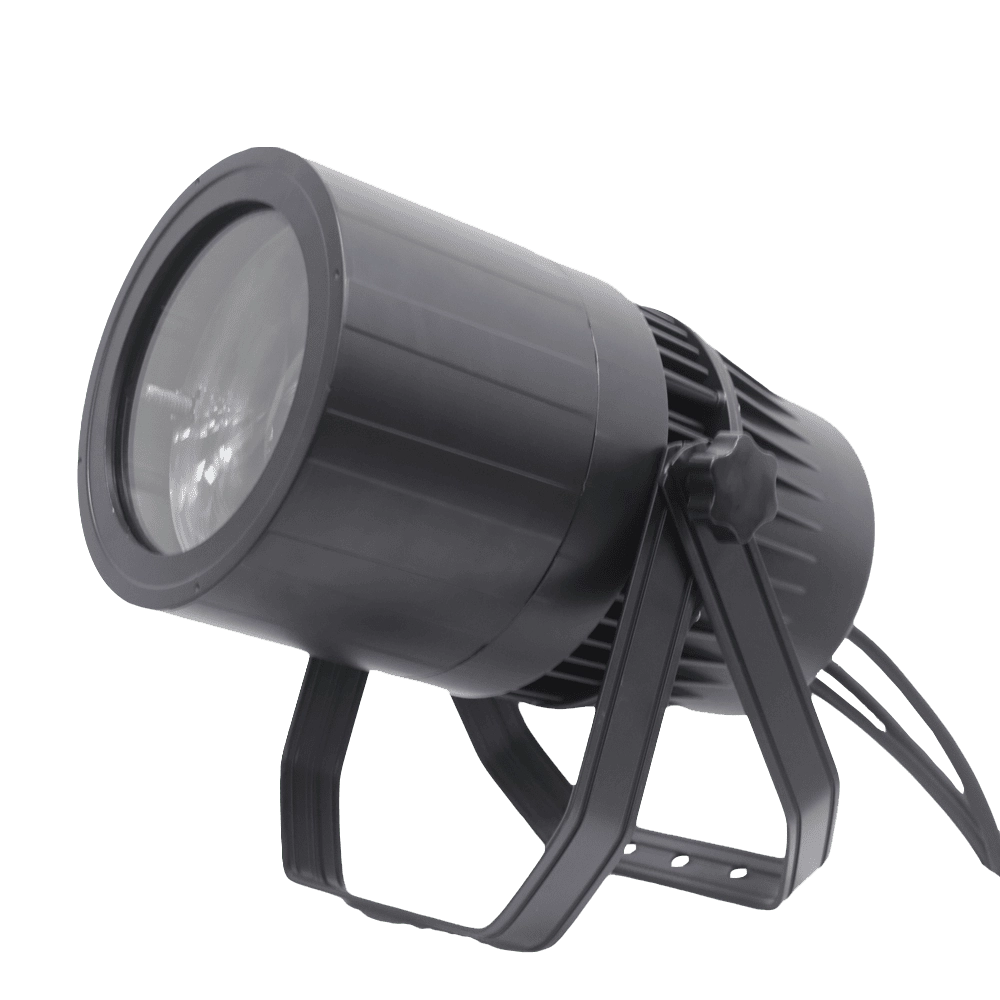
IP65 Waterproof LED Zoom Par Light: 200W High-Output Wash (LP-200Z)
IP65 Waterproof LED Zoom Par Light: 200W High-Output Wash (LP-200Z)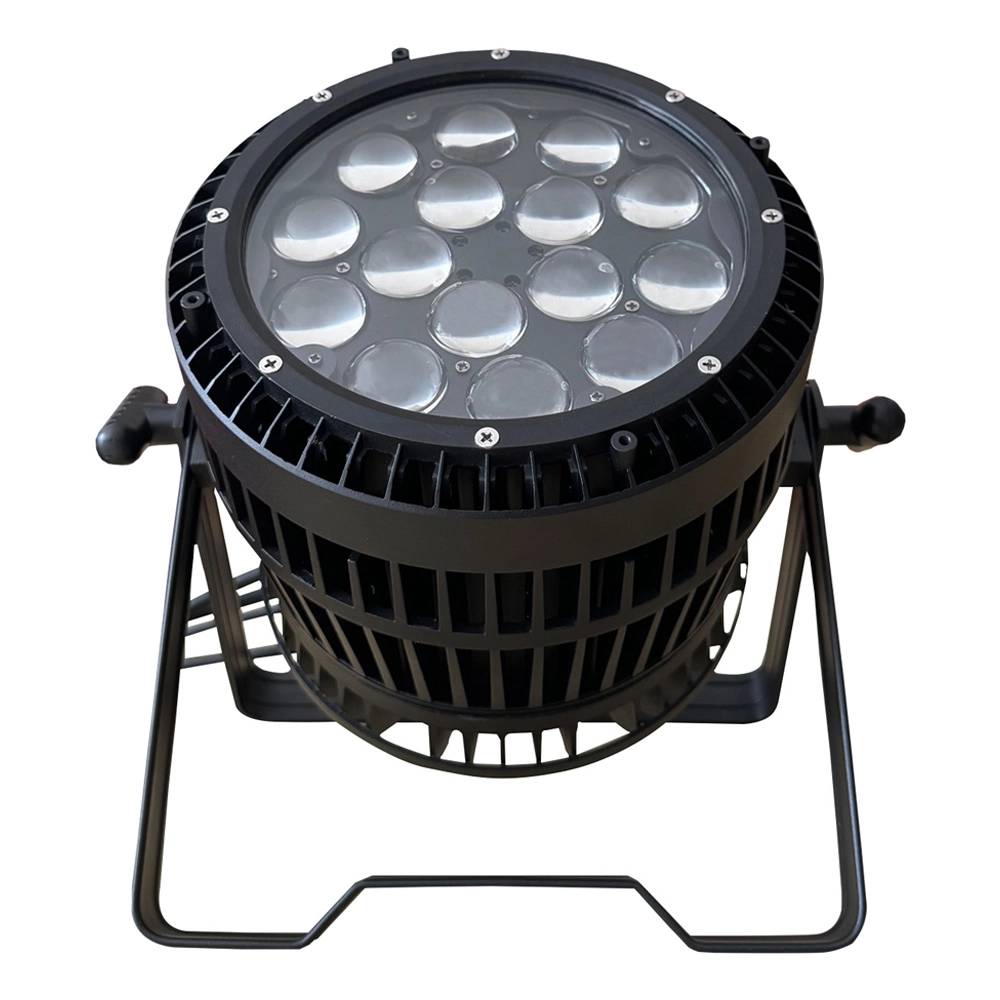
VANRAY LED Par Zoom Wash LP-1515Z 15pcs 15W RGBW Waterproof LED Par Light
VANRAY LED Par Zoom Wash LP-1515Z 15pcs 15W RGBW Waterproof LED Par Light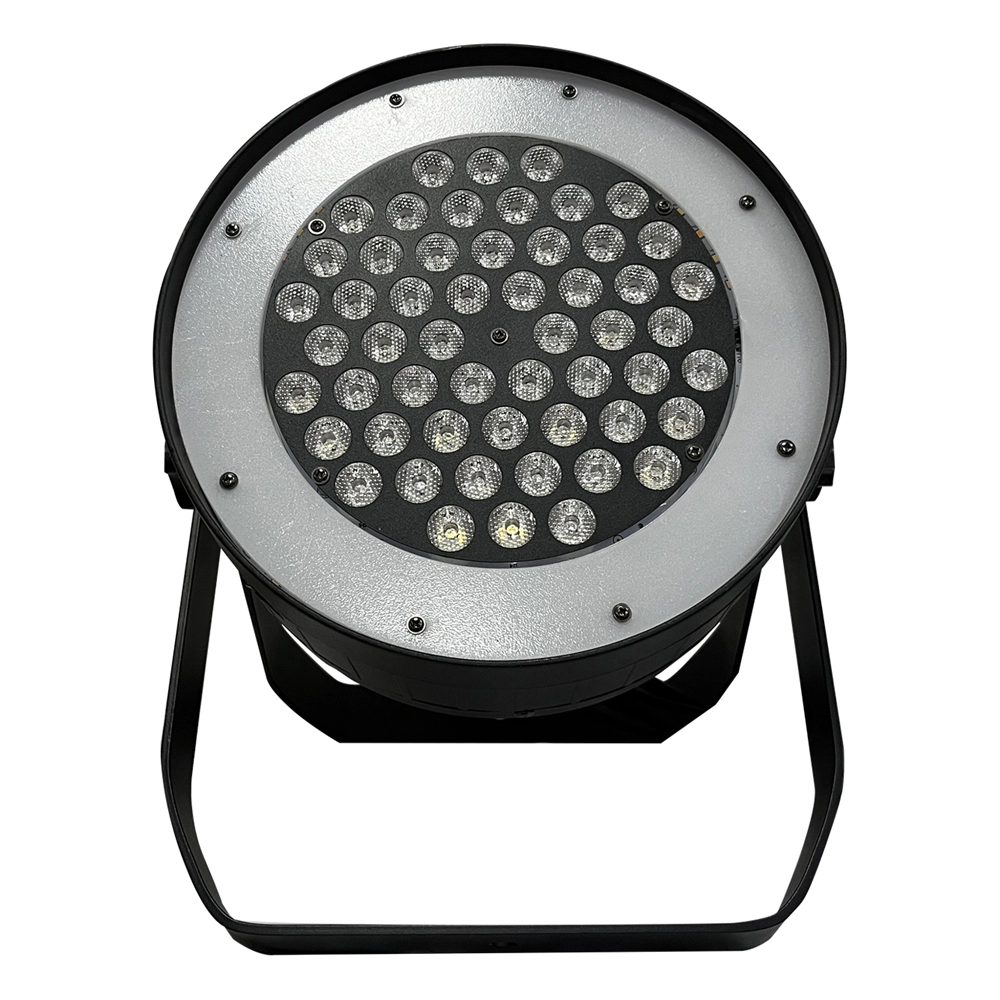
350W Professional Theater LED Par Can Light | LP-350SJL
350W Professional Theater LED Par Can Light | LP-350SJL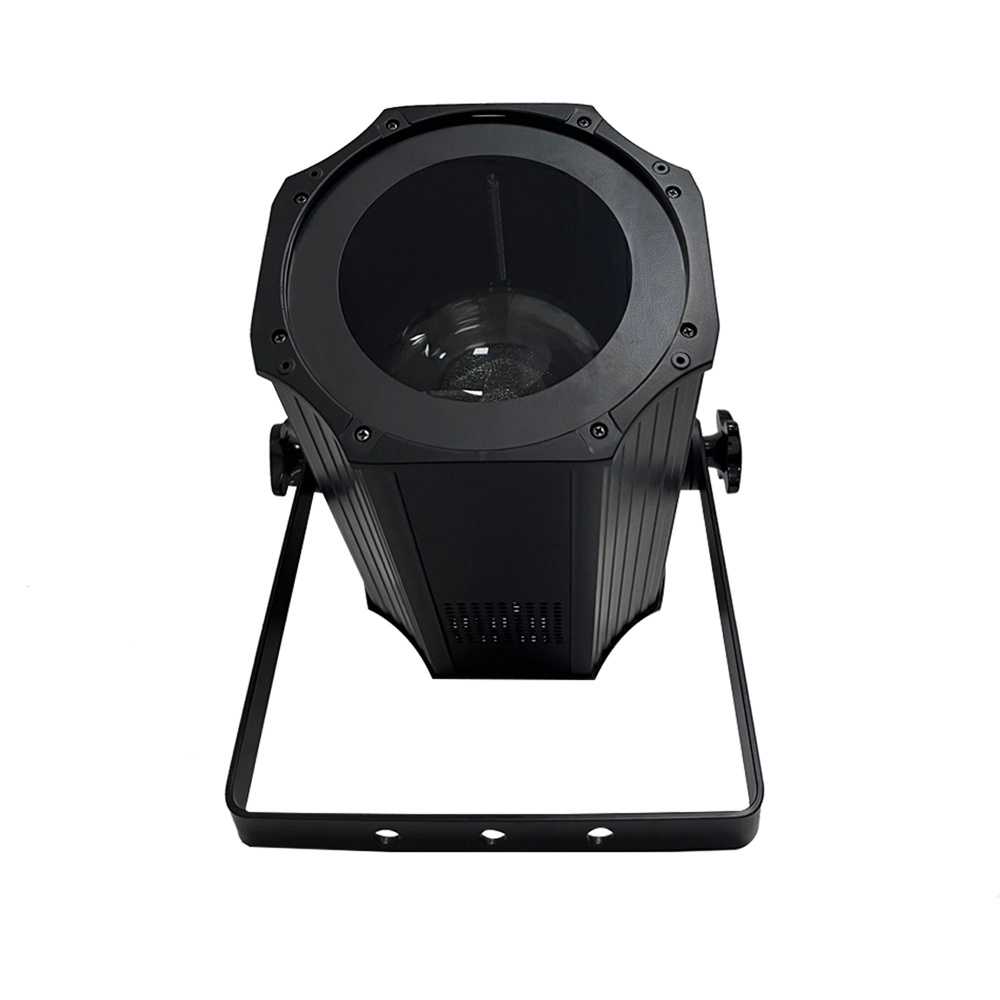
VANRAY LED Par Light Stage LP-200ZC RGBW LED Par Light Suppliers
VANRAY LED Par Light Stage LP-200ZC RGBW LED Par Light SuppliersGet in Touch With VANRAY
Create unforgettable stage moments with our advanced lighting solutions!
Contact us now by filling out the form below or calling us directly to begin your lighting journey!
As a leading Stage Lighting Manufacturer from China, VANRAY Lighting delivers a comprehensive suite of services including innovative R&D, precision production, and professional integration.
Built on decades of technical expertise, we are defined by our commitment to quality and service perfection. From theaters to grand-scale events, VANRAY is the trusted choice for reliable lighting solutions across the global entertainment and architectural sectors.
Copyright © 2025 VANRAY. All Rights Reserved.

Instagram
YouTube
Facebook