










Silent Cooling Technology: Why LED Profile Spot Lights Are the First Choice for Modern Theaters
Why are Vanray LED Profile Spot Lights the first choice for modern theaters? Explore their silent cooling technology. This essential type of theater light* delivers powerful, quiet illumination, optimizing any stage production. Discover more.
- Understanding the Types of Theatre Lights: A Foundation
- The Noise Problem: Why Cooling Matters So Much in Theatre
- How LED Technology Solves the Thermal Problem
- Silent Cooling Architectures: What Makes an LED Profile Truly Quiet
- LED Profile Spot Lights vs. Other Types of Theatre Lights: A Practical Comparison
- 5 Reasons LED Profile Spot Lights Have Become the Modern Theater Standard
- Selecting an LED Profile Spot for Your Theater: Key Technical Criteria
- VANRAY Lighting: LED Profile Spots and Theatre Fixture Solutions for Modern Stages
- Frequently Asked Questions
- Conclusion
In a packed auditorium, silence is a precious commodity. The moment an actor delivers a pivotal monologue, the last thing a director wants is the low mechanical drone of a cooling fan cutting through the air. This is the fundamental reason why silent cooling technology has become one of the defining criteria when selecting stage lighting — and why the LED profile spot light has emerged as the undisputed first choice for modern theater productions worldwide.
This guide explores the full landscape of types of theatre lights in use today, breaks down how thermal management technology has evolved, and explains why LED profile spots with silent or near-silent cooling represent the most significant advancement in theatrical lighting since the introduction of DMX control.

Understanding the Types of Theatre Lights: A Foundation
Before diving into thermal management and silent operation, it's worth establishing a clear taxonomy of the types of theatre lights in professional use. Each fixture family has a distinct optical function — and a distinct set of thermal challenges.
|
Fixture Type |
Primary Function |
Traditional Source |
Modern LED Equivalent |
|
Profile Spot (ERS/Ellipsoidal) |
Sharp-edged, shapeable beam; gobo projection |
Tungsten halogen (500W–2000W) |
LED profile spot light (100W–600W) |
|
Fresnel |
Soft-edged wash, adjustable flood-to-spot |
Tungsten/HMI |
LED Fresnel |
|
PAR Can |
High-intensity color wash |
PAR64 lamp |
LED PAR (RGBW) |
|
Cyclorama / Flood |
Even backdrop illumination |
Tungsten strip |
LED cyc light |
|
Moving Head Spot |
Automated beam, gobos, color |
Discharge (MSR/HMI) |
LED moving head spot |
|
Follow Spot |
Performer tracking |
HMI/xenon arc |
LED follow spot |
|
Strobe |
Pulse effects |
Xenon flash tube |
LED strobe |
Among all these types of theatre lights, the profile spot light — also called the ellipsoidal reflector spotlight (ERS) in North America or simply 'profile' in Europe — holds a special position. It is, as Wikipedia's stage lighting reference notes, the most abundant instrument type currently in theatrical use, offering the flexibility to fulfill the bulk of lighting roles in the theater.
This is precisely why the transition from traditional tungsten-halogen profile spots to LED profile spot lights carries such outsized significance for modern theatrical production.
The Noise Problem: Why Cooling Matters So Much in Theatre
Unlike concert venues or nightclubs where ambient sound levels are high, theatre is an acoustic environment. Dialogue, delicate musical passages, and moments of dramatic silence all occur within inches of lighting fixtures — and within earshot of the entire audience.
Traditional discharge-lamp fixtures (HMI, MSR) generate enormous heat loads. A 1200W HMI profile spot produces roughly 900–1000W of waste heat per fixture. At 40–80 fixtures in a medium-sized venue, that's a thermal load equivalent to a small industrial furnace. The cooling fans required to manage this heat typically produce 35–55 dB(A) per fixture — audible across a quiet stage, and cumulatively disruptive in an intimate black-box or chamber theater.
The consequences are real and well-documented among theater professionals:
• Audience members seated near overhead fixtures can hear cooling fans during quiet scenes
• Recording engineers must use noise-rejection techniques when capturing live theater audio
• Post-show audio restoration is required for broadcast or archival recordings
• HVAC load increases proportionally with fixture heat output, adding operational cost
• Extreme heat creates hazards for rigging crew during relamping and maintenance
How LED Technology Solves the Thermal Problem
The LED profile spot light addresses the noise problem at its root — by generating far less heat in the first place. The thermal chain works as follows:
|
Parameter |
Traditional 1200W HMI Profile |
LED Profile Spot (300W) |
|
Power consumption |
1200W |
250–350W |
|
Luminous efficacy |
~90 lm/W |
~150–180 lm/W |
|
Waste heat (approx.) |
900–1000W |
80–120W |
|
Cooling requirement |
High-speed fan (35–55 dB) |
Passive or ultra-quiet fan (<25 dB) |
|
Operating temperature (ambient) |
Up to 300°C at lamp |
LED junction ~60–80°C |
|
Fixture lifespan |
750–1200 hrs (lamp) |
50,000+ hrs (LED) |
|
Color change method |
Gel filters (manual) |
Electronic RGBW/CMY mixing |
|
DMX dimming quality |
Mechanical dimmer (flicker) |
Flicker-free to 0.1% |
The 80–90% reduction in waste heat is transformative. It means a 300W LED profile spot can achieve comparable output to a 1200W HMI source while requiring only a fraction of the cooling infrastructure.
Silent Cooling Architectures: What Makes an LED Profile Truly Quiet
Not all LED profile spots achieve the same noise floor. The difference lies in the cooling architecture employed by the manufacturer. There are three main approaches:
1. Fully Passive (Fanless) Cooling
The gold standard for acoustic environments. Heat is dissipated entirely through the fixture's aluminum housing via conduction and convection — no moving parts, zero mechanical noise. Passive cooling is achievable for lower-wattage LED profiles (typically up to 150W) where the thermal load is manageable through housing geometry and heat-pipe technology. Ideal for: Intimate black-box theaters, recording-to-picture stages, broadcast studios.
2. Thermally Managed Ultra-Quiet Fan Cooling
For higher-output profiles (200W–600W), fully passive cooling is impractical without excessive fixture bulk. Leading manufacturers engineer variable-speed fan systems that respond to actual LED junction temperature rather than running at constant speed. During low-intensity or standby states, fans operate below 20 dB(A) — below the threshold of human perception in most acoustic environments. Under full load, they may rise to 25–30 dB(A), still substantially below the 35–55 dB(A) of discharge equivalents.
3. Hybrid Thermal Architecture
Some advanced designs combine copper heat pipes (transferring heat from the LED array to a remote heat sink at the rear of the fixture) with a low-speed fan positioned away from the beam path. This physical separation of heat source and fan reduces acoustic transmission toward the stage.
LED Profile Spot Lights vs. Other Types of Theatre Lights: A Practical Comparison
To contextualize the LED profile spot's advantages, it helps to compare its performance across the key criteria that matter to theatrical lighting designers:
|
Fixture Type |
Noise Level |
Color Control |
Beam Shaping |
Best Use in Theatre |
|
LED Profile Spot |
< 25 dB |
RGBW / CMY |
Shutters + Iris + Gobo |
Character focus, gobo projection, feature lighting |
|
Traditional HMI Profile |
35–55 dB |
Gel only |
Shutters + Iris + Gobo |
Legacy installations |
|
LED Fresnel |
< 25 dB |
RGBW |
Adjustable flood-spot |
General wash, ambient fill |
|
LED PAR |
Fanless |
RGBW |
Fixed / lens change |
Color wash, cyc flooding |
|
Discharge Moving Head |
40–60 dB |
CMY + gobo wheel |
Motorized iris/shutter |
High-energy musicals, touring |
|
LED Moving Head Spot |
< 30 dB |
RGBW / CMY |
Motorized iris/gobo |
Musicals, adaptive theatre |
5 Reasons LED Profile Spot Lights Have Become the Modern Theater Standard
1. Acoustic Integrity Preserved
In drama, opera, and chamber musical productions, the acoustic environment is inseparable from artistic intent. LED profile spots with passive or ultra-quiet cooling preserve the sound designer's work without compromise. There are no fan harmonics to notch-filter in post-production, no quiet-scene distractions for front-row audience members.
2. Elimination of Gel Changes Between Scenes
Traditional types of theatre lights require physical gel frame changes to alter color temperature or hue — a process that requires rigging access, adds risk to delicate rigging infrastructure, and is simply impossible mid-performance. LED profile spots achieve full-spectrum color mixing electronically via RGBW, CMY, or CTO+CTB channels, with smooth transitions programmable at the console. A single fixture can serve as warm amber in Act One and icy blue in Act Two without any physical intervention.
3. Dramatic Reduction in Total Cost of Ownership
Tungsten halogen lamps in traditional profile spots require replacement every 750–2,000 hours — typically multiple times per production season. LED arrays in quality profile spots are rated for 50,000+ hours, effectively eliminating lamp replacement as a budget line. Combined with 70–80% lower power draw, the operational cost reduction over a 10-year installation lifecycle is substantial.
4. Superior Optical Control for Complex Productions
Modern LED profile spots offer framing shutters, motorized iris, multiple gobo wheels, and high-precision zoom optics within a single fixture — capabilities that previously required separate fixtures or expensive add-on modules. The ability to perform gobo morphing, IRIS chases, and shutter wipes via DMX opens creative possibilities that are impractical with conventional fixture types.
5. Compliance with Modern Sustainability Standards
Theaters, opera houses, and performing arts centers are increasingly subject to sustainability reporting requirements and energy efficiency targets. LED profile spots with their 70–80% energy reduction, elimination of hazardous lamp disposal (mercury-containing discharge lamps), and reduced HVAC load all contribute meaningfully to institutional sustainability goals.
Selecting an LED Profile Spot for Your Theater: Key Technical Criteria
When evaluating LED profile spots — whether you're refitting an existing theater or specifying for a new build — these are the criteria that separate genuinely theater-grade fixtures from event-rental grade hardware:
CRI ≥ 90 (Ideally CRI 95+)
Theatre lighting must render skin tones, costume fabrics, and scenic paint with fidelity. CRI (Color Rendering Index) below 90 creates visible color shifts under different scenes — particularly problematic when mixing LED and conventional fixtures in a transitional rig. Specify CRI 95+ for drama and opera; CRI 90+ is acceptable for musicals with high saturation color looks.
Noise Floor Below 25 dB(A)
This is the practical threshold below which a fixture becomes inaudible in a typically seated theater environment. Request certified noise measurements in dB(A) from your supplier at full power and at 50% output. Be wary of specifications that only cite noise at 50% load.
Flicker-Free Dimming Across Full Range
Theatrical dimming requires smooth, linear response from 100% to 0.1% without stepped transitions or flicker — particularly critical in slow fade sequences and in broadcast environments where camera frame rates interact with PWM dimming frequencies. Specify flicker-free operation to IEEE 1789 standards.
Framing Shutters with Fine Adjustment
Four independently adjustable framing shutters are the defining feature of a true profile spot. In theatre, the ability to create precise light pools — cutting hard across a doorframe, isolating a face without spilling onto a backdrop — is a fundamental requirement.
Smooth, High-Resolution DMX Gobo and Iris Control
For complex theatrical cuing, gobo rotation, iris position, and color mixing must respond with fine, lag-free DMX resolution. Specify fixtures with 16-bit or higher channel resolution for smooth animation effects.
Thermal Certification and Heat Sink Design
Fixtures used in permanent theater installations must maintain output consistency across temperature cycles. Request thermal performance data showing lumen maintenance (L70 rating) and verify that the cooling design is rated for continuous operation rather than peak-specification bursts.
VANRAY Lighting: LED Profile Spots and Theatre Fixture Solutions for Modern Stages
VANRAY Lighting has been at the forefront of professional stage lighting development since 2013, with a product range that directly addresses the acoustic, optical, and operational needs of modern theatrical venues.
LED Profile Spot Light Series
VANRAY's LED profile spot lineup covers the full range of theatrical throw distances and output requirements — from compact 100W fixtures for intimate black-box venues to high-output 600W units for large opera houses and multi-purpose halls. All models feature framing shutters, gobo wheels, motorized iris, and precision zoom optics, with RGBW or CMY color systems tunable to CRI 95+.
Silent Cooling Engineering
VANRAY's theater-grade profile spots are engineered specifically for acoustic environments. Variable-speed thermal management fans are calibrated to remain below 25 dB(A) across normal operating ranges, with fully passive models available for the most acoustically sensitive applications. Heat-pipe arrays transfer junction heat to rear-mounted aluminum fin radiators, keeping optical performance stable across extended production runs.
Full Theatre Fixture Ecosystem
Beyond profile spots, VANRAY's theatre portfolio covers all primary types of theatre lights — LED Fresnels, LED PAR wash fixtures, LED cyclorama lights, moving head spots, and LED follow spots — enabling complete LED rigs from a single trusted supplier. This consistency simplifies DMX programming, spare parts management, and system integration.
Project Support and DIALux Simulation
VANRAY provides end-to-end technical support for theatre installation projects: DIALux photometric simulations, DMX channel mapping, on-site commissioning, and 24/7 technical support. For theatre operators refitting existing venues, VANRAY's team can develop migration strategies that allow phased transition from conventional to LED fixtures.
CE, RoHS Certification and OEM Capability
All VANRAY products carry CE and RoHS certification, with market-specific certifications available on request. Full OEM and ODM services are available for production companies or venues requiring custom configurations, specialized housings, or proprietary branding.
Frequently Asked Questions
What are the main types of theatre lights used in professional productions?
The core types of theatre lights in professional use are: profile spots (ellipsoidals/ERS), Fresnel lanterns, PAR cans, cyclorama lights, moving head spots and washes, follow spots, and strobe lights. Each serves a distinct optical function — from the sharp, shapeable beam of a profile spot to the soft flood of a Fresnel. Modern productions increasingly deploy LED versions of all these fixture types.
Are LED profile spots truly silent, or is that a marketing claim?
Quality theater-grade LED profile spots can achieve below 25 dB(A) — which is effectively inaudible in a normal theater environment. Fully fanless (passive) models exist for the most acoustically sensitive applications. It's important to request verified noise specifications in dB(A) at full load, not just manufacturer claims.
Can LED profile spots replace traditional tungsten halogen fixtures in an existing theater?
Yes — in most cases, a 1:1 replacement is possible, often with reduced rigging weight and improved output. The key considerations are throw distance (LED profiles maintain good output at 8–20m), color rendering (specify CRI 95+ for drama), and DMX compatibility with your existing console. Your lighting supplier should be able to provide photometric comparisons for your specific venue geometry.
How long do LED theatre fixtures last compared to traditional lamps?
LED arrays in quality theatrical fixtures are rated for 50,000+ hours of operation. Traditional tungsten halogen lamps require replacement every 750–2,000 hours, and discharge lamps (HMI, MSR) every 750–3,000 hours. For a theater operating 2,000 hours per year, this means a LED array can last 25+ years before needing replacement — vs. annual or more frequent lamp changes for conventional fixtures.
Does VANRAY supply fixtures for both new theater builds and retrofit projects?
Yes. VANRAY works with both new-build projects requiring complete fixture specifications and existing venues undertaking partial or full LED retrofit programs. The team provides DIALux simulation, photometric comparison reports, and phased migration planning to minimize production disruption during transitions. Contact VANRAY at vanraylighting.com for a project-specific consultation.
Conclusion
The evolution from traditional discharge and tungsten sources to LED profile spot lights is the most consequential shift in theatrical lighting technology in a generation. Silent cooling is not an optional premium — in a theater, it is a fundamental requirement that directly affects the artistic integrity of every production.
Understanding the full taxonomy of types of theatre lights — and where each fixture type's thermal and acoustic characteristics place it in the modern lighting designer's toolkit — is the foundation of specifying a rig that serves both the production and the audience.
VANRAY Lighting's LED profile spot range, combined with its full suite of theater lighting solutions, delivers the acoustic performance, optical precision, and operational reliability that modern theatrical venues demand. From intimate studio theaters to grand opera houses, silent LED technology is no longer the future of theater lighting — it is the present standard.
Explore VANRAY's complete theatre lighting portfolio at vanraylighting.com, or contact the project team for a tailored consultation, photometric simulation, and fixture recommendation for your venue.
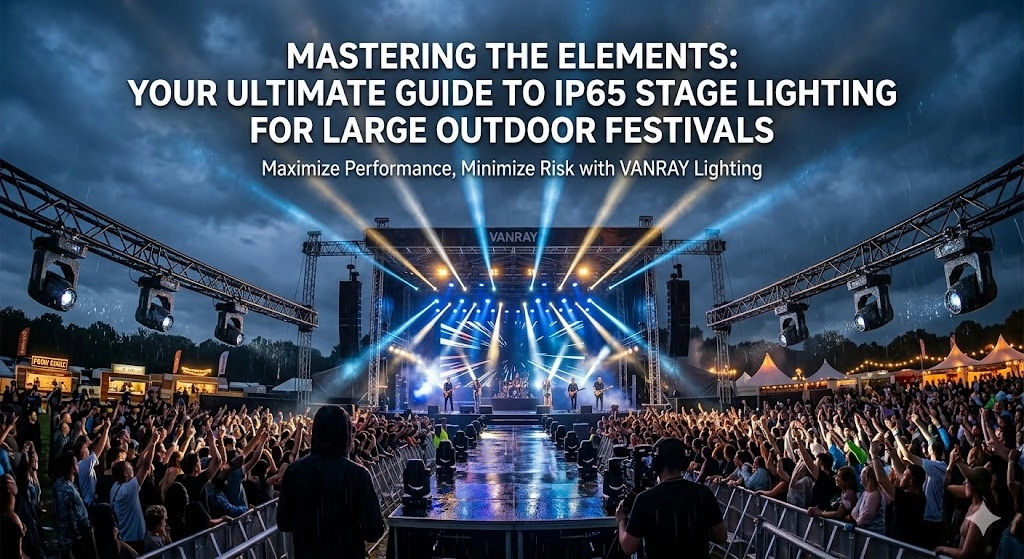
How to Choose IP65-Rated Fixtures for Large Outdoor Music Festivals
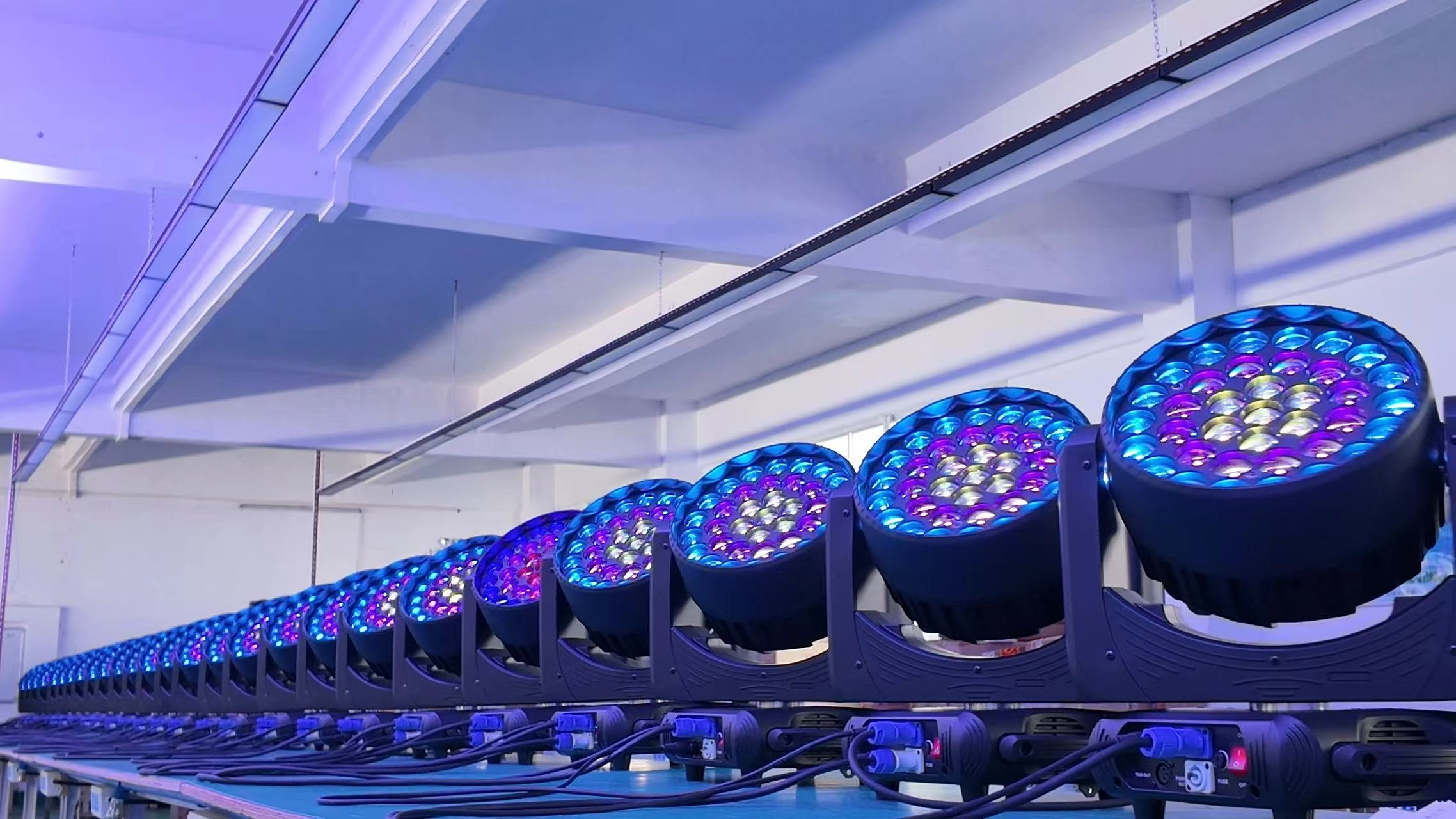
Top 10 Stage Lighting Manufacturers in the World (2026 Rankings)
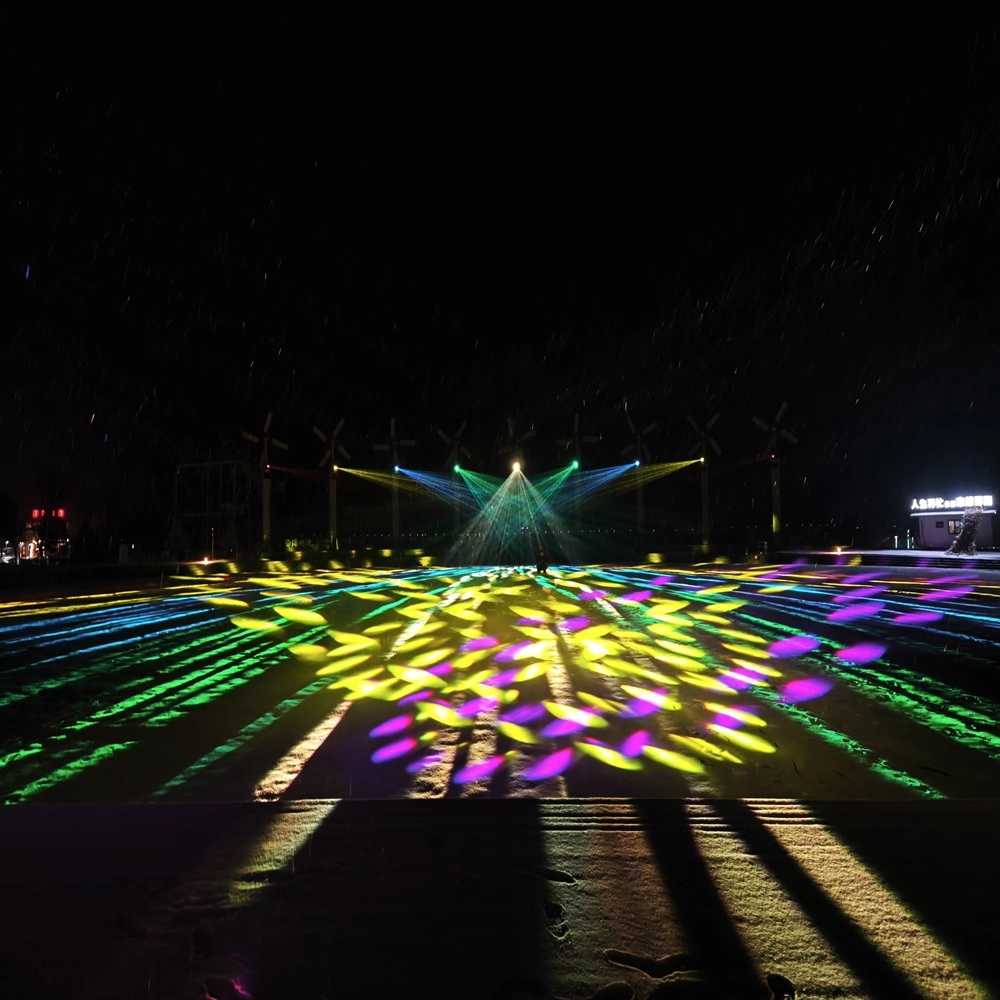
Outdoor Stage Lighting Solutions: The Complete Professional Guide (2026)
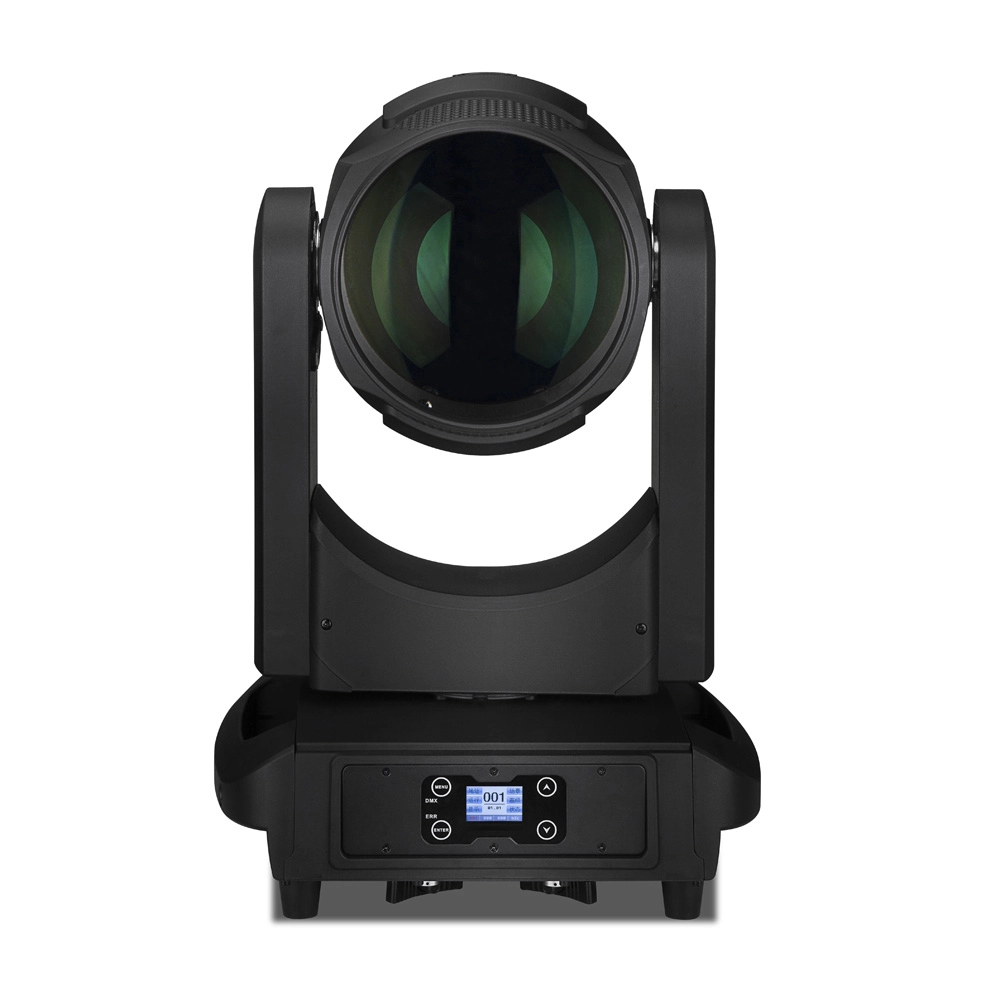
Moving Head Light Buying Guide: Everything You Need to Know Before You Buy (2026)
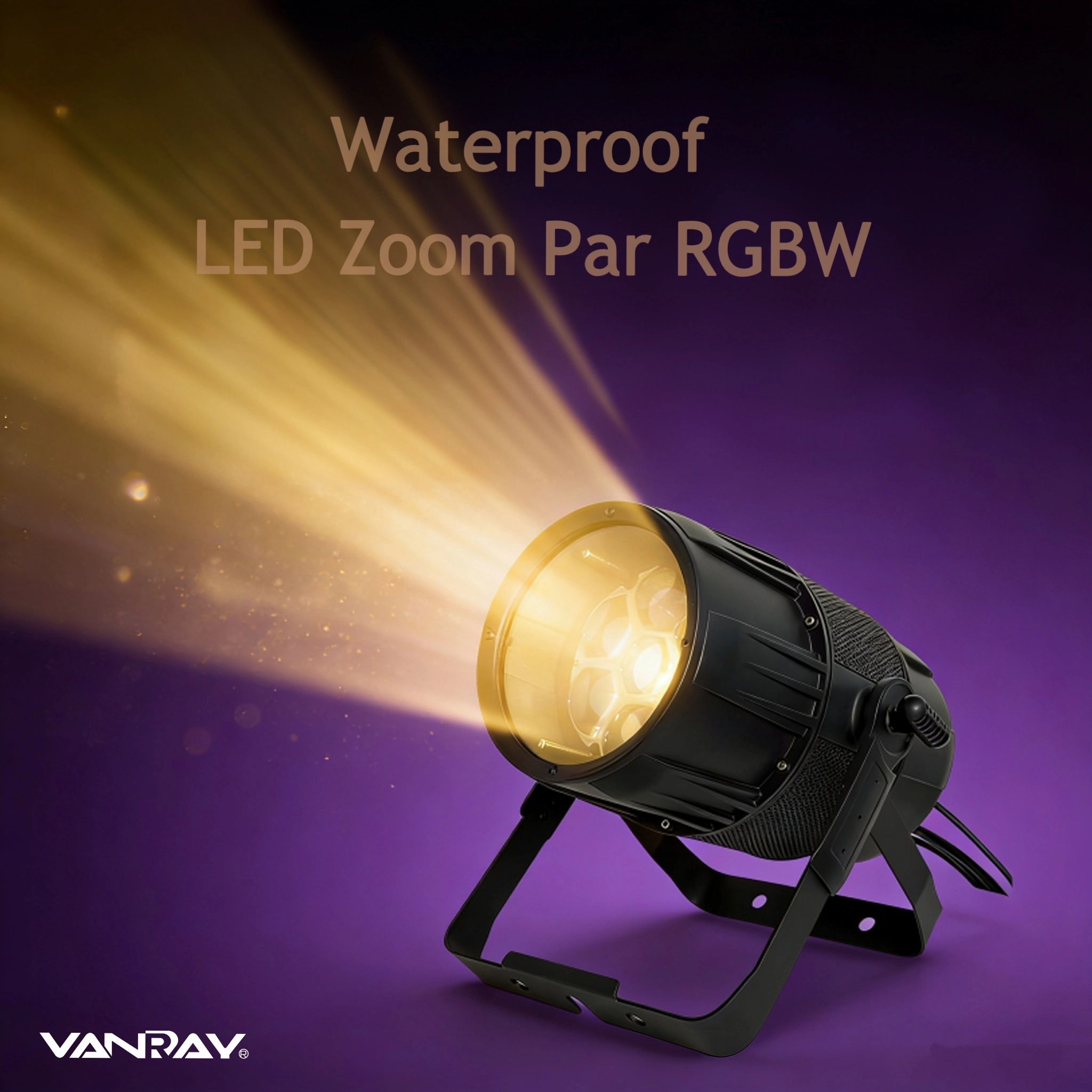
VANRAY LP-740Z 7pcs 40W RGBW Zoom LED Par Can
About Customized Services
What kind of customization services can you provide ?
Yes, we can provide personalized, customized services according to your needs and requirements, including the product's color temperature, customized gobos for moving headlights, packaging and private labeling for products, etc. for other requirements, which can be negotiated with our sales team.
How long does customized service take?
The time for customized services depends on your specific needs and order volume. Generally speaking, normally 2-3 days, we will provide you with customized solutions as soon as possible.
Are there any additional charges for customized services?
Customized services may be subject to appropriate customization fees based on your specific requirements.
About Logistics
Does your product support global logistics and distribution?
Yes, our products support global logistics and distribution services, and you can receive our products anytime and anywhere.
About Company
Can I Visit your company?
Of course, our company is located in No. 7, Sijiaowei Industrial Zone, Tanbu Town, Huadu District, Guangzhou, China. Warmly welcome to visit our factory.
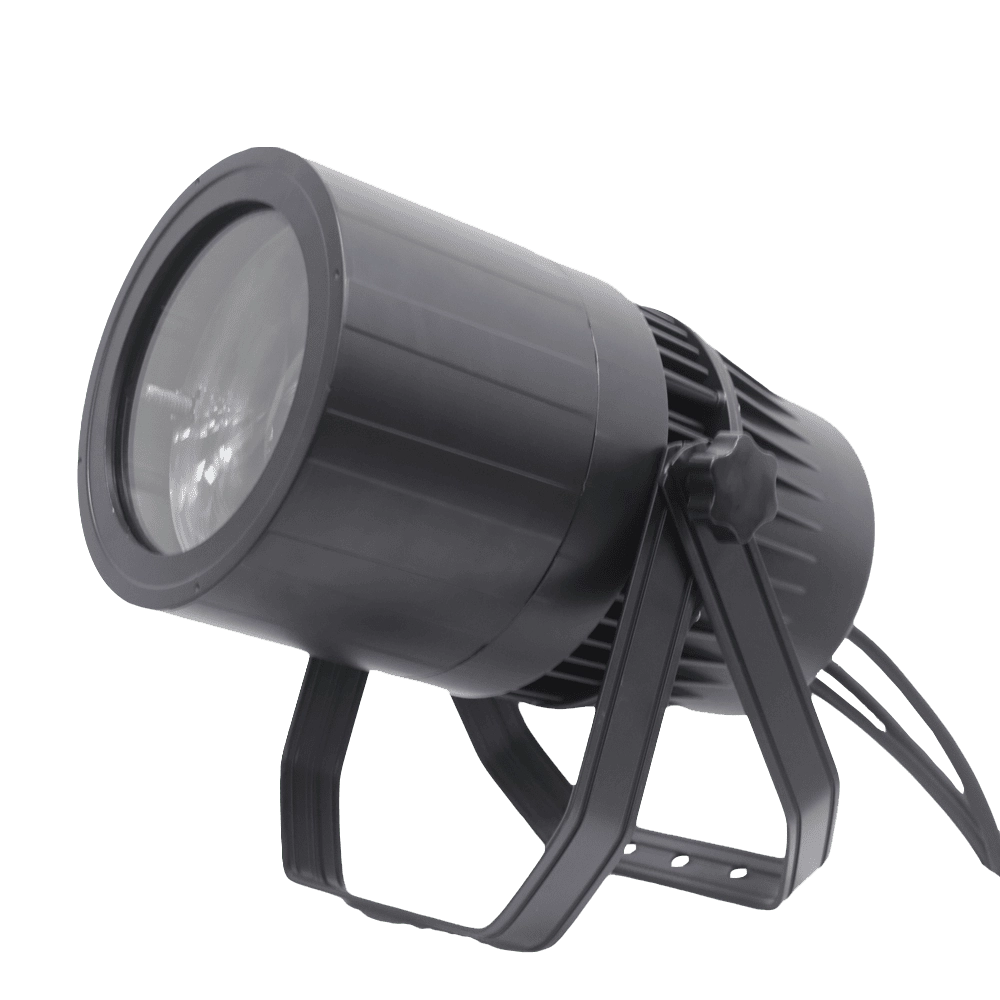
IP65 Waterproof LED Zoom Par Light: 200W High-Output Wash (LP-200Z)
IP65 Waterproof LED Zoom Par Light: 200W High-Output Wash (LP-200Z)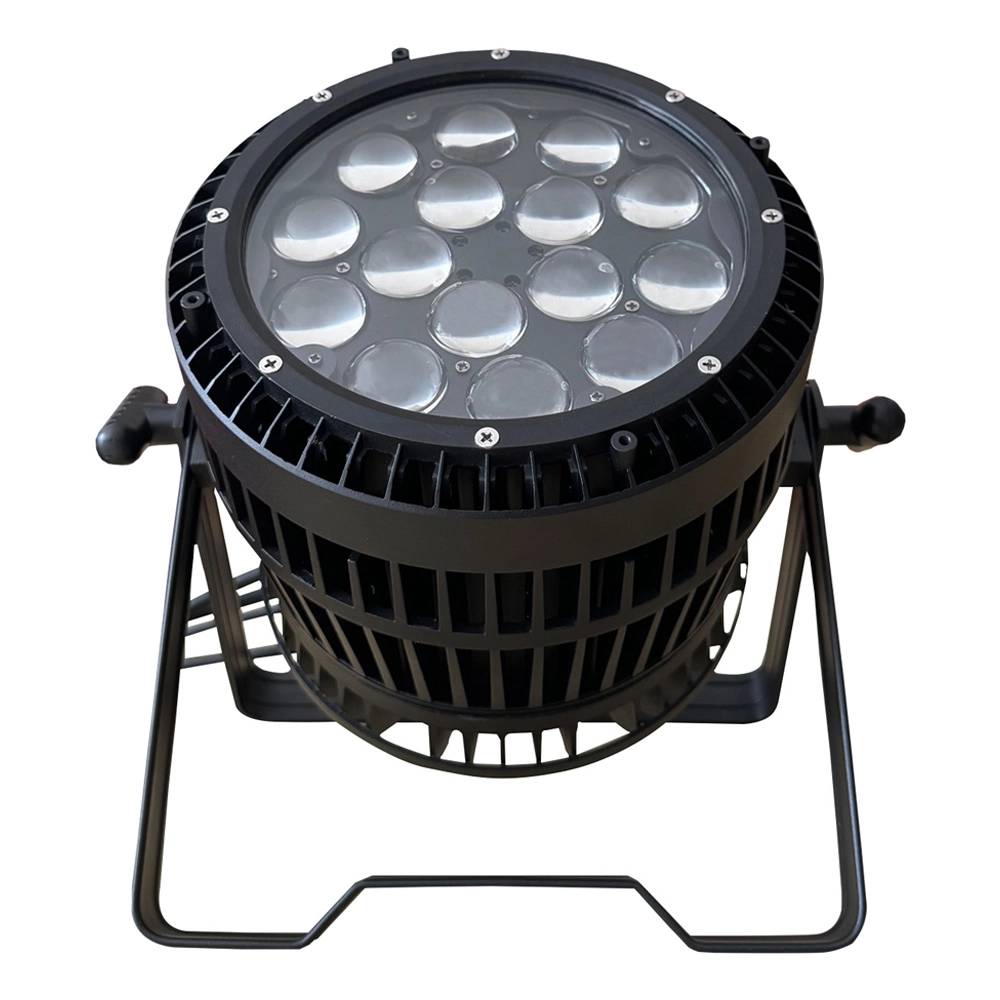
VANRAY LED Par Zoom Wash LP-1515Z 15pcs 15W RGBW Waterproof LED Par Light
VANRAY LED Par Zoom Wash LP-1515Z 15pcs 15W RGBW Waterproof LED Par Light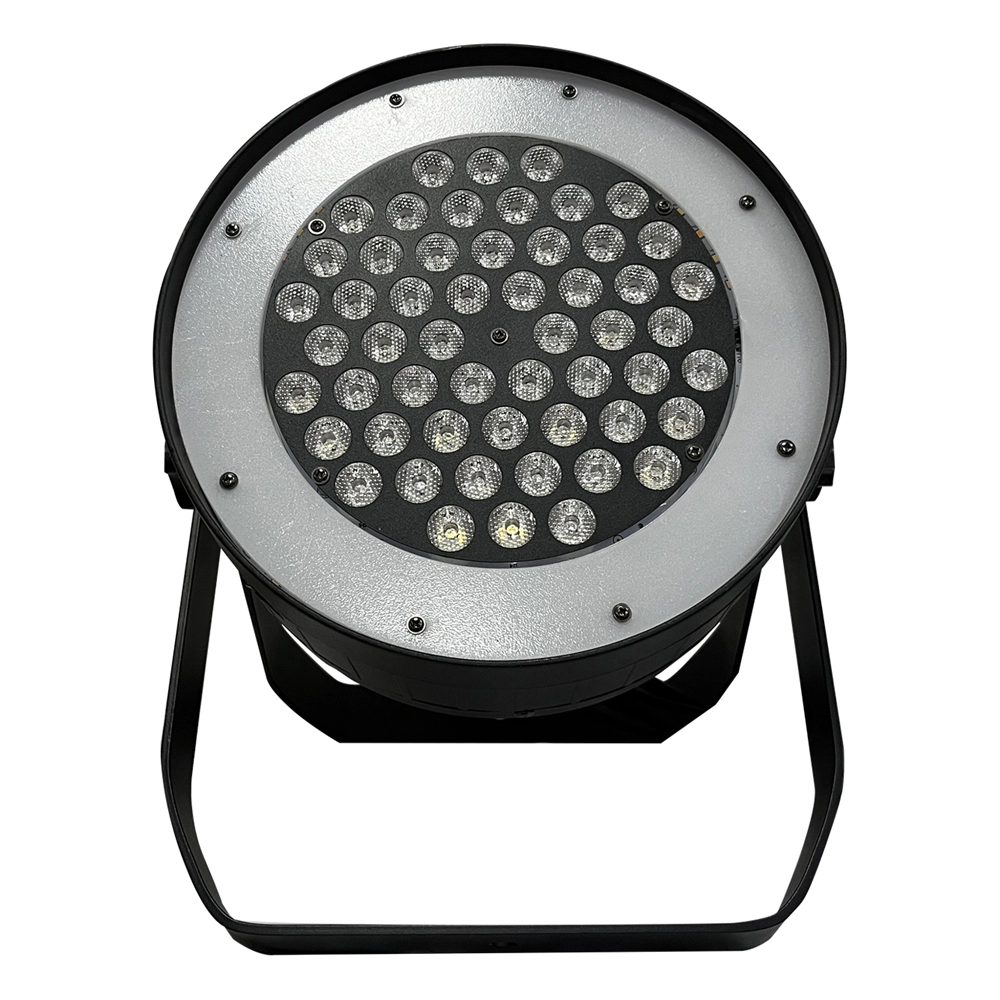
350W Professional Theater LED Par Can Light | LP-350SJL
350W Professional Theater LED Par Can Light | LP-350SJL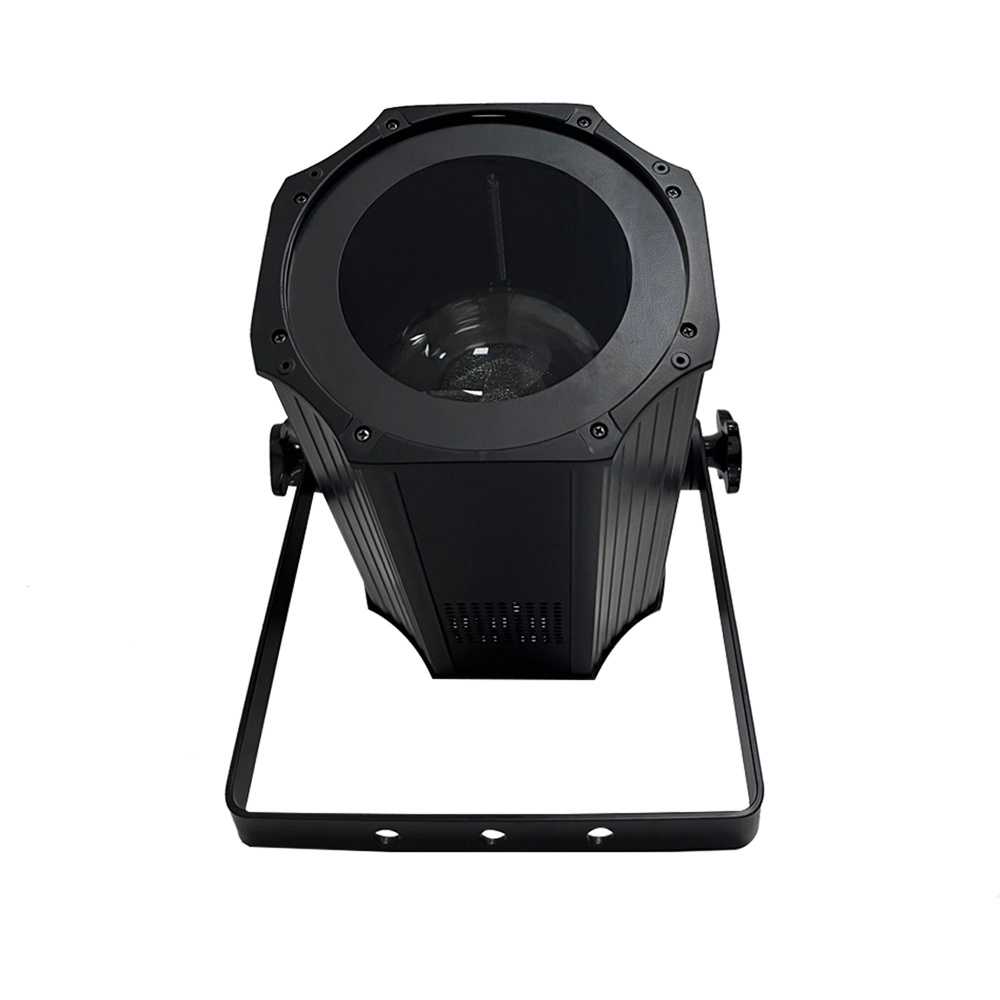
VANRAY LED Par Light Stage LP-200ZC RGBW LED Par Light Suppliers
VANRAY LED Par Light Stage LP-200ZC RGBW LED Par Light SuppliersGet in Touch With VANRAY
Create unforgettable stage moments with our advanced lighting solutions!
Contact us now by filling out the form below or calling us directly to begin your lighting journey!
As a leading Stage Lighting Manufacturer from China, VANRAY Lighting delivers a comprehensive suite of services including innovative R&D, precision production, and professional integration.
Built on decades of technical expertise, we are defined by our commitment to quality and service perfection. From theaters to grand-scale events, VANRAY is the trusted choice for reliable lighting solutions across the global entertainment and architectural sectors.
Copyright © 2025 VANRAY. All Rights Reserved.

Instagram
YouTube
Facebook