








Stage lighting: not merely about "illuminating", but also the invisible narrator of the story.
When the audience's gaze is fixed on the stage, what first catches the eye might be the actors' lines, the dancers' movements, or the melody of the music. But few notice that the flowing lights and the shifts between light and dark have already quietly infused emotions into every moment - this is the magic of stage lighting. It is never merely a "lighting tool", but a "narrator" hidden behind the scenes, using light and shadow to build the framework of the story and color with emotions through hues.
Many people's understanding of stage lighting is limited to "just make it bright", but true lighting design is a precise dialogue with the plot, characters, and space. I remember watching a modern dance drama called "Rainy Season". At the beginning, only a cold white spotlight was left on the stage, shining alone on the dancer, casting a long, thin shadow on the ground, just like a person holding an umbrella alone on a rainy day. This sense of loneliness was conveyed directly to the audience's hearts without any dialogue, through the light and shadow. As the plot progressed, the lighting gradually changed from cold white to light blue, and then to warm yellow when the rain stopped. The layering of light and shadow changes was more delicately depicted than any narration, outlining the emotional curve from confusion to relief.
The "narrative power" of stage lighting lies in three core dimensions. First is the choice of light position: top light sets the overall atmosphere, like a "mood filter" for the stage; face light focuses on the actors' faces, allowing the audience to see the subtle changes in their expressions; side light can outline the contours of characters, making the dancers' body lines more dynamic. Even a simple turn can gain an extra layer of story-telling through the cutting of light and shadow. Second is the expression of color: red doesn't always represent passion; it can also be a signal of tension and danger. Blue isn't necessarily melancholy; it can also be the serenity of the deep sea or the vastness of the starry sky. Last year, when watching a suspenseful drama, as the plot reached its climax, the lighting suddenly shifted from warm orange to a low-saturation dark red, accompanied by strobe effects, instantly immersing the audience in a "heart-pounding" tense atmosphere. This sensory impact is irreplaceable by dialogue alone. Finally, the rhythm of light and dark: the "breathing" of lighting is more important than constant brightness. For instance, during the arias in an opera, the lighting gradually brightens along with the melody, making the singer's emotions more full; while during the pauses in the plot, the lighting slowly dims, leaving space for the audience to think and resonate.
Today's stage lighting is no longer the traditional "on-off" operation. Intelligent control consoles can precisely control the angle, brightness and color of each light, and even simulate natural light and shadow such as sunrise, starry sky and flames, making the stage space seem to extend infinitely. However, technology always serves the content. Truly excellent lighting design never makes the audience feel like it's showing off its skills. Instead, it leads you along unconsciously as you immerse yourself in the story - just like a good rain, you don't deliberately notice the raindrops, but are moved by the atmosphere it brings.
Perhaps the next time you step into a theater, you can try to pay a little more attention to those lights and shadows: the holding of breath when the lights dim, the focus when the spotlight shines, the fluttering of the heart when the colors shift... Those stories hidden in the light are far more touching than you can imagine.
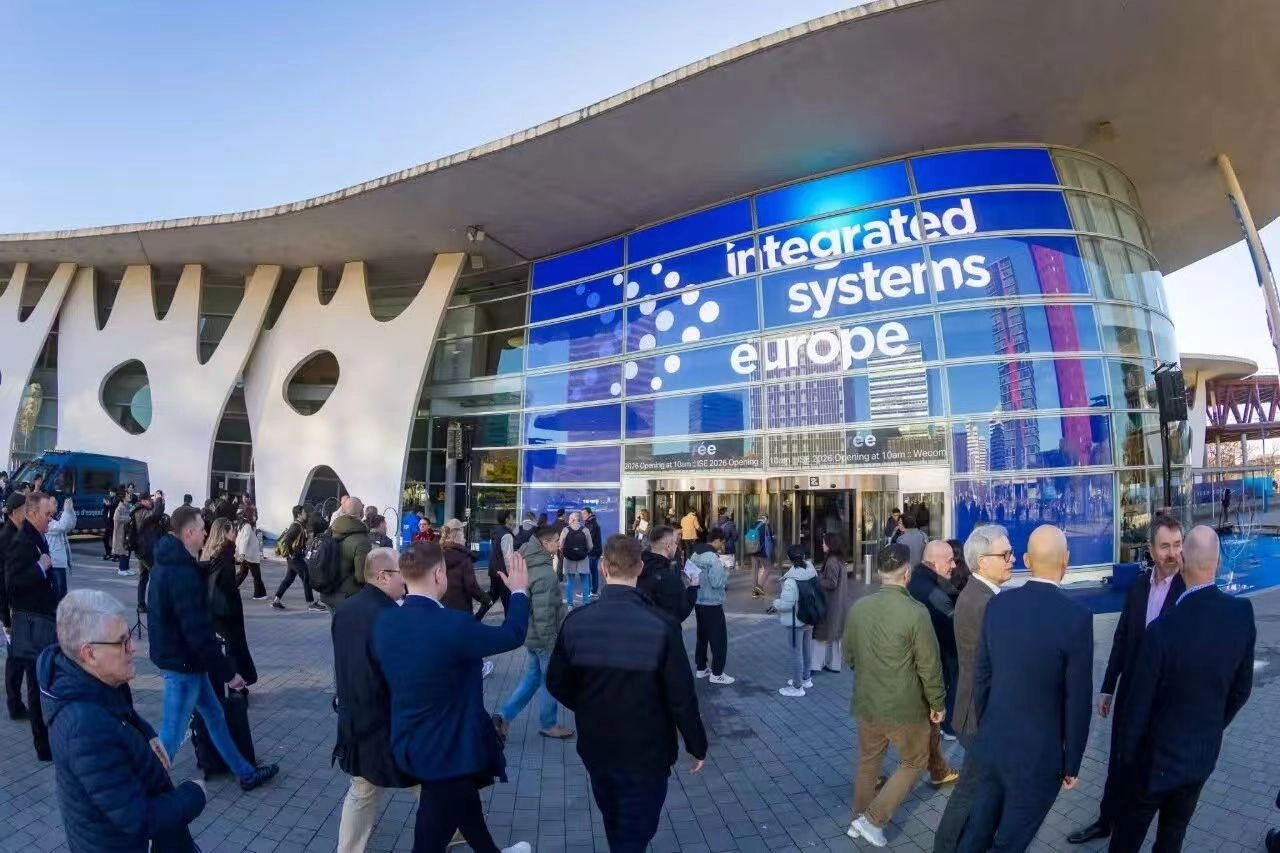
VANRAY ISE 2026 BARCELONA
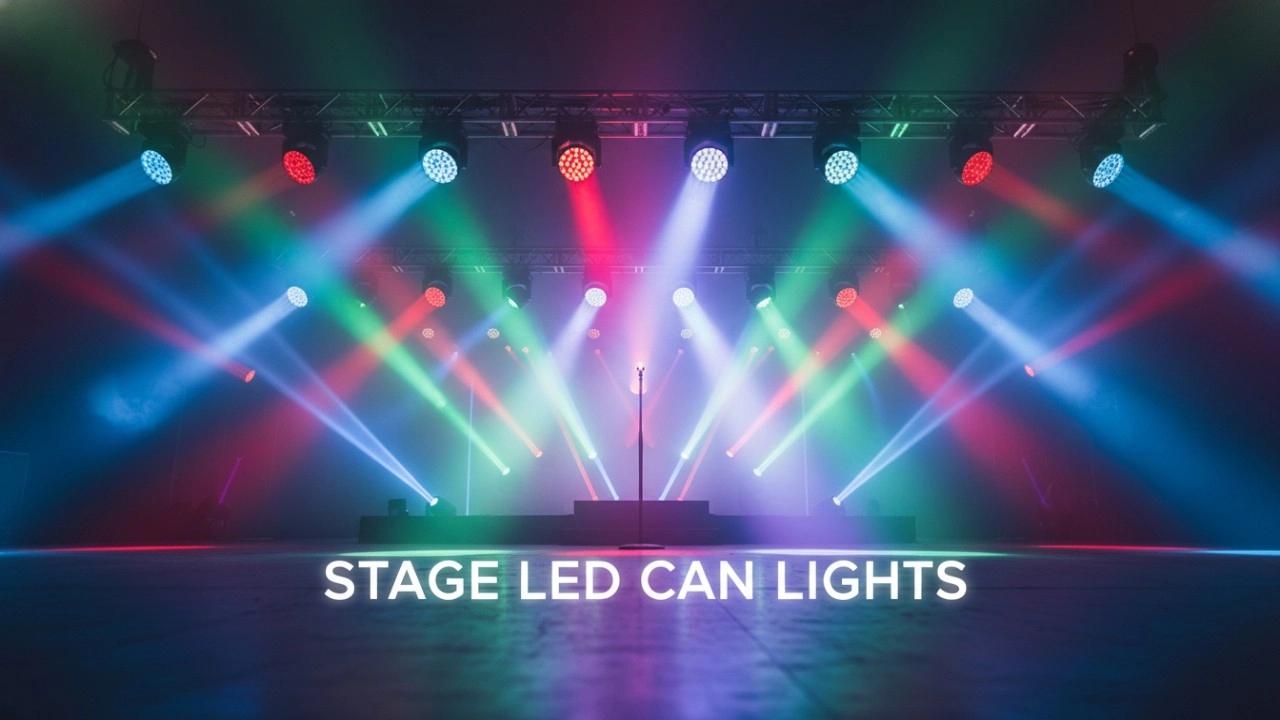
The 2026 Standard: Transitioning from Conventional PARs to Stage LED Can Lights
Best Weatherproof Stage Fixtures 2026: IP65 Wash Lights
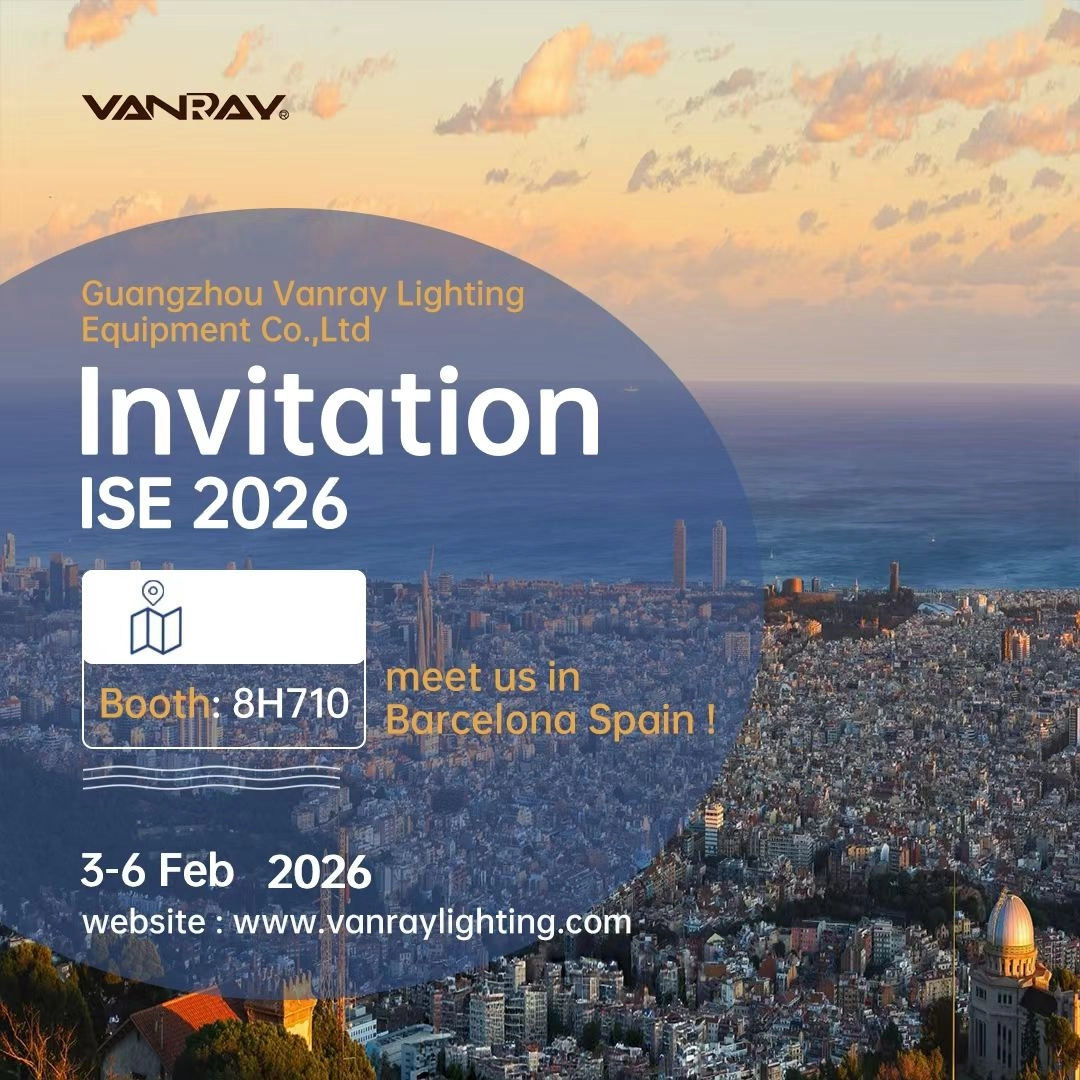
Countdown to the 2026 ISE Exhibition in Spain!
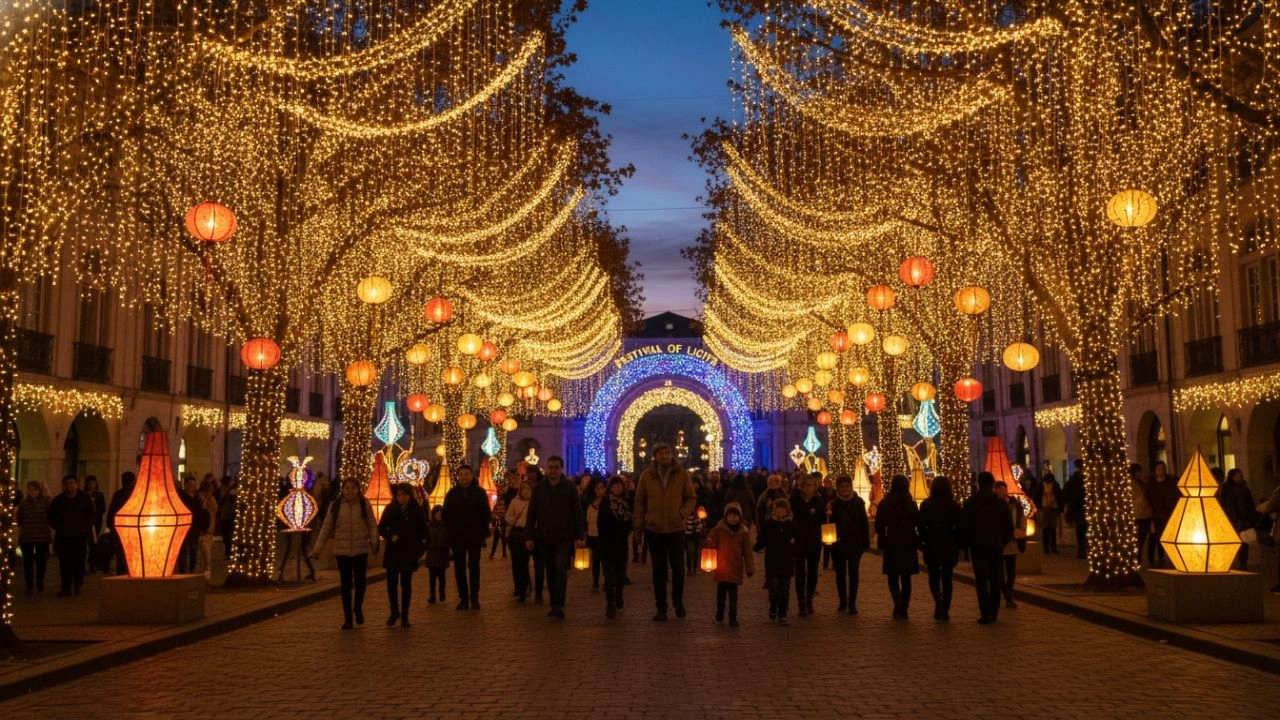
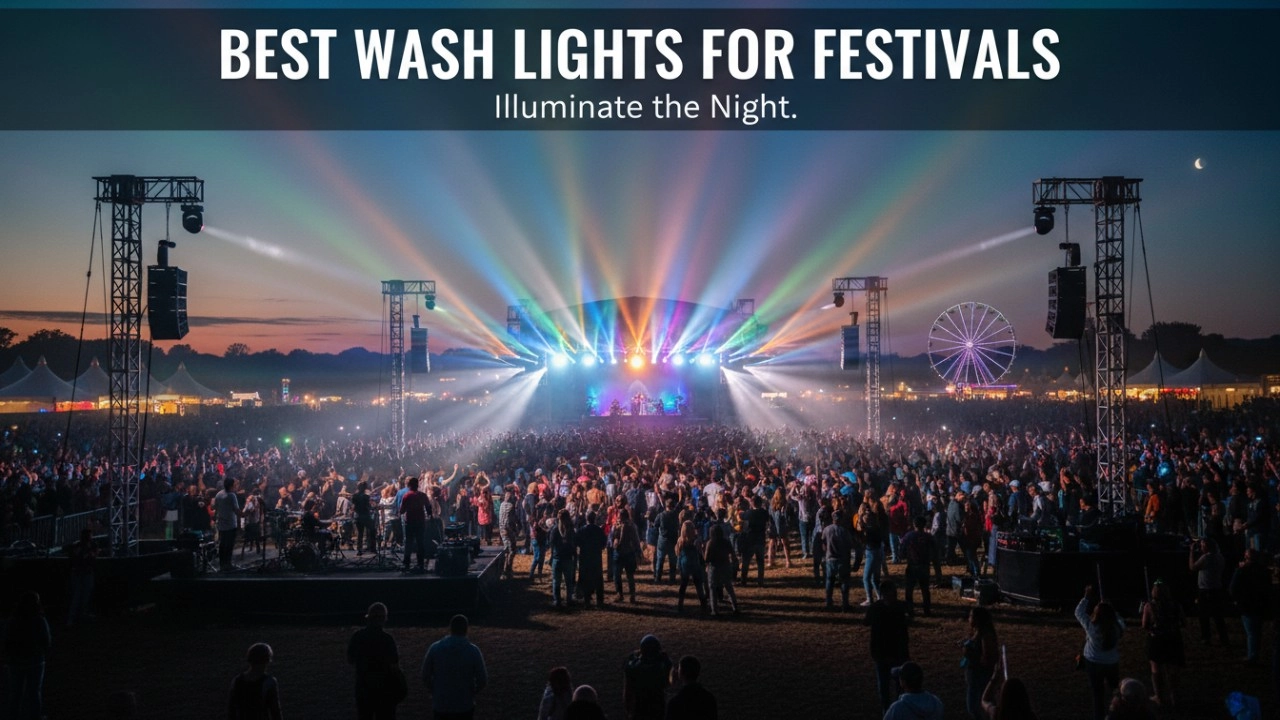
The Ultimate Guide to Lights for Festivals: 2026 Innovation and Design Trends
About Company
How long has your company been established?
Our company has been established since 2013.
About Product
What certifications and inspections have your products passed?
Our products have passed relevant quality certifications and inspections, including CE, RoHS, etc., to ensure product safety and reliability.
Can you accept the sample order?
Yes, we can. The sample order for trial is acceptable.
About Customized Services
Are there any additional charges for customized services?
Customized services may be subject to appropriate customization fees based on your specific requirements.
About Cooperation Process
How to start working with your company?
You can contact us through our official website or contact information, and our sales team will be happy to assist you.
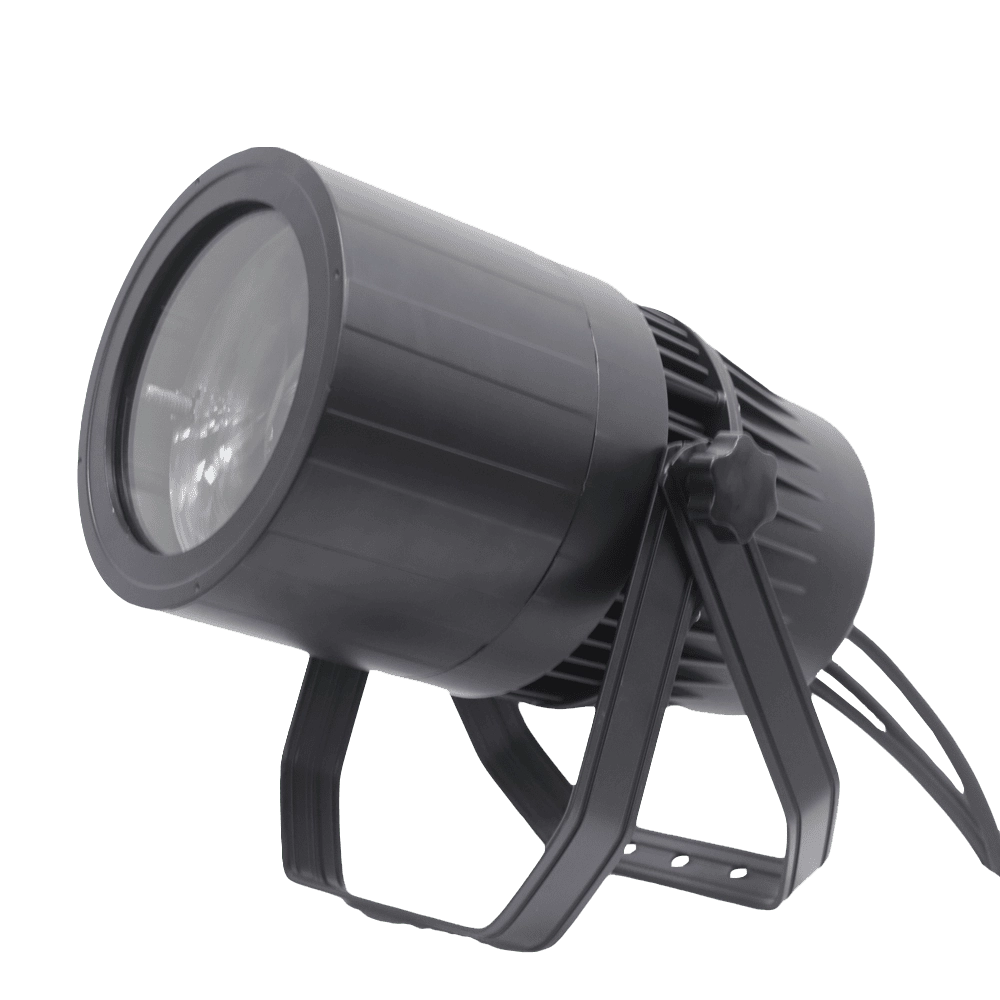
VANRAY Waterproof LED Par Light LP-200Z 200W Zoom Par Light
VANRAY Waterproof LED Par Light LP-200Z 200W Zoom Par Light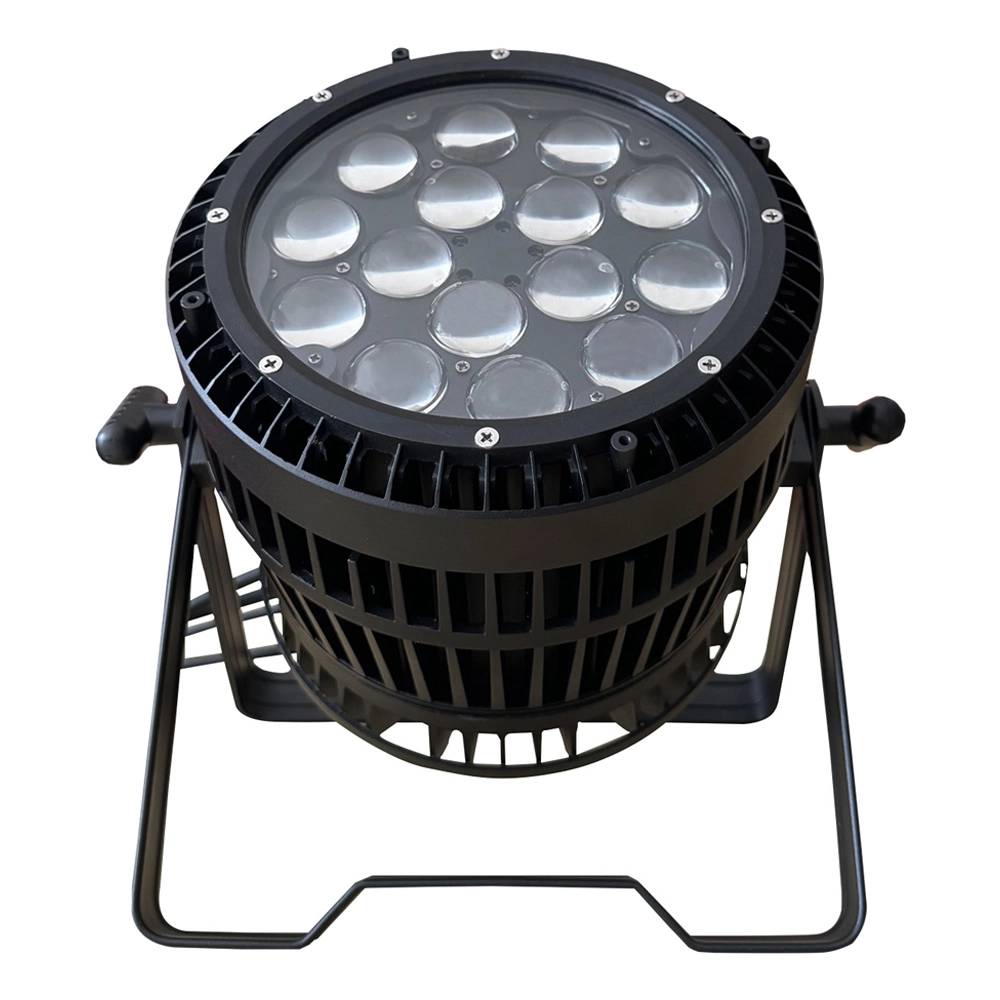
VANRAY LED Par Zoom Wash LP-1515Z 15pcs 15W RGBW Waterproof LED Par Light
VANRAY LED Par Zoom Wash LP-1515Z 15pcs 15W RGBW Waterproof LED Par Light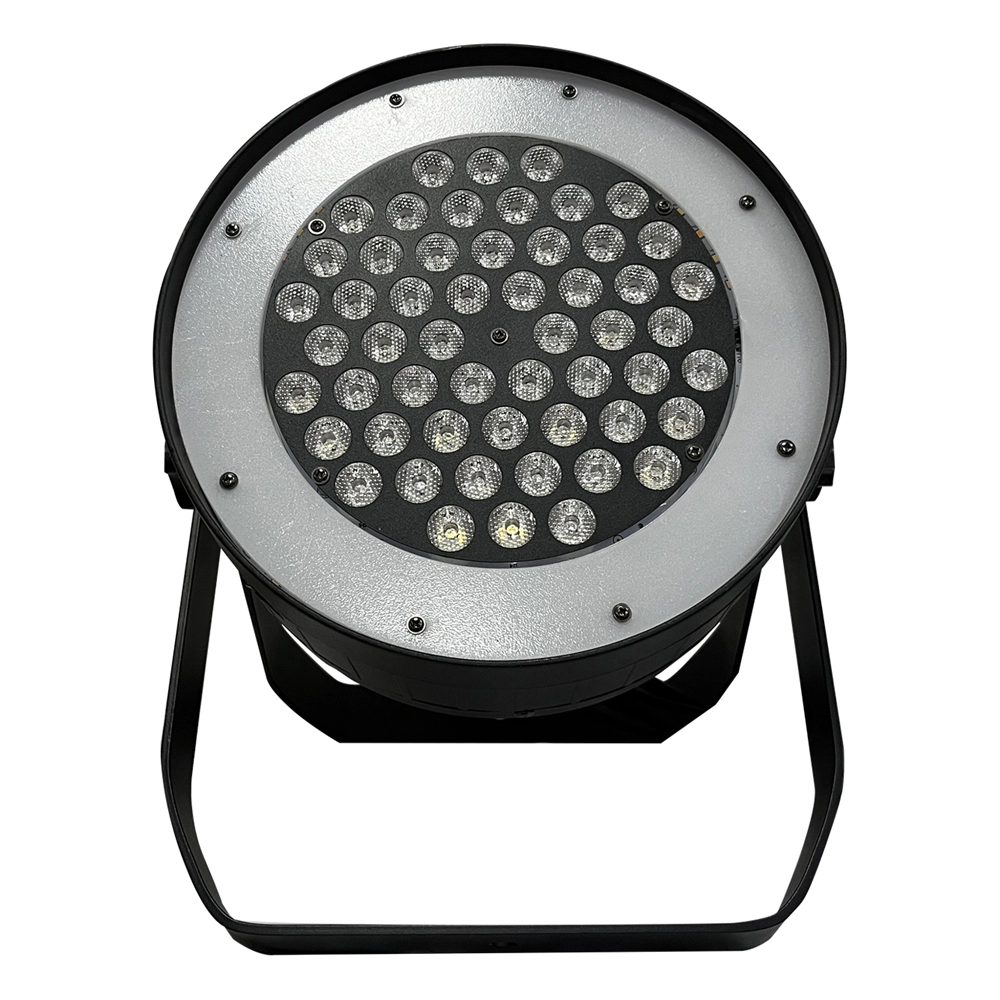
VANRAY Theater LED Par Can Lights LP-350SJL 350W White LED Par Can Lights
VANRAY Theater LED Par Can Lights LP-350SJL 350W White LED Par Can Lights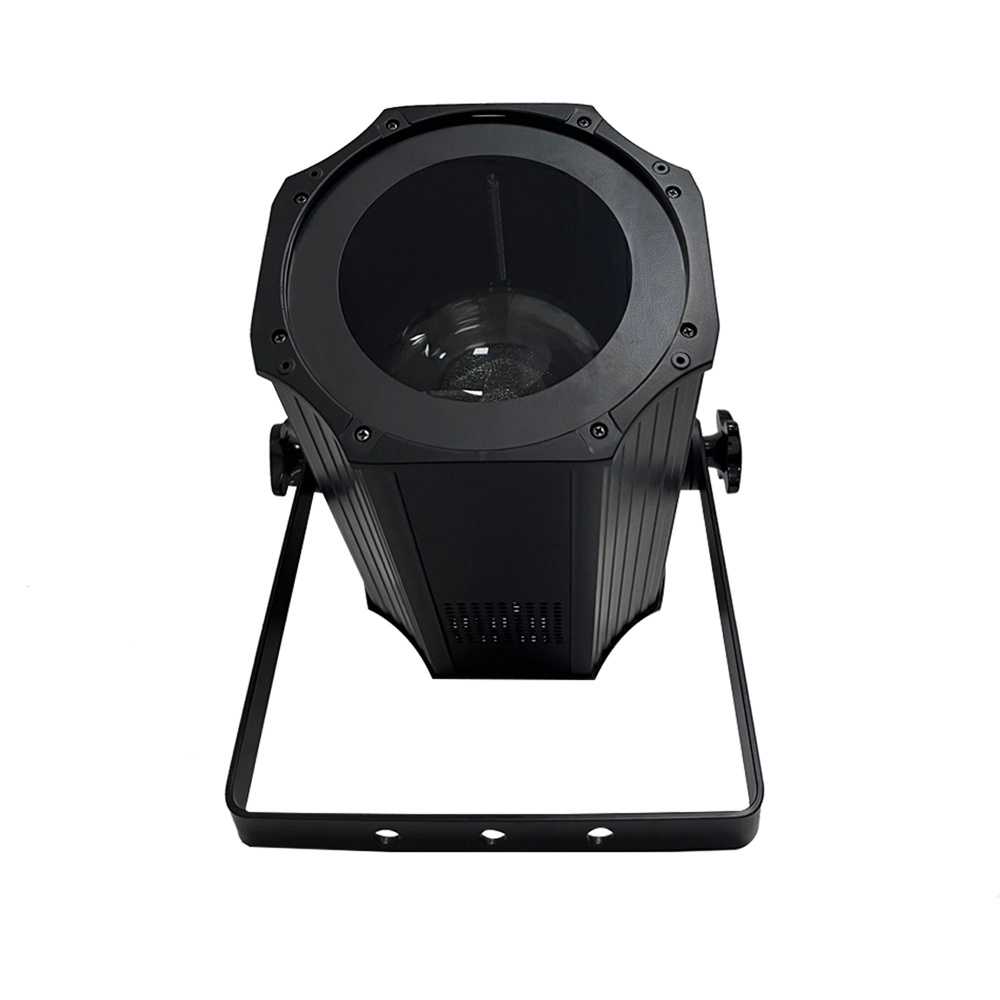
VANRAY LED Par Light Stage LP-200ZC RGBW LED Par Light Suppliers
VANRAY LED Par Light Stage LP-200ZC RGBW LED Par Light SuppliersGet in Touch With VANRAY
Create unforgettable stage moments with our advanced lighting solutions!
Contact us now by filling out the form below or calling us directly to begin your lighting journey!
As a leading Stage Lighting Manufacturer from China, VANRAY Lighting delivers a comprehensive suite of services including innovative R&D, precision production, and professional integration.
Built on decades of technical expertise, we are defined by our commitment to quality and service perfection. From theaters to grand-scale events, VANRAY is the trusted choice for reliable lighting solutions across the global entertainment and architectural sectors.
Copyright © 2025 VANRAY. All Rights Reserved.
Instagram
YouTube
Facebook