










How to service a moving head light? | Vanray Expert Guide
- How to Service a Moving Head Light: Essential Maintenance for Stage Lighting
- 1. How Often Should You Service a Moving Head Light?
- 2. What Are the Key Components to Check During Servicing?
- 3. How to Clean a Moving Head Light Safely?
- 4. How to Troubleshoot Common Problems in Moving Head Lights?
- 5. What Should You Consider When Purchasing Moving Head Lights for Maintenance Ease?
How to Service a Moving Head Light: Essential Maintenance for Stage Lighting
Moving head lights are crucial for dynamic stage lighting, offering versatility and precision. Proper servicing ensures longevity, peak performance, and safety. Here’s a professional guide to maintain your moving head fixtures effectively.
1. How Often Should You Service a Moving Head Light?
Industry standards generally recommend servicing moving head lights every 6 to 12 months depending on usage. In heavy-use environments (e.g., touring or continuous events), quarterly maintenance might be necessary. Regular checks help prevent dust accumulation, lens damage, and mechanical wear.
2. What Are the Key Components to Check During Servicing?
Essential components to inspect include:
- Lenses and optics: Clean with approved lens wipes or microfiber cloths to avoid scratches.
- Motors and pan/tilt mechanisms: Check for smooth movement and lubricate with manufacturer-recommended lubricants.
- Electrical connections: Inspect for wear, corrosion, or loose cables.
- Cooling system (fans and vents): Remove dust build-up to ensure efficient airflow and heat dissipation.
- Bulbs or light source: Monitor lamp hours and replace lamps before failure; LED units also require heat sink cleaning.
3. How to Clean a Moving Head Light Safely?
Use the following cleaning best practices:
- Power down and unplug before servicing.
- Use compressed air to gently remove dust without touching sensitive parts.
- Apply lens cleaners designed for optical glass; avoid harsh chemicals.
- Clean housing with a damp cloth to prevent dust ingress.
- Wear anti-static gloves when handling electrical components.
4. How to Troubleshoot Common Problems in Moving Head Lights?
Common issues and solutions include:
- Erratic or unresponsive movement: Check DMX signal connections and motor functionality.
- Flickering or dim light output: Inspect lamp health and power supply stability.
- Overheating: Clean fans and vents; verify ventilation environment.
- Stuck mechanical parts: Lubricate joints and check for obstructions.
5. What Should You Consider When Purchasing Moving Head Lights for Maintenance Ease?
Choosing fixtures with modular designs and widely available spare parts reduces servicing complexity. Brands like Martin, Chauvet, and Robe offer good after-sales support and documentation. Ensure your team is trained for routine maintenance, and consider manufacturer warranty terms and service networks.
Regular servicing of moving head lights not only extends their operational life but also ensures reliable performance during critical events. Follow manufacturer guidelines and industry best practices to keep your stage lighting in top condition.
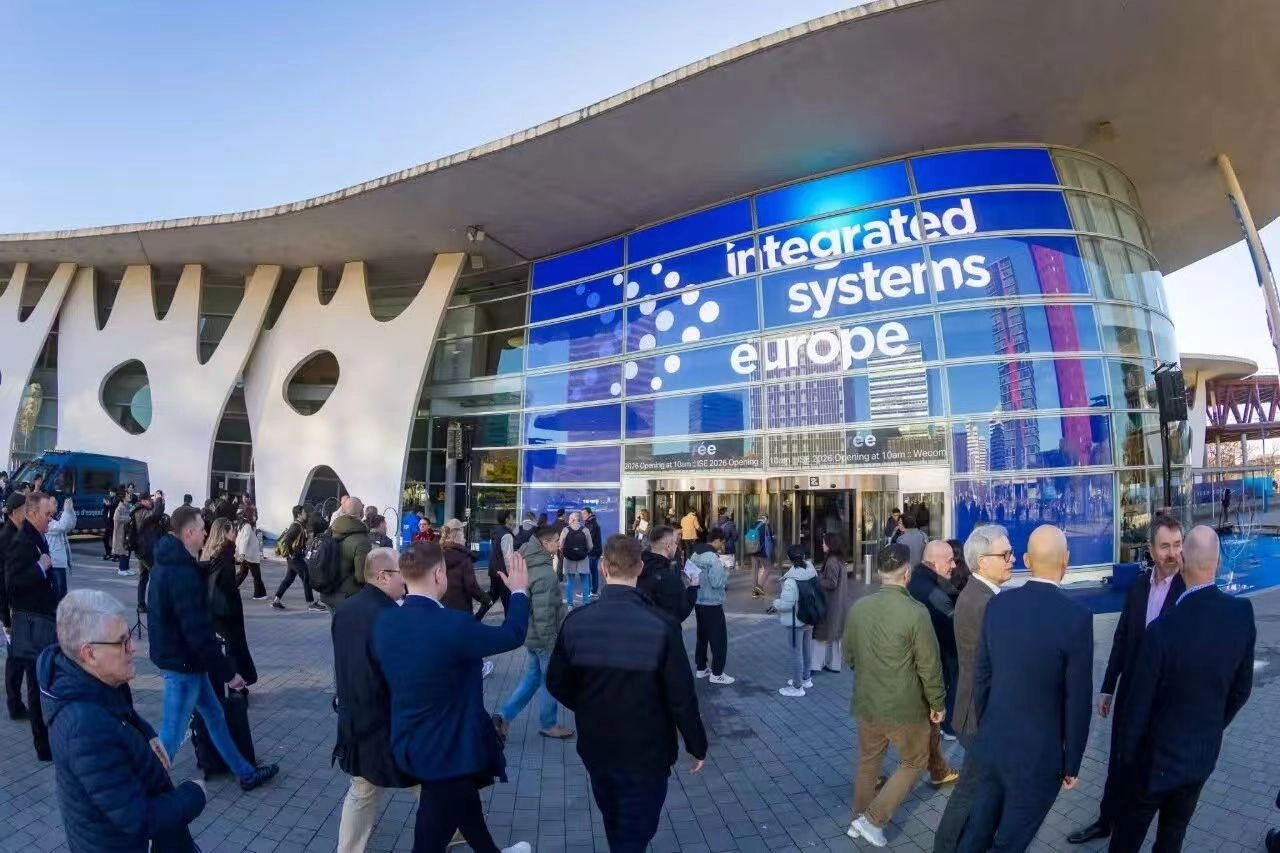
VANRAY ISE 2026 BARCELONA
The 2026 Standard: Transitioning from Conventional PARs to Stage LED Can Lights
Best Weatherproof Stage Fixtures 2026: IP65 Wash Lights

Countdown to the 2026 ISE Exhibition in Spain!

The Ultimate Guide to Lights for Festivals: 2026 Innovation and Design Trends
About Logistics
How long does logistics delivery take?
Shipping times depend on your location and the shipping method you choose
1. 5-7 days by express
2. 20–25 days by sea shipping.
3. 15 days by air shipping.
About Product
What is the delivery time of orders ?
Its based on the workshop schedule; if products are in stock, we will ship the goods within 1-2 days; if products are out of stock, we need to make production; normally 100-200 pieces can be finished in 7-10 days.
About Company
What is the main product of your company ?
Our main products covers moving head light , led profile spot light , led fresnel , led panel , led wall washer , gobo projector , led strobe light, etc.
About Customized Services
What is minimum order quantity requirement for customization services?
No MOQ
Are there any additional charges for customized services?
Customized services may be subject to appropriate customization fees based on your specific requirements.
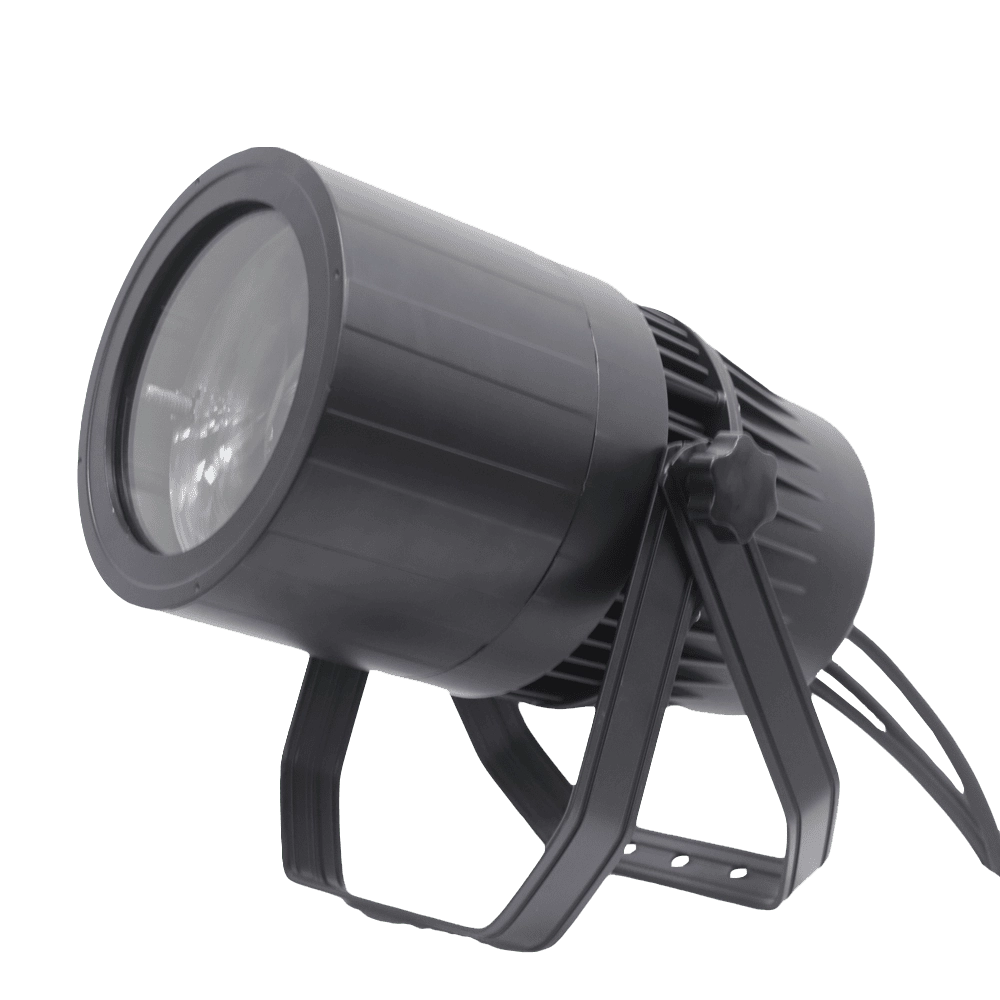
VANRAY Waterproof LED Par Light LP-200Z 200W Zoom Par Light
VANRAY Waterproof LED Par Light LP-200Z 200W Zoom Par Light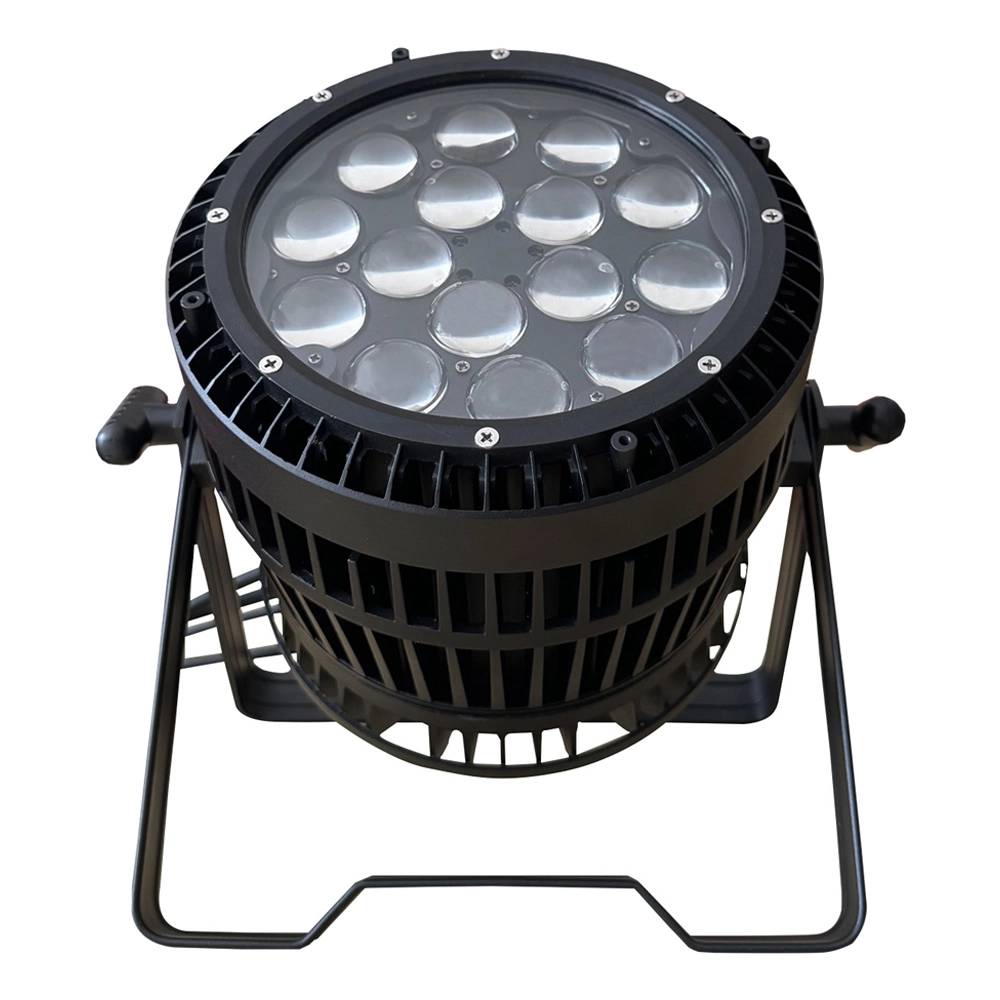
VANRAY LED Par Zoom Wash LP-1515Z 15pcs 15W RGBW Waterproof LED Par Light
VANRAY LED Par Zoom Wash LP-1515Z 15pcs 15W RGBW Waterproof LED Par Light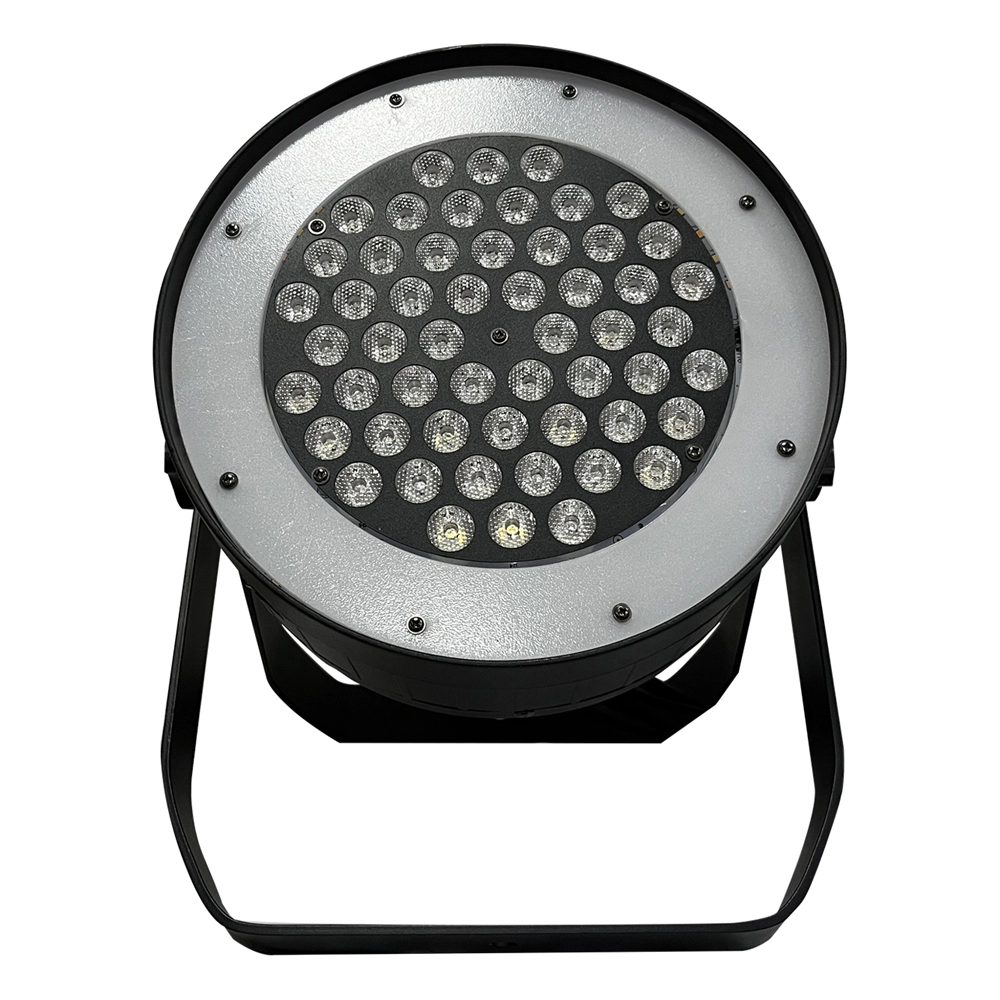
VANRAY Theater LED Par Can Lights LP-350SJL 350W White LED Par Can Lights
VANRAY Theater LED Par Can Lights LP-350SJL 350W White LED Par Can Lights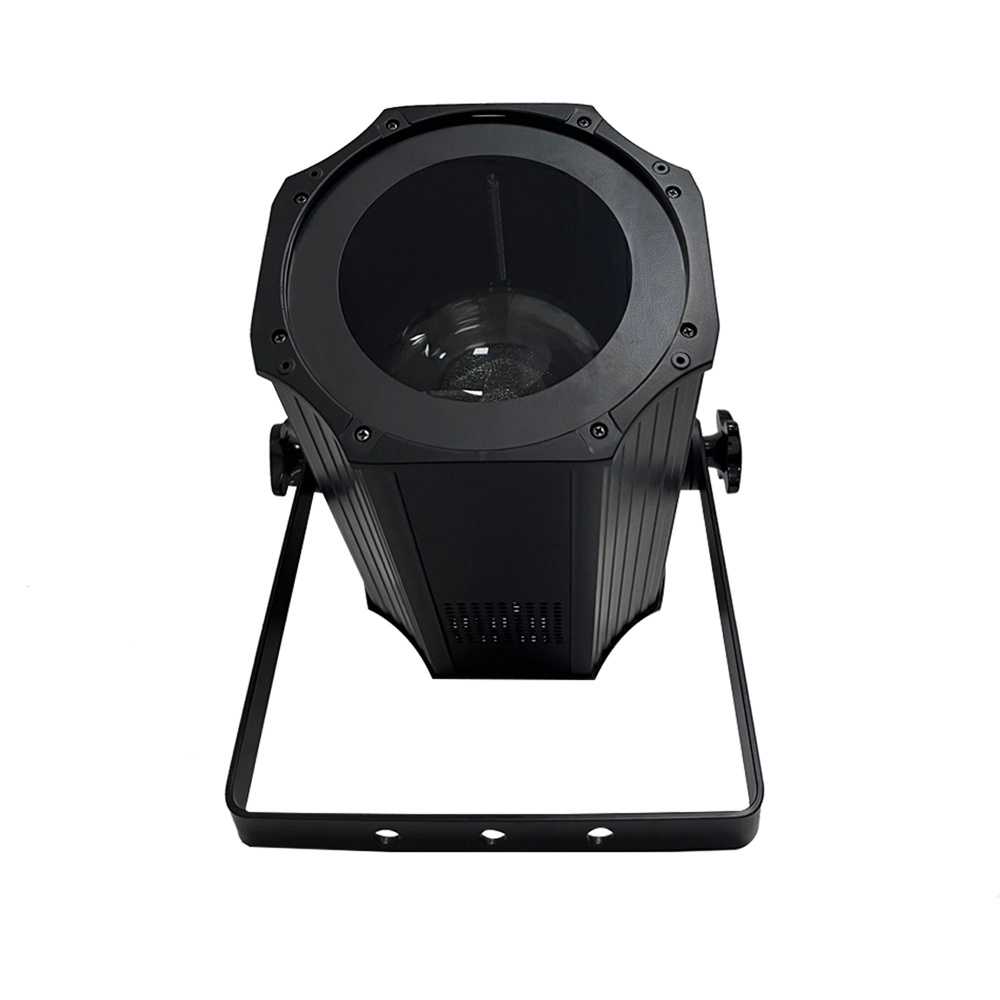
VANRAY LED Par Light Stage LP-200ZC RGBW LED Par Light Suppliers
VANRAY LED Par Light Stage LP-200ZC RGBW LED Par Light SuppliersGet in Touch With VANRAY
Create unforgettable stage moments with our advanced lighting solutions!
Contact us now by filling out the form below or calling us directly to begin your lighting journey!
As a leading Stage Lighting Manufacturer from China, VANRAY Lighting delivers a comprehensive suite of services including innovative R&D, precision production, and professional integration.
Built on decades of technical expertise, we are defined by our commitment to quality and service perfection. From theaters to grand-scale events, VANRAY is the trusted choice for reliable lighting solutions across the global entertainment and architectural sectors.
Copyright © 2025 VANRAY. All Rights Reserved.

Instagram
YouTube
Facebook