










how to program moving head lights | Vanray Expert Guide
- How to Program Moving Head Lights: A Comprehensive Guide for Stage Lighting
- 1. What Is the Basic Process to Program Moving Head Lights?
- 2. Which Software Tools Are Recommended for Programming Moving Head Lights?
- 3. How Do I Troubleshoot Common Issues in Moving Head Light Programming?
- 4. What Features Should I Look for When Purchasing Moving Head Lights?
- 5. How Can I Optimize My Moving Head Setup for Different Venue Sizes?
How to Program Moving Head Lights: A Comprehensive Guide for Stage Lighting
Moving head lights are vital in modern stage lighting, offering dynamic visual effects for concerts, theaters, and events. Programming them effectively requires understanding DMX protocols, software, and hardware setup. Here are answers to the 5 most common questions professionals face when procuring and programming moving head lights.
1. What Is the Basic Process to Program Moving Head Lights?
Programming moving head lights typically involves using DMX control protocols. First, you connect the lights to a DMX controller via XLR cables. Using a lighting console or software (e.g., MA Lighting’s grandMA, ETC Eos, or free options like Lightkey), you assign channels that control various functions such as pan, tilt, color, gobos, and dimmer. You create lighting cues and scenes that automate movement and effects during a show.
Key steps include setting DMX address correctly on each fixture, building scenes and chases, and testing responsiveness. According to ESTA (Entertainment Services and Technology Association), DMX512 remains the industry standard, operating over up to 512 channels per universe.
2. Which Software Tools Are Recommended for Programming Moving Head Lights?
Professional lighting designers often use software like grandMA3 (MA Lighting), ETC Eos, or Hog 4 (High End Systems) for advanced programming. These platforms offer extensive control, visualization, and cue programming capabilities. For smaller budgets or beginners, Lightkey (macOS), Freestyler DMX (Windows), and QLC+ (cross-platform) provide viable alternatives with DMX protocol support.
The choice of software depends on production scale, compatibility with moving head brands (Martin, Chauvet, Robe), and whether 3D visualization is required. In 2024, grandMA3 remains among the leading consoles due to its powerful integration and networking features.
3. How Do I Troubleshoot Common Issues in Moving Head Light Programming?
Common problems include unresponsive fixtures, erratic movements, or incorrect colors. Troubleshooting tips are:
- Verify DMX cable integrity and proper daisy-chaining to avoid signal loss. Use a DMX tester if available.
- Ensure fixtures have unique DMX addresses to prevent channel conflicts.
- Check software settings and ensure channel assignments match fixture profiles.
- Reconnect power supply and reset the moving head’s firmware if it becomes unresponsive.
Recent reports (Stage Directions Magazine 2023) emphasize the importance of regular firmware updates from manufacturers like Robe and Clay Paky to maintain stability and access new features.
4. What Features Should I Look for When Purchasing Moving Head Lights?
Key features include:
- Brightness: Measured in lumens; for large venues, lights above 20,000 lumens are preferred.
- Beam Angle: Adjustable zoom ranges (e.g., 2° to 40°) provide versatile stage coverage.
- Color and Effect Wheels: Multiple gobos, prisms, and CMY color mixing offer creative flexibility.
- DMX Channel Modes: Ensure compatibility with your control system, with simplified modes for beginners and detailed modes for professionals.
- Build Quality and IP Rating: For outdoor events, IP65-rated fixtures resist weather.
Market leaders in 2024 include Robe, Martin by Harman, and Clay Paky, known for durability and innovation (PLASA Show 2023).
5. How Can I Optimize My Moving Head Setup for Different Venue Sizes?
In small venues, fewer lights with wider beam angles and simplified control modes suffice. Medium to large venues benefit from multiple fixtures programmed with overlapping beam patterns and dynamic movement. Use 3D visualizer tools offered by software packages to simulate effects before installing physically.
Additionally, networking multiple lighting consoles and fixtures with Art-Net or sACN protocols allows scalable system expansion, essential for festivals or touring productions.
In conclusion, programming moving head lights requires a blend of technical knowledge, software skills, and practical troubleshooting. By understanding DMX fundamentals, selecting the right software, and choosing fixtures aligned with venue requirements, stage lighting professionals can elevate production values and ensure smooth performance.
References:
- Entertainment Services and Technology Association (ESTA) – DMX512 standard documentation (2024)
- PLASA Show 2023 – Industry trends and product launches
- Stage Directions Magazine – Lighting Technology Updates (2023)
- Manufacturer Websites: Robe Lighting, Martin by Harman, Clay Paky
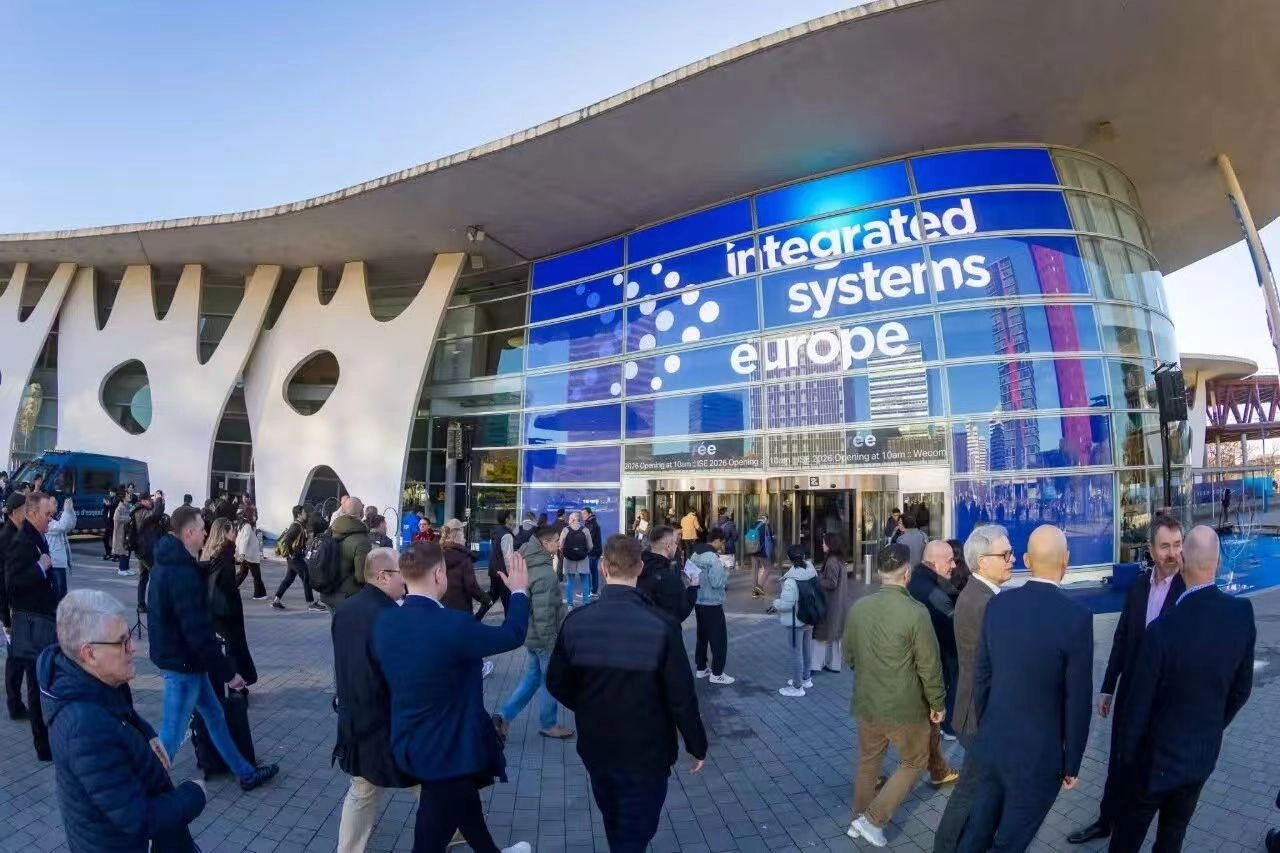
VANRAY ISE 2026 BARCELONA
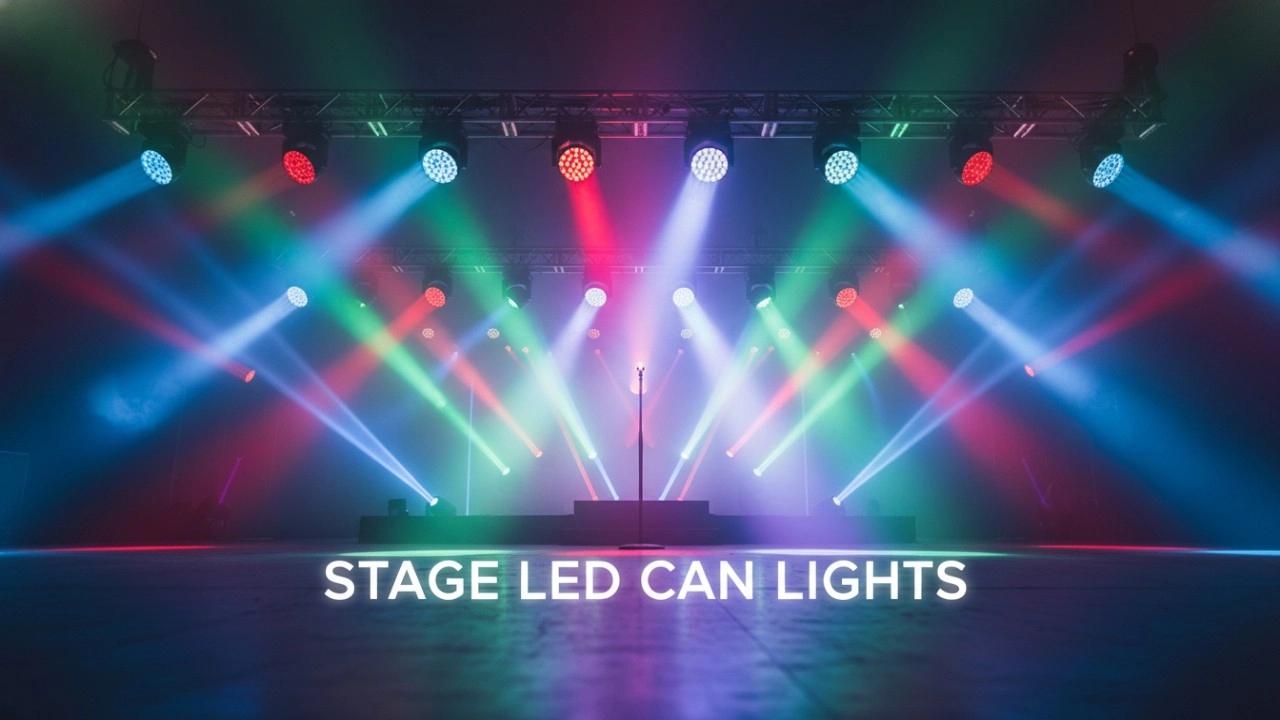
The 2026 Standard: Transitioning from Conventional PARs to Stage LED Can Lights
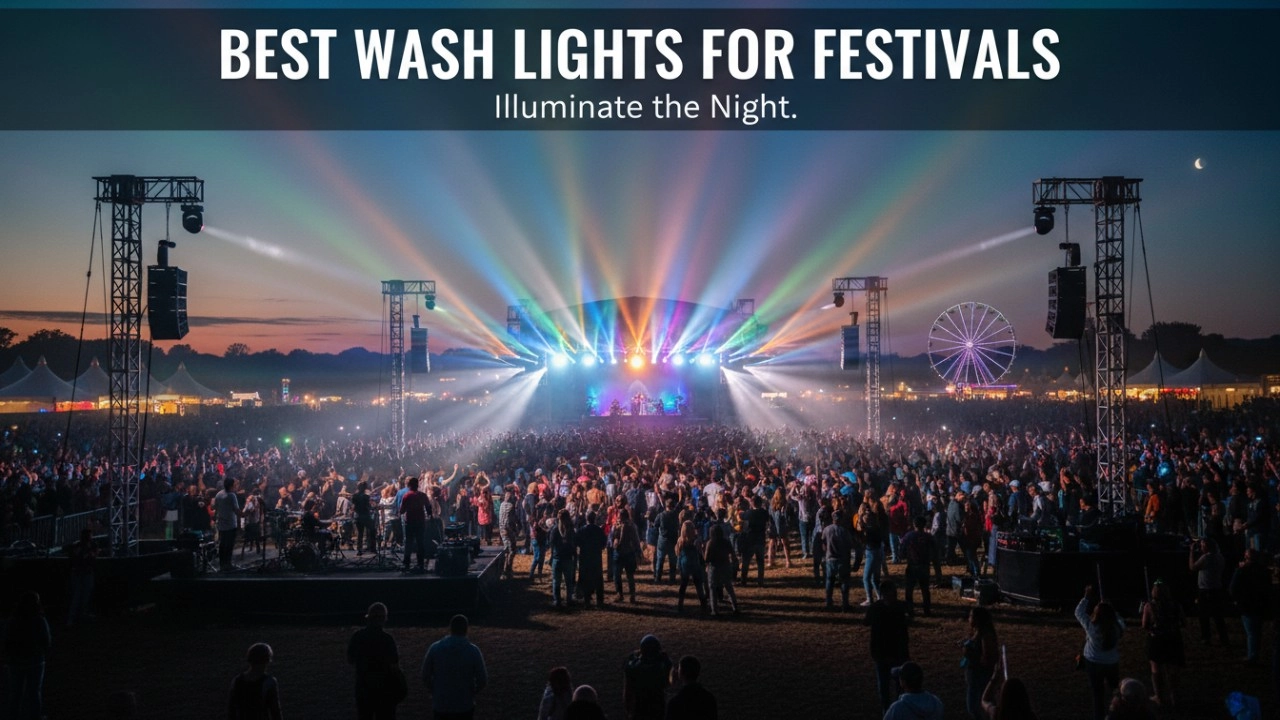
Best Weatherproof Stage Fixtures 2026: IP65 Wash Lights
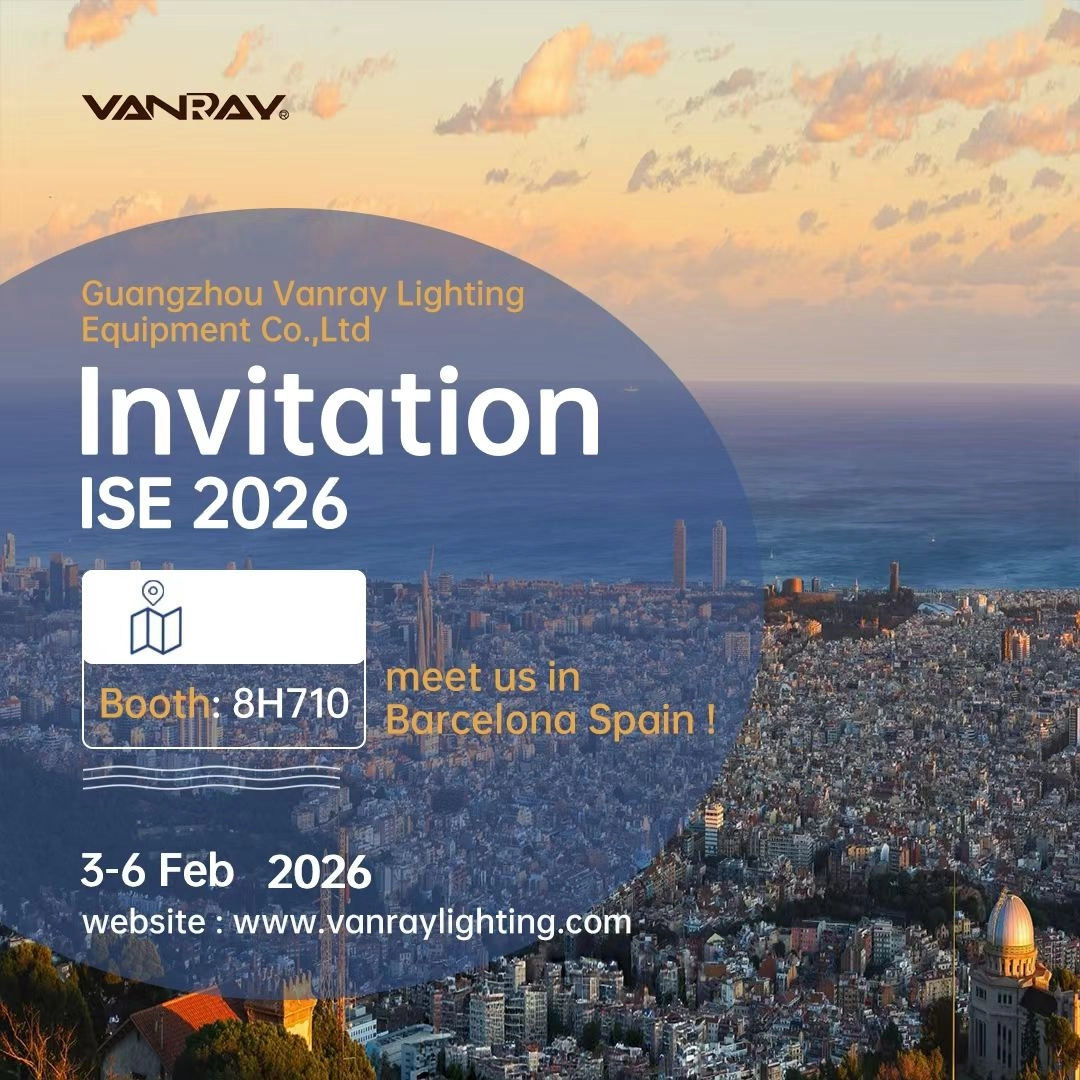
Countdown to the 2026 ISE Exhibition in Spain!
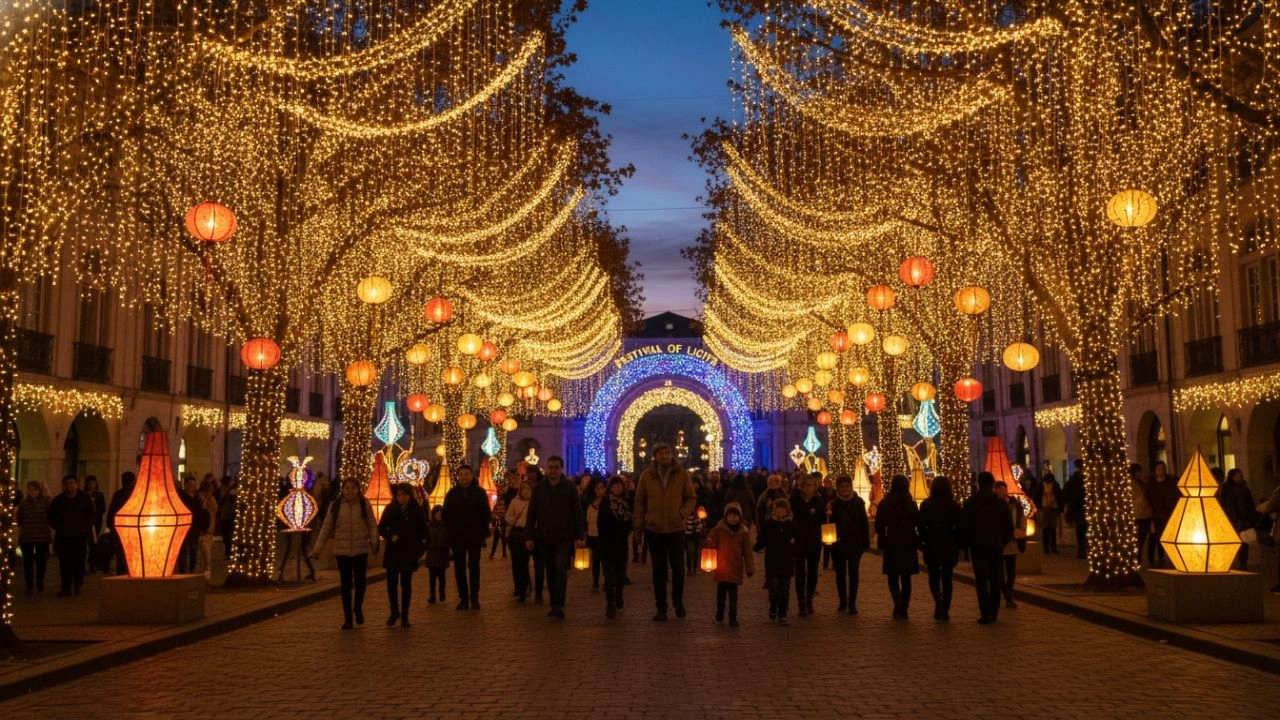
The Ultimate Guide to Lights for Festivals: 2026 Innovation and Design Trends
About Cooperation Process
How to start working with your company?
You can contact us through our official website or contact information, and our sales team will be happy to assist you.
About Customized Services
Can you provide OEM / ODM services ?
Yes, we can support OEM/ODM services for the details, which can be negotiated with our sales team.
How long does customized service take?
The time for customized services depends on your specific needs and order volume. Generally speaking, normally 2-3 days, we will provide you with customized solutions as soon as possible.
About Product
Can you accept the sample order?
Yes, we can. The sample order for trial is acceptable.
About Company
How long has your company been established?
Our company has been established since 2013.
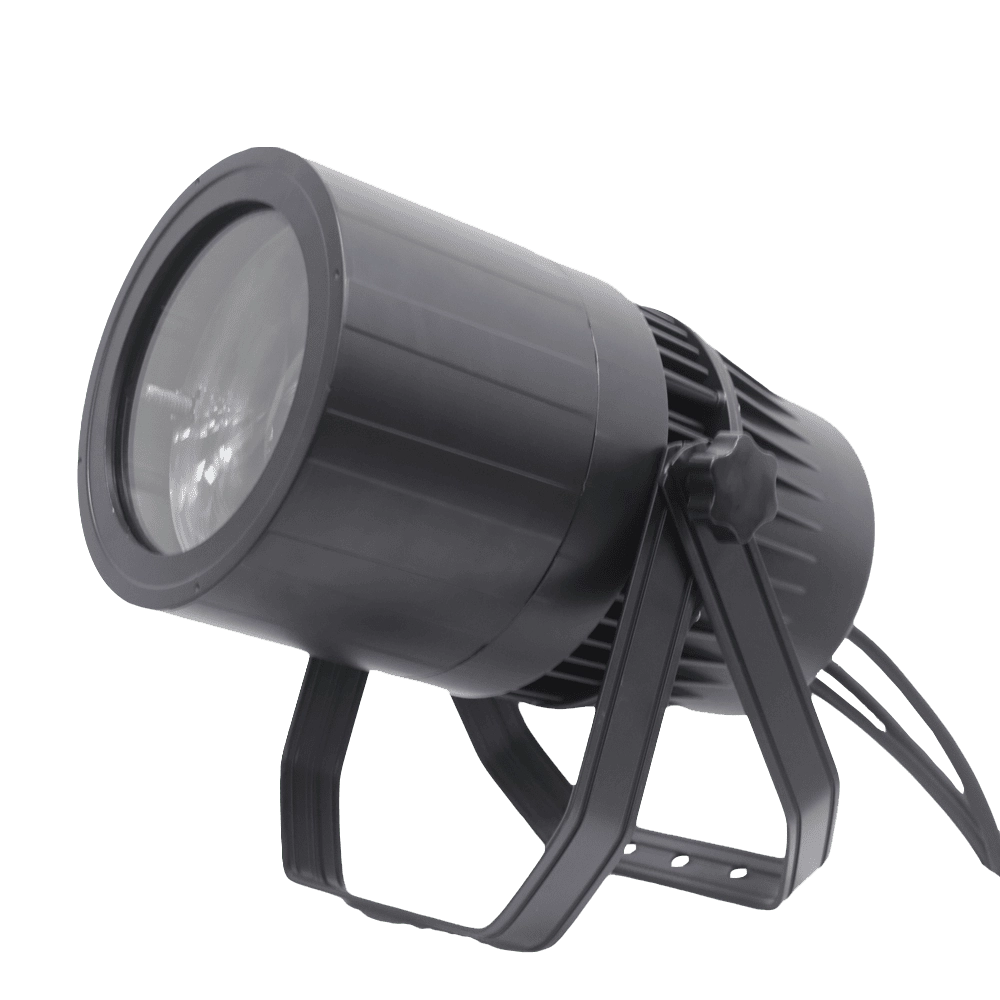
VANRAY Waterproof LED Par Light LP-200Z 200W Zoom Par Light
VANRAY Waterproof LED Par Light LP-200Z 200W Zoom Par Light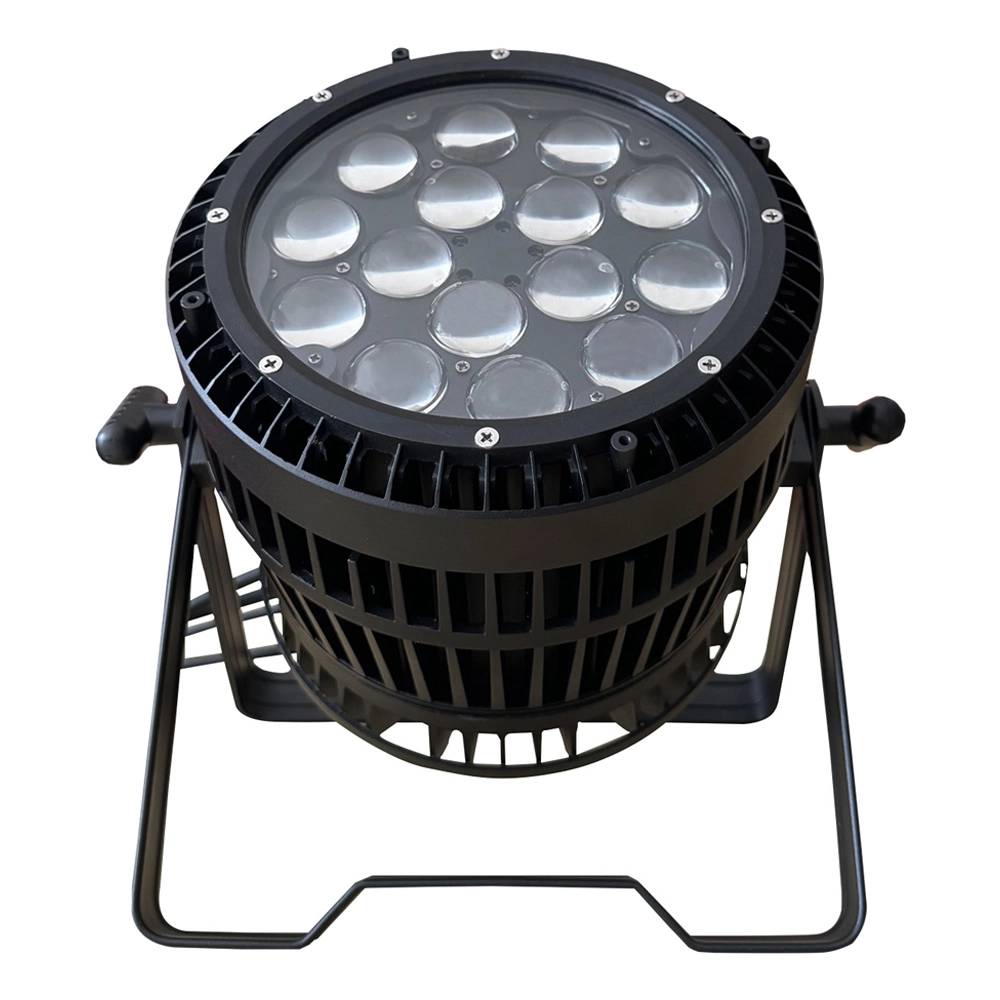
VANRAY LED Par Zoom Wash LP-1515Z 15pcs 15W RGBW Waterproof LED Par Light
VANRAY LED Par Zoom Wash LP-1515Z 15pcs 15W RGBW Waterproof LED Par Light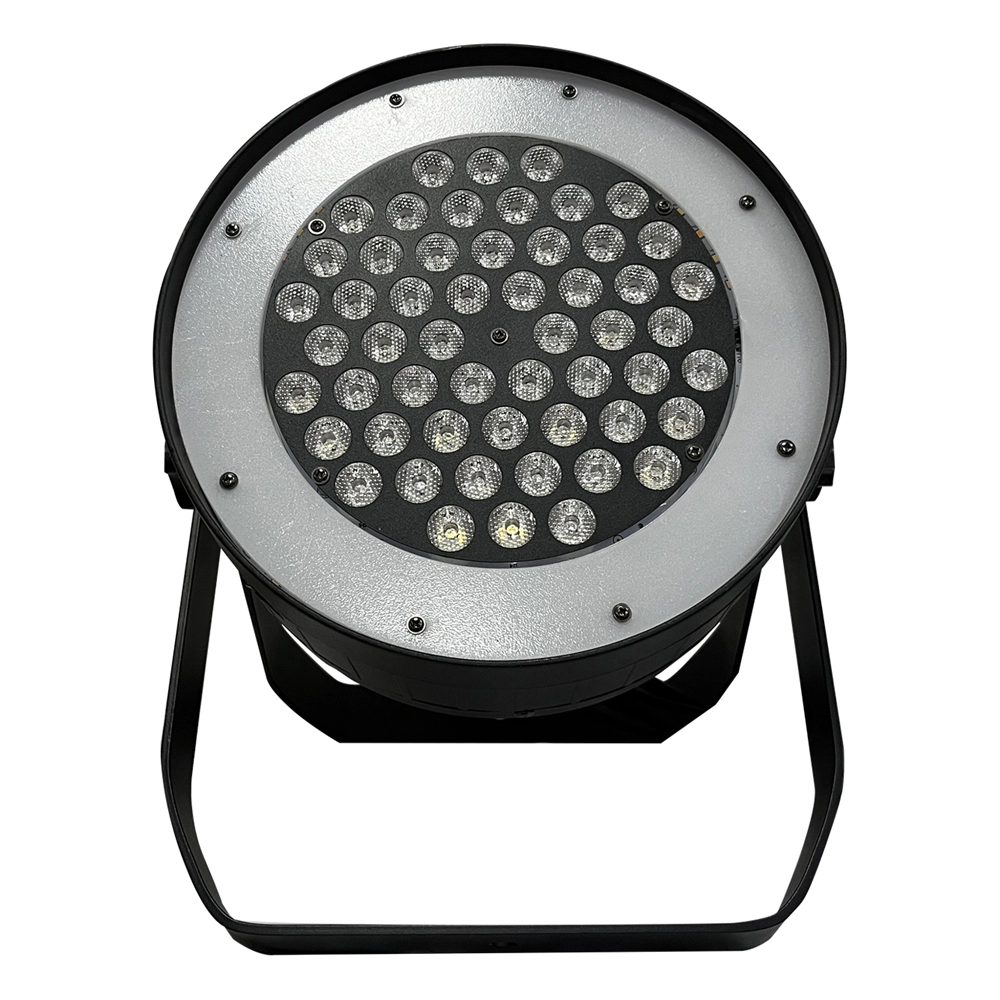
VANRAY Theater LED Par Can Lights LP-350SJL 350W White LED Par Can Lights
VANRAY Theater LED Par Can Lights LP-350SJL 350W White LED Par Can Lights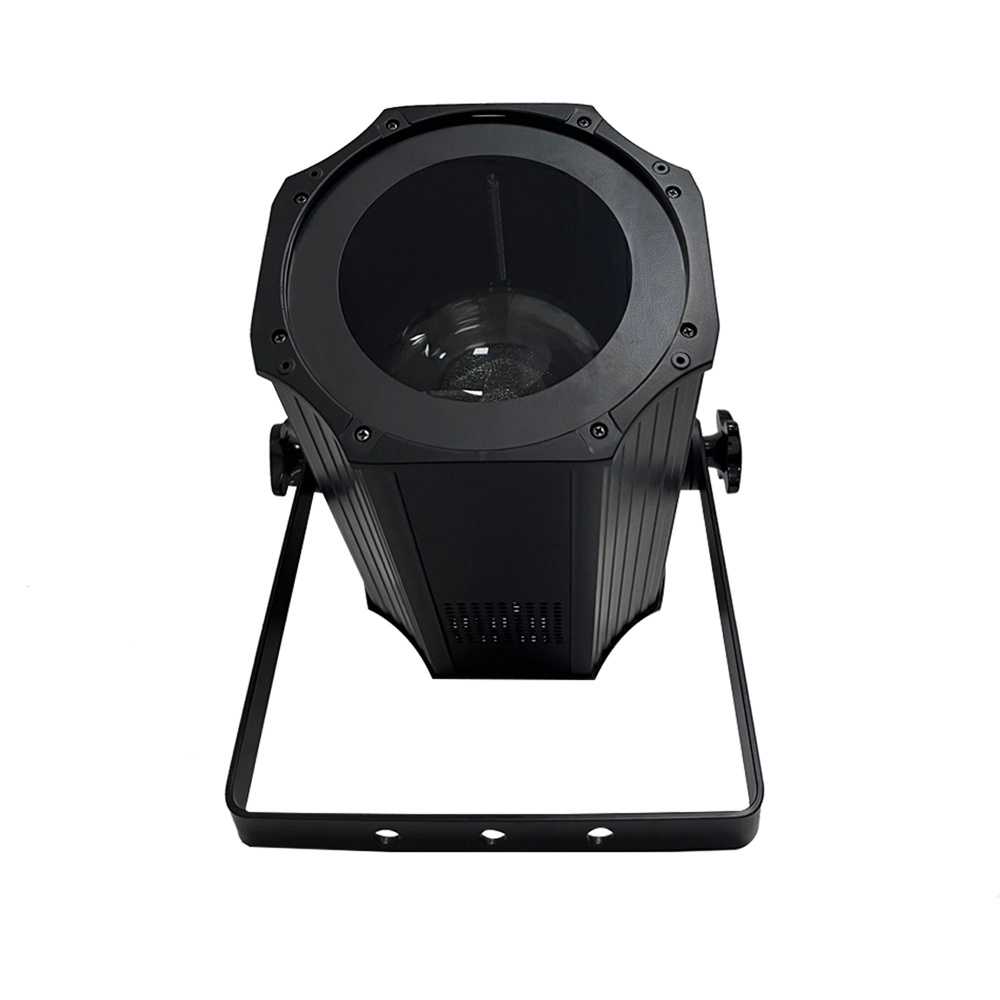
VANRAY LED Par Light Stage LP-200ZC RGBW LED Par Light Suppliers
VANRAY LED Par Light Stage LP-200ZC RGBW LED Par Light SuppliersGet in Touch With VANRAY
Create unforgettable stage moments with our advanced lighting solutions!
Contact us now by filling out the form below or calling us directly to begin your lighting journey!
As a leading Stage Lighting Manufacturer from China, VANRAY Lighting delivers a comprehensive suite of services including innovative R&D, precision production, and professional integration.
Built on decades of technical expertise, we are defined by our commitment to quality and service perfection. From theaters to grand-scale events, VANRAY is the trusted choice for reliable lighting solutions across the global entertainment and architectural sectors.
Copyright © 2025 VANRAY. All Rights Reserved.
Instagram
YouTube
Facebook