









Types of Moving Head Lights: Spot vs Wash vs Beam
- Understanding Moving Head Technologies
- What is a Spot Moving Head Light? Key Characteristics and Uses
- When to choose a Spot stage moving head light
- What is a Wash Moving Head Light? Balance of Coverage and Color
- When to choose a Wash stage moving head light
- What is a Beam Moving Head Light? Creating Sharp Sky Effects
- When to choose a Beam stage moving head light
- Comparing Spot vs Wash vs Beam — Technical Table
- How to Choose the Right Stage Moving Head Light for Your Project
- Operational and Technical Considerations (Installation, DMX, Maintenance)
- Cost Considerations and Lifespan — LED vs Discharge Sources
- VANRAY Lighting — Capabilities and How We Support Your Stage Moving Head Light Needs
- Checklist: Spec Comparisons Before You Buy or Rent a Stage Moving Head Light
- Frequently Asked Questions (FAQ)
- 1. What’s the difference between a moving head spot and profile?
- 2. Can a single moving head fixture act as both a spot and a wash?
- 3. How important is beam angle when choosing moving head lights?
- 4. Do beam fixtures need fog or haze to look good?
- 5. What should I consider for DMX addressing of many moving heads?
- 6. How long do LED moving head lights last compared to discharge lamps?
- Contact VANRAY / View Our Products
- References and Further Reading
Understanding Moving Head Technologies
Stage moving head light is a category of intelligent fixtures that combine pan/tilt mechanics, optics, color and effects systems to deliver dynamic lighting for concerts, theatres, broadcast, corporate events and houses of worship. Choosing between Spot, Wash and Beam moving heads requires both technical knowledge and practical experience: optics, lumen output, beam angle, color mixing method, gobo capability, and control complexity all influence whether a fixture meets your creative and operational needs.
What is a Spot Moving Head Light? Key Characteristics and Uses
Spot moving head lights are designed to produce well-defined, sharp-edged beams and images using focused optics and often include high-resolution gobo wheels, iris, framing shutters, and prism effects. For users searching for a stage moving head light that supports precise aerial graphics, texture projection, and long-throw focus, Spots are the standard choice.
Technical highlights (typical):
- Beam angle: narrow to medium (3°–40°) with fast zoom
- Optics: multi-element lens trains for crisp gobo projection
- Effects: gobo wheels (rotating/static), animation, frost (sometimes), prisms, framing shutters
- Applications: profile projection, front light for performers, gobos, logo projection, tight aerial effects
When to choose a Spot stage moving head light
Choose a Spot when you need sharp images, pattern projection, or precise beam shaping—for example, spotlighting a soloist, projecting company logos, or creating texture maps on set pieces. Spots are also common for TV and film where crisp control of light shape and edges is critical.
What is a Wash Moving Head Light? Balance of Coverage and Color
Wash moving head lights prioritize even field illumination and color blending. They use wider optics and diffusing elements to deliver soft-edged, uniform coverage suited to lighting large surfaces, stages, and audiences. If your principal requirement for a stage moving head light is consistent color washes and skin-tone-friendly output, Wash fixtures are optimal.
Technical highlights (typical):
- Beam angle: wide and variable (15°–70°+)
- Optics: homogenizing light pipes, diffusers, wide zoom ranges to adapt to short or long throws
- Color: multi-LED sources (RGBW, RGBAW, or 6-in-1 mixes) for improved gamut and skin tone
- Applications: cyc and backdrop lighting, color washes, front-of-house audience washes, soft stage fills
When to choose a Wash stage moving head light
Choose a Wash for general stage coverage, broadcast soft lighting, or when quick, large-area color changes are required. Washes are forgiving on placement and provide good output for mid-range distances without the harsh edges of Spots or Beams.
What is a Beam Moving Head Light? Creating Sharp Sky Effects
Beam moving head lights are engineered for very narrow, high-intensity beams that remain visible over long throws — ideal for arena concerts, festivals and aerial looks. Beam fixtures often sacrifice gobo detail and soft edge blending in favor of a concentrated column of light with strong aerial presence.
Technical highlights (typical):
- Beam angle: extremely narrow (0.5°–6°)
- Optics: tight collimating lenses yielding high center candle power
- Effects: fast, visible beam shafts, rotor prisms, color wheels; typically less emphasis on gobos or framing
- Applications: aerial beams, obtrusive sky-tracer effects, high-impact concert looks
When to choose a Beam stage moving head light
Choose Beam fixtures when you need maximum aerial impact and long-throw visibility — for example, creating dramatic shafts above an arena or festival crowd. Beam fixtures perform best in environments with atmospheric haze or fog to reveal the beam column.
Comparing Spot vs Wash vs Beam — Technical Table
The table below summarizes practical specs and applications to help you select the right stage moving head light for your venue or production.
| Characteristic | Spot | Wash | Beam |
|---|---|---|---|
| Primary function | Sharp image & gobo projection | Even color washes | Narrow, high-intensity shafts |
| Typical beam angle | 3°–40° | 15°–70°+ | 0.5°–6° |
| Optical features | Gobos, iris, framing shutters | Diffusers, homogenizers, soft edges | Collimation, prisms |
| Best applications | Theatre profiles, logo/gobo, front-of-house | Stage fill, backdrops, audience washing | Arena/festival aerial effects |
| Control complexity | High (many channels/effects) | Medium (color/zoom/intensity) | Low–Medium (pan/tilt/color/prism) |
How to Choose the Right Stage Moving Head Light for Your Project
Selection should be driven by application, venue dimensions, control infrastructure, budget and maintenance capability. Consider:
- Throw distance: For long throws (stadiums/arenas) choose high center-beam intensity (cd) and narrow beam angle — typical of Beam fixtures.
- Optical control: If you need logos, gobos or masked shapes, choose Spot fixtures with framing shutters and gobo wheels.
- Color fidelity: For concerts and theatre where skin tones matter, prefer LED engines with extended color mixes (RGBWA/CRI-enhanced white) and accurate color temperature control.
- DMX/channel count: Confirm your console can address the fixture’s channels. Profile/Spot heads often require many channels; washes can be simpler.
- Power and heat: Verify power draw and cooling needs—LED moving heads are more efficient than discharge-based fixtures but still require ventilation and safe rigging.
Operational and Technical Considerations (Installation, DMX, Maintenance)
Practical deployment of stage moving head light entails planning beyond optics:
- Rigging & weight: Check weight, rig points, and safety chains. Heavy moving heads require certified trusses and hang positions.
- Power distribution: Use properly sized circuits and consider inrush currents for many fixtures.
- DMX connectivity & control: Use DMX512 or Art-Net/sACN via a reliable network. Confirm fixture personalities and channel maps before patching.
- Environment: Beam fixtures need haze/fog to reveal the column; Wash fixtures are more forgiving in bright ambient environments.
- Maintenance: Replace fans and check bearings; LED engines have long lifespans but optical paths (lenses, gobos) should be cleaned regularly for consistent output.
Cost Considerations and Lifespan — LED vs Discharge Sources
Most modern stage moving head light fixtures use LED emitters for efficiency, lower maintenance and color flexibility. Discharge lamps (HID/xenon) historically offered very high lumen output but require lamp replacements and ballast maintenance. When evaluating purchase or rental options, calculate total cost of ownership (TCO): initial price, lamp replacement, power usage, and potential downtime.
- LED advantages: longer rated life (25,000–50,000 hours typical), lower power consumption, instantaneous on/off, better color mixing.
- Discharge advantages: historically higher peak brightness for some narrow-beam fixtures, but modern LEDs have largely closed that gap.
VANRAY Lighting — Capabilities and How We Support Your Stage Moving Head Light Needs
VANRAY Lighting is dedicated to becoming a leading global lighting solutions provider. With over ten years of industry experience, we offer efficient and customized lighting products for various fields such as stage, film, television, and landscape. Our product range includes stage moving head lights, LED PAR lights, LED profile spotlights, fresnel spotlights, floodlights, and more, supporting OEM and ODM services.
Why consider VANRAY for stage moving head light procurement and solutions?
- Engineering strength: a robust R&D team focused on optical design, thermal management and digital control integration ensures fixtures that deliver consistent output and longevity.
- Manufacturing reliability: advanced facilities covering 8000+ sqm with quality control systems to deliver consistent product performance and certification compliance (CE, RoHS, ISO).
- Product breadth: from moving head Spots and Washes to Beam fixtures, plus supporting family products like LED PARs and profile spotlights for integrated system design.
- Customization and support: OEM/ODM capability and practical after-sales support for rental houses, theatres and integrated production suppliers.
VANRAY’s typical competitive differentiators include practical field-driven feature sets (robust yokes, serviceable modular optics, and clear DMX personalities), documentation for riggers and programmers, and an emphasis on photometric consistency across production runs. Our fixtures are designed for concert stages, theatres, cultural projects, and outdoor events, ensuring excellent performance and high-quality standards.
Checklist: Spec Comparisons Before You Buy or Rent a Stage Moving Head Light
Use this checklist when comparing fixtures:
- Luminous output (lumens or lux at distance) and beam angle ranges
- Gobo quality (metal/glass, indexing, rotating capability)
- Color system (LED mix type, CRI/CRI equivalent/TLCI values)
- DMX modes and RDM/Art-Net/sACN support
- Prism, frost, iris, and framing options (as required)
- Weight, IP rating for outdoor use, and cooling architecture
- Manufacturer certifications and warranty terms
Frequently Asked Questions (FAQ)
1. What’s the difference between a moving head spot and profile?
Spot and profile are often used interchangeably: both refer to fixtures that produce focused, sharp-edged beams suitable for gobo projection and image shaping. Profile (a theatre term) emphasizes framing and shutter control; Spot (a concert term) often indicates similar optical control in a more compact package.
2. Can a single moving head fixture act as both a spot and a wash?
Some hybrid fixtures offer variable zooms, frost filters and multi-LED color engines to operate in both Spot-like and Wash-like modes. However, hybrids are compromises — they may not match the absolute image quality of a dedicated Spot or the soft, even field of a dedicated Wash in every situation.
3. How important is beam angle when choosing moving head lights?
Beam angle directly impacts coverage and throw behavior. Narrow beams work for long throws and aerial effects; wider beams are suitable for close-range coverage and color washes. Always check lux at distance curves or photometric tables when available.
4. Do beam fixtures need fog or haze to look good?
Yes — beam fixtures are most visible and dramatic when atmospheric particles (haze/fog) reveal the beam column. Without haze, beams appear as points of light with little visible shaft.
5. What should I consider for DMX addressing of many moving heads?
Plan your DMX architecture in advance: consider universes, use RDM for remote setup where possible, label and document personalities, and decide if you need Art-Net/sACN for larger installations. Also ensure your console supports the fixture modes you plan to use.
6. How long do LED moving head lights last compared to discharge lamps?
LED engines typically have rated lives of 25,000–50,000 hours depending on thermal management; discharge lamps can provide high peak outputs but require lamp replacement much sooner (hundreds to a few thousand hours) and more maintenance. LEDs normally yield lower TCO across lifecycles.
Contact VANRAY / View Our Products
For tailored advice on which stage moving head light best suits your venue or production — or to view VANRAY’s product range (moving head lights, LED PAR lights, LED profile spotlights, floodlights) — contact our sales and technical team. We offer photometric data, demo units, OEM/ODM options, and pre-sale consulting to help you choose fixtures that align to your creative and budget goals.
Contact VANRAY Lighting today for a consultation or to request product datasheets and photometric reports.
References and Further Reading
- Stage lighting, Wikipedia. https://en.wikipedia.org/wiki/Stage_lighting — Accessed 2025-12-12.
- U.S. Department of Energy, LED Basics. https://www.energy.gov/eere/ssl/led-basics — Accessed 2025-12-12.
- Electronic Theatre Controls (ETC), Moving Lights Product Category. https://www.etcconnect.com/Products/Lighting-Fixtures/Moving-Lights/ — Accessed 2025-12-12.
- Claypaky, Sharpy product page (example of beam fixture design). https://www.claypaky.com/en/products/sharpy — Accessed 2025-12-12.
- VANRAY Lighting official product and company information (VANRAY internal materials). Contact VANRAY for up-to-date datasheets and certifications. — Accessed 2025-12-12.
Best LED Par Lights for Live Concerts and Tours
Top 5 matrix light Company List and Products Compared
Why choose Vanray as your concert light manufacturer
How to Choose Wholesale LED PAR Lights by Beam Angle
About Product
Can you accept the sample order?
Yes, we can. The sample order for trial is acceptable.
What is the delivery time of orders ?
Its based on the workshop schedule; if products are in stock, we will ship the goods within 1-2 days; if products are out of stock, we need to make production; normally 100-200 pieces can be finished in 7-10 days.
About Company
Can I Visit your company?
Of course, our company is located in No. 7, Sijiaowei Industrial Zone, Tanbu Town, Huadu District, Guangzhou, China. Warmly welcome to visit our factory.
About Customized Services
What kind of customization services can you provide ?
Yes, we can provide personalized, customized services according to your needs and requirements, including the product's color temperature, customized gobos for moving headlights, packaging and private labeling for products, etc. for other requirements, which can be negotiated with our sales team.
Are there any additional charges for customized services?
Customized services may be subject to appropriate customization fees based on your specific requirements.
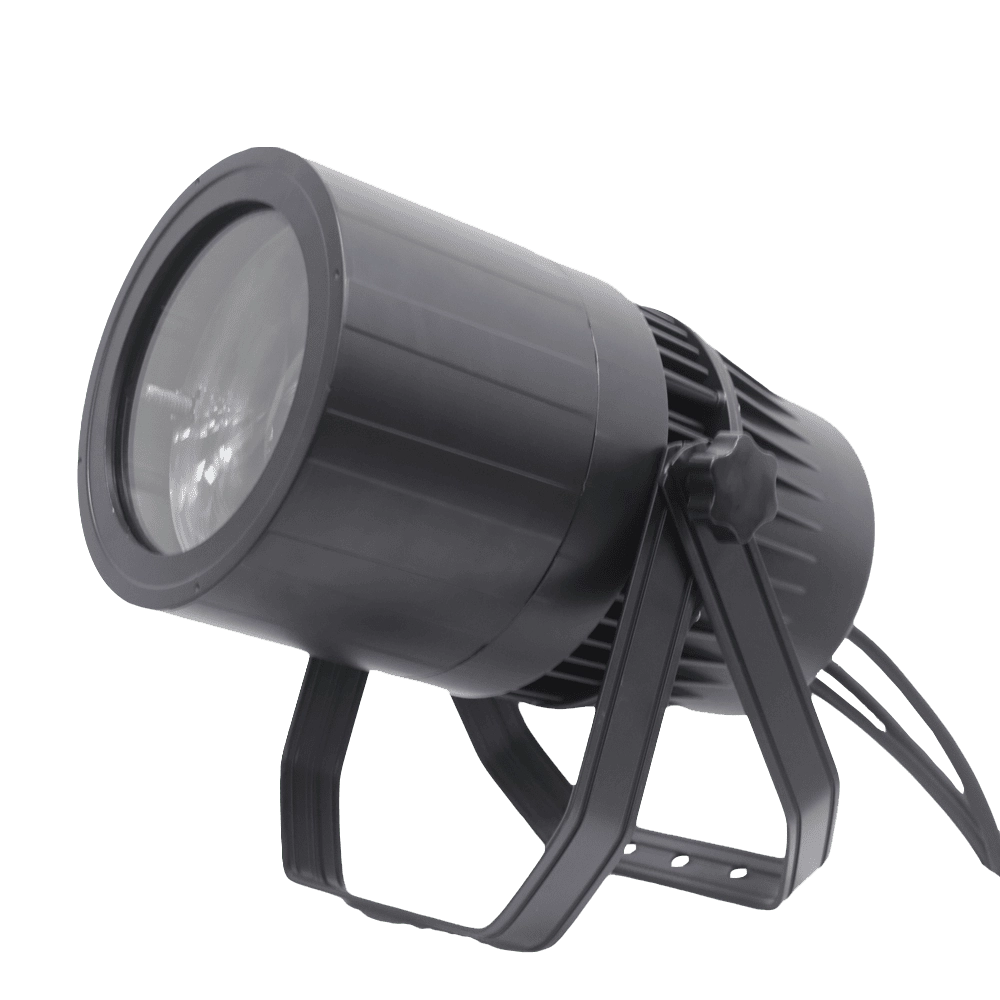
VANRAY Waterproof LED Par Light LP-200Z 200W Zoom Par Light
Introducing the VANRAY Waterproof LED Par Light LP-200Z, a 200W Zoom Par Light engineered for professional performance. Designed by Vanray, this advanced LED PAR light ensures waterproof durability, making it ideal for diverse environments. Elevate your lighting setup with optimum brightness and versatile zoom capabilities. A perfect choice for professional LED PAR light applications.
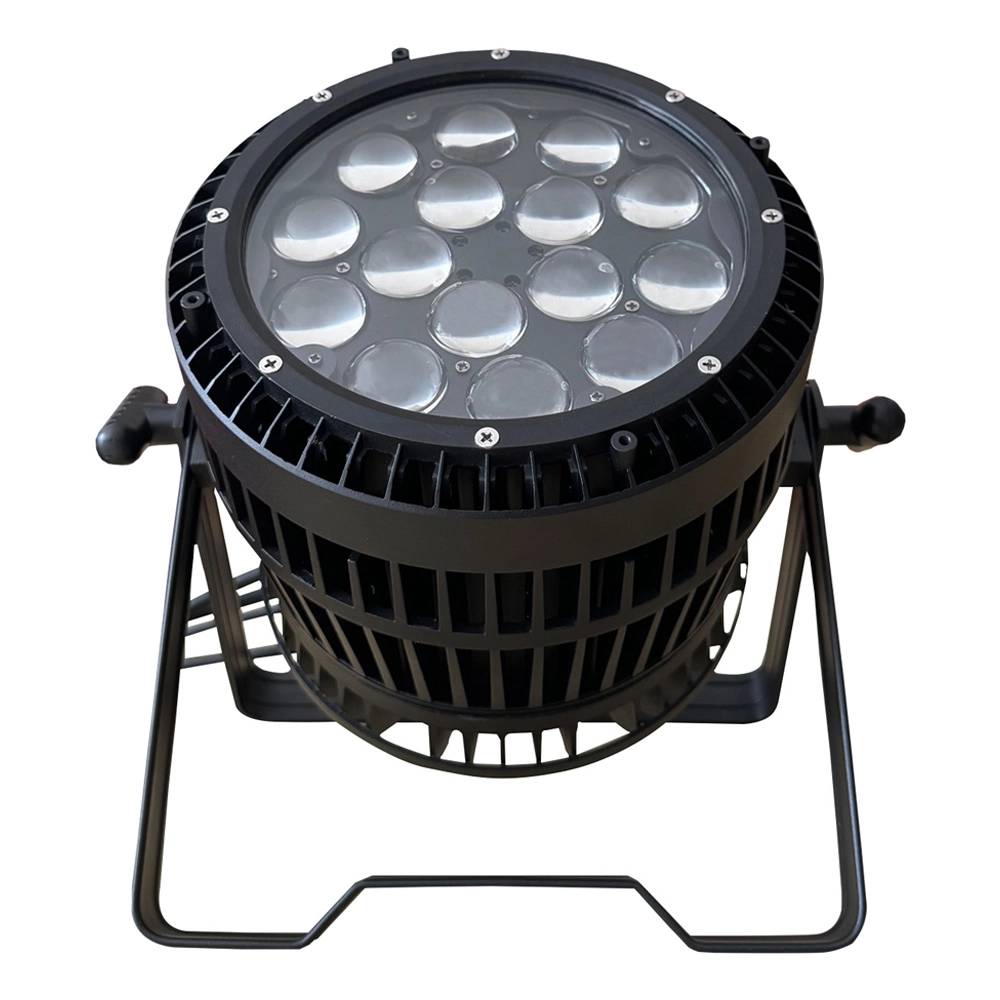
VANRAY LED Par Zoom Wash LP-1515Z 15pcs 15W RGBW Waterproof LED Par Light
Introducing the VANRAY LED Par Zoom Wash LP-1515Z, featuring 15pcs of 15W RGBW waterproof LEDs. This versatile LED wash light par is perfect for vibrant lighting effects, both indoors and outdoors. The precision of our led par zoom wash ensures an exceptional performance, enhancing any event with vivid color dynamics.
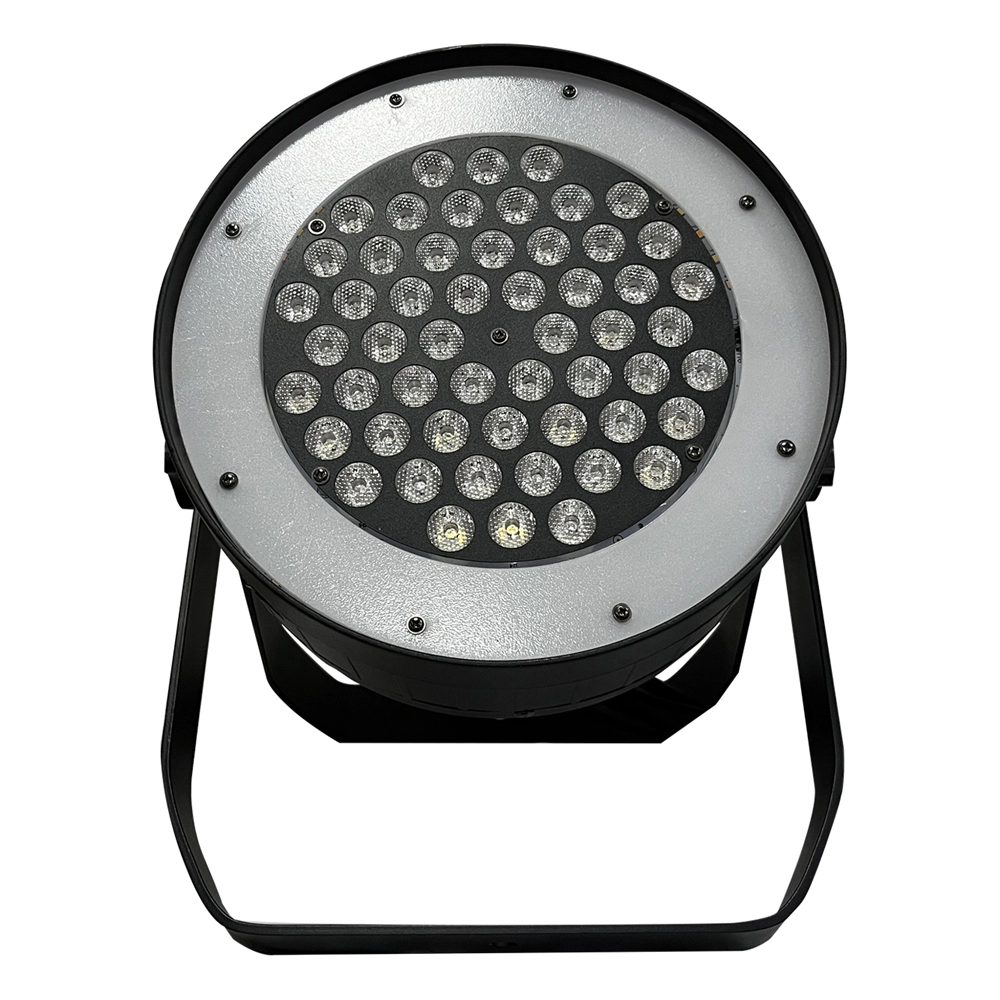
VANRAY Theater LED Par Can Lights LP-350SJL 350W White LED Par Can Lights
Introducing the VANRAY Theater LED Par Can Lights LP-350SJL, featuring an impressive 350W white LED. Ideal for stage lighting, these LED Par Can Lights deliver superior brightness and versatility. Enhance your theater productions with our cutting-edge lighting solutions. Trust Vanray for exceptional performance in LED stage lights.
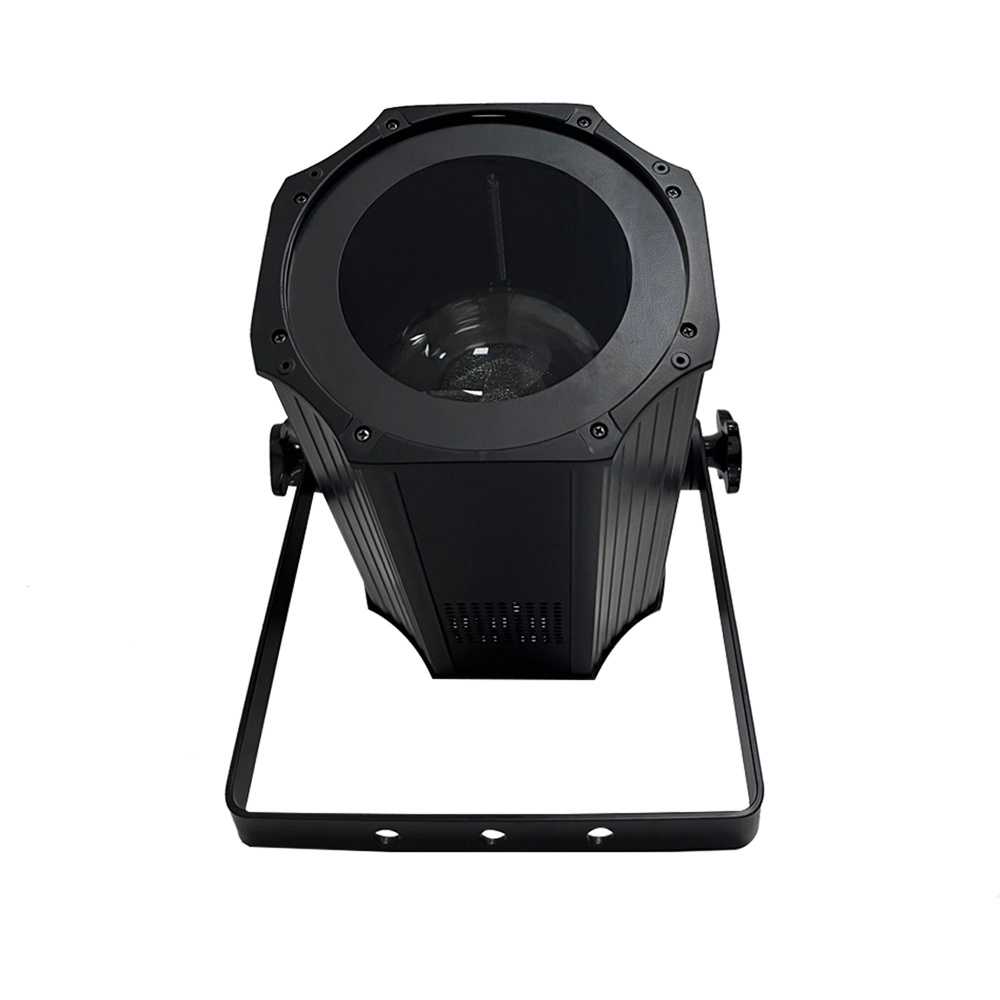
VANRAY LED Par Light Stage LP-200ZC RGBW LED Par Light Suppliers
Introducing the VANRAY LC-200ZC RGBW LED Par Light, a premium solution for vibrant stage lighting. This versatile par LED light ensures dynamic color effects, perfect for events and performances. As leading LED flat-par light suppliers, Vanray guarantees exceptional quality and performance. Illuminate your stage today with Vanray's innovative lighting technology.
As a leading Stage Lighting Manufacturer from China, VANRAY Lighting delivers a comprehensive suite of services including innovative R&D, precision production, and professional integration.
Built on decades of technical expertise, we are defined by our commitment to quality and service perfection. From theaters to grand-scale events, VANRAY is the trusted choice for reliable lighting solutions across the global entertainment and architectural sectors.
Copyright © 2025 VANRAY. All Rights Reserved.

Instagram
YouTube
Facebook