









LED Par Lights vs Traditional PAR Cans: Key Differences
- Why choosing the right Par lamp matters for performance and cost
- LED Par Lights: what they are and why they changed live lighting
- Traditional PAR Cans: the baseline technology
- Side-by-side comparison: LED Par Lights vs Traditional PAR Cans
- Energy, lifecycle, and total cost of ownership with LED Par Lights
- Verifiable data & typical metrics
- Color accuracy, CRI, and creative flexibility with LED Par Lights
- Operational differences: rigging, heat, dimming, and control
- Practical impacts for production teams
- Maintenance, reliability, and rental considerations for LED Par Lights
- When a traditional PAR can still makes sense
- Technical comparison table with measurable metrics
- Environmental and safety considerations with LED Par Lights
- How to choose between LED Par Lights and PAR cans for your application
- Checklist for procurement
- VANRAY Lighting: practical capabilities and why it matters for buyers
- Practical recommendations for staging professionals considering LED Par Lights
- FAQ — LED Par Lights vs Traditional PAR Cans
- 1. Are LED Par lights brighter than traditional PAR cans?
- 2. Do LED Par lights work with existing dimmer racks?
- 3. Can LED Par lights reproduce the exact color of gelled incandescent fixtures?
- 4. Do LED Par lights heat up performers less than PAR cans?
- 5. How long do LED Par lights last compared to traditional PAR lamps?
- 6. Is the upfront cost of LED Par lights justified?
- Contact and product inquiry
- References and sources
Why choosing the right Par lamp matters for performance and cost
LED Par Lights: what they are and why they changed live lighting
LED Par lights are stage luminaires that replicate the beam characteristics of traditional PAR cans but use light-emitting diodes (LEDs) as the light source. They provide color mixing, remote control via DMX/RDM, lower power draw, and long operational life. For venues, touring productions, churches, and event companies, LEDs reduced backstage heat, decreased maintenance, and unlocked sophisticated looks that were previously expensive or impractical with incandescent PARs.
Traditional PAR Cans: the baseline technology
Traditional PAR cans (Parabolic Aluminized Reflector fixtures) were originally designed around an incandescent PAR lamp (e.g., PAR56, PAR64). They are prized for their punchy, hard-edged beam and simplicity. Historically they dominated concerts and theatre racks because they delivered high lumen output and a characteristic beam shape that shaped the aesthetic of rock and theatrical lighting for decades.
Side-by-side comparison: LED Par Lights vs Traditional PAR Cans
Below is a concise, verifiable comparison table of the most relevant characteristics for operational, procurement, and creative decisions. Sources are listed after the article.
| Feature | LED Par Lights | Traditional PAR Cans (incandescent/Halogen) |
|---|---|---|
| Power consumption | Typically 30–300 W (fixture dependent); far lower wattage for comparable perceived brightness | Often 300–1200 W per lamp (e.g., PAR64 @ 1000 W) |
| Luminous life | 25,000–50,000+ hours (LED ratings such as L70) | ~500–2,000 hours for incandescent/halogen lamps |
| Color / color mixing | Full RGB/RGBW/other multi-chip color mixing, accurate gel-free color change | Color changes via gels or dichroic filters; limited onboard color flexibility |
| Beam control & optics | Multiple lens options; beam may be softer unless lensing/reflectors are optimized | Natural hard-edge beam and throw; simple reflector optics built into lamp |
| Heat output | Low fixture surface heat; safer in close quarters | Very high heat output from lamp and fixture; fire risk for fabrics/gels |
| Control features | DMX, RDM, auto programs, pixel control on advanced models | Simple on/off and dimmer-based operation; need dimmer packs for intensity control |
| Maintenance & running cost | Lower (fewer lamp replacements, less climate control load) | Higher (frequent lamp changes, more power, higher HVAC cost) |
| Initial purchase price | Higher per fixture compared to a bare PAR can + lamp, but TCO often lower | Lower upfront; cheap fixtures and lamps available |
Energy, lifecycle, and total cost of ownership with LED Par Lights
Energy use is one of the clearest measurable advantages for LED Par lights. Because LEDs convert electrical power to visible light much more efficiently than incandescent lamps, a typical LED Par (60–200 W) can produce visually comparable stage illumination to a 500–1000 W PAR64, depending on optics and distance. The lifecycle difference — tens of thousands of hours for LEDs versus a few thousand for halogens — translates to dramatically lower replacement and labor costs over time.
Example (illustrative): if a rental house replaces 200 incandescent PAR lamps per year at $15 each, plus labor and shipping, the annual lamp-only cost may exceed the incremental cost of buying a comparable-count set of LED Par fixtures over a 3–5 year timeframe. Real TCO calculations should incorporate power costs, HVAC savings (reduced heat load), replacement labor, rental rates, and resale value.
Verifiable data & typical metrics
- LED rated life (L70): often 25,000–50,000 hours — see LED manufacturer datasheets and DOE resources.
- Incandescent PAR lamp life: typically 500–2,000 hours depending on lamp type.
- Energy savings: LEDs commonly reduce wattage draw by 60–80% for similar perceived output.
Color accuracy, CRI, and creative flexibility with LED Par Lights
Color rendering index (CRI) and correlated color temperature (CCT) are important when skin tones and true colors matter (e.g., theatre, broadcast, events). Modern LED Par lights are available with high-CRI LEDs and sophisticated color engines (RGB, RGBW, RGBA, or multiple white channels) to provide accurate rendering and warm whites without gels.
For designers, the practical advantage is rapid, repeatable looks, pixel-level effects (in multi-cell fixtures), and presets that remove dependency on physical gel inventories. However, some purists prefer the spectral richness of halogen for certain theatrical textures; this gap has narrowed significantly as high-CRI LEDs improve.
Operational differences: rigging, heat, dimming, and control
LED Par lights integrate digital control (DMX512 / RDM), offer smooth electronic dimming, and often include onboard programs and pixel mapping. They produce minimal radiant heat compared to halogen, lowering backstage temperatures and reducing HVAC loads. Traditional PAR cans require dedicated dimmer circuits and robust ventilation; they also produce high startup inrush currents and dimmer-induced flicker if not properly configured.
Practical impacts for production teams
- Power distribution is simplified with LEDs (lower per-fixture amperage), but careful planning is still required for current draw and inrush management.
- LED fixtures avoid frequent lamp swaps and hot-lamp handling protocols.
- Traditional PARs remain useful where extremely hard-edged beams or specific spectral qualities are desired, but they carry higher logistical burden.
Maintenance, reliability, and rental considerations for LED Par Lights
Rental houses and venues should weigh the reliability benefits of LEDs: fewer consumables, modular LED arrays, and the ability to replace driver boards or LED modules rather than entire fixtures. Reputable LED manufacturers offer warranties and component-level support; this reduces downtime during tours or multi-day events.
When a traditional PAR can still makes sense
Traditional PAR cans can be a practical choice for low-budget installs, teaching theatres, or specific aesthetic requirements where the cost barrier for LEDs is prohibitive or the classic hard-edge beam is essential. For many modern productions, however, LED Par lights are the more cost-effective and creative tool.
Technical comparison table with measurable metrics
| Metric | Typical LED Par Light | Typical Traditional PAR Can | Source/Notes |
|---|---|---|---|
| Rated lifespan | 25,000–50,000 hrs (L70) | 500–2,000 hrs | Manufacturer datasheets; DOE LED guidance (see refs) |
| Power use | 60–200 W | 500–1,000 W | Depends on fixture and lamp type |
| Average replacement interval (hours) | Years under normal use | Months under heavy use | Operational lifecycle assumptions |
| Typical control | DMX, RDM, onboard scenes, pixel | Dimmer pack / manual gel change | Standard industry practices |
Environmental and safety considerations with LED Par Lights
LED Par lights reduce energy consumption and landfill waste from burned-out incandescent lamps. They also cut heat-related hazards and lower CO2 emissions through reduced energy use. When evaluating environmental impact, check manufacturer declarations (RoHS compliance, recyclability statements) and confirm that drivers and power supplies meet local safety standards.
How to choose between LED Par Lights and PAR cans for your application
Consider these decision points:
- Budget vs TCO: If your decision horizon is multi-year and you value reduced operating expense, LED Par lights typically win.
- Creative needs: If you need rapid color changes, pixel effects, or low heat near performers, choose LED Par lights.
- Power & HVAC constraints: Facilities with limited electrical capacity or strict cooling budgets should favor LEDs.
- Aesthetic preference: For a specific vintage look or extremely hard-edged beams, traditional PAR cans may still be appropriate.
Checklist for procurement
- Define lumen/illuminance targets for your stage or area (lux at working distance).
- Verify photometrics from vendors (IES files) for exact fixture planning.
- Compare lifetime cost (purchase, energy, replacements, labor).
- Check control compatibility (DMX channels, RDM, console mapping).
- Confirm warranty, spare parts availability, and certifications (CE, RoHS, ISO).
VANRAY Lighting: practical capabilities and why it matters for buyers
VANRAY Lighting is dedicated to becoming a leading global lighting solutions provider. With over ten years of industry experience, VANRAY offers efficient and customized lighting products for stage, film, television, and landscape applications. Core product lines include LED PAR lights, moving head lights, LED profile spotlights, fresnel spotlights, and floodlights. VANRAY supports OEM and ODM services and emphasizes product reliability through a robust R&D team and advanced manufacturing facilities covering 8000+ sqm.
Key competitive edges and credentials:
- Product reliability and international certifications including CE, RoHS, and ISO that meet venue and rental house procurement standards.
- Comprehensive portfolio for touring and fixed installations: moving head lights, LED PAR lights, LED profile spotlights, and floodlights.
- Customizable solutions via OEM/ODM services, enabling bespoke optical and control specifications for production needs.
- Strong R&D and manufacturing capacity to support volume orders, quick prototypes, and warranty service.
For buyers evaluating LED Par lights or systems for a venue or touring fleet, VANRAY’s combination of certified products, product diversity, and manufacturing scale provides a pragmatic option for both one-off purchases and long-term fleet upgrades.
Practical recommendations for staging professionals considering LED Par Lights
If you manage a venue, rental house, or production company, follow these steps when upgrading to LED Par lights:
- Specify the photometric requirements (beam angle, lux at distance) and request IES photometric files from suppliers.
- Compare CRI/TLCI values when the quality of skin tones and camera capture matters.
- Account for DMX channel usage; choose fixtures that simplify programming without limiting effects.
- Confirm serviceability — availability of spare drivers, LED modules, and local support.
- Evaluate total cost of ownership over 3–7 years, including energy, maintenance, and replacement parts.
FAQ — LED Par Lights vs Traditional PAR Cans
1. Are LED Par lights brighter than traditional PAR cans?
Brightness depends on fixture design and optics. In many cases, modern LED Par lights match or exceed perceived brightness of older incandescent PARs while using far less power. Compare manufacturer photometrics (lumens and IES files) for an objective measure.
2. Do LED Par lights work with existing dimmer racks?
No — LED fixtures require electronic drivers and are typically controlled via DMX. Traditional dimmer packs designed for resistive/incandescent loads are not appropriate. Use proper LED-compatible dimming or direct DMX control.
3. Can LED Par lights reproduce the exact color of gelled incandescent fixtures?
Yes, modern LED color engines (RGBW/RGBA) can closely match many gel colors and offer wider palettes without physical gels. For critical broadcast or photographic work, check TLCI/CRI values and test the fixture in-situ.
4. Do LED Par lights heat up performers less than PAR cans?
Yes. LEDs emit much less radiant heat toward performers and the stage; they still produce heat at the heat sink but overall stage temperatures are significantly lower than with halogen fixtures.
5. How long do LED Par lights last compared to traditional PAR lamps?
LED Par lights are typically rated for 25,000–50,000 hours (L70), meaning they will provide useful output for many years of typical use. Traditional PAR lamps often need replacing after hundreds to a couple thousand hours.
6. Is the upfront cost of LED Par lights justified?
While LED fixtures have a higher initial purchase price, reduced energy consumption, fewer lamp replacements, lower labor, and reduced HVAC costs usually justify the investment over time. Calculate total cost of ownership for your scenario.
Contact and product inquiry
If you are ready to evaluate LED Par lights for your venue, rental inventory, or event, contact VANRAY Lighting to discuss product specifications, bulk pricing, and custom solutions. Visit our product pages to review LED PAR lights, moving head lights, LED profile spotlights, and floodlights, or request a quote and technical datasheets to compare photometrics and certifications.
References and sources
- PAR can — Wikipedia. Available: https://en.wikipedia.org/wiki/PAR_can (accessed 2025-12-01)
- U.S. Department of Energy — LED Lighting overview. Available: https://www.energy.gov/energysaver/led-lighting (accessed 2025-11-28)
- Lighting Research Center — LED basics and performance. Available: https://www.lrc.rpi.edu/programs/NLPIP/ (accessed 2025-11-30)
- Electro-Voice / ETC knowledge resources — Technical articles on LED vs incandescent fixtures. Available: https://www.etcconnect.com (support articles, accessed 2025-11-30)
- Example manufacturer LED datasheets and IES files — see vendor product pages for photometrics and L70 life ratings (accessed 2025-11-25)
Data and statements in this article are drawn from manufacturer datasheets, DOE guidance, industry R&D centers, and publicly available technical resources as cited. For exact comparisons, request product-specific photometric data (IES files), power curves, and warranty terms from suppliers.
Top moving head dj light Manufacturers and Suppliers
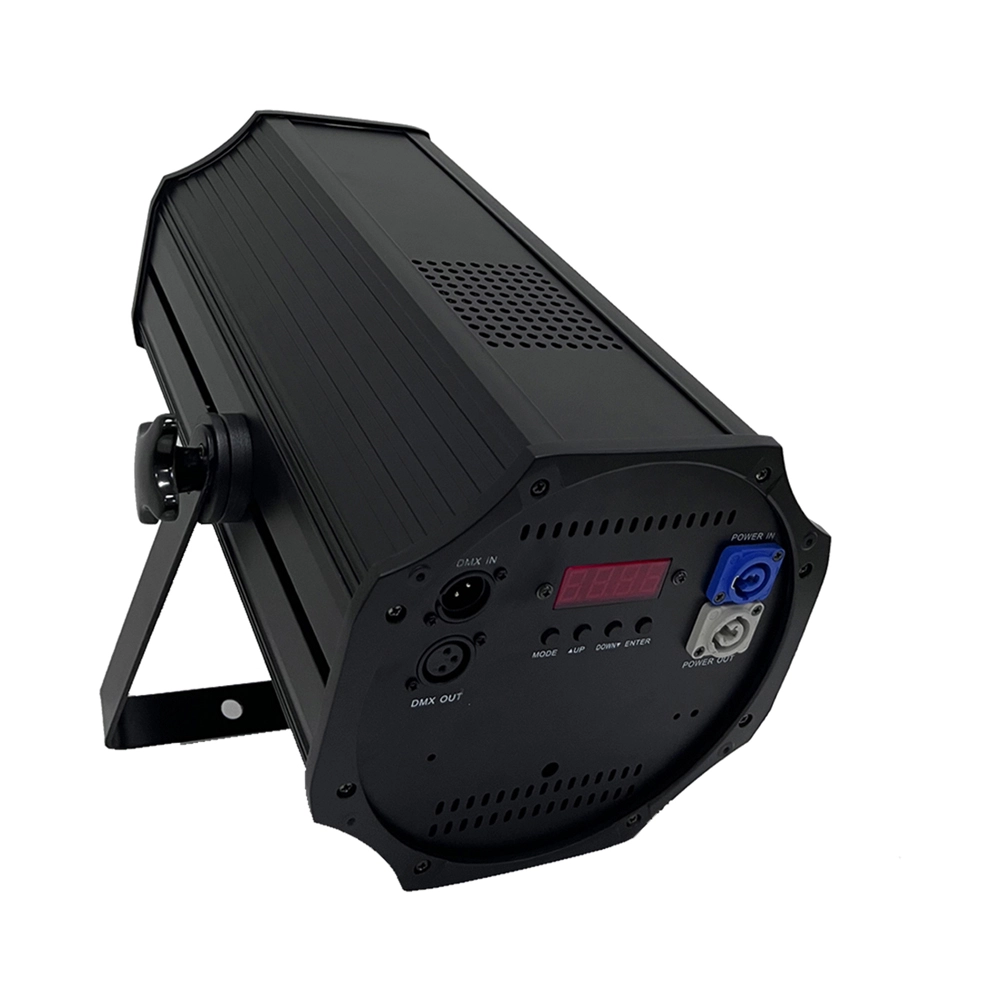
LED Stage Lights: Why Choose VANRAY LP-200ZC RGBW Par Lights?
What are the application scenarios of follow spot light led?
How to Choose Right pro light par led manufacturer and supplier ?
About After Sales
What is the product quality guarantee time ?
Our stage lighting product guarantee time is 1 year; all products can support after-sale service during this period; if lights are broken, we can provide spare parts for free.
About Cooperation Process
How to start working with your company?
You can contact us through our official website or contact information, and our sales team will be happy to assist you.
About Customized Services
What is minimum order quantity requirement for customization services?
No MOQ
Are there any additional charges for customized services?
Customized services may be subject to appropriate customization fees based on your specific requirements.
About Product
Can you accept the sample order?
Yes, we can. The sample order for trial is acceptable.
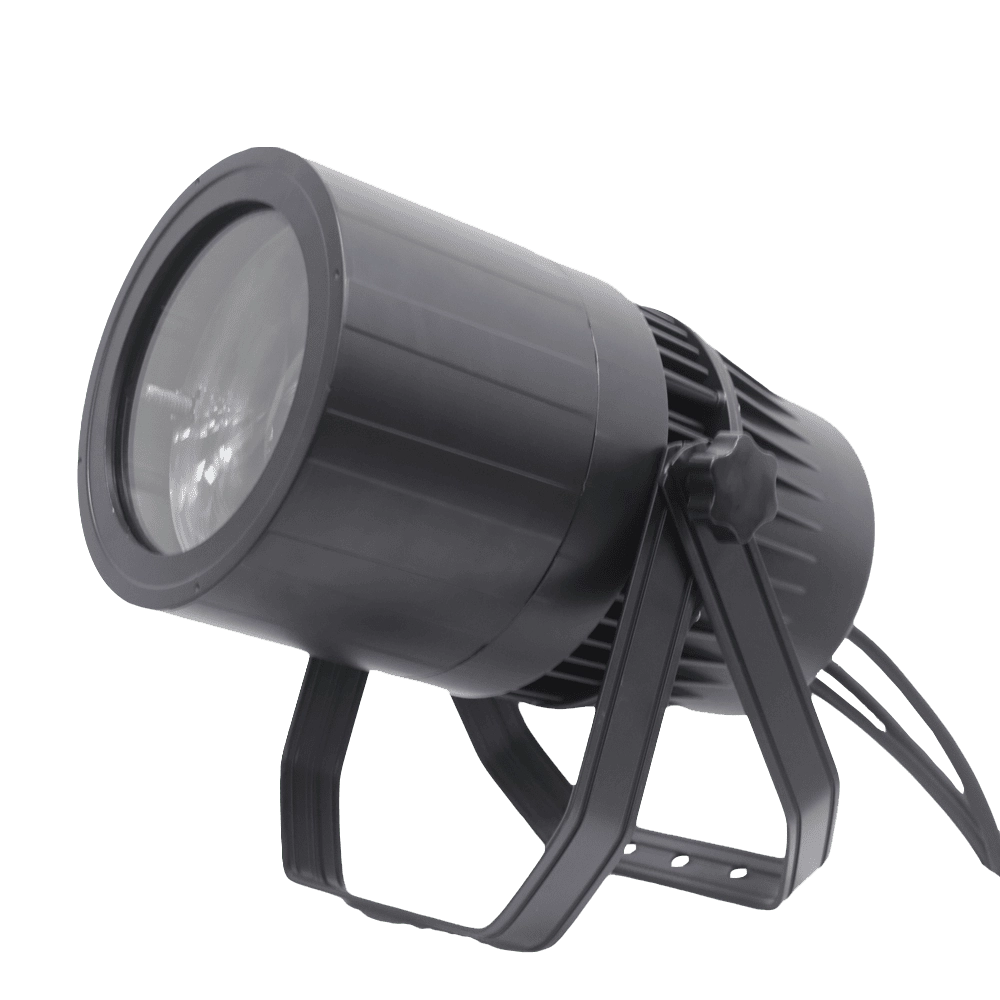
VANRAY Waterproof LED Par Light LP-200Z 200W Zoom Par Light
Introducing the VANRAY Waterproof LED Par Light LP-200Z, a 200W Zoom Par Light engineered for professional performance. Designed by Vanray, this advanced LED PAR light ensures waterproof durability, making it ideal for diverse environments. Elevate your lighting setup with optimum brightness and versatile zoom capabilities. A perfect choice for professional LED PAR light applications.
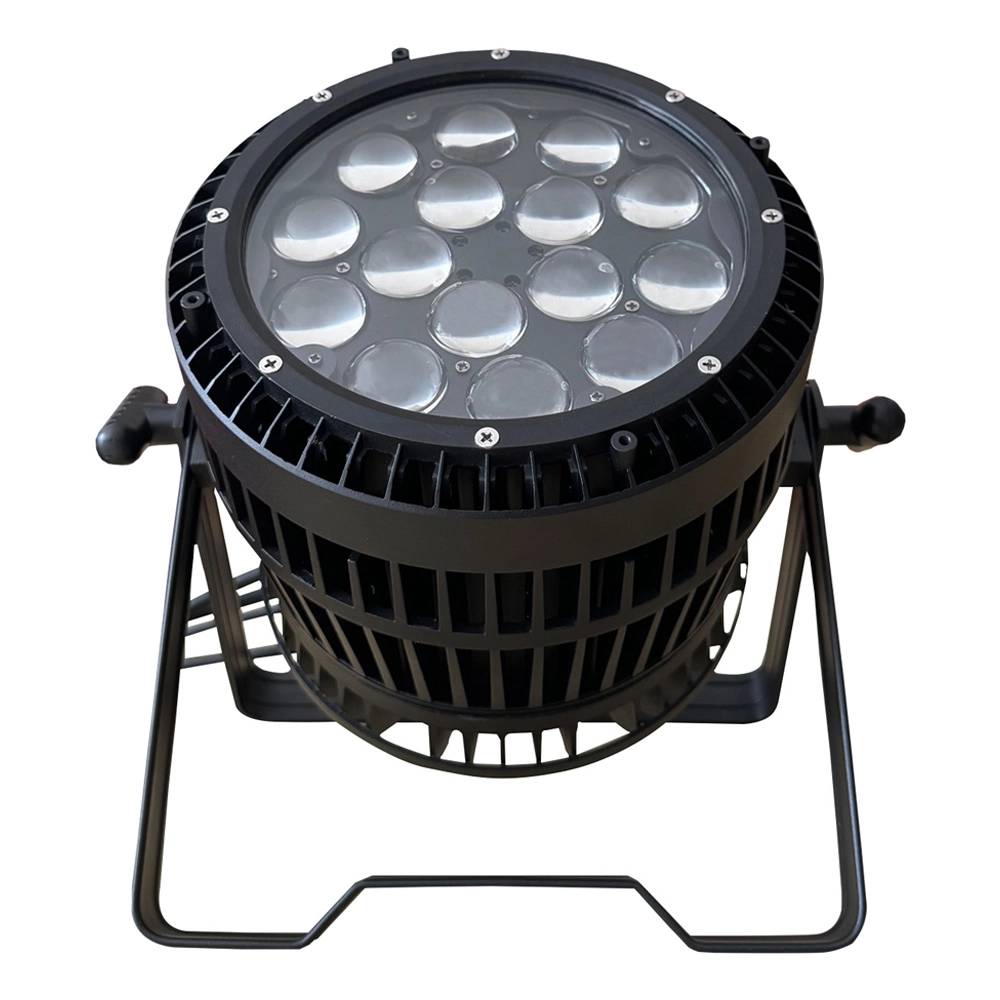
VANRAY LED Par Zoom Wash LP-1515Z 15pcs 15W RGBW Waterproof LED Par Light
Introducing the VANRAY LED Par Zoom Wash LP-1515Z, featuring 15pcs of 15W RGBW waterproof LEDs. This versatile LED wash light par is perfect for vibrant lighting effects, both indoors and outdoors. The precision of our led par zoom wash ensures an exceptional performance, enhancing any event with vivid color dynamics.
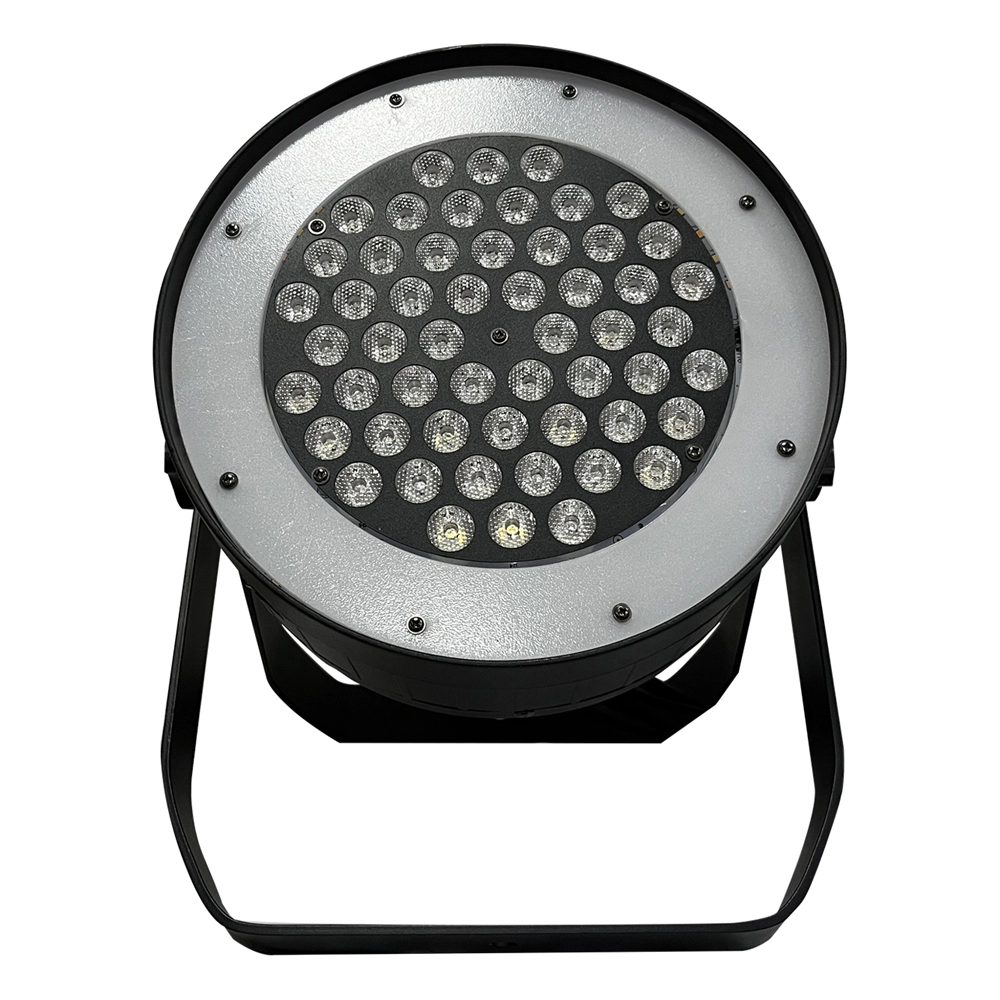
VANRAY Theater LED Par Can Lights LP-350SJL 350W White LED Par Can Lights
Introducing the VANRAY Theater LED Par Can Lights LP-350SJL, featuring an impressive 350W white LED. Ideal for stage lighting, these LED Par Can Lights deliver superior brightness and versatility. Enhance your theater productions with our cutting-edge lighting solutions. Trust Vanray for exceptional performance in LED stage lights.
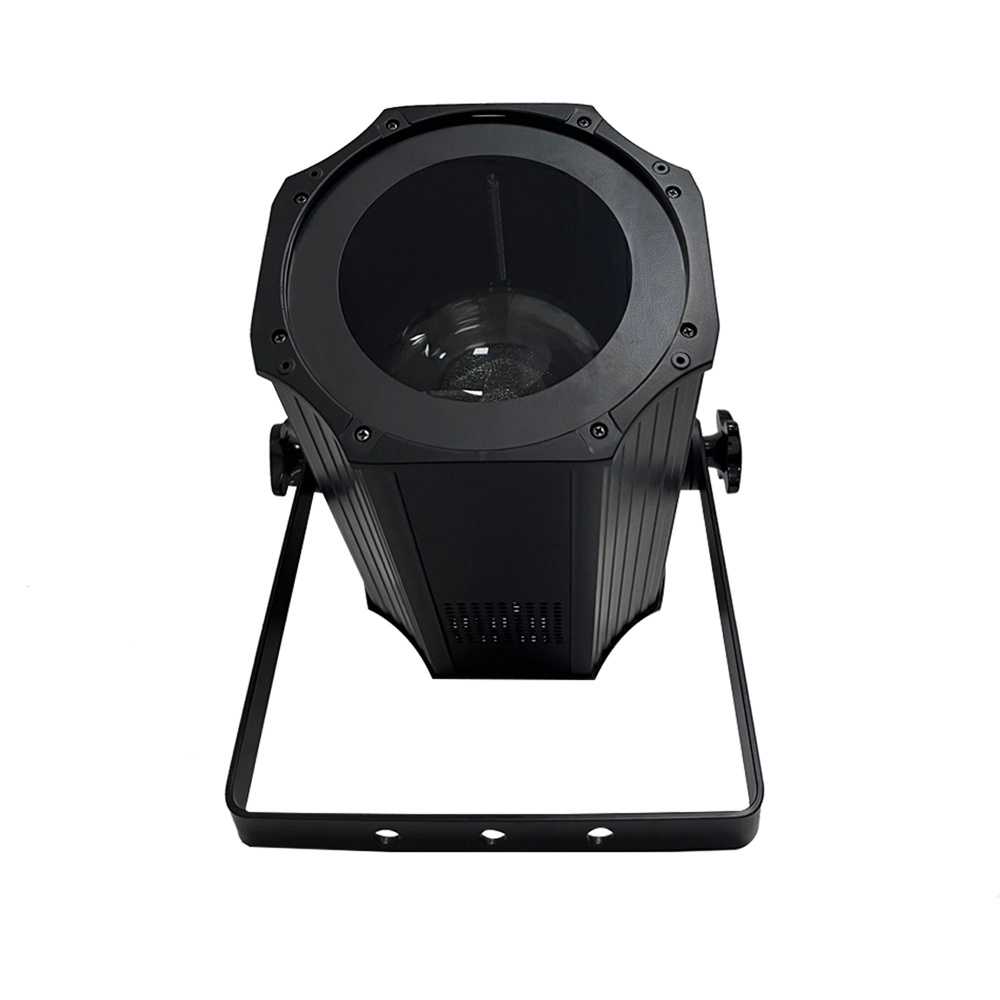
VANRAY LED Par Light Stage LP-200ZC RGBW LED Par Light Suppliers
Introducing the VANRAY LC-200ZC RGBW LED Par Light, a premium solution for vibrant stage lighting. This versatile par LED light ensures dynamic color effects, perfect for events and performances. As leading LED flat-par light suppliers, Vanray guarantees exceptional quality and performance. Illuminate your stage today with Vanray's innovative lighting technology.
As a leading Stage Lighting Manufacturer from China, VANRAY Lighting delivers a comprehensive suite of services including innovative R&D, precision production, and professional integration.
Built on decades of technical expertise, we are defined by our commitment to quality and service perfection. From theaters to grand-scale events, VANRAY is the trusted choice for reliable lighting solutions across the global entertainment and architectural sectors.
Copyright © 2025 VANRAY. All Rights Reserved.

Instagram
YouTube
Facebook