










Heat Management and Lifespan of LED Par Lights
- Why thermal design determines LED Par Light performance
- How heat impacts LED Par Lights and stage applications
- Key standards and metrics: LM-80, TM-21, L70 and why they matter for LED Par Lights
- Industry standards that prove product reliability
- Quantifying the effect: temperature vs. lifespan for LED Par Lights
- Realistic expectations and the 'rule-of-thumb' for thermal effects
- Practical thermal management strategies for LED Par Lights
- Design and operational measures stage managers and lighting buyers should require
- Comparing cooling approaches for LED Par Lights
- Tradeoffs: passive vs. active cooling and real-world suitability
- Thermal testing and purchasing checklist for LED Par Lights
- Questions to ask vendors and items to verify before purchase
- Failure modes and troubleshooting of overheated LED Par Lights
- How to identify heat-related problems and remediate them quickly
- Cost implications: lifecycle costs of better thermal design for LED Par Lights
- Why spending more upfront often reduces total cost of ownership
- VANRAY: thermal competence, product reliability and LED Par Lights solutions
- How VANRAY addresses heat management and product longevity
- Buying guide: selecting the right LED Par Light for lifespan and thermal resilience
- Checklist before placing an order or renting
- Frequently Asked Questions (FAQ)
- 1. How hot is too hot for an LED Par Light?
- 2. Do LED Par Lights need fans?
- 3. What is LM-80 and should I require it when buying LED Par Lights?
- 4. How can I extend the life of existing LED Par Lights?
- 5. Are IP-rated LED Par Lights harder to cool?
- 6. How long will my LED Par Lights last in a touring environment?
- Contact and product inquiry (CTA)
- References and further reading
Why thermal design determines LED Par Light performance
How heat impacts LED Par Lights and stage applications
LED Par Lights have become standard for concert stages, theatres, and events because they are energy-efficient, compact, and produce vibrant color. Yet their real-world performance and longevity are tightly linked to one factor above most others: temperature. Excessive heat—particularly elevated LED junction temperature (Tj) and PCB or case temperature (Tc)—accelerates lumen depreciation (light output loss), causes color shift, reduces driver reliability, and in extreme cases leads to sudden component failure. For venues buying or renting lighting gear, understanding thermal management is essential for minimizing downtime and total cost of ownership of LED Par Lights.
Key standards and metrics: LM-80, TM-21, L70 and why they matter for LED Par Lights
Industry standards that prove product reliability
When specifying LED Par Lights, product datasheets often reference LM-80 and TM-21. LM-80 is a test method for measuring lumen maintenance of LED packages, modules, and arrays under controlled conditions. TM-21 is the IES method for projecting lumen maintenance beyond the period tested in LM-80. Common lab results are reported as L70 at 50,000 hours (meaning 70% of initial light output remains after 50,000 hours), but those projections assume proper thermal conditions similar to test conditions.
Why this matters: if an LED Par Light operates at higher-than-tested Tc/Tj in the field (for example in packed truss fixtures, hot road cases, or poorly ventilated housings), the lumen maintenance curve will shift unfavorably, invalidating the TM-21 projection and reducing useful life.
Quantifying the effect: temperature vs. lifespan for LED Par Lights
Realistic expectations and the 'rule-of-thumb' for thermal effects
Electronics reliability commonly uses an Arrhenius-type relationship: many failure mechanisms accelerate with temperature. For LEDs, a practical rule-of-thumb often cited is that a 10°C rise in junction temperature can noticeably accelerate lumen depreciation and potentially halve expected life depending on materials and design. While the precise factor varies by LED chemistry, driver design and mechanical assembly, treating thermal control as a primary design constraint avoids the greatest risks to PAR light lifespan.
| Operating Condition | Typical Tc Range (°C) | Typical Projected L70 Lifetime | Notes for LED Par Lights |
|---|---|---|---|
| Well-cooled fixture (active cooling, good conduction) | 55–65 | 40,000–70,000+ hours | Matches LM-80/TM-21 test conditions; ideal for touring fixtures |
| Passive cooled, ventilated housing | 65–75 | 25,000–50,000 hours | Typical for theatre or fixed installs with moderate ambient temps |
| Poor ventilation, high ambient (stacked cases, hot roof) | >75 | <25,000 hours | Significant lumen loss and higher failure risk; avoid long-duration use |
Data sources: LM-80/TM-21 literature and industry test result trends (see References).
Practical thermal management strategies for LED Par Lights
Design and operational measures stage managers and lighting buyers should require
Effective heat management combines smart product design and field practices. Below are concrete strategies that reduce Tc/Tj and extend LED Par Light lifespan:
- Choose fixtures with documented Tc measurement points and LM-80/TM-21 reports aligned to expected application temperatures.
- Prioritize good thermal paths: high-quality metal heat sinks (aluminum extrusions), thermal interface materials (TIM), and direct conduction from LED MCPCBs to chassis.
- Design driver placement to avoid heating the LED array—use remote drivers where practical or thermally isolate the driver from the LED engine.
- Incorporate active cooling when compact/high-power fixtures demand it: low-noise fans with dust filters or heatsink fins designed for airflow.
- Maintain airflow in rigging: avoid blocking vents, maintain clearance between fixtures, and avoid packing into sealed flight cases between shows without cooldown cycles.
- Monitor in-situ temperatures using Tc sensors; require vendors to provide Tc max ratings and warn if fixture exceeds those limits.
- Implement duty-cycle management: avoid running fixtures at max output constantly when lower output meets artistic needs; dimming reduces heat generation considerably.
Comparing cooling approaches for LED Par Lights
Tradeoffs: passive vs. active cooling and real-world suitability
| Cooling Method | Pros | Cons | Best Use Cases |
|---|---|---|---|
| Passive heatsink (finned aluminum) | Silent, reliable, low maintenance | Large size required for high power; limited cooling in cramped spaces | Theatre, fixed installs, outdoor IP-rated housings |
| Active fan-assisted cooling | Smaller thermal mass, good for compact designs | Noise, dust ingress, moving part failures | Tours, compact moving fixtures, high-output PARs |
| Remote/external driver | Isolates heat source away from LEDs; extends lifetime | More cabling; installation complexity | High-power installations, road cases |
| Liquid cooling (rare in PARs) | Very efficient for extreme power densities | Complex, expensive, rarely justified for PARs | Specialized high-power installations |
Thermal testing and purchasing checklist for LED Par Lights
Questions to ask vendors and items to verify before purchase
- Do you provide LM-80 test reports for the LEDs used, and TM-21 projections for the fixture under designated Tc?
- What is the specified Tc point and maximum allowed Tc for the fixture? Can you provide measured Tc vs ambient curves?
- Is the driver onboard or external? Provide driver thermal ratings and MTBF figures.
- What cooling method is used (passive/active), and what maintenance is required in touring or outdoor environments?
- Are there IP ratings, dust filters, or waterproofing relevant to outdoor or rig-in-case use?
- Can you provide references from theaters, venues, or production houses that operate similar fixtures under similar duty cycles?
Failure modes and troubleshooting of overheated LED Par Lights
How to identify heat-related problems and remediate them quickly
Common signs of thermal stress in LED Par Lights:
- Rapid lumen drop within months, beyond normal depreciation curves.
- Color shift (especially in multi-chip RGB or COB engines).
- Intermittent flicker or sudden shutdowns as thermal protection trips the driver.
- Burnt smells, discolored PCB or enclosure parts—stop using immediately.
Troubleshooting steps:
- Measure Tc at the vendor-specified point and compare to ambient; if Tc is above spec, identify restricted airflow or fixture placement problems.
- Check dust accumulation on heatsinks and clean per manufacturer guidance.
- Verify driver temperatures and connections; replace failing drivers with OEM-rated units.
- If fixtures are rack-mounted or stored between shows, allow cool-down and avoid sealed cases immediately after high-output use.
Cost implications: lifecycle costs of better thermal design for LED Par Lights
Why spending more upfront often reduces total cost of ownership
Fixtures engineered with superior thermal management may cost more initially, but they typically deliver longer service intervals, reduced maintenance labor, fewer replacements, and more reliable color and intensity consistency—especially important in rental fleets and touring rigs. For rental companies and venues, the avoidance of mid-tour failures and the retained resale value of well-designed fixtures are significant economic benefits.
| Scenario | Initial Cost | Maintenance Frequency | Replacement Cycle |
|---|---|---|---|
| High-quality thermally managed LED Par | Higher | Low | 7–10 years (depending on duty cycle) |
| Low-cost, poor thermal design | Lower | Higher | 2–4 years |
VANRAY: thermal competence, product reliability and LED Par Lights solutions
How VANRAY addresses heat management and product longevity
VANRAY Lighting is dedicated to becoming a leading global lighting solutions provider. With over ten years of industry experience, we offer efficient and customized lighting products for various fields such as stage, film, television, and landscape. Our product portfolio includes LED PAR lights, moving head lights, LED profile spotlights, fresnel spotlights, and floodlights, with support for OEM and ODM services.
Why VANRAY stands out for LED Par Lights:
- Thermal-first engineering: fixtures are designed with optimized aluminum heat sinks, controlled airflow channels, and where appropriate, fan-assisted cooling to maintain Tc within LM-80/TM-21 test envelopes.
- Stringent reliability testing: VANRAY’s R&D and QA teams conduct prolonged burn-in tests under elevated ambient conditions, and provide documentation of Tc behavior and driver performance.
- Manufacturing scale and quality: advanced facilities covering 8000+ sqm and process controls to ensure consistent thermal assembly (TIM application, soldering quality, and thermal path verification).
- Certifications and compliance: VANRAY products have received CE, RoHS, and ISO certifications that reflect quality and safety management systems.
- Product lineup tuned for applications: from compact moving head lights for tours to IP-rated LED PAR lights and robust floodlights for outdoor events—each product balances output and thermal design to match real-world duty cycles.
VANRAY’s strengths—rapid R&D feedback loops, durable mechanical designs, and focus on long-term lumens and color stability—make their LED PAR lights a suitable choice for venues, rental houses, and production companies prioritizing lifespan and lower lifecycle costs.
Buying guide: selecting the right LED Par Light for lifespan and thermal resilience
Checklist before placing an order or renting
- Request LM-80 reports for the LED packages and TM-21 projections aligned to realistic Tc values for your deployment.
- Confirm driver type, protection features (thermal foldback, over-temperature shutdown), and MTBF.
- Ask for measured Tc-vs-ambient graphs and maintenance recommendations for touring or outdoor usage.
- Choose fixtures with serviceable parts (fans, filters, drivers) to lower repair costs.
- Consider VANRAY or similar vendors who combine proven thermal design, production scale, and third-party certifications.
Frequently Asked Questions (FAQ)
1. How hot is too hot for an LED Par Light?
Check the vendor-specified Tc maximum. Common safe Tc ranges are 55–75°C depending on design; sustained Tc above the specified maximum will accelerate lumen depreciation and risk driver issues. If no Tc spec is provided, treat that as a red flag.
2. Do LED Par Lights need fans?
Not always. Passive heatsinks are preferred for silent operation and reliability. Fans are useful for compact, high-output PARs where passive cooling cannot keep junction temperatures in spec. If fans are used, ensure they are serviceable and filtered for dusty environments.
3. What is LM-80 and should I require it when buying LED Par Lights?
LM-80 is a standardized test measuring lumen maintenance of LED packages/modules/arrays. Yes—ask for LM-80 reports from reputable vendors and ensure TM-21 lifetime projections match real-world expected Tc values.
4. How can I extend the life of existing LED Par Lights?
Improve airflow around fixtures, clean heatsinks and filters regularly, avoid constant maximum output when not necessary, and ensure drivers are kept cool or moved to remote locations if heating the LED engine.
5. Are IP-rated LED Par Lights harder to cool?
Sealed IP-rated housings limit convective cooling, so thermal design must rely on conduction through the chassis and larger heatsinks, or be engineered with specific thermal paths. Always check Tc ratings and ensure the IP-rated fixture was tested for your ambient conditions.
6. How long will my LED Par Lights last in a touring environment?
Lifespan depends on duty cycle, cooling, and maintenance. Well-designed touring PARs with good thermal management can achieve 40,000–70,000 hours L70 under controlled conditions; poor thermal management can drop useful life below 25,000 hours. For rental fleets, prefer products with documented heat testing.
Contact and product inquiry (CTA)
If you want help selecting LED Par Lights or need solutions tailored for touring, theatre, or outdoor projects, contact VANRAY Lighting for technical consultation, OEM/ODM inquiries, sample testing, or a quote. Visit our product pages for moving head lights, LED PAR lights, LED profile spotlights, and floodlights, or email our sales and engineering teams to discuss thermal requirements for your application.
References and further reading
Sources cited and recommended technical references (accessed 2025-12-12):
- U.S. Department of Energy — LED Basics. https://www.energy.gov/eere/ssl/led-basics (accessed 2025-12-12)
- ENERGY STAR — LED lighting FAQs and guidance. https://www.energystar.gov/products/lighting_fans/lighting_fixtures/led_faq (accessed 2025-12-12)
- Wikipedia — LM-80. https://en.wikipedia.org/wiki/LM-80 (accessed 2025-12-12)
- Wikipedia — TM-21. https://en.wikipedia.org/wiki/TM-21 (accessed 2025-12-12)
- DigiKey — Thermal Management of LEDs. https://www.digikey.com/en/articles/techzone/2019/thermal-management-of-leds (accessed 2025-12-12)
- Electronics Cooling — Understanding LED reliability and thermal management. https://www.electronics-cooling.com/2012/01/understanding-led-reliability-and-thermal-management/ (accessed 2025-12-12)
- Illuminating Engineering Society (IES) — Standards and documents. https://www.ies.org/standards/ (accessed 2025-12-12)
Wholesale waterproof rotating gobo projector manufacturer and supplier
OEM/ODM gobos for sale Manufacturers and Suppliers
Top led strip wall washer Manufacturers and Suppliers
How to manufacturing Anti-glare Downlights
About Logistics
How long does logistics delivery take?
Shipping times depend on your location and the shipping method you choose
1. 5-7 days by express
2. 20–25 days by sea shipping.
3. 15 days by air shipping.
About Customized Services
What is minimum order quantity requirement for customization services?
No MOQ
Can you provide OEM / ODM services ?
Yes, we can support OEM/ODM services for the details, which can be negotiated with our sales team.
About Product
What certifications and inspections have your products passed?
Our products have passed relevant quality certifications and inspections, including CE, RoHS, etc., to ensure product safety and reliability.
About Cooperation Process
What information do I need to provide to start the cooperation process?
You need to provide your company information, product needs, customization requirements, cooperation intentions and other relevant information.
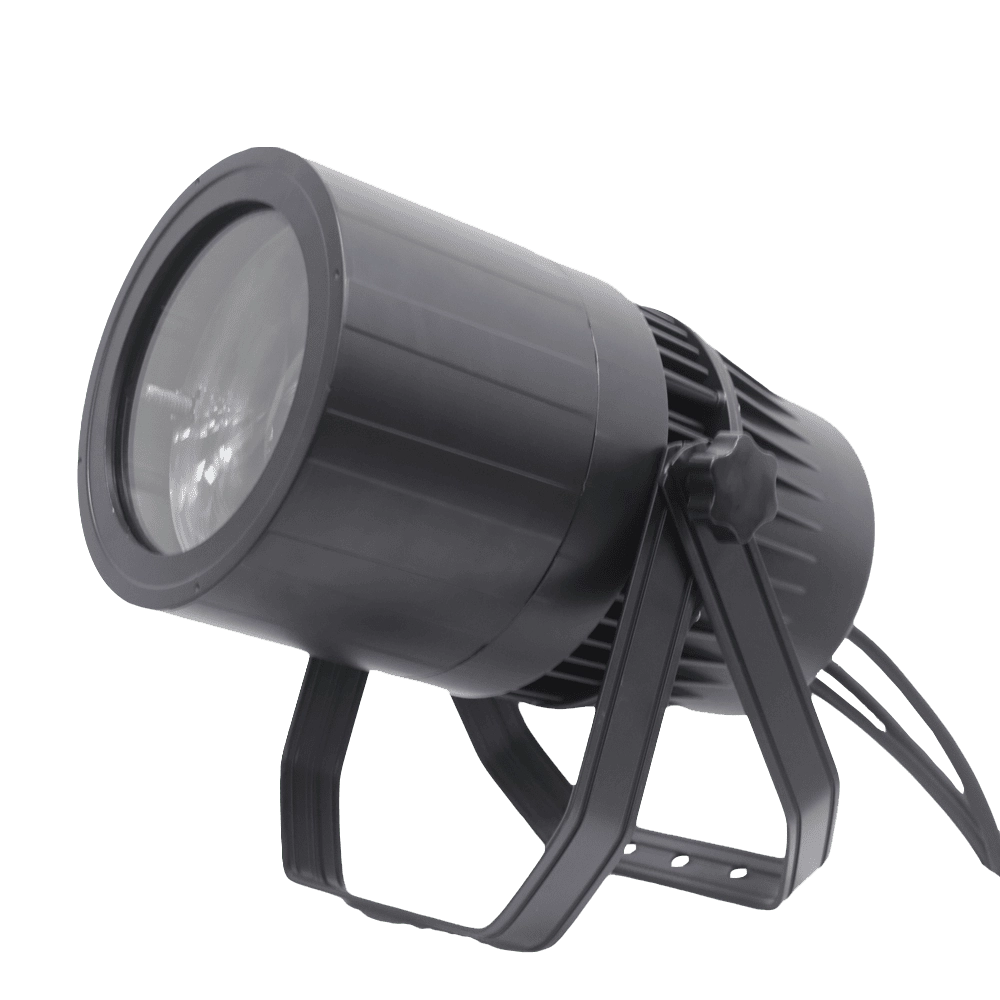
VANRAY Waterproof LED Par Light LP-200Z 200W Zoom Par Light
Introducing the VANRAY Waterproof LED Par Light LP-200Z, a 200W Zoom Par Light engineered for professional performance. Designed by Vanray, this advanced LED PAR light ensures waterproof durability, making it ideal for diverse environments. Elevate your lighting setup with optimum brightness and versatile zoom capabilities. A perfect choice for professional LED PAR light applications.
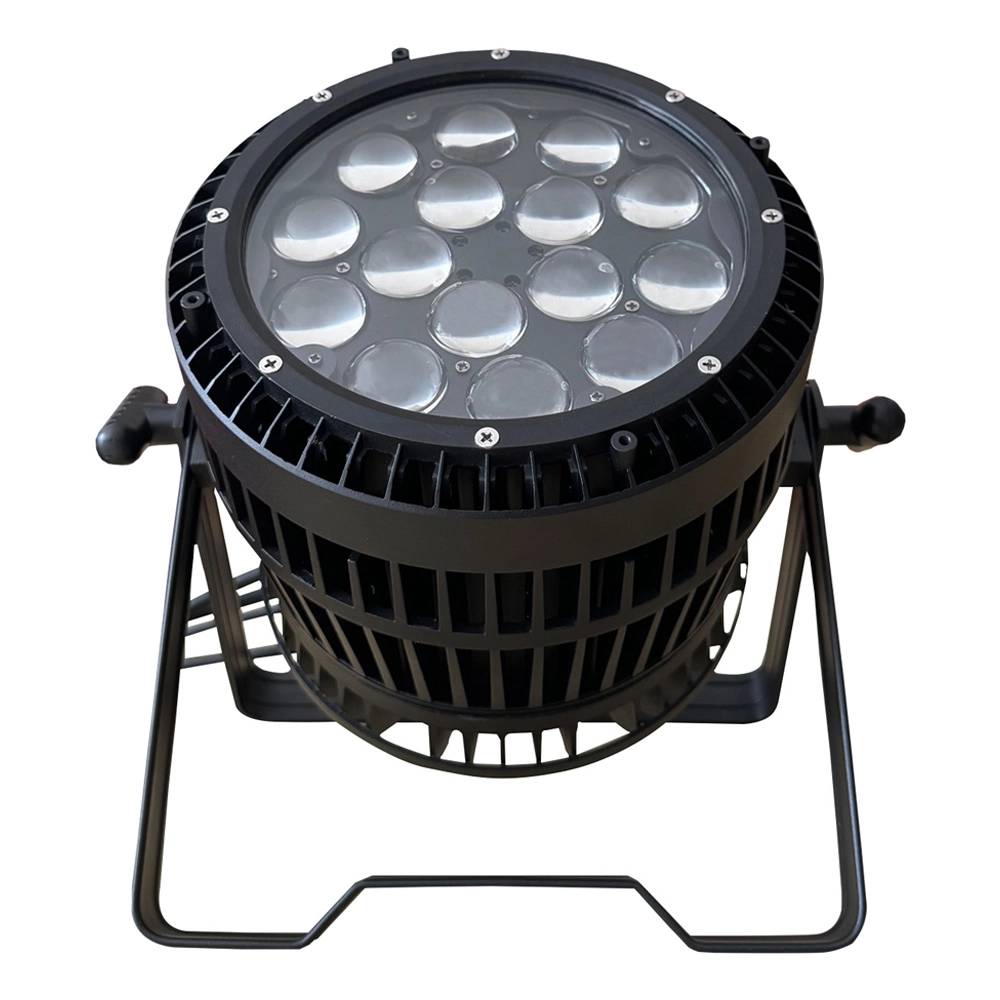
VANRAY LED Par Zoom Wash LP-1515Z 15pcs 15W RGBW Waterproof LED Par Light
Introducing the VANRAY LED Par Zoom Wash LP-1515Z, featuring 15pcs of 15W RGBW waterproof LEDs. This versatile LED wash light par is perfect for vibrant lighting effects, both indoors and outdoors. The precision of our led par zoom wash ensures an exceptional performance, enhancing any event with vivid color dynamics.
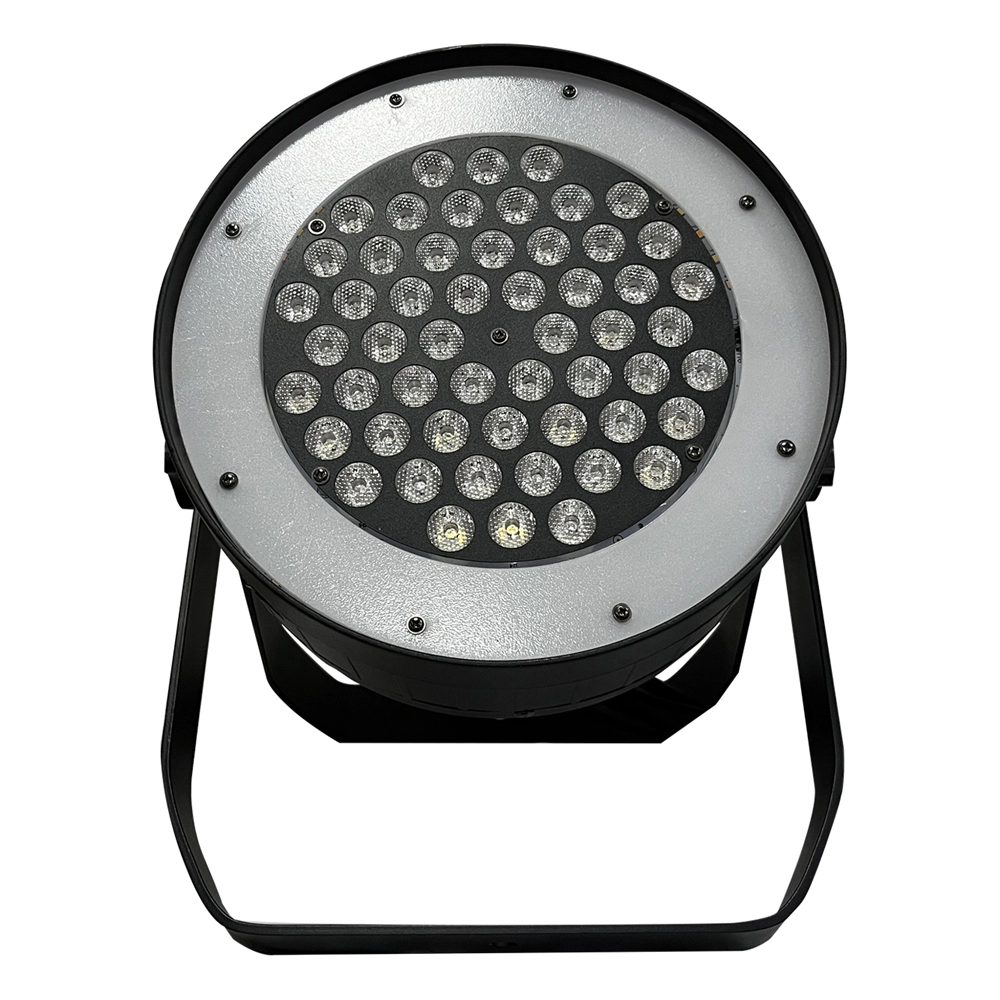
VANRAY Theater LED Par Can Lights LP-350SJL 350W White LED Par Can Lights
Introducing the VANRAY Theater LED Par Can Lights LP-350SJL, featuring an impressive 350W white LED. Ideal for stage lighting, these LED Par Can Lights deliver superior brightness and versatility. Enhance your theater productions with our cutting-edge lighting solutions. Trust Vanray for exceptional performance in LED stage lights.
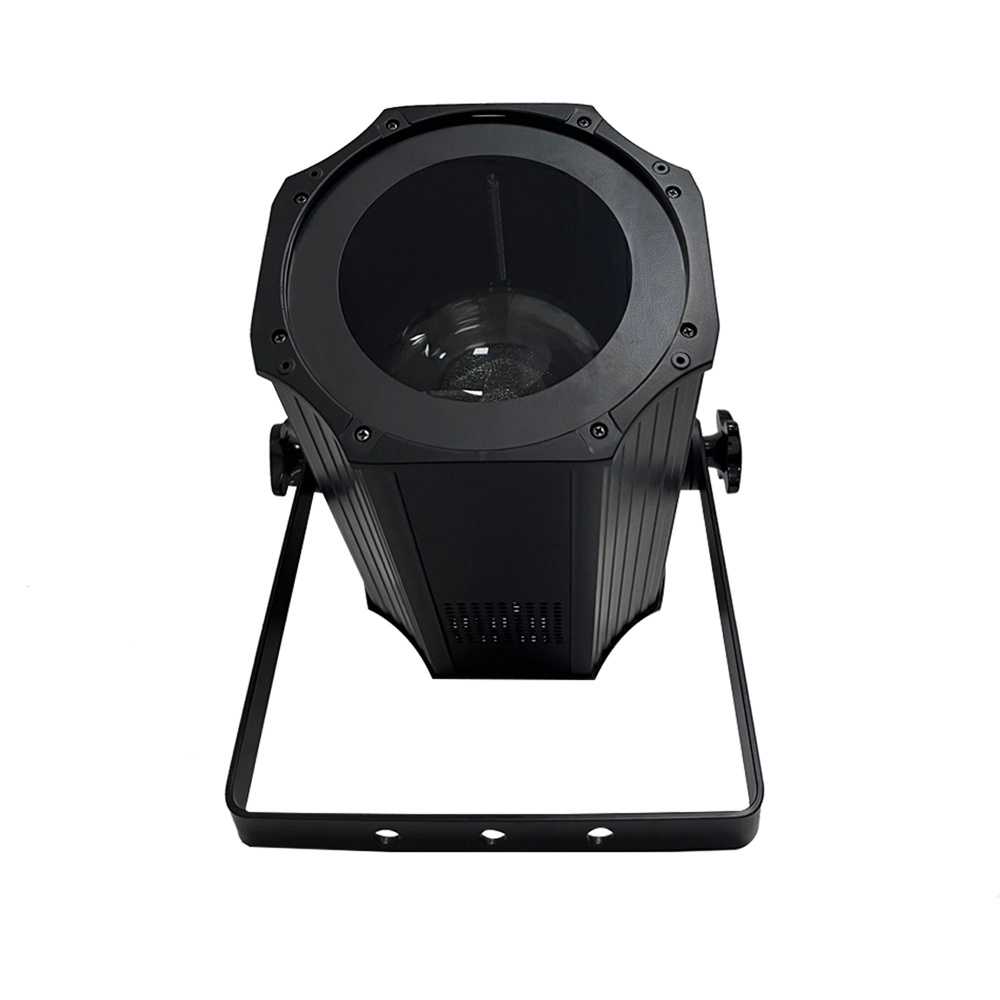
VANRAY LED Par Light Stage LP-200ZC RGBW LED Par Light Suppliers
Introducing the VANRAY LC-200ZC RGBW LED Par Light, a premium solution for vibrant stage lighting. This versatile par LED light ensures dynamic color effects, perfect for events and performances. As leading LED flat-par light suppliers, Vanray guarantees exceptional quality and performance. Illuminate your stage today with Vanray's innovative lighting technology.
As a leading Stage Lighting Manufacturer from China, VANRAY Lighting delivers a comprehensive suite of services including innovative R&D, precision production, and professional integration.
Built on decades of technical expertise, we are defined by our commitment to quality and service perfection. From theaters to grand-scale events, VANRAY is the trusted choice for reliable lighting solutions across the global entertainment and architectural sectors.
Copyright © 2025 VANRAY. All Rights Reserved.

Instagram
YouTube
Facebook