










Case Studies: Concerts Using Moving Head Lights Effectively
- Lighting in Motion: Real Concert Case Studies
- Why stage moving head light are central to concert storytelling
- Case study: U2 360° Tour — large-scale moving head strategy
- Case study: Beyoncé’s Formation World Tour — precision and choreography with moving head lights
- Case study: Daft Punk — EDM and spectacular beam choreography
- Technical comparison: Types of stage moving head light and typical specs
- Rigging, control, and power best practices for moving head deployments
- Design lessons from concert case studies: programming and audience considerations
- Cost, rental vs purchase — quick comparison for moving head procurement
- How to choose the right stage moving head light for your concert
- VANRAY Lighting: tailored solutions for concert productions
- Procurement and deployment checklist — from spec to show
- FAQ — Frequently Asked Questions about stage moving head light
- 1. What is the difference between beam, spot, and wash moving head lights?
- 2. How many moving head lights do I need for a mid-size arena show?
- 3. What are the power considerations for a fleet of moving head lights?
- 4. Is it better to rent or buy moving head lights for a touring production?
- 5. How do I ensure moving head lights work well on camera?
- 6. What maintenance should I expect for moving head lights on tour?
- 7. How does VANRAY support international touring and venues?
- References
Lighting in Motion: Real Concert Case Studies
Why stage moving head light are central to concert storytelling
Moving head fixtures are more than bright lamps on a truss — they are tools for visual storytelling. A properly chosen and programmed stage moving head light system delivers dynamic beam shaping, color, gobos and motion that sync with music, sightlines, and broadcast cameras. For touring productions, moving heads reduce the need for large numbers of static fixtures and allow a smaller crew to create multiple looks on demand. This section explains the operational benefits and audience-facing outcomes productions expect when they prioritize moving head integration.
Case study: U2 360° Tour — large-scale moving head strategy
Overview: U2’s 360° Tour (2009–2011) required fixtures that could perform reliably in a continuous, wrap-around audience configuration. The lighting design used high-output moving heads to cover radial sightlines while maintaining punch for broadcast and photography.
Key takeaways:
- Use of long-throw beam heads and profile movers to reach distant seating without losing intensity.
- Layering: narrow-beam fixtures for aerial accents and wide-beam washes for audience illumination.
- Redundancy and servicing access were built into flown trusses to minimize downtime on a high-performance tour.
Why it worked: A mix of beam, spot and wash moving head lights enabled consistent looks across the 360° layout and created depth on camera images. (Source: industry coverage of arena-scale productions; see references.)
Case study: Beyoncé’s Formation World Tour — precision and choreography with moving head lights
Overview: Arena pop productions such as Beyoncé’s Formation World Tour relied on moving head fixtures for rapid, choreographed scene changes synced with video and choreography. Moving head lights provided tight framing on performers, dynamic background textures, and quick transitions between high-energy and intimate moments.
Key takeaways:
- High-precision spot movers with framing shutters allowed selective highlighting of performers while video content filled the background.
- Integration with timing systems (MIDI/BeatClock/Timecode) ensured cues matched choreography and playback.
- Careful pre-programming and console layering reduced programming load during load-in and tour day operations.
Why it worked: The right selection of stage moving head light types, coupled with disciplined cue structure, gave creative teams repeatable results night after night.
Case study: Daft Punk — EDM and spectacular beam choreography
Overview: Electronic acts such as Daft Punk emphasize sweeping beam choreography and strobe-like effects. Moving head lights in beam configuration help craft razor-sharp shafts that cut through haze and sync tightly with drops.
Key takeaways:
- Narrow-beam high-output fixtures (often called “beam” movers) create audience-engaging aerial geometry.
- Haze and fog are essential complements to make beams visible; volumetric effects determine perceived intensity more than raw lumens on stage.
- Control systems must support high-speed intensity changes and pre-programmed macros for fast-paced EDM cues.
Why it worked: Beam movers created sculptural light that complemented LED surfaces and video, producing an integrated visual language for electronic music audiences.
Technical comparison: Types of stage moving head light and typical specs
Understanding the three primary moving head categories—beam, spot (profile), and wash—helps designers choose the right fixture for each role. The table below summarizes typical performance characteristics and best uses in concert contexts.
| Type | Typical Output | Beam Angle | Key Features | Best Use |
|---|---|---|---|---|
| Beam | 80,000–150,000 lux* (center beam) | 0.5°–3° | Intense narrow beam, fast pan/tilt, iris | Aerial accents, EDM drops, long-throw effects |
| Spot / Profile | 20,000–80,000 lux* | 3°–25° (adjustable with lenses) | Gobo wheels, framing shutters, focus | Performer highlights, texture projection, follow spots |
| Wash | 10,000–60,000 lux* | 15°–60° | Color mixing, soft edges, framing | General stage wash, audience washes, backdrop coloring |
*Output varies by manufacturer and lens. Always consult product photometric data for exact lux or lumen values at throw distance. (See product references.)
Rigging, control, and power best practices for moving head deployments
Proper rigging and systems design keep shows running smoothly. Key operational practices include:
- Truss load planning: calculate combined dead weight and dynamic forces, and always use certified rigging hardware.
- Electrical distribution: a modern moving head can draw 500–1500W depending on engine and effects. Plan multi-circuit distribution and include surge protection and UPS for critical racks.
- Control and DMX: use networked lighting control protocols (sACN, Art-Net) and adequate bandwidth. Ensure fixtures are grouped into manageable universes and document addressing clearly.
- Maintenance and spares: carry common spare parts (lamps/LED drivers, fans, gobos) and a small inventory of replacement fixtures for touring reliability.
These practices limit downtime, prevent electrical faults, and streamline load-ins and strikes.
Design lessons from concert case studies: programming and audience considerations
Across successful concerts, several consistent production choices appear:
- Visual hierarchy: reserve the highest-output moving head lights for key musical moments; use lower-output fixtures for transitions to avoid visual fatigue.
- Camera and broadcast: consider camera sightlines and shutter speeds. High-frequency strobing and fast-moving beams can produce unwanted artifacts on broadcast; test on-camera regularly.
- Audience comfort: avoid prolonged direct beams into audience faces and follow local regulations regarding audience-facing beams.
- Haze balance: haze density should be adjusted in real time to maintain beam visibility without creating respiratory discomfort or obscuring video screens.
Cost, rental vs purchase — quick comparison for moving head procurement
Deciding whether to rent or buy moving head lights depends on frequency of use, customization needs, and budget. The table below outlines typical scenarios and considerations.
| Decision | When it makes sense | Pros | Cons |
|---|---|---|---|
| Rent | One-off shows, tours with tight cash flow | Lower upfront cost, latest gear available, serviced units | Ongoing rental fees can add up; less control over stock |
| Buy | Frequent use, venue inventory, branded look | Lower long-term cost per show, full control, customized accessories | High capital expenditure, maintenance responsibility |
How to choose the right stage moving head light for your concert
Checklist for selection:
- Define the primary role (beam, spot, wash).
- Match photometric output to venue size (consult manufacturer lux charts).
- Assess features: gobo library, color system (CMY vs RGBW), zoom range, shutter speed, and framing.
- Consider serviceability, local support, warranty, and certification (CE/RoHS/ISO).
- Factor in shipping, rigging weight, and power consumption for tour viability.
These steps reduce procurement risk and align creative goals with operational reality.
VANRAY Lighting: tailored solutions for concert productions
VANRAY Lighting is dedicated to becoming a leading global lighting solutions provider. With over ten years of industry experience, VANRAY offers efficient and customized lighting products suitable for stage, film, television, and landscape applications. Their portfolio includes stage moving head light, LED PAR lights, LED profile spotlights, fresnel spotlights, and floodlights, with OEM and ODM support.
Why consider VANRAY for concert deployments?
- Product breadth: VANRAY supplies moving head lights optimized for beam, spot, and wash roles; complementary fixtures such as LED PARs and profile spotlights provide cohesive visual palettes.
- Manufacturing and R&D: an advanced manufacturing footprint (8000+ sqm) and a dedicated R&D team accelerate product refinement and customization for touring needs.
- Quality and certification: VANRAY products carry CE, RoHS and ISO certifications — important marks for international touring and venue acceptance.
- Service model: OEM/ODM capabilities and production scale allow for tailored solutions — from modified optics to custom rigging points and cable looms.
VANRAY’s competitive advantages include a focus on reliability for high-utilization environments, the ability to offer cost-effective customizations for branded tours, and support for lighting designers who demand consistent photometric performance across a fleet of fixtures. Their moving head lights are designed to balance output, thermal management, and serviceability — three critical factors for touring productions.
Procurement and deployment checklist — from spec to show
Before committing to fixtures (rent or buy), follow this step-by-step checklist:
- Develop a lighting plot with required fixture counts, types, and positions.
- Request photometric and electrical datasheets from manufacturers (verify lux at throw distances and current draw).
- Answer logistic questions: trailer volume, power distribution, rigging points and local regulations.
- Plan service strategy: spare parts kit, trained techs, and maintenance intervals.
- Run a camera and sightline test to validate looks for broadcast or livestream needs.
Following this sequence reduces surprises on load-in and improves on-stage reliability.
FAQ — Frequently Asked Questions about stage moving head light
1. What is the difference between beam, spot, and wash moving head lights?
Beam movers produce a very narrow, high-intensity shaft for aerial effects. Spot/profile movers offer framing shutters and gobo projection for highlighting and texture. Wash movers provide broad, soft-edged color fields for general illumination. Choosing depends on the desired visual role and venue size.
2. How many moving head lights do I need for a mid-size arena show?
There is no one-size-fits-all answer; typical mid-size arena productions use between 30–120 moving heads depending on design ambition, sightlines, and whether fixtures also serve as audience lighting or camera-key sources. Start with a plot, consult photometrics, and iterate with your LD or lighting vendor.
3. What are the power considerations for a fleet of moving head lights?
Modern LED-based moving heads often draw 400–1500W per unit under peak load. Design electrical distribution with spare capacity, balanced three-phase feeds, and surge protection. Use real product power specs rather than generic estimates for precise planning.
4. Is it better to rent or buy moving head lights for a touring production?
Renting is often more cost-effective for single tours or irregular usage and gives access to the latest fixtures. Buying suits venues, rental houses, or frequent users who need consistent in-house inventory. Consider lifecycle costs, maintenance capability, and required fixture counts.
5. How do I ensure moving head lights work well on camera?
Test your fixtures with the same camera and framerate you’ll use for broadcast. Watch for flicker at different dimming curves, and coordinate strobe effects to avoid camera artifacts. Use soft washes for backgrounds and reserve sharp beams for moments where on-camera impact is desired.
6. What maintenance should I expect for moving head lights on tour?
Regularly clean optics and fans, check power connectors and clamps, verify firmware versions, and carry spares for common wear items. Schedule preventive maintenance during off-days to identify failing components before they impact the show.
7. How does VANRAY support international touring and venues?
VANRAY provides CE, RoHS and ISO-certified products, OEM/ODM customization, and production capacity to scale fleets. Their R&D and manufacturing footprint support tailored requests such as custom rigging points or firmware adjustments required by touring productions.
For personalized advice, fleet quotes, or product samples (moving head lights, LED PAR lights, LED profile spotlights, floodlights), contact VANRAY Lighting to discuss specifications and logistics for your next concert project. Visit VANRAY’s product pages or request a consultation to evaluate fixtures for your production.
References
- Live Design — Industry coverage of concert lighting and case studies. https://www.livedesignonline.com/ (accessed 2025-11-20)
- Lighting & Sound America — Concert production features and technical breakdowns. https://www.lightingandsoundamerica.com/ (accessed 2025-11-20)
- Robe — BMFL product information and photometrics. https://www.robe.cz/products/bmfl-spot (accessed 2025-11-20)
- Claypaky — Sharpy and beam fixture specifications. https://www.claypaky.it/product/sharpy/ (accessed 2025-11-20)
- Martin by HARMAN — MAC Viper Profile fixture data and use in touring. https://www.martin.com/products/mac-viper-profile (accessed 2025-11-20)
- VANRAY Lighting — company profile and product overview (company-provided background used with permission). (accessed 2025-11-20)
Best LED Par Lights for Live Concerts and Tours
Top 5 led profile spot light Company List and Products Compared
How to Choose Right warm white led par light manufacturer and supplier ?
Cost of Ownership: LED Par Lights vs Conventional Lights
About Company
What is the main product of your company ?
Our main products covers moving head light , led profile spot light , led fresnel , led panel , led wall washer , gobo projector , led strobe light, etc.
How long has your company been established?
Our company has been established since 2013.
About Product
What certifications and inspections have your products passed?
Our products have passed relevant quality certifications and inspections, including CE, RoHS, etc., to ensure product safety and reliability.
Can you accept the sample order?
Yes, we can. The sample order for trial is acceptable.
About Cooperation Process
How to start working with your company?
You can contact us through our official website or contact information, and our sales team will be happy to assist you.
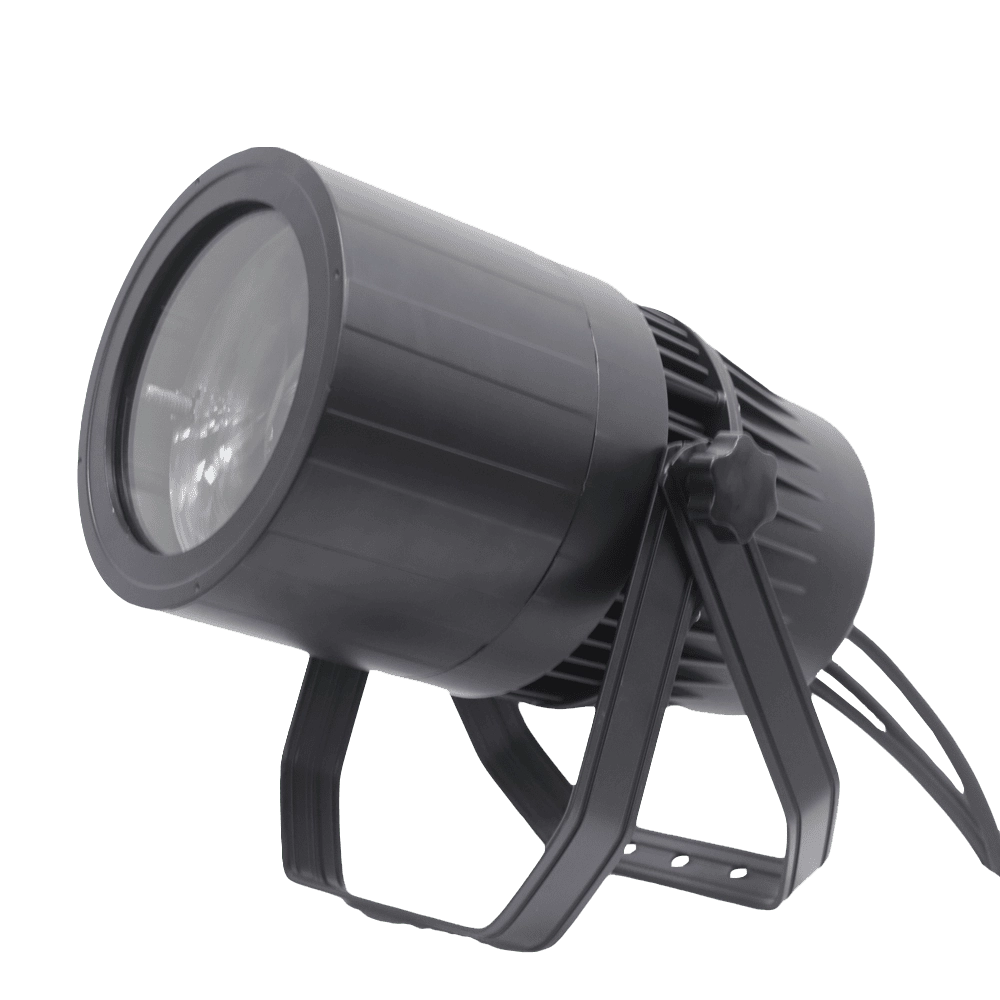
VANRAY Waterproof LED Par Light LP-200Z 200W Zoom Par Light
Introducing the VANRAY Waterproof LED Par Light LP-200Z, a 200W Zoom Par Light engineered for professional performance. Designed by Vanray, this advanced LED PAR light ensures waterproof durability, making it ideal for diverse environments. Elevate your lighting setup with optimum brightness and versatile zoom capabilities. A perfect choice for professional LED PAR light applications.
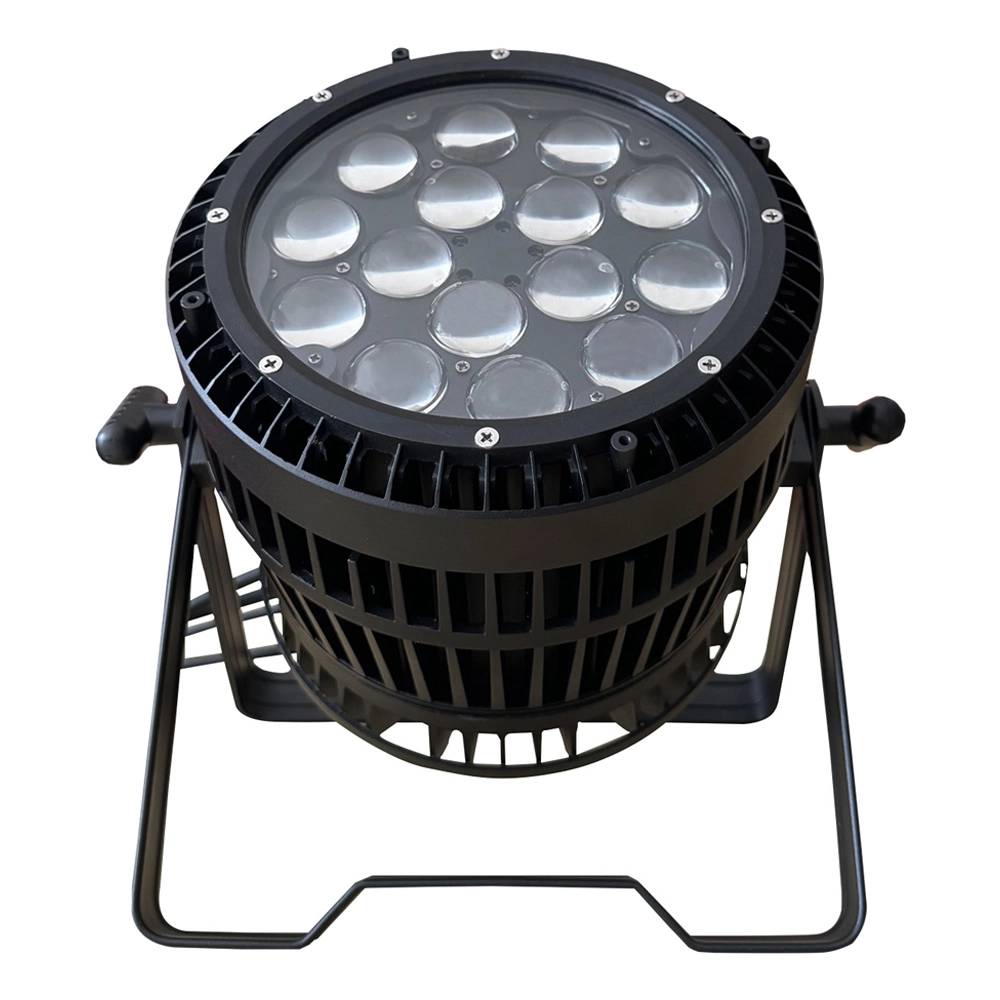
VANRAY LED Par Zoom Wash LP-1515Z 15pcs 15W RGBW Waterproof LED Par Light
Introducing the VANRAY LED Par Zoom Wash LP-1515Z, featuring 15pcs of 15W RGBW waterproof LEDs. This versatile LED wash light par is perfect for vibrant lighting effects, both indoors and outdoors. The precision of our led par zoom wash ensures an exceptional performance, enhancing any event with vivid color dynamics.
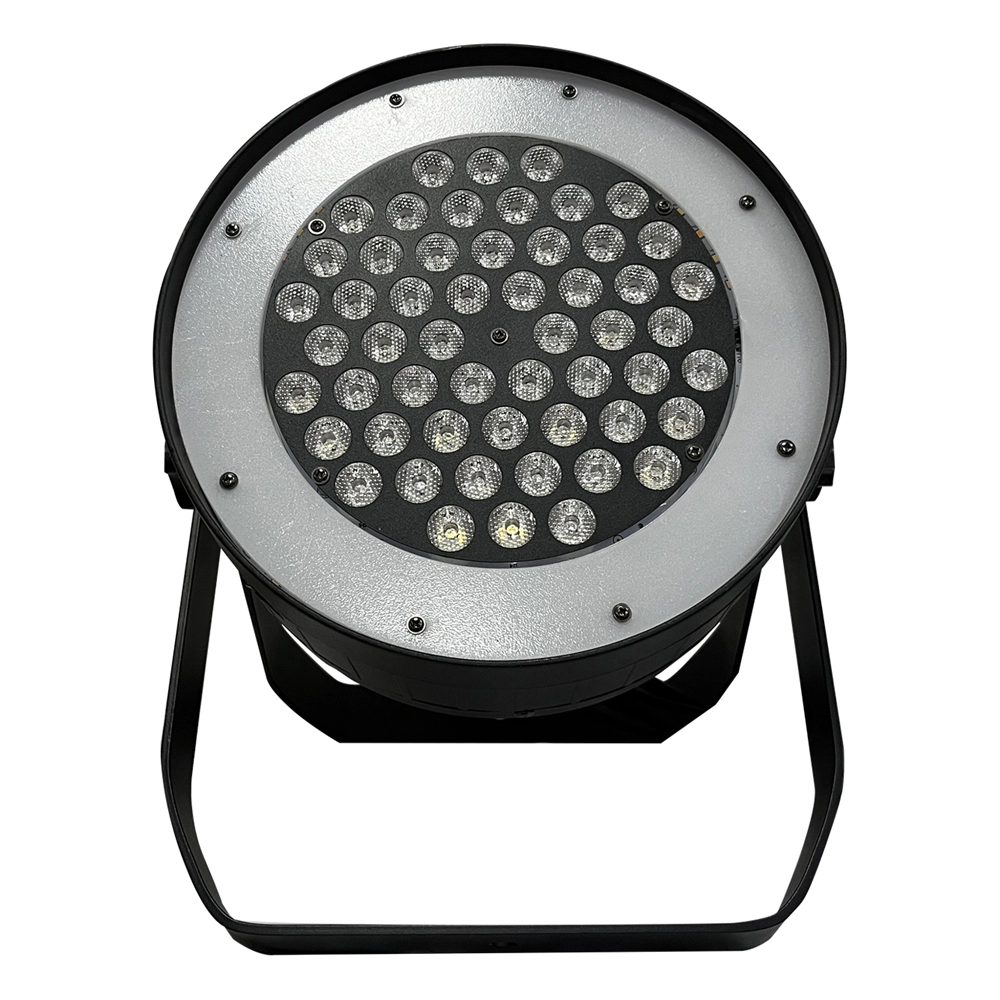
VANRAY Theater LED Par Can Lights LP-350SJL 350W White LED Par Can Lights
Introducing the VANRAY Theater LED Par Can Lights LP-350SJL, featuring an impressive 350W white LED. Ideal for stage lighting, these LED Par Can Lights deliver superior brightness and versatility. Enhance your theater productions with our cutting-edge lighting solutions. Trust Vanray for exceptional performance in LED stage lights.
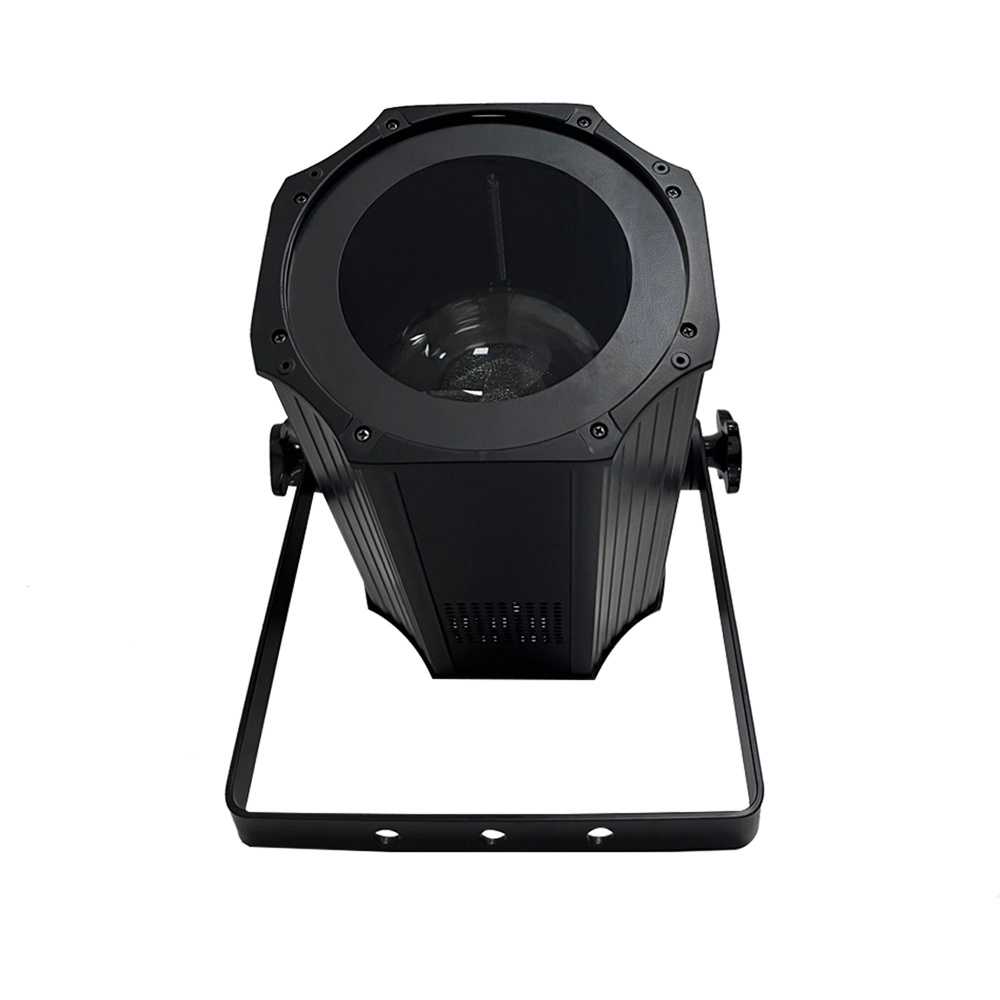
VANRAY LED Par Light Stage LP-200ZC RGBW LED Par Light Suppliers
Introducing the VANRAY LC-200ZC RGBW LED Par Light, a premium solution for vibrant stage lighting. This versatile par LED light ensures dynamic color effects, perfect for events and performances. As leading LED flat-par light suppliers, Vanray guarantees exceptional quality and performance. Illuminate your stage today with Vanray's innovative lighting technology.
As a leading Stage Lighting Manufacturer from China, VANRAY Lighting delivers a comprehensive suite of services including innovative R&D, precision production, and professional integration.
Built on decades of technical expertise, we are defined by our commitment to quality and service perfection. From theaters to grand-scale events, VANRAY is the trusted choice for reliable lighting solutions across the global entertainment and architectural sectors.
Copyright © 2025 VANRAY. All Rights Reserved.

Instagram
YouTube
Facebook