










Best Stage Spotlights for Theaters and Concerts
- Choosing the Right Spotlight: Balancing Power, Beam and Control
- Understanding stage lighting spotlights: what venues really need
- Core specifications to evaluate for stage lighting spotlights
- Types of stage lighting spotlights and when to use them
- Profile spotlights (ellipsoidal/LEKO) for theaters and controlled concerts
- Fresnel spotlights for soft-edged front and backlight
- PAR and LED wash spotlights for concert color and stage washes
- Moving head spotlights for touring concerts and dynamic shows
- Followspots and broadcast-grade profile spotlights for large venues
- Comparing spotlight categories: practical data table
- LED versus discharge and tungsten: making the right tradeoffs
- Why LED dominates new installations for stage lighting spotlights
- When to still consider discharge or tungsten fixtures
- System integration: control, rigging, and safety for spotlights
- Control systems and protocols for modern stage lighting spotlights
- Rigging, power distribution and thermal considerations
- Operational considerations: maintenance, spares and lifecycle cost
- Buying beyond initial price: serviceability matters
- Recommended spotlight choices by venue and use case
- Small theaters and community venues
- Regional theaters and medium concert halls
- Large concert tours and arenas
- VANRAY Lighting: capabilities, product strengths and why it matters
- Buyer's checklist: specify with confidence
- FAQ
- 1. What is the difference between a profile spotlight and a fresnel?
- 2. Are LED spotlights suitable for professional theater productions?
- 3. How many lumens do I need for a spotlight on a medium-sized stage?
- 4. Should I choose moving head spotlights or fixed profile fixtures?
- 5. How important is CRI for stage lighting?
- 6. What maintenance should venues plan for their spotlights?
- Contact for consultation or viewing products
- References
Choosing the Right Spotlight: Balancing Power, Beam and Control
Understanding stage lighting spotlights: what venues really need
Choosing stage lighting spotlights for theaters and concerts starts with clear intent: do you need precise beam shaping for dramatic profile work, powerful wash and color for concerts, or flexible moving light capability for touring? The right spotlight must match venue size, show type, budget, and control infrastructure. This guide translates core technical metrics into practical decisions so lighting designers, technical directors, and production buyers can specify fixtures that reliably deliver artistic results and operational efficiency.
Core specifications to evaluate for stage lighting spotlights
When comparing spotlights, focus on a small set of measurable specs that determine onstage performance:
- Luminous output (lumens) and useful illuminance (lux at distance). These determine how bright the beam is on performers and scenery.
- Beam angle and zoom range. Narrow beams for hard-edge profiles; wide beams for washes.
- Color rendering index (CRI) and spectral quality. High CRI (≥90) preserves accurate skin tones and costume colors.
- Control and connectivity. DMX/RDM and protocols for modern lighting desks; compatibility with timecode, sACN, or Art-Net for complex systems.
- Thermal management and duty cycle. Touring rigs or long performances require reliable cooling and conservative thermal design.
- Weight, rigging options and IP rating if used outdoors.
Prioritizing these criteria helps avoid common mistakes like underpowered fixtures, low-CRI LEDs, or spotlights that are difficult to maintain in-house.
Types of stage lighting spotlights and when to use them
Profile spotlights (ellipsoidal/LEKO) for theaters and controlled concerts
Profile spotlights are the go-to for theaters where edge quality, gobos, and shutters matter. Modern LED profile spotlights keep the optical precision of traditional ellipsoidals while offering lower power consumption and longer lamp life. Key benefits include crisp beam edges, interchangeable lenses, internal framing shutters, and high-quality gobo projection. Use them for front or key lighting and for sharp patterns on stage elements.
Fresnel spotlights for soft-edged front and backlight
Fresnels provide soft, washable beams ideal for general coverage and subtle backlighting. Their variable focus delivers a soft pool of light that blends well with other fixtures. LED versions reduce heat and lamp changes but retain the forgiving wash characteristic essential for theatrical scenes and medium-sized concert productions.
PAR and LED wash spotlights for concert color and stage washes
LED PAR lights are economical and excellent for saturated washes and color mixing. For concerts that prioritize color effects and quick changes, PARs provide high fixture counts at relatively low power and rigging cost. However, they lack the beam shaping precision of profile spotlights and are not suitable when hard-edge projection or gobo work is required.
Moving head spotlights for touring concerts and dynamic shows
Moving head spotlights combine high output with motorized pan/tilt and onboard optics for dynamic effects, beam shaping, and gobos. They are common in concert touring and large events. Look for models that balance lumen output and beam tightness: narrow-beam movers can act like followspots in environments that don’t permit dedicated manual followspots.
Followspots and broadcast-grade profile spotlights for large venues
Manual followspots still matter in many theatrical and televised productions. Modern LED followspots provide strong, focused beams with color control and remote dimming. For broadcast or large concert applications, choose followspots with high CRI, smooth dimming, and strong intensity (e.g., 10,000+ lumens useful on stage at distance).
Comparing spotlight categories: practical data table
The table below summarizes typical performance metrics for common spotlight categories to help match fixtures to venue needs. Note these are representative ranges; consult specific manufacturer data when finalizing purchases.
| Fixture Type | Typical Useful Lumens | Beam/Zoom | Control | Best For | Pros / Cons |
|---|---|---|---|---|---|
| LED Profile (ellipsoidal) | 2,000–20,000 | Fixed lenses / zooms 5°–50° | DMX / RDM | Theater front/key, gobo work | High beam quality, high CRI; higher cost |
| Fresnel (LED) | 1,500–7,000 | Variable soft focus 12°–60° | DMX optional | Soft wash, theater fill | Good blend; less beam control |
| LED PAR | 1,000–10,000 | Wide wash 10°–60° | DMX / wireless | Concert washes, color staging | Affordable, color-flexible; low beam shape |
| Moving Head Spot | 5,000–40,000 | Variable zoom 2°–40° | DMX, Art-Net, sACN | Touring, large concerts, effects | Highly versatile; heavier and costlier |
| Followspot (LED/Discharge) | 8,000–30,000 | Narrow 1°–10° | Manual / remote control | Lead artist highlighting | Precise, punchy; requires operator |
LED versus discharge and tungsten: making the right tradeoffs
Why LED dominates new installations for stage lighting spotlights
LED technology now provides high lumen density, color mixing, lower power draw, and significantly reduced maintenance compared with discharge or tungsten lamps. LEDs also enable compact moving heads and profile fixtures that previously required bulky housings. Key advantages include lower heat, instant on/off, dimming stability, and better lifecycle cost. For most modern theaters and concert rigs, LED spotlights are the default choice.
When to still consider discharge or tungsten fixtures
High-end film, broadcast, or specialized theatrical situations sometimes prefer discharge or tungsten for a particular spectral quality, bloom, or dimming characteristic. Also, very high-output followspots historically used discharge lamps; however, many manufacturers now offer LED-based followspots that meet or exceed luminous performance while improving maintainability.
System integration: control, rigging, and safety for spotlights
Control systems and protocols for modern stage lighting spotlights
Ensure fixtures support modern control protocols used in your venue. DMX512 remains the industry standard for channel-level control. For network-based workflows, sACN and Art-Net provide greater channel capacity. RDM helps remote configuration and monitoring of devices, reducing onsite troubleshooting time. For touring concerts, compatibility with timecode and media servers is often essential.
Rigging, power distribution and thermal considerations
Match fixture weight and rigging points to truss load ratings. Plan power distribution to avoid voltage drop across long runs and to balance phases in three-phase supplies. LEDs reduce power, but moving heads and high-output fixtures still draw significant current. Verify IP ratings for outdoor concerts and account for forced ventilation needs to preserve LED driver lifespan.
Operational considerations: maintenance, spares and lifecycle cost
Buying beyond initial price: serviceability matters
Total cost of ownership includes consumables, repairability, and software support. Prioritize fixtures with modular optical paths, user-replaceable fans and driver modules, and accessible service manuals. For touring, choose robust housings and quick-change power/data connectors. Maintaining a small inventory of spare drivers, fans, and lenses prevents show-stopping failures.
Recommended spotlight choices by venue and use case
Small theaters and community venues
Choose LED profile spotlights with 2,000–6,000 lumens and high CRI (≥90) for flexible key and backlighting. Complement with a few LED Fresnels for soft washes. Ensure fixtures accept standard gobo sizes if you need texture or patterns.
Regional theaters and medium concert halls
Specify higher-output LED profiles and Fresnels, and add moving head spots for dynamic productions. Consider a mix of LED PARs for color washes and a couple of high-output followspots or remote-controlled LED profiles for solos.
Large concert tours and arenas
Prioritize moving head spotlights with 10,000+ useful lumens, tight beam capability, and robust networking. Use LED PAR banks for side and floor color. Invest in durable flight cases, redundant control paths, and a capable LD familiar with fixture protocol mapping.
VANRAY Lighting: capabilities, product strengths and why it matters
VANRAY Lighting is dedicated to becoming a leading global lighting solutions provider. With over ten years of industry experience, the company offers efficient and customized lighting products for fields such as stage, film, television, and landscape. VANRAY provides a broad product range including LED PAR lights, moving head lights, LED profile spotlights, fresnel spotlights, and floodlights, and supports OEM and ODM services.
Key competitive advantages of VANRAY:
- R&D and manufacturing scale: an experienced R&D team and advanced manufacturing facilities covering 8000+ sqm help accelerate product development and ensure consistent quality.
- Product reliability and certifications: VANRAY products are certified to international standards including CE, RoHS, and ISO, supporting global deployment in concerts, theaters, cultural projects and outdoor events.
- Product breadth tuned to stage needs: VANRAY main product lines such as moving head lights, LED PAR lights, LED profile spotlights, and floodlights suit touring, theater, and architectural applications.
- Custom and integration services: OEM/ODM support enables venue-specific adaptations like custom optics, control interfaces, or mounting options required by fixed installations or touring rigs.
In practice, VANRAY products can offer a compelling mix of high CRI optics in LED profile spotlights for theaters, powerful moving head spotlights for concerts, and energy-efficient LED PARs and floodlights for washes and scenic illumination. Their manufacturing footprint and certifications reduce procurement risk when purchasing fixtures at scale.
Buyer's checklist: specify with confidence
- Define artistic needs: beam edge, gobos, color fidelity, and movement.
- Quantify output: required lux at performance distance for key positions.
- Confirm control compatibility: DMX, RDM, Art-Net/sACN where needed.
- Assess serviceability: spare parts availability, modular design, and local support.
- Factor total cost: initial price, power consumption, maintenance intervals, and warranty.
- Verify certifications and IP ratings for outdoor use.
FAQ
1. What is the difference between a profile spotlight and a fresnel?
Profile spotlights (ellipsoidals) have focused, hard-edged beams and shutters for shaping; they are used for precise key lights and gobos. Fresnels produce a soft-edged wash ideal for blending and general illumination. Choose profiles for edge control and gobos, fresnels for smooth coverage.
2. Are LED spotlights suitable for professional theater productions?
Yes. Modern LED profile and fresnel fixtures can deliver high CRI, stable color, and sufficient output for most theater applications while reducing heat and maintenance compared with tungsten and discharge fixtures.
3. How many lumens do I need for a spotlight on a medium-sized stage?
It depends on throw distance and desired illuminance. As a rule of thumb, for a key spot at 10–15 meters, look for fixtures producing useful lumens in the 5,000–15,000 range to achieve strong onstage brightness; calculate lux at distance using manufacturer photometry for accuracy.
4. Should I choose moving head spotlights or fixed profile fixtures?
Pick moving heads when you need automated motion and effects for concerts and dynamic productions. Fixed profiles excel in theaters where precise, repeatable framing and gobo work are essential and where fixtures are permanently hung and focused.
5. How important is CRI for stage lighting?
Very important. High CRI (90+) ensures natural skin tones and accurate costume and scenic colors. For theater and broadcast, prioritize fixtures with documented CRI or TM-30 metrics.
6. What maintenance should venues plan for their spotlights?
Regularly check fans, filters, and connectors; keep firmware updated; and maintain spare driver modules and optics. For touring, inspect rigging hardware and test fixtures before each load-in.
Contact for consultation or viewing products
If you need help selecting stage lighting spotlights tailored to your theater or concert needs, contact VANRAY Lighting for consultation, product demos, and OEM/ODM options. VANRAY can help specify fixtures like moving head lights, LED PAR lights, LED profile spotlights, and floodlights optimized for your venue and production workflow. Reach out to VANRAY to request photometric files, sample units, and bulk procurement quotations.
References
- Spotlight (theatre) — Wikipedia. https://en.wikipedia.org/wiki/Spotlight_(theatre) — Retrieved 2025-12-14
- Stage lighting — Wikipedia. https://en.wikipedia.org/wiki/Stage_lighting — Retrieved 2025-12-14
- DMX512 — Wikipedia. https://en.wikipedia.org/wiki/DMX512 — Retrieved 2025-12-14
- Illuminating Engineering Society (IES) — Best practices and standards. https://www.ies.org/ — Retrieved 2025-12-14
- Electronic Theatre Controls (ETC) — Industry resources and fixture photometrics. https://www.etcconnect.com/ — Retrieved 2025-12-14
- CE Marking — European Commission. https://ec.europa.eu/growth/single-market/ce-marking/ — Retrieved 2025-12-14
- RoHS — European Commission. https://ec.europa.eu/environment/chemicals/rohs_en.htm — Retrieved 2025-12-14
- International Organization for Standardization (ISO). https://www.iso.org/home. — Retrieved 2025-12-14
Spotlight Beam Angle and Focus Explained
What are the application scenarios of follow spot light led?
Top 5 moving head lights Company List and Products Compared
The B2B Buyer’s Guide to RGB LED Lighting
About Product
What is the delivery time of orders ?
Its based on the workshop schedule; if products are in stock, we will ship the goods within 1-2 days; if products are out of stock, we need to make production; normally 100-200 pieces can be finished in 7-10 days.
About Customized Services
Can you provide OEM / ODM services ?
Yes, we can support OEM/ODM services for the details, which can be negotiated with our sales team.
What kind of customization services can you provide ?
Yes, we can provide personalized, customized services according to your needs and requirements, including the product's color temperature, customized gobos for moving headlights, packaging and private labeling for products, etc. for other requirements, which can be negotiated with our sales team.
About Logistics
Does your product support global logistics and distribution?
Yes, our products support global logistics and distribution services, and you can receive our products anytime and anywhere.
About Company
Can I Visit your company?
Of course, our company is located in No. 7, Sijiaowei Industrial Zone, Tanbu Town, Huadu District, Guangzhou, China. Warmly welcome to visit our factory.
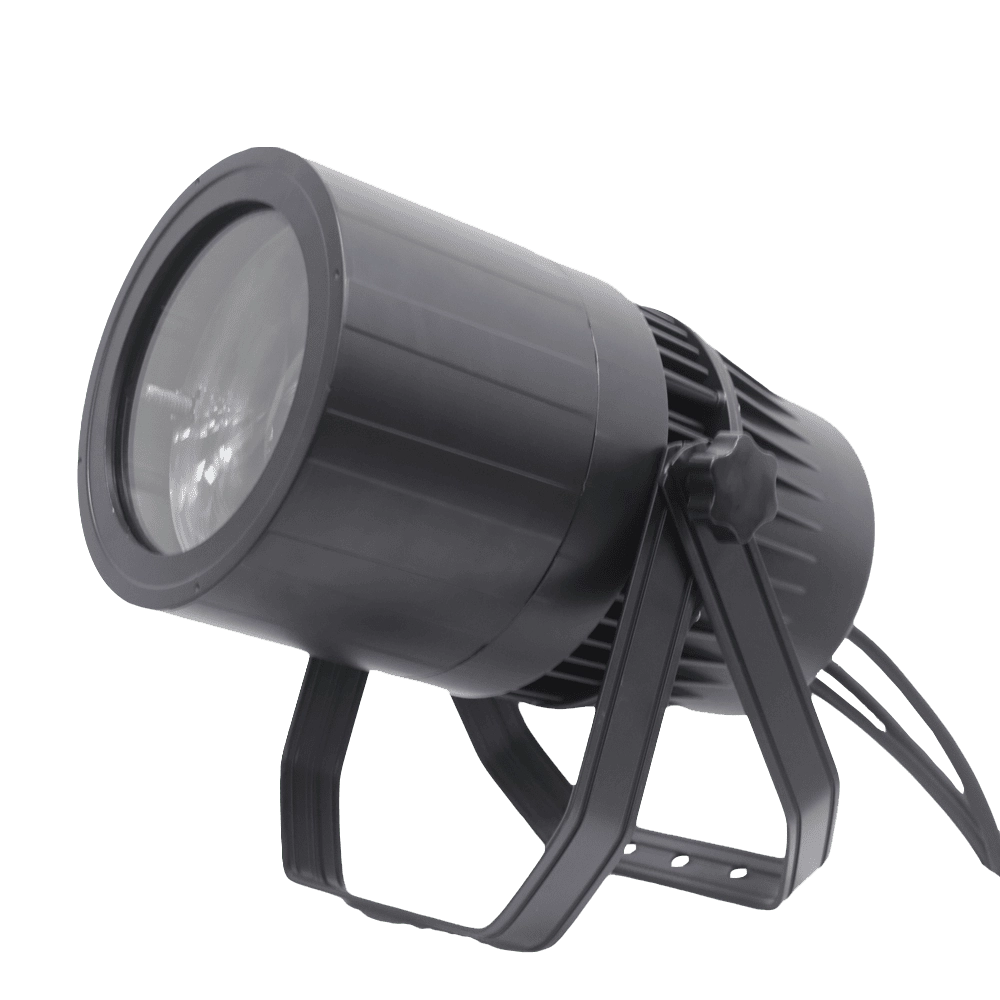
VANRAY Waterproof LED Par Light LP-200Z 200W Zoom Par Light
Introducing the VANRAY Waterproof LED Par Light LP-200Z, a 200W Zoom Par Light engineered for professional performance. Designed by Vanray, this advanced LED PAR light ensures waterproof durability, making it ideal for diverse environments. Elevate your lighting setup with optimum brightness and versatile zoom capabilities. A perfect choice for professional LED PAR light applications.
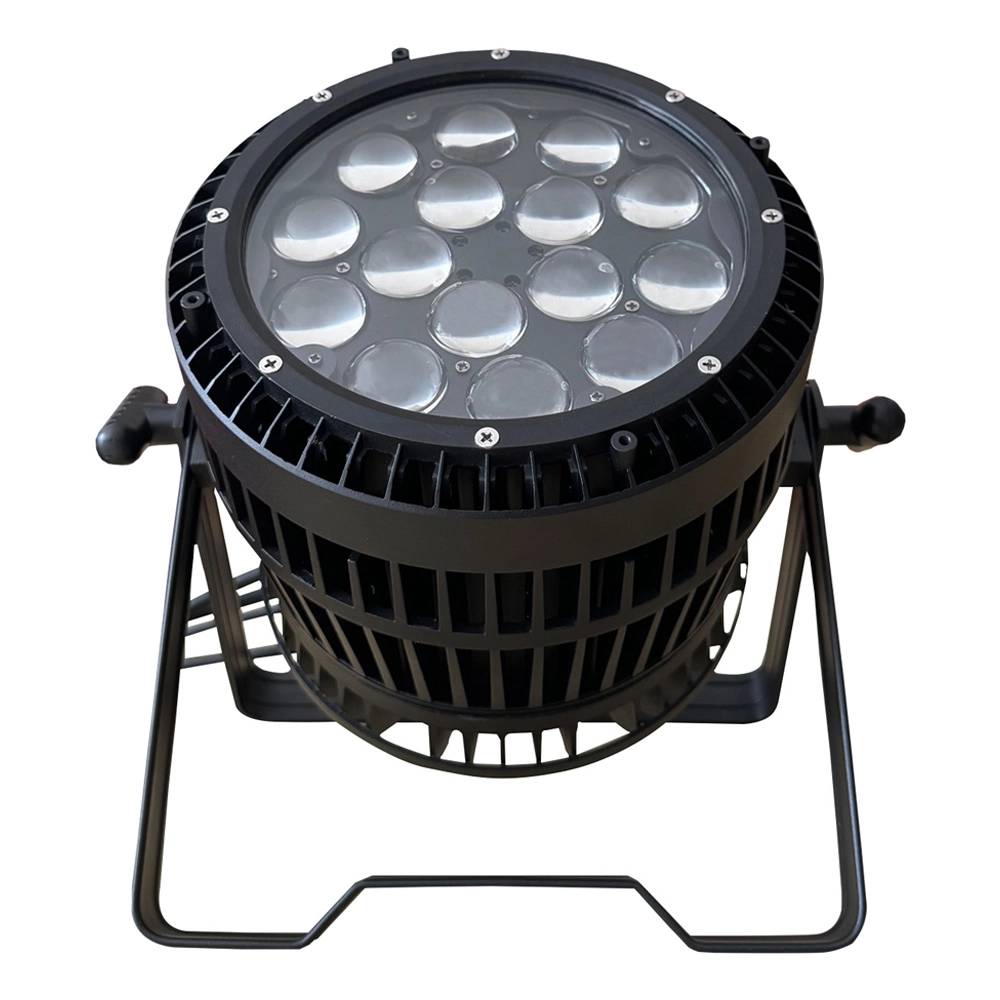
VANRAY LED Par Zoom Wash LP-1515Z 15pcs 15W RGBW Waterproof LED Par Light
Introducing the VANRAY LED Par Zoom Wash LP-1515Z, featuring 15pcs of 15W RGBW waterproof LEDs. This versatile LED wash light par is perfect for vibrant lighting effects, both indoors and outdoors. The precision of our led par zoom wash ensures an exceptional performance, enhancing any event with vivid color dynamics.
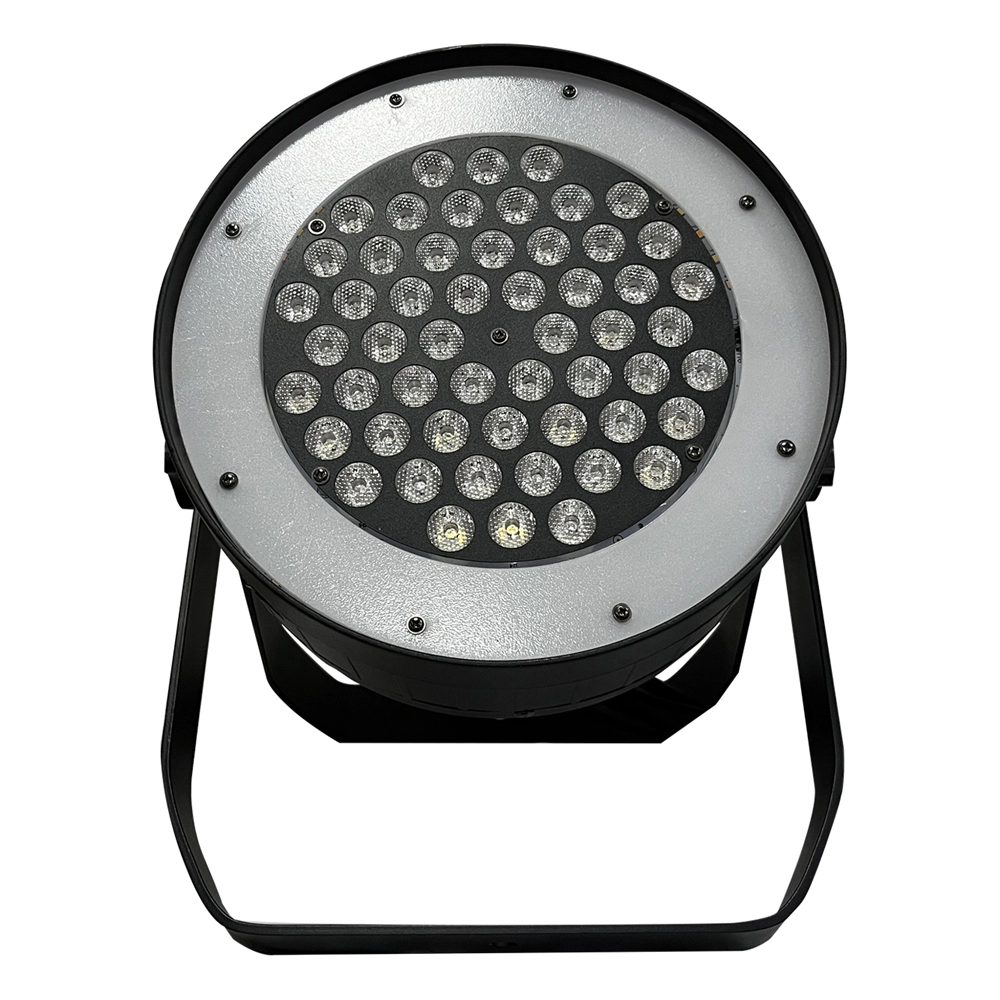
VANRAY Theater LED Par Can Lights LP-350SJL 350W White LED Par Can Lights
Introducing the VANRAY Theater LED Par Can Lights LP-350SJL, featuring an impressive 350W white LED. Ideal for stage lighting, these LED Par Can Lights deliver superior brightness and versatility. Enhance your theater productions with our cutting-edge lighting solutions. Trust Vanray for exceptional performance in LED stage lights.
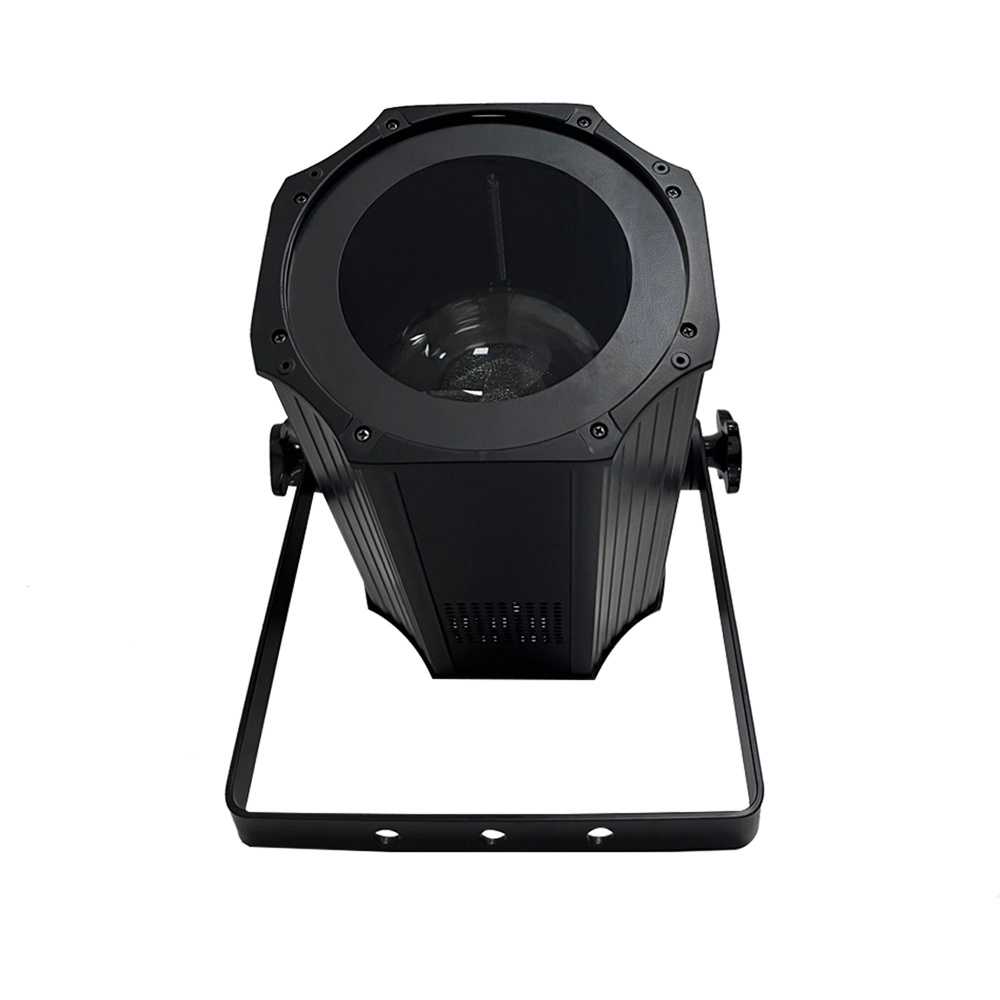
VANRAY LED Par Light Stage LP-200ZC RGBW LED Par Light Suppliers
Introducing the VANRAY LC-200ZC RGBW LED Par Light, a premium solution for vibrant stage lighting. This versatile par LED light ensures dynamic color effects, perfect for events and performances. As leading LED flat-par light suppliers, Vanray guarantees exceptional quality and performance. Illuminate your stage today with Vanray's innovative lighting technology.
As a leading Stage Lighting Manufacturer from China, VANRAY Lighting delivers a comprehensive suite of services including innovative R&D, precision production, and professional integration.
Built on decades of technical expertise, we are defined by our commitment to quality and service perfection. From theaters to grand-scale events, VANRAY is the trusted choice for reliable lighting solutions across the global entertainment and architectural sectors.
Copyright © 2025 VANRAY. All Rights Reserved.

Instagram
YouTube
Facebook