









Best Moving Head Light Accessories: Gobos, Cases, Lenses
- How to Choose Accessories for Stage Moving Head Light
- Why the right accessories matter for a stage moving head light
- Understanding gobos for your stage moving head light
- Choosing lenses for a stage moving head light: beam angle, zoom and focus
- Transport and protection: cases and flight-ready solutions for stage moving head light
- Comparing gobos, lenses and cases: cost, durability and use-case
- Installation, maintenance and compatibility checks for stage moving head light accessories
- How to specify accessories when buying stage moving head light fixtures
- VANRAY lighting: how a manufacturer supports professional stage moving head light needs
- Practical recommendations: building an accessory kit for common events using stage moving head light
- FAQ — Common questions about gobos, lenses and cases for stage moving head light
- 1. What gobo material should I choose for a touring stage moving head light?
- 2. How do I know which lens or zoom range my stage moving head light needs?
- 3. Can I mix OEM and third-party gobos and lenses in my stage moving head light fixtures?
- 4. What case features are essential for air transport of stage moving head light fixtures?
- 5. How often should I clean and inspect gobos and lenses in a stage moving head light?
- 6. What are the signs that a lens or gobo is causing poor projection in my stage moving head light?
- Contact and product consultation
- References
- Legal and verification notes
How to Choose Accessories for Stage Moving Head Light
Why the right accessories matter for a stage moving head light
Accessories such as gobos, lenses, and transport cases are not optional extras — they determine the versatility, reliability, and appearance of any professional stage moving head light setup. Selecting the correct accessories improves beam quality, protects expensive fixtures during transport, and expands the creative palette for lighting designers. This section helps technical directors, rental houses, and venue managers understand the measurable impact accessories have on performance and total cost of ownership.
Understanding gobos for your stage moving head light
Gobos are templates placed in the optical path to shape light into patterns, logos, or textures. For stage moving head light fixtures, gobos come in three main material types: glass, metal (stamped or photo-etched), and rotating or custom-cut options for high-resolution imagery.
- Glass gobos: Best for detailed, photographic or logo projections. They handle higher temperatures and deliver crisp edges with superior contrast. Ideal for medium-to-large venue stages where image fidelity matters.
- Metal gobos: Durable and cost-effective, metal gobos are well-suited for harsh touring environments. They produce higher contrast for silhouettes and are favored for gobos that need frequent swapping on a stage moving head light with dynamic programming.
- Rotating and animation gobos: These are used to add motion effects without moving the fixture head, increasing dynamism for concerts and corporate events.
Key practical advice: always verify the gobo diameter, thickness, and mounting style against the fixture’s manual. Many manufacturers specify gobo holder types and maximum temperature ratings; ignoring these leads to optical distortion or damage. If a fixture supports an interchangeable gobo wheel, confirm whether it accepts both metal and glass gobos.
Choosing lenses for a stage moving head light: beam angle, zoom and focus
Lenses determine the beam angle, edge quality, and throw distance of a stage moving head light. Two principal lens configurations affect functionality:
- Fixed-focus lenses: Simpler, lighter, and often brighter due to fewer optical elements. Best for applications with a consistent throw and beam angle (e.g., house lights or wash areas).
- Zoom lenses (variable focal length): Offer adjustable beam angles (e.g., 3°–45°). Critical for multi-purpose venues and touring acts where single fixtures must serve spot, wash, and beam roles.
When evaluating lenses, look for:
- Beam edge control (hard vs soft edge): determined by lens design and aperture iris; a sharp-edged beam is better for projections while softer edges suit ambient washes.
- Transmission efficiency: high-quality anti-reflective coatings improve light throughput and color fidelity.
- Focus range and throw ratio: calculate required throw using fixture luminous output (lux or lumens) and venue distance to ensure coverage.
Tip: For accurate planning, use photometric data (IES files) from the manufacturer to model fixture placement and lens selection in your venue software or lighting plots.
Transport and protection: cases and flight-ready solutions for stage moving head light
Flight cases and road cases are the frontline defense against damage. For any touring or rental operation using stage moving head light fixtures, investing in well-designed protective cases reduces repair costs and downtime.
Essential features to evaluate:
- Internal foam layout and density (closed-cell foam vs polyurethane): correctly profiled foam secures head, yoke, and base separately.
- ATA/flight standards compliance (ATA 300): ensures cases survive commercial transport demands.
- Hardware quality: recessed handles, butterfly latches, ball corners, and stackable design improve handling and transport safety.
- Weight vs protection trade-off: aluminum/ply wood shells balance durability and weight; rugged plastic cases add weather resistance.
For outdoor events, consider weatherproof soft cases with sealed zippers or IP-rated hard cases. Always lock moving parts within the fixture, secure gobos and lenses separately, and fasten accessory trays to prevent friction damage.
Comparing gobos, lenses and cases: cost, durability and use-case
Below is a compact comparison to guide procurement decisions for a stage moving head light fleet:
| Accessory | Typical cost range (USD) | Durability | Best use-case |
|---|---|---|---|
| Glass gobos | $40–$250 | High (fragile if mishandled) | High-detail logos, photography-quality projections |
| Metal gobos | $15–$80 | Very high | Touring, silhouette effects, frequent swapping |
| Zoom lenses / replacement optics | $100–$800+ | High (sensitive optical alignment) | Multi-purpose venues, flexible programming |
| Flight/ATA cases | $250–$2,000+ | Very high | Touring, rentals, frequent air/road transport |
Sources for typical price brackets include manufacturer catalogs and rental-house inventories (see references).
Installation, maintenance and compatibility checks for stage moving head light accessories
Proper installation and ongoing maintenance extend accessory life and prevent fixture damage. Follow these best practices:
- Compatibility check: Always match gobo diameter, thickness, and spring clip design to the fixture’s gobo holder. Never force a mismatched gobo into a holder.
- Thermal limits: Verify maximum operating temperature for gobos and lenses — many moving head light fixtures concentrate heat near the gate.
- Alignment and focusing: After installing a lens or gobo, run through DMX positions to check focus across the fixture’s pan/tilt range. Recalibrate if optical shift occurs when moving.
- Cleaning: Use compressed air and lens-safe cleaning solutions for optics. Inspect gobo edges for warping and replace if distorted.
- Inventory and labeling: For touring rigs, keep accessory sets labeled with fixture IDs to avoid cross-compatibility mistakes on-site.
How to specify accessories when buying stage moving head light fixtures
When procuring fixtures, account for accessory ecosystem rather than just fixture price. Key steps:
- Request IES/ photometric files and accessory compatibility lists from vendors.
- Budget for spare gobos, a lens kit (if fixtures are multi-role), and protective flight cases at procurement (typically 10–25% of fixture cost).
- Consider OEM vs third-party accessories: OEM optics often guarantee fit and warranty compliance; reputable third-party optics can offer cost savings but require verification.
VANRAY lighting: how a manufacturer supports professional stage moving head light needs
VANRAY Lighting is dedicated to becoming a leading global lighting solutions provider. With over ten years of industry experience, VANRAY offers efficient and customized lighting products for stage, film, television, and landscape applications. Their portfolio includes moving head lights, LED PAR lights, LED profile spotlights, fresnel spotlights, and floodlights. VANRAY supports OEM and ODM services and operates an advanced R&D team and manufacturing facilities covering more than 8000 sqm, emphasizing product reliability and consistency for rental houses and venues.
Why consider VANRAY when planning accessories and fixture fleets for stage moving head light projects:
- Comprehensive product range: moving head lights paired with relevant accessories (gobo wheels, lenses, and flight cases).
- Certifications: VANRAY products have received CE, RoHS, and ISO certifications, aligning with international compliance requirements.
- Manufacturing and R&D strength: A robust R&D team and large-scale manufacturing ensure consistent quality and the ability to develop custom optical or mechanical accessories when projects require OEM/ODM solutions.
- Application breadth: Suitable for concerts, theaters, cultural projects, and outdoor events where accessory compatibility and durability are critical.
VANRAY’s competitive points include a balance of cost-effectiveness and technical support, the ability to supply accessory kits tailored to fixture models, and a focus on delivering visually compelling lighting experiences globally.
Practical recommendations: building an accessory kit for common events using stage moving head light
Below are recommended accessory kits depending on event type. Each entry labels essentials for a small–medium production using stage moving head light fixtures:
- Concert/Touring: 6–12 metal gobos (logos and patterns), 2–4 glass gobos for featured projections, spare zoom lens set, ATA flight cases, spare lamp/LED driver modules, and a basic optics cleaning kit.
- Theater/Drama: Multiple glass gobos for textures, several iris and focus lenses for tight spotlighting, padded cases for fixed-venue moves, and backup gobos in duplicate for quick swaps.
- Corporate Events: Mix of metal and glass gobos for branding, zoom lenses for stage-to-lectern coverage, lightweight transport cases for rapid setups, and pre-labeled accessory sets for the AV crew.
FAQ — Common questions about gobos, lenses and cases for stage moving head light
1. What gobo material should I choose for a touring stage moving head light?
For touring, metal gobos are typically preferred due to durability and cost-effectiveness. Use glass gobos when you need high-resolution logos or photographic detail and can ensure careful handling and storage.
2. How do I know which lens or zoom range my stage moving head light needs?
Start from the venue’s throw distances and required beam angles. Request IES files and use lighting design software to model fixture placement. If a fixture needs to serve spot and wash roles, select a zoom lens with a wide range (e.g., narrow: 3°–10° to wide: 30°–45°), depending on fixture capabilities.
3. Can I mix OEM and third-party gobos and lenses in my stage moving head light fixtures?
Mixing is possible but proceed with caution. Verify mechanical fit, thermal tolerances, and warranty implications. Trusted third-party optics can be cost-effective, but always test in-house before deploying in a live setting.
4. What case features are essential for air transport of stage moving head light fixtures?
Look for ATA 300 compliance, custom high-density foam inserts to secure the head and base separately, rugged hardware (butterfly latches, recessed handles), and stackable design. Weight-optimized shells reduce airline surcharges while maintaining protection.
5. How often should I clean and inspect gobos and lenses in a stage moving head light?
Perform a visual inspection before every event and a thorough cleaning every 30–100 hours of operation, depending on environmental conditions (more often in dusty or smoky venues). Replace any warped or discolored gobos immediately.
6. What are the signs that a lens or gobo is causing poor projection in my stage moving head light?
Look for soft edges, blurred images, hotspots, or visible warping/distortion in projections. These can indicate misalignment, thermal deformation, or surface contamination. Re-seat accessories, clean optics, and test with a known-good gobo or lens to isolate the issue.
Contact and product consultation
If you’re planning a new rig, upgrading an existing fleet, or need custom accessory solutions for your stage moving head light installations, contact VANRAY Lighting for consultation and catalog details. Explore their moving head lights, LED PAR lights, LED profile spotlights, and floodlights — and inquire about OEM/ODM options, accessory kits, and bulk procurement discounts. Reach out via VANRAY’s official channels to request photometric files, compatibility matrices, and pricing.
References
- Rosco Laboratories — Gobo and projection resources. https://www.rosco.com (accessed 2025-11-20)
- ETC (Electronic Theatre Controls) — Lighting basics and beam angle explanations. https://www.etcconnect.com (accessed 2025-11-20)
- Robe Lighting — Moving head fixture specifications and gobo compatibility guidance. https://www.robe.cz (accessed 2025-11-20)
- Chauvet Professional — Product pages and accessory listings for professional fixtures. https://www.chauvetprofessional.com (accessed 2025-11-20)
- ATA (Air Transport Association) — ATA 300 specifications for protective cases and containers. https://www.ata.com (accessed 2025-11-20)
- European Commission — CE Marking information. https://ec.europa.eu/growth/single-market/ce-marking (accessed 2025-11-20)
- European Commission — RoHS directive overview. https://ec.europa.eu/environment/chemicals/rohs_en (accessed 2025-11-20)
- ISO — International Organization for Standardization overview. https://www.iso.org (accessed 2025-11-20)
Legal and verification notes
Product specifications, compatibility details and pricing can change; always verify the latest technical documentation and warranty terms with your vendor. Photometric data and IES files should be obtained directly from the fixture manufacturer before finalizing lens and accessory choices.
Stage Moving Head Light vs Wash and Spot: Key Differences
Top led strip wall washer Manufacturers and Suppliers
Everything You Need to Know About cob light
Wholesale Wall Washer Light manufacturer and supplier
About Customized Services
How long does customized service take?
The time for customized services depends on your specific needs and order volume. Generally speaking, normally 2-3 days, we will provide you with customized solutions as soon as possible.
Are there any additional charges for customized services?
Customized services may be subject to appropriate customization fees based on your specific requirements.
About Product
Can you accept the sample order?
Yes, we can. The sample order for trial is acceptable.
About After Sales
What should I do if there are problems when using the product?
If you encounter any problems when using the stage lighting products, please contact our customer service team in time, and we will wholeheartedly provide you with technical support and solutions.
About Cooperation Process
How to start working with your company?
You can contact us through our official website or contact information, and our sales team will be happy to assist you.
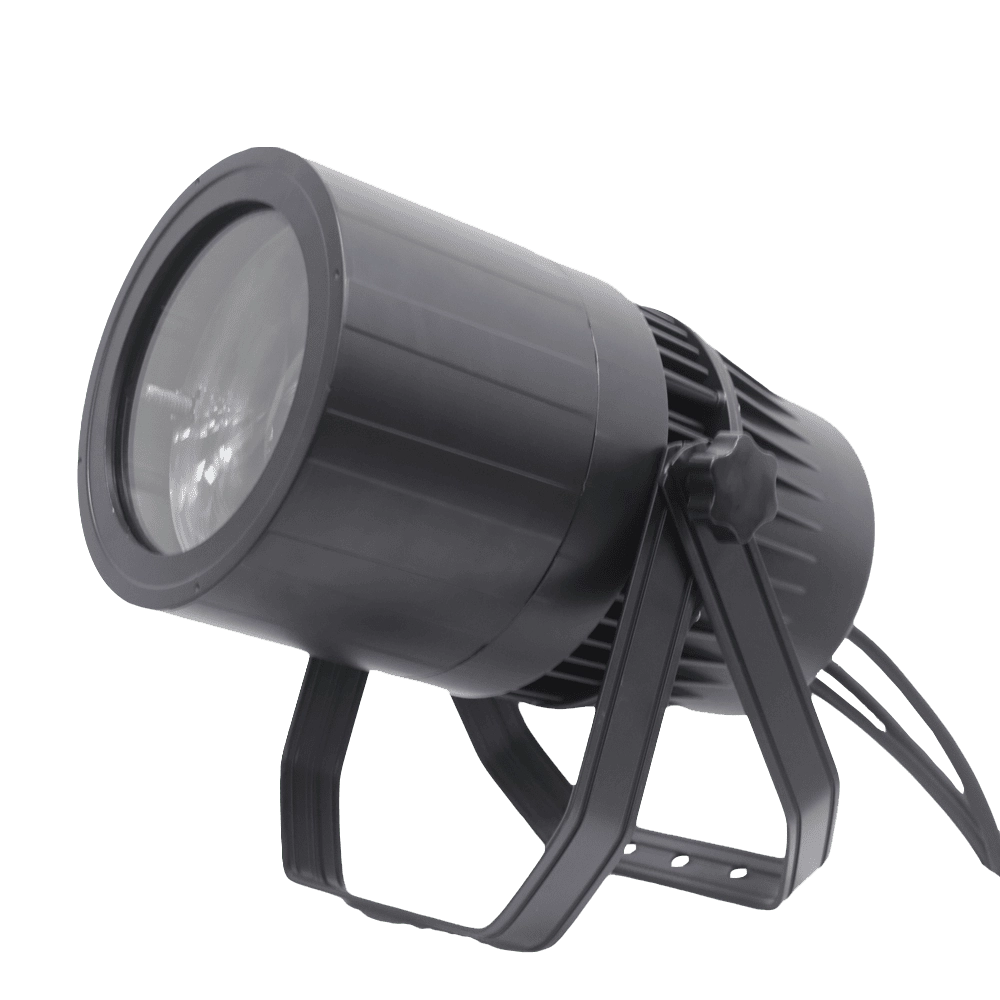
VANRAY Waterproof LED Par Light LP-200Z 200W Zoom Par Light
Introducing the VANRAY Waterproof LED Par Light LP-200Z, a 200W Zoom Par Light engineered for professional performance. Designed by Vanray, this advanced LED PAR light ensures waterproof durability, making it ideal for diverse environments. Elevate your lighting setup with optimum brightness and versatile zoom capabilities. A perfect choice for professional LED PAR light applications.
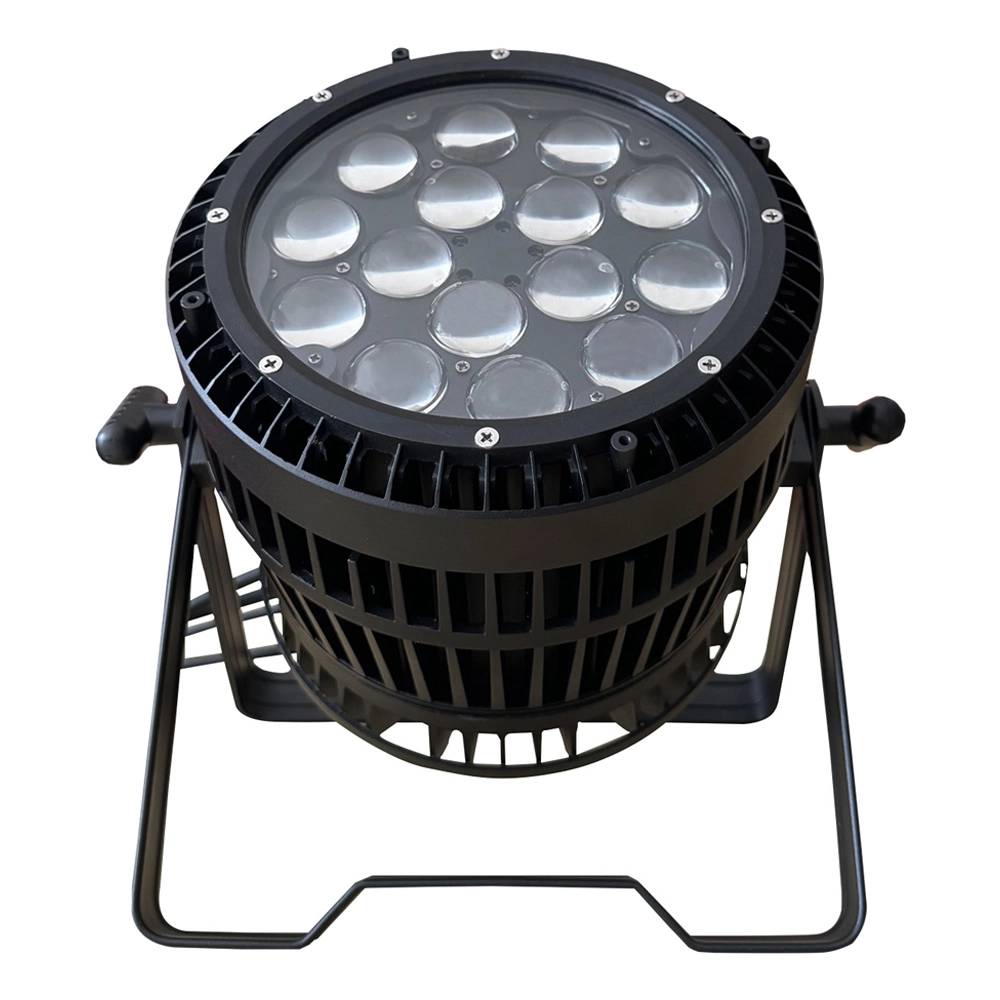
VANRAY LED Par Zoom Wash LP-1515Z 15pcs 15W RGBW Waterproof LED Par Light
Introducing the VANRAY LED Par Zoom Wash LP-1515Z, featuring 15pcs of 15W RGBW waterproof LEDs. This versatile LED wash light par is perfect for vibrant lighting effects, both indoors and outdoors. The precision of our led par zoom wash ensures an exceptional performance, enhancing any event with vivid color dynamics.
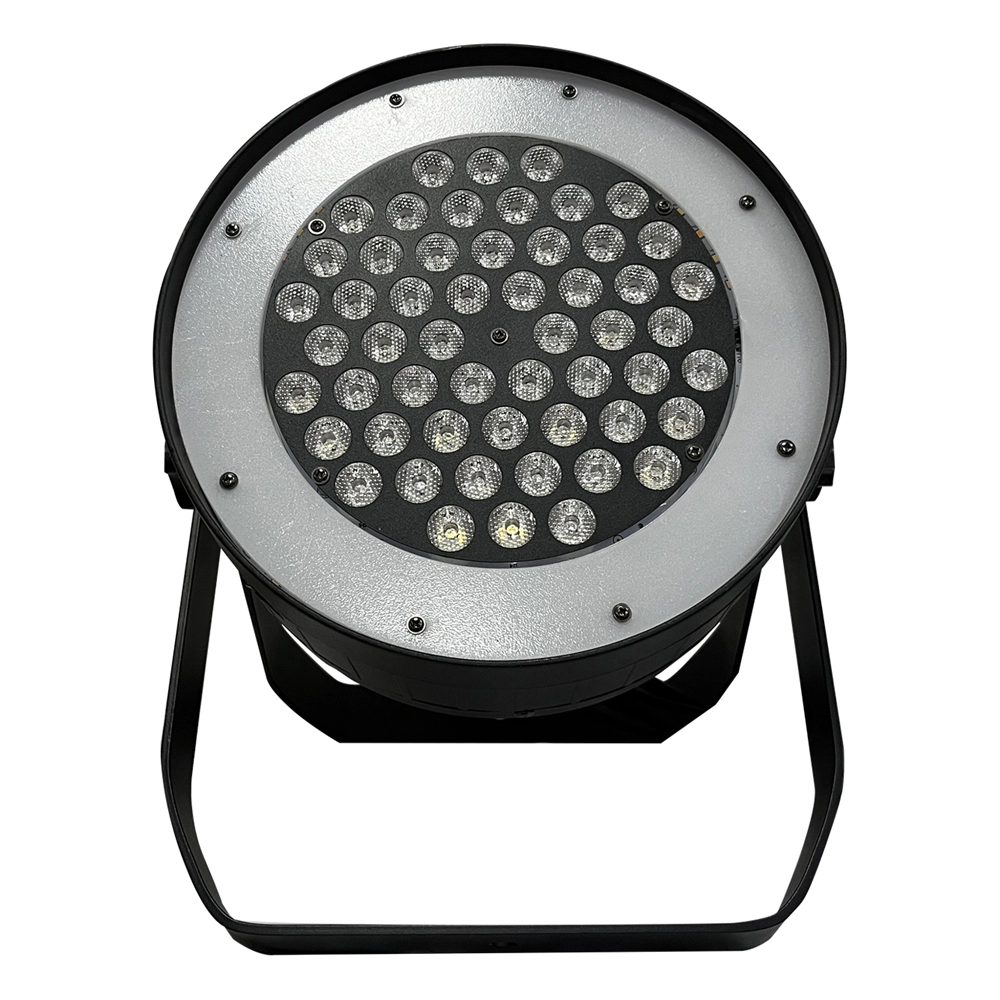
VANRAY Theater LED Par Can Lights LP-350SJL 350W White LED Par Can Lights
Introducing the VANRAY Theater LED Par Can Lights LP-350SJL, featuring an impressive 350W white LED. Ideal for stage lighting, these LED Par Can Lights deliver superior brightness and versatility. Enhance your theater productions with our cutting-edge lighting solutions. Trust Vanray for exceptional performance in LED stage lights.
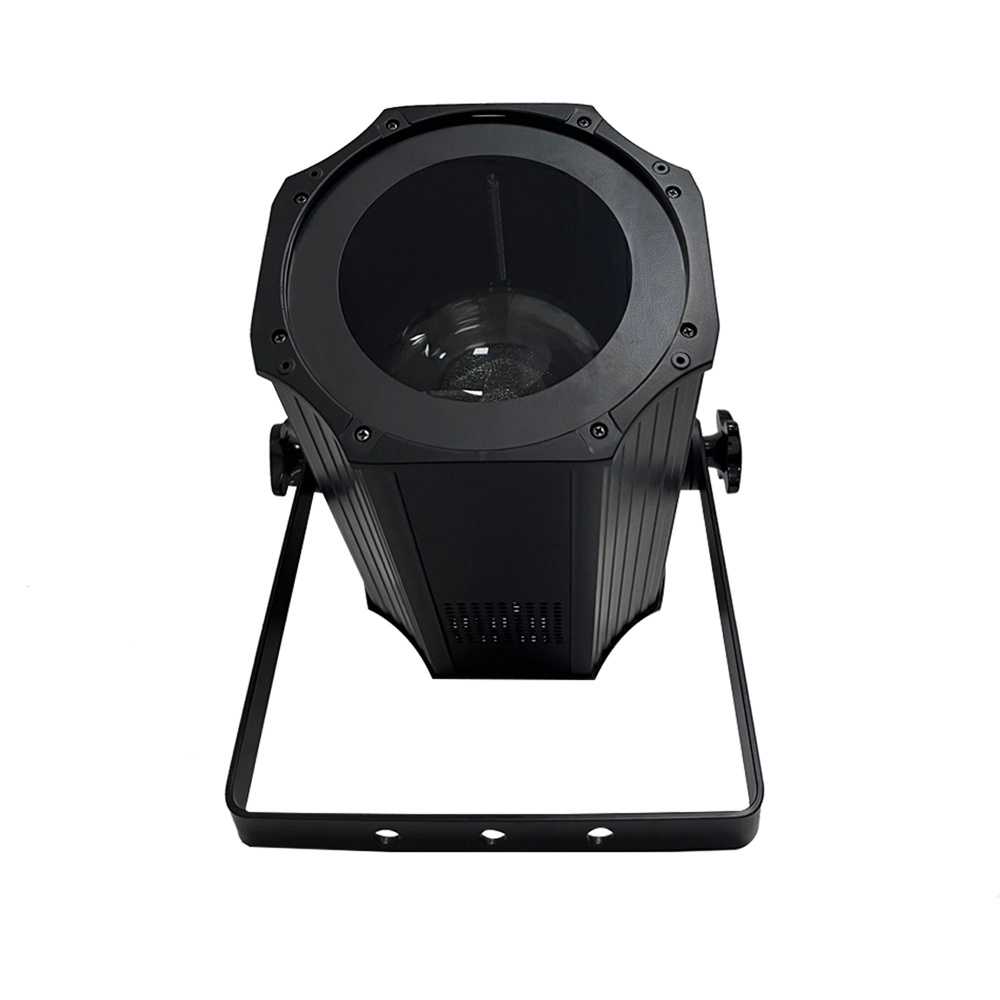
VANRAY LED Par Light Stage LP-200ZC RGBW LED Par Light Suppliers
Introducing the VANRAY LC-200ZC RGBW LED Par Light, a premium solution for vibrant stage lighting. This versatile par LED light ensures dynamic color effects, perfect for events and performances. As leading LED flat-par light suppliers, Vanray guarantees exceptional quality and performance. Illuminate your stage today with Vanray's innovative lighting technology.
As a leading Stage Lighting Manufacturer from China, VANRAY Lighting delivers a comprehensive suite of services including innovative R&D, precision production, and professional integration.
Built on decades of technical expertise, we are defined by our commitment to quality and service perfection. From theaters to grand-scale events, VANRAY is the trusted choice for reliable lighting solutions across the global entertainment and architectural sectors.
Copyright © 2025 VANRAY. All Rights Reserved.

Instagram
YouTube
Facebook