










Maintenance Checklist for Stage Moving Head Lights
- Essential Care Routines for Concert Moving Heads
- Daily Pre-show Checks for Stage Moving Head Light Readiness
- Weekly Preventive Actions: Cleaning, Cooling, and Connections
- Monthly Mechanical and Electrical Inspection
- Quarterly Optics and Calibration: Restore Beam Quality
- Annual Service: Overhaul, Firmware Audit, and Safety Verification
- Prevention-Focused Storage and Transport for Moving Head Lights
- Common Faults and Troubleshooting for Stage Moving Head Light
- Spare Parts, Consumables, and Inventory Planning
- Table: Recommended Maintenance Intervals and Actions
- Cleaning Best Practices for Optics and Housing
- Electrical Safety and Rigging Checks
- Firmware, DMX/RDM and Network Diagnostics
- When to Repair vs. Replace: Financial and Operational Considerations
- Documentation and Maintenance Records
- VANRAY Lighting: Solutions, Reliability, and Product Summary
- Checklist Template: Printable Pre-show and Maintenance Log
- FAQ — Maintenance Checklist for Stage Moving Head Lights
- References
Essential Care Routines for Concert Moving Heads
Daily Pre-show Checks for Stage Moving Head Light Readiness
Before any load-in or rehearsal, run a concise pre-show routine to prevent on-site failures and maintain show quality. For each stage moving head light, verify: power integrity (correct voltage, secure power connectors, no scorched pins), DMX/ethernet signal continuity, lamp/LED status and intensity, clear optics (no visible dust or smudges on lenses), and operational pan/tilt limits. Confirm fixture addresses and profiles in your console match the physical units. This daily check minimizes downtime and the need for emergency replacements during a performance.
Weekly Preventive Actions: Cleaning, Cooling, and Connections
Week-by-week, allocate more time to routine cleaning and mechanical inspection. Key weekly tasks for a stage moving head light include: remove and gently clean external housings and vents with compressed, filtered air; inspect and clean gobos, colour wheels, prisms, and lenses with optical cleaning wipes (isopropyl alcohol-based solutions recommended by manufacturers); check fans for unusual noise or vibration; ensure mounting clamps, safety cables, and rigging bolts are tight and show no fatigue; and test lamp run-hours (for discharge fixtures) or LED drive stability (for LED fixtures). Keep a log of observed anomalies for trend analysis.
Monthly Mechanical and Electrical Inspection
Monthly maintenance digs deeper: open service panels when permitted and power is isolated to check for loose connectors, pin corrosion, accumulated dust within heat sinks, and wear on cabling. Examine gearbox/drive belts (if present) for slack or fraying and lubricate according to manufacturer guidelines. Measure fan RPM and compare to specification values; replace fans that are noisy or underperforming. For stage moving head light systems using discharge lamps, check ignitor performance and ballast temperatures. Update firmware when stable releases are available and tested on spare units before fleet-wide deployment.
Quarterly Optics and Calibration: Restore Beam Quality
Every three months (or more often in dusty/outdoor environments), perform an optics calibration: disassemble accessible optical trains (per the manufacturer manual), deep-clean lenses and reflectors, inspect gobo edges for deformation, and verify prism and zoom mechanisms for free, smooth movement. Use a photometric meter or light meter to sample output from representative fixtures to detect gradual lumen loss. If a stage moving head light exhibits >10% lumen drop versus baseline, investigate LED drivers, thermal issues, or replace consumables. Record calibration data to identify long-term degradation trends.
Annual Service: Overhaul, Firmware Audit, and Safety Verification
An annual service should be treated like a mini-refurbishment: replace wearable items (fans, filters, rubber feet, certain connectors), perform a full electrical insulation test (where safe and permitted), verify firmware and console profile compatibility, and conduct a full functional check of motors, encoders, and limit switches. For fixtures that have accumulated >2,000 run-hours (typical in rental inventories), consider manufacturer-recommended component replacements. Update service logs and make decisions on refurbishment vs. end-of-life replacement based on cost-benefit and fixture reliability.
Prevention-Focused Storage and Transport for Moving Head Lights
Proper transport and storage reduce maintenance needs. Use flight cases with foam cutouts and ventilation when transporting stage moving head light fixtures. For long-term storage, desiccant packs and climate-controlled environments (stable temperature, low humidity) protect electronics and optics. Avoid stacking fixtures directly; always secure clamps and covers. Label cases and keep an inventory of spare parts (fuses, fans, powerCON/IEC connectors, gobos, and DMX splitters) tailored to your fixture models to speed emergency repairs on tour or at venues.
Common Faults and Troubleshooting for Stage Moving Head Light
Frequent issues include erratic pan/tilt, dimming or flicker, loss of DMX control, and overheating. Troubleshooting steps:- Pan/Tilt jitter: verify mechanical continuity, check encoder feedback cables, run a calibration or homing routine via the fixture's service menu.- Dimming/flicker: confirm power stability and cable integrity, test with a known-good PSU or powerCON cable, inspect LED driver capacitors for bulging or leakage.- DMX loss: isolate a single fixture with a short, known-good cable and controller; review termination and DMX polarity; test using RDM-capable tools when available.- Overheating: clear dust from heat sinks, ensure fans run at rated speed, check thermal paste on critical ICs if serviceable, and verify ambient temperature limits specified by the manufacturer.
Spare Parts, Consumables, and Inventory Planning
Maintain a critical spares list for your stage moving head light inventory. Typical items to stock: powerCON/IEC connectors, DMX connectors, fans, fuses, replacement gobos, frost filters, gels (if applicable), and a small selection of optical lenses. For LED fixtures, stock a driver module and a fan; for discharge fixtures, stock bulbs/lamps and ignitors. Track part serial numbers and compatibility with fixture batches to avoid wasted downtime from incorrect parts usage. Consider OEM vs. aftermarket parts; OEM typically offers higher reliability and warranty support.
Table: Recommended Maintenance Intervals and Actions
| Interval | Tasks | Typical Time per Fixture | Notes |
|---|---|---|---|
| Pre-show (daily) | Power/DMX check, operation test, quick optics wipe | 5–10 minutes | Essential to prevent show failures |
| Weekly | Vent/slot cleaning, fan check, rigging & clamp inspection | 15–30 minutes | Depends on environment (more often in dusty venues) |
| Monthly | Open-panel inspection, cable check, firmware review | 30–60 minutes | Log anomalies for trending |
| Quarterly | Deep optics clean, photometric checks, mechanical calibration | 1–2 hours | Use meter or reference to base readings |
| Annual | Parts replacement, insulation tests, full service | 2–4 hours | Consider manufacturer overhaul for heavy-use units |
Cleaning Best Practices for Optics and Housing
Use lint-free, antistatic cloths and optical cleaning solutions when handling lenses and gobos. Never touch optics with bare fingers; oils significantly degrade beam quality. For housings, use low-pressure, filtered compressed air and a soft brush to dislodge dust. Avoid harsh solvents on painted housings and always power down, unplug, and wait for capacitors to discharge before reaching into the fixture. Follow manufacturer cleaning agents and concentrations to preserve coatings and waterproofing seals (IP rating considerations).
Electrical Safety and Rigging Checks
Safety is paramount. All maintenance must comply with local electrical codes and venue rigging standards. Verify safety cables, primary attachment points, and load ratings before and after any mechanical servicing. Use qualified personnel for insulation testing and any work that requires opening mains compartments. For flying or rigged fixtures, inspect truss points and lifting hardware for deformation or fatigue. Record torque values when tightening load-bearing bolts and follow prescribed safety factors for live rigging.
Firmware, DMX/RDM and Network Diagnostics
Firmware keeps fixtures compatible and stable. Maintain a test bench to trial firmware updates on non-critical units before fleet rollout. Use RDM-capable controllers or handheld tools to read fixture status, update parameters, and troubleshoot addresses. For networked moving head lights using Art-Net or sACN, monitor network health (packet loss, latency) and segment lighting networks from general-purpose IT traffic. Keep firmware versions documented against fixture serial numbers in your maintenance log.
When to Repair vs. Replace: Financial and Operational Considerations
Deciding whether to repair or replace a stage moving head light depends on repair cost, downtime, and expected remaining service life. Use a simple decision metric: if repair cost >40–50% of replacement (adjust for downtime/availability), replacing may be justified. Consider energy efficiency gains (LED versus discharge), improved functionality (higher CRI, better color mixing, reduced fan noise) and warranty coverage. For rental operations, reliability and refurbishment frequency heavily influence total cost of ownership.
Documentation and Maintenance Records
Maintain a digital log for each fixture, capturing installation date, serial number, run-hours, performed maintenance, replaced parts, and firmware versions. Good records speed troubleshooting, support warranty claims, and inform purchase decisions when scaling a rig. Use QR codes on fixtures linking to their service history for quick on-site access.
VANRAY Lighting: Solutions, Reliability, and Product Summary
VANRAY Lighting is dedicated to becoming a leading global lighting solutions provider. With over ten years of industry experience, VANRAY offers efficient and customized lighting products for stage, film, television, and landscape applications. Key product categories relevant to maintenance decisions include moving head lights, LED PAR lights, LED profile spotlights, and floodlights. VANRAY supports OEM and ODM services and emphasizes product reliability backed by a robust R&D team and advanced manufacturing facilities covering 8000+ sqm.
VANRAY's competitive advantages include international certifications (CE, RoHS, ISO), consistent manufacturing quality, and experience servicing concert stages, theaters, cultural projects, and outdoor events. For customers deciding on new fixtures or replacement strategies, VANRAY emphasizes products engineered for serviceability: modular design for easier fan and driver replacement, clear firmware update paths, and accessible spare parts. Their moving head lights are designed for high uptime, and their LED PARs and profile spotlights complement a modern lighting rig with lower maintenance burdens compared with older discharge-based fixtures.
If you seek fixtures with proven manufacturing scale and aftermarket support, VANRAY provides comprehensive options and can assist with fleet planning, spare-part kits, and maintenance best practices tailored to your inventory.
Checklist Template: Printable Pre-show and Maintenance Log
Use this compact checklist per fixture (print or digital):- ID/Serial: _______- Location/Rig: _______- Hour Meter: _______- Pre-show: Power/DMX/Function (Initials/Time)- Weekly: Vents/Fans/Cleaning (Initials/Date)- Monthly: Open-panel inspection/Firmware check- Quarterly: Optical calibration/Photometry- Annual: Full-service items replaced- Notes / Action taken / Parts usedKeeping one per fixture ensures traceability and speeds handover between techs.
FAQ — Maintenance Checklist for Stage Moving Head Lights
Q1: How often should I clean the lenses on a stage moving head light?
A: Quick wipes before shows are recommended; perform deep optics cleaning quarterly or sooner in dusty/outdoor environments. Use optical-grade wipes and solutions recommended by the fixture manufacturer.
Q2: Can I update fixture firmware during a show day?
A: No — firmware updates should be tested on a spare unit prior to fleet-wide deployment. If an update is required, schedule during downtime and ensure you have a rollback option if issues arise.
Q3: What are the most common causes of pan/tilt failure?
A: Causes include encoder failures, mechanical wear in bearings or belts, loose connectors, or accumulated debris in gear paths. Regular calibration and monthly mechanical inspections reduce risk.
Q4: Are LED moving head lights lower maintenance than discharge/lamp fixtures?
A: Generally yes—LED fixtures eliminate lamp replacement and often have longer-life components. However, fans and LED drivers require maintenance, and LED modules may show lumen depreciation over time.
Q5: What spare parts should rental companies always stock?
A: Stock fans, fuses, connectors (powerCON, IEC), DMX connectors, replacement gobos, a spare driver module (for LED fixtures), and a selection of bulbs/ignitors for discharge units. Keep a small set of generic tools and a service manual per fixture.
Q6: How do I verify a fixture's cooling performance?
A: Measure fan RPM if supported, listen for abnormal noise, and compare operating temperatures with manufacturer specifications. Use a thermographic camera or contact thermometer for hotspot detection during a controlled test run.
Contact VANRAY Lighting for product specs, maintenance kits, or fleet planning support. To discuss maintenance contracts, spare-part kits, or to view our moving head lights and complementary LED PAR lights, LED profile spotlights, and floodlights, please reach out to our sales team or visit our product pages for detailed datasheets and service options.
References
- Occupational Safety and Health Administration (OSHA) — Electrical Safety. https://www.osha.gov/electrical (accessed 2025-11-26)
- ETC Support and Technical Documentation — Care & Maintenance resources. https://support.etcconnect.com/ (accessed 2025-11-26)
- Martin by HARMAN — Support & Manuals (moving heads & fixtures). https://www.martin.com/support (accessed 2025-11-26)
- Chauvet Professional — Product Support & Service resources. https://www.chauvetprofessional.com/support/ (accessed 2025-11-26)
- IP Code (Ingress Protection) — Overview and ratings. https://en.wikipedia.org/wiki/IP_Code (accessed 2025-11-26)
What are the application scenarios of follow spot light?
What are the application scenarios of strobe light led?
Wholesale LED Flood Light manufacturer and supplier
How to Choose Right white led light par meter manufacturer and supplier ?
About After Sales
What should I do if there are problems when using the product?
If you encounter any problems when using the stage lighting products, please contact our customer service team in time, and we will wholeheartedly provide you with technical support and solutions.
About Company
What is the main product of your company ?
Our main products covers moving head light , led profile spot light , led fresnel , led panel , led wall washer , gobo projector , led strobe light, etc.
About Customized Services
What kind of customization services can you provide ?
Yes, we can provide personalized, customized services according to your needs and requirements, including the product's color temperature, customized gobos for moving headlights, packaging and private labeling for products, etc. for other requirements, which can be negotiated with our sales team.
Can you provide OEM / ODM services ?
Yes, we can support OEM/ODM services for the details, which can be negotiated with our sales team.
About Product
What is the delivery time of orders ?
Its based on the workshop schedule; if products are in stock, we will ship the goods within 1-2 days; if products are out of stock, we need to make production; normally 100-200 pieces can be finished in 7-10 days.
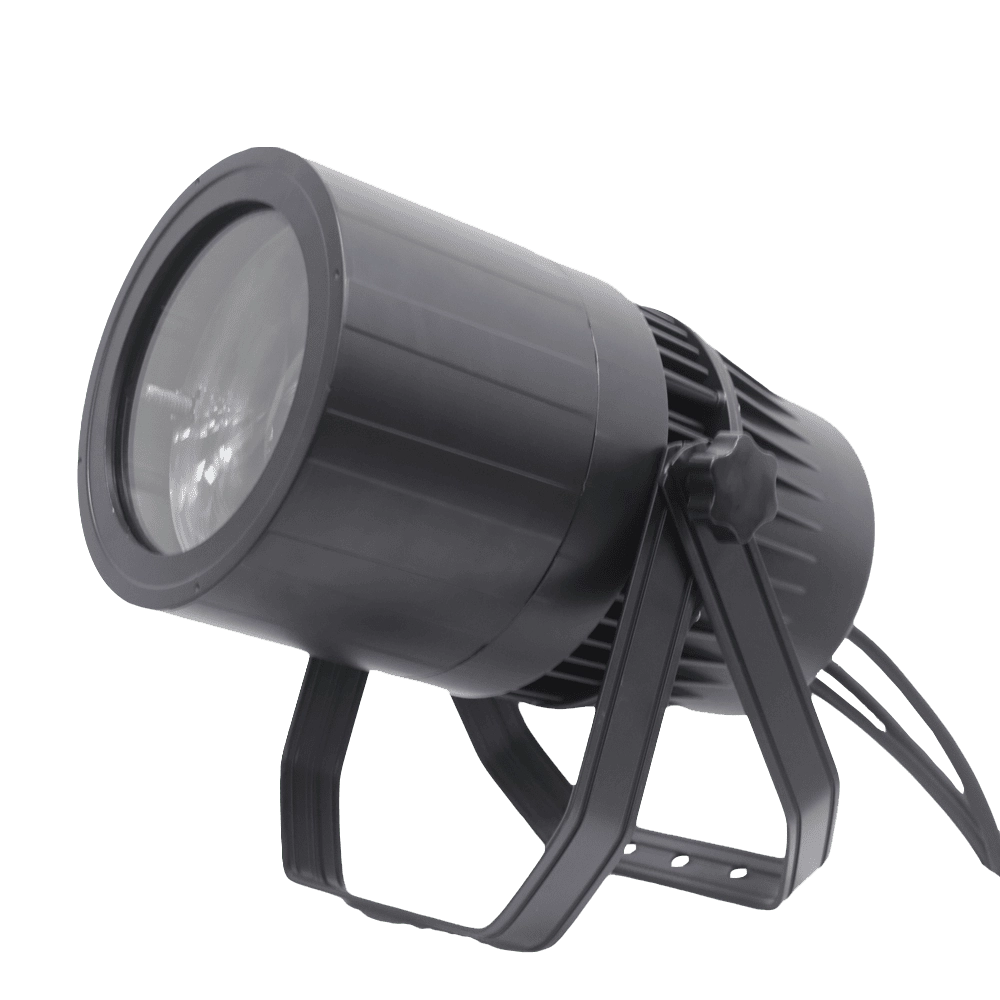
VANRAY Waterproof LED Par Light LP-200Z 200W Zoom Par Light
Introducing the VANRAY Waterproof LED Par Light LP-200Z, a 200W Zoom Par Light engineered for professional performance. Designed by Vanray, this advanced LED PAR light ensures waterproof durability, making it ideal for diverse environments. Elevate your lighting setup with optimum brightness and versatile zoom capabilities. A perfect choice for professional LED PAR light applications.
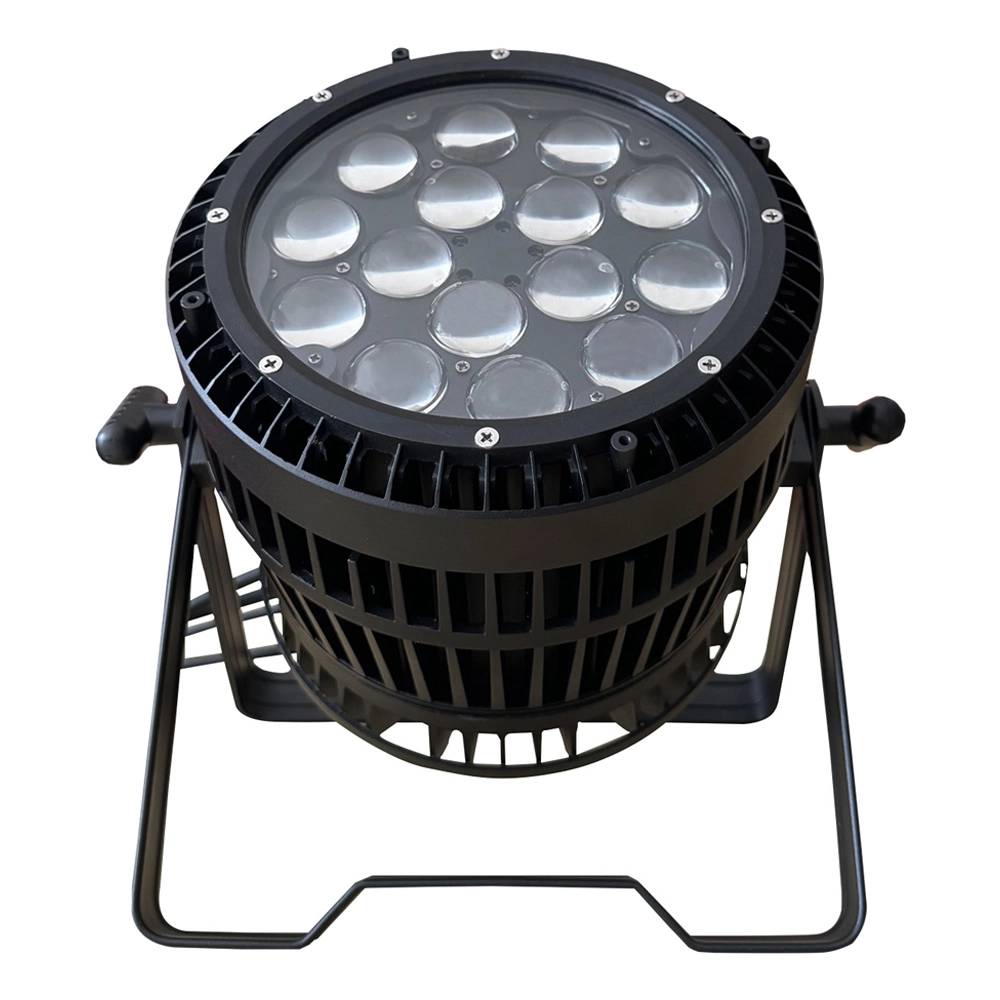
VANRAY LED Par Zoom Wash LP-1515Z 15pcs 15W RGBW Waterproof LED Par Light
Introducing the VANRAY LED Par Zoom Wash LP-1515Z, featuring 15pcs of 15W RGBW waterproof LEDs. This versatile LED wash light par is perfect for vibrant lighting effects, both indoors and outdoors. The precision of our led par zoom wash ensures an exceptional performance, enhancing any event with vivid color dynamics.
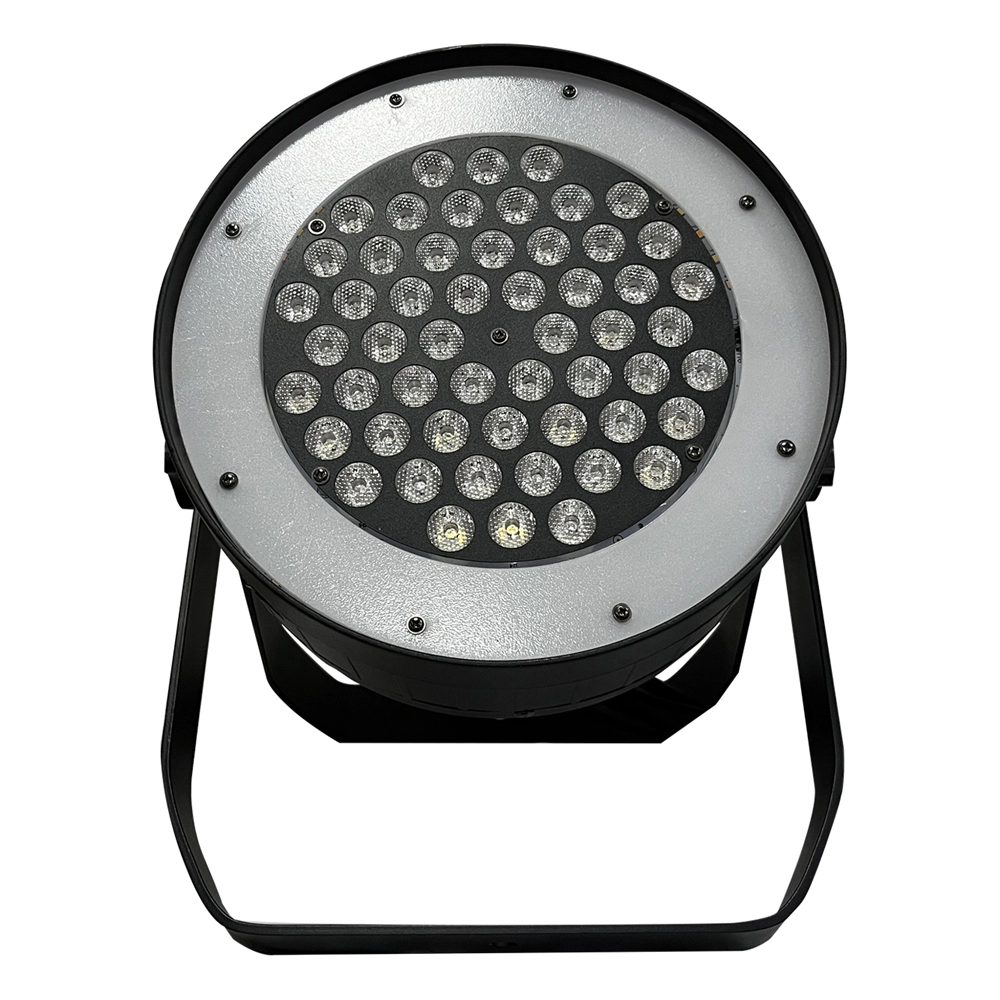
VANRAY Theater LED Par Can Lights LP-350SJL 350W White LED Par Can Lights
Introducing the VANRAY Theater LED Par Can Lights LP-350SJL, featuring an impressive 350W white LED. Ideal for stage lighting, these LED Par Can Lights deliver superior brightness and versatility. Enhance your theater productions with our cutting-edge lighting solutions. Trust Vanray for exceptional performance in LED stage lights.
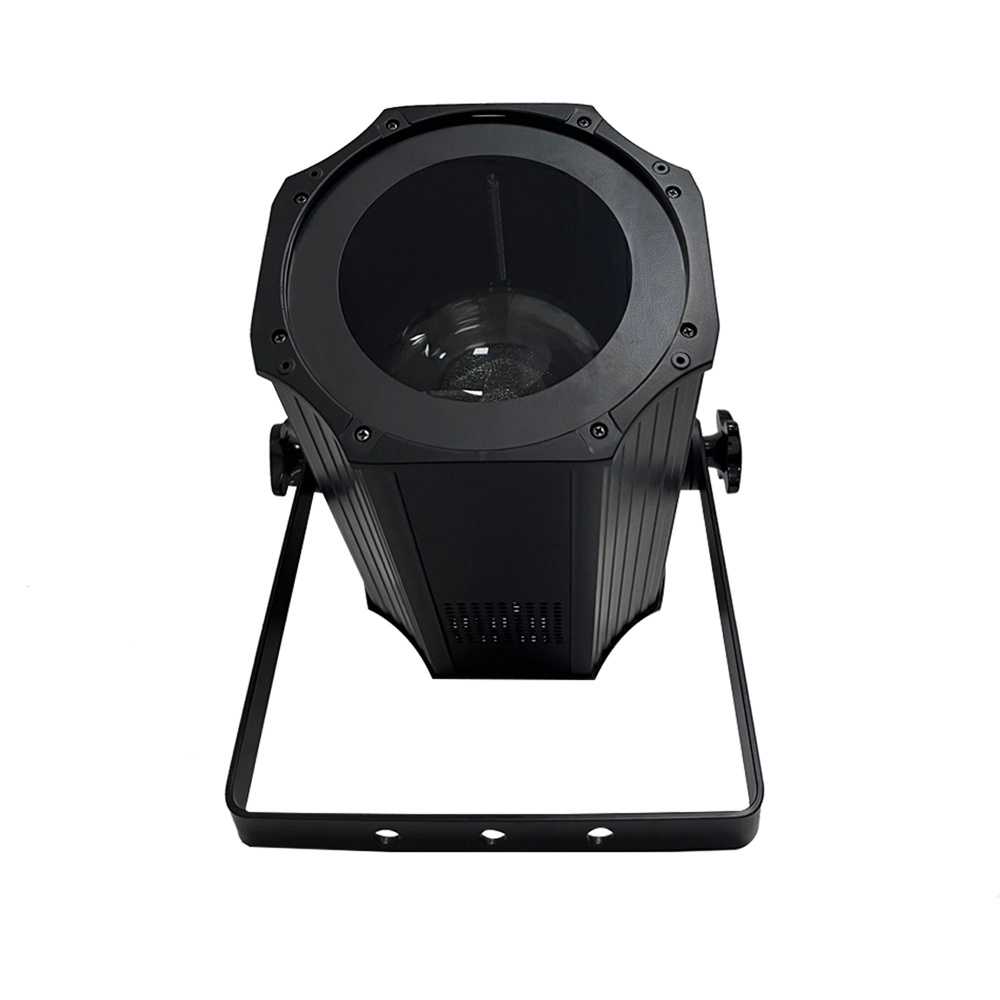
VANRAY LED Par Light Stage LP-200ZC RGBW LED Par Light Suppliers
Introducing the VANRAY LC-200ZC RGBW LED Par Light, a premium solution for vibrant stage lighting. This versatile par LED light ensures dynamic color effects, perfect for events and performances. As leading LED flat-par light suppliers, Vanray guarantees exceptional quality and performance. Illuminate your stage today with Vanray's innovative lighting technology.
As a leading Stage Lighting Manufacturer from China, VANRAY Lighting delivers a comprehensive suite of services including innovative R&D, precision production, and professional integration.
Built on decades of technical expertise, we are defined by our commitment to quality and service perfection. From theaters to grand-scale events, VANRAY is the trusted choice for reliable lighting solutions across the global entertainment and architectural sectors.
Copyright © 2025 VANRAY. All Rights Reserved.

Instagram
YouTube
Facebook