










Common Moving Head Light Problems and How to Fix Them
- Troubleshooting Guide for Live Lighting Technicians
- Understanding the anatomy of a stage moving head light
- Common electrical and power issues with stage moving head light
- DMX and control signal problems in moving head fixtures
- Mechanical failures: motors, gears and bearings
- Optical problems: LEDs, lenses, color wheels and gobos
- Overheating, fans and thermal protection
- Software, firmware and configuration errors
- Preventive maintenance and best practices for stage moving head light fleets
- Quick reference: common problems, causes and fixes
- When to repair versus replace — cost and safety considerations
- VANRAY Lighting: reliable moving head lights and solutions
- Why choose VANRAY moving head lights for your venue?
- How VANRAY supports maintenance and long-term performance
- FAQ — common questions about stage moving head light problems
- 1. Why does my moving head lose position after power cycle?
- 2. Can I mix different moving head brands on the same DMX universe?
- 3. How often should I clean and service moving heads used in smoky environments?
- 4. What are the signs of imminent LED engine failure?
- 5. Is it safe to lubricate pan and tilt gears myself?
- 6. How do I recover a fixture stuck in a bad firmware state?
- Contact and next steps
- References
- Contact VANRAY
Troubleshooting Guide for Live Lighting Technicians
Understanding the anatomy of a stage moving head light
A clear understanding of how a stage moving head light is built helps you diagnose faults faster. Typical fixtures include a power supply and driver, LED engine or lamp, cooling system, pan/tilt motors and encoders, gobos and color mechanisms, lenses, DMX/RDM input circuitry, and a control board with firmware. Knowing where each subsystem lives and how it behaves under load is the first step in systematic troubleshooting.
Common electrical and power issues with stage moving head light
Symptoms: fixture does not power on, intermittent shutdowns, LEDs flicker, or burning smells. Root causes often include faulty mains cabling, loose power connectors, failed PSU components, or incorrect voltage. Quick checks: verify mains voltage at the fixture, inspect IEC or powerCON connectors for damage, test with a known-good power cable, and look for blown fuses or tripped breakers.
Pro tips: use a multimeter to check DC rails on the internal PSU (after isolating power and following safe procedures), and measure ripple on LED drivers using an oscilloscope if available. Many LED driver failures present as reduced brightness or color shifts before total failure.
DMX and control signal problems in moving head fixtures
Symptoms: fixture does not respond to DMX, responds unpredictably, or shows jittery movement. DMX-related causes include address conflicts, wiring faults, termination issues, and improper signal levels. Start by confirming device address and DMX mode, then use an inline DMX tester or a known-working controller to isolate the problem.
Checklist: ensure the DMX chain is daisy-chained (not star-wired), terminate the last fixture with a 120-ohm resistor, confirm cable quality and pinout (DMX uses XLR 5-pin or 3-pin depending on installation), and consider RDM-capable diagnostics if the fixture supports it. Reference: ESTA DMX512 working group for standard practices.
Mechanical failures: motors, gears and bearings
Symptoms: jerky pan/tilt movement, squeaking, loss of position, or excessive backlash. These are usually caused by worn motor brushes (in brushed motors), failing stepper or servo drivers, stripped gears, or dry/worn bearings. For frequent touring fixtures, gear wear is common due to repeated rapid moves and mechanical shock.
Fixes: first observe the movement at low speed with the housing removed where safe. Lubricate bearings with the manufacturer-recommended lubricant; never over-grease. Replace stripped gears or heavily worn gears—this is often cheaper than replacing entire head assemblies. Verify motor driver outputs with a service manual and oscilloscope when diagnosing electronics driving the motors.
Optical problems: LEDs, lenses, color wheels and gobos
Symptoms include reduced output, uneven beams, hot spots, or color/channel errors. Causes range from dirty optics and misaligned lenses to failed LEDs or damaged gobos. Dust, smoke residue, and silicone buildup can severely affect beam quality in as little as a few hundred hours in smoky environments.
Maintenance steps: clean lenses and internal glass with optical-grade lens cleaner and lint-free wipes; inspect gobo wheels and color wheels for warping or cracked surfaces; check LED arrays for failed emitters by running a channel test mode (many fixtures include diagnostic modes to light individual LEDs or color channels).
Overheating, fans and thermal protection
Symptoms: fixture reduces output, shuts down after minutes, or shows thermal warnings. LEDs and electronics are sensitive to high ambient temperatures; blocked airflow, failed fans, and dust accumulation are common causes. Many moving heads employ thermal throttling or a protection shutdown to prevent damage.
Fixes: verify fan operation and clean fan blades and heatsinks. Replace fans showing low RPM or excessive vibration. Confirm ambient temp is within the fixture's rated range and ensure adequate ventilation in rigs. For permanent installations, monitor temperatures over time with a thermal probe to detect hotspots.
Software, firmware and configuration errors
Symptoms: unexpected behavior after a firmware update, lost presets, or inconsistent control. Always keep a backup of working firmware and configuration settings. If a new firmware causes issues, roll back to the last known-good version if the manufacturer provides a recovery method.
Best practice: maintain a version log of firmware updates, test updates on a single fixture before fleet-wide deployment, and use manufacturer tools for recovery modes. If fixtures are networked (Art-Net/sACN), ensure IP addressing and universe configuration are consistent across controllers and fixtures.
Preventive maintenance and best practices for stage moving head light fleets
Regular maintenance reduces failures and downtime. Implement a checklist including: cleaning optics and fans every 100–300 hours depending on environment; checking and re-torquing mounting hardware before each tour leg; testing DMX chains and power during load-in; and logging running hours and service actions. Keep a small field-spares kit: replacement fans, fuse types, spare power and DMX cables, lubricants, and a small set of gears for commonly used models.
Quick reference: common problems, causes and fixes
Use this table as a rapid diagnostic reference when a stage moving head light exhibits faults.
| Symptom | Likely Cause | Quick Fix | When to Escalate |
|---|---|---|---|
| Fixture won't power on | Power cable/connector, fuse, PSU failure | Swap cable, check fuse, test outlet | PSU component failure or burnt smell |
| No DMX response | Addressing, cabling, termination | Verify address, use known-good controller, terminate | Faulty DMX receiver board |
| Jerky pan/tilt | Gear wear, motor driver fault, encoder failure | Inspect gears/bearings, lubricate, replace small parts | Motor driver or encoder board needs repair |
| Dim or uneven beam | Dirty optics, failed LEDs | Clean optics, run LED diagnostics | LED engine failure |
| Overheating/shutdown | Fan failure, blocked vents, high ambient temp | Clean/replace fans, improve ventilation | PCB thermal damage |
When to repair versus replace — cost and safety considerations
Decision factors include age, spare-part availability, cost of repair versus new unit price, and safety certifications. For fixtures under five years old with available parts, repair is often economical. For units over seven years old lacking spare parts or modern features (higher lumen output, improved color rendering, lower power draw), replacement may provide better lifecycle value. Always prioritize repairs that restore safe operation—do not operate units with compromised electrical insulation or structural integrity.
VANRAY Lighting: reliable moving head lights and solutions
VANRAY Lighting is dedicated to becoming a leading global lighting solutions provider. With over ten years of industry experience, we offer efficient and customized lighting products for various fields such as stage, film, television, and landscape. Our products include LED PAR lights, moving head lights, LED profile spotlights, fresnel spotlights, floodlights, and more, supporting OEM and ODM services. We boast a robust R&D team, advanced manufacturing facilities covering 8000+ sqm, and a reputation for product reliability.
VANRAY products have received international certifications such as CE, RoHS, and ISO. Our offerings cater to concert stages, theaters, cultural projects, and outdoor events, ensuring excellent performance and high-quality standards. As we expand, VANRAY continues to provide innovative lighting solutions worldwide. Our mission is to deliver visually stunning lighting experiences to global audiences.
Why choose VANRAY moving head lights for your venue?
Competitive advantages: VANRAY emphasizes product reliability (robust construction and thermal management), certification compliance for international touring and installation, and flexible OEM/ODM options for custom projects. Technical strengths include a dedicated R&D team that iterates on LED engines and optical designs, and manufacturing capacity that supports consistent quality control across batches—critical for matching color and output across a fleet.
Main product highlights: moving head lights (compact and touring series), LED PAR lights (high CRI options), LED profile spotlights (precise beam shaping), and floodlights (outdoor-rated with IP protection). For buyers, the combination of certification, R&D support, and factory capacity makes VANRAY a reliable partner for projects requiring consistent performance and timely delivery.
How VANRAY supports maintenance and long-term performance
VANRAY provides technical documentation, firmware updates, and recommended maintenance schedules to ensure a long fixture lifespan. For fleet purchases, ask about spares packages, on-site support options, and extended warranty programs. A manufacturer that supports field servicing reduces downtime and total cost of ownership.
FAQ — common questions about stage moving head light problems
1. Why does my moving head lose position after power cycle?
Most fixtures use encoders or home-position sensors. Losing position can mean encoder calibration was lost, power is not stable during shutdown, or the fixture failed to park properly. Run a home/park sequence from the controller, update firmware, and if the problem persists, inspect the encoder and motor driver boards.
2. Can I mix different moving head brands on the same DMX universe?
Yes, but be mindful of channel mapping and DMX modes. Different brands have different channel layouts; use consistent addressing and, if possible, configure each fixture in a compatible mode. Network protocols like Art-Net and sACN can carry multiple universes and make management easier for large systems.
3. How often should I clean and service moving heads used in smoky environments?
In smoky or dusty environments clean optics and fans every 100–200 hours, and do a more thorough internal inspection every 500 hours. Smoke residue accelerates wear on optics and can clog heatsinks, increasing thermal stress on electronics.
4. What are the signs of imminent LED engine failure?
Look for color shifts, channel dropout (e.g., red or blue channel dimming), flicker at low dimming levels, or increased power draw. Early diagnosis via LED diagnostic modes and thermal monitoring can often prevent complete engine failure.
5. Is it safe to lubricate pan and tilt gears myself?
Yes if you follow manufacturer guidance. Use recommended lubricants and apply sparingly. Avoid getting lubricant on slip rings, encoders, or optical surfaces. If unsure, consult the service manual or a certified technician.
6. How do I recover a fixture stuck in a bad firmware state?
Check the manufacturer website for recovery tools or bootloader procedures. Many fixtures have a recovery mode accessible through a specific key sequence or a configuration port. Keep the last-known-good firmware on hand and follow the vendor's recovery instructions closely.
Contact and next steps
If you need technical support, spare parts, or want to evaluate reliable stage moving head light options for your project, contact VANRAY Lighting for product details, OEM/ODM inquiries, and service options. For fleet purchases, request a datasheet, IP ratings, lumen output curves, and thermal performance data to match your venue requirements.
References
- ESTA DMX512 Working Group, DMX512 and recommendations. https://tsp.esta.org/tsp/working_groups/DMX512/ (accessed 2025-11-27)
- ETC Support — rigging and maintenance guidance. https://www.etcconnect.com/Support/ (accessed 2025-11-27)
- Manufacturer support pages and service manuals (typical manufacturer guidance such as CHAUVET, MARTIN, and other leading brands). CHAUVET Support: https://support.chauvetlighting.com/ (accessed 2025-11-27)
- ISO and CE certification information. ISO homepage: https://www.iso.org (accessed 2025-11-27)
- RoHS information and regulatory guidance. European Commission RoHS: https://ec.europa.eu/environment/waste/rohs_eee/ (accessed 2025-11-27)
Contact VANRAY
For enquiries about products including moving head lights, LED PAR lights, LED profile spotlights, and floodlights, or to request a quote and technical support, contact VANRAY Lighting via the official sales channels on our website or email sales@vanraylighting.com. We provide datasheets, certifications, and fleet support to help you select the right fixtures for your venue.
Best linear led wall washer light manufacturers and supplier brands in us 2025
Best led wall washer exterior manufacturers and supplier brands in us 2025
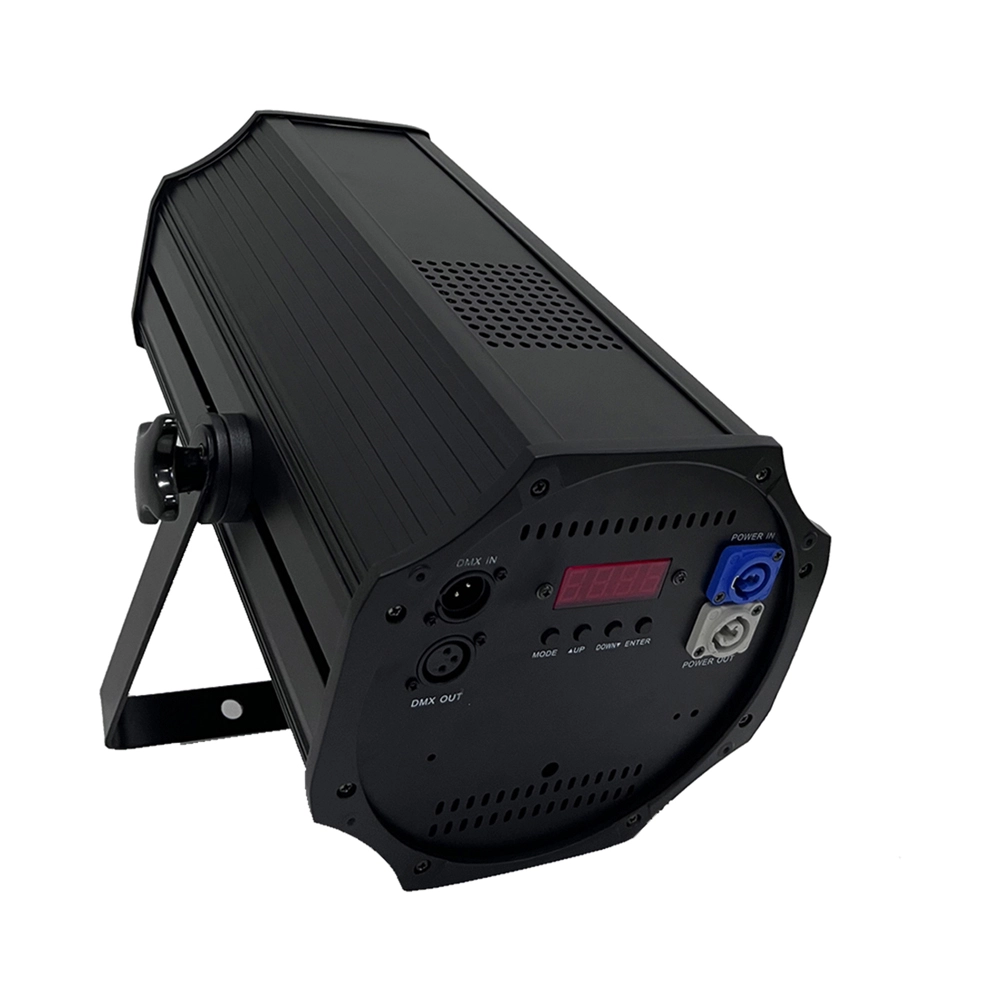
LED Stage Lights: Why Choose VANRAY LP-200ZC RGBW Par Lights?
Best Moving head beam lights manufacturers and supplier brands
About After Sales
What is the product quality guarantee time ?
Our stage lighting product guarantee time is 1 year; all products can support after-sale service during this period; if lights are broken, we can provide spare parts for free.
About Company
Can I Visit your company?
Of course, our company is located in No. 7, Sijiaowei Industrial Zone, Tanbu Town, Huadu District, Guangzhou, China. Warmly welcome to visit our factory.
About Logistics
Does your product support global logistics and distribution?
Yes, our products support global logistics and distribution services, and you can receive our products anytime and anywhere.
About Customized Services
Are there any additional charges for customized services?
Customized services may be subject to appropriate customization fees based on your specific requirements.
How long does customized service take?
The time for customized services depends on your specific needs and order volume. Generally speaking, normally 2-3 days, we will provide you with customized solutions as soon as possible.
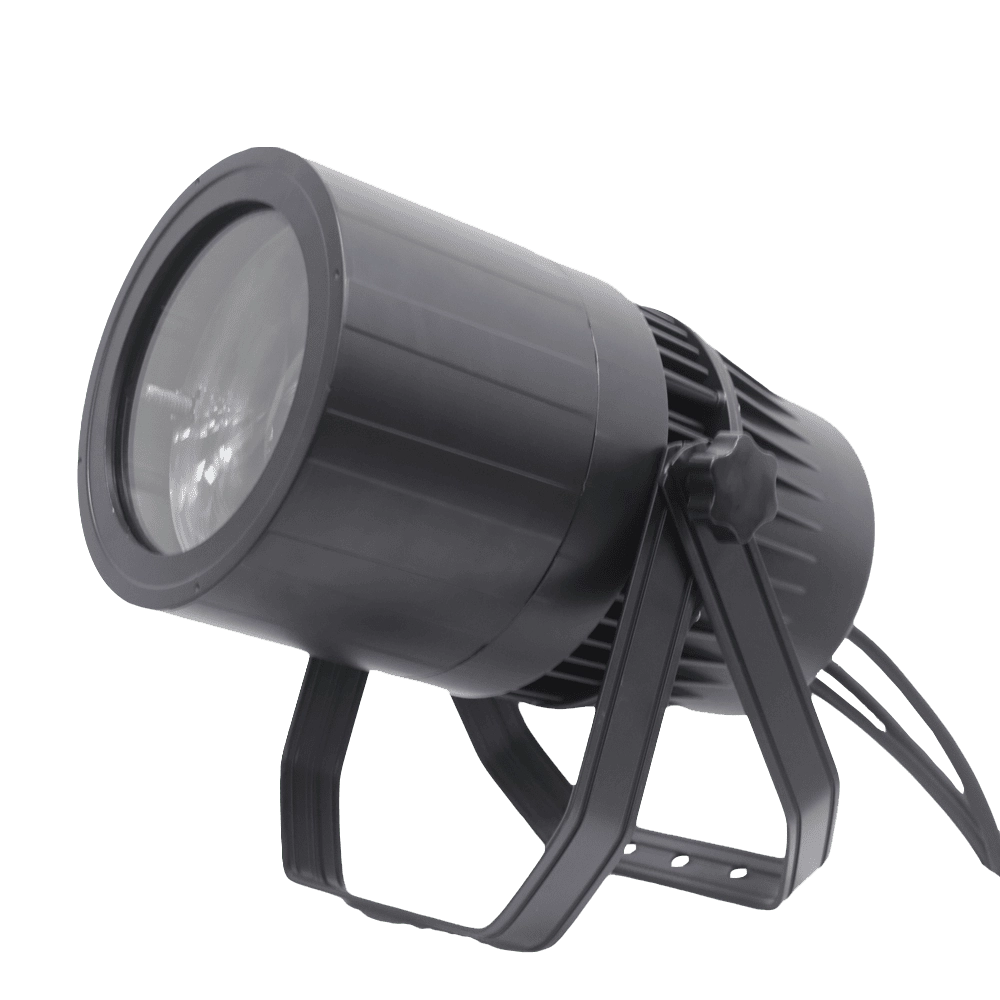
VANRAY Waterproof LED Par Light LP-200Z 200W Zoom Par Light
Introducing the VANRAY Waterproof LED Par Light LP-200Z, a 200W Zoom Par Light engineered for professional performance. Designed by Vanray, this advanced LED PAR light ensures waterproof durability, making it ideal for diverse environments. Elevate your lighting setup with optimum brightness and versatile zoom capabilities. A perfect choice for professional LED PAR light applications.
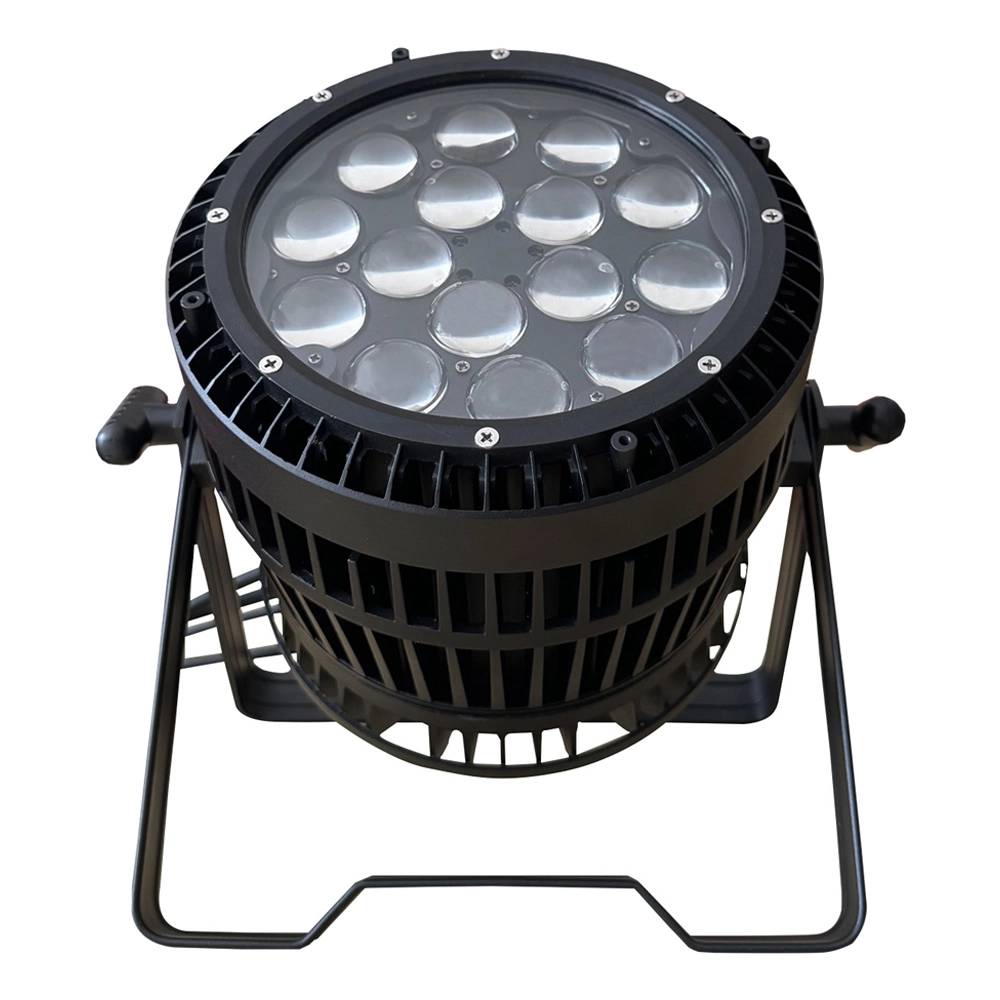
VANRAY LED Par Zoom Wash LP-1515Z 15pcs 15W RGBW Waterproof LED Par Light
Introducing the VANRAY LED Par Zoom Wash LP-1515Z, featuring 15pcs of 15W RGBW waterproof LEDs. This versatile LED wash light par is perfect for vibrant lighting effects, both indoors and outdoors. The precision of our led par zoom wash ensures an exceptional performance, enhancing any event with vivid color dynamics.
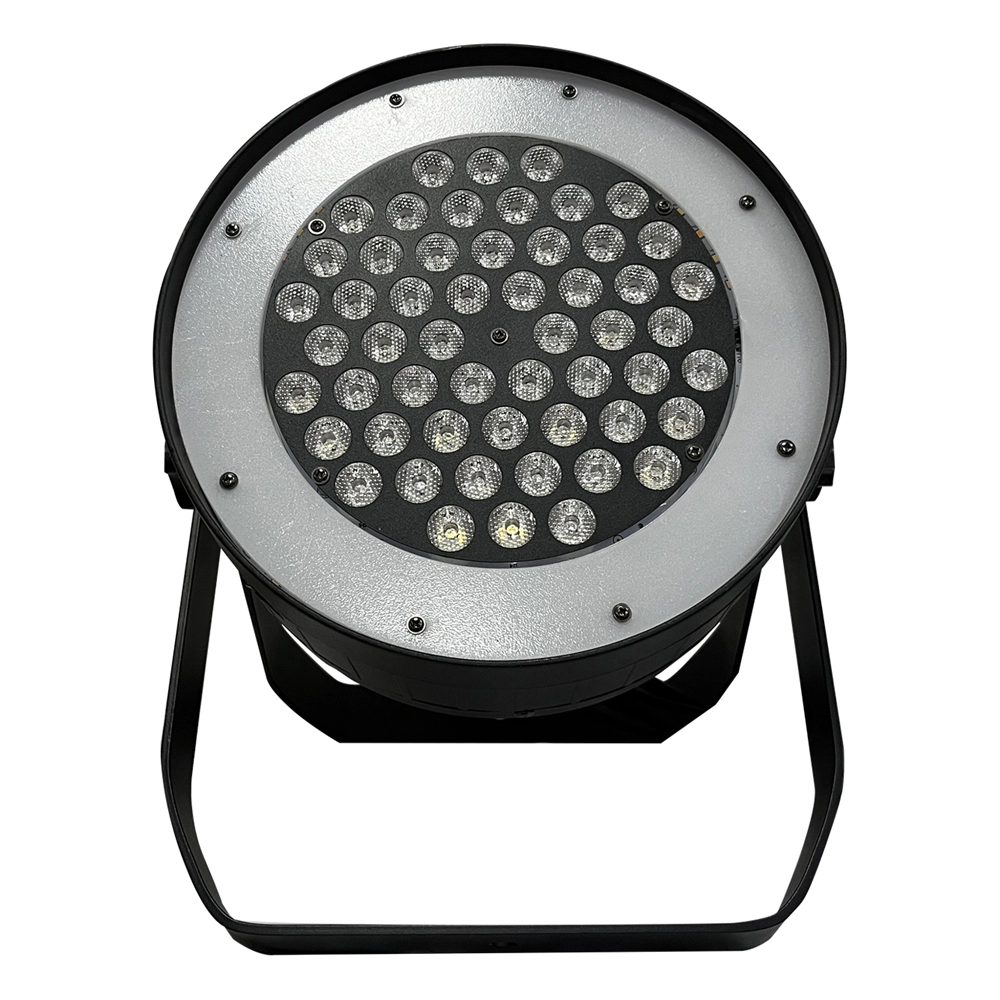
VANRAY Theater LED Par Can Lights LP-350SJL 350W White LED Par Can Lights
Introducing the VANRAY Theater LED Par Can Lights LP-350SJL, featuring an impressive 350W white LED. Ideal for stage lighting, these LED Par Can Lights deliver superior brightness and versatility. Enhance your theater productions with our cutting-edge lighting solutions. Trust Vanray for exceptional performance in LED stage lights.
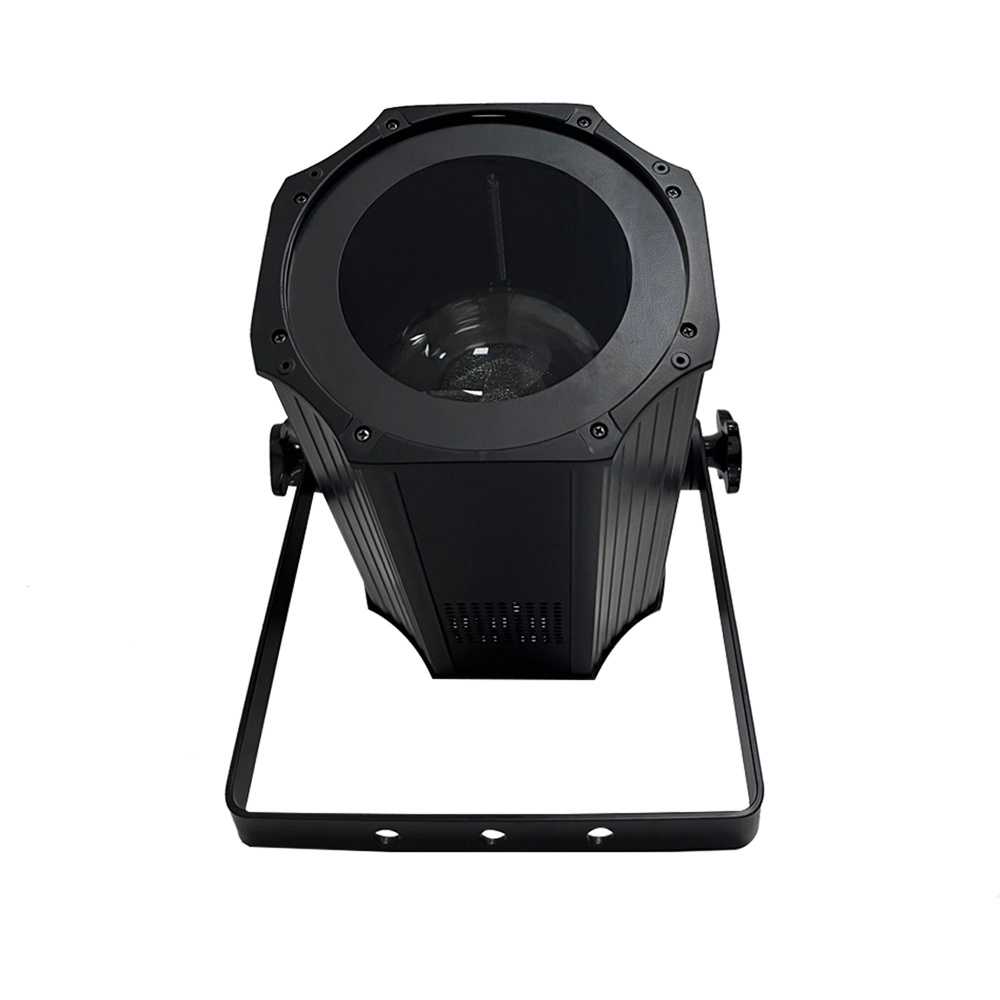
VANRAY LED Par Light Stage LP-200ZC RGBW LED Par Light Suppliers
Introducing the VANRAY LC-200ZC RGBW LED Par Light, a premium solution for vibrant stage lighting. This versatile par LED light ensures dynamic color effects, perfect for events and performances. As leading LED flat-par light suppliers, Vanray guarantees exceptional quality and performance. Illuminate your stage today with Vanray's innovative lighting technology.
As a leading Stage Lighting Manufacturer from China, VANRAY Lighting delivers a comprehensive suite of services including innovative R&D, precision production, and professional integration.
Built on decades of technical expertise, we are defined by our commitment to quality and service perfection. From theaters to grand-scale events, VANRAY is the trusted choice for reliable lighting solutions across the global entertainment and architectural sectors.
Copyright © 2025 VANRAY. All Rights Reserved.

Instagram
YouTube
Facebook