









Spotlight Beam Angle and Focus Explained
- Understanding how beam shape and focus change perception onstage
- What is beam angle? Fundamental definitions for stage lighting spotlights
- Formula: calculate beam diameter from beam angle — practical for stage lighting spotlights
- Types of spotlights and how they control beam and focus for stage lighting spotlights
- Beam angle ranges and recommended uses for stage lighting spotlights
- Measuring and planning: throw charts, lux calculations, and field angle for stage lighting spotlights
- Focusing techniques and troubleshooting common issues for stage lighting spotlights
- Common problems and fixes
- LED vs traditional spotlights: implications for beam angle and focus in stage lighting spotlights
- Quick selection guide: choosing stage lighting spotlights by venue type
- VANRAY Lighting: product capabilities and why it matters for stage lighting spotlights
- How VANRAY’s core products support beam and focus requirements for stage lighting spotlights
- FAQ — Frequently asked questions about beam angle and focus for stage lighting spotlights
- Contact and product inquiry
- References and further reading
Understanding how beam shape and focus change perception onstage
The visual impact of any production — concert, theatre, corporate event, or televised show — depends heavily on how lighting designers shape light. For stage lighting spotlights, beam angle and focus are two of the most important parameters. They determine the size, edge quality, intensity spread, and the way a performer or scenery reads on camera and to a live audience. This article explains the physics, measurement, and practical decision-making behind beam angles and focus, with real-world tips to choose and control spotlights effectively.
What is beam angle? Fundamental definitions for stage lighting spotlights
Beam angle is the angle over which a light source emits most of its luminous flux. For stage lighting spotlights, manufacturers commonly specify two angles: the beam (or field) angle that contains most of the light output and the flood angle that indicates where the illumination falls off. Practically, the beam angle dictates how wide the light spreads at a given distance (throw) and directly affects on-stage intensity (lux) — narrower beams concentrate lumens into a smaller area, producing more punch; wider beams soften and wash larger surfaces.
Key technical points for stage lighting spotlights:
- Beam angle (often defined as the full width at half maximum, FWHM) — the angle between points where light intensity falls to 50% of peak.
- Field angle — sometimes used to mean the angle encompassing the useful light (usually to 10% of peak), larger than beam angle.
- Throw distance — the distance from fixture to the target; beam size at the target is computed from beam angle and throw.
Formula: calculate beam diameter from beam angle — practical for stage lighting spotlights
To estimate beam diameter (D) at a throw distance (L), use basic trigonometry:
D = 2 × L × tan(θ / 2)
Where θ is the beam angle in degrees. Example: a 10° beam at 10 m gives D = 2 × 10 × tan(5°) ≈ 1.75 m. This calculation helps pick the right fixture for spotlighting a performer or gobo coverage.
Types of spotlights and how they control beam and focus for stage lighting spotlights
Different spotlight family types provide different tools for beam shaping and focus control:
- Ellipsoidal (profile) spotlights / ERS: Provide sharp-edged beams, shutters, and interchangeable lenses for fixed beam angles (commonly 10°–45°). Ideal for precise spotlighting and gobos.
- Fresnel spotlights: Use a stepped lens to produce a soft-edge beam with variable focus — by moving lamp and lens you change soft/hard edge quality. Beam spread is broader and smoother, useful for washes and backlight.
- PAR cans and LED PAR lights: Produce a wide wash with less edge control; modern LED PARs sometimes include lenses or narrow-beam cones to achieve tighter beams.
- Moving head spotlights and profile moving lights: Often include motorized zoom/focus and multiple lens groups to change beam angle on the fly (e.g., 4°–50°), adding programming flexibility for live events and TV.
Beam angle ranges and recommended uses for stage lighting spotlights
Below is a practical comparison of beam angles and typical applications on stage. This table helps match fixture selection to design goals.
| Beam angle | Common name | Typical use on stage (stage lighting spotlights) | Pros / Cons |
|---|---|---|---|
| ≤ 6° | Super Narrow / Follow spot narrow | Follow spots, tight accents, distant fixtures | Very intense; precise; not suitable for area wash |
| 6°–15° | Spot / Profile | Key spot on performer, gobos, stage accents | Good intensity and control; sharp edge possible (profile) |
| 16°–30° | Medium spot / Narrow flood | Group accents, mid-sized stage areas, side light | Balances intensity and coverage; versatile |
| 31°–60° | Flood / Wash | Full-stage washes, backlight, cyc / backdrop lighting | Soft edges; lower intensity per area |
| 60°+ | Wide flood | Large area ambient wash, architectural lighting | Lowest intensity; covers wide areas |
Sources for typical ranges: manufacturer product specs (LED profiles, moving heads), theatrical lighting textbooks, and fixture datasheets. (See References.)
Measuring and planning: throw charts, lux calculations, and field angle for stage lighting spotlights
Designers rely on throw charts and photometric data from manufacturers. A typical planning flow:
- Decide the required illuminance (lux) on the subject — e.g., 500–2000 lux for stage performers depending on camera use and design.
- Select candidate fixtures and obtain their lumen output and beam angle (FWHM) or beam-candle profiles from the photometric file.
- Use the beam diameter formula to estimate the spot size at the performer and check lux using inverse-square law adjusted for beam spread (or use manufacturer photometric charts/IES files for more precise predictions).
Practical example for stage lighting spotlights:
Fixture A: 20,000 lumens, 10° beam at 12 m. Beam diameter ≈ 2 × 12 × tan(5°) ≈ 2.09 m. Approximate average illuminance (simplified) = luminous flux / beam area. These estimates should be validated with photometric files (.ies/.ldt) and software like WYSIWYG, Capture, or Dialux for accurate results.
Focusing techniques and troubleshooting common issues for stage lighting spotlights
Focus is both an optical process and an art. Key techniques and tips:
- Start with center focus: place fixtures to align with stage grid and preset notches; visually verify centerline and height.
- Use templates and stemming: ERS shutters and templates (gobos) require the fixture to be parfocal (same focus across lens tubes) when swapping lenses — check parfocal distance on profile spots.
- Edge control: to soften edges move the lens farther from the lamp on Fresnels; to sharpen, move closer or use a profile fixture with a longer focal length lens.
- Beam overlap and feathering: when you need smooth transitions, overlap two fixtures by ~20% of beam diameter to avoid hot spots. For strong accents, minimize overlap.
- Hotspot and falloff: LED fixtures can show color fringing or multi-chip artifacts at tight beams — test at real throw distances before final hang.
Common problems and fixes
- Uneven beam / bright center: Check lens cleanliness and alignment; some fixtures intentionally have a hotter center (LED optics) — consider diffusion or slightly increasing beam angle.
- Gobo not sharp: Check focus distance and whether the fixture is parfocal with the installed lens tube; adjust lens barrel and gate position.
- Insufficient intensity at distance: Choose narrower beam, higher-lumen fixture, or reduce throw by moving fixture closer or using a front-of-house position.
LED vs traditional spotlights: implications for beam angle and focus in stage lighting spotlights
LED technology changed how beam angle and focus are delivered:
- LED fixtures often provide zoom (motorized or manual) to change beam angle dynamically — useful for touring and multi-purpose venues.
- Single-chip LEDs with secondary optics can produce clean narrow beams, but multi-chip arrays can create inhomogeneous hotspots unless high-quality mixing optics are used.
- LEDs offer consistent color and longer life, but designers must verify photometric performance at chosen beam angles and test color mixing at focus extremes.
Quick selection guide: choosing stage lighting spotlights by venue type
Match beam angle to venue and design objectives:
- Small blackbox or studio: 10°–30° profiles + Fresnels for soft fill.
- Theatre with proscenium: mix 10°–25° profiles for actors with 30°–60° washes for cyc/backlight.
- Concerts and festivals: moving-head spots with 4°–40° zooms for flexibility; LED PARs for wash.
- TV/film: prioritize even coverage and camera lux targets; soft-edge Fresnels and variable-beam LEDs are common.
VANRAY Lighting: product capabilities and why it matters for stage lighting spotlights
VANRAY Lighting is dedicated to becoming a leading global lighting solutions provider. With over ten years of industry experience, VANRAY offers efficient and customized lighting products for stage, film, television, and landscape. Our catalog includes LED PAR lights, moving head lights, LED profile spotlights, fresnel spotlights, floodlights, and more; we support OEM and ODM services and back our fixtures with a robust R&D team and advanced manufacturing facilities covering over 8,000 sqm.
Why VANRAY is relevant when specifying stage lighting spotlights:
- Product breadth: from tight-beam profile fixtures to flexible moving-head spots and broad LED PAR washes, enabling coherent systems from one supplier.
- Technical capability: moving head lights with motorized zoom/focus, LED profile spotlights with high-quality optics, and reliable LED PARs suitable for wash and uplighting.
- Quality and compliance: VANRAY products hold certifications such as CE, RoHS, and ISO, and the company emphasizes product reliability and manufacturing consistency.
- Customization and service: OEM/ODM support allows venue-specific solutions (lumen output, beam angles, control protocols, mechanical rigging options).
How VANRAY’s core products support beam and focus requirements for stage lighting spotlights
Brief product-role mapping for practical specification:
- Moving head lights — flexible zoom ranges (e.g., 4°–50°) that let one fixture serve as narrow spot or wide wash during a show.
- LED PAR lights — cost-effective, tunable wash fixtures for cyclorama, truss washes, and audience lighting.
- LED profile spotlights — designed for precise beam control, good for follow-spot roles, gobo projection, and key-light tasks.
- Floodlights — robust wide-angle coverage for architectural or large backdrops.
FAQ — Frequently asked questions about beam angle and focus for stage lighting spotlights
1. What beam angle should I use for a single performer on a 10 m stage?
For a single performer at 10 m, a 6°–15° beam (spot/profile) typically creates a focused, bright key. Use the beam diameter formula to confirm spot size: D = 2 × L × tan(θ/2).
2. How do beam angle and throw affect on-camera lighting?
Camera exposure responds to illuminance (lux) and contrast. Narrow beams boost lux on the subject but can create high contrast and hotspot issues. Wider beams provide even coverage but require more fixtures or higher output to reach camera lux targets.
3. Can I change focus and beam angle on an LED profile spotlight?
Many LED profile fixtures feature manual or motorized zoom and parfocal lens systems for consistent focus across lens tubes. Moving-head profiles often offer the widest in-show flexibility.
4. Why does my LED spotlight show color fringing at tight beams?
Color fringing typically comes from multi-chip LED arrays with insufficient secondary optics or color-mixing lenses. High-quality fixtures use homogenizing rods or integrator optics to reduce fringing.
5. What’s the difference between beam angle and field angle?
Beam angle (FWHM) is where intensity is ≥50% of peak. Field angle often denotes broader coverage down to 10% of peak intensity. Manufacturers may provide both — use field angle for planning overlap and coverage.
6. How do I choose between a Fresnel and a profile (ERS) for key light?
Choose ERS/profile for sharp-edged, controlled key light and gobos. Choose Fresnel for softer, wrap-around key light that blends easily into fills and washes. Your choice depends on the desired edge quality and shaping needs.
Contact and product inquiry
If you want tailored guidance or product recommendations for stage lighting spotlights — including moving head lights, LED PAR lights, LED profile spotlights, and floodlights — contact VANRAY Lighting for OEM/ODM solutions and technical support. Visit VANRAY’s product catalog or request a photometric file (.ies) for accurate pre-rig planning. Our team can help match beam angles, lens options, and control capabilities to your venue and production needs.
References and further reading
- Ellipsoidal reflector spotlight, Wikipedia. https://en.wikipedia.org/wiki/Ellipsoidal_reflector_spotlight (Accessed 2025-12-15)
- Spotlight (theatre), Wikipedia. https://en.wikipedia.org/wiki/Spotlight_(theatre) (Accessed 2025-12-15)
- International Association of Lighting Designers (IALD) / Illuminating Engineering Society (IES) — organizational resources. https://www.ies.org/ and https://www.iald.org/ (Accessed 2025-12-15)
- Technical product datasheets and photometric resources from manufacturers (example reference approach) — consult fixture-specific IES files for precise beam/throw planning; see moving-head and LED profile product pages from professional manufacturers (example: product datasheets from major OEMs). (Accessed 2025-12-15)
- Fresnel lens, Wikipedia. https://en.wikipedia.org/wiki/Fresnel_lens (Accessed 2025-12-15)
For more detailed photometric planning, download IES files from your preferred fixture manufacturers or contact VANRAY for fixture data and bespoke solutions.
Top 5 led stage spotlights Company List and Products Compared
Top 10 star gobo projector Manufacturers and Supplier Brands
The dj light moving head Cost Guide
The waterproof moving head light Cost Guide
About Product
What certifications and inspections have your products passed?
Our products have passed relevant quality certifications and inspections, including CE, RoHS, etc., to ensure product safety and reliability.
What is the delivery time of orders ?
Its based on the workshop schedule; if products are in stock, we will ship the goods within 1-2 days; if products are out of stock, we need to make production; normally 100-200 pieces can be finished in 7-10 days.
About Company
Can I Visit your company?
Of course, our company is located in No. 7, Sijiaowei Industrial Zone, Tanbu Town, Huadu District, Guangzhou, China. Warmly welcome to visit our factory.
About After Sales
What should I do if there are problems when using the product?
If you encounter any problems when using the stage lighting products, please contact our customer service team in time, and we will wholeheartedly provide you with technical support and solutions.
About Customized Services
Can you provide OEM / ODM services ?
Yes, we can support OEM/ODM services for the details, which can be negotiated with our sales team.
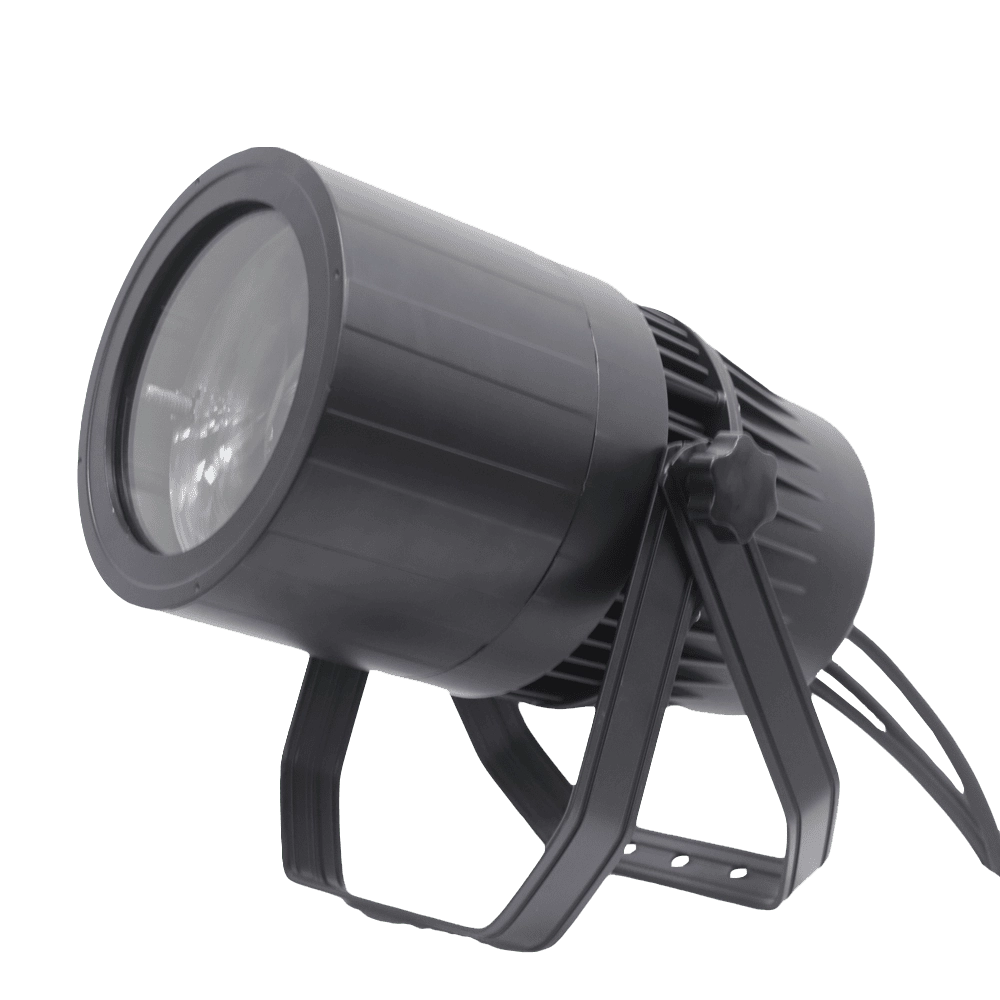
VANRAY Waterproof LED Par Light LP-200Z 200W Zoom Par Light
Introducing the VANRAY Waterproof LED Par Light LP-200Z, a 200W Zoom Par Light engineered for professional performance. Designed by Vanray, this advanced LED PAR light ensures waterproof durability, making it ideal for diverse environments. Elevate your lighting setup with optimum brightness and versatile zoom capabilities. A perfect choice for professional LED PAR light applications.
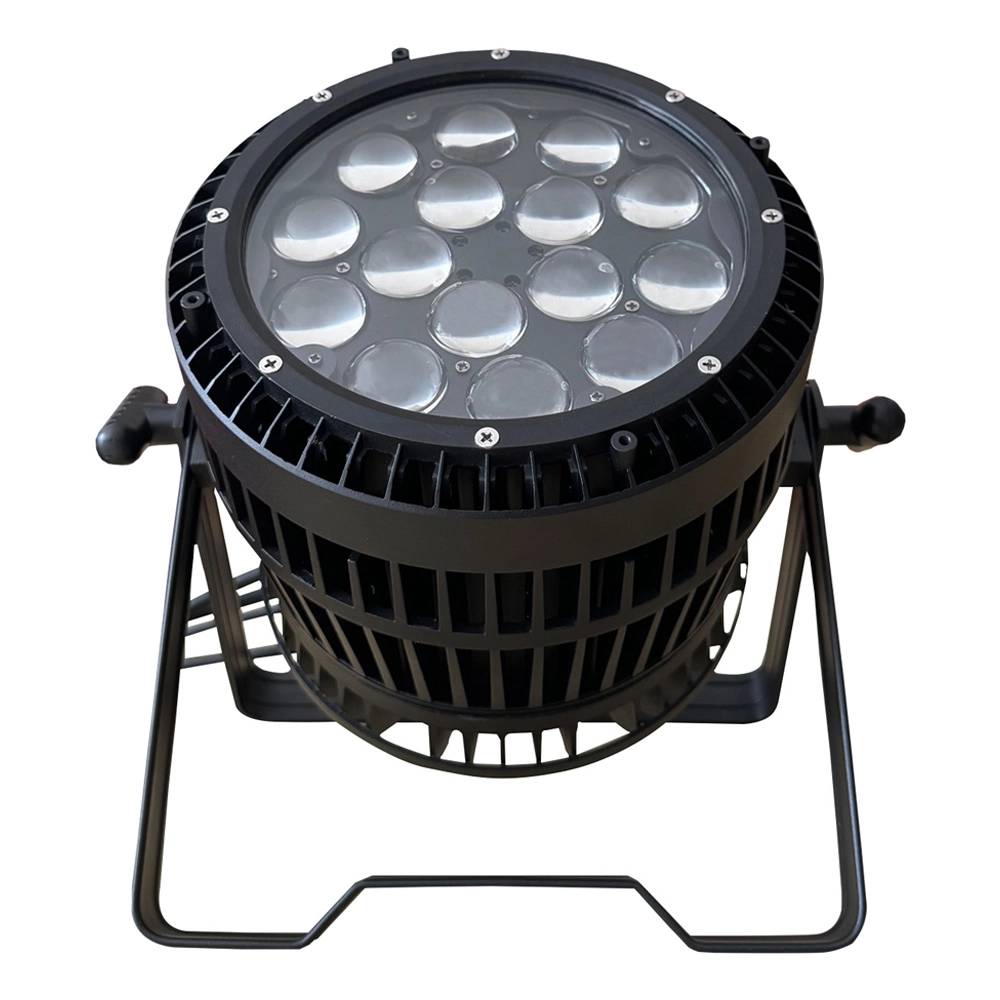
VANRAY LED Par Zoom Wash LP-1515Z 15pcs 15W RGBW Waterproof LED Par Light
Introducing the VANRAY LED Par Zoom Wash LP-1515Z, featuring 15pcs of 15W RGBW waterproof LEDs. This versatile LED wash light par is perfect for vibrant lighting effects, both indoors and outdoors. The precision of our led par zoom wash ensures an exceptional performance, enhancing any event with vivid color dynamics.
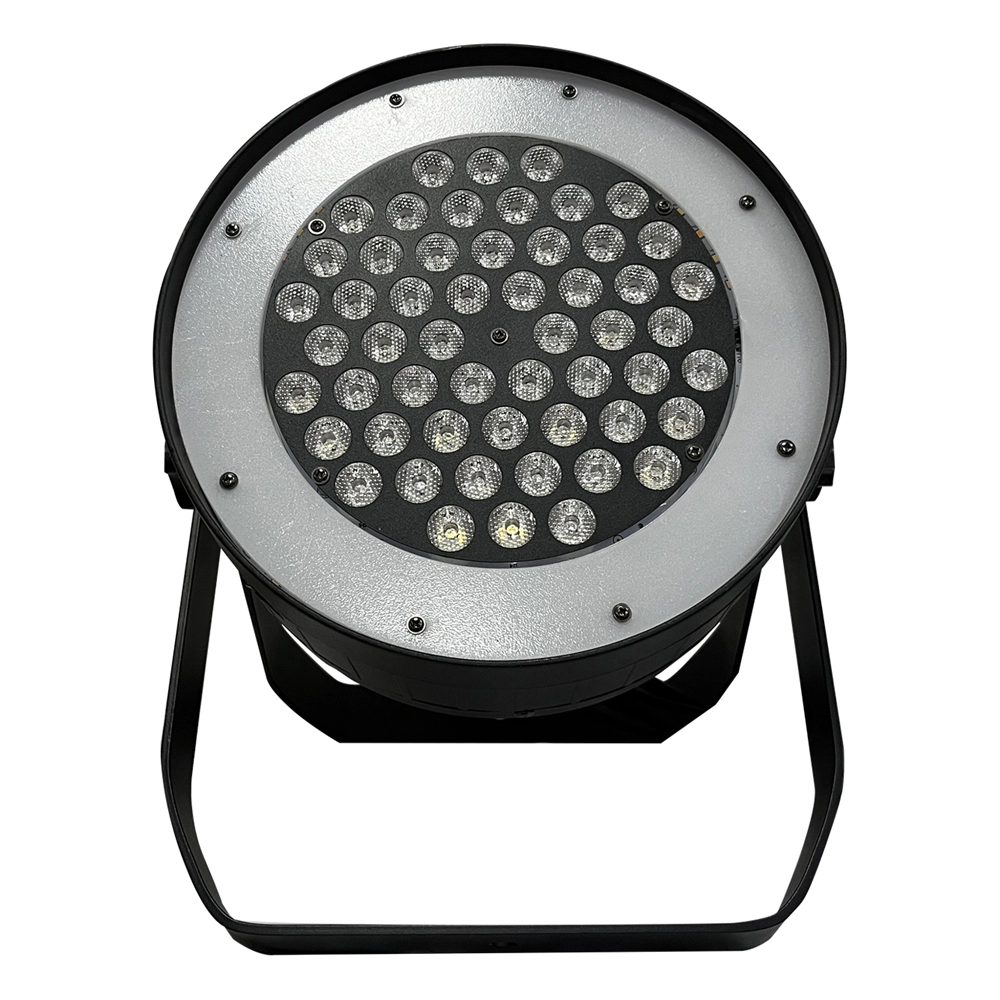
VANRAY Theater LED Par Can Lights LP-350SJL 350W White LED Par Can Lights
Introducing the VANRAY Theater LED Par Can Lights LP-350SJL, featuring an impressive 350W white LED. Ideal for stage lighting, these LED Par Can Lights deliver superior brightness and versatility. Enhance your theater productions with our cutting-edge lighting solutions. Trust Vanray for exceptional performance in LED stage lights.
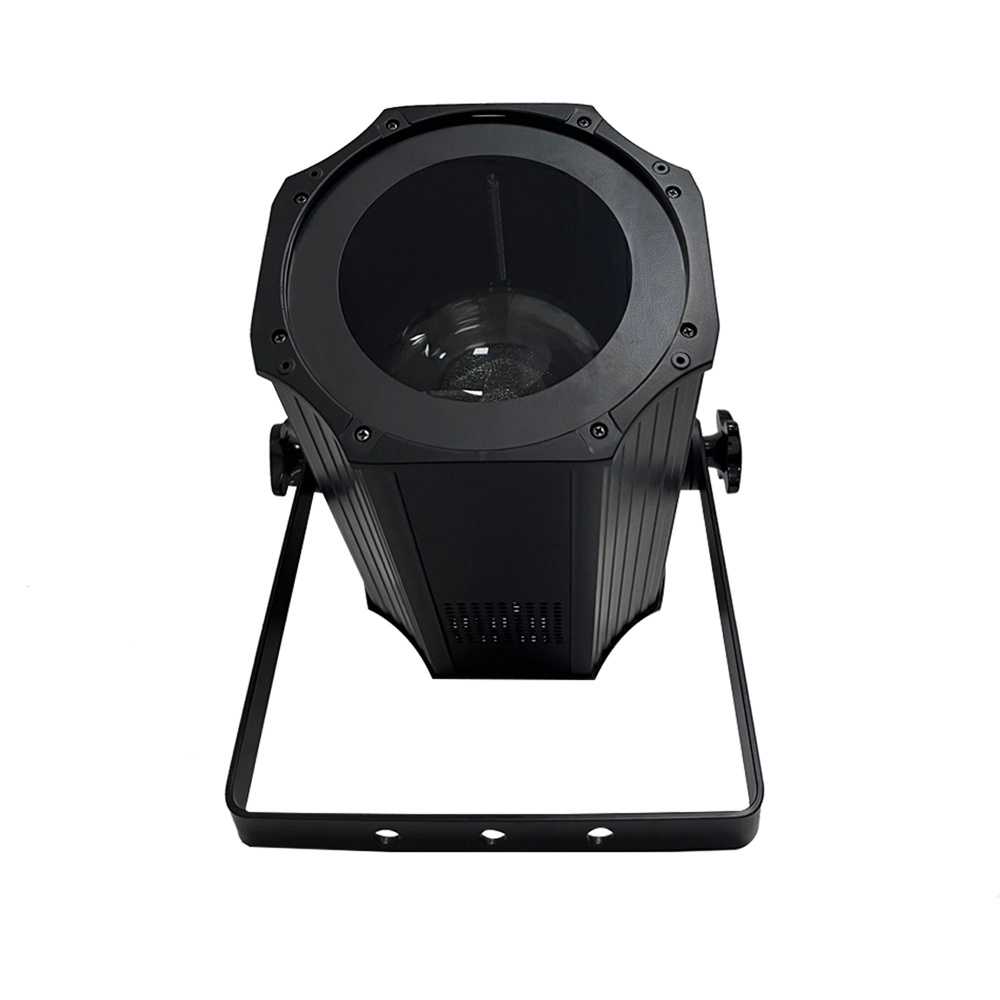
VANRAY LED Par Light Stage LP-200ZC RGBW LED Par Light Suppliers
Introducing the VANRAY LC-200ZC RGBW LED Par Light, a premium solution for vibrant stage lighting. This versatile par LED light ensures dynamic color effects, perfect for events and performances. As leading LED flat-par light suppliers, Vanray guarantees exceptional quality and performance. Illuminate your stage today with Vanray's innovative lighting technology.
As a leading Stage Lighting Manufacturer from China, VANRAY Lighting delivers a comprehensive suite of services including innovative R&D, precision production, and professional integration.
Built on decades of technical expertise, we are defined by our commitment to quality and service perfection. From theaters to grand-scale events, VANRAY is the trusted choice for reliable lighting solutions across the global entertainment and architectural sectors.
Copyright © 2025 VANRAY. All Rights Reserved.

Instagram
YouTube
Facebook