










Setting Up Wireless Control for Moving Head Lights
- Wireless Control Essentials for Moving Head Fixtures
- Why wireless control matters for stage moving head light systems (stage moving head light)
- Choose the right wireless protocol for your moving head light fixtures (buy stage moving head light, wireless DMX transmitter)
- RF planning and interference mitigation for reliable moving head light control (stage moving head light fixtures)
- Addressing, universes, and channel mapping for moving head light networks (wireless DMX transmitter, stage moving head light)
- Practical hardware checklist before going on air with wireless moving head light rigs (buy stage moving head light, wireless DMX transmitter)
- Testing, commissioning, and on‑venue checks for moving head light installations (stage moving head light fixtures)
- Redundancy and failure modes — keep the show running (stage moving head light, wireless DMX)
- Firmware, security, and operational policies for wireless control (stage moving head light fixtures)
- Comparing wireless products and selecting moving head light models (buy stage moving head light)
- VANRAY Lighting — solutions for wireless stage moving head light control
- Final checklist before showtime for moving head light wireless setups (stage moving head light)
- Frequently Asked Questions (FAQs)
- 1. Can I run all my stage moving head light fixtures wirelessly?
- 2. Which wireless protocol gives the lowest latency for moving head lights?
- 3. Is it safe to use wireless DMX in stadiums and outdoor concerts?
- 4. Can RDM be used over wireless DMX links to configure moving head light fixtures?
- 5. What are the best practices for antenna placement for moving head light wireless control?
- 6. How many universes can a single wireless transmitter handle?
- Contact VANRAY or view products
- References
Wireless Control Essentials for Moving Head Fixtures
Why wireless control matters for stage moving head light systems (stage moving head light)
Wireless DMX and network control transform rigging speed, reduce cable clutter, and enable flexible fixture placement for concert stages, theaters, and corporate events. For anyone responsible for stage moving head light installations, understanding the different wireless transport options, RF behaviors, addressing methods, and best practices is essential to deliver consistent on‑stage results and comply with safety and spectrum regulations.
Choose the right wireless protocol for your moving head light fixtures (buy stage moving head light, wireless DMX transmitter)
There are three broad approaches to wireless control used in professional lighting: proprietary RF DMX (e.g., LumenRadio CRMX), licensed‑style systems (e.g., W‑DMX), and IP‑over‑WiFi solutions (Art‑Net/sACN over WiFi). Your choice depends on range needs, latency tolerance, reliability expectations, and the type of moving head light fixtures you deploy.
| Protocol | Frequency | Typical Range | Latency | Best for | Source |
|---|---|---|---|---|---|
| CRMX (LumenRadio) | 2.4 GHz / 5 GHz (variants) | 100 m+ LOS (variable) | ~1–3 ms | Live touring, high channel counts, low latency | LumenRadio CRMX |
| W‑DMX (Wireless Solutions) | 2.4 GHz / 5 GHz | 50–200 m LOS | ~2–5 ms | Robust point‑to‑point/multi‑point DMX | Wireless Solutions (W‑DMX) |
| Art‑Net / sACN over WiFi | 2.4 GHz / 5 GHz (WiFi) | Dependent on AP placement; typically shorter for dense stages | Variable; typically higher jitter than RF DMX | Distributed network control, remote consoles, non‑mission‑critical installs | Artistic Licence (Art‑Net) |
Sources and access dates for the above are included in the References section. Use the table to weigh which method aligns with your risk tolerance: touring rigs usually prefer CRMX or W‑DMX; fixed installations can leverage sACN Art‑Net over a managed wired backbone with local WiFi as needed.
RF planning and interference mitigation for reliable moving head light control (stage moving head light fixtures)
Wireless reliability begins with RF planning. Key factors include line‑of‑sight, antenna placement, channel selection, and avoiding crowded bands. 2.4 GHz is ubiquitous (WiFi, Bluetooth) and more prone to interference; 5 GHz offers more channels but shorter obstacle penetration. Follow these steps:
- Survey the site with an RF analyzer or spectrum tool during a busy time to identify WiFi and other transmissions.
- Place transmitters centrally and as high as safely possible. Elevating antennas reduces multipath and obstructions for stage moving head light control.
- Use diversity or multiple antennas to improve reception in dynamic venues.
- Configure fixed channels for proprietary systems where possible; lock transmitters/receivers to prevent automatic hopping into noisy channels.
- Limit the number of active wireless devices in the same area; consider wired DMX for the most critical fixtures and wireless as supplemental control.
Also be aware of local spectrum regulations (e.g., FCC rules in the U.S.) when choosing transmit power and frequencies.
Addressing, universes, and channel mapping for moving head light networks (wireless DMX transmitter, stage moving head light)
Moving head lights frequently require many DMX channels per fixture (e.g., 16–60+). Wireless links do not change DMX512's universe size—one universe is 512 channels—so plan universes and wireless transmitters accordingly.
- Audit channel usage per fixture (16/24/32/ or manufacturer‑specified modes) and compute total channels/fixtures to determine the number of universes required.
- Map fixtures in the lighting console to match physical addressing set on the fixtures. Use the console to assign start addresses and verify on the fixture display or through RDM when supported.
- For wireless bridges, keep each DMX universe on its own transmitter/receiver pair or a device explicitly supporting multiple universes to reduce packet collision and congestion.
- Consider RDM (Remote Device Management) over wireless only if the chosen wireless protocol reliably supports RDM tunneling; otherwise perform addressing and firmware updates via wired DMX or local service mode.
Practical hardware checklist before going on air with wireless moving head light rigs (buy stage moving head light, wireless DMX transmitter)
Prepare the following items to minimize on‑site surprises:
- Wireless transmitter(s) with diversity antennas and compatible receivers for each receiver group.
- Spare antennas, spare receivers, and spare power supplies (redundancy matters).
- DMX terminators and a small selection of robust DMX cables for fallback wired links.
- RF analyzer or WiFi spectrum tool (apps can help but dedicated analyzers are better for busy venues).
- Console presets and labelled channel sheets that include wireless universe assignments.
- Documentation: fixture channel charts, firmware versions, and a troubleshooting checklist.
Testing, commissioning, and on‑venue checks for moving head light installations (stage moving head light fixtures)
Testing is non‑negotiable. A single quick walk test often misses intermittent RF issues. Follow a staged commissioning procedure:
- Verify wired DMX chain and fixture operation (sanity check) before enabling wireless.
- Activate wireless in a controlled mode and confirm LED indicators for link quality.
- Run a slow motion test across pan/tilt and color/gobo channels for every fixture; look for latency, dropouts, or jitter.
- Stress test by running simultaneous high‑channel updates (intensity + movement) to see if packet loss occurs under load.
- Record link statistics where available (packet loss percentage, retransmits). Any persistent non‑zero loss under normal conditions warrants investigating antenna placement or moving to a different frequency.
Redundancy and failure modes — keep the show running (stage moving head light, wireless DMX)
Plan for failure. Common strategies used by experienced lighting professionals include:
- Wired fallback: run a backup DMX cable to a subset of essential fixtures or to a stage box so that mission‑critical lights can be controlled if wireless fails.
- Dual transmitters: some setups use two transmitters on separate physical channels with receivers that can switch or be hot‑swapped.
- Local hard presets: configure fixture local scenes so that loss of wireless control drops fixtures to a safe and acceptable state (e.g., static wash or blackout).
- Monitoring: use management tools that report signal quality in real time so you detect degrading links before total failure.
Firmware, security, and operational policies for wireless control (stage moving head light fixtures)
Keep all devices updated to supported firmware to benefit from bug fixes, security patches, and improved RF algorithms. For security:
- Lock access to transmitters/receivers with passwords where the vendor supports it.
- Use network segmentation for Art‑Net/sACN traffic—dedicated VLANs and managed switches reduce the chance of collisions with other traffic.
- Document change control procedures so console operators cannot inadvertently change wireless channels or transmitter settings that were RF‑validated by the system engineer.
Comparing wireless products and selecting moving head light models (buy stage moving head light)
When purchasing moving head lights or wireless systems, evaluate:
- Manufacturer support and warranty for touring conditions.
- Fixture channel mode options to limit DMX footprint where universe count is a constraint.
- Whether the fixture supports RDM and safe firmware update procedures (wired recommended for firmware updates).
- Third‑party wireless compatibility—some fixtures ship with built‑in wireless receivers from LumenRadio or other vendors.
VANRAY Lighting — solutions for wireless stage moving head light control
VANRAY Lighting is dedicated to becoming a leading global lighting solutions provider. With over ten years of industry experience, VANRAY offers efficient and customized lighting products tailored for stage, film, television, and landscape applications. Their product portfolio includes moving head lights, LED PAR lights, LED profile spotlights, fresnel spotlights, and floodlights, with support for OEM and ODM services.
Key VANRAY advantages for production managers and rental houses:
- Product reliability: VANRAY emphasizes durable design and quality control supported by CE, RoHS, and ISO certifications.
- Technical capacity: an experienced R&D team and an 8000+ sqm manufacturing facility enable rapid iteration, custom modes (DMX channel profiles), and consistent product availability.
- Application breadth: products are specified for concert stages, theaters, cultural projects, and outdoor events, which means compatibility with common rigging and control workflows.
- Support and services: VANRAY provides pre‑sales and after‑sales support and can assist with fixture channel modes and configuration recommendations for wireless deployments.
VANRAY’s moving head lights and supporting fixtures (LED PAR lights, LED profile spotlights, and floodlights) are engineered for competitive price‑performance, making them suitable for rental fleets and fixed installs. If you need fixtures that integrate into a wireless DMX ecosystem or require custom firmware/channel modes for specific wireless topologies, VANRAY’s OEM/ODM services can be a deciding factor.
Final checklist before showtime for moving head light wireless setups (stage moving head light)
Before curtain up, confirm:
- All transmitters/receivers show stable link quality and are locked to the intended channels.
- Console universe assignments match transmitter output universes and fixture addressing.
- Redundancy options are in place and verified (backup cables, hot spares).
- Powering is robust: UPS for key network/signal gear where necessary.
- Documentation handed to stage management with basic recovery steps for wireless issues.
Frequently Asked Questions (FAQs)
1. Can I run all my stage moving head light fixtures wirelessly?
Technically yes, but it's not always advisable. High‑channel fixtures and large rigs can require many universes; wireless capacity, latency, and spectrum congestion should be evaluated. Hybrid approaches (wired backbone with wireless endpoints) are common in professional setups.
2. Which wireless protocol gives the lowest latency for moving head lights?
Proprietary RF DMX systems like LumenRadio CRMX and W‑DMX are designed for low latency (often 1–5 ms). Art‑Net/sACN over WiFi can be acceptable but generally has higher and more variable latency and jitter, depending on network management.
3. Is it safe to use wireless DMX in stadiums and outdoor concerts?
Yes, if you choose the right equipment, perform RF planning, and comply with local regulations (e.g., transmitter power and permitted frequency bands). Outdoors has fewer multipath issues but may require higher transmit power (within legal limits) or directional antennas.
4. Can RDM be used over wireless DMX links to configure moving head light fixtures?
Some wireless systems support RDM tunneling, but reliability varies. For critical configuration and firmware updates, wired RDM is recommended to avoid interrupted or corrupted transactions.
5. What are the best practices for antenna placement for moving head light wireless control?
Place antennas high, centrally, and in clear line‑of‑sight where possible. Use diversity antennas, avoid pointing antennas directly at large metal obstructions, and test orientation during setup. Consider multiple receivers/antennas to create better coverage across the stage.
6. How many universes can a single wireless transmitter handle?
That depends on the device. Some professional transmitters support multiple universes (2–8+), while others are single‑universe. Check vendor specifications and account for bandwidth: many universes with heavy update rates increase RF load and potential for packet loss.
Contact VANRAY or view products
If you are planning a new installation, fleet upgrade, or need custom moving head light configurations for wireless control, contact VANRAY Lighting for product details, OEM/ODM inquiries, and technical support. Visit VANRAY’s product pages for moving head lights, LED PAR lights, LED profile spotlights, and floodlights, or request a consultation to determine the optimal wireless strategy for your venue.
References
- LumenRadio CRMX product and whitepapers — https://www.lumenradio.com/crmx/ (accessed 2025‑11‑01)
- Wireless Solutions (W‑DMX) product information — https://wireless-solutions.se/ (accessed 2025‑11‑01)
- Art‑Net information — Artistic Licence — https://artisticlicence.com/ (accessed 2025‑11‑01)
- ANSI E1.11 (DMX512) and E1.31 (sACN) references — ESTA Technical Standards Program — https://tsp.esta.org/ (accessed 2025‑11‑01)
- FCC guidance on unlicensed wireless devices and Part 15 rules — https://www.fcc.gov/ (accessed 2025‑11‑01)
- RDM (E1.20) standard summary — PLASA/ESTA — https://tsp.esta.org/ (accessed 2025‑11‑01)
Wholesale linear led wall washer manufacturer and supplier
The light moving head Cost Guide
Top pro light par led Manufacturers and Suppliers
What are the application scenarios of led moving head?
About After Sales
What should I do if there are problems when using the product?
If you encounter any problems when using the stage lighting products, please contact our customer service team in time, and we will wholeheartedly provide you with technical support and solutions.
About Company
How long has your company been established?
Our company has been established since 2013.
About Customized Services
How long does customized service take?
The time for customized services depends on your specific needs and order volume. Generally speaking, normally 2-3 days, we will provide you with customized solutions as soon as possible.
About Logistics
How long does logistics delivery take?
Shipping times depend on your location and the shipping method you choose
1. 5-7 days by express
2. 20–25 days by sea shipping.
3. 15 days by air shipping.
About Product
Can you accept the sample order?
Yes, we can. The sample order for trial is acceptable.
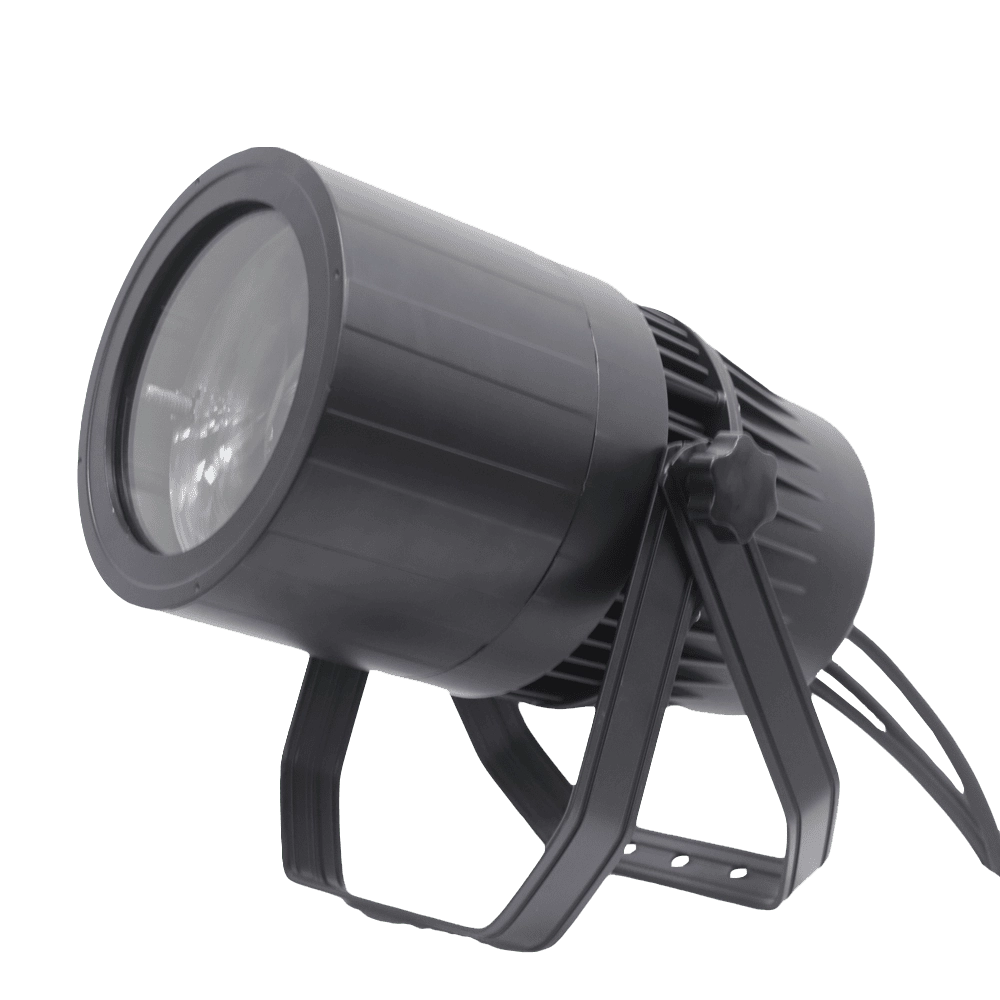
VANRAY Waterproof LED Par Light LP-200Z 200W Zoom Par Light
Introducing the VANRAY Waterproof LED Par Light LP-200Z, a 200W Zoom Par Light engineered for professional performance. Designed by Vanray, this advanced LED PAR light ensures waterproof durability, making it ideal for diverse environments. Elevate your lighting setup with optimum brightness and versatile zoom capabilities. A perfect choice for professional LED PAR light applications.
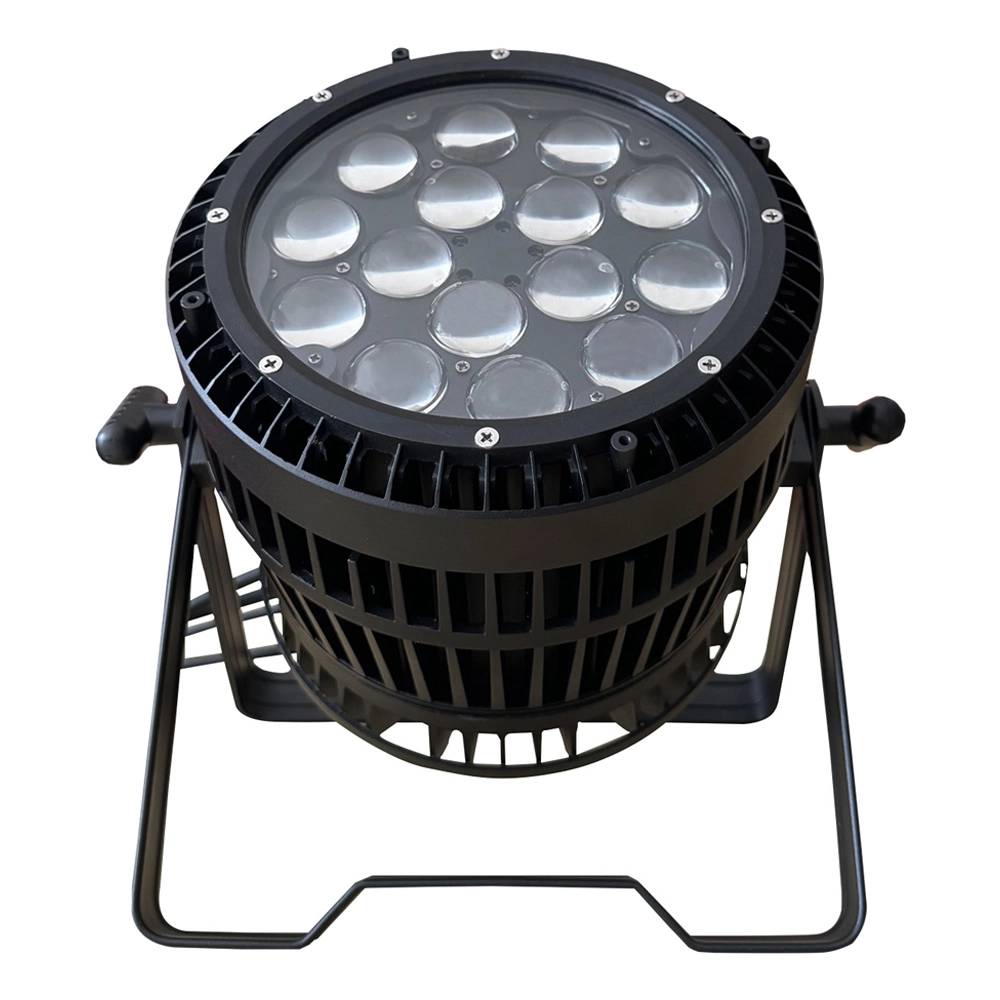
VANRAY LED Par Zoom Wash LP-1515Z 15pcs 15W RGBW Waterproof LED Par Light
Introducing the VANRAY LED Par Zoom Wash LP-1515Z, featuring 15pcs of 15W RGBW waterproof LEDs. This versatile LED wash light par is perfect for vibrant lighting effects, both indoors and outdoors. The precision of our led par zoom wash ensures an exceptional performance, enhancing any event with vivid color dynamics.
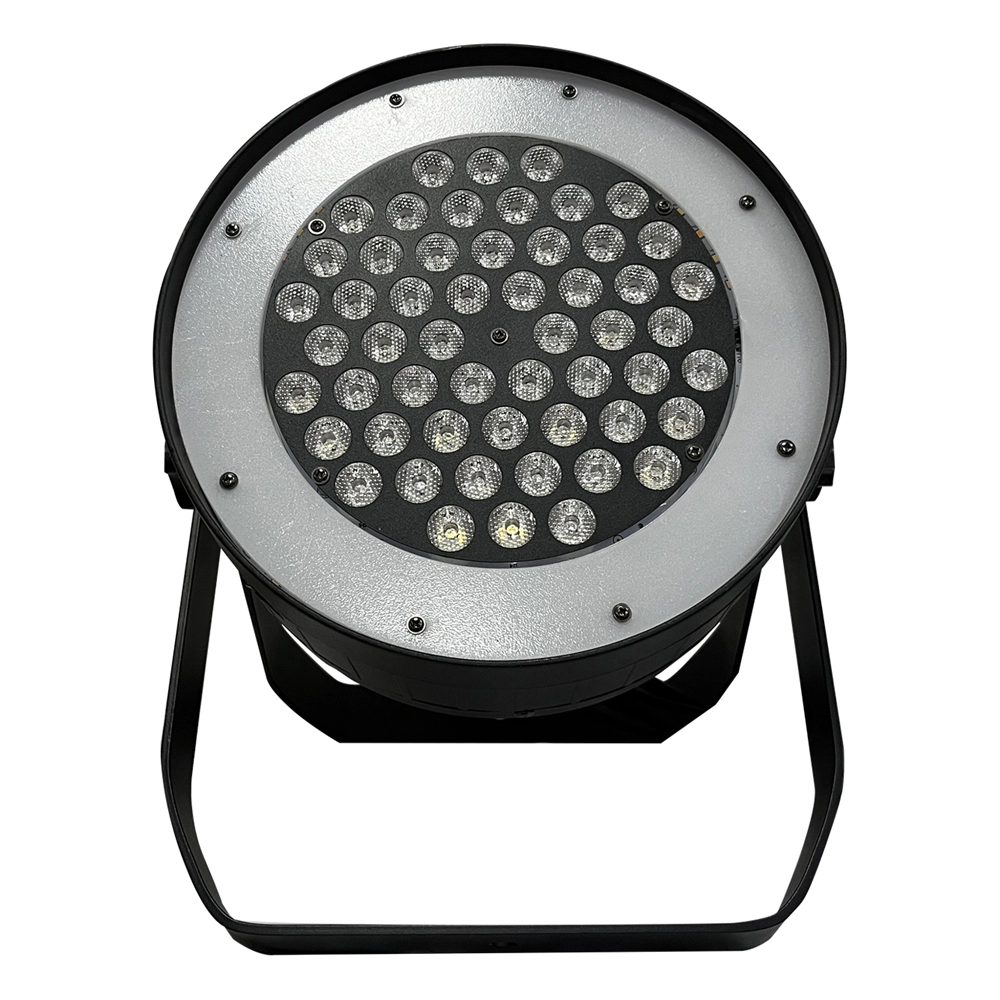
VANRAY Theater LED Par Can Lights LP-350SJL 350W White LED Par Can Lights
Introducing the VANRAY Theater LED Par Can Lights LP-350SJL, featuring an impressive 350W white LED. Ideal for stage lighting, these LED Par Can Lights deliver superior brightness and versatility. Enhance your theater productions with our cutting-edge lighting solutions. Trust Vanray for exceptional performance in LED stage lights.
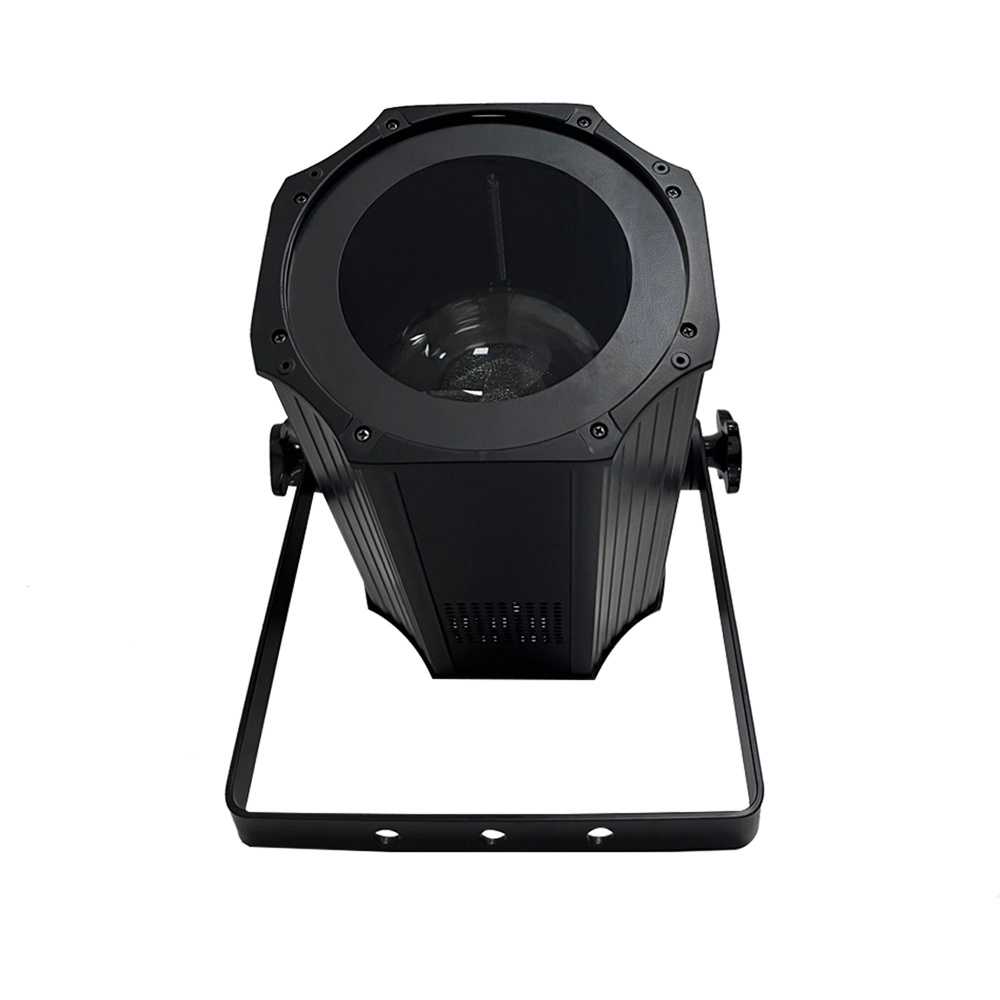
VANRAY LED Par Light Stage LP-200ZC RGBW LED Par Light Suppliers
Introducing the VANRAY LC-200ZC RGBW LED Par Light, a premium solution for vibrant stage lighting. This versatile par LED light ensures dynamic color effects, perfect for events and performances. As leading LED flat-par light suppliers, Vanray guarantees exceptional quality and performance. Illuminate your stage today with Vanray's innovative lighting technology.
As a leading Stage Lighting Manufacturer from China, VANRAY Lighting delivers a comprehensive suite of services including innovative R&D, precision production, and professional integration.
Built on decades of technical expertise, we are defined by our commitment to quality and service perfection. From theaters to grand-scale events, VANRAY is the trusted choice for reliable lighting solutions across the global entertainment and architectural sectors.
Copyright © 2025 VANRAY. All Rights Reserved.

Instagram
YouTube
Facebook