










Rigging and Safety Tips for Moving Head Light Installations
- Practical Rigging Essentials for Stage Lighting
- What a stage moving head light is — and why rigging matters
- Pre-installation planning and load calculations for stage moving head light arrays
- Choosing rigging hardware: clamps, shackles, slings and safety cables for stage moving head light installs
- Practical hardware capacity examples for stage moving head light loads
- Truss and structure considerations for stage moving head light deployments
- Span and resonance considerations
- Electrical power and data best practices for stage moving head light systems
- Inspection, testing and maintenance schedule for stage moving head light rigs
- On-site safety procedures and operational controls for stage moving head light shows
- Communication and crew roles
- Common failure modes and how to prevent them with stage moving head light rigs
- VANRAY — ensuring reliable stage moving head light solutions
- FAQs — Rigging and Safety for Moving Head Light Installations
- 1. What is the minimum safety factor I should use for hanging a stage moving head light?
- 2. Do I need a secondary safety cable for each moving head light?
- 3. How should I manage power for large moving head light rigs to avoid tripping breakers?
- 4. Who should perform rigging inspections and certifications?
- 5. What are the key things to check during a pre-show rigging inspection?
- 6. Are LED moving head lights safer to rig than discharge lamp models?
- Contact — Get help specifying and sourcing moving head lights
- References
Practical Rigging Essentials for Stage Lighting
What a stage moving head light is — and why rigging matters
A stage moving head light is a motorized intelligent fixture that combines a lamp or LED engine, pan/tilt mechanics, optics and control electronics into a compact unit capable of dynamic beam movement. Proper rigging of stage moving head light fixtures is essential because these units are suspended overhead in proximity to performers and audiences; incorrect rigging can cause glancing impacts, structural overload, electrical faults or fire hazards. This guide translates industry practice into actionable steps for planners, riggers and production managers.
Pre-installation planning and load calculations for stage moving head light arrays
Before any physical rigging work, develop a rigging plot and weight schedule listing each stage moving head light by model, weight, center of gravity (COG) point relative to its yoke, and electrical draw. Key planning steps:
- Collect manufacturer technical data sheets for each fixture model (weight, dimensions, power inrush, mounting point and COG).
- Calculate total point loads and distributed loads on truss segments; include ancillary items (cable bundles, clamps, safety cables).
- Apply an appropriate safety factor and redundancy strategy. Industry practice typically uses conservative safety margins and redundant attachments for overhead loads—consult manufacturer and local codes. When reporting WLL (Working Load Limits), never rely on approximations; use hardware stamped ratings or certified test data.
- Include dynamic factors: moving head lights contribute dynamic loading as they pan/tilt; plan for movement-induced forces, cable sway and potential shock loads during show operation.
Example quick calculation (illustrative): if three identical stage moving head light fixtures weigh 20 kg each and are hung from one truss node, basic static load = 60 kg. With a conservative 10:1 design safety factor often used in entertainment rigging practice, design capacity for that node should be >= 600 kg rated hardware. This example is for illustration — always validate with certified rigging calculations and manufacturer guidance.
Choosing rigging hardware: clamps, shackles, slings and safety cables for stage moving head light installs
Hardware selection must be based on rated WLL, compatibility with truss profiles, and ease of inspection. Use only rigging gear certified to relevant standards and clearly marked with capacity. Key hardware types used for stage moving head light installations include truss clamps, M10/M12 forged shackles, safety cables (steel or rated braided), and rated slings for lifts.
| Hardware | Best use for stage moving head light | Typical benefits | Inspection focus |
|---|---|---|---|
| Truss clamp (actor clamp) | Attaching fixture to truss tube | Compact, low-profile, quick-install | Thread, saddle wear, tightened torque |
| Forged shackle (M10/M12) | Direct suspension points, temporary rigging | High strength, reusable | Deformation, stamping legibility |
| Safety cable | Secondary retention for each fixture | Redundancy, low cost | Frays, corrosion, attachment point integrity |
| Rated steel sling / soft sling | Lifting clusters or balancing loads | Flexibility, load distribution | Abrasions, heat damage, label legibility |
All hardware must be compatible with the truss geometry and the fixture's yoke. Torque truss clamp bolts to manufacturer specifications and use locking devices (nylon locking nuts, safety pins, or lockwire) where required. When in doubt, choose hardware with higher WLL and maintain redundancy.
Practical hardware capacity examples for stage moving head light loads
Below is an illustrative, example table showing how fixture weights translate to recommended minimum WLL per attachment point using a 10:1 design factor. This table is an example only — always validate against actual hardware ratings and local codes.
| Fixture weight (kg) | Static group weight (3 fixtures) (kg) | Design capacity required (10:1) (kg) | Recommended rated hardware per node (kg) |
|---|---|---|---|
| 10 | 30 | 300 | ≥ 300 |
| 20 | 60 | 600 | ≥ 600 |
| 35 | 105 | 1,050 | ≥ 1,100 |
Note: the 10:1 factor is a commonly used conservative starting point in production rigging to account for dynamic loads and to provide redundancy. Always follow manufacturer and venue engineering requirements.
Truss and structure considerations for stage moving head light deployments
Truss configuration, support points and overall structural design determine safe hanging locations. Consider:
- Engineering: For any permanent or semi-permanent installation, obtain structural calculations from a licensed engineer. For touring rigs, rely on certified truss manufacturers' load tables and legible load charts.
- Load distribution: Avoid point-loading too many heavy fixtures on a single node; balance loads across multiple supports to keep bending moments low.
- Clearances: Ensure fixtures have adequate access for maintenance and do not intrude on rigging lines, speaker clusters or HVAC equipment.
- Dynamic clearance: Account for moving head sweep arcs and ensure no collisions in any position across full pan/tilt range.
Span and resonance considerations
Long unsupported truss spans can oscillate. Predict natural frequencies and avoid placing moving head light fixtures at positions that amplify resonant motion. In temporary set-ups, bracing, cross-members or taglines can control dynamic motion.
Electrical power and data best practices for stage moving head light systems
Electrical and data considerations are as important as mechanical rigging for safe operation of stage moving head light fixtures.
- Power distribution: Use stage-rated power distro, calculate continuous current and inrush current for lamp-start fixtures or LED drivers. Provide protection via RCD/MCB per local electrical code.
- Circuiting: Balance loads across phases where three-phase is available. Label and lock circuits to prevent accidental disconnection during performance.
- DMX and network: Use proper DMX terminators, avoid long unlabeled daisy chains, and employ signal boosters or Art-Net/sACN gateways where necessary. Keep power and data cables separated where possible to reduce interference.
- Grounding: Ensure fixtures and dimming circuits are properly grounded; bad grounding can cause noise, control errors and safety hazards.
Tip from practice: power inrush of moving head fixtures (especially those with discharge lamps) can be 2–6x steady-state current. Account for that when specifying breakers and inrush-limiting solutions. LED fixtures tend to have lower inrush but check driver specs.
Inspection, testing and maintenance schedule for stage moving head light rigs
Regular inspection ensures early detection of wear. A practical inspection regime for stage moving head light installations includes:
- Daily pre-show checklist: fixture securement, safety cable routed, power/data connected, visible signs of overheating, lamp/LED status.
- Weekly: torque check on clamps and shackles, check cable strain reliefs, listen for abnormal motor noises, run a function test of pan/tilt and zoom.
- Monthly (or after every tour leg): inspect slings, shackles and clamps for deformation; inspect truss welds and bolts; verify the integrity of labeling and load-rating stampings.
- Annual: full structural inspection by a certified rigger or engineer; certified load testing if required by venue or local regulations.
Maintain a rigging logbook documenting each inspection, who conducted it, date and any corrective actions. This log is critical for liability, insurance and continuity between crews.
On-site safety procedures and operational controls for stage moving head light shows
Safety during installation and operation must be systemic and enforced by documented procedures:
- Permit to work and exclusion zones: Use barricades and signage during rigging and focus work to keep non-essential personnel clear.
- Harness and fall protection: When working at height use appropriate fall arrest systems and anchor points certified for personnel loads, not fixture loads alone.
- Taglines and soft-starting: Use taglines to control swinging fixtures during focusing and follow a soft start for movement during initial power-up to detect faults safely.
- Lockout/tagout: During maintenance ensure power and control lines are de-energized and tagged before servicing moving head light fixtures.
- Emergency stop: Implement clear procedures and easily accessible E-stop controls for automated movement sequences that could endanger people.
Communication and crew roles
Assign a dedicated flyman/rigging supervisor for overhead safety. Use headsets and clear call procedures when moving fixtures into position. Pre-show safety briefings reduce human error.
Common failure modes and how to prevent them with stage moving head light rigs
Understanding common failures helps prioritize preventive action:
- Mechanical wear: motor gears and bearings fail from dust and lack of lubrication — include manufacturer-recommended lubrication intervals.
- Cable fatigue: frequent pan/tilt cycles create cable fatigue near clamps — route and relieve cable stress with proper strain reliefs.
- Overheating: blocked vents or failed fans reduce lifespan; ensure clear airflow and monitor temperature alarms if available.
- Control errors: poor DMX wiring or missing terminators create jittery behavior. Use monitoring tools and RDM where available to query devices remotely.
VANRAY — ensuring reliable stage moving head light solutions
VANRAY Lighting is dedicated to becoming a leading global lighting solutions provider. With over ten years of industry experience, VANRAY offers efficient and customized lighting products for stage, film, television and landscape applications. Our product range includes moving head lights, LED PAR lights, LED profile spotlights, fresnel spotlights and floodlights; we support OEM and ODM services and emphasize product reliability through rigorous R&D.
Why choose VANRAY for stage moving head light applications:
- Product breadth: moving head lights and complementary fixtures (LED PARs, profile spotlights, floodlights) allow uniform specifications across a venue.
- Manufacturing scale & quality: 8000+ sqm facilities and robust R&D resources enable fast iterations and consistent quality control.
- Compliance & certification: VANRAY products hold international certifications such as CE, RoHS and ISO, ensuring compliance with international safety and environmental norms.
- Application focus: Proven usage across concert stages, theatres, cultural projects and outdoor events; emphasis on high-performance optics and long-term reliability.
VANRAY’s competitive advantages include responsiveness to custom requirements, mature supply chain control, and engineering depth to support integration into complex stage moving head light installations. For projects that need consistent performance, reliable after-sales support and certified components, VANRAY is positioned to provide both fixtures and documentation needed for rigging certification and venue approval.
FAQs — Rigging and Safety for Moving Head Light Installations
1. What is the minimum safety factor I should use for hanging a stage moving head light?
There is no single mandatory value that fits every case; however, many rigging professionals use conservative design safety factors (for example 8:1 to 10:1) for overhead entertainment fixtures to account for dynamic loads and uncertainties. Always verify with the fixture and hardware manufacturer, venue engineering, and applicable local regulations.
2. Do I need a secondary safety cable for each moving head light?
Yes — it is standard best practice to fit an independent secondary safety cable for each suspended fixture. The safety cable should be rated, secured to a separate structural point where possible, and inspected frequently.
3. How should I manage power for large moving head light rigs to avoid tripping breakers?
Balance loads across phases, account for inrush current in circuit design, use dedicated circuits for large lamp fixtures, and consider soft-start or inrush-limiting devices if needed. Label circuits and use RCD/MCBs in accordance with code.
4. Who should perform rigging inspections and certifications?
Inspections should be performed by qualified riggers familiar with entertainment rigging standards. Final certification for permanent installations or complex structures should involve a licensed structural engineer where required by venue or jurisdiction.
5. What are the key things to check during a pre-show rigging inspection?
Verify fixture attachment (clamps, shackles), presence and routing of safety cables, secure power and data connections, no contact with neighboring gear across movement arcs, and run a short movement test to detect abnormal noise or movement.
6. Are LED moving head lights safer to rig than discharge lamp models?
LED fixtures usually have lower power draw and less heat, reducing some electrical and thermal risks. However, they still require correct mechanical attachment, proper ventilation and correctly rated power/data cabling. They can also exhibit inrush behavior depending on driver design, so treat specifications seriously.
Contact — Get help specifying and sourcing moving head lights
If you need project support, rigging documentation, or product selection help for stage moving head light systems, contact VANRAY Lighting’s technical sales team. We offer product datasheets, rigging diagrams, OEM/ODM customization and certification support to ensure smooth, code-compliant installations. Visit our product catalog or request a technical consultation to get started.
References
- OSHA — Fall Protection. https://www.osha.gov/fall-protection (accessed 2025-11-30)
- HSE — Work at Height. https://www.hse.gov.uk/work-at-height/index.htm (accessed 2025-11-30)
- ETCP (Entertainment Technician Certification Program) — Rigging resources. https://etcp.plasa.org/ (accessed 2025-11-30)
- ESTA (Entertainment Services and Technology Association) — Technical resources. https://www.esta.org/ (accessed 2025-11-30)
- DMX512 standard reference (E1.11) — ESTA Tech Standards Program. https://tsp.esta.org/tsp/documents/docs/E1-11-2018.pdf (accessed 2025-11-30)
For bespoke rigging plans, always reference fixture-specific technical manuals and venue engineering documents. VANRAY Lighting can provide product-specific data sheets and installation guidance to support your project approvals and safety documentation.
Everything You Need to Know About cob light
Discover High-Performance DJ Moving Head Lights | Vanray
Top moving head dj light Manufacturers and Suppliers
Top static gobo projector Manufacturers and Suppliers
About Customized Services
What kind of customization services can you provide ?
Yes, we can provide personalized, customized services according to your needs and requirements, including the product's color temperature, customized gobos for moving headlights, packaging and private labeling for products, etc. for other requirements, which can be negotiated with our sales team.
Are there any additional charges for customized services?
Customized services may be subject to appropriate customization fees based on your specific requirements.
What is minimum order quantity requirement for customization services?
No MOQ
How long does customized service take?
The time for customized services depends on your specific needs and order volume. Generally speaking, normally 2-3 days, we will provide you with customized solutions as soon as possible.
About Product
Can you accept the sample order?
Yes, we can. The sample order for trial is acceptable.
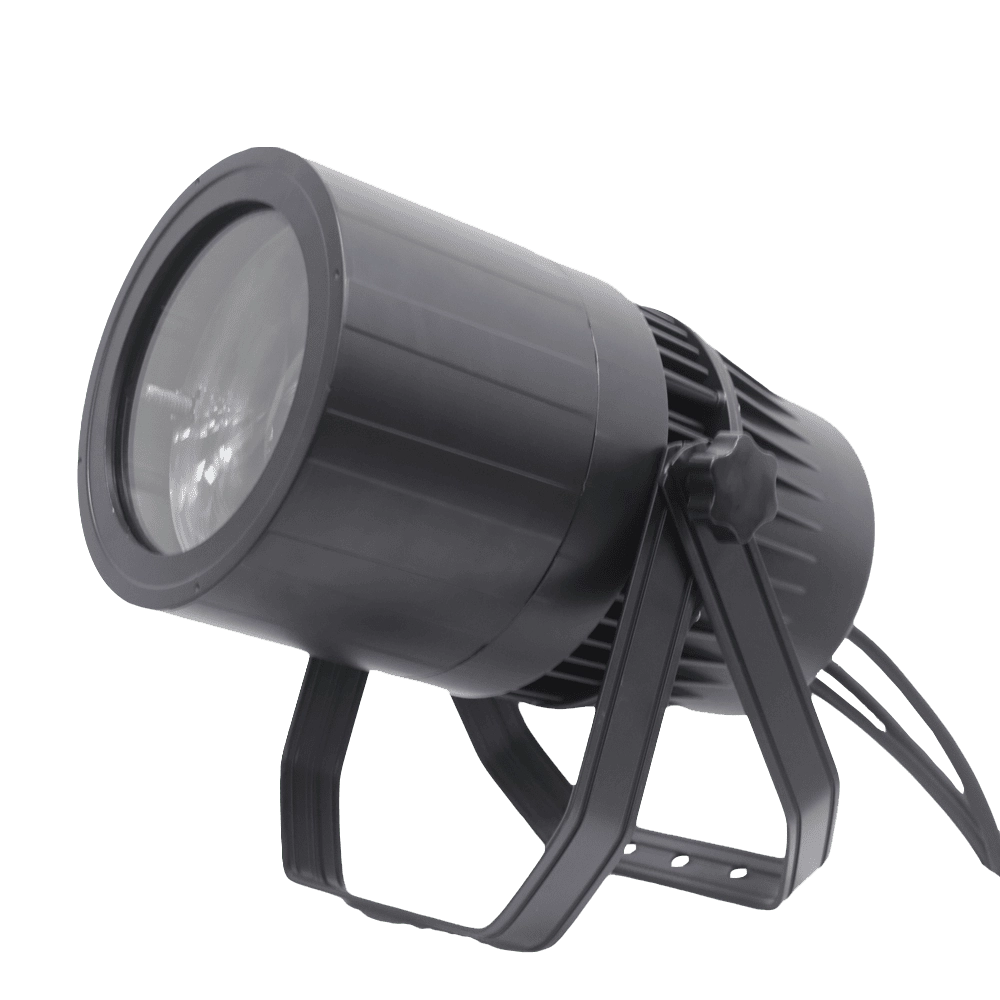
VANRAY Waterproof LED Par Light LP-200Z 200W Zoom Par Light
Introducing the VANRAY Waterproof LED Par Light LP-200Z, a 200W Zoom Par Light engineered for professional performance. Designed by Vanray, this advanced LED PAR light ensures waterproof durability, making it ideal for diverse environments. Elevate your lighting setup with optimum brightness and versatile zoom capabilities. A perfect choice for professional LED PAR light applications.
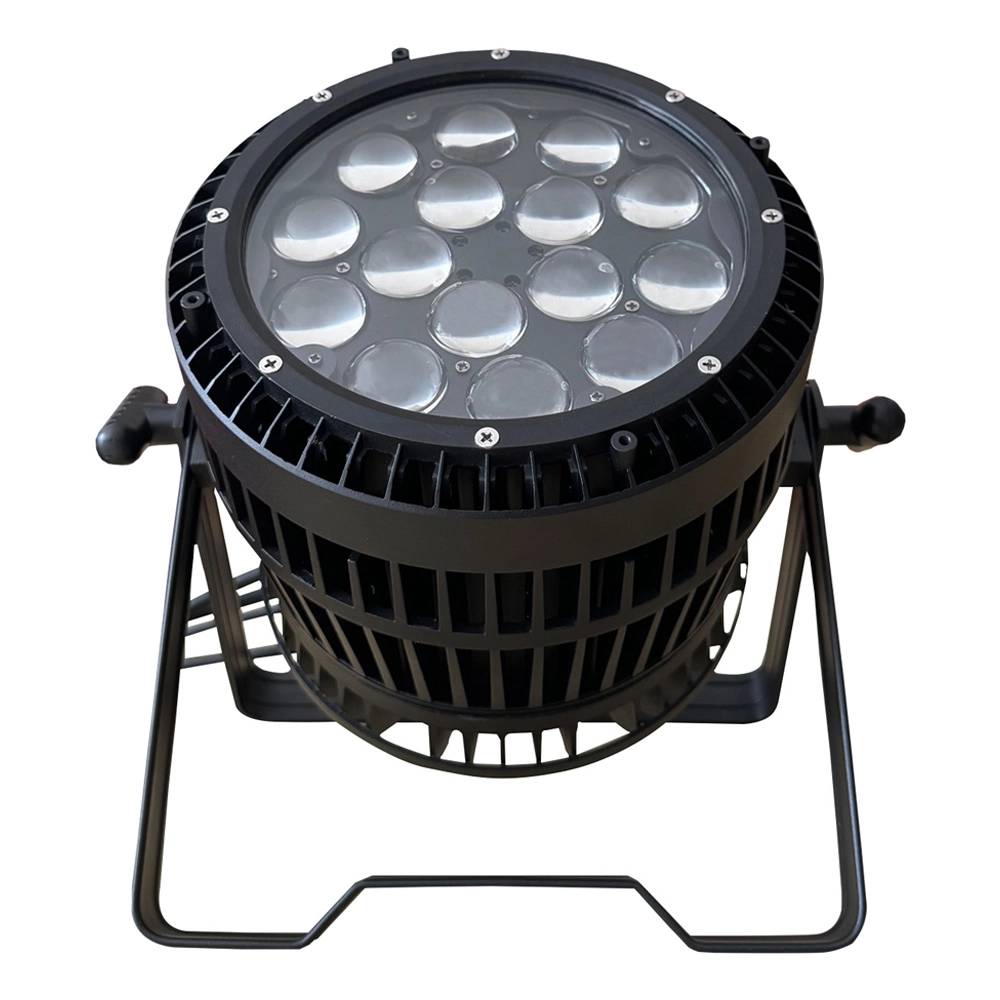
VANRAY LED Par Zoom Wash LP-1515Z 15pcs 15W RGBW Waterproof LED Par Light
Introducing the VANRAY LED Par Zoom Wash LP-1515Z, featuring 15pcs of 15W RGBW waterproof LEDs. This versatile LED wash light par is perfect for vibrant lighting effects, both indoors and outdoors. The precision of our led par zoom wash ensures an exceptional performance, enhancing any event with vivid color dynamics.
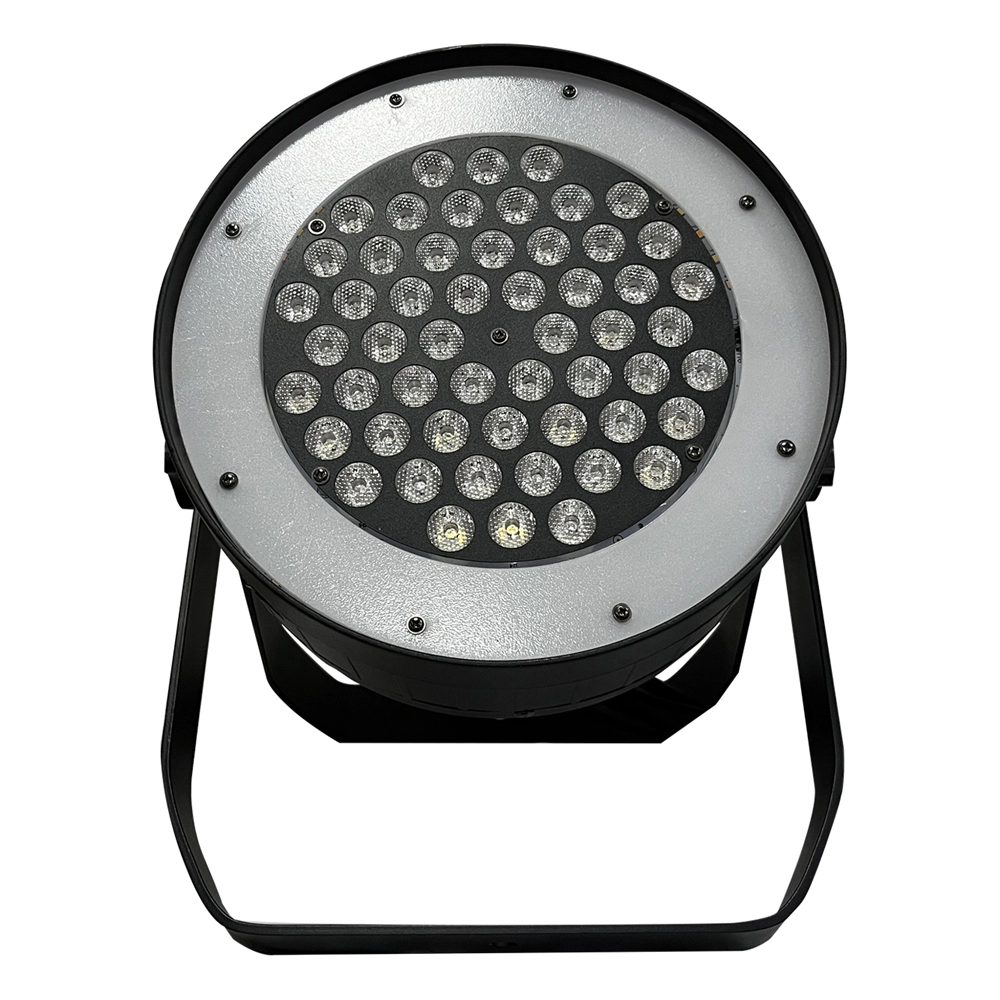
VANRAY Theater LED Par Can Lights LP-350SJL 350W White LED Par Can Lights
Introducing the VANRAY Theater LED Par Can Lights LP-350SJL, featuring an impressive 350W white LED. Ideal for stage lighting, these LED Par Can Lights deliver superior brightness and versatility. Enhance your theater productions with our cutting-edge lighting solutions. Trust Vanray for exceptional performance in LED stage lights.
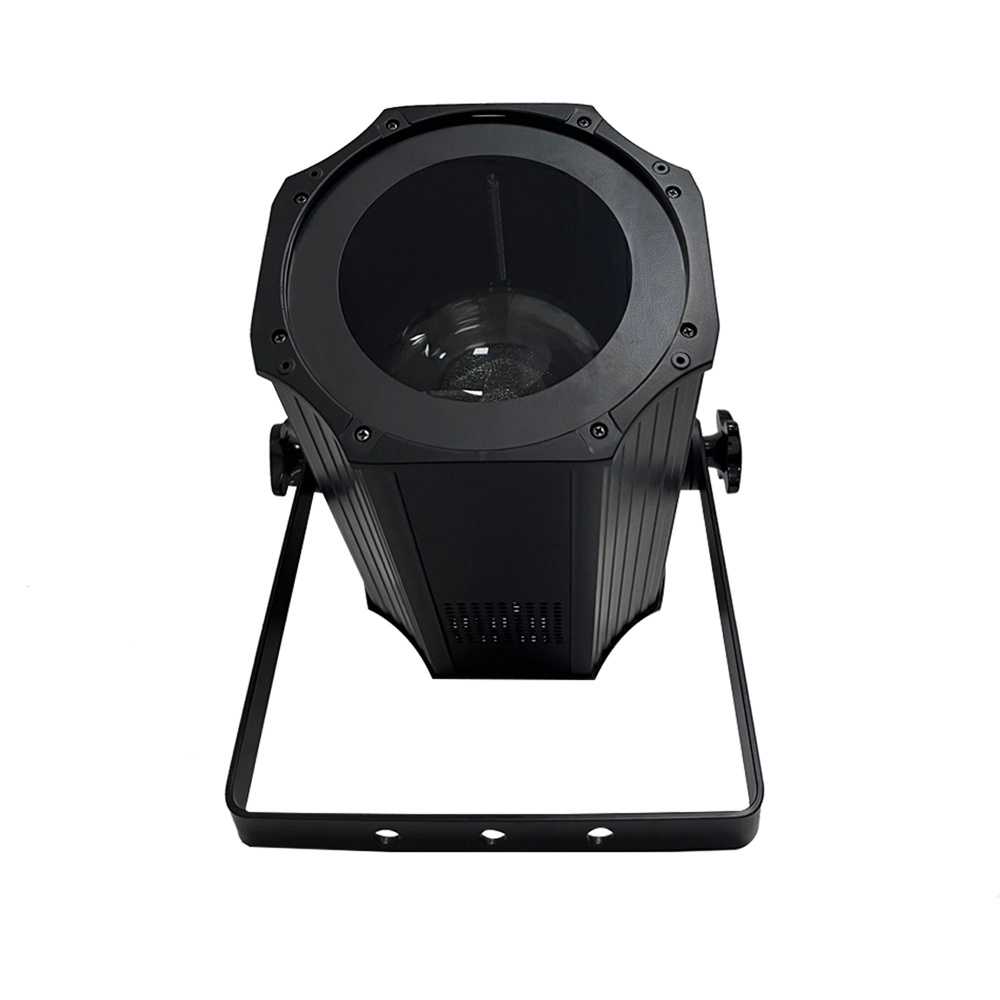
VANRAY LED Par Light Stage LP-200ZC RGBW LED Par Light Suppliers
Introducing the VANRAY LC-200ZC RGBW LED Par Light, a premium solution for vibrant stage lighting. This versatile par LED light ensures dynamic color effects, perfect for events and performances. As leading LED flat-par light suppliers, Vanray guarantees exceptional quality and performance. Illuminate your stage today with Vanray's innovative lighting technology.
As a leading Stage Lighting Manufacturer from China, VANRAY Lighting delivers a comprehensive suite of services including innovative R&D, precision production, and professional integration.
Built on decades of technical expertise, we are defined by our commitment to quality and service perfection. From theaters to grand-scale events, VANRAY is the trusted choice for reliable lighting solutions across the global entertainment and architectural sectors.
Copyright © 2025 VANRAY. All Rights Reserved.

Instagram
YouTube
Facebook