










Optimizing Beam Angle and Throw for Moving Head Lights
- Maximizing Light Output: Beam & Throw Fundamentals for Performance Lighting
- Understanding the basics of a stage moving head light
- Why beam angle and throw matter for stage moving head light selection
- Photometric formula every lighting designer uses
- Choosing between spot, beam, and wash on stage with a stage moving head light
- How beam type affects creative and practical results
- Practical calculations and a throw-distance table for specification
- Compute beam diameters for common beam angles
- Design workflow: from venue survey to final focus using a stage moving head light
- Step-by-step practical checklist
- Intensity and perceived brightness: the trade-off between beam angle and candela
- Understanding intensity versus flux
- Optical controls and accessories to refine beam and throw for stage moving head light
- Tools and features to shape output
- Previs, photometrics and measurement: quantifying your design
- Use IES/LDT files, lux meters and software for predictable outcomes
- Troubleshooting common problems with beam and throw on a stage moving head light
- Solutions to everyday issues
- Comparing fixtures: quick spec checklist for buying stage moving head light
- Key specification fields to compare when buying
- VANRAY Lighting: how a supplier supports beam and throw optimization for professional rigs
- VANRAY Lighting’s capabilities and product relevance for stage moving head light needs
- What makes VANRAY competitive for beam & throw requirements
- Final recommendations and best-practice checklist for riggers and LDs using stage moving head light
- Actionable, field-tested tips
- FAQ — Common questions about beam angle and throw for stage moving head light
- 1. How do I calculate the beam diameter of a moving head at my stage height?
- 2. What beam angle should I choose for long-throw aerial effects?
- 3. How do I make a narrow beam look less “hard” on stage?
- 4. Can I rely on manufacturer lux charts for exact show levels?
- 5. Should I choose fixed beam or zoom fixtures for a touring rig?
- 6. How do gobos behave with long throws on moving head lights?
- Contact / Product Inquiry
- References
Maximizing Light Output: Beam & Throw Fundamentals for Performance Lighting
Understanding the basics of a stage moving head light
A stage moving head light is a versatile intelligent fixture used in concerts, theatres, TV and events to create dynamic visual effects. Two photometric parameters drive how a moving head performs in any rig: beam angle (the angular spread of the luminous cone) and throw (the distance from fixture to coverage area). Properly optimizing both determines coverage, edge quality, hotspot size and perceived brightness on stage. This section explains terminology you will use when designing or buying fixtures.
Why beam angle and throw matter for stage moving head light selection
The beam angle defines how concentrated the light is — narrower beam angles produce tighter, brighter shafts and more defined gobos; wider angles provide wash-like coverage. Throw distance interacts with beam angle to set beam diameter on the target surface (stage or screen). Knowing both lets you size fixtures, set rig positions, and predict intensity distribution before you hang a single unit.
Photometric formula every lighting designer uses
Use this straightforward geometric formula to predict beam diameter at a given throw distance: beam diameter = 2 × throw distance × tan(beam angle / 2). Example: for a 10 m throw and a 5° beam angle, diameter = 2 × 10 × tan(2.5°) ≈ 0.87 m. This calculation is essential for spacing fixtures, planning overlaps, and ensuring uniformity across the stage.
Choosing between spot, beam, and wash on stage with a stage moving head light
How beam type affects creative and practical results
Moving head categories (spot, beam, wash) differ primarily in lens design and beam angle range. A spot typically offers medium beam angles with gobo and framing capabilities; a beam fixture has very narrow angles for long, intense shafts; a wash offers wide beam angles and soft edges for even coverage. Selecting the correct type speeds setup and reduces the need for compromises during shows.
| Fixture Type | Typical Beam Angle | Primary Use | Advantages for stage moving head light |
|---|---|---|---|
| Beam | 1°–6° | Long shafts, aerial effects | High intensity, tight edges, dramatic aerial presence |
| Spot | 6°–20° | Key highlights, gobos, shaping | Versatile, detailed gobos, framing shutters |
| Wash | 20°–60°+ | Stage coverage, color blending | Even coverage, soft edges, color mixing |
Source references for typical categories: manufacturers’ datasheets and industry learning centers (see references).
Practical calculations and a throw-distance table for specification
Compute beam diameters for common beam angles
Below are calculated beam diameters at two common throw distances (10 m and 20 m) using the formula beam diameter = 2 × d × tan(θ/2). These numbers let you quickly evaluate how many fixtures you’ll need to cover a target area at a given height or distance.
| Beam Angle (°) | Diameter @10 m (m) | Diameter @20 m (m) |
|---|---|---|
| 2° | 0.35 | 0.70 |
| 5° | 0.87 | 1.75 |
| 10° | 1.75 | 3.50 |
| 25° | 4.43 | 8.87 |
| 40° | 7.28 | 14.56 |
Use these diameters to determine overlap and edge falloff. Narrow beams are best for aerial effects and gobos; wider beams reduce the number of fixtures needed for wash coverage.
Design workflow: from venue survey to final focus using a stage moving head light
Step-by-step practical checklist
1) Measure the venue: stage width, depth, and ceiling height. 2) Determine sightlines and highlight areas (e.g., downstage center). 3) Choose fixture type (beam/spot/wash) by creative need. 4) Calculate throw distances from planned rig points to target areas; compute beam diameters using the formula above. 5) Select beam angles (or zoom ranges) that produce the desired coverage with minimal overlap. 6) Previsualize in software (WYSIWYG, Capture). 7) Hang, patch and address fixtures; fine-tune positions and focus during tech rehearsals using lux readings and visual checks.
Including a previsualization step reduces on-site time and avoids over-rigging. Manufacturer photometric files (IES or LDT) are invaluable for accurate renderings.
Intensity and perceived brightness: the trade-off between beam angle and candela
Understanding intensity versus flux
For a given luminous flux (lumens) from a light source, reducing beam angle concentrates energy and increases luminous intensity (candela) in the center of the beam. That is why a 2° beam appears dramatically brighter at long distances than a 40° wash from the same LED package. When specifying fixtures, compare both lumens and published candela/center-beam intensity. For consistent results on stage, consult the manufacturer’s intensity (cd) or lux at distance charts.
Optical controls and accessories to refine beam and throw for stage moving head light
Tools and features to shape output
Key optical tools include zoom lenses (variable beam angle), iris (to change beam diameter without moving the fixture), framing shutters and gobos (to shape edges), frost filters (to soften edges), and beam-splitting prisms (to create multi-image beams). Combining these with precise focusing and pan/tilt movement yields repeatable, clean visual results.
Previs, photometrics and measurement: quantifying your design
Use IES/LDT files, lux meters and software for predictable outcomes
Manufacturers commonly provide IES or LDT files that encode photometric behavior. Use these in previsualization tools to simulate coverage and intensity. On-site, use a calibrated lux meter to confirm predicted levels. Iteratively adjust fixture tilt, focus and zoom to achieve target lux values and uniformity (for example, meet a theatrical cue level of 200–800 lux depending on the show requirements).
Troubleshooting common problems with beam and throw on a stage moving head light
Solutions to everyday issues
Problem: Uneven wash or hot spots — check fixture aiming, overlap and use frost to soften. Problem: Too weak at distance — consider narrower beam angle or move fixture closer; verify that gobo/ frost/ diffusion elements aren’t reducing output unnecessarily. Problem: Gobos blurred at long throws — select a spot or a fixture with higher-quality optics and proper zoom range for that throw. Problem: Beam spill on scenic elements — use barn doors (on followspots), shutters, or reposition fixtures to minimize unwanted spill.
Comparing fixtures: quick spec checklist for buying stage moving head light
Key specification fields to compare when buying
When evaluating moving head lights for stage use, request and compare these items from datasheets:- Beam angle (fixed or zoom range)- Center beam intensity (candela) or lux at specified distance- Luminous flux (lumens)- Beam edge quality and available frost / beam shaping- Gobo, prism and iris options- DMX protocol compatibility and control features- Photometric files (IES/LDT)- IP rating (for outdoor events)- Certifications (CE, RoHS, ISO)Collecting these fields enables apples-to-apples comparisons and supports accurate previsualization.
VANRAY Lighting: how a supplier supports beam and throw optimization for professional rigs
VANRAY Lighting’s capabilities and product relevance for stage moving head light needs
VANRAY Lighting is dedicated to becoming a leading global lighting solutions provider. With over ten years of industry experience, VANRAY offers efficient and customized lighting products for stage, film, television, and landscape. Key product lines include moving head lights, LED PAR lights, LED profile spotlights, and floodlights — all supporting OEM and ODM services. VANRAY’s robust R&D team and advanced manufacturing facilities (8000+ sqm) produce fixtures designed for repeatable photometric performance and reliability.
What makes VANRAY competitive for beam & throw requirements
Why choose VANRAY for stage moving head light projects:- Technical depth: fixtures built with well-engineered zoom optics, high-CRI LED engines and optical coatings to preserve gobo fidelity at distance.- Customization: OEM/ODM flexibility to adapt beam ranges, lenses or control protocols to project requirements.- Certifications: products certified to CE, RoHS and ISO standards ensuring compliance and consistent quality.- Proven performance: VANRAY products are designed for concert stages, theatres and outdoor events with emphasis on durability and photometric predictability.As VANRAY expands globally, the company focuses on delivering visually stunning lighting experiences through innovation and quality control — practical advantages when you need fixtures that behave predictably in your throw calculations and rehearsals.
Final recommendations and best-practice checklist for riggers and LDs using stage moving head light
Actionable, field-tested tips
- Always gather IES/LDT files before purchasing or plotting fixtures into previsualization software.
- Use the beam diameter formula to pre-calc spacing and overlap at the planned rig height.
- Pick fixtures with zoom ranges that match your most common throw distances to avoid compromises.
- Reserve beam fixtures for aerial and back-of-house effects; use washes for even coverage and spots for key highlights.
- Document final focus positions and DMX values during tech to speed future rehearsals or touring setups.
FAQ — Common questions about beam angle and throw for stage moving head light
1. How do I calculate the beam diameter of a moving head at my stage height?
Use beam diameter = 2 × throw distance × tan(beam angle / 2). Measure the straight-line distance from fixture to target and the published beam angle (in degrees). This yields a reliable diameter for planning coverage and overlaps.
2. What beam angle should I choose for long-throw aerial effects?
For long-throw aerial effects, select narrow beam angles (around 1°–6°). These maintain a tight column and high center intensity over distance. Remember to verify that the fixture’s optics and LED engine produce the expected candela output at the distance you need.
3. How do I make a narrow beam look less “hard” on stage?
Use frost/attenuation filters or an adjustable iris to soften edges. Positioning and slight overlap with softer fixtures (washes) can also reduce harshness while retaining aerial definition.
4. Can I rely on manufacturer lux charts for exact show levels?
Manufacturer lux or candela charts are good starting points but check with a calibrated lux meter during tech. Differences in atmospheric conditions, haze, and fixture tolerances can alter on-stage readings.
5. Should I choose fixed beam or zoom fixtures for a touring rig?
Zoom fixtures provide flexibility across venues with different heights and distances, reducing the need to swap fixtures between shows. Fixed-beam fixtures can offer better optical efficiency and are often more cost-effective when the venue geometry is consistent.
6. How do gobos behave with long throws on moving head lights?
Gobo fidelity at long throws depends on optical quality and zoom range. For sharp gobos at long distances, choose spot-style moving heads with high-quality zoom optics and appropriate projection throw ratios.
Contact / Product Inquiry
If you need product recommendations, photometric files or customised solutions for your next production, contact VANRAY Lighting’s sales and technical team. Explore VANRAY’s moving head lights, LED PAR lights, LED profile spotlights and floodlights — products designed to deliver consistent beam and throw performance for concerts, theaters and events worldwide. Request datasheets, IES files or OEM/ODM options from VANRAY to streamline your planning and rigging process.
References
- Chauvet Professional — Beam Angle vs Field Angle learning article. https://www.chauvetprofessional.com/learning-center/beam-angle-vs-field-angle/ (accessed 2025-12-11)
- Wikipedia — Stage lighting. https://en.wikipedia.org/wiki/Stage_lighting (accessed 2025-12-11)
- Wikipedia — DMX512 (protocol used to control moving head lights). https://en.wikipedia.org/wiki/DMX512 (accessed 2025-12-11)
- Rensselaer Polytechnic Institute Lighting Research Center — Lighting Answers (photometry and measurement resources). https://www.lrc.rpi.edu/resources/lightingAnswers/index.asp (accessed 2025-12-11)
- Trigonometric reference for beam diameter formula — Tangent (trigonometry). https://en.wikipedia.org/wiki/Tangent_(trigonometry) (accessed 2025-12-11)
Top 5 LED Track Light Manufacturers Company List and Products Compared
Wholesale warm white led par light manufacturer and supplier in us
The latest trends for LED wall washer lights
Stage Moving Head Light vs Wash and Spot: Key Differences
About Cooperation Process
How to start working with your company?
You can contact us through our official website or contact information, and our sales team will be happy to assist you.
What information do I need to provide to start the cooperation process?
You need to provide your company information, product needs, customization requirements, cooperation intentions and other relevant information.
About Product
What is the delivery time of orders ?
Its based on the workshop schedule; if products are in stock, we will ship the goods within 1-2 days; if products are out of stock, we need to make production; normally 100-200 pieces can be finished in 7-10 days.
About Customized Services
Can you provide OEM / ODM services ?
Yes, we can support OEM/ODM services for the details, which can be negotiated with our sales team.
What is minimum order quantity requirement for customization services?
No MOQ
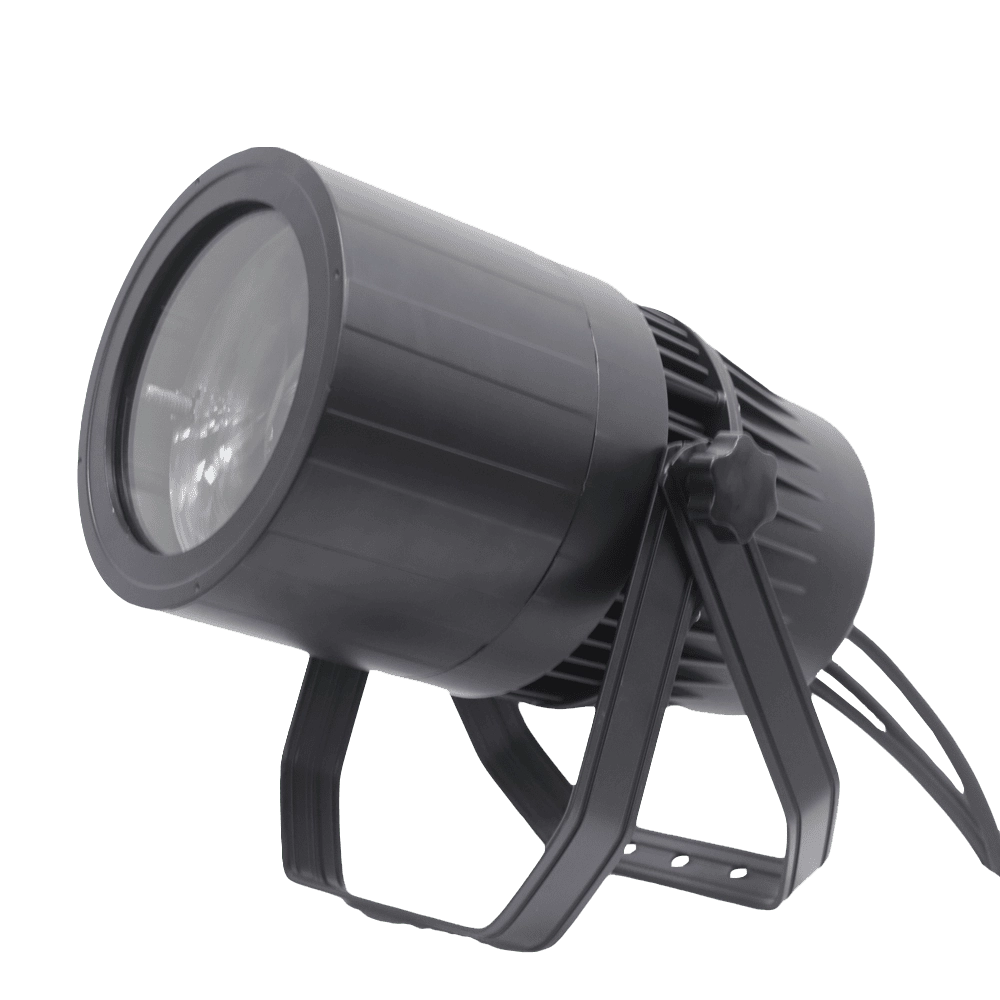
VANRAY Waterproof LED Par Light LP-200Z 200W Zoom Par Light
Introducing the VANRAY Waterproof LED Par Light LP-200Z, a 200W Zoom Par Light engineered for professional performance. Designed by Vanray, this advanced LED PAR light ensures waterproof durability, making it ideal for diverse environments. Elevate your lighting setup with optimum brightness and versatile zoom capabilities. A perfect choice for professional LED PAR light applications.
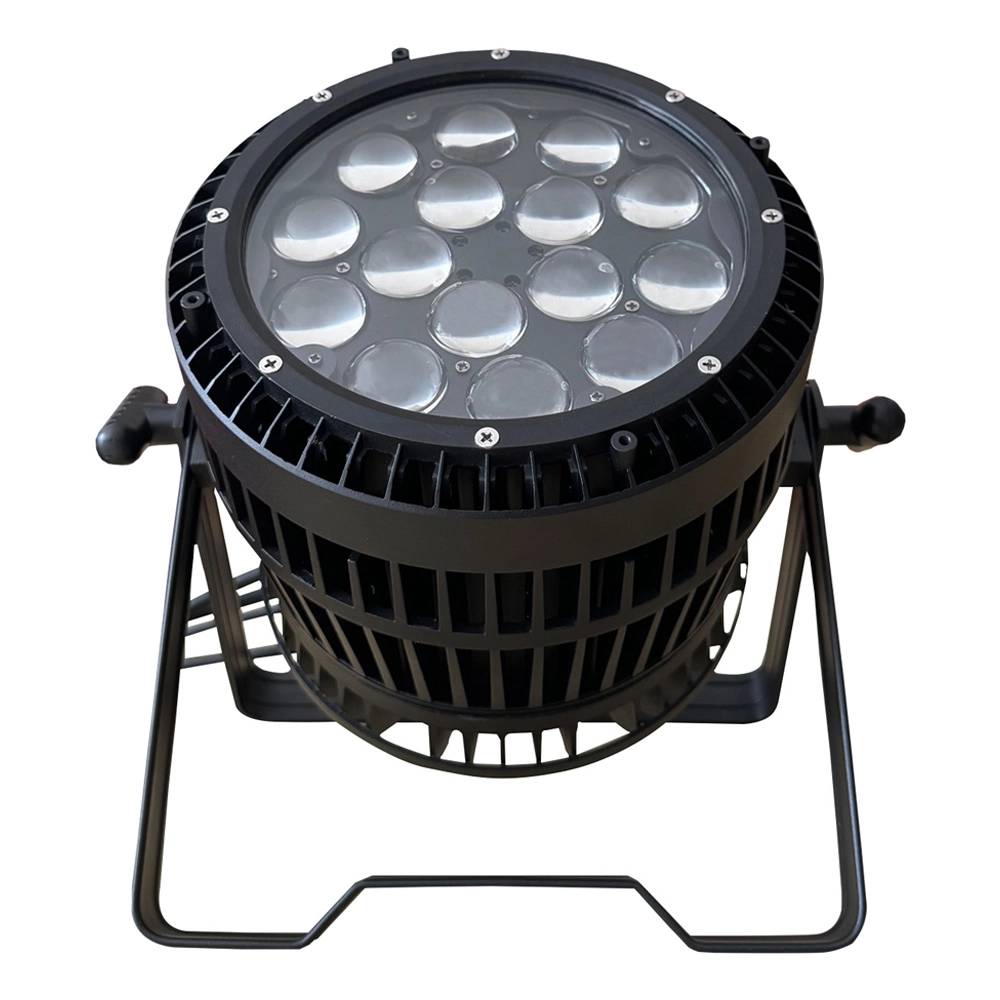
VANRAY LED Par Zoom Wash LP-1515Z 15pcs 15W RGBW Waterproof LED Par Light
Introducing the VANRAY LED Par Zoom Wash LP-1515Z, featuring 15pcs of 15W RGBW waterproof LEDs. This versatile LED wash light par is perfect for vibrant lighting effects, both indoors and outdoors. The precision of our led par zoom wash ensures an exceptional performance, enhancing any event with vivid color dynamics.
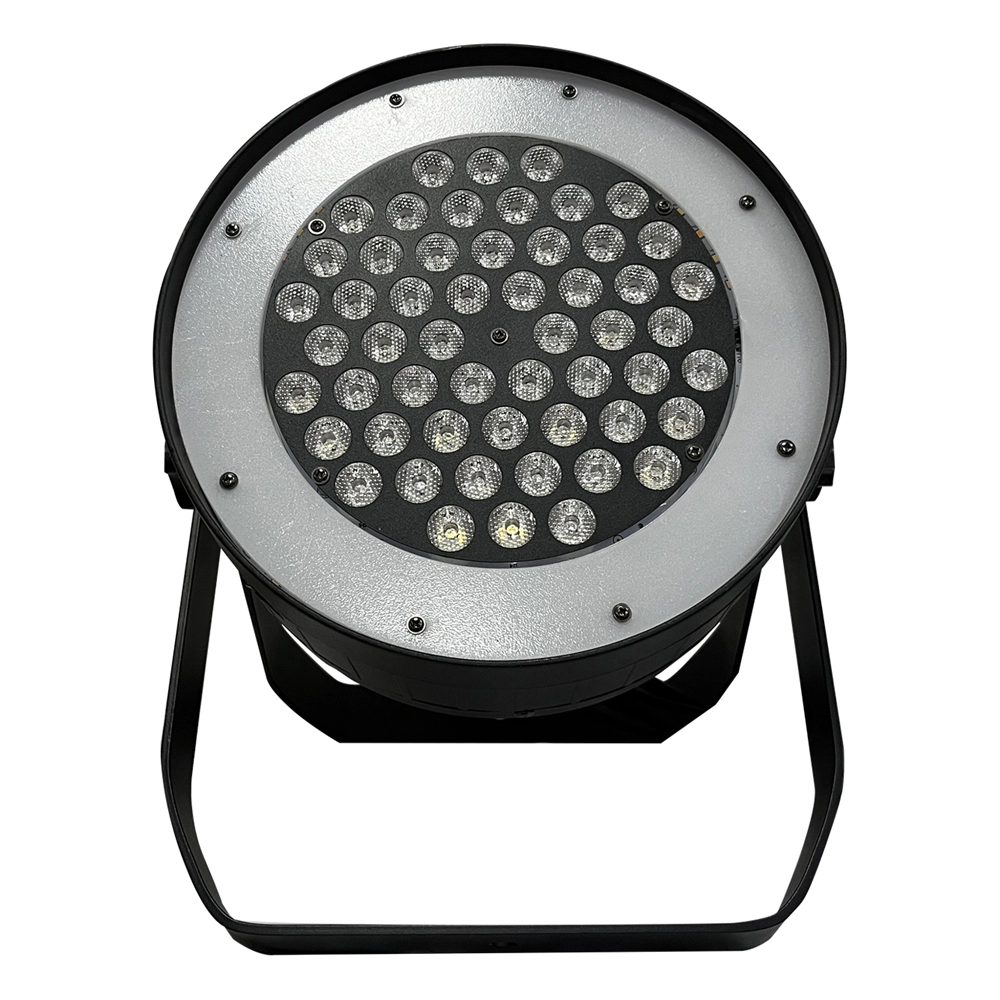
VANRAY Theater LED Par Can Lights LP-350SJL 350W White LED Par Can Lights
Introducing the VANRAY Theater LED Par Can Lights LP-350SJL, featuring an impressive 350W white LED. Ideal for stage lighting, these LED Par Can Lights deliver superior brightness and versatility. Enhance your theater productions with our cutting-edge lighting solutions. Trust Vanray for exceptional performance in LED stage lights.
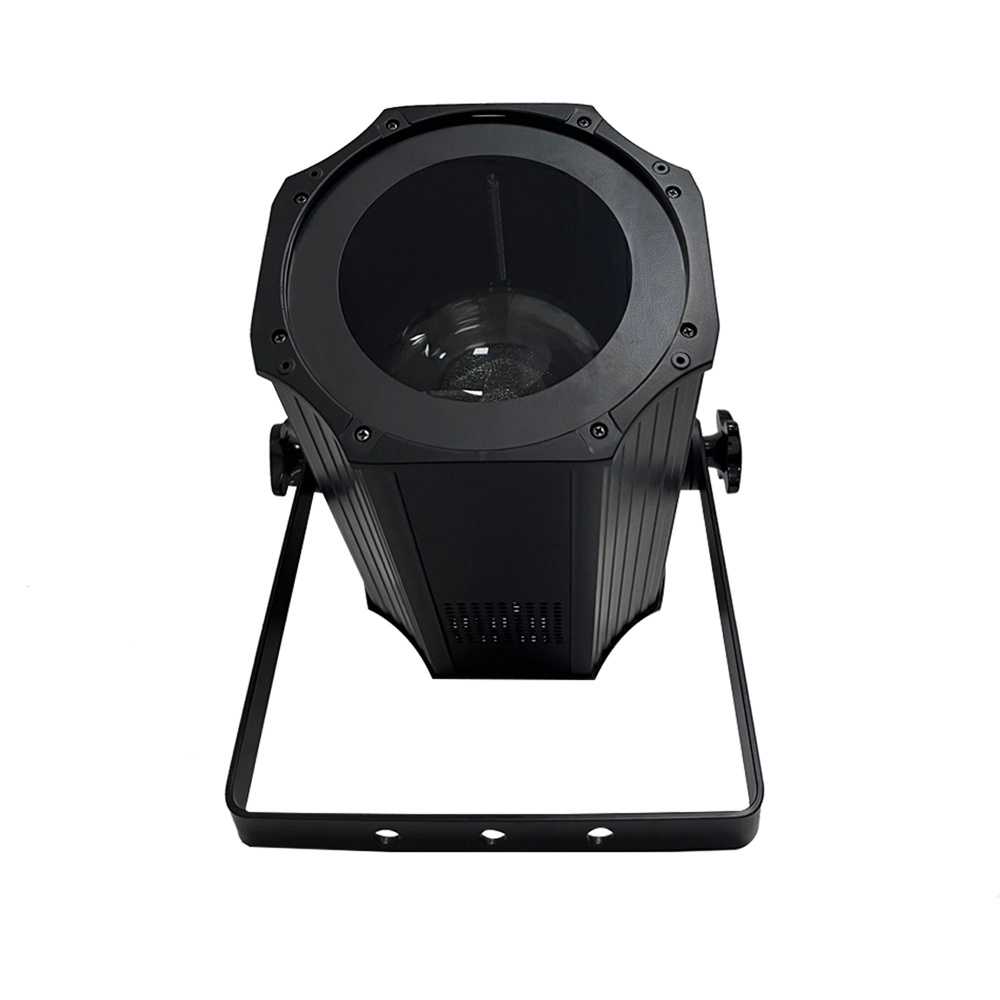
VANRAY LED Par Light Stage LP-200ZC RGBW LED Par Light Suppliers
Introducing the VANRAY LC-200ZC RGBW LED Par Light, a premium solution for vibrant stage lighting. This versatile par LED light ensures dynamic color effects, perfect for events and performances. As leading LED flat-par light suppliers, Vanray guarantees exceptional quality and performance. Illuminate your stage today with Vanray's innovative lighting technology.
As a leading Stage Lighting Manufacturer from China, VANRAY Lighting delivers a comprehensive suite of services including innovative R&D, precision production, and professional integration.
Built on decades of technical expertise, we are defined by our commitment to quality and service perfection. From theaters to grand-scale events, VANRAY is the trusted choice for reliable lighting solutions across the global entertainment and architectural sectors.
Copyright © 2025 VANRAY. All Rights Reserved.

Instagram
YouTube
Facebook