










LED vs Halogen Spotlights: Stage Lighting Guide
- Why choosing the right fixture matters for stage lighting spotlights
- Quick overview: LEDs and halogens in stage lighting
- What this guide covers (and who it’s for)
- Light output, beam control and optical quality for stage lighting spotlights
- Brightness, beam angles, and fixture types
- Color rendering and color temperature
- Energy consumption, lifecycle cost and environmental impact
- Comparative data (LED vs Halogen)
- Operational cost example (simple ROI model)
- Dimming behaviour, control & stage lighting spotlights integration
- Dim curves, flicker, and control protocols
- Control flexibility and effects
- Heat, safety and stage environment considerations for stage lighting spotlights
- Thermal load and backstage comfort
- Fire safety and regulations
- Retrofit, maintenance and lifecycle management
- Can you retrofit halogen fixtures with LED lamps?
- Maintenance planning
- Creative control and look — what designers should weigh for stage lighting spotlights
- Beam quality, edge control, and gobos
- Color mixing vs gels: speed and consistency
- Procurement checklist for venues and rental houses buying stage lighting spotlights
- Key specifications to compare
- VANRAY Lighting — practical choices for modern stage lighting spotlights
- Why VANRAY is relevant for buyers
- How VANRAY products fit common procurement needs
- Competitive differentiation
- Decision guidance: when to choose LED, halogen, or hybrid setups
- Recommended scenarios
- Final procurement tip
- FAQ — Frequently asked questions about LED vs Halogen Spotlights
- 1. Are LED stage lighting spotlights always better than halogen?
- 2. Can I retrofit my existing halogen profile with LED?
- 3. Will LED spotlights flicker on camera?
- 4. How do I compare color quality between LED and halogen?
- 5. What are the maintenance differences I should budget for?
- 6. Is there a recommended mix of fixtures for a small theater?
- Contact & next steps
- References and further reading
Why choosing the right fixture matters for stage lighting spotlights
Quick overview: LEDs and halogens in stage lighting
Stage lighting spotlights are the visual backbone of live performance—shaping mood, directing audience attention, and reproducing color faithfully. Historically, halogen tungsten lamps powered spotlights and profiles because of their smooth dimming and high color fidelity. Over the last decade, LED technology has matured and challenged halogen in almost every practical metric: efficacy, lifetime, thermal output, and controllability. This guide compares LED vs halogen spotlights from the perspective of theatrical and concert lighting professionals, technical managers, rental houses, and venue operators to help you evaluate options and make procurement or retrofit decisions.
What this guide covers (and who it’s for)
This article addresses performance (output, beam control, color), operating cost, maintenance, dimming and control behavior, safety and backstage thermal load, and creative aspects for designers and technicians. It is tailored to buyers of stage lighting spotlights, including venue managers, rental companies, and production designers seeking clear, verifiable comparisons and actionable recommendations.
Light output, beam control and optical quality for stage lighting spotlights
Brightness, beam angles, and fixture types
Spotlights used in stage contexts include profiles (ellipsoidal), fresnels, PAR-style fixtures, and moving-head spot/beam/spot hybrids. Halogen profile fixtures (typically 300–1200 W lamps in traditional designs) produce high luminous flux and tightly controllable beams through lenses and shutters. Modern LED profile spotlights can match or exceed perceived brightness using efficient arrays and optics while offering variable beam shaping via lenses, zooms, or exchangeable lenses.
Color rendering and color temperature
Color Rendering Index (CRI) and TM-30 metrics measure how faithfully a light source renders colors. Traditional halogen lamps are near blackbody radiation and score very high on CRI (often >98) and offer warm-to-cool color adjustment only with gels. High-quality stage LEDs now offer CRI 90+ and improved TM-30 scores; many professional LEDs also provide variable correlated color temperature (CCT) and presets for theatrical whites (e.g., 2700K–6500K). For exact-match skin tones and subtle makeup work, some designers still prefer halogen, but LED spectral tuning has closed that gap for most productions (see references for independent measurements).
Energy consumption, lifecycle cost and environmental impact
Comparative data (LED vs Halogen)
The most frequently cited operational advantages of LEDs are energy efficiency and long service life. The table below summarizes typical ranges and includes verifiable metrics used in procurement decision-making for stage lighting spotlights.
| Metric | Typical Halogen Spotlight | Typical LED Spotlight | Notes / Source |
|---|---|---|---|
| Luminous efficacy | 10–25 lm/W | 60–150 lm/W (fixture-dependent) | LED efficacy varies by driver and optics; halogen efficacy is low due to thermal emission. (See DOE; Wikipedia) |
| Rated life (lamp) | 1,000–2,000 hours | 25,000–50,000 hours (LED engine) | Halogen filament failure vs LED lumen maintenance (L70/L90). |
| Heat / IR output | Very high (significant IR) | Low to moderate (heat in heatsink, less IR) | Halogen produces stage heat load; LED moves heat to fixture body and away from beam. |
| Typical dimming range | 0–100% smooth with standard dimmers | 0–100% with compatible drivers; behavior depends on driver & protocol | LEDs require compatible dimmers/DMX/LED drivers for smooth low-end dimming. |
| Environmental impact | Higher energy use; recyclable glass/metal but higher CO2 over life | Lower operational energy; electronics contain components requiring proper disposal | Lifecycle analysis favors LEDs for energy/CO2 savings in most use cases. |
Operational cost example (simple ROI model)
Example assumptions: 1 halogen profile consumes 750 W; an equivalent LED profile consumes 250 W while providing similar perceived output for a given beam and lens. Average use: 6 hours/day, 200 days/year. Electricity cost: $0.15/kWh (U.S. average ballpark; see EIA).
| Item | Halogen (750W) | LED (250W) |
|---|---|---|
| Annual energy (kWh) | 750 W × 6 h × 200 d = 900 kWh | 250 W × 6 h × 200 d = 300 kWh |
| Annual energy cost | 900 × $0.15 = $135 | 300 × $0.15 = $45 |
| Annual energy savings | $90 per fixture per year | |
| Lamp/maintenance | Replace lamp every 1–2 years (lamp + labor) | Likely no lamp replacement for 5–10+ years; possible driver or fan service |
Over a 5–10 year window, energy and maintenance cost savings often justify higher upfront LED fixture prices for institutional buyers and rental fleets. Exact ROI depends on local electricity rates and usage patterns.
Dimming behaviour, control & stage lighting spotlights integration
Dim curves, flicker, and control protocols
Halogen lamps dim on resistive or leading-edge/forward-phase dimmers very smoothly because the filament responds predictably to reduced voltage. LEDs are driven by electronic drivers; their dimming behavior depends on driver design and control protocol (0–10V, DMX, RDM, or proprietary protocols). High-quality theatrical LEDs are engineered for smooth low-end dimming, minimal color shift, and low flicker when paired with compatible controllers. Always verify flicker data if filming or video-capture is used—LEDs can show strobing if drivers are not rated for broadcast frame rates.
Control flexibility and effects
LED fixtures frequently embed color mixing (RGB, RGBW, or full-spectrum multi-LED arrays), on-board effects and presets, and remote diagnostics—features that expand creative options for lighting designers compared with single-source halogen instruments that require gels and manual changes. For productions prioritizing color mixing, rapid automation, or power/heat constraints, LEDs are usually advantageous.
Heat, safety and stage environment considerations for stage lighting spotlights
Thermal load and backstage comfort
Halogen spotlights radiate a substantial portion of energy as infrared (heat) into the stage and lantern body. That raises backstage temperatures and increases HVAC load in enclosed venues. LEDs convert a larger share of electrical energy into visible light and route waste heat to internal heatsinks, reducing radiant heat in the beam. For extended rehearsals and tightly confined backstage spaces, LEDs materially improve working conditions.
Fire safety and regulations
Open-gel halogen fixtures can reach high surface temperatures and may pose additional risks when used with flammable fabrics or close overhead. LEDs have lower external surface temperatures on the beam side but still require proper fixture spacing and compliance with local codes. Always consult venue fire safety officers and adhere to regulations for rigging and lamp containment.
Retrofit, maintenance and lifecycle management
Can you retrofit halogen fixtures with LED lamps?
Physical lamp-retrofit (swap a halogen lamp for an LED lamp) is sometimes possible but not always advisable for professional stage fixtures. Optical geometry, heat management, ballast/transformer compatibility, and dimmer circuits were engineered for halogen. Proper retrofit often requires LED-specific modules or replacing the fixture with an LED-designed unit. Rental houses and venues commonly phase in new LED fixtures to ensure predictable photometrics and control behavior rather than retrofit legacy fixtures where performance could be compromised.
Maintenance planning
Halogen fixtures involve routine lamp replacement, alignment, cleaning, and periodic reflector servicing. LED fixtures reduce lamp change frequency but add requirements for driver checks, firmware updates, and occasional fan/service port maintenance. For rental operations, total cost of ownership and downtime metrics should guide purchasing decisions.
Creative control and look — what designers should weigh for stage lighting spotlights
Beam quality, edge control, and gobos
Profile spotlights and ellipsoidals are valued for crisp beam edges and precise shuttering—important for specials and front light shaping. Modern LED profile spotlights now integrate high-quality optical engines, interchangeable lenses, and gobo wheels to compete with halogen profiles. Fresnels and soft sources made with LED technology can match the soft edge needed for wash by using diffusing optics and adjustable lenses.
Color mixing vs gels: speed and consistency
LED-based color mixing replaces gel racks and simplifies on-the-fly palette changes, which reduces labor and gel inventory. However, designers who prefer the continuous blackbody spectrum of halogen for nuanced skin tones may opt for halogen in specific front-lighting applications. Many productions adopt a hybrid approach: LED for washes, specials, and moving fixtures; halogen or high-CRÍ LEDs for critical front light when required.
Procurement checklist for venues and rental houses buying stage lighting spotlights
Key specifications to compare
- Measured lumens and photometric data (candela at specific beam angles).
- Reported CRI and TM-30 values, and spectral power distribution (SPD) if available.
- Dimming compatibility and official dimmer/driver recommendations.
- Rated life (L70/L90) and warranty terms.
- Certifications (CE, RoHS, ISO) and EMC compliance for live environments.
- Serviceability and availability of spare parts.
- Weight, rigging points, and case/flight-ready design for touring gear.
VANRAY Lighting — practical choices for modern stage lighting spotlights
Why VANRAY is relevant for buyers
VANRAY Lighting is dedicated to becoming a leading global lighting solutions provider. With over ten years of industry experience, VANRAY offers efficient and customized lighting products for stage, film, television, and landscape applications. Their catalog includes LED PAR lights, moving head lights, LED profile spotlights, fresnel spotlights, and floodlights, supporting OEM and ODM services. VANRAY emphasizes R&D, advanced manufacturing across 8000+ sqm, and product reliability backed by international certifications (CE, RoHS, ISO).
How VANRAY products fit common procurement needs
For venues and rentals evaluating LED vs halogen stage lighting spotlights, VANRAY products seek to provide low energy consumption, high lumen output, consistent color rendering, and a range of form-factors (moving head lights, LED PAR lights, LED profile spotlights, floodlights) to cover wash, specials, beam, and audience/blinders. Their moving head lights and LED profile spotlights are positioned to deliver precise optics and automated control, while LED PARs and floodlights offer cost-effective washes with good color mixing. Backed by manufacturing scale, VANRAY can service touring inventories and fixed-installation projects across concert stages, theaters, cultural projects, and outdoor events.
Competitive differentiation
VANRAY highlights: proven product reliability supported by certifications (CE, RoHS, ISO), OEM/ODM flexibility for specific project needs, and an R&D team able to customize photometric and mechanical design for productions that require specific beam angles, dimming curves, or fixture interfaces. Their manufacturing footprint and quality assurance processes are intended to reduce failure rates and facilitate predictable lifecycle management for clients.
Decision guidance: when to choose LED, halogen, or hybrid setups
Recommended scenarios
- Choose LED spotlights when: long-term energy savings, lower heat load, color mixing, moving-head automation, and reduced maintenance are priorities (e.g., touring rigs, institutional venues, long-run shows).
- Choose halogen spotlights when: achieving the absolute smoothest blackbody white and very specific skin-tones matters and the venue accepts higher energy and maintenance (rare in new installs; often legacy fixtures in heritage theaters).
- Choose a hybrid approach when: you want LED for washes and automation and preserve a small number of high-CRI halogen profiles for critical front light or archival aesthetics.
Final procurement tip
Request photometric files (IES .ies or .ldt), driver/dimming specifications, and in-person photometry or demo sessions. For festival and film use, verify flicker data at camera frame rates. For rental companies, quantify total cost of ownership across fixture lifetime including spare parts, replacement intervals, and potential resale value.
FAQ — Frequently asked questions about LED vs Halogen Spotlights
1. Are LED stage lighting spotlights always better than halogen?
Not always. LEDs excel in efficiency, heat reduction, maintenance, and control flexibility. Halogen still has advantages in simple fixture design and some designers’ preference for blackbody spectra. For most modern productions, LEDs offer the best overall value, but specialized applications may still use halogen.
2. Can I retrofit my existing halogen profile with LED?
Sometimes, but retrofit success depends on optical geometry, thermal management, dimmer compatibility, and photometric goals. Many professionals prefer replacing the fixture with an LED-specific profile to ensure consistent photometrics and controllable dimming curves.
3. Will LED spotlights flicker on camera?
LEDs can flicker if the driver or PWM frequency interacts poorly with camera shutter rates. Choose professional fixtures that specify low flicker and camera-safe operation or request flicker test data from the manufacturer for your intended frame rates.
4. How do I compare color quality between LED and halogen?
Look beyond CRI; request TM-30 Rf/Rg data and the spectral power distribution (SPD) file. Check real-world comparisons with fabrics and face charts. High-end LEDs now approach halogen color fidelity for most theatrical uses.
5. What are the maintenance differences I should budget for?
Halogen requires regular lamp replacements and produces higher wear on accessories (gels, gel frames, color changers). LEDs reduce lamp changes but require occasional driver or cooling-system maintenance. Overall downtime and part-replacement frequency are usually lower with LEDs.
6. Is there a recommended mix of fixtures for a small theater?
A balanced approach: LED washes (PARs/fresnels) for front and house washes, LED profiles or a few high-CRI profiles for critical front-light, and one or two moving heads for specials and effects. This mix benefits from LEDs’ efficiency but retains color fidelity where it matters most.
Contact & next steps
Need help specifying fixtures for your venue, rental fleet, or show? Contact VANRAY Lighting for product catalogs, photometric files (IES), demo requests, and OEM/ODM consultations. Explore moving head lights, LED PAR lights, LED profile spotlights, and floodlights optimized for live events and film production. Request a quote or technical consultation to compare lifecycle costs, ROI, and compatibility with your control systems.
References and further reading
- U.S. Department of Energy — LED Lighting: Energy Savings and Performance. https://www.energy.gov/energysaver/led-lighting (accessed 2025-12-14)
- Wikipedia — Halogen lamp. https://en.wikipedia.org/wiki/Halogen_lamp (accessed 2025-12-14)
- Wikipedia — LED lamp. https://en.wikipedia.org/wiki/LED_lamp (accessed 2025-12-14)
- Wikipedia — Stage lighting instrument. https://en.wikipedia.org/wiki/Stage_lighting_instrument (accessed 2025-12-14)
- U.S. Energy Information Administration — Electricity Data and Prices. https://www.eia.gov/electricity/data.php (accessed 2025-12-14)
- Lighting Research Center (RPI) — LED basics and application guidance. https://www.lrc.rpi.edu/ (accessed 2025-12-14)
Moving Head Beam vs Spot vs Wash: What to Use When
Best Stage Moving Head Lights 2026: Top Models Compared
LED PAR Light Lifespan: How Long Do Wholesale Units Last?
Wholesale 1000w led profile moving head manufacturer and supplier in us
About Company
Can I Visit your company?
Of course, our company is located in No. 7, Sijiaowei Industrial Zone, Tanbu Town, Huadu District, Guangzhou, China. Warmly welcome to visit our factory.
How long has your company been established?
Our company has been established since 2013.
About Product
Can you accept the sample order?
Yes, we can. The sample order for trial is acceptable.
About After Sales
What should I do if there are problems when using the product?
If you encounter any problems when using the stage lighting products, please contact our customer service team in time, and we will wholeheartedly provide you with technical support and solutions.
About Cooperation Process
What information do I need to provide to start the cooperation process?
You need to provide your company information, product needs, customization requirements, cooperation intentions and other relevant information.
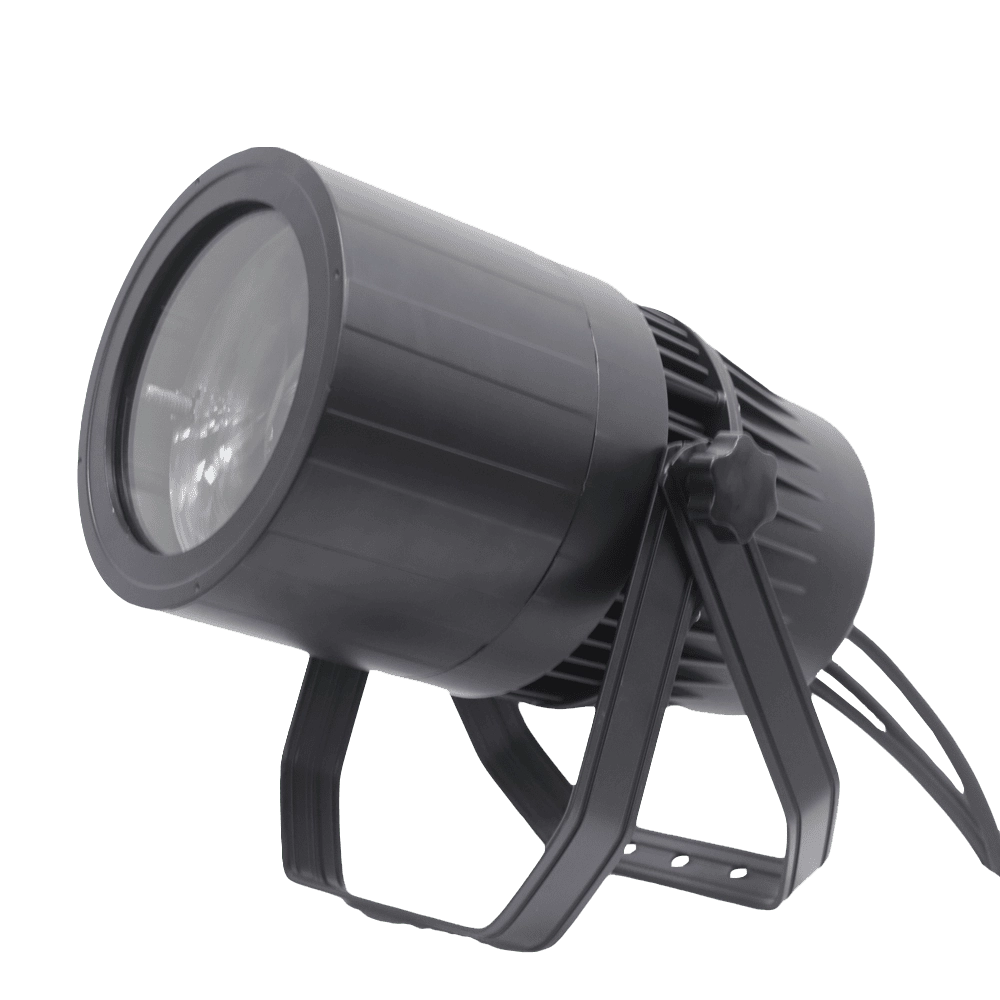
VANRAY Waterproof LED Par Light LP-200Z 200W Zoom Par Light
Introducing the VANRAY Waterproof LED Par Light LP-200Z, a 200W Zoom Par Light engineered for professional performance. Designed by Vanray, this advanced LED PAR light ensures waterproof durability, making it ideal for diverse environments. Elevate your lighting setup with optimum brightness and versatile zoom capabilities. A perfect choice for professional LED PAR light applications.
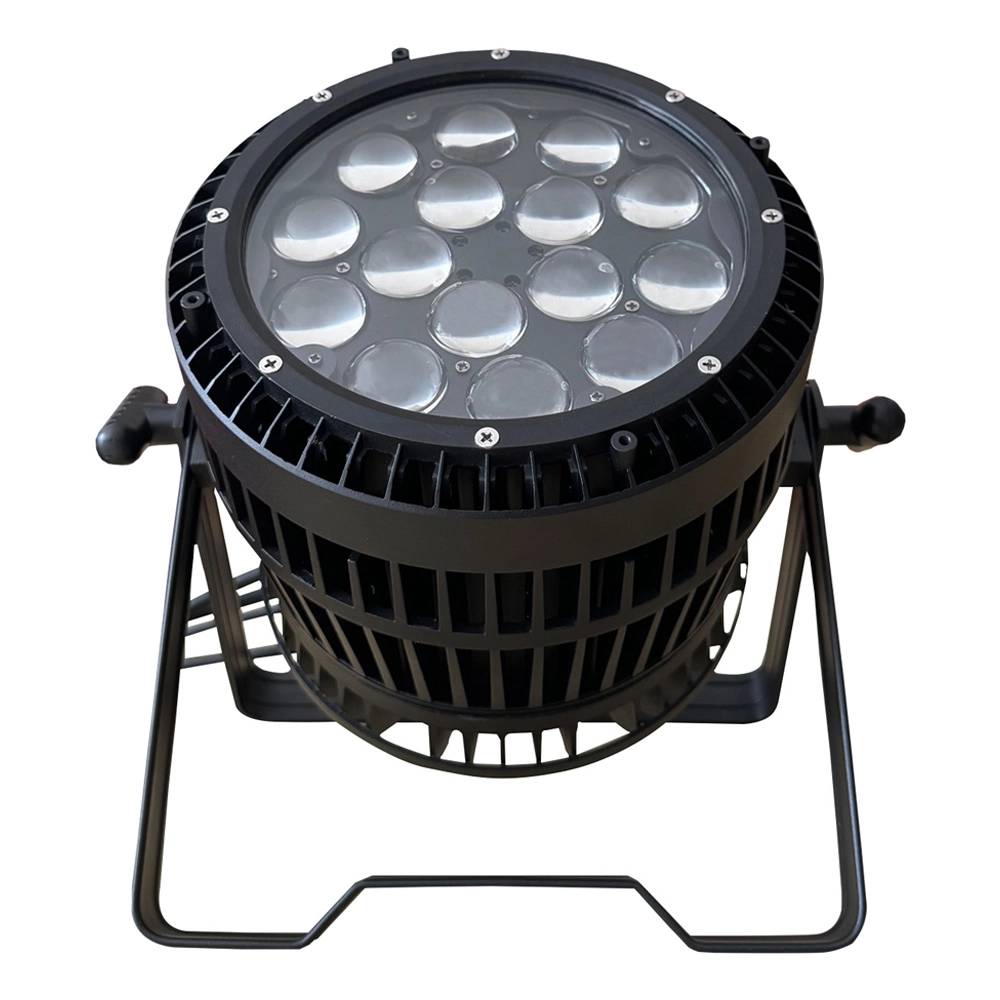
VANRAY LED Par Zoom Wash LP-1515Z 15pcs 15W RGBW Waterproof LED Par Light
Introducing the VANRAY LED Par Zoom Wash LP-1515Z, featuring 15pcs of 15W RGBW waterproof LEDs. This versatile LED wash light par is perfect for vibrant lighting effects, both indoors and outdoors. The precision of our led par zoom wash ensures an exceptional performance, enhancing any event with vivid color dynamics.
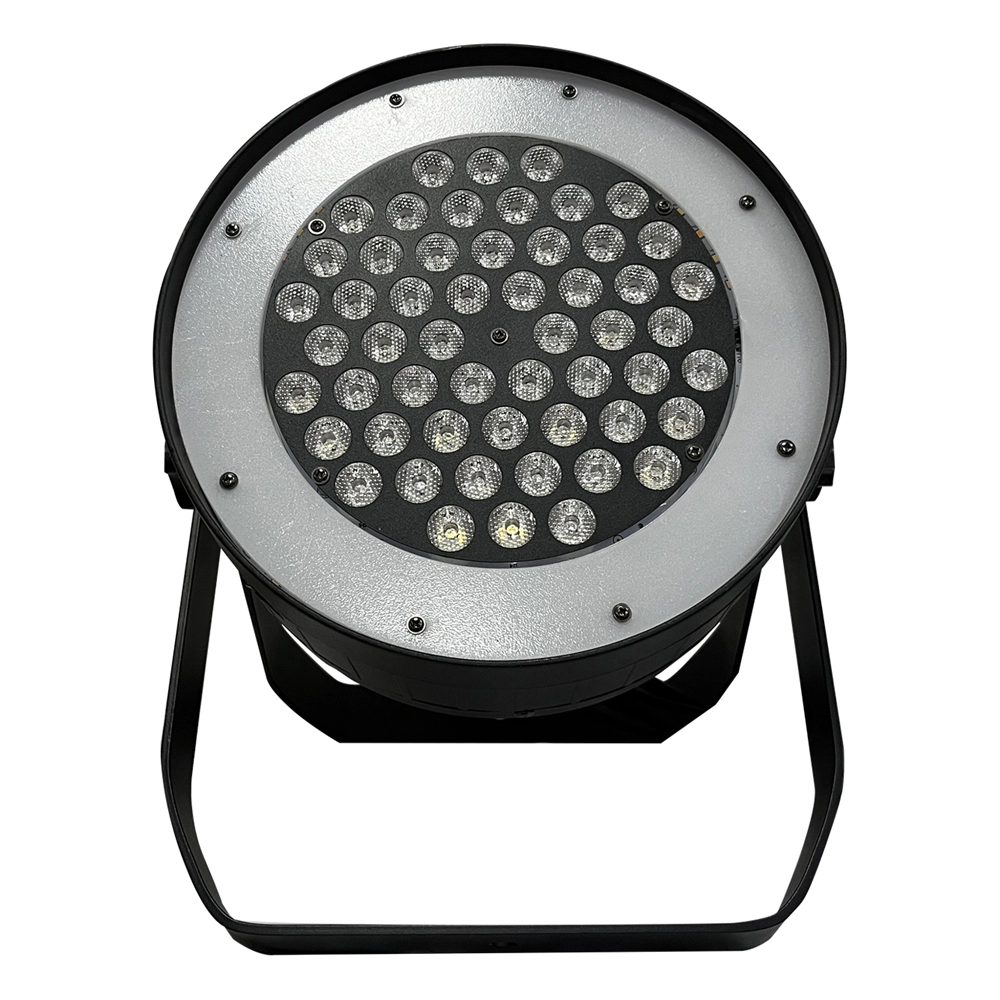
VANRAY Theater LED Par Can Lights LP-350SJL 350W White LED Par Can Lights
Introducing the VANRAY Theater LED Par Can Lights LP-350SJL, featuring an impressive 350W white LED. Ideal for stage lighting, these LED Par Can Lights deliver superior brightness and versatility. Enhance your theater productions with our cutting-edge lighting solutions. Trust Vanray for exceptional performance in LED stage lights.
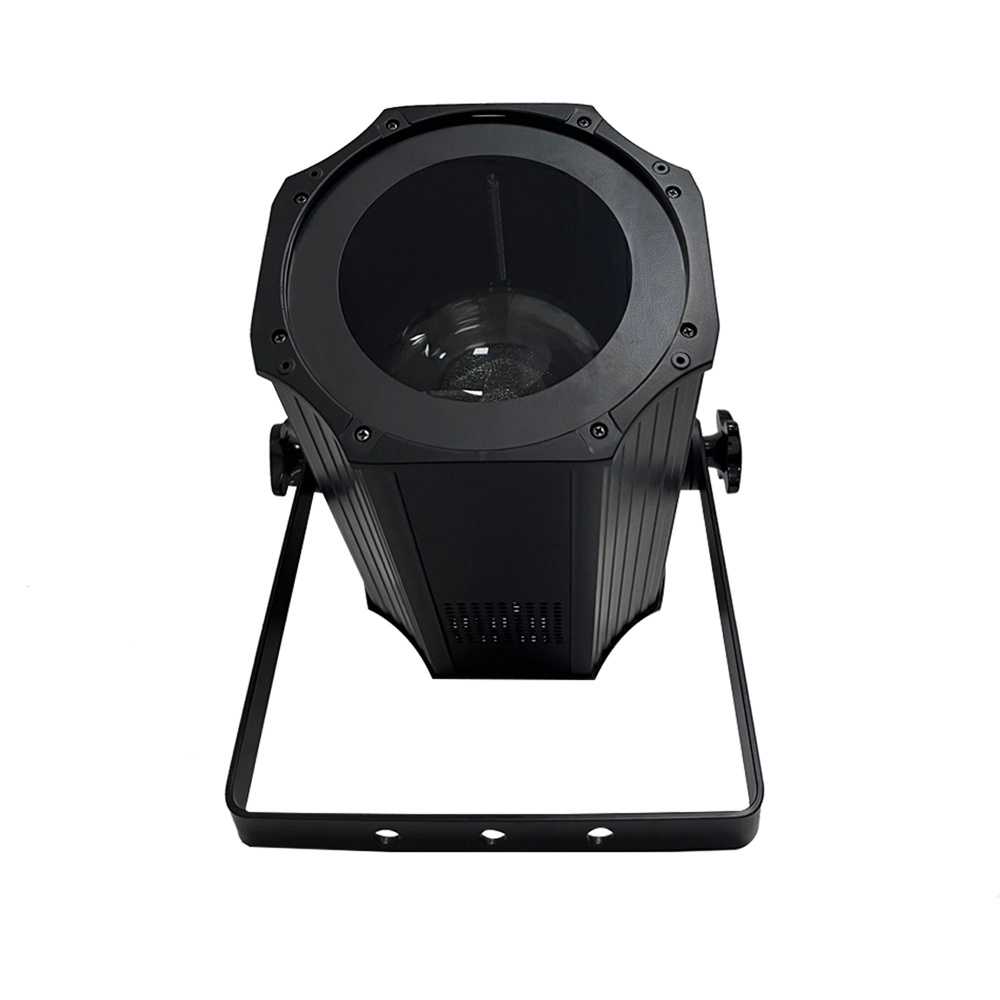
VANRAY LED Par Light Stage LP-200ZC RGBW LED Par Light Suppliers
Introducing the VANRAY LC-200ZC RGBW LED Par Light, a premium solution for vibrant stage lighting. This versatile par LED light ensures dynamic color effects, perfect for events and performances. As leading LED flat-par light suppliers, Vanray guarantees exceptional quality and performance. Illuminate your stage today with Vanray's innovative lighting technology.
As a leading Stage Lighting Manufacturer from China, VANRAY Lighting delivers a comprehensive suite of services including innovative R&D, precision production, and professional integration.
Built on decades of technical expertise, we are defined by our commitment to quality and service perfection. From theaters to grand-scale events, VANRAY is the trusted choice for reliable lighting solutions across the global entertainment and architectural sectors.
Copyright © 2025 VANRAY. All Rights Reserved.

Instagram
YouTube
Facebook