










How to Choose Spotlights for Small Venues
- Selecting the Right Spotlights for Intimate Spaces
- Understand the Venue Constraints and Objectives — stage lighting spotlights planning
- Why this matters for buying stage lighting spotlights
- Compare Fixture Types — stage lighting spotlights comparison
- Determine Required Light Levels — practical lux targets for stage lighting spotlights
- Color Quality and Control — choosing LEDs with the right specs for stage lighting spotlights
- Heat, Power, and Maintenance — operational considerations for stage lighting spotlights
- Budgeting and Total Cost of Ownership — buying stage lighting spotlights wisely
- Practical Buying Checklist — what to look for when you buy stage lighting spotlights
- Fixture Comparison: Example Models for Small Venues — stage lighting spotlights buying options
- VANRAY Lighting — tailored solutions for small venues
- Installation Best Practices — safety and performance when deploying stage lighting spotlights
- Common Pitfalls and How to Avoid Them — practical guidance for buyers of stage lighting spotlights
- FAQ — Frequently Asked Questions about stage lighting spotlights
- 1. How many spotlights do I need for a 6 m × 4 m small stage?
- 2. Are LED spotlights good for small venues?
- 3. Should I choose moving head lights or LED profile spotlights?
- 4. What color rendering should I require for performers?
- 5. How important is DMX control for small venues?
- 6. Can I mix fixture types (profiles, fresnels, PARs) in one rig?
- Contact & Product Inquiry — get help selecting stage lighting spotlights
- References
Selecting the Right Spotlights for Intimate Spaces
Choosing stage lighting spotlights for small venues requires balancing visual impact, budget, and operational simplicity. Small venues — coffeehouse stages, black-box theaters, small clubs, corporate meeting rooms — have limited rigging, lower ceiling heights, and tighter budgets. This guide explains the technical and practical factors to consider, offers fixture comparisons in table form, provides a simple lighting-quantity calculation, and helps you decide whether to buy LED profile spotlights, fresnels, moving head lights, or PARs for your venue.
Understand the Venue Constraints and Objectives — stage lighting spotlights planning
Start by mapping the venue: room dimensions, stage size, ceiling height, rigging points, and available power. Ask core questions: Do you need hard-edged beam for solos and gobos (typical for LED profile spotlights), or softer wash for bands and spoken word (fresnels, PARs)? Will you host diverse events (theater, music, corporate)? Accurate answers determine fixture types and counts.
- Room size: small venues commonly 50–300 m². Smaller footprint requires narrower beam angles to avoid spill.
- Ceiling height: under 4 m limits fixture throw; prefer fixtures with wider beam control or low-profile housings.
- Rigging and mounting: check load-bearing points, floor stands, truss options, and safety (safety cables, clamps).
- Power & control: count available circuits and DMX access; for multi-event venues consider wireless DMX or all-in-one consoles.
Why this matters for buying stage lighting spotlights
Understanding constraints keeps you from overspending on fixtures that can’t be used effectively. For example, a high-output moving head meant for large arenas will be oversized, heavy, and noisy in a small room; an LED profile or fresnel will usually be the right fit.
Compare Fixture Types — stage lighting spotlights comparison
Below is a concise comparison of commonly considered fixtures for small venues. The table focuses on LED profile spotlights, fresnel spotlights, LED PAR lights, and moving head lights — all relevant when you buy stage lighting spotlights for small venues.
| Fixture Type | Typical Beam Angle | Typical Lumen Range | Best Use | Pros | Cons |
|---|---|---|---|---|---|
| LED Profile Spotlight | 5°–60° (zoomable) | 2,000–12,000 lm | Sharp edge, gobos, front light for actors | High beam control, gobos, shutters, efficient | Higher cost vs PAR; requires focus |
| Fresnel Spotlight (LED) | 15°–60° (soft edge) | 1,000–6,000 lm | Soft washes, back/side light, ambience | Soft falloff, simple operation | Less precise edge, larger fixture depth |
| LED PAR Light | 10°–60° | 800–4,000 lm (each) | Color washes, uplight, budget stages | Affordable, simple, lightweight | Limited beam shaping, less intense for long throw |
| Moving Head Light | 3°–60° (depends on optic) | 2,000–20,000 lm (model dependent) | Dynamic effects, spot, wash, gobos | Versatile, motorized positioning | Higher cost, heavier, may be overkill for very small rooms |
Sources for typical lumen and beam ranges: manufacturer specification sheets (ETC, Philips), industry overview articles, and product datasheets (see references).
Determine Required Light Levels — practical lux targets for stage lighting spotlights
Establish desired illuminance (lux) on the stage. Typical targets:
- Spoken word / small theater: 200–500 lux on performers.
- Music performances / small concerts: 500–1,000 lux for front-of-house and key spots.
- High-definition video recording or live broadcast: 1,000+ lux and consistent color rendering (CRI ≥ 90).
Use this simple formula to estimate fixture counts:
Number of fixtures = (Desired lux × Stage area) / (Fixture lumens × Utilization factor)
Example: A small stage 6 m × 4 m = 24 m². Desired average 500 lux. Choosing LED profile fixtures rated at 6,000 lm and assuming a utilization factor of 0.5 (losses from fixture optics, mounting angle, and color gels):
Number = (500 × 24) / (6,000 × 0.5) = 12,000 / 3,000 = 4 fixtures.
This is a starting point; distribute fixtures for key light, side light, and backlight. Utilization factors vary (0.4–0.7) — measure with an illuminance meter during a test to refine counts.
Color Quality and Control — choosing LEDs with the right specs for stage lighting spotlights
Color rendering (CRI/TLCI), color temperature, and control options matter more if you plan to host filmed events. For live audiences, accurate skin tones and saturated colors still improve perceived quality.
- CRI: Choose fixtures with CRI ≥ 90 for theatrical and broadcast work. For simple club lighting, CRI 80–85 may suffice.
- Color temperature: 2,700K–3,200K for warm theatrical looks; 5,600K for video daylight balance. Some LED fixtures offer variable CCT (tunable white) or RGBW mixing for flexible palettes.
- Control protocols: DMX512 is standard; RDM for remote configuration; consider Art-Net/sACN for networked control. Wireless DMX is helpful where running cables is impractical.
Heat, Power, and Maintenance — operational considerations for stage lighting spotlights
LED fixtures greatly reduce heat and power draw compared with discharge lamps, which matters in low-ceiling venues and venues without sophisticated HVAC. Evaluate:
- Power consumption (W): size your circuits and distro accordingly.
- Cooling and ventilation: LEDs still need airflow — avoid enclosed housings with poor ventilation.
- Weight and mounting footprint: ensure trusses or pipe grids are rated for the fixture weight.
- Serviceability: choose fixtures with easy-to-replace LED modules and clear firmware update paths.
Budgeting and Total Cost of Ownership — buying stage lighting spotlights wisely
Budget should account for fixtures, rigging hardware (clamps, safety cables), cabling, control consoles, and labor. Consider total cost of ownership:
- Initial price vs lifetime energy costs — LEDs save power and lamp replacements over time.
- Warranty and certifications (CE, RoHS, ISO) — reduce risk of premature failure and safety issues.
- Spare parts availability and local service — essential for quick fixes between events.
Practical Buying Checklist — what to look for when you buy stage lighting spotlights
- Define event types and lux targets. (Theater vs concerts vs corporate.)
- Measure venue dimensions and rigging limits.
- Choose fixture types (LED profile, fresnel, PAR, moving head) based on use case.
- Check CRI/TLCI, lumen output, beam angle, and zoom options.
- Verify DMX/Wireless control options and compatibility with existing consoles.
- Confirm power draw and required circuits; plan distro accordingly.
- Ask suppliers for photometric files (IES/IESNA .ies) and sample photometrics for your throw distances.
- Buy from suppliers with warranty, spare parts, and local support.
Fixture Comparison: Example Models for Small Venues — stage lighting spotlights buying options
The following is an illustrative comparison of typical small-venue models; actual specs vary by manufacturer and model. Always request datasheets and IES files before purchasing.
| Model Type | Representative Output | Beam Control | Power | Good For |
|---|---|---|---|---|
| Compact LED Profile (zoom) | 3,000–8,000 lm | 5°–50° zoom, shutters, gobos | 100–300 W | Theatrical front light, gobos, small concerts |
| Small LED Fresnel | 1,500–4,000 lm | 15°–60° soft wash | 60–150 W | Soft washes, side/back lighting |
| LED PAR (compact) | 800–2,500 lm | Fixed or exchangeable lenses | 30–150 W | Color washes, uplighting |
| Entry Moving Head | 4,000–10,000 lm | Spot to wash, gobos, prisms | 150–500 W | Dynamic effects and band stages |
VANRAY Lighting — tailored solutions for small venues
VANRAY Lighting is dedicated to becoming a leading global lighting solutions provider. With over ten years of industry experience, VANRAY offers efficient and customized lighting products for stage, film, television, and landscape projects. Their product range includes LED PAR lights, moving head lights, LED profile spotlights, fresnel spotlights, floodlights, and more. VANRAY supports OEM and ODM services and boasts a robust R&D team and advanced manufacturing facilities covering over 8,000 sqm. The company emphasizes product reliability and has obtained international certifications such as CE, RoHS, and ISO.
Why consider VANRAY when you buy stage lighting spotlights for small venues:
- Product breadth: moving head lights, LED PAR lights, LED profile spotlights, and floodlights suited to varied small-venue needs.
- Customization: OEM/ODM options let you adapt optics, color mixing, and control protocols to your venue requirements.
- Manufacturing and R&D strength: in-house design and a sizeable manufacturing footprint help with consistent quality and lead times.
- Certifications (CE/RoHS/ISO) and international deployment experience demonstrate compliance and reliability for venue operators.
VANRAY’s competitive points: focused R&D, flexible production for custom requirements, and a product lineup that covers foundational fixtures small venues need (moving heads for dynamic shows, LED PARs for washes, LED profiles for sharp key light, floodlights for outdoor events). For venue buyers who need dependable fixtures with aftermarket support and potential customization, VANRAY represents a viable supplier option.
Installation Best Practices — safety and performance when deploying stage lighting spotlights
Follow these installation practices to ensure safety and maximum performance:
- Use rated clamps and safety cables for every overhead fixture.
- Balance fixtures across circuits to avoid tripping breakers; distribute high-draw fixtures across multiple feeds.
- Label DMX runs and power cables clearly; include termination resistors on DMX runs where required.
- Test a full tech rehearsal with programmed cues — adjust positions, focus, and intensity before the first performance.
Common Pitfalls and How to Avoid Them — practical guidance for buyers of stage lighting spotlights
Common mistakes small-venue buyers make and how to avoid them:
- Buying too much output: choose fixtures appropriate for throw distance and room size, or you'll create glare and uneven light.
- Ignoring color quality: low CRI LEDs save money but make faces look unnatural under close viewing and cameras.
- Underestimating rigging constraints: measure weight limits and cable access before ordering heavy moving heads.
- Skipping photometrics: request IES files to model light spread in your venue before purchase.
FAQ — Frequently Asked Questions about stage lighting spotlights
1. How many spotlights do I need for a 6 m × 4 m small stage?
Using a target of 500 lux and fixtures rated 6,000 lm with a utilization factor of 0.5, you need around 4 fixtures as a starting point (see calculation example above). Add dedicated backlights and side lights for modeling and depth, typically 2–4 extra lower-output fixtures.
2. Are LED spotlights good for small venues?
Yes. LEDs offer lower power draw, less heat, and longer life. Choose LED fixtures with appropriate beam control and CRI ≥ 90 for theater and broadcast-quality work.
3. Should I choose moving head lights or LED profile spotlights?
For dynamic concerts and events where automated movement and effects are important, moving head lights are valuable. For theatrical work requiring precise beam shaping, gobos, and crisp edges, LED profile spotlights are generally the better choice.
4. What color rendering should I require for performers?
Specify CRI ≥ 90 or TLCI ≥ 90 for high-fidelity skin tones and broadcast-ready lighting. For ambient club lighting, CRI 80–85 can be acceptable.
5. How important is DMX control for small venues?
Very important. DMX (and newer network protocols like Art-Net/sACN) allows consistent programming of cues, fades, and color changes. Wireless DMX can simplify installs where running cable is difficult, but wired DMX is more reliable for mission-critical events.
6. Can I mix fixture types (profiles, fresnels, PARs) in one rig?
Yes — mixing fixtures is common and often advantageous. Use profiles for key/front light, fresnels for soft fill and backlight, and PARs for color washes and ambience. Balance lumen outputs and color temperatures for consistent visual results.
Contact & Product Inquiry — get help selecting stage lighting spotlights
If you’d like personalized recommendations for your venue, technical photometric assessments, or to view VANRAY’s catalog of moving head lights, LED PAR lights, LED profile spotlights, and floodlights, contact our sales team or request product datasheets. We can provide IES files and sample setups tailored to your room dimensions and event types.
Call us or visit the product page to discuss OEM/ODM options, warranty, and lead times.
References
- Stage lighting — Wikipedia. https://en.wikipedia.org/wiki/Stage_lighting (accessed 2025-12-15)
- Illuminating Engineering Society (IES) — general performance space guidance. https://www.ies.org/ (accessed 2025-12-15)
- USITT (United States Institute for Theatre Technology) — technical resources. https://www.usitt.org/ (accessed 2025-12-15)
- ETC product guides and photometric datasheets. https://www.etcconnect.com/ (accessed 2025-12-15)
- Industry product specification sheets (representative fixture datasheets used for lumen/beam ranges) — manufacturer websites (accessed 2025-12-15)
For further assistance selecting the right stage lighting spotlights for your small venue, reach out to our team and request a venue lighting plan and photometric simulation.
Where to Buy led par light
What are the application scenarios of follow spot light manufacturers?
Wholesale portable DJ lighting setup for mobile DJs manufacturer and supplier
The B2B Buyer’s Guide to Smart LED Lighting Systems
About Company
How long has your company been established?
Our company has been established since 2013.
About Product
Can you accept the sample order?
Yes, we can. The sample order for trial is acceptable.
About Cooperation Process
What information do I need to provide to start the cooperation process?
You need to provide your company information, product needs, customization requirements, cooperation intentions and other relevant information.
About Customized Services
What kind of customization services can you provide ?
Yes, we can provide personalized, customized services according to your needs and requirements, including the product's color temperature, customized gobos for moving headlights, packaging and private labeling for products, etc. for other requirements, which can be negotiated with our sales team.
About Logistics
Does your product support global logistics and distribution?
Yes, our products support global logistics and distribution services, and you can receive our products anytime and anywhere.
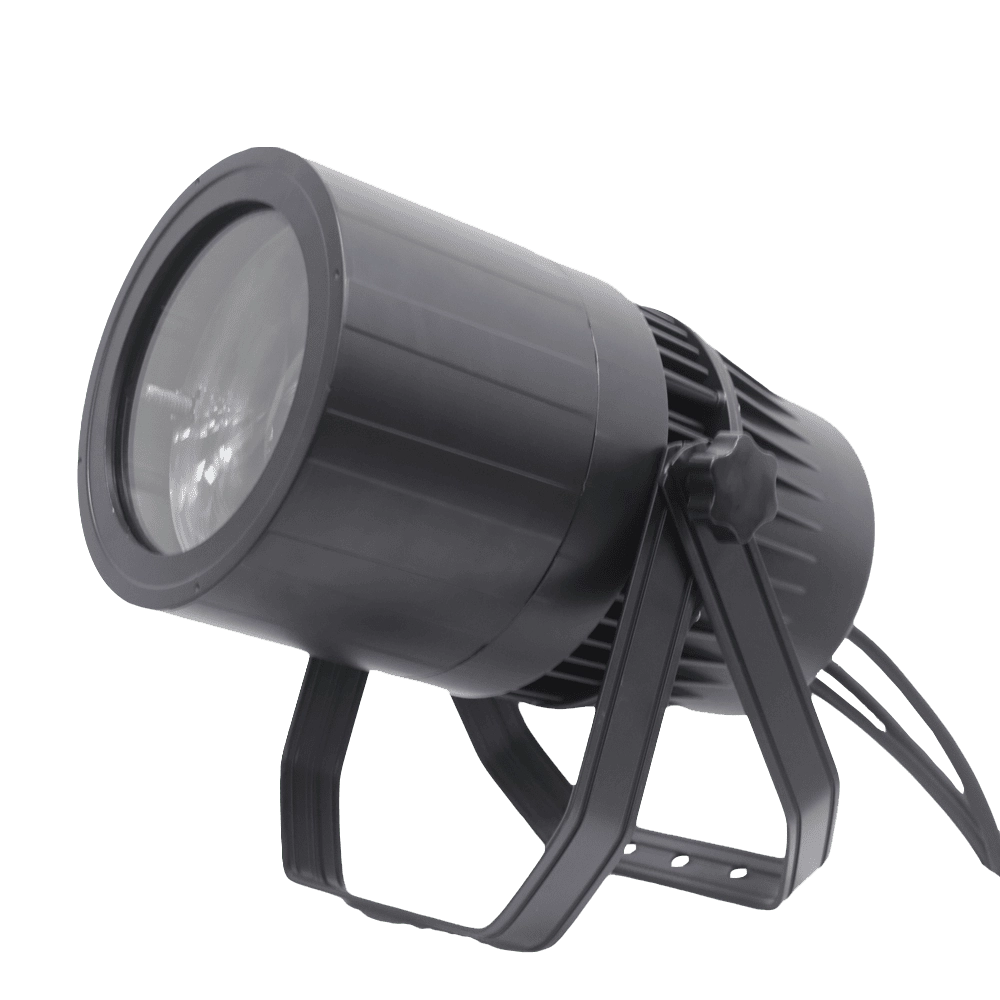
VANRAY Waterproof LED Par Light LP-200Z 200W Zoom Par Light
Introducing the VANRAY Waterproof LED Par Light LP-200Z, a 200W Zoom Par Light engineered for professional performance. Designed by Vanray, this advanced LED PAR light ensures waterproof durability, making it ideal for diverse environments. Elevate your lighting setup with optimum brightness and versatile zoom capabilities. A perfect choice for professional LED PAR light applications.
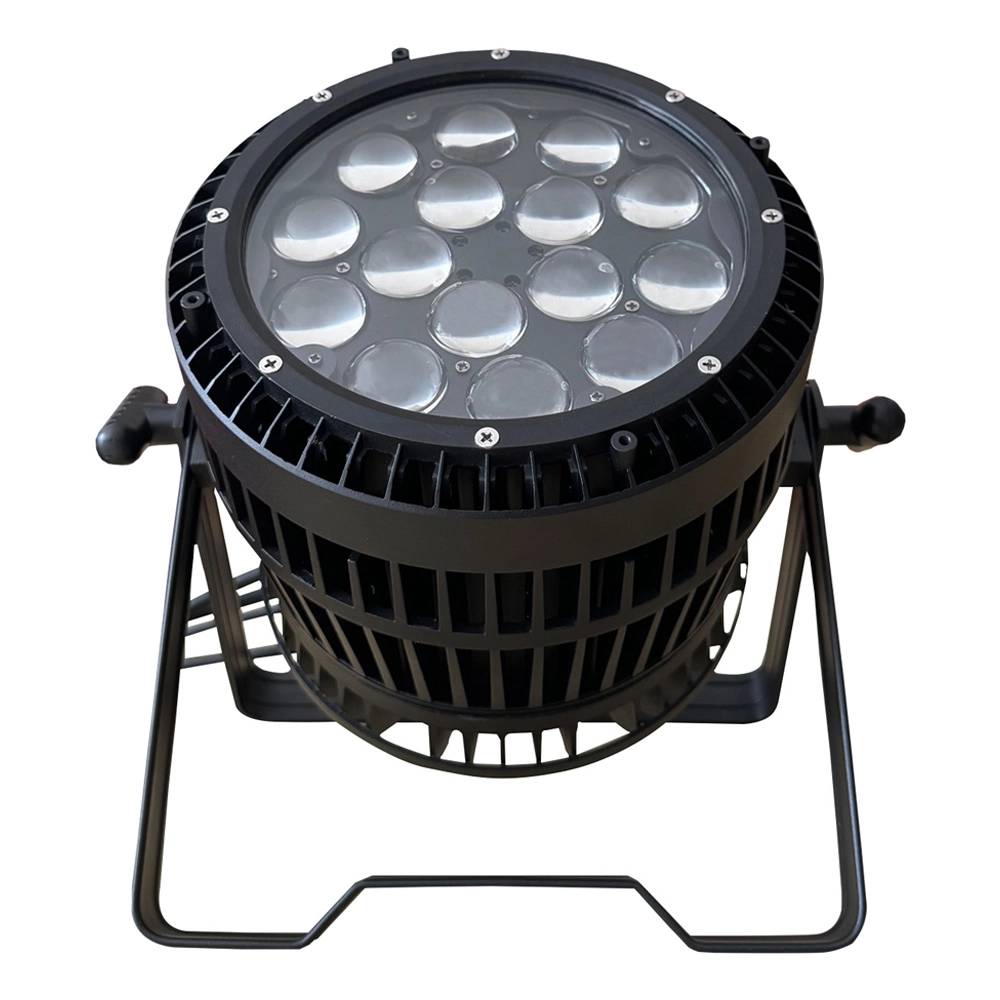
VANRAY LED Par Zoom Wash LP-1515Z 15pcs 15W RGBW Waterproof LED Par Light
Introducing the VANRAY LED Par Zoom Wash LP-1515Z, featuring 15pcs of 15W RGBW waterproof LEDs. This versatile LED wash light par is perfect for vibrant lighting effects, both indoors and outdoors. The precision of our led par zoom wash ensures an exceptional performance, enhancing any event with vivid color dynamics.
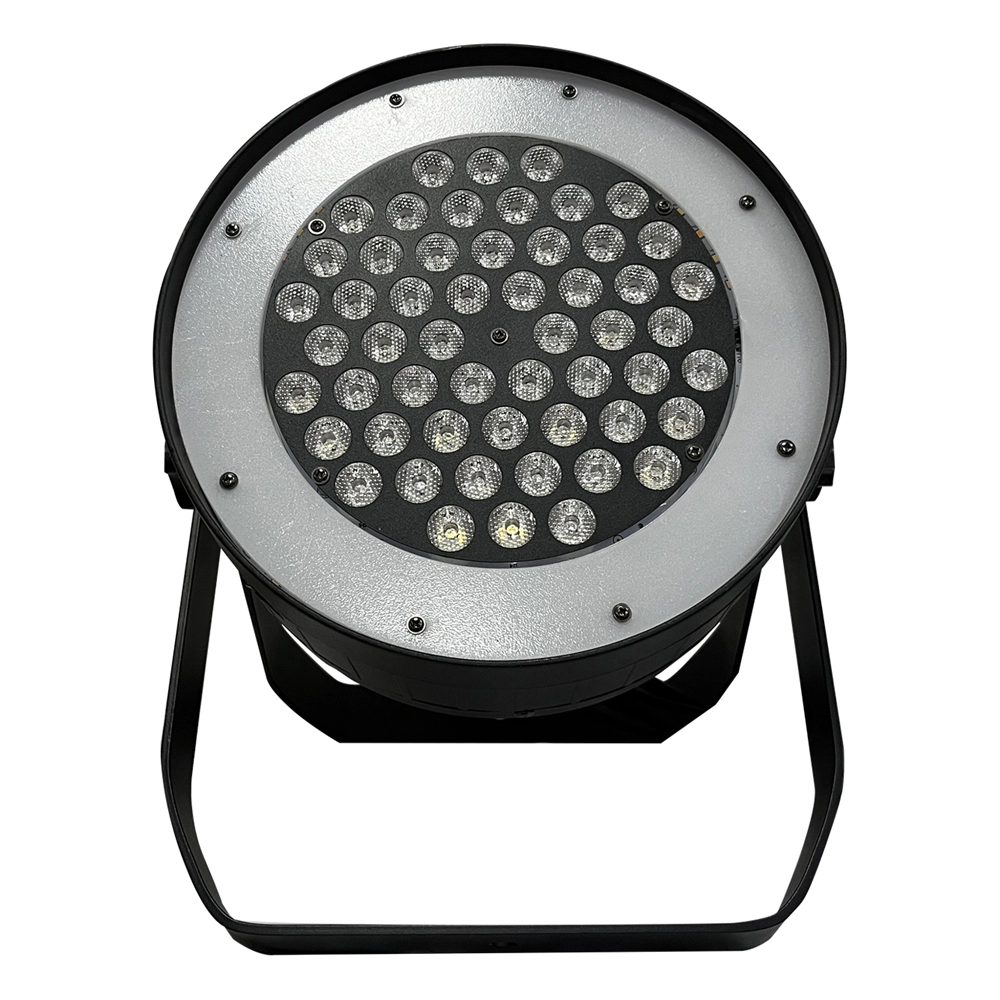
VANRAY Theater LED Par Can Lights LP-350SJL 350W White LED Par Can Lights
Introducing the VANRAY Theater LED Par Can Lights LP-350SJL, featuring an impressive 350W white LED. Ideal for stage lighting, these LED Par Can Lights deliver superior brightness and versatility. Enhance your theater productions with our cutting-edge lighting solutions. Trust Vanray for exceptional performance in LED stage lights.
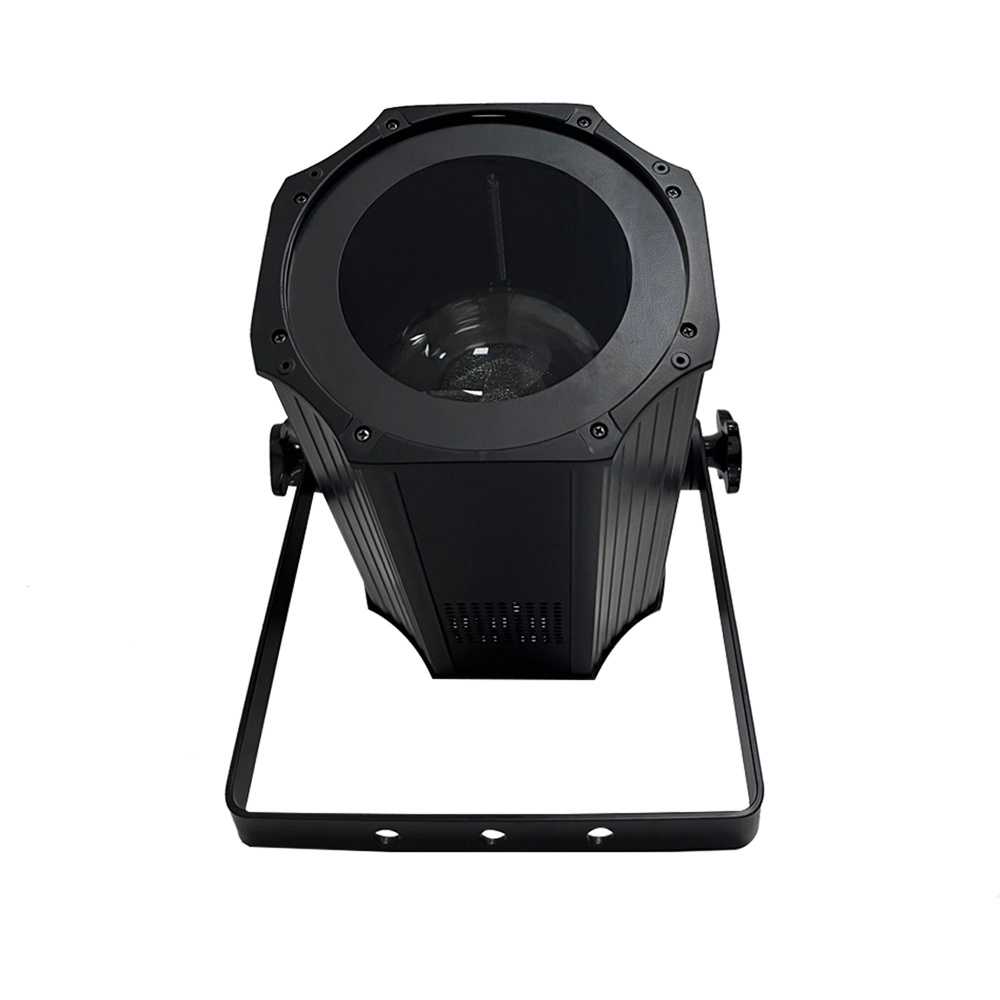
VANRAY LED Par Light Stage LP-200ZC RGBW LED Par Light Suppliers
Introducing the VANRAY LC-200ZC RGBW LED Par Light, a premium solution for vibrant stage lighting. This versatile par LED light ensures dynamic color effects, perfect for events and performances. As leading LED flat-par light suppliers, Vanray guarantees exceptional quality and performance. Illuminate your stage today with Vanray's innovative lighting technology.
As a leading Stage Lighting Manufacturer from China, VANRAY Lighting delivers a comprehensive suite of services including innovative R&D, precision production, and professional integration.
Built on decades of technical expertise, we are defined by our commitment to quality and service perfection. From theaters to grand-scale events, VANRAY is the trusted choice for reliable lighting solutions across the global entertainment and architectural sectors.
Copyright © 2025 VANRAY. All Rights Reserved.

Instagram
YouTube
Facebook