










Energy Use and Power Draw of Moving Head Lights Explained
- Understanding Fixture Power: Practical Guide for Lighting Designers
- How stage moving head light power draw matters for shows and budgets
- Moving head types and typical power envelopes for stage moving head light
- How to read a fixture spec for true power draw of a stage moving head light
- Estimating real-world energy use and show-day costs
- Power (amps) calculations and circuit planning for stage moving head light setups
- Inrush current, fixture startup, and coordinated powering
- Thermal considerations and how heat affects energy efficiency of stage moving head light
- Comparative data: LED vs discharge moving head lights
- Practical rig planning: worked example for a small concert
- Strategies to reduce energy use of stage moving head light rigs
- Safety, compliance and reliability considerations when specifying power for stage moving head light
- Why modern fixtures’ specs (PF, THD) matter for venue electricals
- VANRAY Lighting: trusted partner for efficient moving head lighting solutions
- How VANRAY moving head lights address power and energy concerns
- VANRAY competitive advantages and product summary
- FAQ — Energy Use and Power Draw of Moving Head Lights
- References
Understanding Fixture Power: Practical Guide for Lighting Designers
How stage moving head light power draw matters for shows and budgets
When you plan a lighting rig, the power draw of each stage moving head light directly affects circuit loading, dimmer and distro selection, generator sizing, venue electrical approval, and operational costs. Whether you specify compact LED movers for a club tour or high-output discharge profile movers for a festival, understanding wattage, power factor, inrush, and real-world usage is essential to avoid tripped breakers, unexpected costs, and reliability problems.
Moving head types and typical power envelopes for stage moving head light
Moving head lights fall into several functional classes—LED wash, LED spot/profile, hybrid, and discharge beam movers. Each class has different optical and electrical characteristics. Below is a concise comparison to help estimate power needs early in design.
| Fixture Class | Typical LED/Discharge Wattage | Typical Lumen Output / Notes |
|---|---|---|
| LED Wash Moving Head | 60–400 W | Wide field, lower throw; energy efficient for color washes |
| LED Spot/Profile Moving Head | 150–700 W | Sharper beams, gobos, framing; higher optics efficiency |
| Discharge (Metal Halide / HRI) Profile/Spot | 400–2000+ W | Very high output for large venues; higher energy and cooling needs |
| Beam Moving Head (Narrow Beam) | 280–2000 W | Long throw, intense beams—often discharge or high-power LEDs |
Sources: manufacturer spec sheets and industry summaries (see References).
How to read a fixture spec for true power draw of a stage moving head light
Fixture specifications typically list ‘power consumption’ as a maximum. To use them correctly:
- Use the maximum rated wattage for circuit breaker and generator sizing.
- For energy cost estimates, use an expected duty cycle (see next section) rather than maximum continuous draw.
- Check input voltage and range (100–240V vs 200–277V) and whether the fixture includes active PFC—this affects power factor and real amps drawn.
- Look for power factor (PF) and inrush current figures—PF close to 1 reduces apparent power; high inrush can trip breakers even when steady-state amps are OK.
Estimating real-world energy use and show-day costs
To estimate energy consumption and costs for stage moving head light fixtures, use a simple calculation:
Energy (kWh) = (Total watts of fixtures × Duty cycle fraction × Hours) / 1000
Example: 20 LED spot movers rated 300 W each used for a 4-hour show at an average intensity of 60%:
Total watts = 20 × 300 = 6,000 W. Effective average = 6,000 × 0.6 = 3,600 W = 3.6 kW. Energy for 4 hours = 3.6 × 4 = 14.4 kWh.
At $0.15/kWh, cost = 14.4 × 0.15 = $2.16 — illustrating that LED moving heads can be very economical in running cost compared with older discharge fixtures.
Power (amps) calculations and circuit planning for stage moving head light setups
Converting watts to amps uses the formula: Amps = Watts / (Voltage × Power Factor). For planning, use conservative PF values (0.9–0.95 for modern LED fixtures, 0.6–0.9 for older discharge fixtures).
Examples:
- 230 V region: 300 W LED mover, PF 0.95 → Amps ≈ 300 / (230 × 0.95) ≈ 1.37 A
- 120 V region: 700 W discharge mover, PF 0.65 → Amps ≈ 700 / (120 × 0.65) ≈ 8.97 A
Always size breaker capacity with code-required diversity and derating—do not load circuits above 80% of breaker rating for continuous loads.
Inrush current, fixture startup, and coordinated powering
LED fixtures typically have low steady-state draw but can present high inrush current when power is applied. Discharge fixtures with ignitors (e.g., HRI) also create high inrush and can demand substantial starting current. To avoid nuisance trips:
- Stagger power-on of large banks of movers with remote-managed PDUs or sequencers.
- Use soft-start power supplies or inrush limiters for installations with many fixtures on a single generator.
- Refer to each fixture’s inrush spec when designing distro; assume the worst-case startup pattern (all fixtures on at once) unless you control power-up sequencing.
Thermal considerations and how heat affects energy efficiency of stage moving head light
Heat management impacts LED efficiency and lifetime. High ambient temperatures increase LED junction temperature and reduce luminous efficacy, which can indirectly change user behavior (raising output to compensate) and thus energy usage. Proper rigging and ventilation, and allowing manufacturer-recommended ambient limits, preserve efficiency and reliability.
Comparative data: LED vs discharge moving head lights
| Characteristic | LED Movers | Discharge Movers |
|---|---|---|
| Typical steady-state power | 60–700 W | 400–2000+ W |
| Startup behavior | Moderate inrush; fast stabilization | High inrush; lamp warm-up and re-strike delays |
| Maintenance | Low (LED modules), long lifetime | High (lamp replacements, alignment) |
| Energy efficiency | Higher lumens per watt; lower operating costs | Lower lumens per watt; higher cooling loads |
Data sources include manufacturer specs and industry lighting studies (see References).
Practical rig planning: worked example for a small concert
Scenario: 12 LED spot movers at 350 W max, 8 LED washes at 200 W max. Use 230 V and PF 0.95. Expect average intensity 65% during a 5-hour event.
- Total max power = (12 × 350) + (8 × 200) = 4,200 + 1,600 = 5,800 W
- Average expected power = 5,800 × 0.65 ≈ 3,770 W = 3.77 kW
- Amps on 230 V = 3,770 / (230 × 0.95) ≈ 17.3 A (steady-state)
- Breaker sizing: use at least a 32 A dedicated circuit with headroom and consider distribution across two circuits to avoid single-point failure.
- Energy for 5 hours at $0.20/kWh ≈ 3.77 kW × 5 h × 0.20 = $3.77
Tip: For transportable shows, always check local voltage, distribution connectors (powerCON, stage pin, Socapex) and code for permanent installations.
Strategies to reduce energy use of stage moving head light rigs
Operational and specification choices can cut energy consumption without compromising artistic intent:
- Choose high-efficacy LED movers with good optical efficiency.
- Program intensity curves and use blackout intelligently—keeping heads at lower average intensities saves energy.
- Use audience masking and shuttering instead of higher output to achieve contrast where possible.
- Implement DMX or network control to dim/turn off unused fixtures during scene transitions.
- In touring scenarios, favor fixtures with auto-ranging power supplies and low inrush to simplify distro.
Safety, compliance and reliability considerations when specifying power for stage moving head light
Ensure compliance with regional electrical codes, and always get electrical plans reviewed for fixed installations. Key points:
- Use RCD/GFCI where required for outdoor or damp locations.
- Follow manufacturer guidance for ambient temperature and derating.
- Plan redundant power feeds for critical fixtures and consider UPS for control systems.
- Label distro clearly and use color-coded cabling to reduce human error during load-in.
Why modern fixtures’ specs (PF, THD) matter for venue electricals
Power factor and total harmonic distortion (THD) influence the apparent power and the quality of the electrical supply. High THD and poor PF can cause issues on shared venue panels. Prefer fixtures with active PFC and low THD, and consult the venue’s technical manager when deploying large numbers of fixtures.
VANRAY Lighting: trusted partner for efficient moving head lighting solutions
VANRAY Lighting is dedicated to becoming a leading global lighting solutions provider. With over ten years of industry experience, VANRAY offers efficient and customized lighting products for stage, film, television, and landscape applications. Their product range includes moving head lights, LED PAR lights, LED profile spotlights, fresnel spotlights, and floodlights. VANRAY supports OEM and ODM services and operates with a robust R&D team and advanced manufacturing facilities covering 8000+ sqm, producing reliable fixtures certified to CE, RoHS, and ISO standards.
How VANRAY moving head lights address power and energy concerns
VANRAY’s moving head lights are engineered for high optical efficiency and thermal management, delivering competitive lumens-per-watt while minimizing heat and extending LED life. For rental companies and venues, VANRAY can provide customized power options, active PFC implementations, and documentation for load-in planning. Their diverse portfolio allows selection between compact LED wash movers for energy-sensitive applications and higher-output profile movers where throw and beam quality are priorities.
VANRAY competitive advantages and product summary
Why choose VANRAY for stage moving head light needs?
- Proven manufacturing scale and quality control with international certifications (CE, RoHS, ISO).
- Comprehensive R&D and OEM/ODM capability to tailor fixtures for specific power, control, and mechanical requirements.
- Product range covering moving head lights, LED PAR lights, LED profile spotlights, and floodlights—offering end-to-end solutions for concerts, theatres, cultural projects, and outdoor events.
- Technical support for power planning, ensuring fixtures integrate well into venue electrical infrastructure.
Contact VANRAY to discuss tailored moving head light options that balance performance and energy efficiency for your venue or tour.
FAQ — Energy Use and Power Draw of Moving Head Lights
- Q1: How many moving head lights can I put on a single 16 A circuit?
A1: It depends on fixture wattage and local voltage. As a rule, calculate total steady-state amps and keep continuous load under 80% of breaker rating. For example, on 230 V with 16 A breaker, usable continuous is ~12.8 A ≈ ~2.9 kW at PF 0.95. Divide by fixture average draw to find the safe number.
- Q2: Do LED moving head lights always draw their rated wattage?
A2: No. Rated wattage is typically the maximum. Actual draw depends on intensity, color mixing, and features used. Use an expected duty cycle (e.g., 50–80%) for more realistic energy estimates.
- Q3: How does power factor affect my rig?
A3: Lower power factor increases apparent power and amps drawn, so it may force you to distribute load across more circuits or upgrade distribution. Fixtures with active PFC are preferable.
- Q4: Should I worry about inrush current when using many movers?
A4: Yes. Inrush can cause breakers to trip during power-up. Stagger power-on, use inrush limiting, or employ sequencing PDUs to mitigate startup surges.
- Q5: Are discharge movers worth the energy cost?
A5: Discharge movers deliver high output and beam quality ideal for large venues but consume more power and require more maintenance. LED movers now cover most use cases with better energy efficiency; choice depends on throw requirements and budget.
For personalized rig planning, product selection, or to view VANRAY’s moving head light range and technical datasheets, contact VANRAY Lighting or visit their product pages. Our team can provide fixture power specs, load-in plans, and OEM/ODM options to meet your project’s power and performance requirements.
References
- ETC (Electronic Theatre Controls) — Lighting technical resources: power factor and fixture electrical considerations. https://www.etcconnect.com/ (accessed 2025-11-28)
- Chauvet Professional — Product specifications for moving head fixtures (technical datasheets). https://www.chauvetprofessional.com/ (accessed 2025-11-28)
- Martin by HARMAN — Product pages and power consumption specs for moving head fixtures. https://www.martin.com/ (accessed 2025-11-28)
- U.S. Department of Energy — Solid-State Lighting Program, LEDs: energy efficiency and performance. https://www.energy.gov/eere/ssl/solid-state-lighting (accessed 2025-11-28)
- IES (Illuminating Engineering Society) — Lighting handbooks and guides covering luminaire efficacy and thermal considerations. https://www.ies.org/ (accessed 2025-11-28)
Best moving head wash light manufacturers and supplier brands in us 2025
Best par led light manufacturers and supplier brands in us 2025
How to Choose Right led zoom moving head light manufacturer and supplier ?
Best led wall washer light manufacturers and supplier brands in us 2025
About Product
What certifications and inspections have your products passed?
Our products have passed relevant quality certifications and inspections, including CE, RoHS, etc., to ensure product safety and reliability.
About Company
What is the main product of your company ?
Our main products covers moving head light , led profile spot light , led fresnel , led panel , led wall washer , gobo projector , led strobe light, etc.
How long has your company been established?
Our company has been established since 2013.
Can I Visit your company?
Of course, our company is located in No. 7, Sijiaowei Industrial Zone, Tanbu Town, Huadu District, Guangzhou, China. Warmly welcome to visit our factory.
About Customized Services
What is minimum order quantity requirement for customization services?
No MOQ
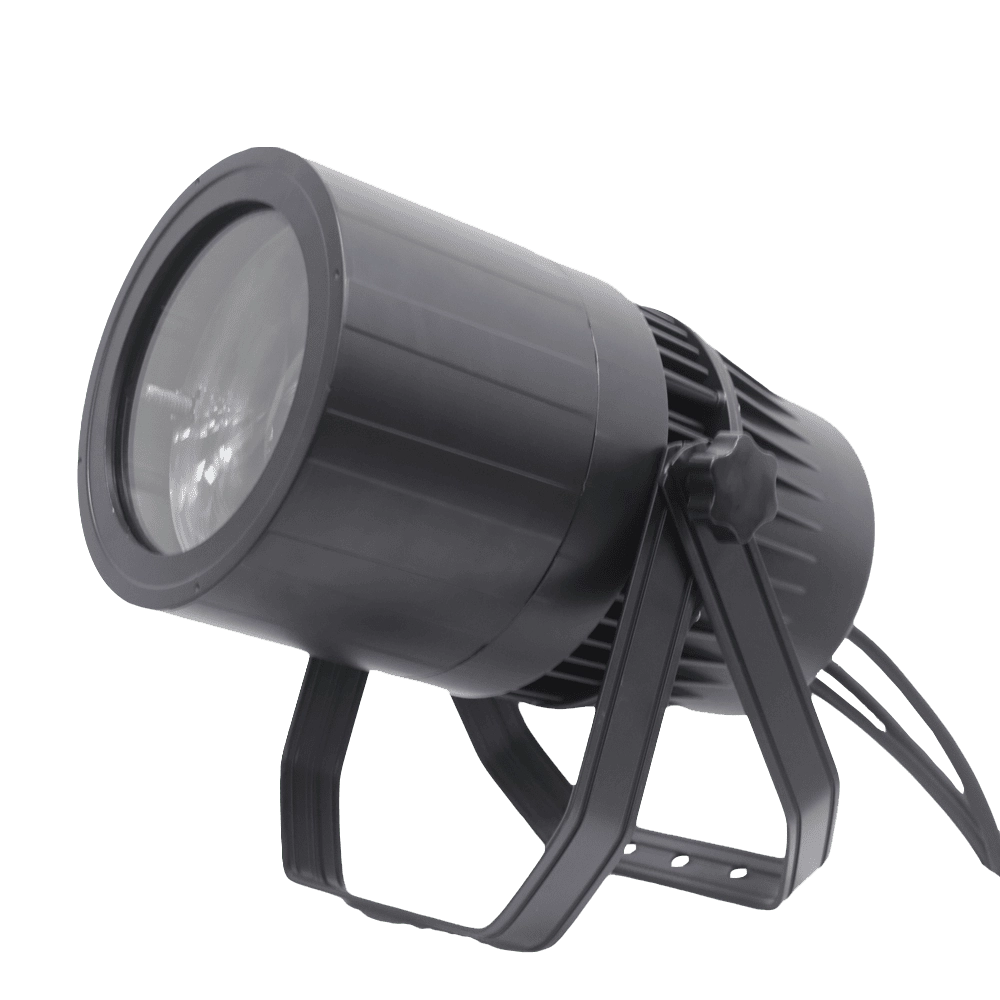
VANRAY Waterproof LED Par Light LP-200Z 200W Zoom Par Light
Introducing the VANRAY Waterproof LED Par Light LP-200Z, a 200W Zoom Par Light engineered for professional performance. Designed by Vanray, this advanced LED PAR light ensures waterproof durability, making it ideal for diverse environments. Elevate your lighting setup with optimum brightness and versatile zoom capabilities. A perfect choice for professional LED PAR light applications.
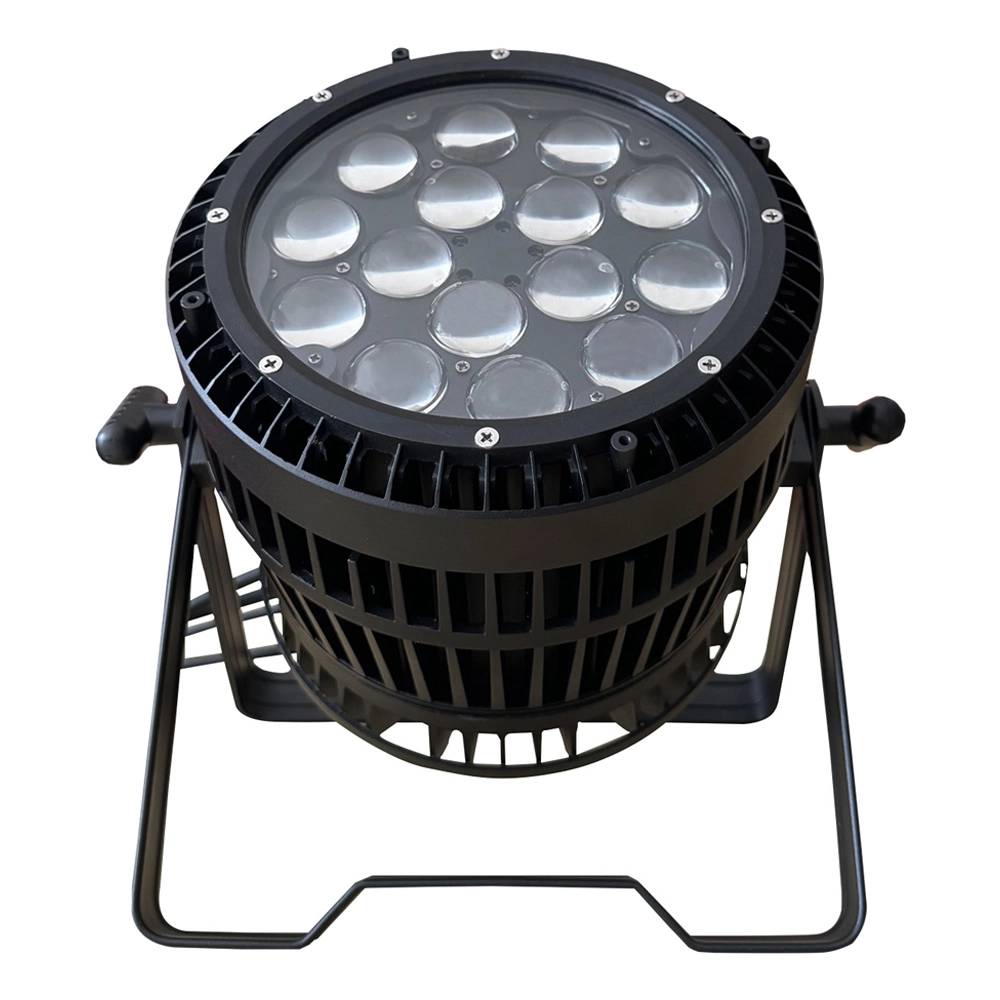
VANRAY LED Par Zoom Wash LP-1515Z 15pcs 15W RGBW Waterproof LED Par Light
Introducing the VANRAY LED Par Zoom Wash LP-1515Z, featuring 15pcs of 15W RGBW waterproof LEDs. This versatile LED wash light par is perfect for vibrant lighting effects, both indoors and outdoors. The precision of our led par zoom wash ensures an exceptional performance, enhancing any event with vivid color dynamics.
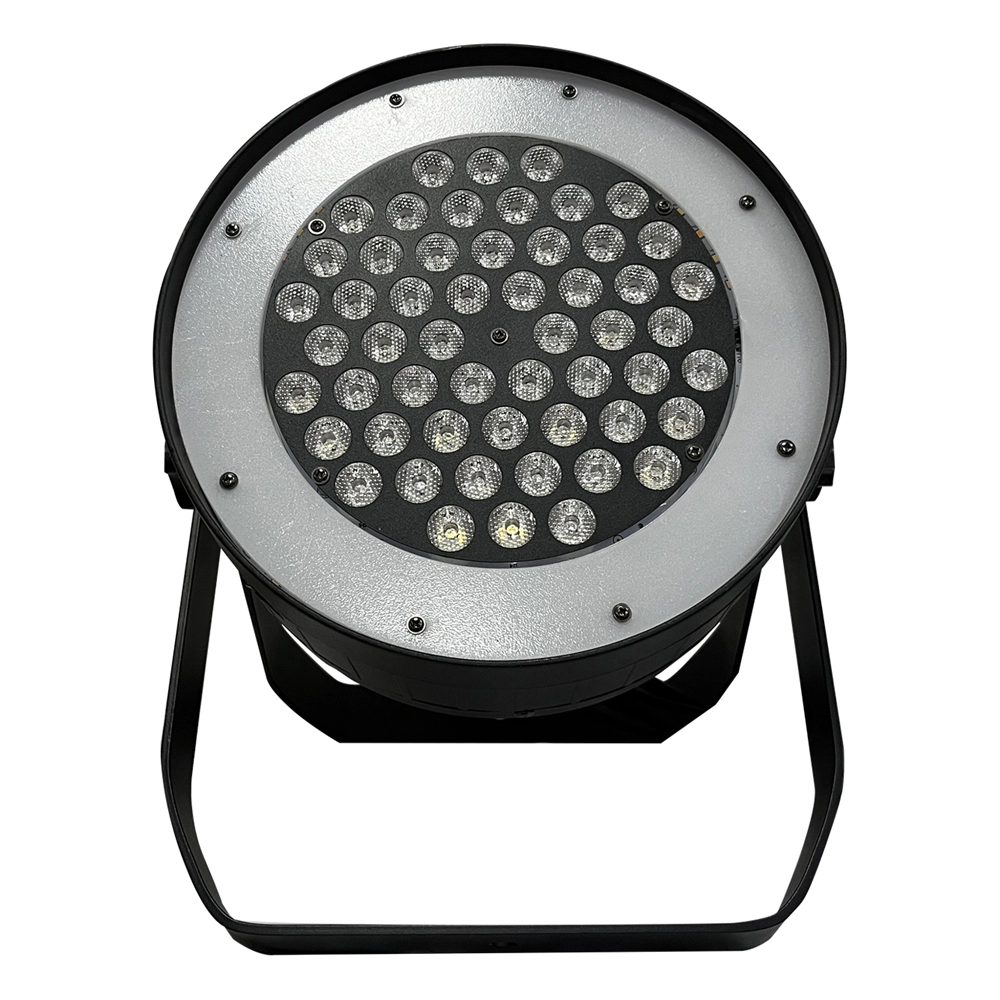
VANRAY Theater LED Par Can Lights LP-350SJL 350W White LED Par Can Lights
Introducing the VANRAY Theater LED Par Can Lights LP-350SJL, featuring an impressive 350W white LED. Ideal for stage lighting, these LED Par Can Lights deliver superior brightness and versatility. Enhance your theater productions with our cutting-edge lighting solutions. Trust Vanray for exceptional performance in LED stage lights.
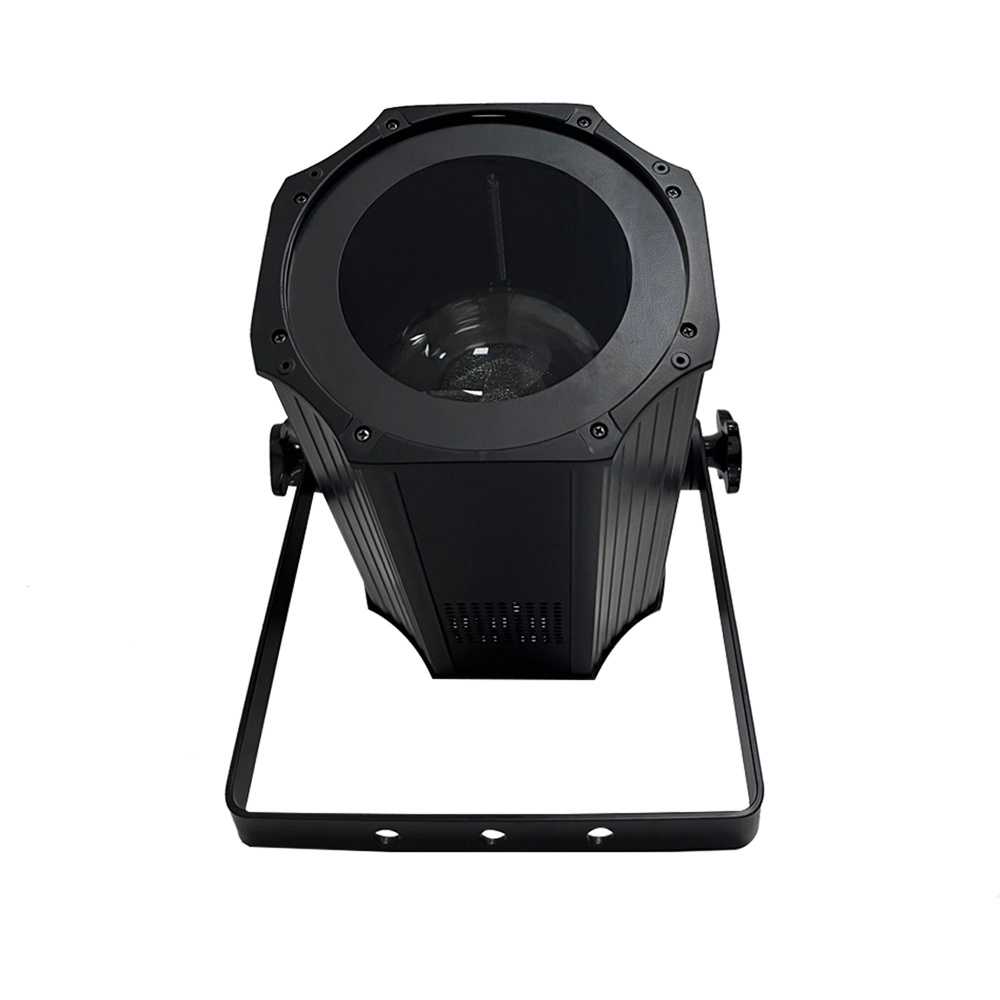
VANRAY LED Par Light Stage LP-200ZC RGBW LED Par Light Suppliers
Introducing the VANRAY LC-200ZC RGBW LED Par Light, a premium solution for vibrant stage lighting. This versatile par LED light ensures dynamic color effects, perfect for events and performances. As leading LED flat-par light suppliers, Vanray guarantees exceptional quality and performance. Illuminate your stage today with Vanray's innovative lighting technology.
As a leading Stage Lighting Manufacturer from China, VANRAY Lighting delivers a comprehensive suite of services including innovative R&D, precision production, and professional integration.
Built on decades of technical expertise, we are defined by our commitment to quality and service perfection. From theaters to grand-scale events, VANRAY is the trusted choice for reliable lighting solutions across the global entertainment and architectural sectors.
Copyright © 2025 VANRAY. All Rights Reserved.

Instagram
YouTube
Facebook