










Energy-Efficient Moving Head Lights: LED vs Traditional
- Why Energy Efficiency Matters in Stage Lighting
- Understanding the technologies behind a stage moving head light
- Key performance categories to compare for stage moving head light selection
- How LED moving head lights work vs traditional lamp-based units
- Energy and luminous efficacy: raw numbers for stage moving head light types
- Comparing total cost of ownership (TCO) for stage moving head light
- Environmental and operational advantages of LED stage moving head light
- Performance trade-offs: when traditional moving head lights still make sense
- Optical quality, beam characteristics and creative choices for stage moving head light
- Maintenance, reliability and lifecycle considerations for stage moving head light fleets
- Operational checklist before switching to LED moving head light
- VANRAY Lighting: capabilities and why it’s relevant to your stage moving head light needs
- How VANRAY’s product strengths align with energy-efficient stage moving head light choices
- Decision framework: selecting the right stage moving head light for your needs
- Quick recommendation
- Frequently Asked Questions (FAQ)
- 1. Are LED moving head lights always more energy efficient than traditional moving head lights?
- 2. Do LED moving head lights provide the same beam intensity as discharge lamp fixtures?
- 3. How often will I need to service or replace LEDs compared to lamps?
- 4. What is the best way to compare two fixtures’ real-world output?
- 5. How do energy savings translate to venue cost reductions?
- 6. Are LED moving head lights suitable for outdoor festivals?
- Contact VANRAY for product information or consultation
- References
Why Energy Efficiency Matters in Stage Lighting
For concert halls, theaters, rental companies, and event producers, the choice of stage moving head light is not only about brightness and effects — it's a long-term operational decision. Energy consumption affects running costs, heat load on HVAC systems, maintenance cycles, and environmental impact. This article examines LED versus traditional lamp-based moving head lights with a focus on energy efficiency, total cost of ownership, and real-world performance metrics to help technical directors and procurement managers make informed decisions.
Understanding the technologies behind a stage moving head light
A typical stage moving head light platform is built around a light source (lamp or LEDs), optics and zoom, color and gobo mechanisms, pan/tilt motors, cooling system, and control electronics. When you specify a stage moving head light, the light source defines many downstream attributes: luminous efficacy (lm/W), color rendering, dimming behavior, warm-up time, weight, and maintenance needs.
Key performance categories to compare for stage moving head light selection
Decision-makers should evaluate the following when comparing LED and traditional moving heads: energy consumption (W), luminous flux and beam intensity (lux at distance), color rendering index (CRI) or TM-30, maintenance intervals and lamp replacement costs, heat produced (affects HVAC), reliability and mean time between failures (MTBF), and initial purchase price versus lifecycle cost.
How LED moving head lights work vs traditional lamp-based units
LED moving head lights use arrays of high-power LEDs with individual or grouped mixing to produce colors and effects. They rely on electronic drivers and heat sinks for thermal management. Traditional moving head lights typically use discharge lamps (e.g., metal halide, short-arc xenon) or halogen sources coupled with mechanical color wheels and rotating gobos. Traditional lamps generate more radiant heat, require ignitors and warm-up/cool-down cycles, and need periodic lamp replacement.
Energy and luminous efficacy: raw numbers for stage moving head light types
Below is a side-by-side comparison of typical reported metrics for contemporary LED moving heads and commonly used lamp-based moving heads. Values are representative ranges; specific fixtures will vary by manufacturer and model.
| Metric | LED Moving Head (typical) | Traditional Lamp Moving Head (HID / discharge) |
|---|---|---|
| Input Power (typical) | 150–900 W (multi-LED designs) | 400–2000 W (lamp + ballast) |
| Luminous Efficacy (system lm/W) | 60–130 lm/W (fixture dependent) | 30–80 lm/W (lamp + optics) |
| Lamp/Food Life | 30,000–100,000 hours (LED engines) | 500–3,000 hours (discharge lamps) |
| Color Rendering | CRI 70–97 (tunable/high-CRI LEDs) | CRI 60–90 (depends on lamp type) |
| Typical Warm-Up/Cool-Down | Instant to negligible | Several minutes; requires cool-down before power-off |
| Maintenance | Lower (no lamp swaps; possible LED module or fan replacement) | Higher (lamp replacement, ballast/ignitor service) |
Data sources: U.S. Department of Energy, Lighting Research Center; typical manufacturer datasheets. See references at the end for links and access dates.
Comparing total cost of ownership (TCO) for stage moving head light
Initial purchase price is only part of the picture. TCO includes energy cost, lamp replacements, technician labor, spare parts, disposal, and downtime. Below is an illustrative TCO example comparing a 600 W traditional moving head (lamp-based) to an LED moving head delivering similar on-axis lux.
| Assumption | LED Fixture | Traditional Fixture |
|---|---|---|
| Initial price | $3,500 | $2,500 |
| Power draw | 450 W | 900 W |
| Annual usage | 1,500 hours | |
| Electricity cost | $0.12 per kWh (example) | |
| Annual energy cost | $81 (450 W * 1500h = 675 kWh * $0.12) | $162 (900 W * 1500h = 1350 kWh * $0.12) |
| Lamp replacements per year | 0 (LED life long) | 0.5 (lamp change every ~2 years) |
| Lamp cost + labour annually | $0 | $150 |
| 5-year running cost (energy + lamps) | $405 | $1,560 |
| 5-year TCO (initial + running) | $3,905 | $4,060 |
Interpretation: In this straightforward scenario, the LED fixture becomes cost-competitive within a few years despite higher initial price, primarily due to energy savings and reduced lamp maintenance. Adjust the assumptions (hours/year, electricity price, lamp cost, downtime impacts) to model your venue’s specifics. Source assumptions: typical fixture wattages and lamp lifetimes from manufacturer datasheets and industry analyses (see references).
Environmental and operational advantages of LED stage moving head light
LED fixtures typically consume less power, reduce venue HVAC load (less waste heat), and avoid mercury-containing lamps used in some discharge sources. For large festivals or touring rigs where hundreds of moving heads are used, cumulative electricity and cooling savings are significant. The U.S. EPA and DOE have documented reduced environmental impact for solid-state lighting vs traditional technologies (see references).
Performance trade-offs: when traditional moving head lights still make sense
Traditional lamp-based moving heads still have advantages in certain niches. Short-arc HID and xenon sources can deliver extremely high center-beam intensity and certain color/wash characteristics that some designers prefer for very long throw applications or specific visual aesthetics. Rental houses that already own large inventories of lamp fixtures may find retaining a mixed fleet economical in the short term.
Optical quality, beam characteristics and creative choices for stage moving head light
Modern LED moving heads have closed the gap on many optical characteristics: sharper gobos, improved zoom ranges, and higher CRI options. However, for extreme long-throw stadium applications or very high color-saturation needs, some lamp-based fixtures may still outperform in raw center-beam lux. Always test fixtures in your real environment and request photometric reports (IES files) from vendors to compare lux at distance and beam spread.
Maintenance, reliability and lifecycle considerations for stage moving head light fleets
LED fixtures trade lamp swaps for potential driver electronics, fan failures, or LED module degradation. Mean time between failures (MTBF) for LEDs has grown with better thermal designs. Traditional fixtures require periodic lamp replacement, which carries direct costs and indirect costs (crew hours, lost rental revenue during service). Inventory planning should include spare parts for whichever technology you adopt.
Operational checklist before switching to LED moving head light
- Run photometric comparisons (IES files) to verify equivalent performance at required throw distances.
- Model energy and HVAC savings using your actual hours and local electricity tariffs.
- Check IP ratings for outdoor usage; LED moving heads often have better integrated sealing options for outdoor fixtures.
- Plan spare part inventory (drivers, fans) and warranty support.
- Confirm color fidelity (CRI/TM-30) for theatrical or broadcast applications.
VANRAY Lighting: capabilities and why it’s relevant to your stage moving head light needs
VANRAY Lighting is dedicated to becoming a leading global lighting solutions provider. With over ten years of industry experience, we offer efficient and customized lighting products for various fields such as stage, film, television, and landscape. Our products include LED PAR lights, moving head lights, LED profile spotlights, fresnel spotlights, floodlights, and more, supporting OEM and ODM services. We boast a robust R&D team, advanced manufacturing facilities covering 8000+ sqm, and a reputation for product reliability. VANRAY products have received international certifications such as CE, RoHS, and ISO. Our offerings cater to concert stages, theaters, cultural projects, and outdoor events, ensuring excellent performance and high-quality standards. As we expand, VANRAY continues to provide innovative lighting solutions worldwide. Our mission is to deliver visually stunning lighting experiences to global audiences.
How VANRAY’s product strengths align with energy-efficient stage moving head light choices
VANRAY’s LED moving head lights are engineered for optimized thermal paths, high-efficiency optical engines, and modular serviceability—features that translate to lower energy use and easier field maintenance. With support for OEM/ODM, VANRAY can tailor lumen output, beam angle, and control protocols (DMX/RDM/ArtNet) to match venue requirements. The company’s product range (moving head lights, LED PAR lights, LED profile spotlights, floodlights) allows venues and rental houses to standardize on efficient LED ecosystems that reduce lifecycle costs and environmental footprint.
Decision framework: selecting the right stage moving head light for your needs
Use this practical flow to decide:
- Define application: indoor theater, touring concert, outdoor festival, broadcast studio.
- List technical must-haves: throw distance, CRI, zoom range, IP rating, weight constraints.
- Request IES photometrics and do side-by-side tests in your space.
- Model 3–5 year TCO including electricity, maintenance, spare parts, downtime cost.
- Factor in environmental/regulatory aspects (mercury disposal, energy targets).
- Consider vendor support (warranty length, spare parts availability, local service).
Quick recommendation
For most modern stages, LED moving head lights represent the best balance of energy efficiency, reduced maintenance, lower HVAC load, and increasingly comparable optical performance. Retain lamp-based moving heads only for specific long-throw or aesthetic cases where photometric testing proves superior.
Frequently Asked Questions (FAQ)
1. Are LED moving head lights always more energy efficient than traditional moving head lights?
Generally yes—LED moving heads consume significantly less power for equivalent usable light in most configurations. Savings depend on fixture design and desired output; always compare IES files and real measurements.
2. Do LED moving head lights provide the same beam intensity as discharge lamp fixtures?
Modern high-power LED moving heads can match or approach the beam intensity of many discharge fixtures for mid-throw applications. For extremely long throws (stadium distances), some high-wattage lamp-based fixtures may still produce higher center-beam lux.
3. How often will I need to service or replace LEDs compared to lamps?
LED engines are rated for tens of thousands of hours (30,000–100,000). Discharge lamps typically last a few hundred to a few thousand hours and require periodic replacement. LEDs may still require fan or driver replacement over long service lives.
4. What is the best way to compare two fixtures’ real-world output?
Request IES/IESNA photometric files and measure lux at the required throw distances. Also confirm CRI/TM-30 data and color temperature performance for theatrical and broadcast environments.
5. How do energy savings translate to venue cost reductions?
Savings come from lower electricity bills, smaller HVAC loads (less waste heat), and reduced maintenance labor and parts. Use a TCO model with your local electricity rate and expected hours to quantify savings.
6. Are LED moving head lights suitable for outdoor festivals?
Yes — many LED moving heads are designed with ruggedized housings and appropriate IP ratings for outdoor use. Ensure the model has the required IP rating and ingress protection for your environment.
Contact VANRAY for product information or consultation
If you are evaluating stage moving head light options for a venue, touring rig, or rental fleet, VANRAY Lighting offers product catalogs, photometric data (IES files), and customized solutions. Contact VANRAY for quotes, sample testing, and OEM/ODM discussions to specify moving head lights, LED PAR lights, LED profile spotlights, or floodlights tailored to your project.
References
- U.S. Department of Energy, Solid-State Lighting Program — LED Lighting Basics. https://www.energy.gov/eere/ssl/solid-state-lighting (accessed 2025-12-08)
- Lighting Research Center (Rensselaer Polytechnic Institute) — Solid State Lighting resources. https://www.lrc.rpi.edu/programs/solidstate/ (accessed 2025-12-08)
- U.S. Environmental Protection Agency — Mercury and Air Toxics: Information on mercury in lamps. https://www.epa.gov/mercury (accessed 2025-12-08)
- Energy Information Administration (EIA) — Electricity prices (for modeling energy cost assumptions). https://www.eia.gov/electricity/ (accessed 2025-12-08)
- Typical manufacturer technical datasheets and IES photometrics — examples from major fixture manufacturers (consult vendor datasheets for exact model figures). Manufacturer websites and product pages (accessed 2025-12-08)
For further assistance specifying energy-efficient stage moving head light systems, request VANRAY’s product catalog or contact our technical sales team for site-specific photometric evaluations.
How to manufacturing led strip wall washer
The latest trends for led wall washer light
Top head moving light Manufacturers and Suppliers
How to Choose Wholesale LED PAR Lights by Beam Angle
About After Sales
What is the product quality guarantee time ?
Our stage lighting product guarantee time is 1 year; all products can support after-sale service during this period; if lights are broken, we can provide spare parts for free.
What should I do if there are problems when using the product?
If you encounter any problems when using the stage lighting products, please contact our customer service team in time, and we will wholeheartedly provide you with technical support and solutions.
About Customized Services
How long does customized service take?
The time for customized services depends on your specific needs and order volume. Generally speaking, normally 2-3 days, we will provide you with customized solutions as soon as possible.
About Cooperation Process
What information do I need to provide to start the cooperation process?
You need to provide your company information, product needs, customization requirements, cooperation intentions and other relevant information.
About Product
What is the delivery time of orders ?
Its based on the workshop schedule; if products are in stock, we will ship the goods within 1-2 days; if products are out of stock, we need to make production; normally 100-200 pieces can be finished in 7-10 days.
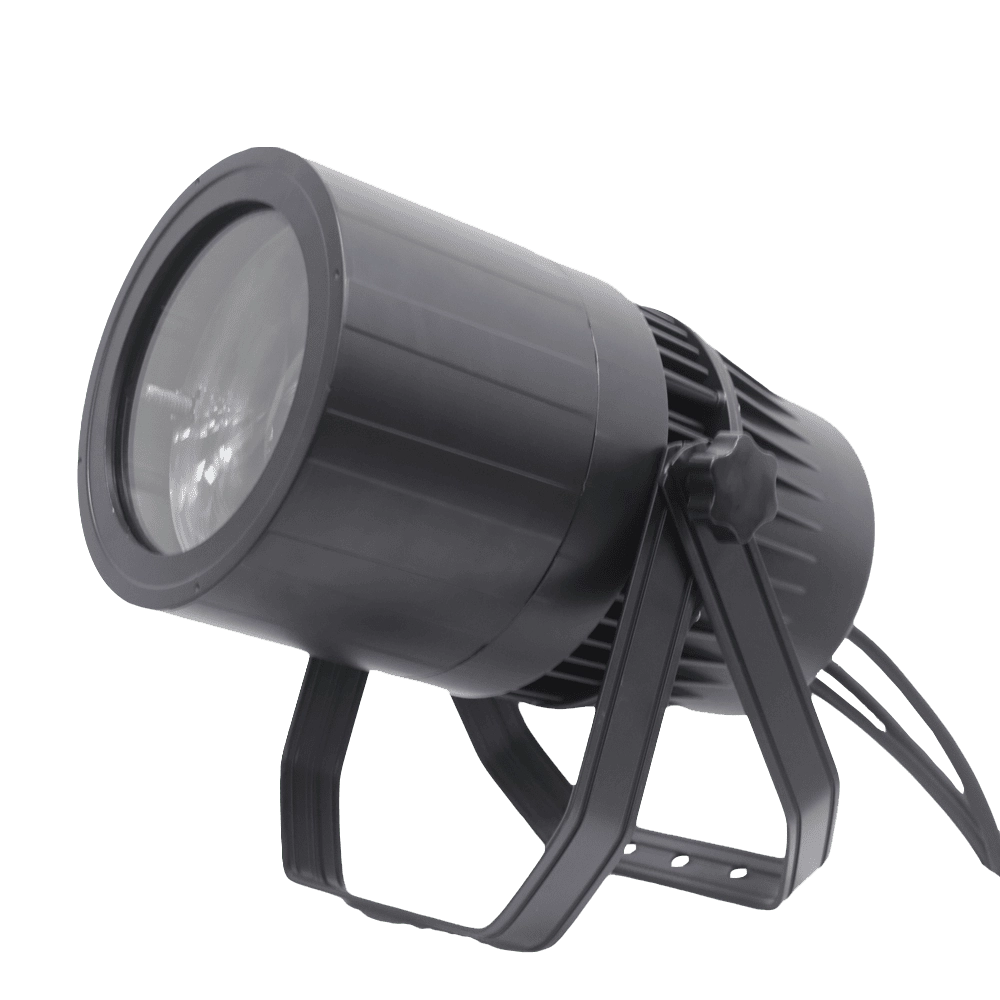
VANRAY Waterproof LED Par Light LP-200Z 200W Zoom Par Light
Introducing the VANRAY Waterproof LED Par Light LP-200Z, a 200W Zoom Par Light engineered for professional performance. Designed by Vanray, this advanced LED PAR light ensures waterproof durability, making it ideal for diverse environments. Elevate your lighting setup with optimum brightness and versatile zoom capabilities. A perfect choice for professional LED PAR light applications.
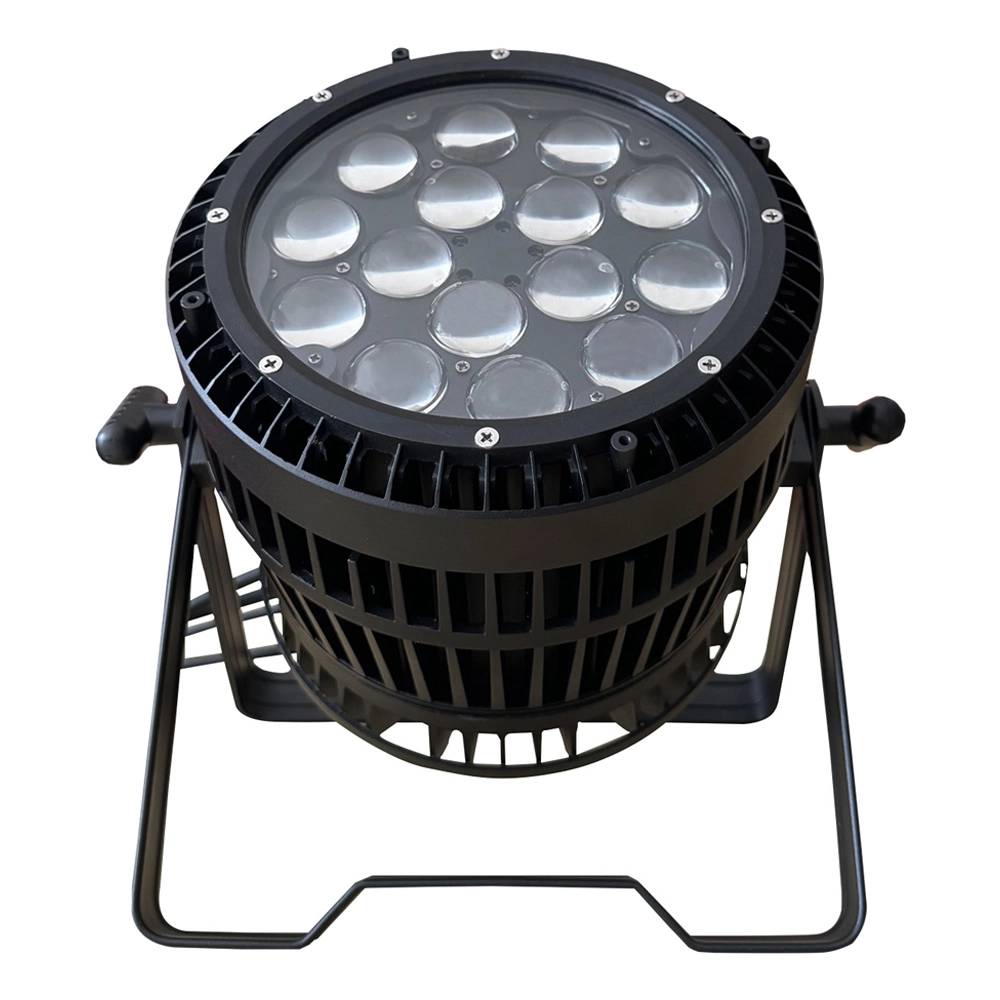
VANRAY LED Par Zoom Wash LP-1515Z 15pcs 15W RGBW Waterproof LED Par Light
Introducing the VANRAY LED Par Zoom Wash LP-1515Z, featuring 15pcs of 15W RGBW waterproof LEDs. This versatile LED wash light par is perfect for vibrant lighting effects, both indoors and outdoors. The precision of our led par zoom wash ensures an exceptional performance, enhancing any event with vivid color dynamics.
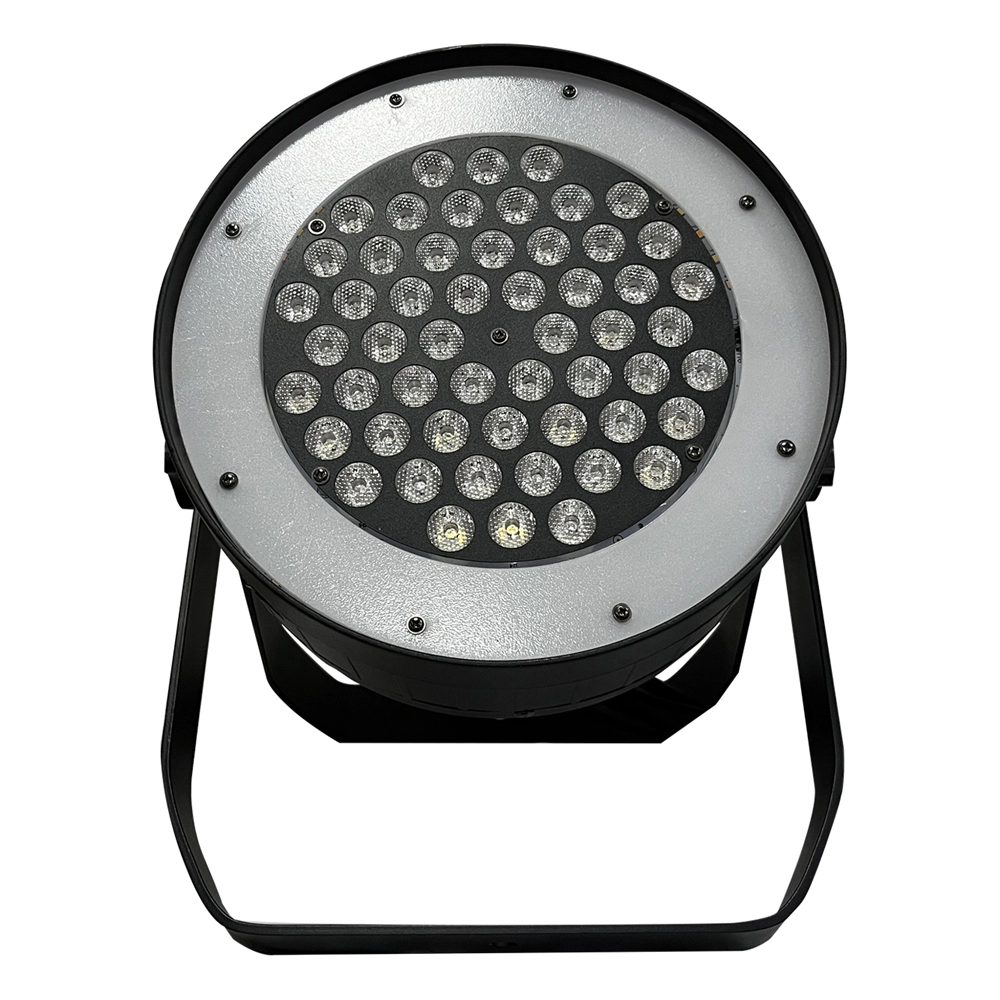
VANRAY Theater LED Par Can Lights LP-350SJL 350W White LED Par Can Lights
Introducing the VANRAY Theater LED Par Can Lights LP-350SJL, featuring an impressive 350W white LED. Ideal for stage lighting, these LED Par Can Lights deliver superior brightness and versatility. Enhance your theater productions with our cutting-edge lighting solutions. Trust Vanray for exceptional performance in LED stage lights.
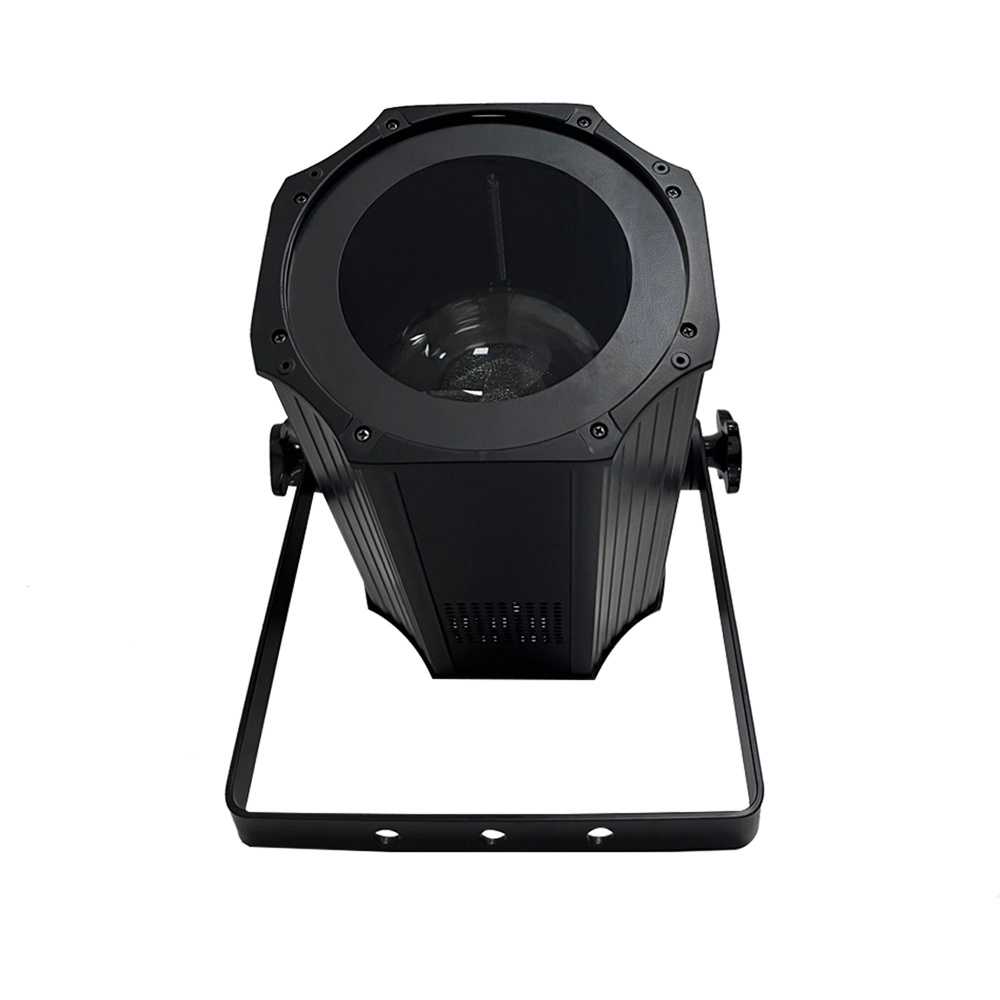
VANRAY LED Par Light Stage LP-200ZC RGBW LED Par Light Suppliers
Introducing the VANRAY LC-200ZC RGBW LED Par Light, a premium solution for vibrant stage lighting. This versatile par LED light ensures dynamic color effects, perfect for events and performances. As leading LED flat-par light suppliers, Vanray guarantees exceptional quality and performance. Illuminate your stage today with Vanray's innovative lighting technology.
As a leading Stage Lighting Manufacturer from China, VANRAY Lighting delivers a comprehensive suite of services including innovative R&D, precision production, and professional integration.
Built on decades of technical expertise, we are defined by our commitment to quality and service perfection. From theaters to grand-scale events, VANRAY is the trusted choice for reliable lighting solutions across the global entertainment and architectural sectors.
Copyright © 2025 VANRAY. All Rights Reserved.

Instagram
YouTube
Facebook