










Small Venue Stage Lighting: Compact Moving Head Solutions
- Compact Moving Heads: Big Impact in Small Spaces
- Why small venues choose stage moving head light fixtures
- Types of compact stage moving head light for small venues
- Key specifications to evaluate when buying a stage moving head light
- Installation and rigging tips for compact stage moving head light in intimate venues
- Comparing compact moving head lights: features and typical ranges
- Control and programming strategies for small-venue stage moving head light rigs
- Maintenance, lifecycle costs, and ROI for investing in compact stage moving head light
- VANRAY: Compact moving head lights, LED PAR lights, and more
- Selecting the right VANRAY-style compact stage moving head light
- Practical buying checklist for small-venue moving head purchases
- FAQ — Small Venue Stage Moving Head Light Questions
- 1. What is the ideal number of compact moving head lights for a small stage?
- 2. Can compact moving head lights be mounted on truss with low ceiling heights?
- 3. How noisy are moving head lights and how to mitigate fan noise?
- 4. Should I choose LED or discharge source for small-venue moving heads?
- 5. How do I calculate throw and beam size for a chosen stage moving head light?
- 6. Do compact moving head lights support wireless DMX?
- 7. What maintenance schedule should I follow for moving head lights in regular use?
- Contact and product inquiry
- References and authoritative resources
Compact Moving Heads: Big Impact in Small Spaces
Why small venues choose stage moving head light fixtures
Small venues—from black box theaters and club stages to corporate meeting rooms—need flexible, space-efficient lighting that delivers creative looks without the footprint of larger touring rigs. A compact stage moving head light provides dynamic beam movement, gobos, color mixing, and zoom/iris functions in a relatively small enclosure. For venue operators, the choice of a stage moving head light often balances intensity, feature set, physical size, power draw, and control simplicity. This article distills practical buying criteria, deployment guidance, and cost/benefit thinking grounded in industry practice.
Types of compact stage moving head light for small venues
Stage moving head light fixtures for compact venues generally come in three functional families. Each embeds the keyword naturally (stage moving head light) because it defines the class of tool you’ll be specifying.
- Moving spot (spot stage moving head light): Focused beams with interchangeable or rotating gobos and framing options. Best for highlighting performers or doing tight texture effects.
- Moving beam (beam stage moving head light): Narrow, high-intensity beams for aerial effects and strong long-throw looks. Often used for club-style dynamics or accenting.
- Moving wash (wash stage moving head light): Wide, soft beams for stage washes and color blending—useful where even coverage is required from a small fixture count.
In compact fixtures, manufacturers often hybridize these types (e.g., spot+wash) to give small venues multipurpose tools, reducing the number of fixtures to stock or hang.
Key specifications to evaluate when buying a stage moving head light
A thorough spec review helps convert marketing claims into installation-appropriate choices. Prioritize these measurable parameters when comparing compact stage moving head light options:
- Light source and luminous output: LED engines dominate compact fixtures—look at luminous flux (lumens) and LED wattage rather than only marketing lux numbers. For small venues, 7,000–25,000 lumens (fixture dependent and type-specific) is a practical range across spot/beam/wash classes.
- Beam angle and zoom range: Narrow beam angles (1°–6°) suit beams; adjustable zooms (5°–60°) increase fixture versatility for spot and wash hybrids.
- Weight and physical dimensions: Rigging points, truss load limits, and transport/storage ease are crucial for small venues and rental fleets—compact heads often weigh between 8–25 kg (18–55 lbs).
- Control channels and protocols: DMX512 remains standard; modern fixtures support RDM for remote addressing and Art-Net/sACN for networked shows. Fewer channels simplify consoles but may limit advanced effects.
- Power draw and thermal management: LED fixtures save power but still vary—typical compact moving heads draw 150–800 W depending on source and features. Check duty-cycle and ventilation needs to avoid overheating in tight booth spaces.
- Effects and color system: CMY or RGBW color mixing, mechanical color wheels, gobo wheels, prisms, and frost/softening options increase artistic control.
- IP rating (if outdoor use is planned): Indoor-only vs. IP65-rated outdoor models—important for venues that host occasional outdoor events.
Installation and rigging tips for compact stage moving head light in intimate venues
Small venues present unique constraints: low grid heights, limited catwalk access, and fewer hanging positions. Practical tips to avoid common pitfalls:
- Spot height and throw calculation: Map fixture positions and perform basic lux/throw calculations to ensure a chosen stage moving head light can reach intended coverage without clipping stage sightlines. Use manufacturer beam angle and beam distance formulas when planning.
- Rigging safety and weight distribution: Verify truss or batten load capacities and use safety cables. Spread moving heads across multiple hang positions when possible to lower point loads.
- Service access: Select units with accessible lamp/LED compartments and clear airflow paths. Small venues often require fixtures to be serviced in-situ.
- Noise and ventilation: Fan noise can be audible in small rooms—compare dBA ratings of candidates. Consider local acoustic constraints and choose low-noise models or position noisy fixtures away from FOH microphones.
- Patching and addressing: Use logical DMX addressing and label both ends of runs. For small setups, RDM or a compact networked console simplifies troubleshooting and saves manpower.
Comparing compact moving head lights: features and typical ranges
Below is a practical comparison table summarizing common characteristics of compact spot, beam, and wash moving head lights suitable for small venues. These ranges reflect typical product categories rather than single-model claims; always verify exact specs with the manufacturer datasheet for purchase decisions.
| Feature | Compact Spot | Compact Beam | Compact Wash |
|---|---|---|---|
| Typical LED Power | 100–380 W | 150–600 W | 100–400 W |
| Luminous Output (approx.) | 7,000–20,000 lm | 10,000–30,000 lm (punchy hotspot) | 8,000–25,000 lm (even field) |
| Beam/Zoom | 5°–50° (zoom) | 1°–8° (very narrow) | 10°–60° (wide, soft) |
| Common Effects | Gobos, prisms, framing shutters, CMY | Rotating gobos, prisms, iris; limited frost | Soft edges, frost, CMY/RGBW mixing |
| Typical Weight | 8–20 kg | 10–25 kg | 8–22 kg |
| Best for | Profile and texture onstage | Aerial effects and accents | Stage washes and color blending |
Control and programming strategies for small-venue stage moving head light rigs
Programming moving heads for small venues should prioritize repeatability and simplicity. Practical strategies:
- Create template scenes for common setups (speech, band, DJ, blackout) to reduce programming time between events.
- Use pixel mapping or pre-built macros for multi-fixture looks only when the console supports it—overcomplicated programming can slow load-ins for multishow venues.
- Where possible, store fixture personalities and use remote addressing (RDM) to reconfigure rigs quickly when fixtures are swapped or replaced.
- Test cue lists in the actual venue environment to adjust for sightlines and stage reflections that differ from developer rigs or showroom demos.
Maintenance, lifecycle costs, and ROI for investing in compact stage moving head light
Beyond purchase price, factor in the following when calculating total cost of ownership for a stage moving head light:
- Energy consumption: LED moving heads typically draw less power and have lower cooling needs than discharge-based fixtures—this reduces electrical infrastructure upgrades in older venues.
- Consumables and parts: LED engines reduce lamp replacement cost, but moving parts (motors, fans) and gobos still need periodic replacement.
- Warranty and service network: Choose brands with accessible service centers or authorized partners to minimize downtime.
- Flexibility value: Multipurpose compact units (spot+wash hybrids) can replace multiple single-purpose fixtures, improving ROI through reduced inventory.
VANRAY: Compact moving head lights, LED PAR lights, and more
VANRAY Lighting is dedicated to becoming a leading global lighting solutions provider. With over ten years of industry experience, we offer efficient and customized lighting products for stage, film, television, landscape, and cultural projects. VANRAY’s product portfolio and strengths for small-venue stage moving head light solutions include:
- Product breadth: Moving head lights, LED PAR lights, LED profile spotlights, fresnel spotlights, and floodlights—covering the core needs of small venues and rental inventories.
- R&D and manufacturing capability: A robust R&D team and advanced manufacturing facilities spanning 8,000+ sqm support OEM and ODM services, enabling customization for venue-specific rigging or optics requirements.
- Reliability and certifications: VANRAY products carry international certifications such as CE, RoHS, and ISO, reflecting compliance with global safety and environmental standards.
- Performance in practice: VANRAY focuses on fixture reliability and consistent color systems (CMY/RGBW options), low operational noise, and compact footprints to suit intimate venues and touring lightweight rigs.
- After-sales and global reach: As VANRAY expands globally, it provides local sales and service support through partner networks to ensure uptime for event schedules.
For venue operators, VANRAY’s compact moving head light options aim to combine strong optical performance, manageable power draw, and competitive pricing—factors that improve both upfront affordability and long-term operational value.
Selecting the right VANRAY-style compact stage moving head light
When evaluating VANRAY or similar-brand fixtures, match the product family (spot/beam/wash) to your primary use case, confirm DMX/Art-Net compatibility with your console, and validate rigging weights against your truss. If outdoor use is occasional, ask for IP-rated variants or appropriate housings.
Practical buying checklist for small-venue moving head purchases
- Define primary use cases (profile, wash, aerial accents).
- Calculate throw distances and review beam/zoom specs.
- Check power draw and cooling requirements for your venue’s electrical capacity.
- Confirm noise levels and maintenance access for installed units.
- Request sample photometric files (IES) and DMX personalities for console programming tests.
- Verify warranty, spare parts availability, and local service partners.
FAQ — Small Venue Stage Moving Head Light Questions
Below are commonly searched questions with concise, practical answers.
1. What is the ideal number of compact moving head lights for a small stage?
There is no one-size-fits-all number; a starting point is 4–8 fixtures: a mix of 2–4 washes for general coverage and 2–4 spots/beams for accents and effects. Adjust based on stage size, height, and programming complexity.
2. Can compact moving head lights be mounted on truss with low ceiling heights?
Yes—choose fixtures with appropriate beam angles/zoom and limited vertical profile. Pay attention to safety clearances for pan/tilt and ensure the fixture’s weight is supported by the truss specification.
3. How noisy are moving head lights and how to mitigate fan noise?
Fan noise varies by model. Look for manufacturer dBA specs at 1 m. To mitigate, locate fixtures further from the audience or use acoustic damping in the booth area; select models designed for low-noise operation.
4. Should I choose LED or discharge source for small-venue moving heads?
LED is typically preferable for small venues due to lower power draw, instant on/off, reduced maintenance, and cooler operation. Discharge sources can offer specific color/brightness traits but add lamp replacement costs and warm-up times.
5. How do I calculate throw and beam size for a chosen stage moving head light?
Use the beam angle: beam diameter ≈ 2 × distance × tan(beam angle/2). Manufacturers often provide charts—use photometric (IES) files for precise lux planning under actual stage conditions.
6. Do compact moving head lights support wireless DMX?
Some models support wireless DMX, either built-in or via compatible transceivers. Wireless simplifies temporary installs but test for RF congestion in the venue and maintain wired backup plans for critical events.
7. What maintenance schedule should I follow for moving head lights in regular use?
Weekly: visual inspection and lens cleaning. Monthly: firmware checks, verify fans and moving parts. Annual: full service with motor and gearbox inspection, gobo wheel checks, and thermal compound replacement if specified by the manufacturer.
Contact and product inquiry
If you’d like product recommendations or a tailored lighting plan for your small venue, contact VANRAY sales and technical team to request fixture datasheets, photometrics, and a quote. Visit VANRAY’s product pages for moving head lights, LED PAR lights, LED profile spotlights, and floodlights to compare models and request OEM/ODM options.
References and authoritative resources
- Stage lighting fundamentals — Wikipedia: https://en.wikipedia.org/wiki/Stage_lighting (accessed 2025-12-12)
- Moving light basics — ETC Connect: https://www.etcconnect.com/Support/Articles/Pages/Moving-Light-Basics.aspx (accessed 2025-12-12)
- Lighting product guidance and comparison techniques — Chauvet Professional Knowledge Base: https://www.chauvetprofessional.com/ (accessed 2025-12-12)
- CE marking information — European Commission: https://ec.europa.eu/growth/single-market/ce-marking/ (accessed 2025-12-12)
- RoHS overview — European Commission Environment: https://ec.europa.eu/environment/waste/rohs_eee/index_en.htm (accessed 2025-12-12)
For detailed photometrics, IES files, and up-to-date model specifications, always consult official manufacturer datasheets and test fixtures in your venue when possible.
Best wall washer led lights manufacturers and supplier brands in us 2025
How to Choose Right led mini flat par light manufacturer and supplier ?
Everything You Need to Know About gobo projector
Wholesale led profile moving head manufacturer and supplier in us
About Customized Services
What is minimum order quantity requirement for customization services?
No MOQ
About Cooperation Process
What information do I need to provide to start the cooperation process?
You need to provide your company information, product needs, customization requirements, cooperation intentions and other relevant information.
About Product
Can you accept the sample order?
Yes, we can. The sample order for trial is acceptable.
About Company
What is the main product of your company ?
Our main products covers moving head light , led profile spot light , led fresnel , led panel , led wall washer , gobo projector , led strobe light, etc.
How long has your company been established?
Our company has been established since 2013.
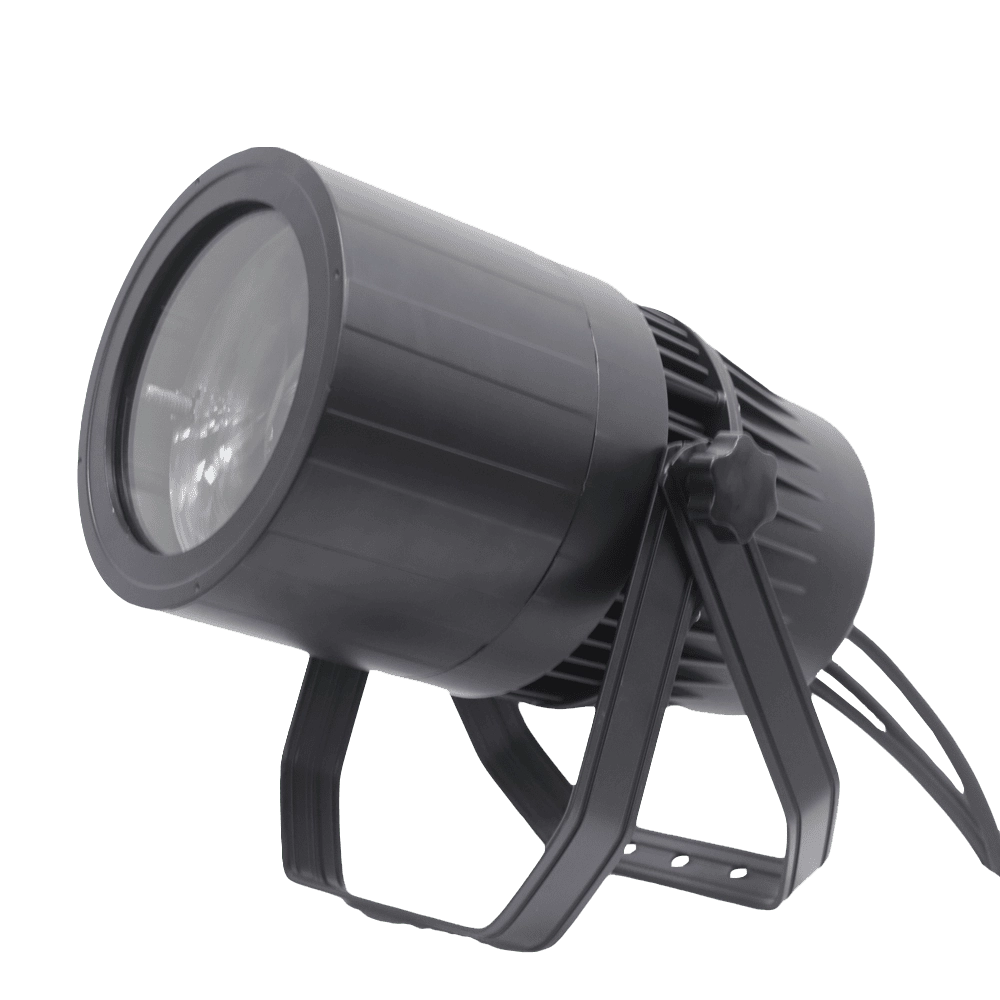
VANRAY Waterproof LED Par Light LP-200Z 200W Zoom Par Light
Introducing the VANRAY Waterproof LED Par Light LP-200Z, a 200W Zoom Par Light engineered for professional performance. Designed by Vanray, this advanced LED PAR light ensures waterproof durability, making it ideal for diverse environments. Elevate your lighting setup with optimum brightness and versatile zoom capabilities. A perfect choice for professional LED PAR light applications.
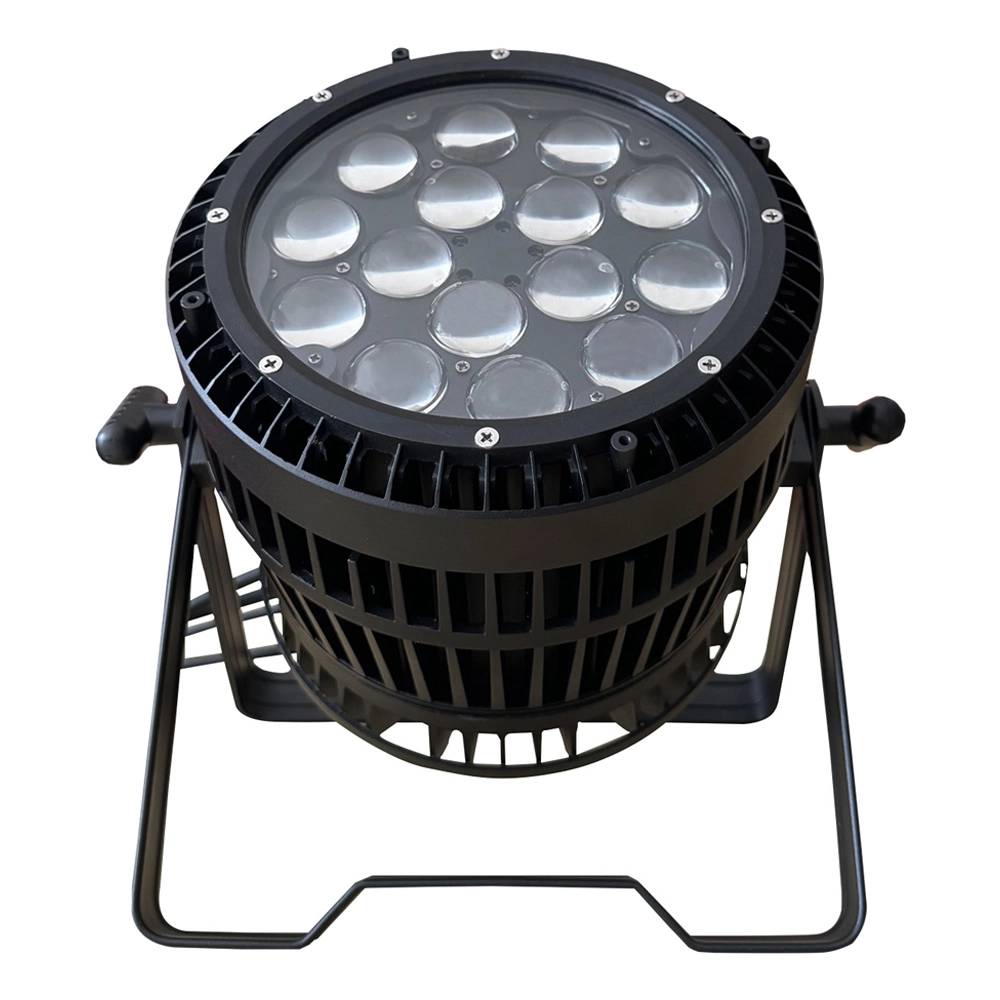
VANRAY LED Par Zoom Wash LP-1515Z 15pcs 15W RGBW Waterproof LED Par Light
Introducing the VANRAY LED Par Zoom Wash LP-1515Z, featuring 15pcs of 15W RGBW waterproof LEDs. This versatile LED wash light par is perfect for vibrant lighting effects, both indoors and outdoors. The precision of our led par zoom wash ensures an exceptional performance, enhancing any event with vivid color dynamics.
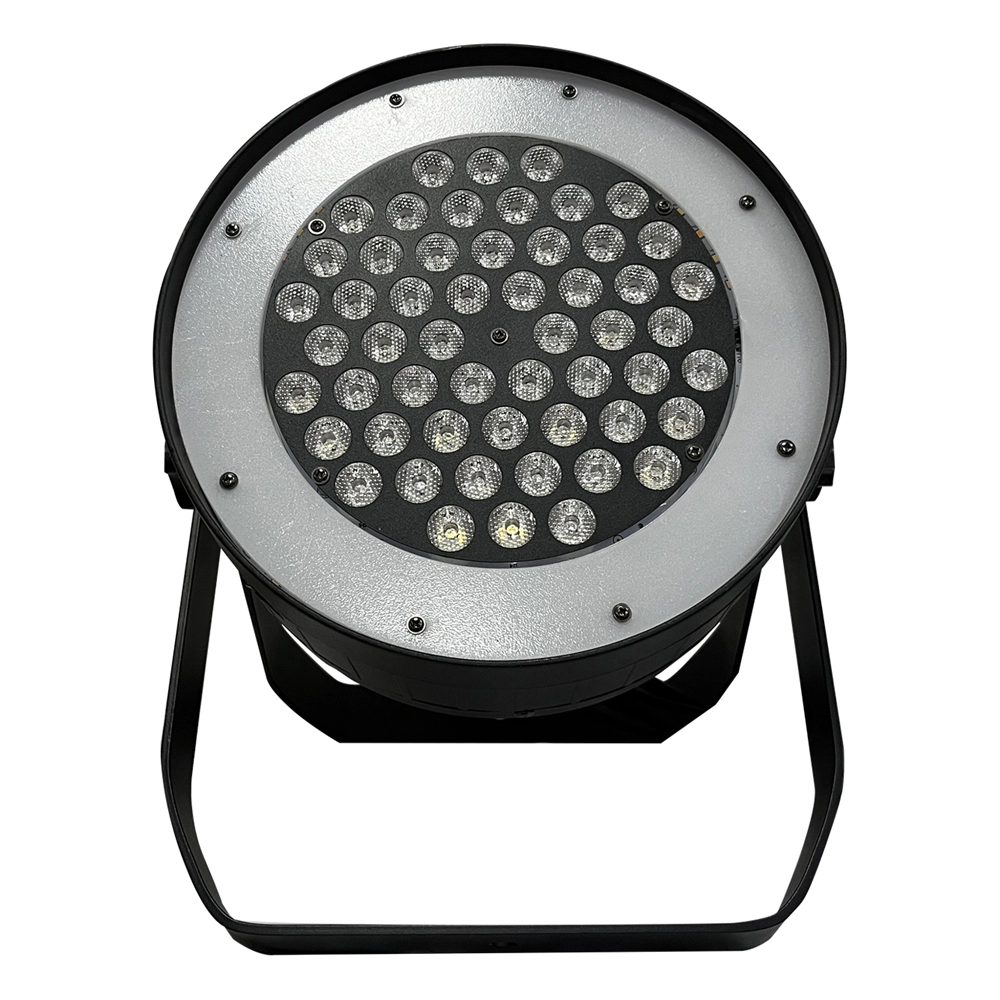
VANRAY Theater LED Par Can Lights LP-350SJL 350W White LED Par Can Lights
Introducing the VANRAY Theater LED Par Can Lights LP-350SJL, featuring an impressive 350W white LED. Ideal for stage lighting, these LED Par Can Lights deliver superior brightness and versatility. Enhance your theater productions with our cutting-edge lighting solutions. Trust Vanray for exceptional performance in LED stage lights.
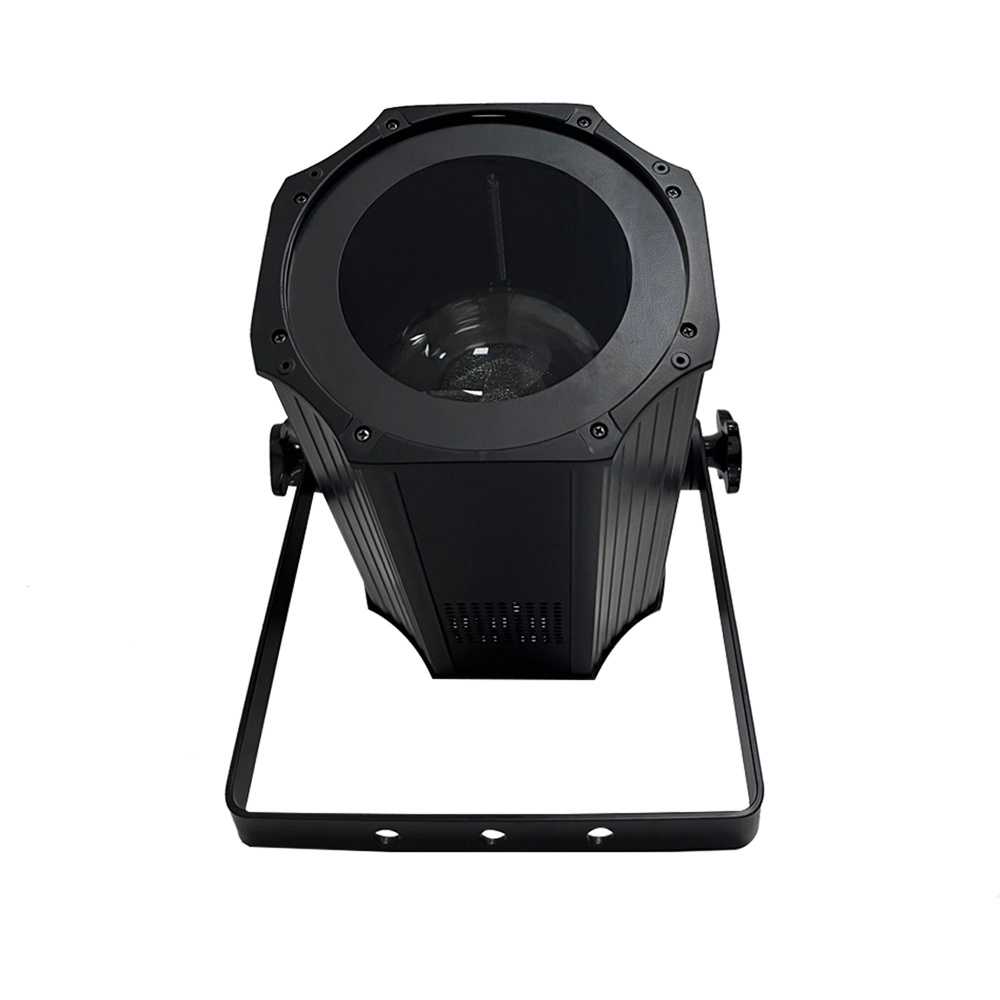
VANRAY LED Par Light Stage LP-200ZC RGBW LED Par Light Suppliers
Introducing the VANRAY LC-200ZC RGBW LED Par Light, a premium solution for vibrant stage lighting. This versatile par LED light ensures dynamic color effects, perfect for events and performances. As leading LED flat-par light suppliers, Vanray guarantees exceptional quality and performance. Illuminate your stage today with Vanray's innovative lighting technology.
As a leading Stage Lighting Manufacturer from China, VANRAY Lighting delivers a comprehensive suite of services including innovative R&D, precision production, and professional integration.
Built on decades of technical expertise, we are defined by our commitment to quality and service perfection. From theaters to grand-scale events, VANRAY is the trusted choice for reliable lighting solutions across the global entertainment and architectural sectors.
Copyright © 2025 VANRAY. All Rights Reserved.

Instagram
YouTube
Facebook