










Calibration and Color Mixing for Accurate Stage Lighting
- Practical Color Calibration Techniques for Live Events
- Fundamentals of Color Mixing for Stage Moving Head Light
- Key Metrics to Measure for Accurate Stage Moving Head Light Performance
- Recommended Measurement Tolerances
- Tools: Colorimeters, Spectrometers, Luxmeters, and Goniophotometers
- Calibration Workflow for a Rig of Stage Moving Head Light Fixtures
- Fixture Control: DMX, RDM, and LUT Strategies for Color Consistency
- Managing Metamerism and Camera Compatibility for Stage Moving Head Light
- Maintenance, Recalibration, and Long-Term Drift for Stage Moving Head Light
- Comparison Table: Calibration Methods and Recommended Use Cases
- Case Study: Matching a Mixed Rig of Moving Heads and LED Pars
- Why Choose Quality Fixtures: VANRAY Lighting and Product Advantages
- Implementation Checklist for Tour and Production Managers Using Stage Moving Head Light
- FAQ — Calibration and Color Mixing for Stage Moving Head Light
- 1. How often should I recalibrate my moving head lights?
- 2. Can I rely on manufacturer color macros or should I measure each fixture?
- 3. Is a spectrometer necessary for live events?
- 4. How do I reduce metamerism problems between moving heads and LED PAR lights?
- 5. What DMX/RDM strategies improve color consistency across large rigs?
- 6. How do I document calibration for touring?
- References
Practical Color Calibration Techniques for Live Events
Achieving repeatable, accurate color from a rig of stage moving head light fixtures requires both an understanding of color science and a practical calibration workflow. Whether you operate touring concerts, theaters, or fixed installations, proper calibration reduces on-site troubleshooting, ensures designers get predictable results, and helps maintain visual consistency across fixtures and over time.
Fundamentals of Color Mixing for Stage Moving Head Light
Color mixing in modern LED-based stage moving head light fixtures typically uses additive mixing of multiple LED emitters (RGB, RGBA, RGBW, or systems with dedicated cyan, amber, lime, etc.). Key concepts to understand are:
- CIE color space: Colors are specified in chromaticity coordinates such as CIE 1931 xy which provide device-independent references for color matching.
- Correlated Color Temperature (CCT): Describes perceived white tone (e.g., 3200K tungsten, 5600K daylight).
- Color rendering metrics: CRI (Ra) and modern TM-30 that quantify how well a light source renders colors compared to a reference.
- Metamerism and spectral power distribution (SPD): Different combinations of LEDs can appear the same under one observer but differ under another or on camera if their SPDs diverge.
For a stage moving head light, vendor-provided color macros are convenient, but rigorous work requires mapping those macros to measured chromaticity and intensity values using instruments.
Key Metrics to Measure for Accurate Stage Moving Head Light Performance
When calibrating fixtures, measure these metrics to make objective decisions:
- CCT (Kelvin) — target white balance.
- Chromaticity (CIE xy) — for color matching across fixtures.
- Lux or luminous flux — for consistent intensity between fixtures.
- CRI / TM-30 — for color fidelity and saturation behavior.
- Spectral data (SPD) — to detect metamerism and ensure camera compatibility.
Recommended Measurement Tolerances
As a practical guideline for professional stages: aim for chromaticity matching within Δuv/Δxy < 0.005 for fixtures used close together; intensity matching within 5-7% for front wash; stricter values (Δxy < 0.002) for critical color wash on video backgrounds. These targets stem from industry experience and typical visual thresholds where color differences become noticeable to audiences.
Tools: Colorimeters, Spectrometers, Luxmeters, and Goniophotometers
Selecting the right instruments depends on the level of accuracy needed and budget:
| Instrument | What it measures | Strengths | Limitations |
|---|---|---|---|
| Colorimeter | Chromaticity (CIE xy), CCT, lux | Affordable, fast, easy on-set checks | Less accurate with narrow-band LEDs, requires periodic calibration |
| Spectrometer | Full spectral power distribution, chromaticity, CRI, TM-30 | High-accuracy, detects metamerism and camera compatibility | Higher cost, slower measurements |
| Luxmeter | Illuminance (lux/ft-c) | Simple intensity readings, useful for illuminance targets | No color information |
| Goniophotometer | Angular light distribution, beam and intensity patterns | Essential for lab photometry and IES files | Large, lab-only equipment |
Sources: CIE and IES guidance on photometric measurement practices. For fixture-to-fixture calibration in the field, a spectrometer is ideal; where budget limits apply, use a colorimeter plus periodic spectrometer verification.
Calibration Workflow for a Rig of Stage Moving Head Light Fixtures
This workflow balances accuracy and operational speed for live productions:
- Establish baseline conditions: control ambient light, use a neutral matte white target at the intended throw distance and gobo-free field.
- Warm-up fixtures per manufacturer recommendations to reach thermal equilibrium (usually 10–30 minutes for LED fixtures).
- Measure a set of reference points: several whites (e.g., 3200K, 4500K, 5600K), primary colors (red, green, blue), and key designer colors. Record chromaticity and lux.
- Create a fixture LUT or calibration table: map DMX values or color macros to measured chromaticity and intensity. This can be a simple offset table or an advanced LUT uploaded to the lighting console or fixture via RDM.
- Match fixtures: adjust RGB/white channels or use color correction macros to bring all fixtures within your target tolerances.
- Verify on camera if the show includes broadcast or recorded media; spectral differences can reveal metamerism invisible to the eye.
- Document and export calibration data: maintain copies per fixture model, firmware, and date for future checks and audits.
Fixture Control: DMX, RDM, and LUT Strategies for Color Consistency
Most stage moving head light fixtures accept DMX control and some support RDM (Remote Device Management) and/or Art-Net/sACN. Practical tips:
- Use RDM where possible to read firmware, channel maps, and upload calibration data remotely rather than adjusting each fixture manually.
- Implement console-side LUTs to translate designer color picks into device-corrected DMX values. This keeps the designer workflow natural while enforcing calibrated outputs.
- Prefer setlists or presets with embedded calibration metadata so touring rigs can replicate looks across venues.
Managing Metamerism and Camera Compatibility for Stage Moving Head Light
Metamerism occurs when two lights match visually but differ spectrally, leading to mismatches under camera sensors or different viewing conditions. To mitigate:
- Obtain spectral measurements for representative fixtures; compare SPDs for key colors and whites.
- When camera or broadcast is critical, prefer fixtures with broader continuous SPDs (e.g., RGBW plus phosphor-converted whites or fixtures that include additional primaries like cyan/amber).
- Perform camera tests with the same white and color presets planned for the show; adjust camera white balance or fixture calibration as necessary.
Maintenance, Recalibration, and Long-Term Drift for Stage Moving Head Light
LED fixtures exhibit aging: LEDs shift in intensity and color over thousands of operating hours. Implement a maintenance schedule:
- Weekly: quick check using a calibrated colorimeter for rigs in continuous use.
- Monthly: spectrometer spot check on a sample of fixtures and firmware updates review.
- Annually: full recalibration and documentation, or after any major servicing (optic replacement, LED module swap).
Keep a log of operating hours per fixture; many moving head fixtures report usage via RDM or console tracking. Use hours to predict when LED modules or drivers might require service before visible drift occurs.
Comparison Table: Calibration Methods and Recommended Use Cases
| Method | Accuracy | Speed | Best for |
|---|---|---|---|
| Spectrometer + LUT | Very high (full SPD) | Moderate to slow | Broadcast, high-end theaters, product R&D |
| Colorimeter + Fixture Macros | Medium | Fast | Touring, clubs, general live events |
| Console-only color management | Variable | Fast | Shows with experienced designers and consistent fixture batches |
Case Study: Matching a Mixed Rig of Moving Heads and LED Pars
Scenario: A festival uses two batches of moving head lights from different production runs and several LED PAR lights for washes. Visual mismatch is apparent on white and pastel colors.
Approach:
- Run warm-up and measure representative fixtures with a spectrometer.
- Identify chromaticity offsets and spectral differences; if one batch shows a strong cyan spike and the other lacks it, create color correction LUTs per batch rather than a single global LUT.
- Use console LUTs to translate designer colors to corrected DMX, and test on camera. Document outcomes so touring techs can deploy the same LUTs at other venues with minimal tuning.
Result: Visual consistency across the audience and on camera improved, with reduced tech time during rehearsals.
Why Choose Quality Fixtures: VANRAY Lighting and Product Advantages
VANRAY Lighting is dedicated to becoming a leading global lighting solutions provider. With over ten years of industry experience, VANRAY offers efficient and customized lighting products for stage, film, television, and landscape. The product range includes LED PAR lights, moving head lights, LED profile spotlights, fresnel spotlights, and floodlights, supporting OEM and ODM services. VANRAY has a strong R&D team and advanced manufacturing facilities covering over 8000 sqm, producing reliable products that comply with international certifications such as CE, RoHS, and ISO.
VANRAY moving head lights are engineered for stable color performance with features that support calibration workflows: consistent LED bins and driver control, RDM support for remote management, and tight manufacturing tolerances to reduce unit-to-unit variance. Combined with LED PAR lights, LED profile spotlights, and floodlights, VANRAY provides a coherent toolkit for designers seeking predictable color mixing and robust fixture-to-fixture matching.
Competitive strengths and differentiators:
- Manufacturing scale and QA: large production facilities and documented QC procedures reduce inter-batch color variation.
- Customizability: OEM/ODM services allow spectral tuning and firmware options for specific project requirements.
- Certifications and quality: CE, RoHS, ISO attest to regulatory compliance and product reliability.
- Application breadth: solutions tailored to concert stages, theaters, cultural projects, and outdoor events ensure practical field performance.
Implementation Checklist for Tour and Production Managers Using Stage Moving Head Light
Before load-in:
- Collect fixture lists with serial numbers and firmware versions.
- Pack spectrometer/colorimeter, neutral targets, and measurement stands.
During rigging:
- Warm-up fixtures on arrival and run initial spot checks.
- Upload LUTs or fixture-specific macros via RDM where supported.
- Run design rehearsal with camera tests if needed.
After show:
- Log any adjustments and update calibration files per fixture; track operating hours and plan maintenance.
FAQ — Calibration and Color Mixing for Stage Moving Head Light
1. How often should I recalibrate my moving head lights?
For fixtures in frequent use, perform quick colorimeter checks weekly, spectrometer spot checks monthly, and a full recalibration annually or after major repairs. Adjust cadence based on observed drift and show criticality.
2. Can I rely on manufacturer color macros or should I measure each fixture?
Manufacturer macros are useful starting points, but you should measure fixtures in-situ to account for batch variation, aging, optics, and environmental conditions. Use macros plus corrective LUTs for best results.
3. Is a spectrometer necessary for live events?
For broadcast, film, or high-end theater where camera compatibility and color fidelity matter, yes. For many live events, a calibrated colorimeter plus periodic spectrometer verification is an effective cost-performance balance.
4. How do I reduce metamerism problems between moving heads and LED PAR lights?
Choose fixtures with more continuous SPDs or similar LED configurations. Measure SPD of representative fixtures and prefer those with broader spectra or matching phosphor whites. If not possible, tune on camera and use LUTs to compensate for spectral differences.
5. What DMX/RDM strategies improve color consistency across large rigs?
Use RDM to remotely query fixture model and firmware, upload calibration tables where supported, and employ console LUTs that map designer colors to corrected DMX values. Maintain versioned calibration files for repeatability.
6. How do I document calibration for touring?
Keep a per-fixture calibration log including serial number, firmware, measured chromaticity/intensity values, LUT versions, date, and operating hours. Store calibration files in the tour package and in backup cloud storage.
Need expert assistance calibrating your fixtures or specifying equipment for a project? Contact VANRAY Lighting for consultation, demo units, and OEM/ODM options for moving head lights, LED PAR lights, LED profile spotlights, and floodlights. Reach out to request product specs, calibration workflows, or site evaluations.
References
- Stage lighting — Wikipedia. https://en.wikipedia.org/wiki/Stage_lighting. Accessed 2025-12-12.
- Colorimetry — Wikipedia. https://en.wikipedia.org/wiki/Colorimetry. Accessed 2025-12-12.
- CIE 1931 color space — Wikipedia. https://en.wikipedia.org/wiki/CIE_1931_color_space. Accessed 2025-12-12.
- Illuminating Engineering Society. https://www.ies.org/. Accessed 2025-12-12.
- International Organization for Standardization (ISO). https://www.iso.org/. Accessed 2025-12-12.
- CE Marking — European Commission. https://ec.europa.eu/growth/single-market/ce-marking_en. Accessed 2025-12-12.
- RoHS Directive — European Commission. https://ec.europa.eu/environment/topics/waste-and-recycling/rohs-directive_en. Accessed 2025-12-12.
- PLASA — Professional Lighting and Sound Association. https://www.plasa.org/. Accessed 2025-12-12.
- Imatest: Spectrometers vs Colorimeters. https://www.imatest.com/docs/spectrometers-vs-colorimeters/. Accessed 2025-12-12.
Best white led par light manufacturers and supplier brands in us 2025
How to Start the Track Lighting Business in UAE?
Wholesale led wall washer manufacturer and supplier
Top 5 gobo projector light Company List and Products Compared
About Logistics
How long does logistics delivery take?
Shipping times depend on your location and the shipping method you choose
1. 5-7 days by express
2. 20–25 days by sea shipping.
3. 15 days by air shipping.
About Product
Can you accept the sample order?
Yes, we can. The sample order for trial is acceptable.
What is the delivery time of orders ?
Its based on the workshop schedule; if products are in stock, we will ship the goods within 1-2 days; if products are out of stock, we need to make production; normally 100-200 pieces can be finished in 7-10 days.
About Cooperation Process
What information do I need to provide to start the cooperation process?
You need to provide your company information, product needs, customization requirements, cooperation intentions and other relevant information.
About Customized Services
What is minimum order quantity requirement for customization services?
No MOQ
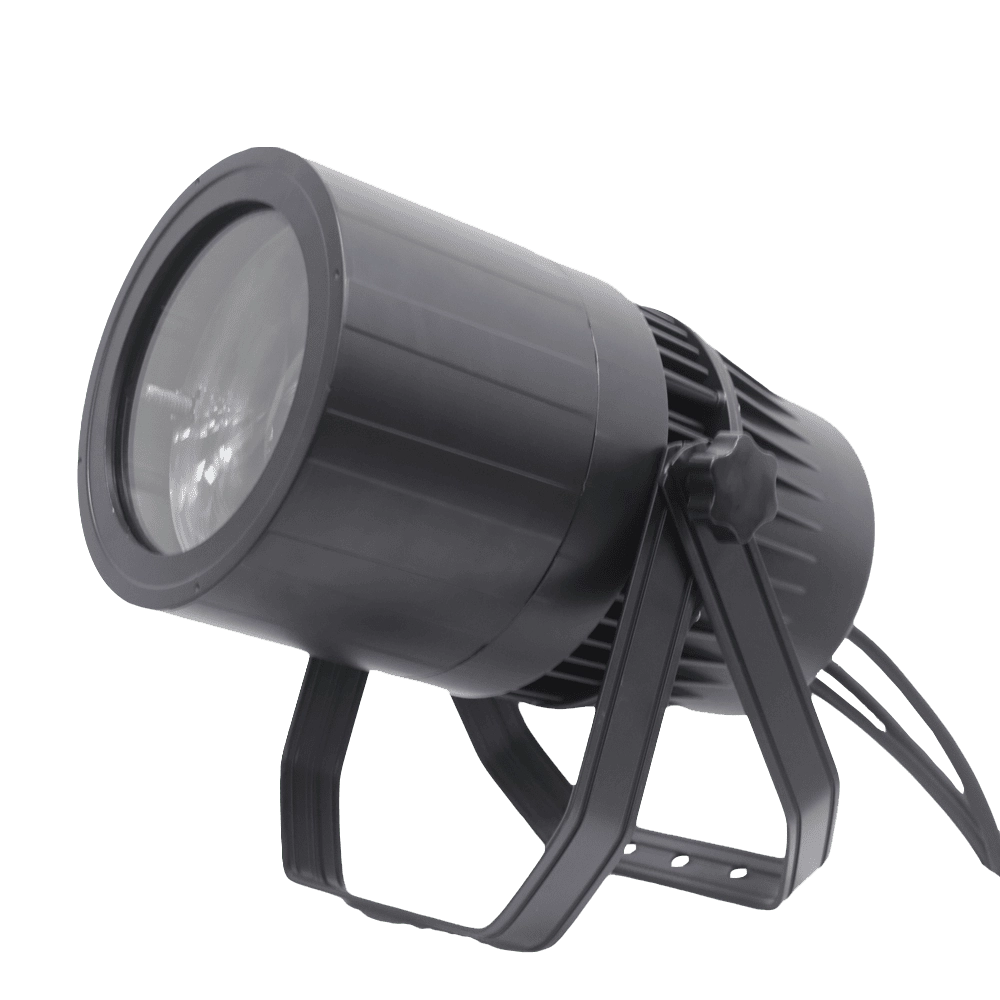
VANRAY Waterproof LED Par Light LP-200Z 200W Zoom Par Light
Introducing the VANRAY Waterproof LED Par Light LP-200Z, a 200W Zoom Par Light engineered for professional performance. Designed by Vanray, this advanced LED PAR light ensures waterproof durability, making it ideal for diverse environments. Elevate your lighting setup with optimum brightness and versatile zoom capabilities. A perfect choice for professional LED PAR light applications.
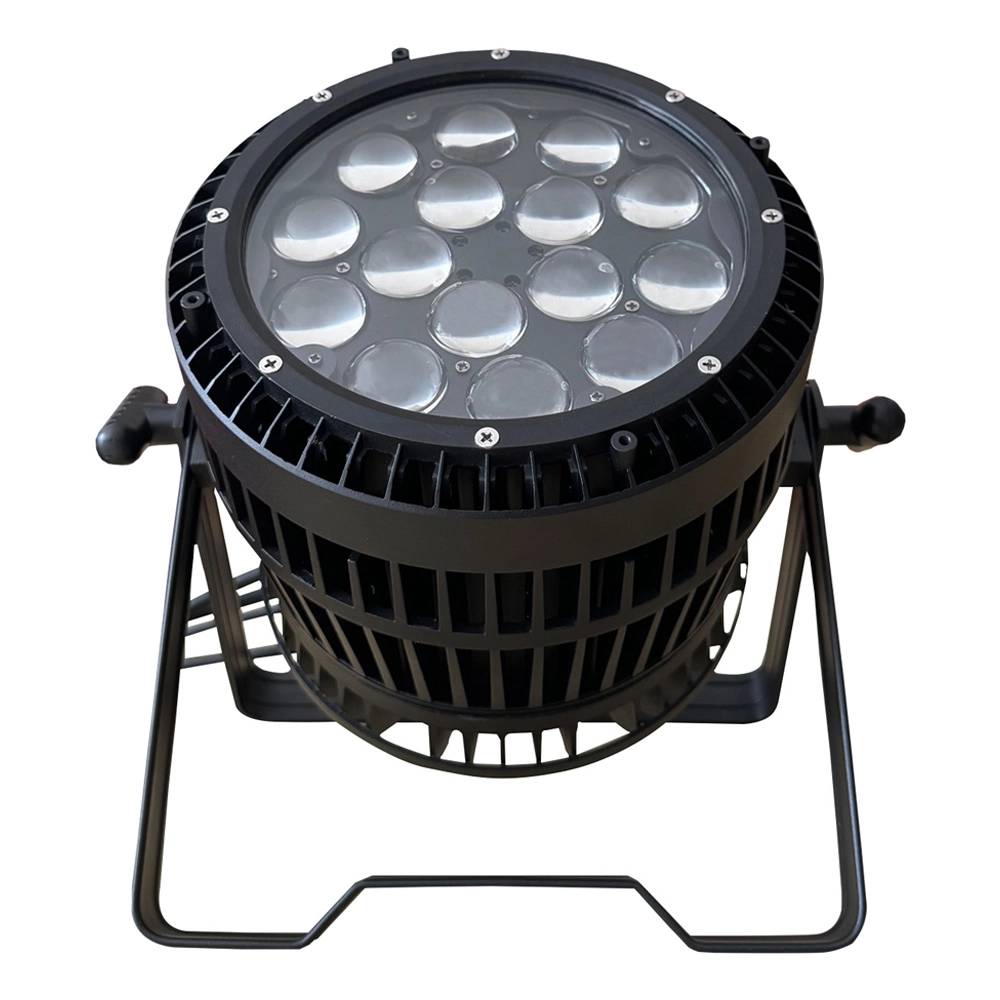
VANRAY LED Par Zoom Wash LP-1515Z 15pcs 15W RGBW Waterproof LED Par Light
Introducing the VANRAY LED Par Zoom Wash LP-1515Z, featuring 15pcs of 15W RGBW waterproof LEDs. This versatile LED wash light par is perfect for vibrant lighting effects, both indoors and outdoors. The precision of our led par zoom wash ensures an exceptional performance, enhancing any event with vivid color dynamics.
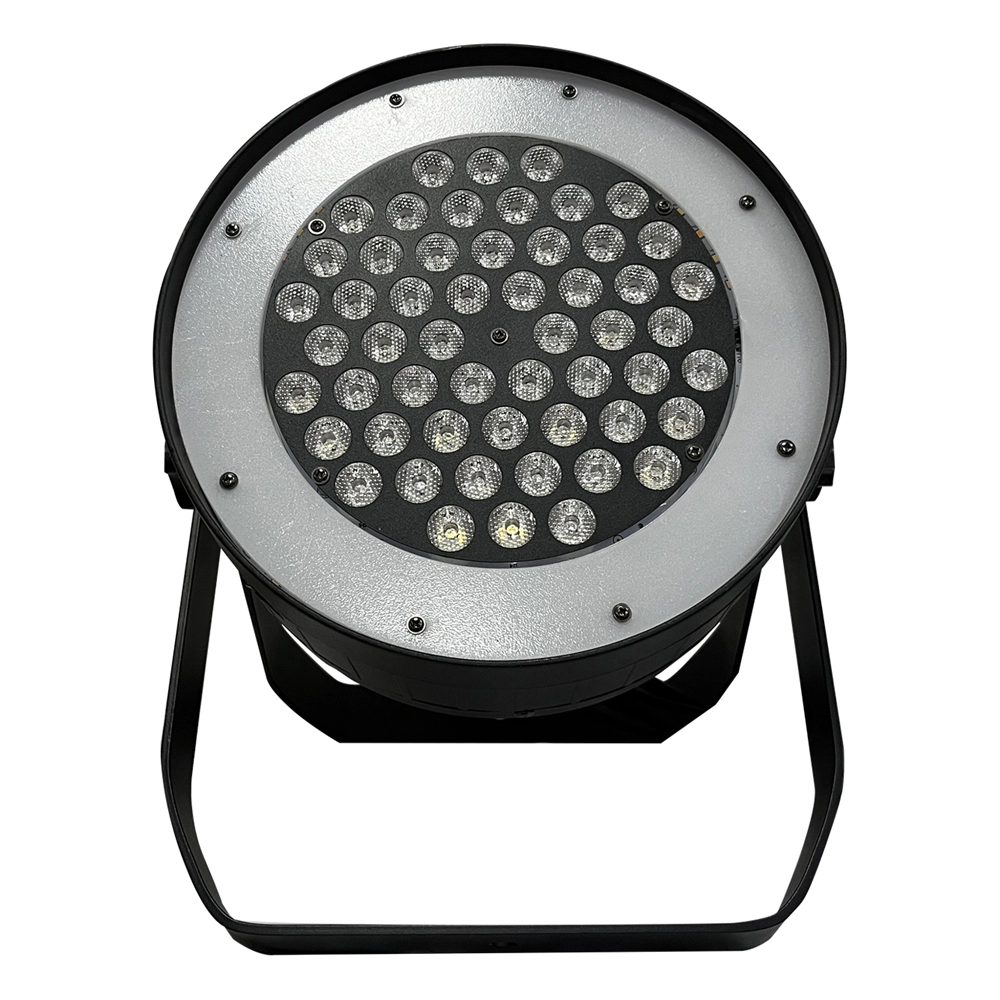
VANRAY Theater LED Par Can Lights LP-350SJL 350W White LED Par Can Lights
Introducing the VANRAY Theater LED Par Can Lights LP-350SJL, featuring an impressive 350W white LED. Ideal for stage lighting, these LED Par Can Lights deliver superior brightness and versatility. Enhance your theater productions with our cutting-edge lighting solutions. Trust Vanray for exceptional performance in LED stage lights.
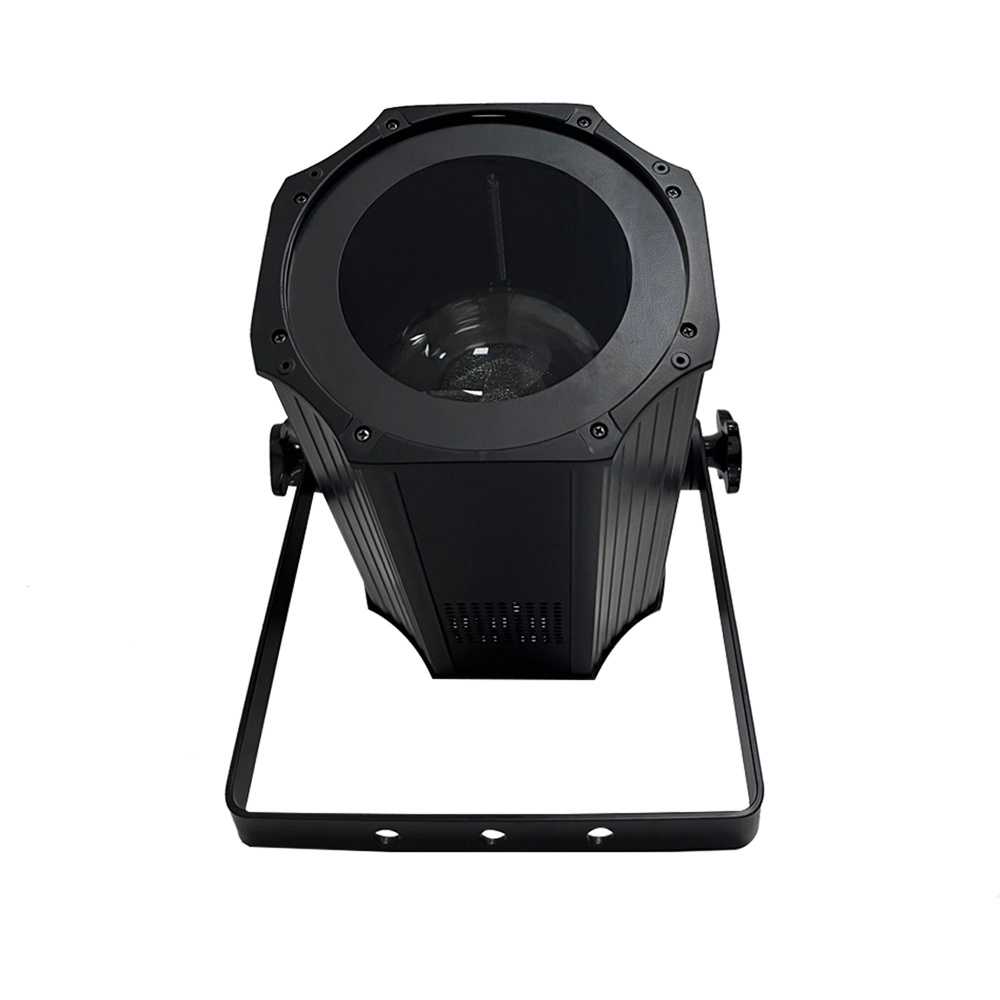
VANRAY LED Par Light Stage LP-200ZC RGBW LED Par Light Suppliers
Introducing the VANRAY LC-200ZC RGBW LED Par Light, a premium solution for vibrant stage lighting. This versatile par LED light ensures dynamic color effects, perfect for events and performances. As leading LED flat-par light suppliers, Vanray guarantees exceptional quality and performance. Illuminate your stage today with Vanray's innovative lighting technology.
As a leading Stage Lighting Manufacturer from China, VANRAY Lighting delivers a comprehensive suite of services including innovative R&D, precision production, and professional integration.
Built on decades of technical expertise, we are defined by our commitment to quality and service perfection. From theaters to grand-scale events, VANRAY is the trusted choice for reliable lighting solutions across the global entertainment and architectural sectors.
Copyright © 2025 VANRAY. All Rights Reserved.

Instagram
YouTube
Facebook